

- United States’ actions have harmed Chinese interests, firms, but Beijing still willing to negotiate a solution, Wang says
- China also opposed to comments, actions regarding Taiwan, Xinhua reports
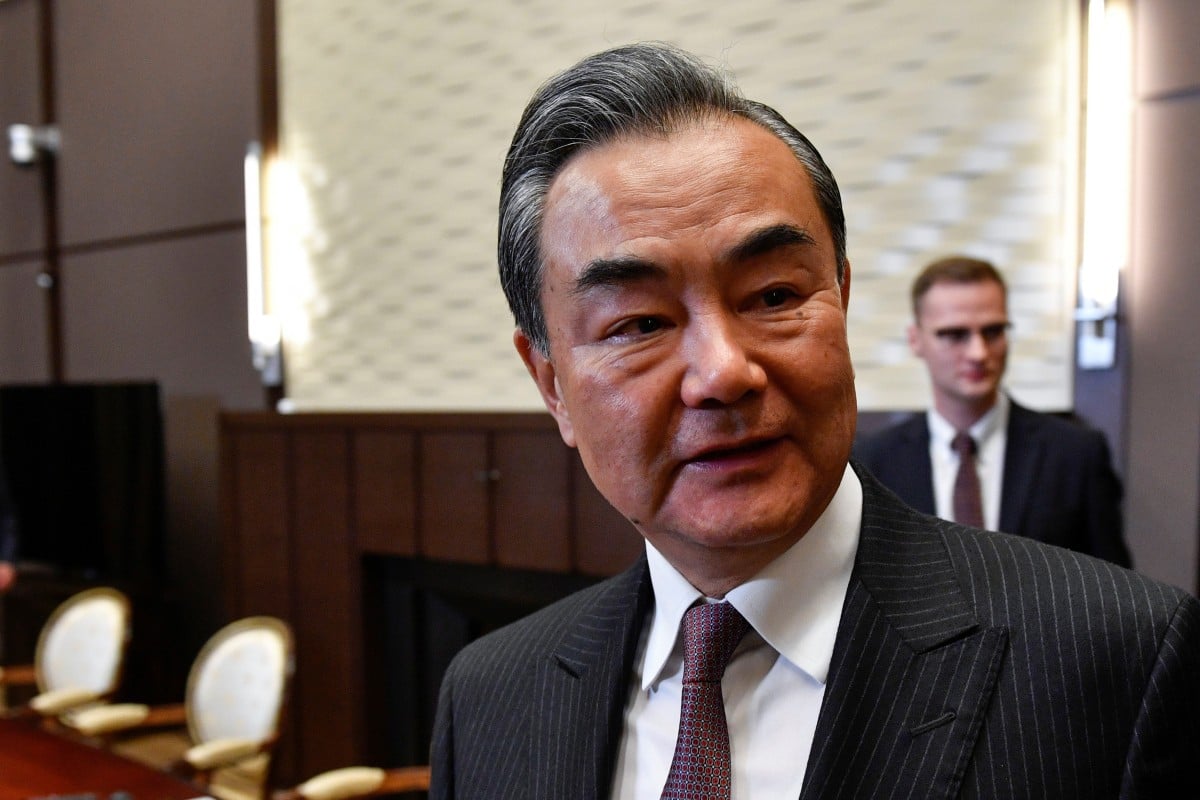
On the issue of Iran, Wang said China hoped all parties would exercise restraint and act with caution to avoid escalating tensions.
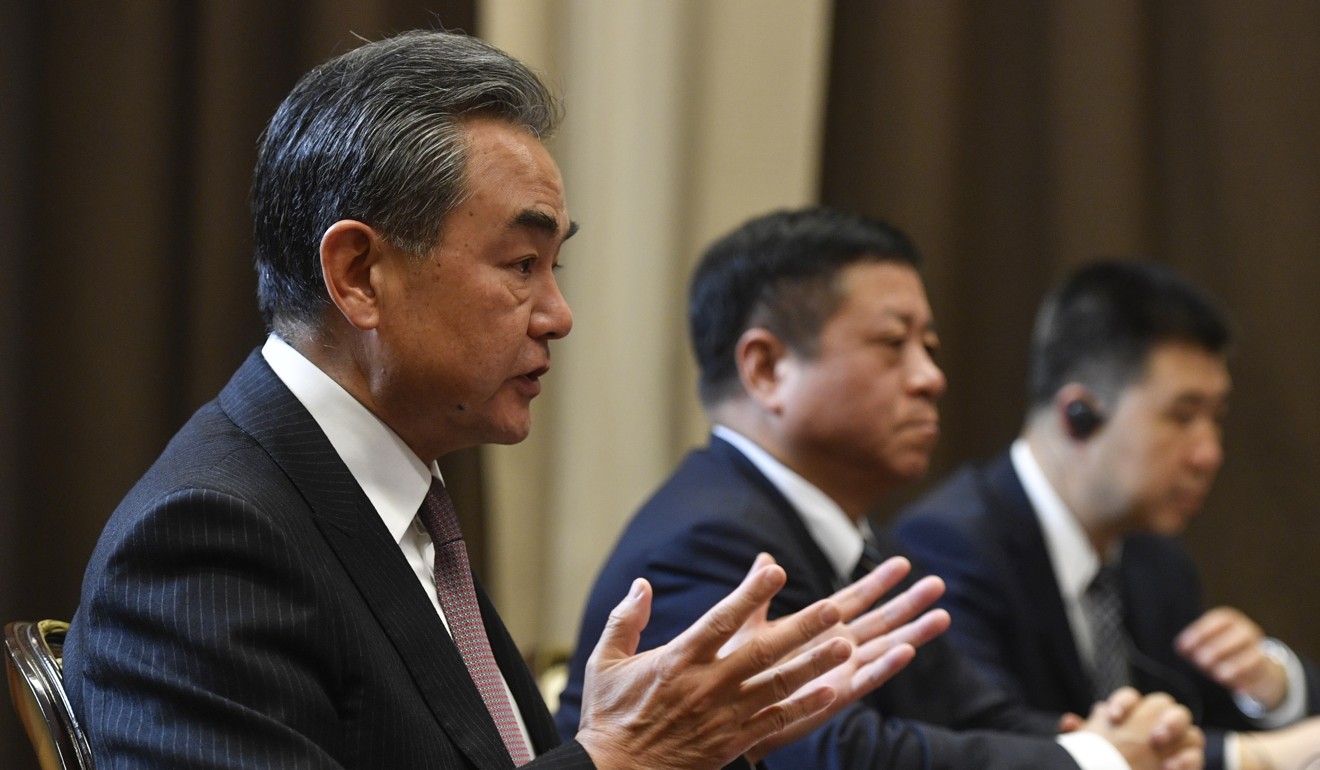
US State Department spokeswoman Morgan Ortagus said in a statement that Pompeo spoke with Wang and discussed bilateral issues and US concerns about Iran, but gave no other details.
Tensions between Washington and Tehran have increased in recent days, raising concerns about a potential US-Iran conflict. Earlier this week the United States pulled some diplomatic staff from its Baghdad embassy following attacks on oil tankers in the Gulf.
China struck a more aggressive tone on Friday, suggesting a resumption of trade talks between the world’s two largest economies would be meaningless unless Washington changed course.
The tough talk capped a week that saw Beijing unveil fresh retaliatory tariffs, US officials accuse China of backtracking on promises made during months of talks, and Washington level a potentially crippling blow against one of China’s biggest and most successful companies.
The US said on Thursday it was putting Huawei Technologies, the world’s largest telecoms equipment maker, on a blacklist that could make it extremely hard to do business with US companies. But a day later the US Commerce Department said it may soon scale back restrictions on the Chinese firm.
It said it was considering issuing a temporary general licence to “prevent the interruption of existing network operations and equipment”.
Potential beneficiaries of this licence could, for example, include telecoms providers in thinly populated parts of US states such as Wyoming and Oregon that bought network equipment from Huawei in recent years.
On Friday, China’s foreign ministry spokesman Lu Kang, when asked about state media reports suggesting there would be no more trade negotiations, said China always encouraged resolving disputes with the United States through dialogue and consultations.
Source: SCMP

 CHINDIA ALERT: You'll be living in their world, very soon
Leave a comment