

- The manufacturing purchasing managers’ index (PMI), a gauge of sentiment among factory operators, fell to 49.4 in May
- This was a decrease on April’s performance of 50.1, and below the median expectations of a poll of Bloomberg analysts, which had predicted a drop to just 49.9
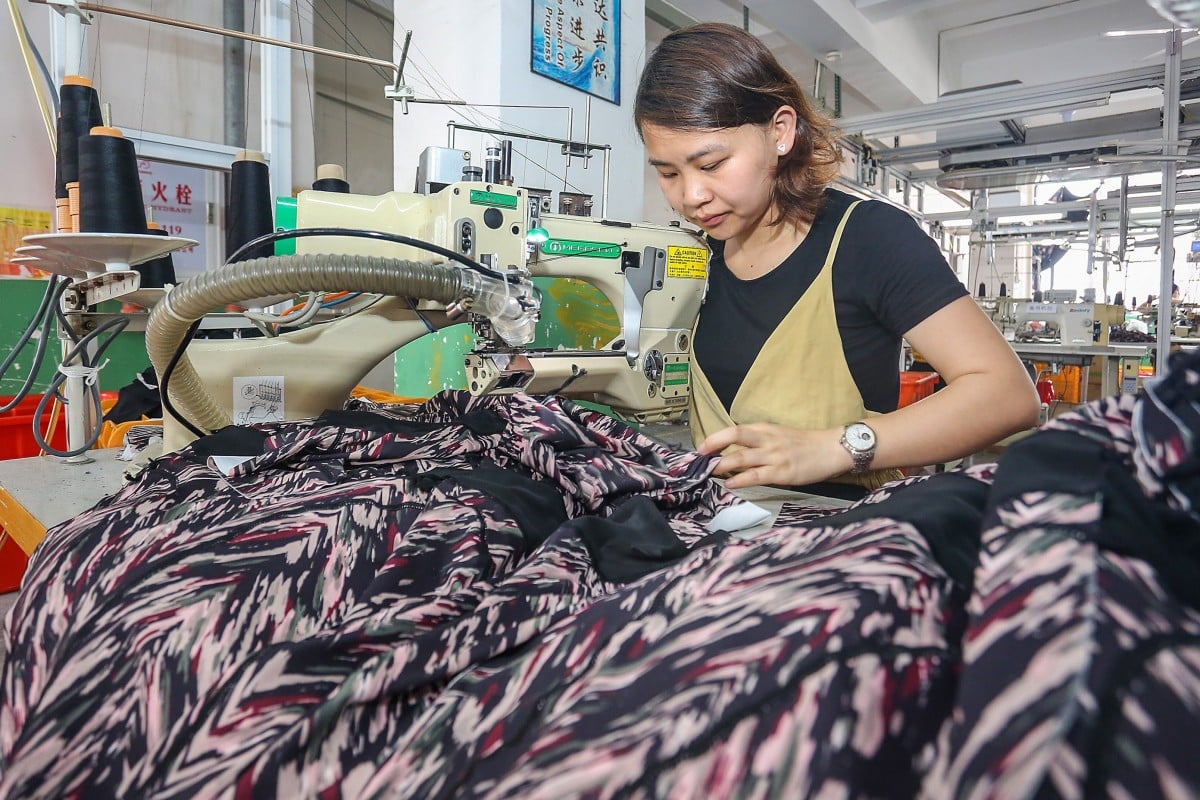
of 50.1, and well below the median expectations of a poll of Bloomberg analysts, which had predicted a drop to 49.9. A reading of below 50 means that the activity in the sector is contracting.
The composite PMI, which combines both manufacturing and services activity, was 53.3 in May, a slight decrease on 53.4 a month earlier.
An index reading above 50 indicates growth, while anything below 50 indicates a contraction.
The fall in the headline index was mostly driven by weaker new orders. Export orders dropped back particularly sharply, which suggests that [US President Donald] Trump’s latest tariff hike may already be undermining foreign demand.
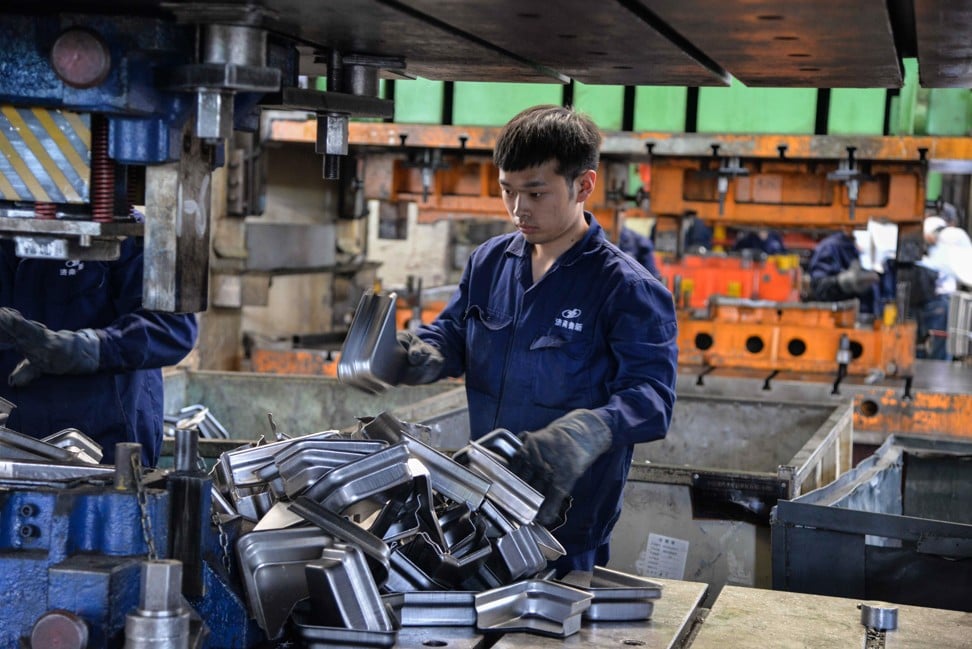
“China’s non-manufacturing business activity index was 54.3 per cent, which was the same as last month, indicating that the non-manufacturing industry continued to develop steadily and rapidly,” said the NBS statement.
Zhao Qinghe, senior statistician at the Service Industry Research Centre at the NBS, said that “there was some fluctuation in the manufacturing boom” and pointed to slowing demand as the cause of the slump.
“In May, the manufacturing PMI fell back. Among the 21 industries surveyed, 13 of the industry’s production indices are located in the expansion range, indicating that most industries in the manufacturing industry are relatively stable in production and operation,” said Zhao.
Among the 21 industries surveyed, 13 of the industry’s production indices are located in the expansion range, indicating that most industries in the manufacturing industry are relatively stable in production and operation.
to offset the slowdown in growth, Beijing has so far refused to commit to doing so.
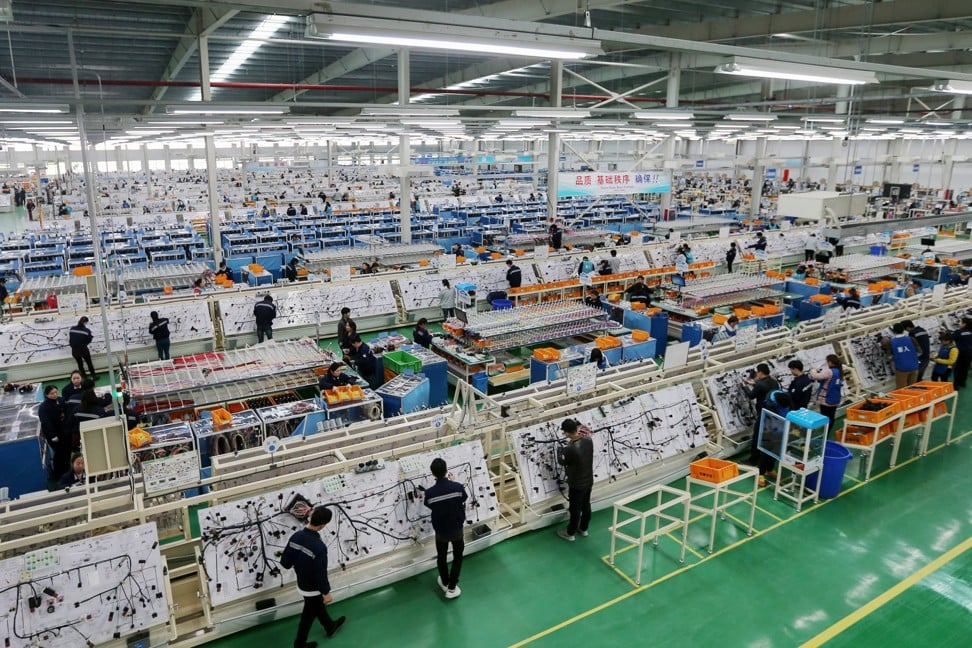
The PMI rounds off a poor week for China’s economy after Monday’s industrial profits released by the NBS showed the fastest slump in almost three and a half years in April.
stood at 515.39 billion yuan (US$74.7 billion) last month, down 3.7 per cent compared to a year earlier, the largest percentage decline since December 2015. With further tariffs about to kick in on
, there is significant capacity for the downward trend to continue.
this month, said that the escalation could lead to half a per cent being detracted from the Chinese economy this year, which would bring it to the lower limits of Beijing’s target growth range of between 6.0 and 6.5 per cent.
are already shipping their stocks earlier, reporting has shown, as they look to manage the risk of the trade tariffs.

 CHINDIA ALERT: You'll be living in their world, very soon
Leave a comment