

- Synthetic material that mimics and improves on nature could be used in China’s hypersonic space plane
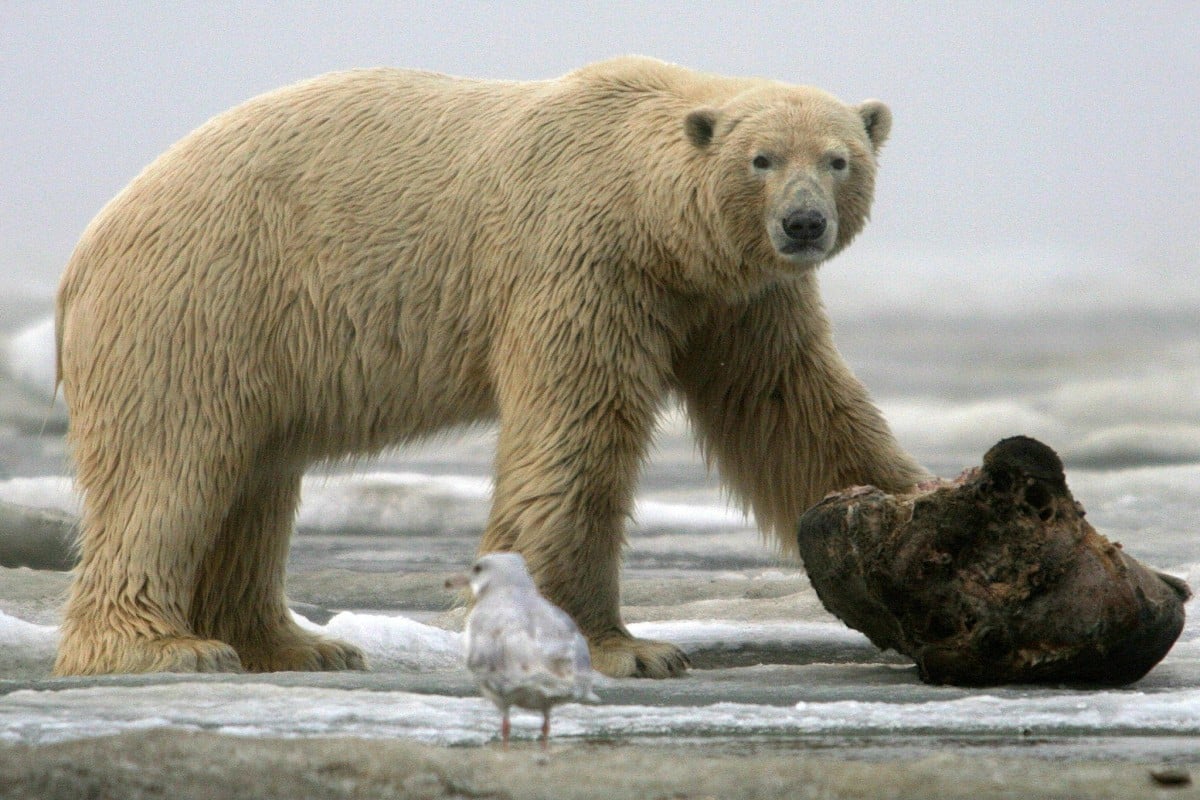
The team, led by Professor Yu Shuhong, was at first simply curious to know what made the polar bear so comfortable and successful in the unforgiving environment of the Arctic.
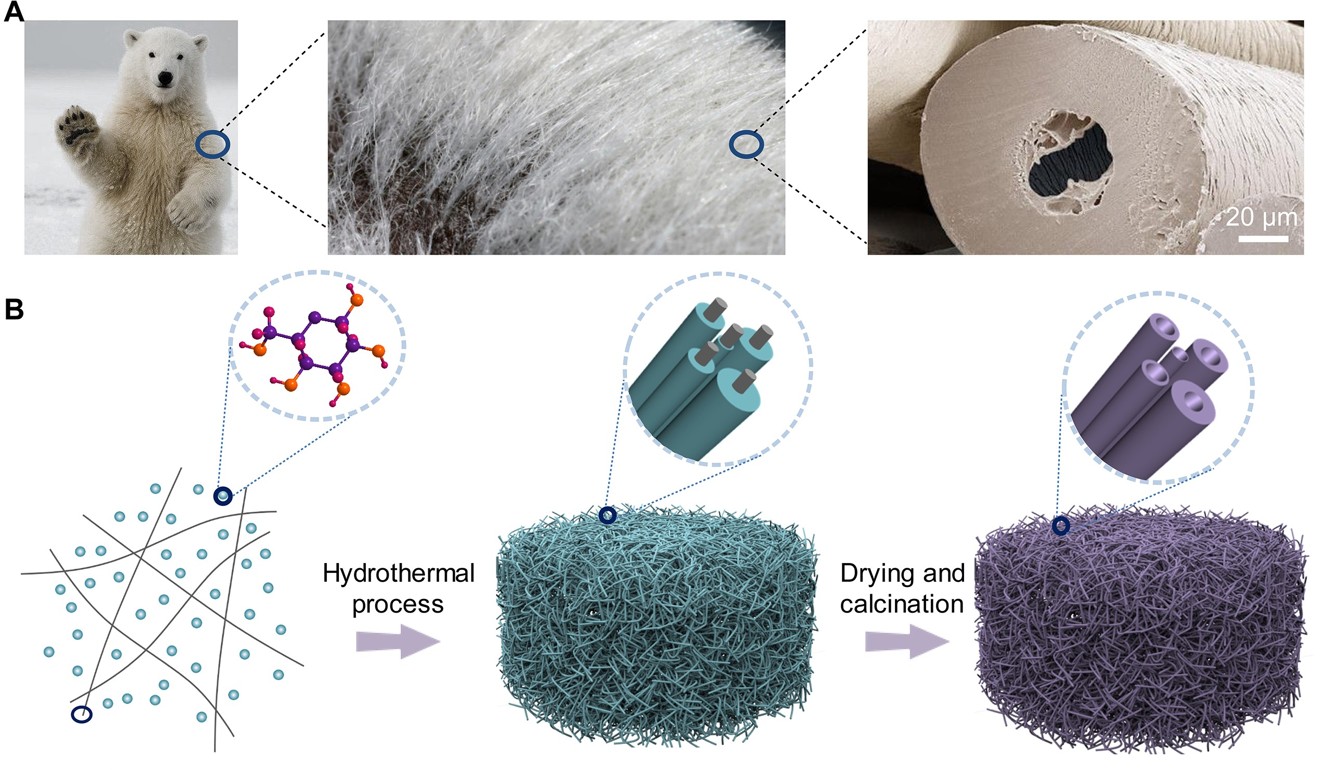
It was hollow inside. What’s more, they observed the tubelike hairs intertwined with one another, forming a random network like a bird’s nest. Using theoretical models on a powerful computer, the researchers confirmed that the structure was an efficient heat insulator.
The only drawback was its fragility and – according to their research paper in the latest issue of online science journal Chem – the researchers have managed to develop a synthetic version strong enough to withstand being pressed one million times during testing.
The new material was lighter than any heat insulation product in use today, with one cubic metre weighing just 8kg (17.6lbs) and might have applications in many areas, including the hypersonic space plane, under development in China for low-cost transport between space station and Earth, the researchers said.
Liu Jianwei, professor with the chemistry department at the University of Science and Technology of China and a co-author of the paper, said several research institutes and aerospace companies had been in contact to discuss the possibility of mass production.
“It is a super-strong, super-light heat insulator that can be used in hostile environments,” Liu said.
“To find a new material that can be used in critical engineering projects, we needed to make it stronger. We needed to surpass nature.”

 CHINDIA ALERT: You'll be living in their world, very soon
Leave a comment