

- PM2.5 in steel heartland below 35 micrograms for first time since China started measuring pollutant in 2013
- In May, Hebei’s air pollution index was down 6.6 per cent year on year

Hebei surrounds Beijing and has been on the front line of a war on pollution since 2014, after toxic smog spread to the Chinese capital.
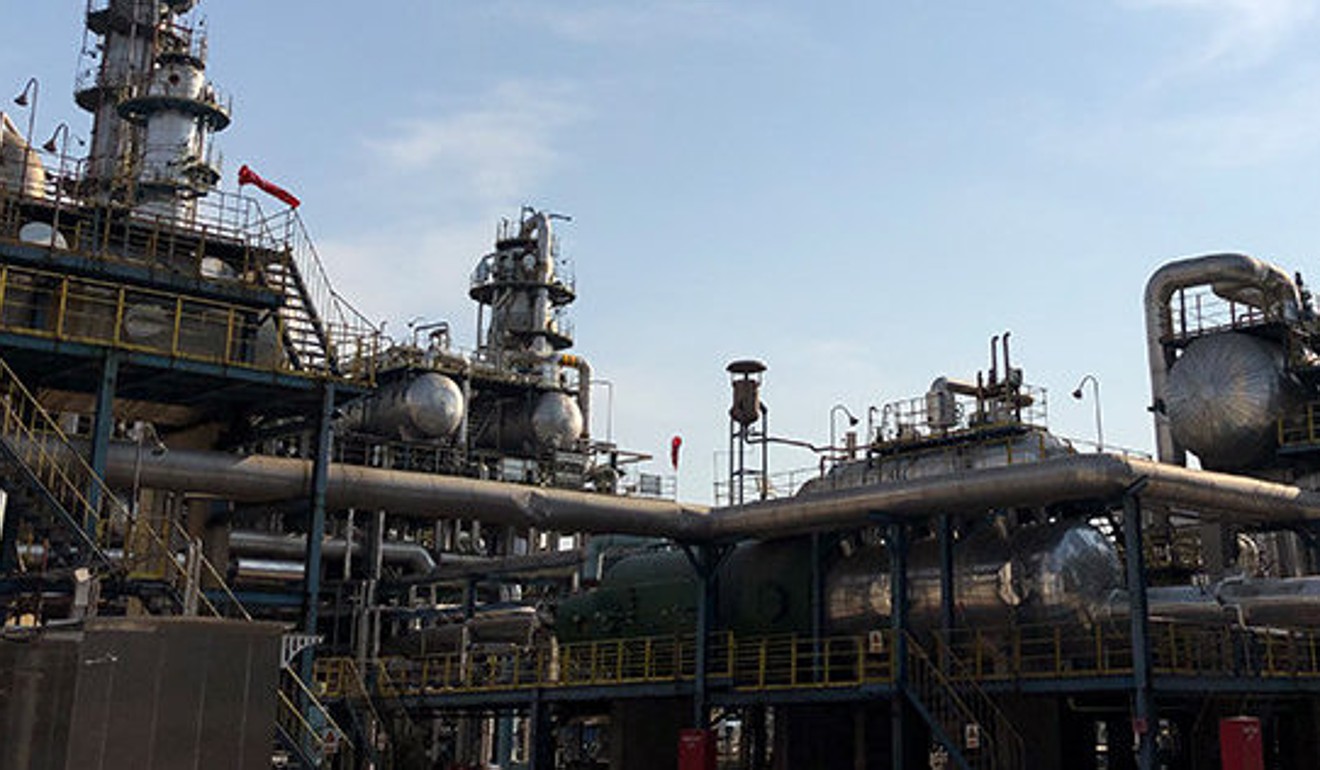
Provincial authorities converted thousands of households to natural gas from coal, curbed pollution from vehicles and imposed ultra-low emissions standards on its many steel mills, cement factories and power plants.
It was the first time that Hebei’s monthly average fell below the interim standard of 35 micrograms since China began measuring PM2.5 in 2013, the bureau said.
The World Health Organisation recommended average PM2.5 rates of no more than 10 micrograms.
Hebei’s overall air pollution index fell 6.6 per cent in May compared to the same month last year.
While the province has had success in reducing PM2.5 rates and other air pollutants, concentrations of ground-level ozone – known as “sunburn for the lungs” – have continued to rise.
Ozone levels reached 196 micrograms per cubic metre in May, up 5.9 per cent from the same month a year earlier, the bureau said.

 CHINDIA ALERT: You'll be living in their world, very soon
Leave a comment