

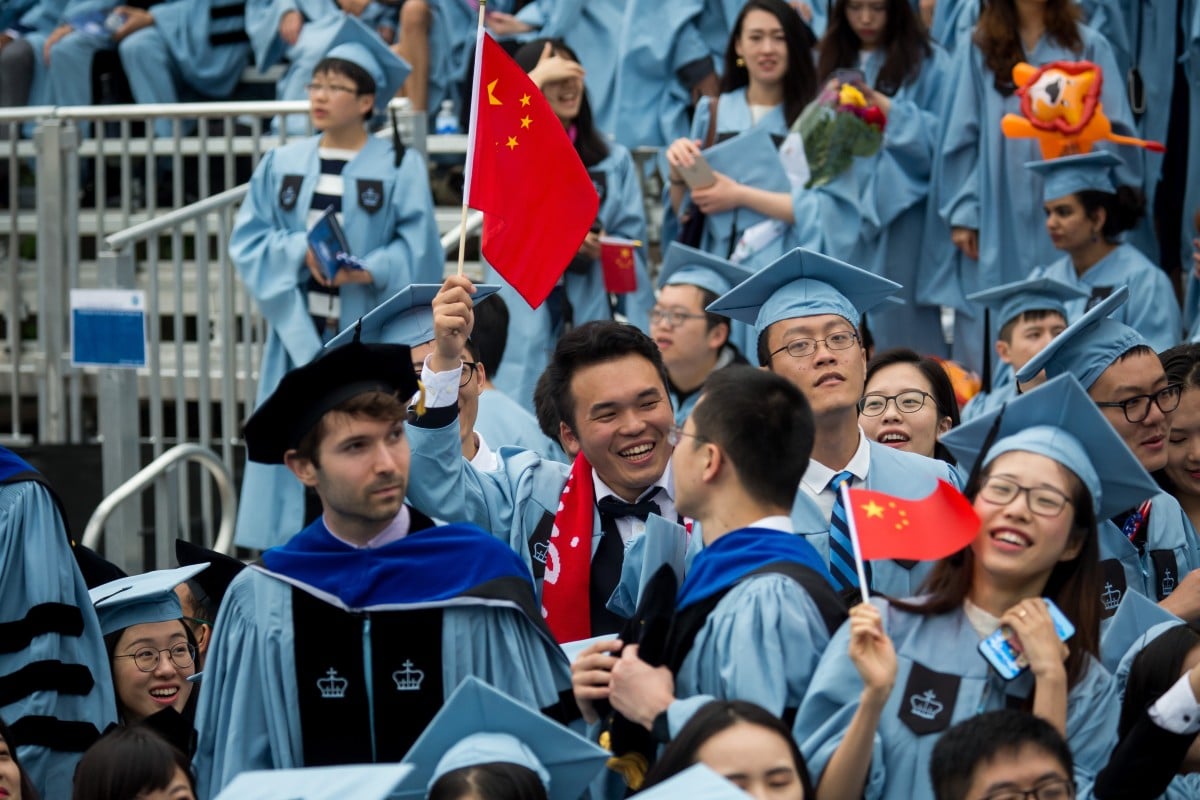
In the 1980s and 1990s, Chinese students who studied abroad did not rely on wealth or family background, but excellent academic achievement, and most of the students who went abroad were funded by China’s Ministry of Education. After experiencing the huge gaps between China and the West at that time in terms of living standards and social development, many chose to stay after graduation.
China’s overseas study policy at that time dictated that these students needed to return back within five years, or else their families could have faced punishment. Despite this, according to statistics from 2002, 92 per cent of Chinese students who obtained doctorate degrees in the United States during the 1990s choose not to return to their homeland.
Things began to change in the late 1990s. China’s private businesses started to boom after Deng Xiaoping’s “southern tour” in 1992, with many government officials and local leaders quitting their public jobs to pursue private wealth, in a trend dubbed “smashing their and jumping into the sea”. Blessed by their connections to the state apparatus, many of them became filthy rich in the process.
These Chinese nouveau riche could suddenly afford foreign university tuition fees and started sending their children to study abroad. The Chinese government also relaxed its policy on overseas education, and most overseas Chinese students became “second generation” rich and powerful.
At the same time, western universities particularly in the US and Britain opened their arms to the flow of Chinese students who were willing to pay hefty tuition fees and sometimes willing to make sizeable donations.
Source: SCMP

 CHINDIA ALERT: You'll be living in their world, very soon
Leave a comment