Archive for March, 2020

15/03/2020

Temporary hospitals play key role in curbing virus spread in Wuhan: expert

WUHAN, March 14 (Xinhua) — Temporary treating centers converted from public facilities have played a key role in curbing the spread of the novel coronavirus in Wuhan, the central Chinese city at the epicenter of the epidemic outbreak, a medical expert said.

The experience in setting up temporary hospitals in Wuhan should be drawn on in the future and could help other countries fight the pandemic of COVID-19, Wang Chen, a respiratory disease specialist and vice president of the Chinese Academy of Engineering, told Xinhua in a recent interview.

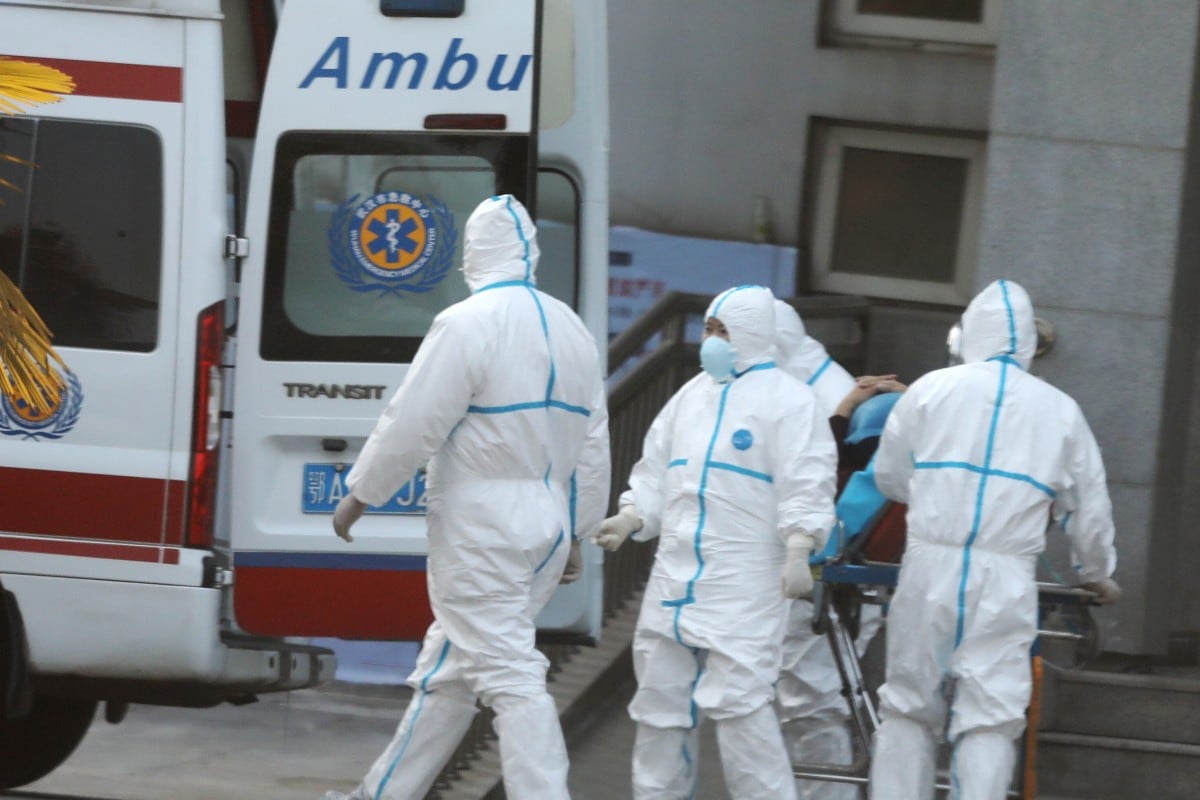
The hospitals were converted from public venues such as exhibition centers and gymnasiums in early February in an effort to treat patients with mild symptoms and isolate the source of infections amid strained medical resources.

Over more than a month, the 16 temporary hospitals have received more than 12,000 patients until the last two of them were shut down Tuesday as the city sees more patients recover and a sharp drop in the number of new infection cases, according to Wang.

The temporary hospitals were set up in Wuhan at the grimmest moment of its fight against the virus, when medical institutions were overwhelmed by an influx of patients and over 10,000 infected patients were unable to receive proper medical treatment, Wang said.

Under the principle of “leaving no patients unattended” established by Chinese central authorities, these hospitals have performed three major functions — isolation, treatment and monitoring, Wang said.

“These hospitals can keep patients under quarantine to block household and social contacts, offer proper treatments to patients with mild symptoms and monitor their conditions in case of exacerbation,” he added.

“One of the characteristics of COVID-19 is that most patients have mild symptoms, but they need proper treatments to avoid possible exacerbation. And the key is to keep them isolated to stem the spread of the virus,” said Wang, explaining why temporary hospitals are important to curbing the epidemic in Wuhan.

Source: Xinhua

15/03/2020

Lockdowns, self-isolation and entry bans imposed to fight global coronavirus spread

(Reuters) – France and Spain joined Italy in imposing lockdowns on tens of millions of people, Australia ordered self-isolation of arriving foreigners, and Argentina and El Salvadore extended entry bans as the world sought to contain the spreading coronavirus.

Panic buying in Australia, the United States and Britain saw leaders appeal for calm over the virus that has infected over 138,000 people globally and killed more than 5,000.

Several countries imposed bans on mass gathering, shuttered sporting, cultural and religious events, while medical experts urged people to practice “social distancing” to curb the spread.

All of Pope Francis’ Easter services next month will be held without the faithful attending, the Vatican said on Sunday, in a step believed to be unprecedented in modern times.

The services, four days of major events from Holy Thursday to Easter Sunday, usually draw tens of thousands of people to sites in Rome and in the Vatican.

Australian Prime Minister Scott Morrison said from midnight Sunday international travellers arriving in the country would need to isolate themselves for 14 days, and foreign cruise ships would be banned for 30 days, given a rise in imported cases.

“What we’ve seen in recent weeks, is more countries having issues with the virus and that means the source of some of those transmissions are coming from more and more countries,” Morrison told a news conference.

Australia’s latest restrictions mirror those announced by neighbouring New Zealand on Saturday. Australia has recorded more than 250 coronavirus cases and three deaths.

TRAVEL BANS, AIRLINE CUTBACKS

U.S. President Donald Trump declared a national emergency on Friday. The United States has recorded more than 2,000 cases and 50 deaths, but has been criticised for slow testing.

Travel bans and a plunge in global air travel saw further airline cut backs, with American Airlines Inc (AAL.O) planning to cut 75% of international flights through May 6 and ground nearly all its widebody fleet.

The dramatic announcement by the largest U.S. airline came hours after the White House said the United States would widen new travel restrictions on Europeans to include travellers in the United Kingdom and Ireland, starting Monday night.

Washington has already imposed flight restrictions on China.

China tightened checks on international travellers arriving at Beijing airport on Sunday, after the number of imported new coronavirus infections surpassed locally transmitted cases for a second day in a row.

Anyone arriving to Beijing from abroad will be transferred directly to a central quarantine facility for 14 days for observation starting March 16, a city government official said.

China, where the epidemic began in December, appears to now face a greater threat of new infections from outside its borders as it continues to slow the spread of the virus domestically.

China has reported 80,984 cases and 3,203 deaths, according to a Reuters tally, of which 66,911 have recovered in mainland China, which has imposed draconian containment policies, locking down several major cities.

LOCKDOWNS, STAY HOME

Spain put its 47 million inhabitants under partial lockdown on Saturday as part of a 15-day state of emergency to combat the epidemic in Europe’s second worst-affected country after Italy.

Spain had 193 coronavirus deaths and 6,250 cases, public broadcaster TVE said on Saturday, up from 120 deaths reported on Friday.

France will shut shops, restaurants and entertainment facilities from Sunday with its 67 million people were told to stay home after confirmed infections doubled in 72 hours.

French Prime Minister Edouard Philippe said the government had no other option after the public health authority said 91 people had died in France and almost 4,500 were now infected.

“We must absolutely limit our movements,” he said.

Britain is preparing to ban mass gatherings, while isolating people aged over 70 for up to four months is part of its action plan to tackle coronavirus which will be implemented in the coming weeks, Health Secretary Matt Hancock said on Sunday.

Argentina banned entry to non-residents who have travelled to a country highly affected by coronavirus in the last 14 days, the government officially announced late on Saturday.

The ban will last 30 days. Argentina has 45 cases of coronavirus, the health ministry said, up from 21 on March 12.

Panama said flights arriving from Europe and Asia would be temporarily suspended, with the exception of flights that transport doctors, medical equipment or other humanitarian aid.

Colombia will expel four Europeans for violating compulsory quarantine protocols, just hours after it closed its border with Venezuela, the government said on Saturday.

ANTI-TERRORISM TRACKING TO FIGHT VIRUS

Israel will use anti-terrorism tracking technology and partially shutdown its economy to minimise transmission risks, Prime Minister Benjamin Netanyahu said on Saturday.

Cyber tech monitoring would be deployed to locate people who have been in contact with those carrying the virus, subject to cabinet approval, Netanyahu told a news conference in Jerusalem.

Starting Sunday, South Korea began to subject visitors from France, Germany, Britain, Spain and the Netherlands to stricter border checks, after imposing similar rules for China, Italy and Iran which have major outbreaks.

Visitors from those countries now need to download an app which will report whether they have symptoms. South Korea has been testing hundreds of thousands of people and tracking potential carriers using cell phone and satellite technology.

Source: Reuters

15/03/2020

Coronavirus: Second death confirmed in India

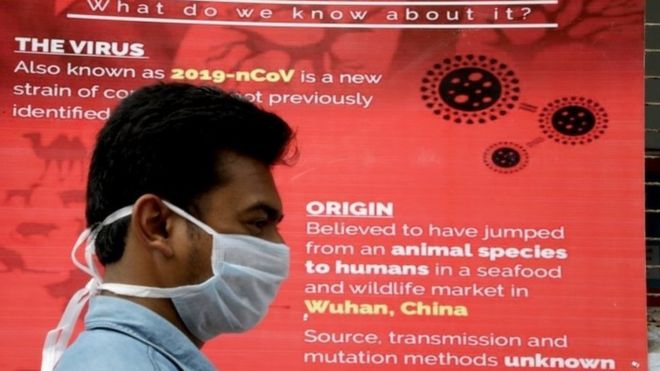
Coronavirus advisory hangs at the entrance of the Infectious Diseases (ID) Hospital in Kolkata, India, 04 March 2020Image copyright EPA
Image caption India has stopped exports of masks to make sure there are ample domestic supplies

A 68-year-old woman from Delhi has been confirmed as the second Indian to die from the coronavirus.

The woman, who had underlying health conditions, is thought to have been infected by her son who travelled to Switzerland and Italy last month.

India’s first fatality from the virus was confirmed on Thursday.

The 76-year-old man, from the southern state of Karnataka, died after returning from a month-long visit to Saudi Arabia on 29 February.

People who came in contact with the man are being traced and quarantined, the state’s health minister said. India has 82 confirmed cases of the virus, the health ministry says.

The Delhi woman’s son was “initially asymptomatic but developed a fever and cough after one day”, a government statement said. The family were then screened and the mother and son admitted to hospital.

The 76-year-old Karnataka man was screened at the airport on his return but showed no symptoms at the time. After he developed difficulties last week, he was taken to hospital. He died on Tuesday but it was not reported until Thursday.

Banner image reading 'more about coronavirus'
Banner

India’s Supreme Court has said it will only hear urgent cases from Monday, and has restricted the number of people who can enter a courtroom.

Karnataka has banned all gatherings including weddings, sports events and conferences for a week as the country attempts to slow the spread of the virus.

Malls, movie theatres, pubs and night clubs have also been shut.

“The government will decide on further action after a week following a review,” the state’s chief minister BS Yediyurappa announced on Friday.

But he said that government offices would continue to function as normal.

India has taken a number of steps to halt the spread of Covid-19:

  • All visas, barring a select few categories, have been suspended for a month
  • Visa-free travel afforded to overseas citizens of the country has been suspended until 15 April and even those allowed in could be subject to 14 days of quarantine
  • Schools, colleges and movie theatres in the capital, Delhi, have been shut until 31 March
  • The Indian Premier League (IPL), featuring nearly 60 foreign players and scheduled to begin on 29 March, has been postponed to 15 April
  • Two one-day cricket matches between India and South Africa will be played behind closed doors

India’s health ministry says it was among the first countries in the world to prepare for an outbreak of the respiratory illness, and denied allegations that it was slow in testing suspected cases.

“Our surveillance system is strong and we are able to quickly identify any symptomatic patients,” RR Gangakhedkar from the Indian Council of Medical Research (ICMR) told reporters on Thursday.

However, there are concerns about whether the country will be fully equipped to prevent and treat an outbreak.

It would be near impossible for India to force its citizens into mass quarantine and hospitalise people in numbers like China, says the BBC’s Soutik Biswas.

Our correspondent says there are also concerns about the country’s poor healthcare data. India has a shoddy record in even recording deaths and disease – only 77% of deaths are registered, and doctors are more likely to get the cause of death wrong than right, according to a study the Toronto-based Centre for Global Research. There is patchy data for flu-related deaths.

Source: The BBC

13/03/2020

China Focus: China report says human rights situation deteriorating in U.S.

BEIJING, March 13 (Xinhua) — China on Friday issued a report on human rights violations in the United States.

Titled “The Record of Human Rights Violations in the United States in 2019,” the report said the facts detailed in the document show that “in recent years, especially since 2019, the human rights situation in the United States has been poor and deteriorating.”

The State Council Information Office released the report based on published data, media reports and research findings. It began by citing a quote from U.S. Secretary of State Mike Pompeo in a speech on April 15, 2019: “We lied, we cheated, we stole … It reminds you of the glory of the American experiment.”

“The remarks of U.S. politicians have completely exposed their hypocrisy of adopting double standards on human rights issues and using them to maintain hegemony,” read the report.

The United States released annual reports to “distort and belittle” human rights situation in countries and regions that did not conform to U.S. strategic interests, but turned a blind eye to the “persistent, systematic and large-scale” human rights violations in its own country, the report said.

Consisting of foreword and seven chapters, it detailed facts on human rights violations in the United States relevant to civil and political rights, social and economic rights, discrimination suffered by ethnic minorities, discrimination and violence against women, living conditions of vulnerable groups, and abuses suffered by migrants, as well as U.S. violations of human rights in other countries.

The lack of restraint in the right to hold guns has led to rampant gun violence, posing a serious threat to citizens’ life and property safety in the United States, the report said.

“The United States is a country with the worst gun violence in the world,” read the report. In total, 39,052 people died from gun-related violence in the United States in 2019, and a person is killed with a gun in the United States every 15 minutes, figures showed.

Wealth polarization in the United States hit a 50-year high in 2018, the report said. In 2018, the wealthiest 10 percent held 70 percent of total household wealth. The bottom 50 percent saw essentially zero net gains in wealth over the past 30 years, it noted.

Regarding discrimination suffered by ethnic minorities in the United States, the report said the political structure and ideology of white supremacy in the United States have caused ethnic minorities to suffer all-round discrimination in various fields such as politics, economy, culture and social life.

Since 2016, white supremacy in the United States has shown a resurgence trend, leading to racial opposition and hatred, it noted.

Women in the United States face severe discrimination and violence, according to the report. Women in the United States were 21 times more likely to die by firearm homicide than women in peer nations, it noted, adding that sexual assault cases against women kept increasing.

About the living conditions of vulnerable groups, the report said tens of millions of U.S. children, elderly people, and disabled people live without enough food or clothing, and face threats of violence, bullying, abusing and drugs.

“The U.S. government not only has insufficient political will to improve the conditions for vulnerable groups but also keeps cutting relevant funding projects,” read the report.

While levels of extreme poverty worldwide had dropped dramatically, the poverty ratio of U.S. children was about the same rate as 30 years ago, it said.

The report noted the increasingly strict and inhumane measures taken by the U.S. government against immigrants in recent years, in particular, the “zero-tolerance” policy, which caused the separations of many immigrant families.

Many unaccompanied immigrant children were held in overcrowded facilities, without access to adequate healthcare or food, and with poor sanitation conditions, the report said.

It noted grave abuses at detention facilities for immigrants, including injecting them with sedatives, keeping them in handcuffs, and depriving them of clothing and mattresses.

The United States also wantonly trampled on human rights in other countries and was responsible for many humanitarian disasters around the world, according to the report.

The economic embargo against Cuba and the unilateral sanctions against Venezuela imposed by the United States had been a massive and flagrant violation of the human rights of people in these countries, the report said.

The United States withdrew from several multilateral mechanisms, including the UN Human Rights Council and the UN Global Compact on Migration, shirking off its international obligations and making troubles to the international governance system, it noted.

Source: Xinhua

13/03/2020

Xi extends congratulations to new Greek president

BEIJING, March 13 (Xinhua) — Chinese President Xi Jinping on Friday sent a congratulatory message to Katerina Sakellaropoulou on her inauguration as Greece’s new president.

In his message, Xi points out that China and Greece are good friends of mutual benefit and win-win cooperation who help each other and learn from each other’s civilization.

Recalling his successful state visit to Greece at the end of last year, Xi said he is satisfied with the fruitful results achieved in the cooperation of jointly building the Belt and Road by the two countries and is confident in the prospect of bilateral cooperation.

Xi said he highly values the development of China-Greece relations, and stands ready to establish a sound working relationship with President Sakellaropoulou in a bid to make new progress in the China-Greece comprehensive strategic partnership.

Source: Xinhua

13/03/2020

Coronavirus: China’s first confirmed Covid-19 case traced back to November 17

  • Government records suggest first person infected with new disease may have been a Hubei resident aged 55, but ‘patient zero’ has yet to be confirmed
  • Documents seen by the Post could help scientists track the spread of the disease and perhaps determine its source
The first known case of Covid-19 in China dates back to November, but the hunt for “patient zero” goes on. Photo: EPA-EFE
The first case of someone in China suffering from Covid-19, the disease caused by the novel coronavirus, can be traced back to November 17, according to government data seen by the South China Morning Post.
Chinese authorities have so far identified at least 266 people who were infected last year, all of whom came under medical surveillance at some point.
Some of the cases were likely backdated after health authorities had tested specimens taken from suspected patients.
Interviews with whistle-blowers from the medical community suggest Chinese doctors only realised they were dealing with a new disease in late December.

Scientists have been trying to map the pattern of the early transmission of Covid-19 since an epidemic was reported in the central China city of Wuhan in January, two months before the outbreak became a global health crisis.

Understanding how the disease spread and determining how undetected and undocumented cases contributed to its transmission will greatly improve their understanding of the size of that threat.

According to the government data seen by the Post, a 55 year-old from Hubei province could have been the first person to have contracted Covid-19 on November 17.

From that date onwards, one to five new cases were reported each day. By December 15, the total number of infections stood at 27 – the first double-digit daily rise was reported on December 17 – and by December 20, the total number of confirmed cases had reached 60.

On December 27, Zhang Jixian, a doctor from Hubei Provincial Hospital of Integrated Chinese and Western Medicine, told China’s health authorities that the disease was caused by a new coronavirus. By that date, more than 180 people had been infected, though doctors might not have been aware of all of them at the time.

With pandemic declared, the race is on to develop a coronavirus vaccine

13 Mar 2020

By the final day of 2019, the number of confirmed cases had risen to 266, On the first day of 2020 it stood at 381.

While the government records have not been released to the public, they provide valuable clues about how the disease spread in its early days and the speed of its transmission, as well as how many confirmed cases Beijing has recorded.

Scientists are now keen to identify the so-called patient zero, which could help them to trace the source of the coronavirus, which is generally thought to have jumped to humans from a wild animal, possibly a bat.

Of the first nine cases to be reported in November – four men and five women – none has been confirmed as being “patient zero”. They were all aged between 39 and 79, but it is unknown how many were residents of Wuhan, the capital of Hubei and the epicentre of the outbreak.

It is possible that there were reported cases dating back even earlier than those seen by the Post.

According to the World Health Organisation’s website, the first confirmed Covid-19 case in China was on December 8, but the global body does not track the disease itself but relies on nations to provide such information.
A report published in medical journal The Lancet by Chinese doctors from Jinyintan Hospital in Wuhan, which treated some of the earliest patients, put the date of the first known infection at December 1.
Dr Ai Fen, the first known whistle-blower, told People magazine in an interview that was later censored, that tests showed that a patient at Wuhan Central Hospital was diagnosed on December 16 as having contracted an unknown coronavirus.
With pandemic declared, the race is on to develop a coronavirus vaccine
13 Mar 2020

Accounts by other doctors seem to suggest the medical community in Wuhan became aware of the disease in late December.

Previous reports said that although doctors in the city collected samples from suspected cases in late December, they could not confirm their findings because they were bogged down by bureaucracy, such as having to get approval from the Chinese Centre for Disease Control and Prevention, which could take days. They were also ordered not to disclose any information about the new disease to the public.

As late as January 11, Wuhan’s health authorities were still claiming there were just 41 confirmed cases.

Source: SCMP

13/03/2020

Coronavirus: Chinese supercomputer uses artificial intelligence to diagnose patients from chest scans

  • System analyses hundreds of images in seconds, then advises doctors what to do next
  • China has offered free use of the machine around the world, but US Centres for Disease Control says it does not recommend using scans to diagnose Covid-19
Chinese doctors are using AI to help them diagnose Covid-19 patients. Photo: AFP
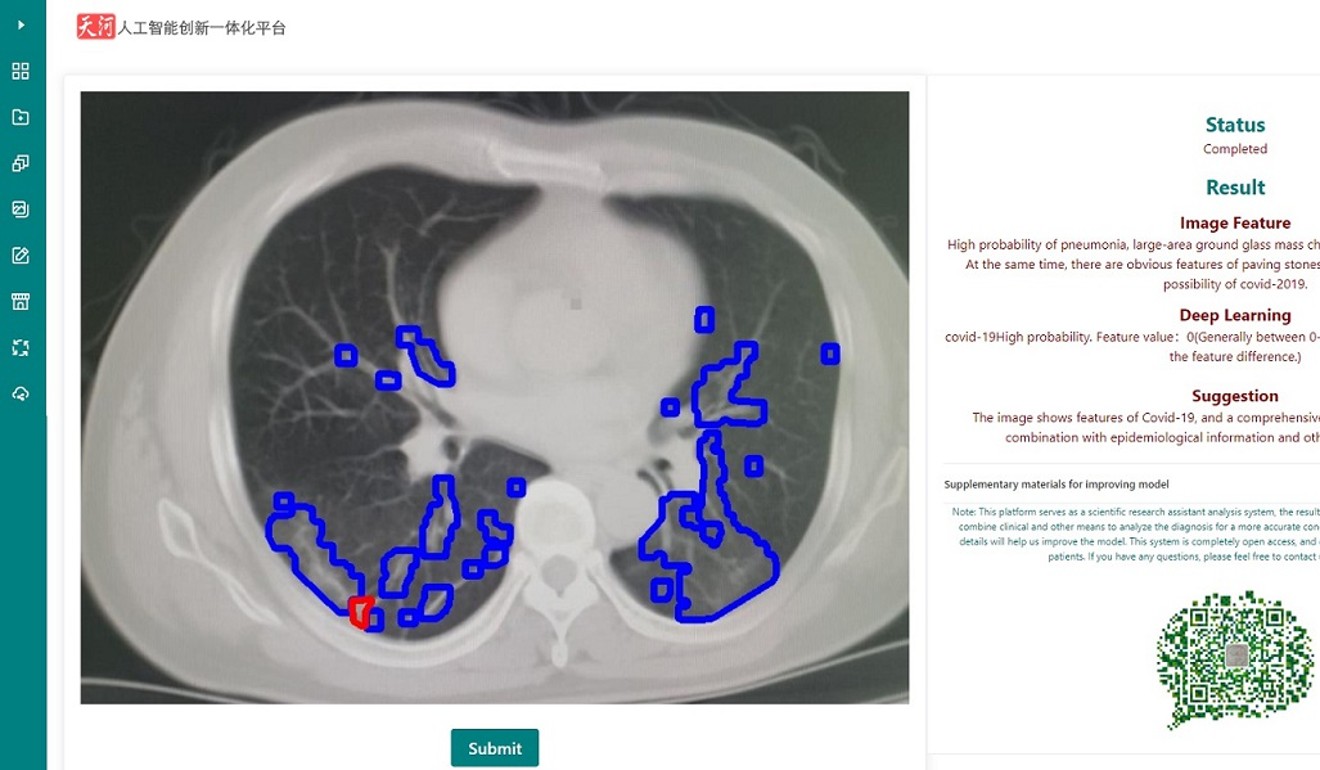
A supercomputer in China offers doctors around the world free access to an artificial intelligence diagnostic tool for early identification of Covid-19 patients based on a chest scan.
The AI system on the Tianhe-1 computer can go through hundreds of images generated by computed tomography (CT) and gave a diagnosis in about 10 seconds, according to the National Supercomputer Centre in Tianjin, which hosts the machine.
An employee at the facility said the results could then be used to help medical professionals – especially those in areas that have limited test kits or are hit by a sudden increase in suspected cases – to quickly distinguish between patients infected with the novel coronavirus and those with common pneumonia or another illness.
The accuracy of the analysis was higher than 80 per cent “and increasing steadily every day”, he said.

The system has an English interface and the reports it produces direct doctors to those areas of the patient’s lungs that require special attention by circling them in different colours.

It also provides an estimate of the likelihood of the person having contracted Covid-19, in a range from zero to 10, with lower numbers suggesting a higher probability of infection.

It even advises on what to do next, based on the experiences and lessons learned from doctors who have treated coronavirus patients.

Dr Xu Bo, a lead scientist on the project at Tianjin Medical University, said in an interview this week with   Science and Technology Daily   that the accuracy of the system was initially “rather poor”.

But the team worked round the clock to train the machine using the latest information from doctors with experience of Covid-19 and their clinical practices, he said.

The AI system directs doctors to those areas of the patient’s lungs that require special attention by circling them in different colours. Photo: Handout
As the number of samples increased, the AI’s performance improved significantly, and is now helping medical teams fighting the coronavirus in more than 30 hospitals in Wuhan and other cities.

Xu said that it would take an experienced doctor about 15 minutes to go through the 300 images generated by a CT scan, while the AI did the job in about 10 seconds.

The system could be accessed via a computer or even a mobile phone, he said.

The use of chest scans for diagnosis was first proposed by doctors fighting the Covid-19 epidemic in Wuhan. After the city went into lockdown, a large number of suspected patients appeared and testing them for infection using genetic methods took from several hours to several days. Many people are thought to have died while waiting for their results to come back.

In a series of studies, including a paper published in medical journal The Lancet, Chinese doctors showed that CT scans were a reliable tool because the lungs of coronavirus patients had features unseen in other diseases.

The Chinese government accepted their advice and said scan results could be used as credentials for treatment. Many scientists have said that decision played an important role in controlling the outbreak in the country.

But not all countries agree with that methodology. The US Centres for Disease Control, for instance, “does not currently recommend CXR or CT to diagnose Covid-19”.

It said the reason was that using scans would attract more suspected cases to hospitals and in turn raise the likelihood of them infecting other patients and staff.

The American College of Radiology said: “CT should not be used to screen for or as a first-line test to diagnose Covid-19.”

After the device was used on a suspected patient, it could take an hour to clean the test room, the college said on Wednesday.

A doctor working at a Beijing hospital treating Covid-19 patients said the CT machine could scan hundreds of patients a day in China, but because of the different protocols in some Western countries, the number there fell to just one or two.

“Governments should not let the CT sit idle during a major public health crisis,” she said.

“If you can’t give the people a test, give them a scan.”

Source: SCMP

13/03/2020

Coronavirus: Indian greeting namaste goes global

In an effort to stop the spread of the coronavirus, more people, including global leaders, are using the Indian greeting of namaste.

Indian Prime Minister Narendra Modi has promoted the namaste, saying that the world is increasingly adopting the no-contact way of greeting.

People around the world are worried that shaking hands, hugging and kissing on the cheek might help spread the virus.

In recent days, images of US President Donald Trump and Prince Charles opting to use the Indian greeting over a handshake have gone viral.

Source: The BBC

12/03/2020

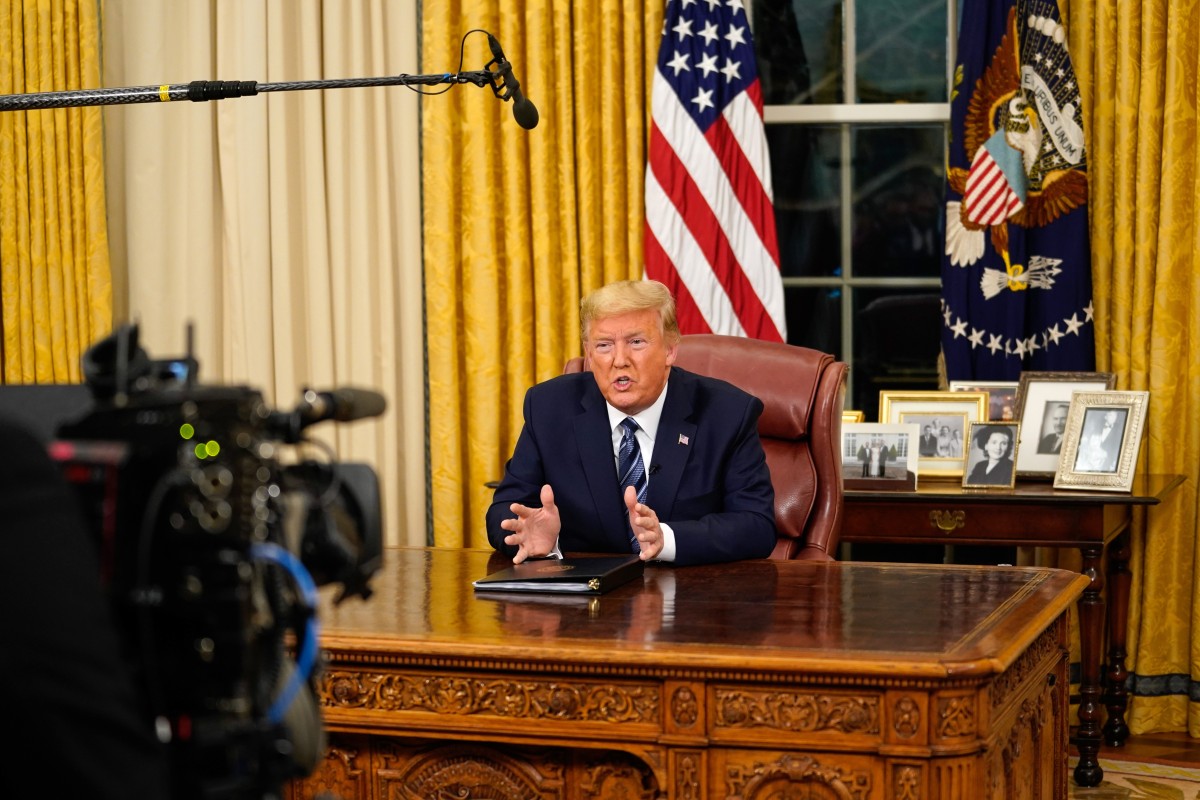
Coronavirus: Donald Trump’s speech was meant to reassure, but it did just the opposite

  • ‘He is a reality-show expert. This is a real crisis. The happy ending is not guaranteed,’ communications strategist says
  • Televised Oval Office address offered an ineffective remedy in the European travel ban and fell short on other policy recommendations, according to analysts
US President Donald Trump addresses the nation from the Oval Office of the White House on Wednesday night. Photo: Bloomberg

US President Donald Trump’s coronavirus address from the Oval Office on Wednesday night was meant to project confidence, show leadership in a time of crisis and otherwise reassure an anxious nation and world.

It didn’t work out that way, say health, government policy and crisis management experts, pointing in part to the 1,000-point drop in stock futures even before his 10-minute nationally televised speech was finished.

“You had an uncomfortable president who looked like he didn’t want to be there. He doesn’t want to be the leader that the country, if not free world, wants him to be in a crisis,” said Richard Levick, chief executive of Levick Strategic Communications.

“He is a reality-show expert,” Levick added. “This is a real crisis. The happy ending is not guaranteed. The applause line is not guaranteed. You have to actually lead. He doesn’t like that.”

Trump bans travel from Europe to the US as coronavirus pandemic hits actor Tom Hanks and the NBA
Public health experts say Trump’s announcement that the US was blocking all incoming visitors from Europe for 30 days will prove largely ineffective given that the virus is already firmly rooted in the US and spreading rapidly. And his efforts to reassure the public that testing is widely available, medical experts are fully deployed and face masks widely available was not convincing and a case of too little, too late, they added.

His speech, only his second Oval Office address, followed weeks of denying the gravity of the coronavirus, spreading misinformation, deflecting blame onto Democrats and the media and contradicting highly regarded experts, including Dr. Anthony Fauci, head of infectious diseases at the National Institutes of Health, observers said.

“He has such a bad track record, no one will believe him,” said JB Silvers, professor of health finance at Case Western University in Ohio. “He can’t help but make this a political thing. A Chinese virus? Viruses don’t have nationalities.”

“He could’ve ramped up testing much earlier,” Silvers added. “Instead he told people, ‘Don’t worry, go back to work.’ All the wrong things.”

New York bans gatherings of more than 500 on coronavirus fears

13 Mar 2020

Governments around the world have struggled to cope with the spread of the virus, prepare adequately and take lessons from China and South Korea, which were hit early.

But Trump’s speech also fell short from a policy standpoint, some said. Washington and the markets have been looking for direction, given the logjam and partisanship in Congress. That includes whether the president would support, albeit grudgingly, a Democratic package of economic stimulus measures, oppose specific parts or reject it outright in favour of a still unformed Republican plan.

“No one has a clear sign what he wants, what he will sign,” said Jeffrey Wright, North America analyst with EurAsia Group. “It was a massive failure, one of the least effective presidential prime-time addresses in my memory.”

Companies and markets hate uncertainty and want reassurance, which they’re not getting said Zhaohui Chen, associate professor of commerce at the University of Virginia. “Investors are worried about the policy, that it may cause more harm to the economy,” he said.

Communication and policy experts said there tend to be few obvious answers initially during a crisis, which puts a premium on relatively transparent leaders who can acknowledges what is known and unknown, build trust and work through complexities toward a solution.

“It’s not so much what he did last night, it’s what he did before. Never before has Trump’s habit of making events about himself hurt him until now,” said Eric Dezenhall, chief executive of public relations firm Dezenhall Resources.

“Standing with science officials and talk about how no one has seen such a scientific genius before him, that he should’ve become a doctor, we’re not selling time-shares in the Caymans,” he added.

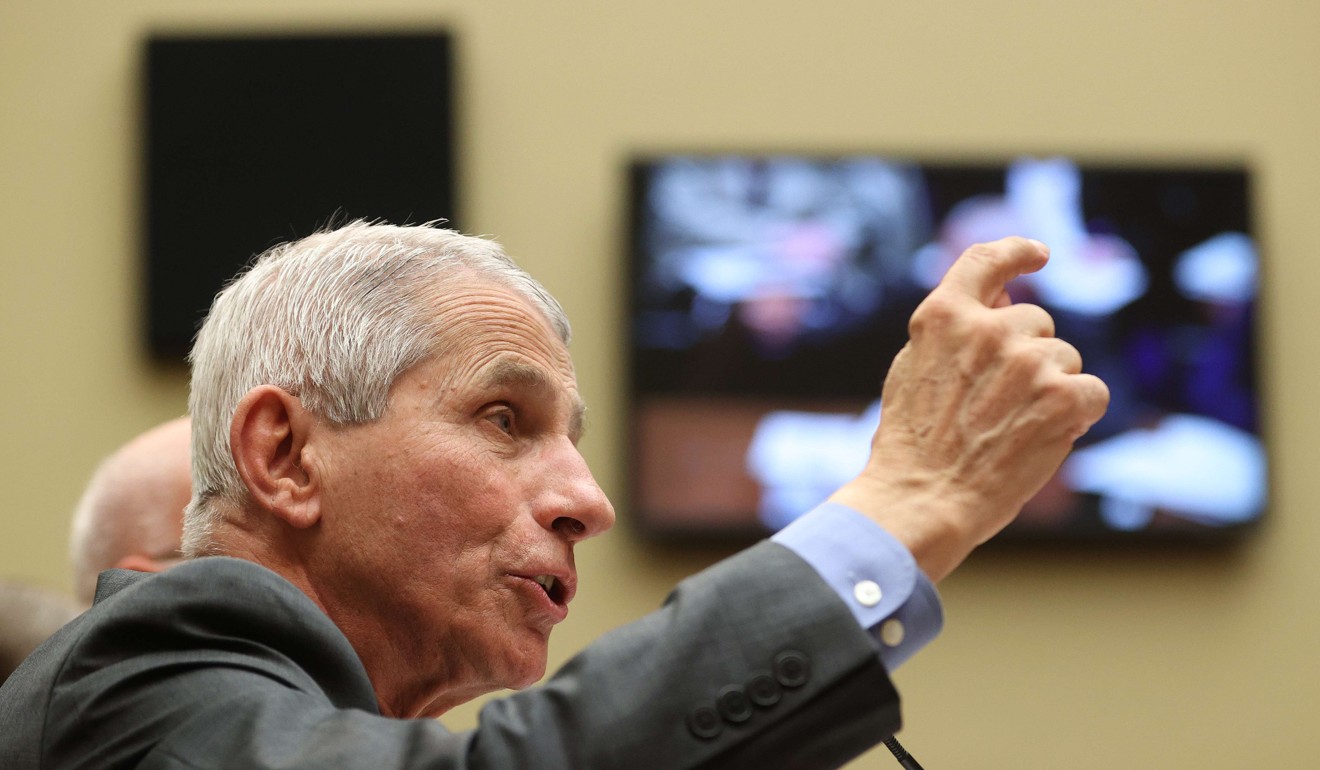
Anthony Fauci, director of the National Institute of Allergy and Infectious Diseases, testifies to lawmakers about coronavirus preparedness on Thursday. Photo: Getty Images/AFP
Leslie Rosenthal, a writer from New Jersey, said the speech failed to reassure her as an ordinary citizen, and seemed to focus on the wrong issues.
“What I wanted to hear from the president was a solution to what’s happening in this country right now,” she said. “While stopping people from coming into the country might do something, it’s about what’s going on here. Where are the test kits? Where are the viral hotspots? I’m placing my trust in Dr. Fauci.”
Trump is a skilled off-the-cuff orator at rallies, where he can energise and be energised by the crowd, communication experts said, and less adept at delivering prepared speeches, as seen on Wednesday night.
“He used a teleprompter, but still made misstatements in ways that rocked the market,” said Levick. Most notable was his statement that his administration was blocking not just people but all cargo from Europe, a statement his office quickly walked back shortly after the speech, he said.
White House orders secrecy for coronavirus meetings
12 Mar 2020

Also questionable was the decision to block travellers from the European continent but not from Britain, even though the UK is a global travel and financial hub.

“You can’t ban people from some countries and not others,” said Ron Waldman, a doctor, professor of global health and infectious disease specialist at George Washington University. “It makes no sense.”

Trump hoped the speech would build confidence in the US economy, its health care system and his leadership. “The virus will not have a chance against us,” he said. “No nation is more prepared.”

But many experts had a different view.

“We’re clearly unprepared,” said Ali Khan, epidemiology professor at the University of Nebraska Medical Center and a former director at the Centres for Disease Control and Prevention.

“We don’t even need to talk about a pandemic,” he said, adding that even a bad flu outbreak would swamp American hospitals.

Trump vows to ‘take care’ of citizens and economy as coronavirus cases rise in the US

After playing down the economic and health risks from the coronavirus for weeks, the Trump administration kicked into gear on Monday, floating a blizzard of proposals to stimulate the economy. These include expanding loans to small businesses, increasing paid sick leave and extending tax relief for the hospitality industry. The White House and congressional leaders are now trying to hammer out an economic relief bill.

Trump’s turnaround reflects, in part, a growing realisation that the disease is real, can’t be tweeted away, can’t be blamed on political opponents and seriously threatens his re-election prospects.

“He’s definitely worried,” said Silvers. “All those ‘Democratic viruses’ are going to cause him trouble.”

Source: SCMP

12/03/2020

Coronavirus pandemic “could be over by June” if countries act, says Chinese adviser

BEIJING (Reuters) – The global coronavirus pandemic could be over by June if countries mobilize to fight it, a senior Chinese medical adviser said on Thursday, as China declared the peak had passed there and new cases in Hubei fell to single digits for the first time.

Around two-thirds of global cases of the coronavirus have been recorded in China’s central Hubei province, where the virus first emerged in December. But in recent weeks the vast majority of new cases have been outside China.

Chinese authorities credit strict measures they have taken, including placing Hubei under near total lockdown, with preventing big outbreaks in other cities, and say other countries should learn from their efforts.

“Broadly speaking, the peak of the epidemic has passed for China,” said Mi Feng, a spokesman for the National Health Commission. “The increase of new cases is falling.”

Zhong Nanshan, the government’s senior medical adviser, told reporters that as long as countries take the outbreak seriously and are prepared to take firm measures, it could be over worldwide in a matter of months.

“My advice is calling for all countries to follow WHO instructions and intervene on a national scale,” he said. “If all countries could get mobilized, it could be over by June.”

Speaking to U.N. Secretary-General Antonio Guterres, President Xi Jinping similarly expressed confidence, state television reported.

“After hard work, China has shown a trend of continuous improvement in epidemic prevention and control,” the report cited Xi as saying.

“I am confident that the Chinese people will be able to overcome this epidemic and achieve their intended economic and social development goals.”

Zhong, an 83-year-old epidemiologist renowned for helping combat the SARS outbreak in 2003, said viruses in the same family typically became less active in warm months.

“My estimate of June is based on scenarios that all countries take positive measures.”

Later on Thursday, Zhong held a teleconference with a group of U.S. medical experts, including from Harvard University, state television reported.

Zhong and his team shared their experiences of quickly testing and containing the virus, difficulties in treatment, and cooperation in clinical research, the report added.

The United States is now facing its own virus crisis as the number of infected people rises.

BUSINESSES REOPEN

With the marked slowdown of the spread of the virus in China, more businesses have reopened, with authorities cautiously easing strict containment measures.

Hubei province announced a further loosening of travel restrictions and will also allow some industries to resume production.

Hubei’s economy, driven by manufacturing and trade, including a sizable auto sector in the provincial capital, Wuhan, had been virtually shut down since Jan. 23.

While the virus is spreading quickly globally, its progress in China has slowed markedly in the past seven days. In all, 15 new cases were recorded in mainland China on Wednesday, down from 24 the day before. Seven of the new cases were outside Hubei, including six imported from abroad.

While only 85 of the cases in China have come from abroad, the rising number of such incidences has prompted authorities to shift their focus on containing the risk of imported cases.

The total number of cases recorded in mainland China was 80,793. As of Tuesday, 62,793 people had recovered and been discharged from hospital, or nearly 80% of the infections.

In Wuhan, the epicenter of the outbreak, 34,094 patients had been discharged from hospitals, but over half were still under observation at so-called “recovery stops” – quarantine venues repurposed from hotels and student dormitories.

Hubei’s health authority said the post-discharge quarantine was a precautionary measure, after a few discharged patients tested positive again.

As of the end of Wednesday, the death toll in mainland China had reached 3,169, up by 11 from the previous day. Hubei accounted for 10 of the new deaths, including seven in Wuhan.

China is focusing on restarting factories and businesses hit by the containment policies. Factory activity plunged to its worst level on record in February, and while more businesses have reopened in recent weeks as containment measures have been eased, analysts do not expect activity to return to normal until April.

Airlines have been hit particularly hard. China’s airlines reported total losses of 20.96 billion yuan ($3 billion) in February. The total number of airline passengers fell 84.5% year-on-year last month, China’s aviation regulator said.

Source: Reuters

Law of Unintended Consequences

continuously updated blog about China & India

ChiaHou's Book Reviews

continuously updated blog about China & India

What's wrong with the world; and its economy

continuously updated blog about China & India