Archive for March, 2020

03/03/2020

Feature: China’s contribution to global IP governance “remarkable”

BEIJING, March 3 (Xinhua) — When talking about the development of intellectual property (IP) in China, World Intellectual Property Organization (WIPO) Director General Francis Gurry said “it’s a remarkable journey and a remarkable story.”

Born at the start of reform and opening-up, China’s IP cause has taken only decades to accomplish what the western IP system took hundreds of years to develop. While developing and improving its IP system, China has been active in international cooperation to boost global IP governance.

ACTIVE IN INT’L COOPERATION

Starting from zero at the beginning of its reform and opening-up, China has established a relatively complete IP legal system in line with prevailing international rules, joined almost all major related international treaties, and developed cooperative relations with over 80 countries and international or regional organizations in a relatively short period of time.

China has always been a follower, participant and upholder of the international rules of IP, Shen Changyu, commissioner of the National Intellectual Property Administration, told Xinhua in a recent interview.

China is an active participant in multilateral and bilateral affairs within the framework of WIPO to promote and improve global IP governance, Shen added.

In recent years, international cooperation with China on IP protection has has continuous innovative progress. IP cooperation under the Belt and Road Initiative has in particular achieved practical results.

In 2019, China and the European Union (EU) completed an eight-year negotiation on an agreement to protect geographical indications (GI), which included 275 GI from each of the two sides in the appendix, such as EU’s Irish whiskey and traditional Chinese Shaoxing wine.

With the ratification of Indonesia on Jan. 28, the Beijing Treaty on Audiovisual Performances will take effect for its 30 contracting parties on April 28.

The Beijing treaty, adopted by WIPO member states in 2012, fills a gap in the international treaty on the comprehensive protection of performers in audiovisual performance.

PROTECTION WITHOUT DISCRIMINATION

IP is not only an important strategic resource of a country, but also a booster of technological innovation and a bridge of trade globalization. China is a protector and creator of IP.

Statistics show that by the end of 2019, China had led the world in patent and trademark applications for several years running.

According to data from the WIPO for 2017 and 2018, China was the second largest applicant for international patent applications submitted through the Patent Cooperation Treaty, and the third largest for trademark registration under the Madrid System.

After about 40 years of development, China’s IP governance capability is in line with that of the international community and its IP protection has reached the international standard, which is fully recognized by the world, said Shan Xiaoguang, dean of Shanghai International College of IP at Tongji University.

In the process of advancing the development of its IP system, China has made great efforts to enhance protection and optimize policies, insisting on providing effective protection without discrimination for both domestic and foreign enterprises.

Foreign plaintiffs are able to win and receive injunctions in patent infringement cases brought in China according to the law, Patently-O, a U.S. leading patent law blog, wrote, adding that China’s IP protection practice is fair and just.

China’s effective protection brings huge benefits to foreign IP holders every year. Statistics show that the country paid 34 billion U.S. dollars for IP royalties in 2019.

China has strengthened IP protection with an open attitude, making it a magnet for global trade and innovative activities.

Global innovative activities occur mostly in metropolitan hotspots in China, Germany, Japan, South Korea and the United States, according to the 2019 edition of WIPO’s “World Intellectual Property Report.”

According to Doing Business 2020, an annual report published by the World Bank, China jumped to 31st in its ranking for ease of doing business and is among the top 10 improvers for a second consecutive year.

CHINESE WISDOM

Advanced experience accumulated during the rapid growth of the IP cause in China over the past decades has attracted worldwide attention.

China places IP at a strategic high level, pays attention to IP protection in all economic fields, and has shown its determination of long-term policy for decades, which set up examples for other countries, said Gurry.

Renata Righetti Pelosi, president of the International Association for the Protection of Intellectual Property, pointed out two reasons for the rapid development of the IP cause in China.

On the one hand, the needs of economic operators in China have increasingly overlapped with those in the world, and the two sides have reached more consensuses on IP protection, Pelosi said.

On the other, China has many IP talents with a global vision, who are leading the rapid growth of this sector, she added.

Through academic exchanges and personnel training, China is also actively contributing its wisdom to global IP governance and is more confident about joining global IP cooperation.

The first batch of students from countries that joined the Belt and Road construction successfully graduated from China with master’s degrees in IP in 2018, bringing the knowledge and experience of IP protection they learned from China to the world.

As global IP governance is facing new challenges posed by a new phase of development and a new round of scientific and technological revolution has brought great changes to the industry, many industries spawned by new technologies have gone beyond the scope of protection of the original IP system.

In the new round of scientific and technological revolution and industrial transformation, countries should learn from each other with a more open and inclusive attitude, said Shan, adding that China has led the world in such technological fields as artificial intelligence, big data and life science, and accumulated valuable experience on IP protection in related industries, which is conducive to solving global challenges.

Source: Xinhua
03/03/2020

Coronavirus: will China’s economy shrink for the first time since the Cultural Revolution in 1976?

  • Plunges in official and private sector purchasing managers’ indices amid the coronavirus outbreak prompted sharp revisions of economic forecasts
  • Analysts expect China to enact additional fiscal and monetary stimulus but stop short of massive support enacted after the global financial crisis in 2008
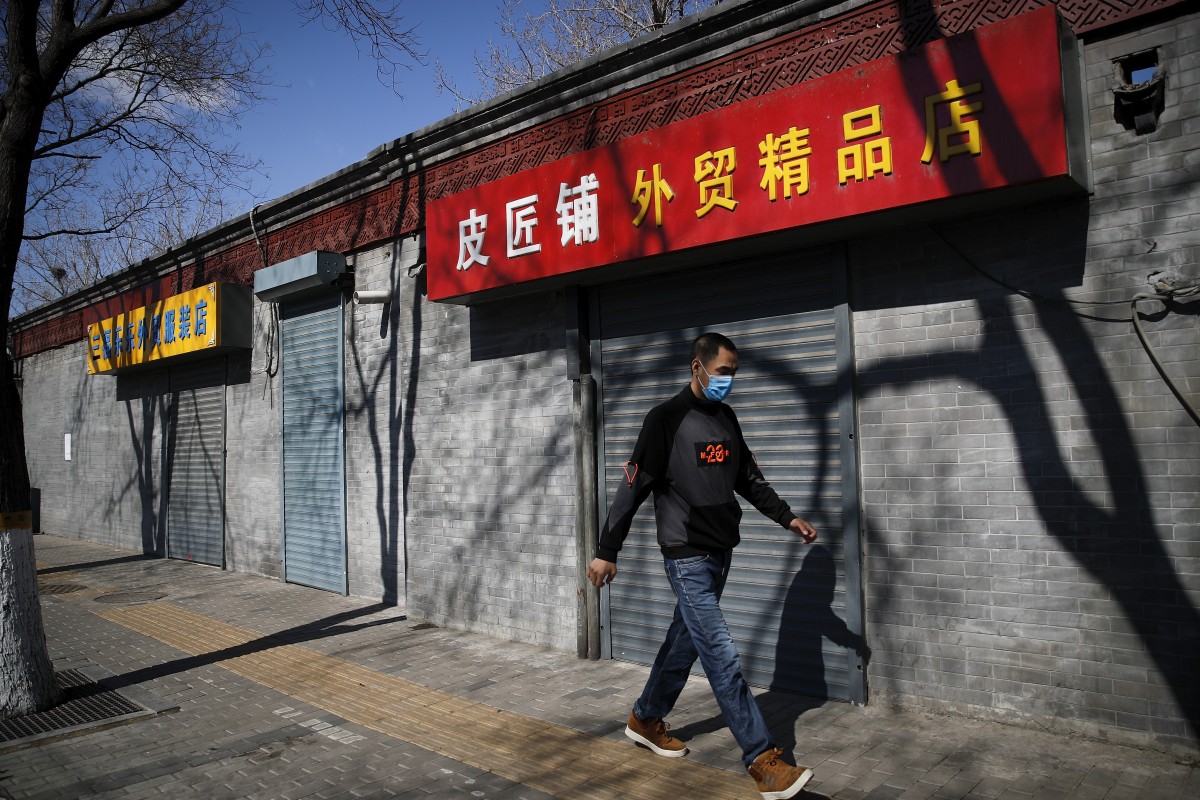
Due to the outbreak of the coronavirus, the once unthinkable scenario in which China’s economy posts a zero growth rate or even an absolute contraction compared to the previous quarter is now seen as a real possibility. Photo: AP

The odds are rising that China will report a sharp deceleration in growth – or even a contraction in the first quarter as a result of the impact of the coronavirus epidemic.

The outbreak has paralysed the country’s manufacturing and service sectors, putting Beijing in the difficult position of either forgoing its economic growth goal for 2020 or returning to its old playbook of massive debt-fuelled economic stimulus to support growth.
The larger-than-expected deterioration in the official and private sector purchasing managers’ indices for both the manufacturing and services sectors to all-time lows in February – the first available economic indicators showing the extent of the economic damage done by the epidemic – has prompted economists to slash their Chinese growth forecasts.
Several are even expecting the once unthinkable scenario in which China’s economy posts a zero growth rate or even an absolute contraction compared to the previous quarter, even though the weakness is likely to be only short-lived.

A contraction in first quarter growth would be the first since the end of the Cultural Revolution in 1976.

A report published by the East Asian Institute at the National University Singapore noted that China could report a contraction of 6.3 per cent in the first quarter from the first quarter of 2019, while the growth rate for 2020 is set to fall well short of the 5.6 per cent needed by Beijing to meet its economic goal.

If China still wants to achieve an average 5.6 per cent growth for 2020, it would have to engineer a growth rate of as high as 12.7 per cent in the second half of the year, according to the report by Bert Hofman, Sarah Tong and Li Yao.

“The question is whether this is feasible and whether the consequences in terms of increased debt and potentially less productive investment are worth the price,” according to the report.

What is gross domestic product (GDP)?
China’s headline year-over-year gross domestic product (GDP) growth rate has hovering in a narrow range between 6 per cent and 7 per cent for 18 consecutive quarters until the end of 2019, but a sharp dip in the otherwise steady growth trajectory in the world’s second largest economy would send fresh warning signs about the risks of relying excessively on China as a production base and consumption market, particularly for large multinationals from Hyundai to Apple.
An official recognition of an economic contraction, even a brief one, would break a long tradition of China reporting consistent growth to prove the Communist Party’s ability to manage the economy and to rally the whole country to achieve one historical milestone after another.
President Xi Jinping

insisted last week that China would realise the vision of building up a “comprehensively well-off” society by 2020, an inheritance from China’s former paramount leader Deng Xiaoping and a major gauge of progress to realise Xi’s grand “Chinese dream” by the middle of the century.

One key but loosely defined parameter for achieving a “comprehensively well-off” society is that the size of the economy at the end of this year will be double that of 2010.
To achieve that, economists calculate that China must achieve a 5.6 per cent growth this year, although Beijing has been vague about the specific target, although this now seems out of reach barring massive stimulus or a redefinition of the goal.
Louis Kuijs, head of Asia economics at Oxford Economics, said his group has cut its forecast for the year-on-year growth rate to 2.3 per cent for the first quarter and 4.8 per cent for 2020 overall, adding that it would be next to impossible for China to make up the lost ground during the reminder of the year given the impact of the coronavirus
on the rest of the world, particularly South Korea, Japan and Italy, who are all major trading partners.

It will be extremely difficult, to say the least, to meet the annual growth targets for 2020 set previously. It would require massive, unreasonable amounts of stimulus, if it is at all possible, given the headwinds Louis Kuijs

“It will be extremely difficult, to say the least, to meet the annual growth targets for 2020 set previously. It would require massive, unreasonable amounts of stimulus, if it is at all possible, given the headwinds,” Kuijs said.

Instead, it would “make much more sense” for the Chinese leadership to play down the need to literally meet the previously set economic target,” he added.

Beijing’s social and economic development targets for this year have not yet been made public, even though Xi has pledged that the government would still achieve them despite the challenge posed by the virus outbreak.

The full-year targets covering growth, employment and inflation are usually released at the National People’s Congress, the ceremonial gathering of China’s legislature in early March, but this key annual event has been postponed due to the threat of the coronavirus, which has infected over 80,000 people and killed more than 2,900 in the country as of Tuesday.

China’s National Bureau of Statistics is due to publish first quarter GDP growth data in mid-April, with combined industrial production, retail sales and fixed-asset investment data for January and February due next week.

They will offer a clearer picture of how much the coronavirus epidemic has damaged China’s growth in the first two months of this quarter, although the damage it has caused in China and the rest of the world is hard to measure because the epidemic is still evolving.

Production among manufacturing companies across China, except in the virus epicentre of Wuhan, Hubei province, have been gradually returned to normal, with firms that have close ties to local governments and access to financial resources resuming production faster than the much larger number of small businesses.

Chinese diaspora fights coronavirus discrimination in the US
The latest data from China’s industry ministry showed that only 32.8 per cent of 
small and medium-sized enterprises

had restarted production as of the middle of last week, an increase of just 3.2 percentage points from three days earlier. But even among the larger enterprises the government is trying to help, many are not running at full capacity due to disrupted logistics that have impeded the delivery of raw materials to factories and finished products to customers.

A shortage of workers due to travel barriers erected to stem the spread of the virus, or local regulations that prevent factories from resuming full operations until they have implemented sufficient health safeguards, are also hampering efforts.

Foxconn, which assembles most of Apple’s iPhones in China, said normal production is not expected to resume until the end of March.

China, though, has limited its economic aide policies to “targeted” fiscal and monetary moves, avoiding the massive stimulus it undertook in 2008 in response to the global financial crisis that led to the negative side-effects of high debt and unproductive investments.

[China] will be cautious about the scale of any intervention. The size of the stimulus will likely depend on how quickly economic activity recovers on its own Andy Rothman

Andy Rothman, a San Francisco-based strategist for investment fund Matthews Asia and a long-time watcher of the Chinese economy, said China will report a sharp fall in economic activity in the first quarter and that it “is prepared to implement a stimulus”.

“But [China] will be cautious about the scale of any intervention. The size of the stimulus

 will likely depend on how quickly economic activity recovers on its own,” Rothman said.
China’s ruling Communist Party has never reported a contraction in economic growth since the country started the reform and opening up movement in 1978.
Even in 1990, when China was hit by Western sanctions following the crackdown on the 1989 pro-democracy movement, the country still reported an annual growth of 3.8 per cent.

The larger-than-expected fiscal and monetary policy stimulus will help make meeting the targets for 2020 less challengingLiu Li-Gang

In the history of quarterly GDP growth rates – China started to report such data in 1994 going back to 1992 – the lowest growth rate on record of 6.0 per cent was in the third and fourth quarters of 2019.
The most recent year that China admitted to an economic contraction was 1976, the final year of the Culture Revolution and the year when chairman Mao Zedong died.
Liu Li-Gang, the chief China economist for Citigroup Global Markets Asia in Hong Kong, said Beijing has the policy reserves to keep economic growth on track, including increasing the fiscal deficit and loosening monetary policy.
“The lower GDP growth [in the first quarter] means that larger fiscal and monetary policy easing will be needed,” Liu said. “The larger-than-expected fiscal and monetary policy stimulus will help make meeting the targets for 2020 less challenging.”
Source: SCMP
03/03/2020

Wuhan doctor who worked with whistle-blower Li Wenliang dies after contracting coronavirus on front line

  • Ophthalmologist Mei Zhongming, 57, said to have been infected after working long hours treating patients
  • He is the third doctor from the hospital to die from Covid-19
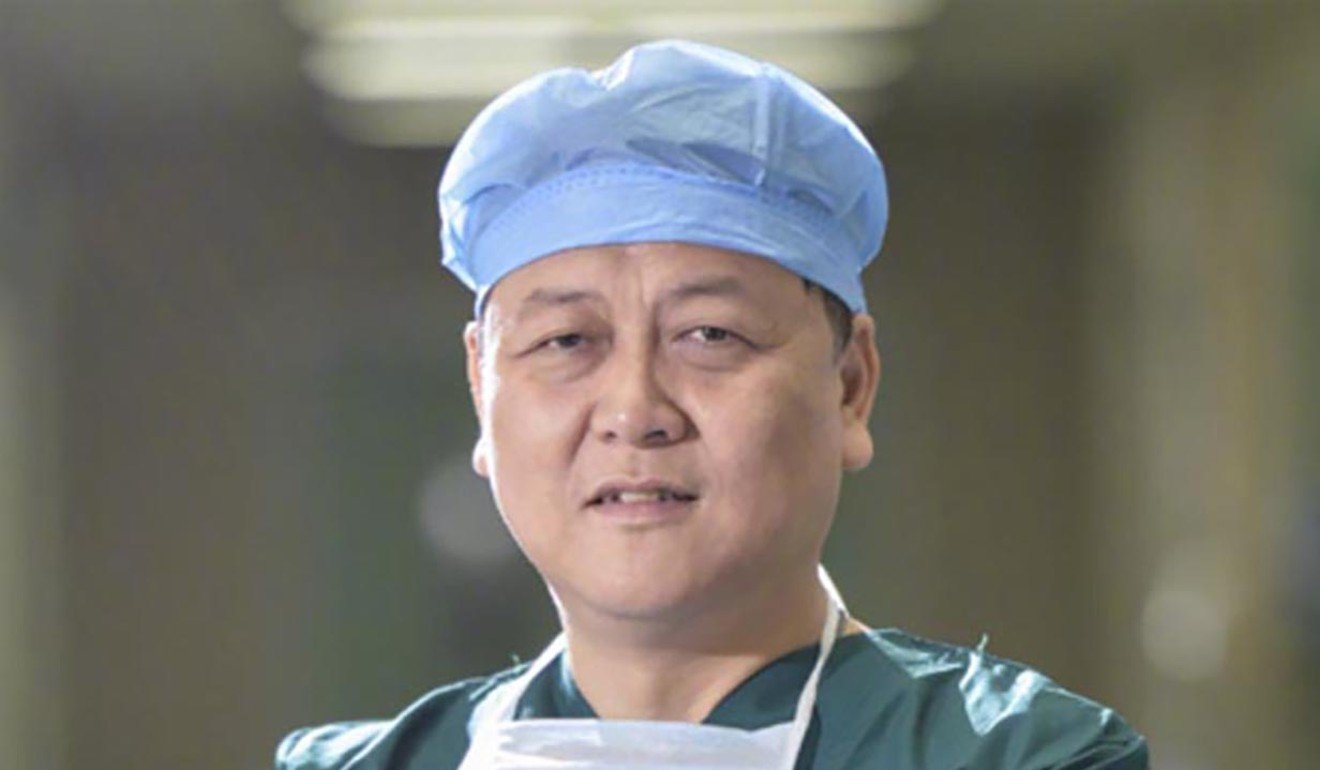
Mei Zhongming died at the age of 57 after contracting the virus while he was working at the Wuhan Central Hospital. Photo: Weibo

An ophthalmologist who worked with whistle-blower doctor Li Wenliang on the coronavirus front line in Wuhan has also died from Covid-19, the disease caused by the virus.

Mei Zhongming, 57, contracted the virus while he was working at the Wuhan Central Hospital and died on Tuesday.

His 34-year-old colleague Li – who was silenced by police for sounding the alarm about the new virus strain – also died from the pneumonia-like illness last month, prompting an outpouring of grief and anger in China.

Mei is the third doctor from the hospital to die from Covid-19. Two days ago, Jiang Xueqing, head of thyroid and breast surgery, also died from the disease at the age of 55.

The hospital expressed condolences to Mei’s family and praised his 30 years of service in a brief announcement on social network WeChat.

Public mourning in China after death of coronavirus whistle-blower doctor Li Wenliang
According to the official numbers, 13 doctors and nurses have died from Covid-19 and more than 3,000 have been infected in China since the epidemic began in the central city of Wuhan in December. Hospitals in Wuhan and across the province of Hubei have been swamped with tens of thousands of patients, and health care workers treating them have also had to cope with a shortage of protective gear and medical supplies.

Part of the Wuhan Central Hospital is located just 2km (1.2 miles) from the Huanan Seafood Wholesale Market – the place the first coronavirus patients were linked to.

The hospital started treating patients who had been in close contact with the market in the middle of December, the director of its emergency department Ai Fen told China News Weekly last month.

Doctors reported the cases to management but no action was taken to protect medical staff at first, and they were warned not to talk publicly about the respiratory illness, the report said.

The Chinese medical workers on the front line of the coronavirus fight in Wuhan
Ophthalmologist Li

posted a message to a closed group of medical school classmates on WeChat on December 30, warning them about an outbreak of a mysterious viral pneumonia at his hospital.

Two days later, Wuhan police announced that eight people had been punished for “spreading rumours”. It was later reported that they were all medical staff and one of them was Li.

The young doctor fell ill on January 10, later saying that he was probably infected by an 82-year-old glaucoma patient. “The patient did not have a fever, and I didn’t wear extra protection while taking care of her,” Li wrote in his blog. “I was careless.”

Li died from the illness on February 7, sparking widespread grief and fury over Beijing’s crackdown on “online rumours”, and calls for freedom of speech.

According to emergency department director Ai, staff on the front line at Wuhan Central Hospital began wearing N95 respirator masks and other protective gear in January as the number of virus cases jumped – but before authorities confirmed the virus was being transmitted between humans on January 20.

Despite the precautions, the first medical worker at the hospital was confirmed with the virus on January 10. More than 30 others from the emergency department alone have tested positive for Covid-19 since then, Ai told China News Weekly. The department has a staff of 200.

Jiang Xueqing, 55, head of thyroid and breast surgery at the hospital, died on Sunday. Photo: Weibo
The hospital did not give details of how Mei contracted the virus. But a report from the Wuhan Committee of the Chinese People’s Political Consultative Conference on February 18 said he had been infected after working long hours on the coronavirus front line.

Similarly, little information was released about Jiang’s death on Sunday. His colleague Li Hai told official newspaper People’s Daily that Jiang had been exhausted after working “non-stop” treating coronavirus patients.

Wuhan, China scrambles to handle massive amount of medical waste during the epidemic
Ian Lipkin, John Snow professor of epidemiology at the Mailman School of Public Health at Columbia University, said the risks faced by health care workers were high, even with protective gear, as they had a very intimate relationship with their patients.
“In addition, those individuals who are working in hospital settings may be immunosuppressed because, frankly, they’re exhausted … the viral load that they receive may be larger,” Lipkin said in a briefing last month after visiting China at the invitation of the government.
The coronavirus has claimed the lives of several young medical workers. Among the youngest was 29-year-old respiratory and critical care doctor Peng Yinhua, who worked at the Jiangxia district People’s No 1 Hospital in Wuhan and died last month from the disease. Peng had planned to get married over the Lunar New Year holiday but postponed his wedding to help treat coronavirus patients.
Another 29-year-old, gastroenterologist Xia Sisi, also died last month after she became infected while working at the Union Jiangbei Hospital in Wuhan.
The coronavirus has killed more than 3,100 people and infected over 92,000, mostly in China, since the outbreak began, and it has spread to more than 50 countries in every continent except Antarctica.
Source: SCMP
03/03/2020

Coronavirus: China orders travellers quarantined amid outbreak

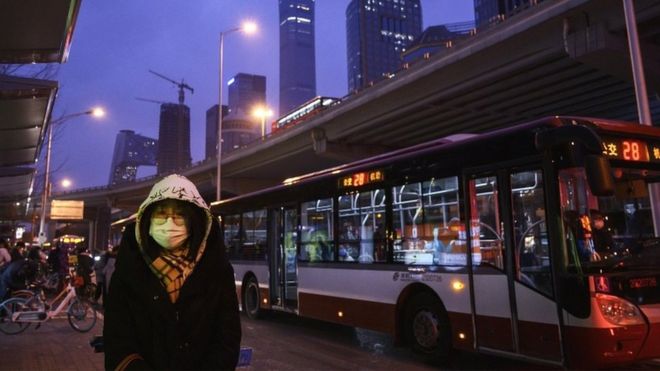
A Chinese office worker wears a protective mask as she waits to take a public bus after leaving work on 2 March 2020 in Beijing, ChinaImage copyright GETTY IMAGES
Image caption Authorities are also asking overseas Chinese to reconsider travel plans

Travellers from countries with severe coronavirus outbreaks who arrive in some parts of China will have to undergo a 14-day quarantine, state media say.

Travellers from the virus hotspots of South Korea, Japan, Iran and Italy arriving in the capital will have to be isolated, a Beijing official has said.

Shanghai and Guangdong announced similar restrictions earlier.

Authorities are worried the virus might be imported back into the country.

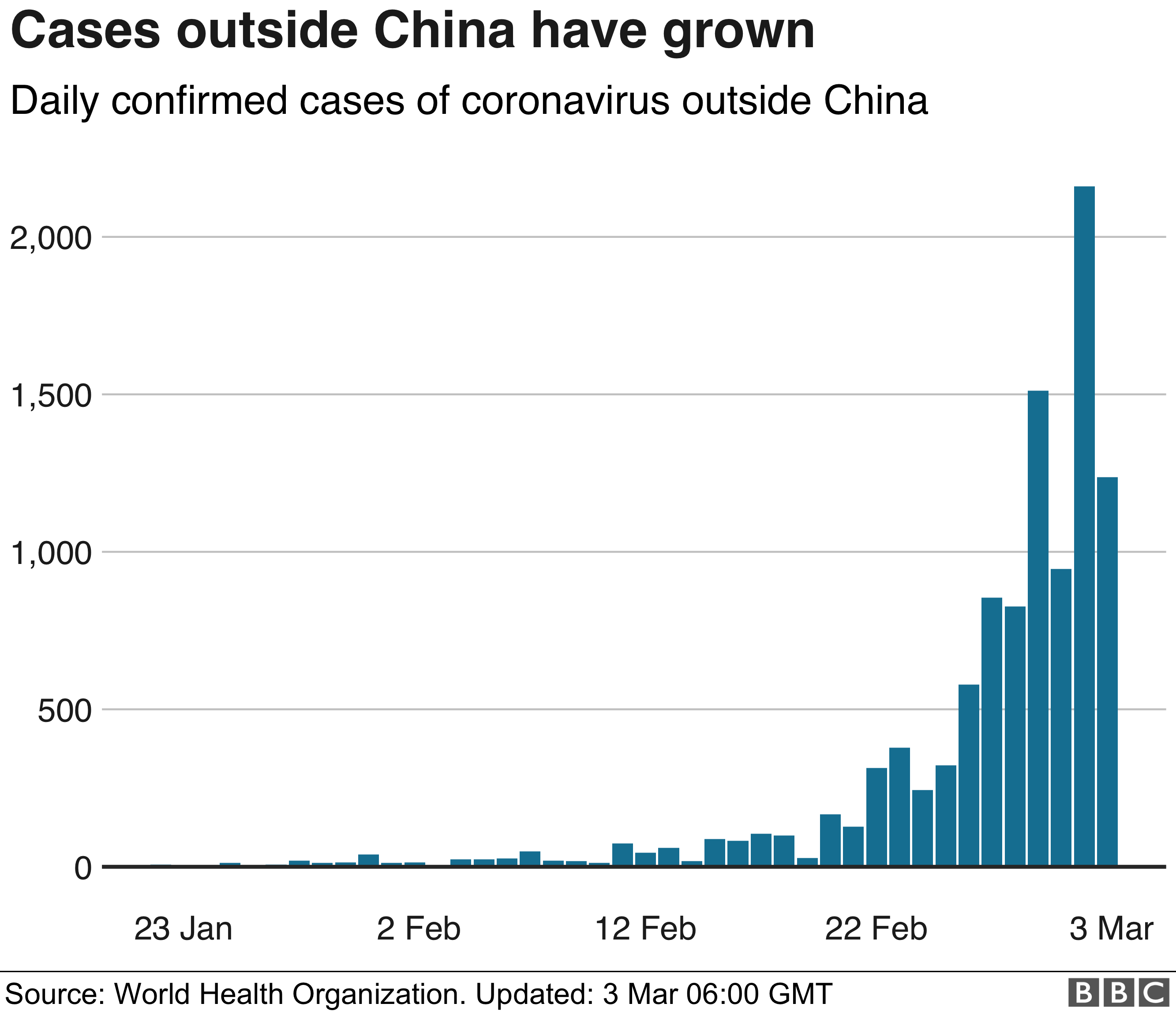
Although most virus deaths have been in China, Monday saw nine times more new infections outside China than in.

Presentational grey line

What do I need to know about the coronavirus?

Presentational grey line

Shanghai said it would require new arrivals from countries with “relatively serious virus conditions” to be isolated, without naming the countries.

Authorities are also asking overseas Chinese to reconsider travel plans.

“For the sake of your family’s health and safety, please strengthen your precautions, carefully decide on your travel plans and minimise mobility,” officials in one southern Chinese province said.

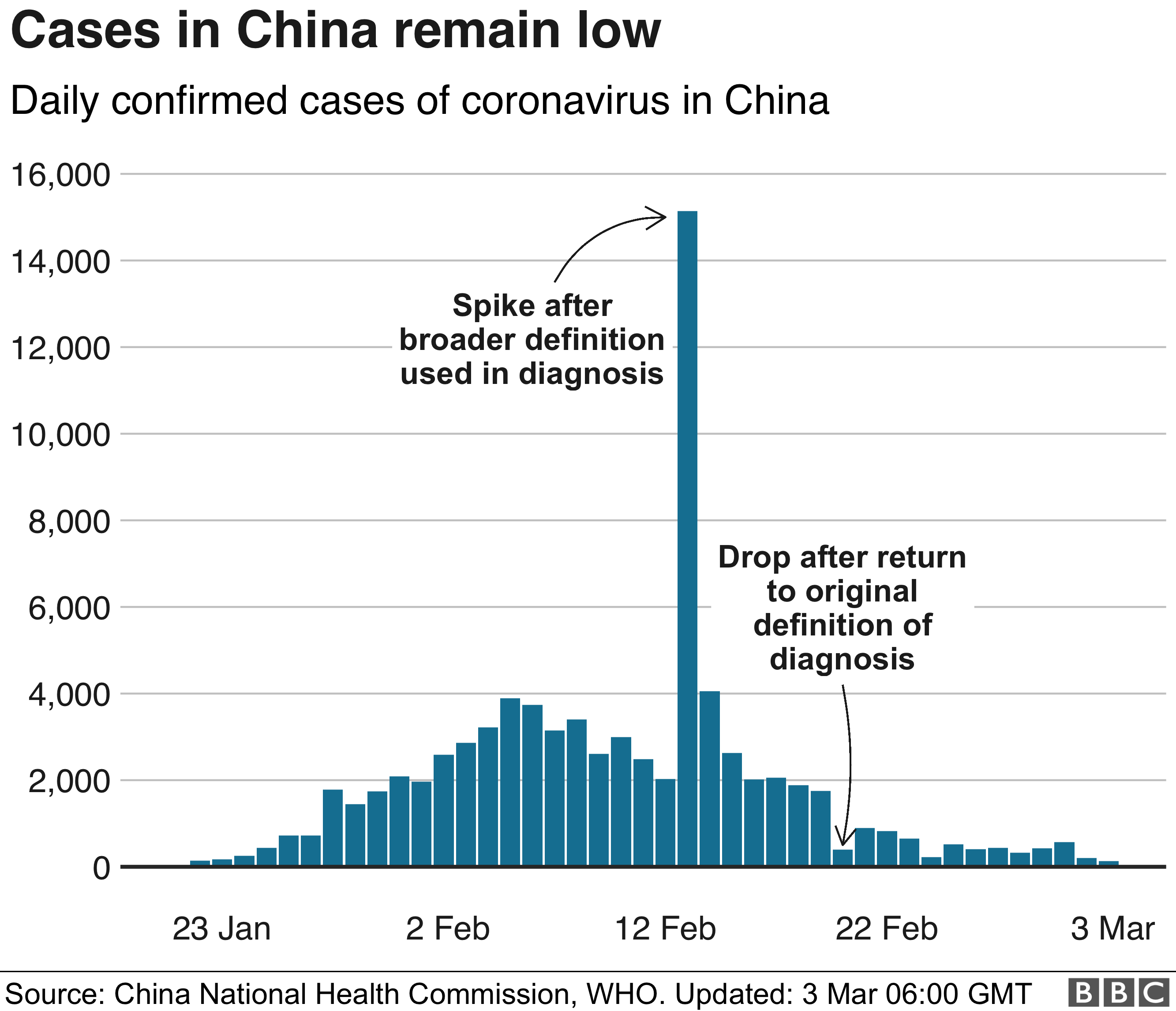
China reported 125 new virus cases on Tuesday – the lowest number of new daily infections in six weeks. There were also 31 more deaths – all in Hubei province, where the virus emerged.Presentational white space

Coronavirus chart 3 March 2020
Presentational white space

In other developments:

  • Finance ministers from the G7 countries have said they are “ready to take action”, including fiscal measures to aid the response to the virus and support the global economy
  • The Pope, who had cancelled a Lent retreat for the first time in his papacy because he was suffering from a cold, has tested negative for the virus, Italian media report
  • South Korean President Moon Jae-in has put the country into a “state of war” and ordered all government departments to shift to a 24-hour emergency system
  • Jailed British-Iranian woman Nazanin Zaghari-Ratcliffe is in good health, Iran’s judiciary has said. She was assessed after her husband said she was showing symptoms of Covid-19
  • Japan’s Olympic minister says the Tokyo 2020 Games could be postponed until later in the year. BBC Sport is keeping track of all events that are affected
  • In the UK, where there are 39 confirmed cases, the government has warned that up to a fifth of the workforce may be off sick during the peak of a coronavirus epidemic
Media caption Julie, who lives in Singapore, was diagnosed with coronavirus and then put into isolation

How are different countries affected?

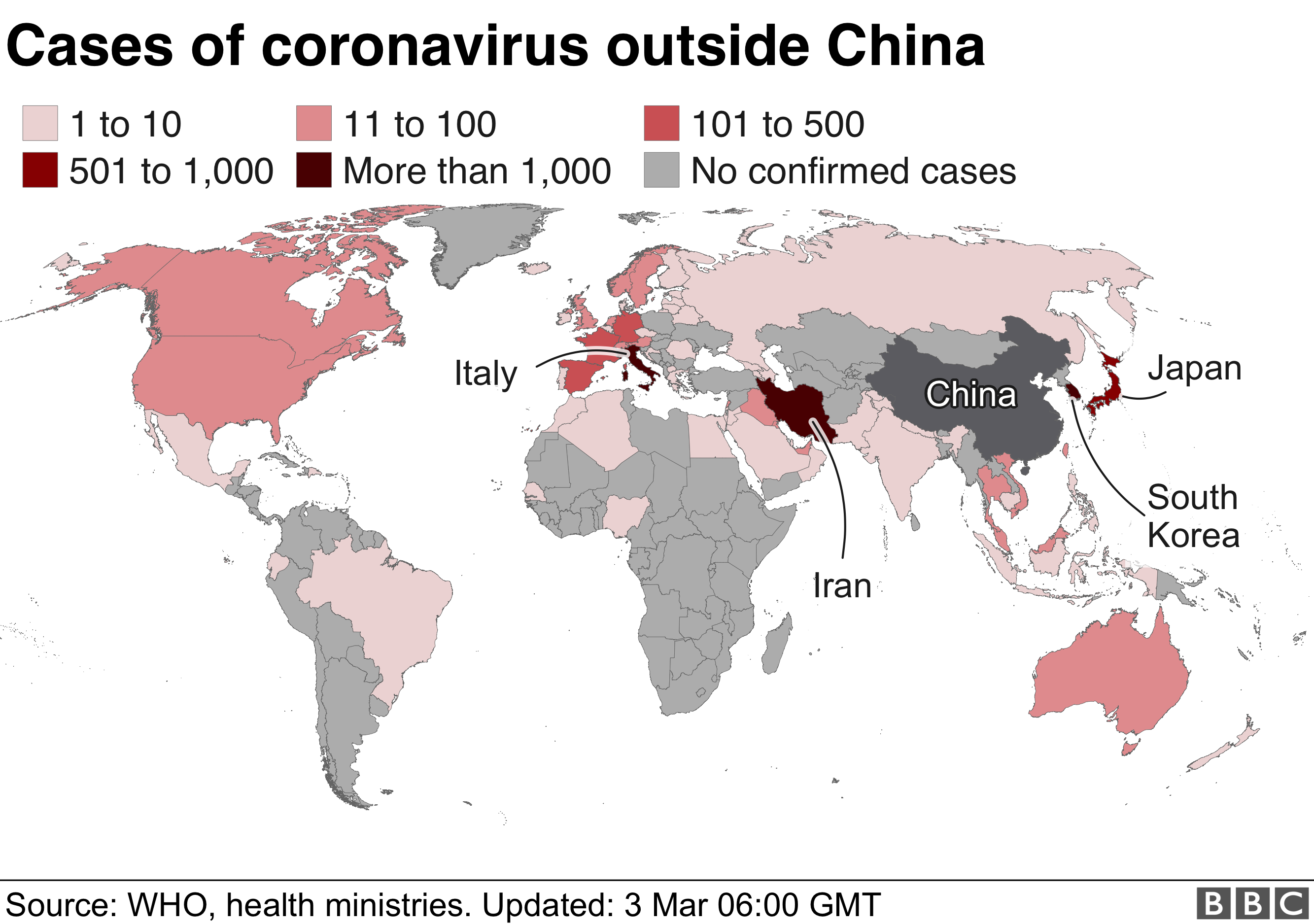
There are now almost 90,000 cases worldwide in about 70 countries, although the vast majority – just under 90% – remain in China, and most of those are in Hubei province where the virus originated late last year.

Of the nearly 8,800 cases outside China, 81% are in four countries – Iran, South Korea, Italy and Japan.

Coronavirus chart 3 March 2020

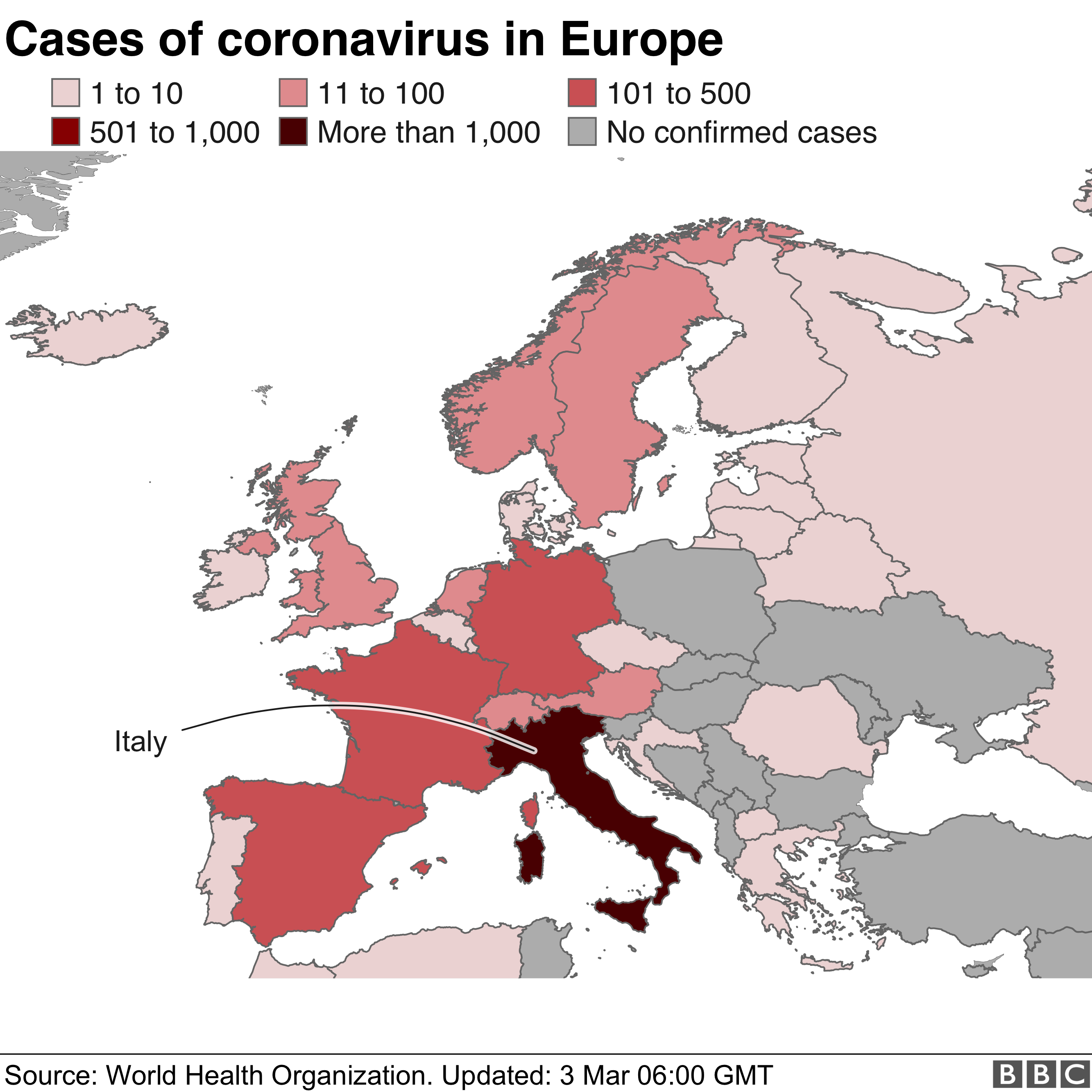
One of the countries worst affected outside China – Italy – said on Monday that the death toll there had risen by 18 to 52. There are 1,835 confirmed cases, most of them in the Lombardy and Veneto areas of the north. Nearly 150 people are said to have recovered.

However, the country is seeing a slowdown in new cases. On Monday, the authorities said there were 258 new cases of the virus – a 16% increase on the previous day – after new cases spiked by 50% on Sunday.

European coronavirus map 3 March 2020
Presentational white space

On Tuesday, Iran said the latest death toll from the virus was 77 – although the real figure is believed to be much higher. More than 2,300 people are said to be infected, including senior political figures. The head of Iran’s emergency medical services, Pirhossein Kolivand, was one of them, the Ilna news agency reported on Tuesday.

Some 23 MPs are also reported to have tested positive for the virus, and an official close to the Supreme Leader, Ayatollah Ali Khamenei, was reported on Monday to have died of the disease.

Health officials in the US state of Washington said on Monday that four more people had died, bringing the total there to six. They are the only deaths in the US so far. Local officials say they are buying a hotel to convert it into an isolation hospital.

On Tuesday, Ukraine confirmed its first case of coronavirus, while Portugal, Iceland, Jordan, Tunisia, Armenia, Latvia, Senegal, Morocco and Andorra confirmed their first cases on Monday.

Coronavirus global map

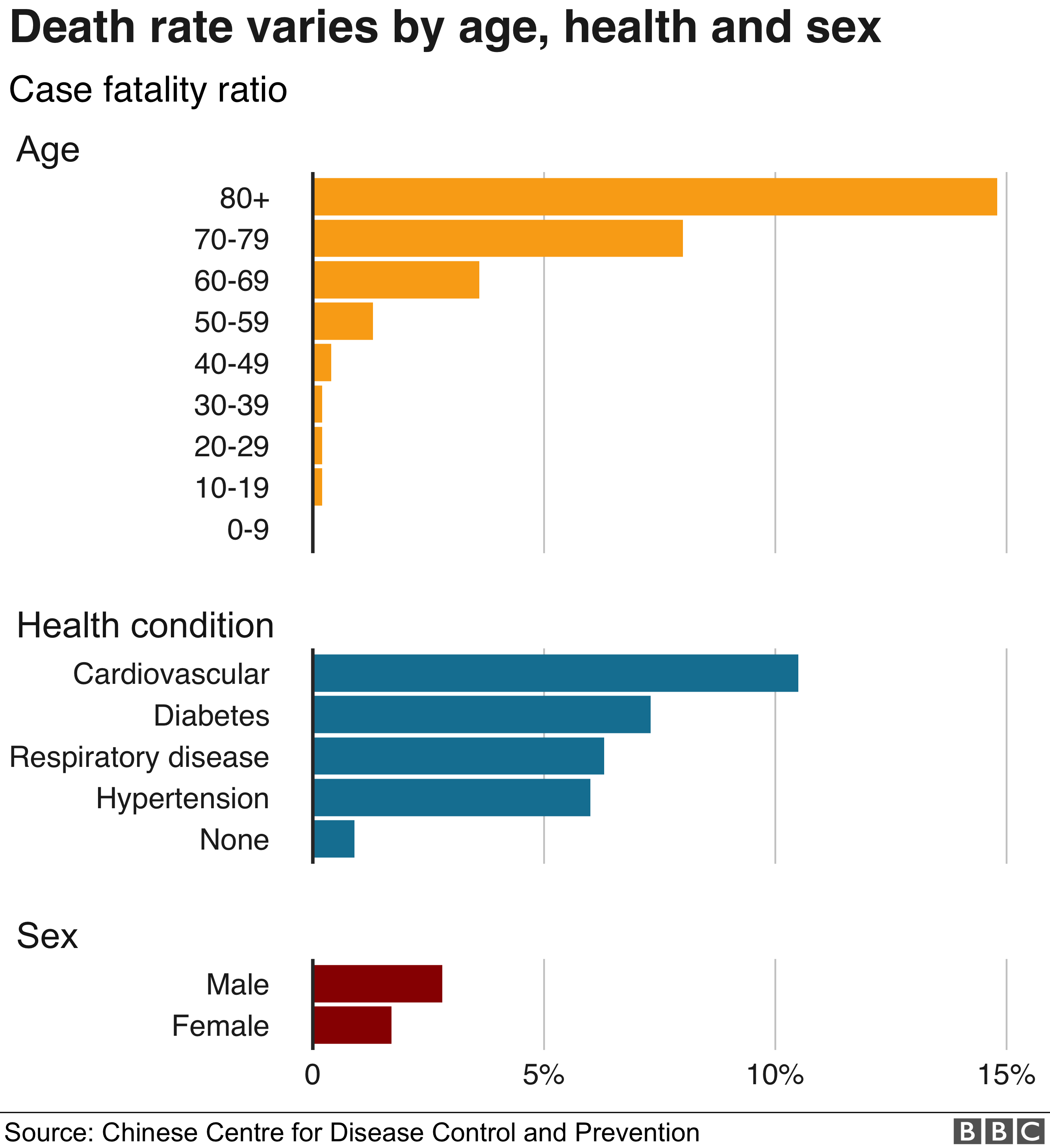
How deadly is Covid-19?

The WHO says the virus appears to particularly affect those over 60, and people already ill.

In the first large analysis of more than 44,000 cases from China, the death rate was 10 times higher in the very elderly compared to the middle-aged.

Most patients have only mild symptoms and the death rate appears to be between 2% and 5%, the WHO said.

By comparison, seasonal flu has an average mortality rate of about 0.1%, but is highly infectious – with up to 400,000 people dying from it each year.

Other strains of coronavirus, such as Severe Acute Respiratory Syndrome (Sars) and Middle East Respiratory Syndrome (Mers), have much higher death rates than Covid-19.

Death rates for different groups

Source: The BBC

03/03/2020

European auto industry’s plans to cut costs and jobs

(Reuters) – Europe’s auto industry is facing a slowdown in demand for new cars, as well as disruption from the coronavirus epidemic and import tariffs between China and the United States. As a result, several companies have announced plans to cut costs and jobs.

Here is a summary of the steps announced so far:

AUTOMAKERS:

VOLKSWAGEN GROUP (VOWG_p.DE)

Volkswagen said in March 2019 it would cut up to 7,000 positions and aim to deliver 5.9 billion euros ($6.7 billion) of annual savings at its core VW brand by 2023.

Volkswagen’s luxury car unit Audi (NSUG.DE) said in November it would cut one in ten jobs by 2025, up a total of 9,500, to fund its shift towards electric vehicle production.

PSA GROUP (PEUP.PA), FIAT CHRYSLER (FCHA.MI)

PSA’s German unit Opel said in February it was ruling out forced redundancies until July 2025, but would reopen a voluntary leave programme for older employees.

Unions at Fiat Chrysler, which is planning a merger with PSA, said management promised to avoid redundancies and get all group employees off special furlough arrangements and back to work by 2022.

The merger aims to achieve annual savings of 3.7 billion euros.

BMW (BMWG.DE)

In November, BMW management and its German labour representatives reached an agreement on changes to payout schemes and bonuses to reduce costs in Germany while avoiding “drastic measures”. BMW has said it will keep headcount stable, as hiring in software development will offset voluntary staff reductions in other areas.

DAIMLER (DAIGn.DE)

In February, German business daily Handelsblatt reported Daimler (DAIGn.DE) was intensifying its cost-cutting measures and planning to cut up to 15,000 jobs. Daimler declined to comment.

Daimler Chief Executive Ola Kaellenius said in February the company would cut 1,100 leadership positions worldwide, or about 10% of its management over the next three years.

The company also said it would revamp the management of its portfolios to remove duplicate layers between Mercedes-Benz and Daimler AG.

VOLVO CARS

In July 2019, Volvo Cars announced plans to cut fixed costs by 2 billion Swedish crowns ($214 million), adding the savings drive – on which it did not provide details – would come into effect in the second half of 2019 and run into the first half of 2020.

JAGUAR LAND ROVER

In February, Britain’s biggest carmaker Jaguar Land Rover (TAMO.NS) said it would reduce or stop production on certain days at two of its British factories as it was pursuing cost-cutting measures in response to falling demand.

A month earlier, the company said it would cut around 10% of the workforce at its northern English Halewood factory, which has about 4,500 employees, as it was changing shift patterns to boost efficiency at the site.

RENAULT (RENA.PA)

After Renault’s first full-year loss in a decade, the French automaker said it would cut costs by 2 billion euros over the next three years and did not exclude job cuts during a performance review across its factories.

BOSCH

In January, German engineering company Bosch said it would make staff changes via shorter working hours, voluntary redundancy and severance packages, but declined to provide a global figure for headcount reductions.

CONTINENTAL (CONG.DE)

German automotive supplier Continental said in November it would pare back its engine manufacturing activities, which could result in around 5,040 job losses by 2028.

Source: Reuters

03/03/2020

Indian police detain hundreds after Hindu-Muslim clashes in New Delhi

NEW DELHI (Reuters) – Indian police said on Friday they had detained hundreds of people and were keeping a heavy presence in northeast New Delhi, days after the worst bout of sectarian violence in the capital in decades.

At least 38 people were killed in Hindu-Muslim violence this week, police said, amid mounting international criticism that authorities failed to protect minority Muslims.

Media said the toll was likely to rise.

Delhi police spokesman M.S. Randhawa said police were collecting evidence, reviewing video footage of the violence and had already detained more than 600 people.

“The detentions were important to bring the situation under control,” Randhawa told reporters, adding that there had been no new reports of violence.

The clashes began over a citizenship law that Prime Minister Narendra Modi’s Hindu nationalist government introduced in December providing a path to Indian citizenship for six religious groups from neighbouring countries – but not Muslims.

Critics say the law is discriminatory and comes on top of other measures such as withdrawal of autonomy for Muslim-majority Jammu and Kashmir that has deepened disquiet about the future of India’s 200 million Muslims.

Critics of the government however blamed this week’s violence on members of Modi’s Bharatiya Janata Party (BJP), which was trounced in local Delhi elections at the beginning of the month. The BJP has denied the allegations.

The violence morphed into street battles between Hindu and Muslim groups with the police largely ineffective in ending the violence.

The Organisation of Islamic Countries (OIC) has condemned the violence against Muslims and vandalism of mosques and Muslim-owned properties.

U.S. Democratic presidential hopeful Bernie Sanders accused President Donald Trump of failing on the issue of human rights after he refused to be drawn into criticising New Delhi for its handling of the violence.

Trump was on a state visit to India when the violence broke out.

Source: Reuters

02/03/2020

China ramps up efforts to help small businesses tide over tough time

BEIJING, March 1 (Xinhua) — China rolled out a raft of measures on Sunday to provisionally defer loan payments for small businesses to tide them over the difficulties amid the epidemic, according to the country’s top banking and insurance regulator.

For virus-striken micro-, small- and medium-sized companies, financial institutions shall defer their loan principal repayments that have matured since Jan. 25, said a document released by five central departments including the China Banking and Insurance Regulatory Commission (CBIRC).

Meanwhile, their interest payments between Jan. 25 and June 30 can be deferred to June 30, with penalty interest payments exempted, the document said.

Apart from enjoying the deferment policy, enterprises in the hardest-hit Hubei Province shall be given special credit quota, so as to lower the comprehensive financing cost in 2020 by over 1 percentage point from last year for inclusive small and micro enterprises.

The CBIRC also stressed to bolster eligible companies with temporary liquidity difficulty in the epidemic, forbid one-size-fits-all practices and promote information sharing in offering credit support.

Source: Xinhua

02/03/2020

China promotes online vocational skills training

BEIJING, March 2 (Xinhua) — China has issued a circular to encourage online vocational skills training to improve workers’ professional skills from 2020 to 2021.

The circular was released by the Ministry of Human Resources and Social Security and the Ministry of Finance.

The goal for 2020 is to choose more than 50 high-quality online vocational skills training platforms and provide training for about 1 million people with digital training resources covering over 100 types of work.

The goal for 2021 is to further optimize the management mechanism for online vocational skills training, expand the scale and boost the quality.

Source: Xinhua

02/03/2020

Tajik president meets with senior Chinese official on bilateral ties

DUSHANBE, March 1 (Xinhua) — Tajik President Emomali Rahmon on Sunday met here with Yang Jiechi, a member of the Political Bureau of the Communist Party of China (CPC) Central Committee and director of the Office of the Foreign Affairs Commission of the CPC Central Committee, with both sides reaffirming commitments to strengthening ties.

During the meeting, Yang recalled that last year, Chinese President Xi Jinping and President Rahmon agreed to jointly build the China-Tajikistan development community and security community, outlining a new blueprint for developing relations between the two countries, which he noted are good neighbors, friends, partners and brothers.

China is willing to work with Tajikistan to implement the consensus reached between the two heads of state, unswervingly support each other, deepen practical cooperation, safeguard common security and strengthen communication and coordination in international and regional affairs, Yang said.

Over the past years, the two sides have seen fruits yielded in their jointly building the Belt and Road, and they should further synergize development strategies, elevate cooperation, and enhance people-to-people exchanges to further benefit the two countries and peoples, Yang said.

Yang briefed the Tajik president on the progress China has made in its all-out fight against the novel coronavirus under Xi’s leadership, as well as on the anti-virus measures adopted in tandem with those aimed at promoting economic and social development.

China thanks Tajikistan for sending medical equipment to assist its anti-virus efforts, Yang said, adding that China will continue working with countries including Tajikistan in fighting the coronavirus and safeguarding regional and global public health security.

For his part, Rahmon spoke highly of China’s anti-virus fight. The Chinese people will definitely defeat the virus under President Xi’s leadership, he said.

Rahmon said Tajikistan considers it as a foreign policy priority to develop relations with China, which is a close neighbour and reliable strategic partner of Tajikistan.

Tajikistan is willing to well implement the key Belt and Road cooperation projects, deepen security cooperation between the two countries and people-to-people exchanges, so as to inject new impetus into the development of the bilateral comprehensive strategic partnership.

Also on Sunday, Yang met with Tajik Deputy Prime Minister Azim Ibrohim.

Source: Xinhua

02/03/2020

Vice premier stresses role of medics sent to Hubei in anti-virus battle

CHINA-HUBEI-WUHAN-SUN CHUNLAN-MEDIC-ANTI-VIRUS BATTLE (CN)

Chinese Vice Premier Sun Chunlan, also a member of the Political Bureau of the Communist Party of China Central Committee, inspects Wuhan Women’s Prison in Wuhan, central China’s Hubei Province, March 1, 2020. Sun Chunlan Sunday stressed giving full play to the role of medical personnel sent to Hubei Province, the epicenter of the COVID-19 outbreak, in containing the epidemic. Sun, who is leading a central government team guiding the epidemic control work in Hubei, made the remarks during a video conference with representatives of more than 340 medical teams that arrived in Hubei from across the country. (Xinhua/Li He)

WUHAN, March 1 (Xinhua) — Chinese Vice Premier Sun Chunlan Sunday stressed giving full play to the role of medical personnel sent to Hubei Province, the epicenter of the COVID-19 outbreak, in containing the epidemic.

Sun, who is leading a central government team guiding the epidemic control work in Hubei, made the remarks during a video conference with representatives of more than 340 medical teams that arrived in Hubei from across the country.

Acknowledging the prominent contributions made by the medical teams, Sun, also a member of the Political Bureau of the Communist Party of China Central Committee, noted that the speedy gathering of over 40,000 medics on the anti-epidemic frontlines demonstrated the strength of the country’s system and has won international acclaim.

More efforts should be made to optimize medical resource allocation, strengthen safety protection for the medical personnel and strictly implement incentive measures so that the medical teams will maintain their morale in the battle against the epidemic, Sun said.

The central government team Sunday inspected the epidemic control work at a local social welfare institute and a prison, stressing enhanced containment efforts in densely populated areas and the adoption of precise isolation and treatment measures in such places.

Source: Xinhua

Law of Unintended Consequences

continuously updated blog about China & India

ChiaHou's Book Reviews

continuously updated blog about China & India

What's wrong with the world; and its economy

continuously updated blog about China & India