

- Tense relations with the US and the question of whether armed confrontation can be avoided will loom large when China’s political elites meet
- Structural shifts in balance of power have brought the countries closer to the brink, analyst says, with the South China Sea the most likely flashpoint
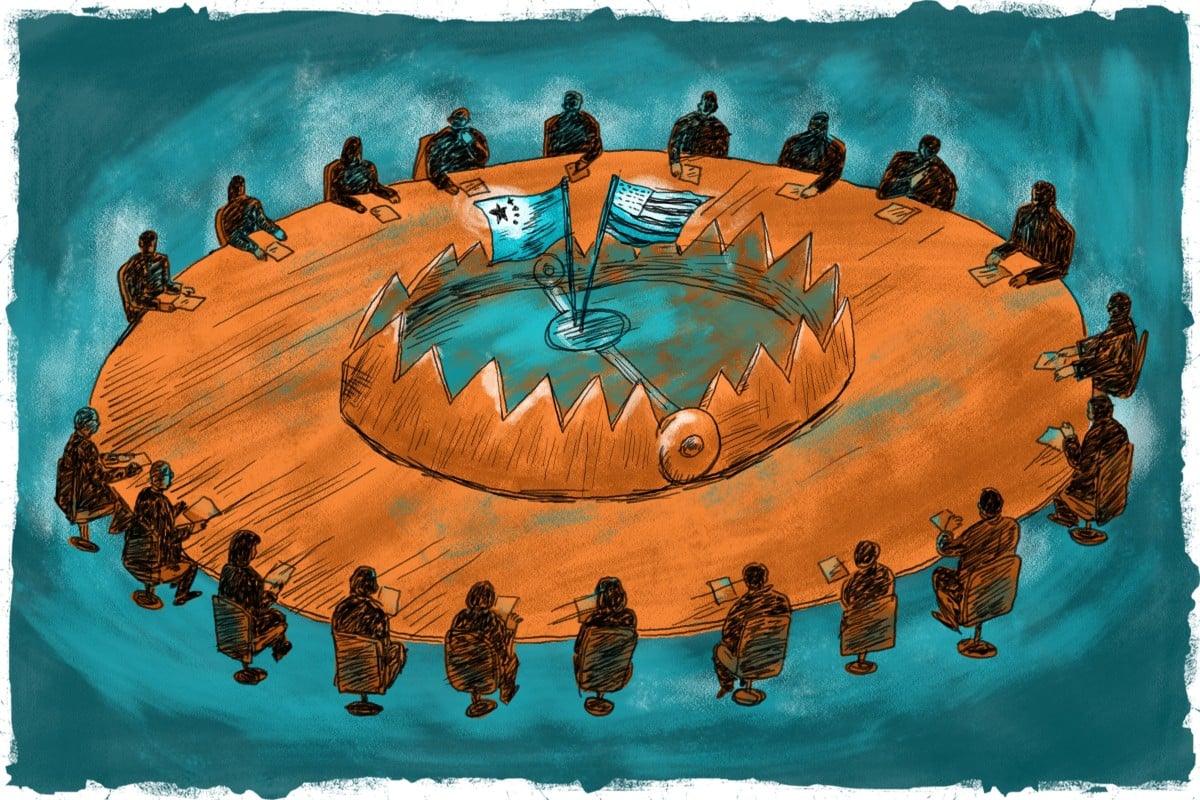
Harvard professor Graham Allison raised the question in a 2017 book, Destined for War: Can America and China Escape Thucydides’ Trap? The reference being to the Greek historian of 2,500 years ago and the conundrum named after him on the likelihood of armed conflict when a rising power challenges a ruling power.
President Xi Jinping has shown personal interest in the Thucydides trap concept, which Allison first posed in a 2012 newspaper article, referencing it on at least three occasions, including the eve of the swearing-in ceremony of US President Donald Trump three years ago.
Speaking at the World Economic Forum in Davos in January 2017, Xi said the Thucydides trap “can be avoided … as long as we maintain communication and treat each other with sincerity”.
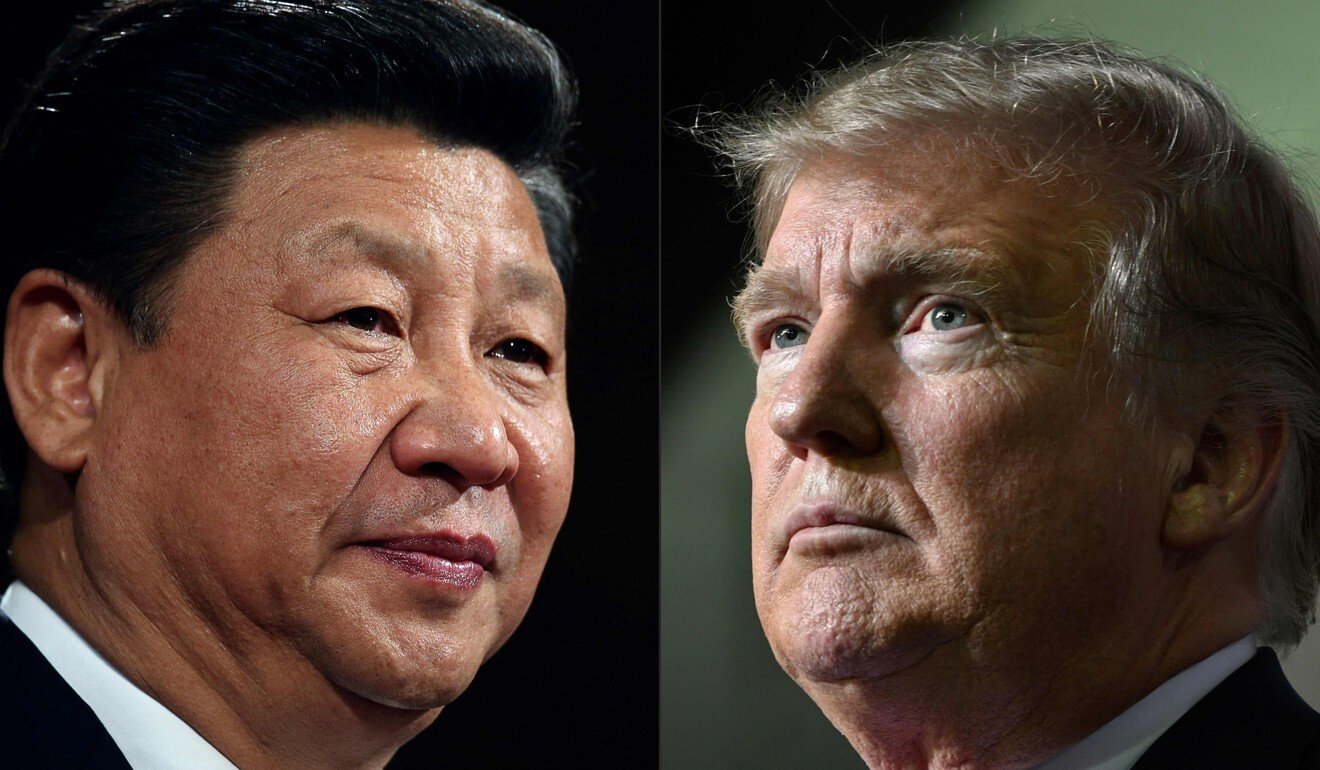
“China and the US are shifting from an all-around competition to a full-scale confrontation, with little room for compromise and manoeuvring,” Wang said in a speech in late March. “We cannot rule out the possibility that the two powers may fall into the Thucydides trap.”
The prospects for bilateral ties are deeply worrying and we are just one step away from a new cold war
Domestic concerns, especially the socio-economic upheaval wrought by the pandemic, will no doubt dominate the week-long meetings as the country faces the deepest economic contraction in decades, mass unemployment, and a possible manufacturing exodus from China.
However, the sharp decline in relations with the US in recent months and its possible consequences are expected to loom large in the minds of over 5,000 participants at the two sessions, according to Gu Su, a political scientist at Nanjing University.
“Considering the boiling tensions with the US over Covid-19 and the resulting scrutiny of China’s global ambitions – which have dealt a heavy blow to the economy, especially at local levels, and left the country increasingly isolated – it may be hard to suppress such discussions,” Gu said.
Given the widespread public interest in these contentious topics, Xi and other top leaders may need to weigh in personally and set the tone for the national debate, especially on the future of China and US relations, he said.
But it would be unrealistic to expect major policy decisions on diplomacy, as “the two sessions are not usually known for substantial foreign policy deliberations”, said Zhu Feng, an international affairs expert at Nanjing University.

‘Worst-case scenarios’
The China Institutes of Contemporary International Relations (CICIR), affiliated with the Ministry of State Security, said Beijing may need to prepare for armed confrontation with Washington amid the worst anti-China backlash since the Tiananmen crackdown in 1989, according to Reuters, which cited an internal report.
The report warned that China’s overseas investments, especially the ambitious Belt and Road Initiative, could fall victim to rising anti-Chinese sentiments, while the US may accelerate efforts to counter Beijing’s expanding clout by increasing financial and military support for regional allies.
While the think tank declined to confirm the Reuters story, many international relations analysts shared similar bleak assessments of US-China relations.
“We are already in an all-around confrontation with the US, which sees both sides at odds on almost every front – from trade and tech tensions, military, ideological and geopolitical rivalry, to political and legal battles over the coronavirus,” Zhu said. “The prospects for bilateral ties are deeply worrying and we are just one step away from a new cold war.”
With much of the world still in the grip of the Covid-19 pandemic, Beijing’s critics and opponents, led by the US, have upped the ante in the blame-shifting game as they line up to pursue an international investigation into the origins of the deadly virus.
The coronavirus has also derailed most of China’s diplomatic agenda for the first half of the year, with Xi’s planned state visits to Japan and South Korea postponed.
Meanwhile, China’s relations with the European Union have become more tense, though Beijing managed to dodge a bullet at this week’s World Health Assembly, which adopted a mildly worded resolution drafted by the EU to carry out an independent inquiry into different countries’ response to the outbreak at “an appropriate time”.
But a growing number of European countries have pushed back against China’s diplomatic assertiveness and followed Washington’s lead to press Beijing for greater transparency over the coronavirus.
Shelley Rigger, a political science professor at Davidson College in North Carolina, said the CICIR report, if confirmed, offered a clear-eyed assessment of the situation and did not have the usual triumphalist tone present in many papers on international relations from China.
“That’s a good thing. Everyone needs to be realistic, and not indulge in wishful thinking or overconfidence,” she said.
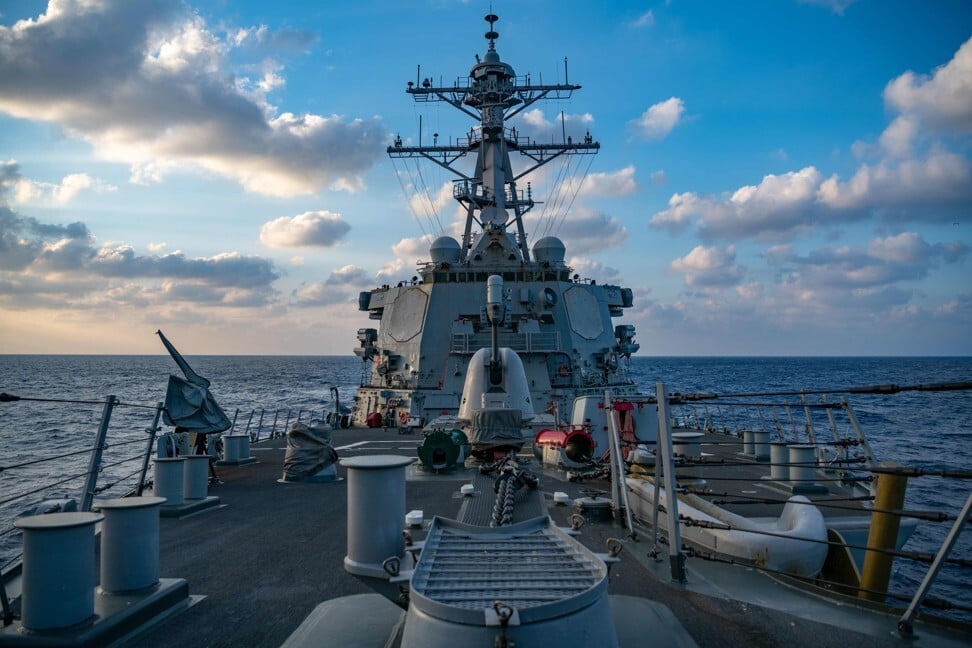
The Chinese leadership surely understands the massive costs of military action against Taiwan
, had unusually toned down their hawkish stance on seeking reunification with Taiwan by force.
While experts called for efforts to lower tensions in the lead-up to the US presidential election in November, most said that would largely hinge on Trump.
“Anything is possible with Trump,” Rigger said. “If he thinks better relations with China will help him win re-election, he will do whatever it takes to turn the relationship around. I’d be really surprised if the Chinese leadership didn’t respond positively to such an opportunity.”
But Zhu said it would be naive to pin hopes on Trump, who was desperate to play the China card in his re-election campaign.
“Beijing should be particularly cautious on Taiwan and the South China Sea disputes and should not engage in rhetorical tit-for-tat with Washington,” he said. “We need to look beyond the Trump presidency and prioritise the steady development of bilateral relations over the need to outcompete Trump.”
Source: SCMP

 CHINDIA ALERT: You'll be living in their world, very soon
Leave a comment