Chindia Alert: You’ll be Living in their World Very Soon
aims to alert you to the threats and opportunities that China and India present. China and India require serious attention; case of ‘hidden dragon and crouching tiger’.
Without this attention, governments, businesses and, indeed, individuals may find themselves at a great disadvantage sooner rather than later.
The POSTs (front webpages) are mainly 'cuttings' from reliable sources, updated continuously.
The PAGEs (see Tabs, above) attempt to make the information more meaningful by putting some structure to the information we have researched and assembled since 2006.
The list of the top 20 most unique lost items also includes mangoes, safari suits, brooms, military shoes and copies of Becoming, Michelle Obama’s memoir.
Uber found that Thursdays and Fridays are the most “forgetful” days of the week, and afternoons – between 13:00 and 15:00 – are the most likely hours when people lose things.
Media caption Why Uber Eats couldn’t deliver in India
The data suggests that people are most likely to leave behind a guitar on Saturdays and Sundays, and their lunch boxes on Tuesdays, Wednesdays and Thursdays.
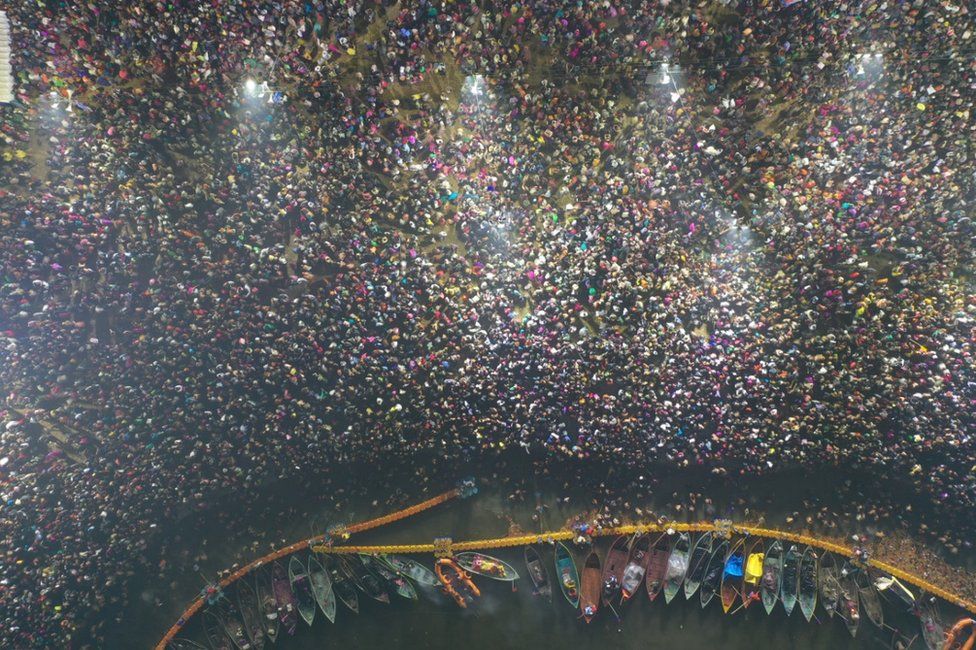
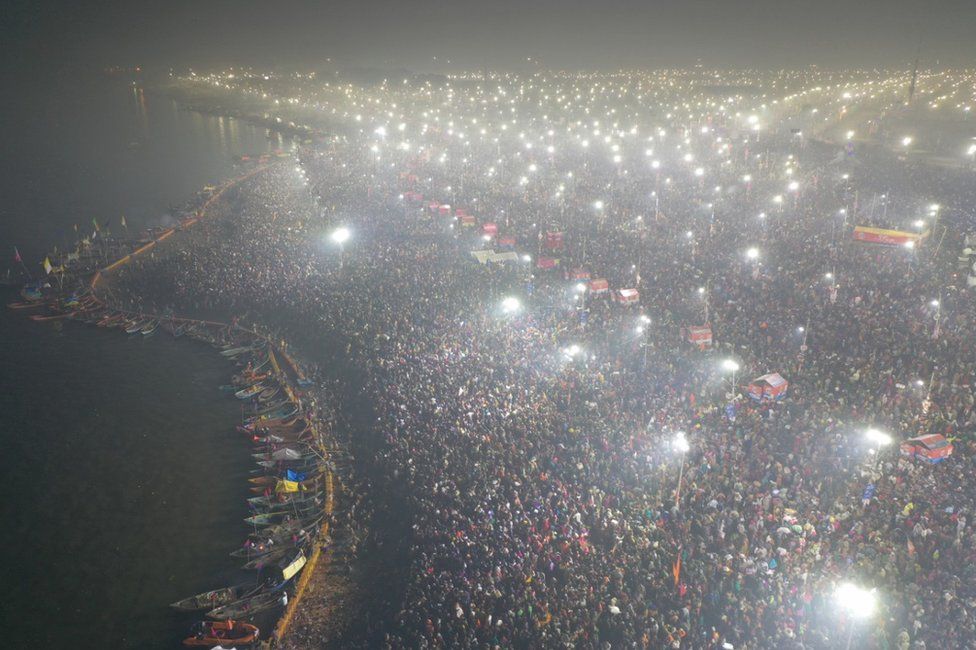
The main day of bathing has been held at India’s Kumbh Mela, with tens of millions of pilgrims taking a dip at the confluence of the Ganges and Yamuna rivers.
This is the most auspicious of six bathing days at the event, billed as the world’s biggest human gathering.
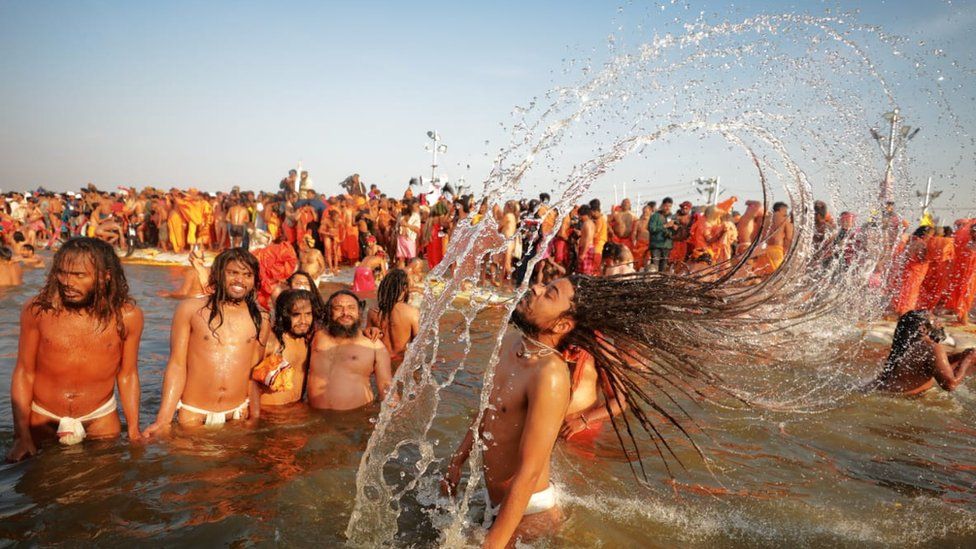
Hindus believe bathing at the rivers will cleanse them of their sins and help them attain “moksha”, setting them free from the cycle of birth and death.
The mela (meaning “fair” in Hindi) has been held in Allahabad city (recently renamed Prayagraj) in the northern state of Uttar Pradesh for centuries now. But it has grown into a mega event in the past two decades.
Image copyrightANKIT SRINIVAS
The BBC’s Vikas Pandey, who is at the festival, said people had arrived from all parts of the country and had walked miles to take a dip. “Every street in the city leading to the mela grounds is flooded with people,” he said.
The bathing began at midnight with people chanting “hail mother Ganges”.
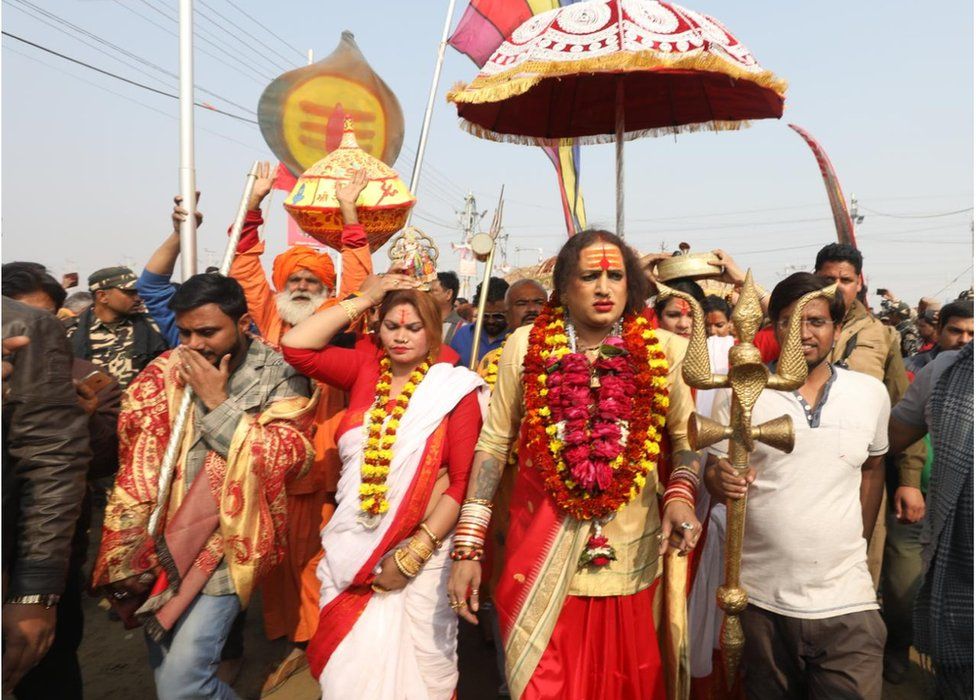
At dawn, visitors jostled to get a glimpse of the Akharas – different congregations of Hindu saints – who had started their procession.
Image copyrightANKIT SRINIVAS
These processions are highly coveted as people line up to see holy men and women perched on top of heavily decorated floats.
“It is so crowded but everyone seemed excited, despite having walked long distances in the cold,” our reporter said.
Officials say more than 10 million people have already taken a dip and the number is likely to rise during the day.
Avnish Tripathi, who had arrived from Madhya Pradesh state, walked for five hours from the outskirts of Allahabad city to reach the festival. “Once I got there, I had to wait for two hours to take a dip because of the crowds. But it was a magical experience and I didn’t feel tired at all,” he told the BBC.
Many other devoted pilgrims had walked more than 50km (31 miles) in the hope of taking a dip.
Image copyrightUTTAR PRADESH GOVERNMENT
“It has been nearly 12 hours since bathing began but the crowds haven’t thinned,” our reporter added.
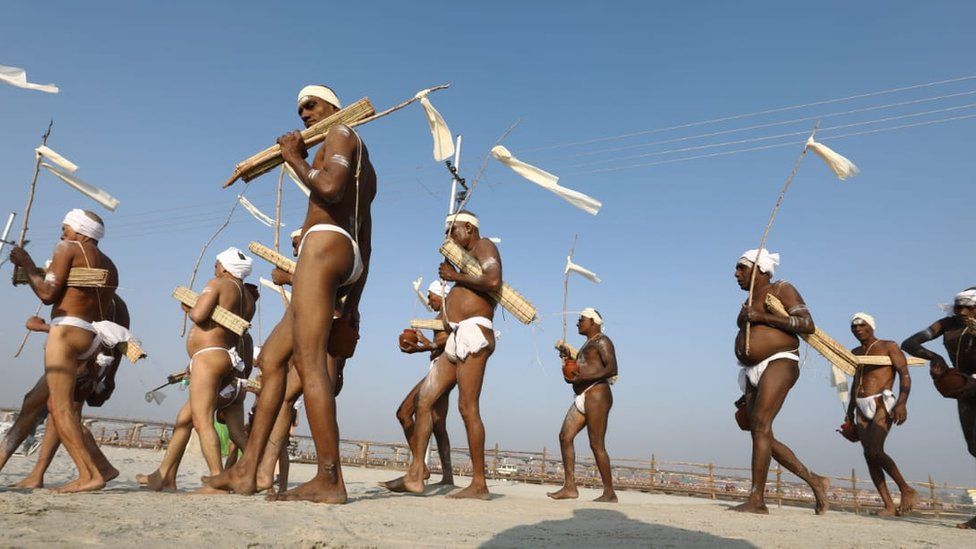
The Naga sadhus are the biggest draw of the festival. Thousands of the Sadhus, naked and wearing garlands around their necks, charged into the river with swords and tridents in their hands.
They were escorted by the police as people watched from behind barricades.
Image copyrightANKIT SRINIVAS
This year’s festival is an “ardh Kumbh” – a “half-size” version that falls mid-way between two Kumbhs – but there’s nothing diminutive about it. In fact, it’s much bigger than the last.


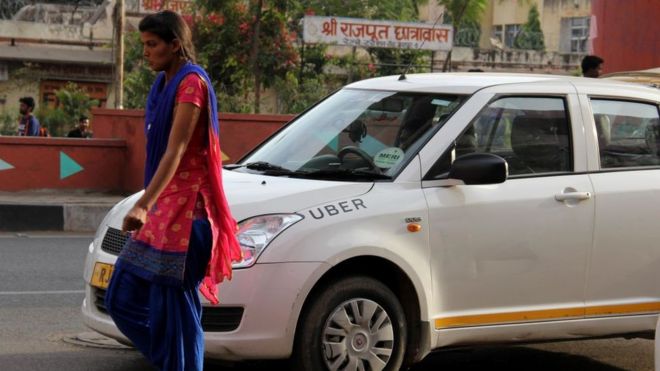 Image copyright NURPHOTO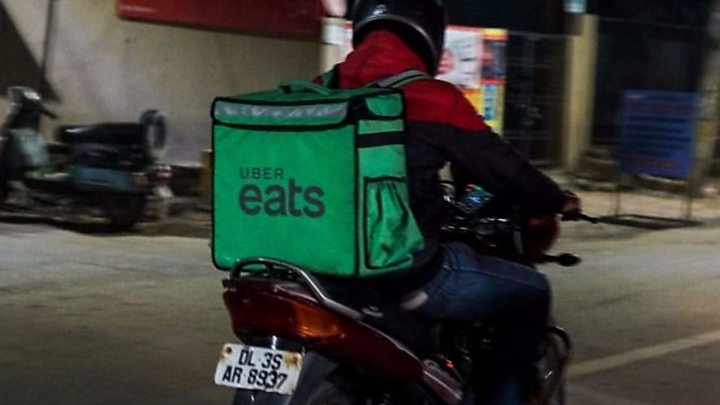


 CHINDIA ALERT: You'll be living in their world, very soon