Archive for ‘Angela Merkel’

07/09/2019

Germany’s Merkel presses for peaceful Hong Kong resolution

WUHAN, China (Reuters) – German Chancellor Angela Merkel renewed calls for a peaceful solution to unrest in Hong Kong on Saturday during her trip to China.

The Hong Kong protests have overshadowed a three-day visit Merkel had planned to use to press for greater access to Chinese markets for German businesses suffering a slowdown at home.

“I have advocated that conflicts be resolved without violence and that anything else would be a catastrophe from my point of view,” Merkel said.

After talks with President Xi Jinping and Premier Li Keqiang, Merkel said Beijing had listened to her views.

“This is important,” she added.

Hong Kong leader Carrie Lam announced concessions this week to try to end the protests, including formally scrapping a hugely unpopular extradition bill, but many said these were too little, too late.

Joshua Wong, a leader of pro-democracy protests in 2014 that were the precursor to the current unrest, thanked Merkel for addressing the topic with Beijing but said her comments fell short.

“Germany’s business interest should not override the universal values in which we believe,” Wong said in an interview with Germany’s mass-circulation Bild am Sonntag newspaper.

“If the Chancellor wants to do something, she must help to urge President Xi to respond to the demand for free elections.”

Source: Reuters

06/09/2019

‘Hong’ and ‘Kong’ top Berlin panda name poll

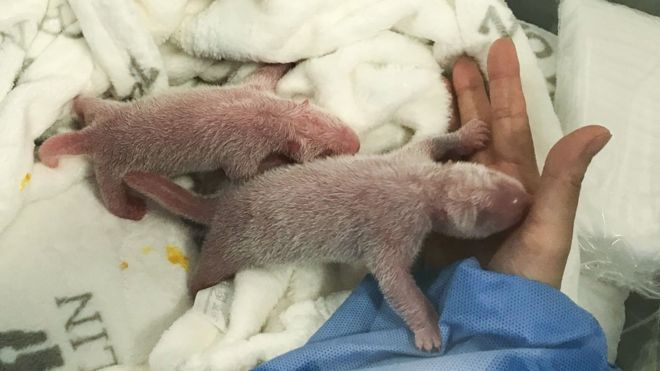
Two panda cubsImage copyright AFP
Image caption Meet Hong and Kong?

Two newborn panda cubs at Berlin Zoo have been unexpectedly caught up in Hong Kong’s political unrest, after German newspapers started a campaign to name them “Hong” and “Kong”.

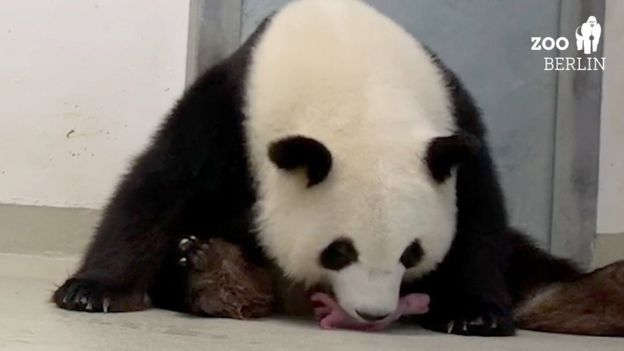
The pair were born on Saturday evening to Meng Meng – a panda on loan from China.

One of Berlin’s leading papers, Der Tagesspiegel, asked its readers to come up with name suggestions.

Top of the poll: “Hong” and “Kong”.

One reader wrote in to say they should be named “in solidarity with a city fighting for survival”.

Other suggested names included “Joshua Wong Chi-fung” and “Agnes Chow Ting” – after two prominent Hong Kong democracy activists.

Loaning pandas to zoos around the world is part of China’s soft diplomacy, aimed at winning hearts and minds abroad.

As the cubs will have to be returned to China in two to four years, the paper suggested that naming them after the activists might even be a sneaky way of keeping them in Germany.

The poll is in no way binding or even related to the zoo – but it was soon picked up by Germany’s leading tabloid, Bild, which issued a passionate call “to politicise” the naming of the little pandas.

“Bild is choosing to call the panda cubs Hong and Kong because it’s China’s brutal politics that lies behind these panda babies,” the paper wrote on Thursday.

“Bild is demanding of the German government that it reacts in a political way to the birth of these small bears.”

As German Chancellor Angela Merkel is currently on a visit to China, Bild said she could even relay the news to President Xi Jinping in person.

Panda mother with cubImage copyright EPA
Image caption Mother panda Meng Meng has been on loan to Germany since 2017

Hong Kong activists had already called on Ms Merkel to raise their cause during her talks in Beijing.

In an earlier interview with Bild, activist Joshua Wong had suggested the zoo should name the animals “Freedom” and “Democracy”.

The German media’s foray into panda PR came as Hong Kong’s government launched a series of full-page adverts in international newspapers, designed to reassure investors that the city is still open for business.

The ads, which will run in leading papers around the world, say the government is determined to achieve a “peaceful, rational and reasonable resolution” to present political tensions.

Source: The BBC

01/07/2019

Spotlight: Xi’s trip to Osaka drives multilateralism, G20 cooperation, global economy

JAPAN-OSAKA-XI JINPING-G20 SUMMIT

Chinese President Xi Jinping attends the 14th G20 summit held in Osaka, Japan, June 28, 2019. Xi called on G20 to join hands in forging high-quality global economy while addressing the 14th G20 summit held in the Japanese city of Osaka. (Xinhua/Xie Huanchi)

BEIJING, June 29 (xinhua) — Attending the summit of the Group of 20 (G20) major economies and holding meetings with his counterparts, Chinese President Xi Jinping paid a three-day visit to Osaka, Japan, which has proved a success with expanding consensus on the promotion of multilateralism and providing direction for both the G20 cooperation and global growth.

Chinese State Councilor and Foreign Minister Wang Yi made the remarks while noting that the 14th summit happened at a historic moment when chaos and uncertainties have brought the world to a critical crossroads, and that Xi’s tight diplomatic agenda marked China’s continuous efforts as a reliable and responsible major country to help with broad visions and workable solutions.

Envisioning a new type of international relations and a community with a shared future for mankind, Xi’s efforts were focused on promoting multilateralism, partnerships, mutually beneficial cooperation and joint development, which helped expand consensus, push forward cooperation, and increase confidence in global peace and development.

According to Wang, Xi’s speech at the G20 summit struck an extensive chord and China’s ideas received widespread support. In addition, the world is happy to see that Xi’s meetings with other leaders will help shape healthier major-country relations, that new opportunities will come with the new measures Xi announced for China’s further opening-up, and that Xi and U.S. President Donald Trump agreed that the two countries will restart trade talks.

WIDE CONSENSUS

During his trip to Osaka, by upholding multilateralism, the Chinese president guided the dialogue and discussions towards the direction of cooperation and inclusiveness in order to achieve win-win results.

Xi made four overseas trips since the beginning of June, setting a record for the history of the diplomacy of The People’s Republic of China, Wang said.

Xi put forward a four-point proposal in his speech at the summit, including exploring driving force for growth, improving global governance, removing development bottlenecks, and properly addressing differences.

Those proposals have outlined the direction to tackle the challenges facing the world economy, which is conducive to creating greater space for the global development and a better environment for international cooperation, Wang said.

With joint efforts, the G20 summit in Osaka has voiced support for multilateralism. It has been proven that upholding and practicing multilateralism is not just China’s choice, but a consensus and wish of the majority of countries in the world, Wang said.

Besides, on the sidelines of the G20 summit, Xi also attended a meeting of BRICS nations, China-Africa leaders’ meeting, China-Russia-India leaders’ meeting, and held a series of bilateral meetings.

During the meetings, Xi urged more efforts to promote global governance based on the principle of extensive consultation, joint contribution and shared benefits, safeguard the international system with the UN at the core and the international law as the foundation, preserve the multilateral trade regime with the World Trade Organization at the core and the rules as the foundation, promote multilateralism and free trade, push forward the democratization of international relations, and build an open world economy, Wang said.

Meanwhile, Xi met with Japanese Prime Minister Shinzo Abe with the two sides reaching a 10-point consensus to promote the development of bilateral relations.

When meeting with UN Secretary-General Antonio Guterres, Xi said the more complex and severe the situation is, the more necessary it is to highlight the UN’s authority and role.

Xi also exchanged views and reached new consensus with South Korean President Moon Jae-in on bilateral relations and the Korean Peninsula situation. Xi’s meetings with his French counterpart, Emmanuel Macron, and German Chancellor Angela Merkel will promote the in-depth development of China-Europe relations, Wang said.

Xi also met with Trump, South African President Cyril Ramaphosa, Indonesian President Joko Widodo during his visit.

COOPERATION, NOT CONFRONTATION

As China’s legitimate and lawful rights have been undermined by a series of unilateral and protectionist measures by the United States, China has to adopt necessary counter-measures, Wang said.

During the summit, Xi, at the invitation of his U.S. counterpart, met with President Trump, stating China’s stance on fundamental issues concerning the development of bilateral relations, and conducting candid communication over major challenges facing the two sides, Wang added.

Summing up the experience and illumination in the past the four decades since China and the United States established diplomatic ties, Xi said the two sides both benefit from cooperation and lose in confrontation, and that cooperation and dialogue are better than friction and confrontation.

China and the United States have highly integrated interests and extensive cooperation areas, and they should not fall into so-called traps of conflict and confrontation, Xi said.

On issues involving China’s sovereignty and dignity, China must safeguard its core interests, Xi stressed.

For his part, Trump said he values the good relationship with Xi and that it is of great significance for the two heads of state to maintain close contacts.

The U.S. side attaches importance to its relations with China, and harbors no hostility towards China, Trump said, adding that his country is willing to cooperate with China and that he hopes for better relations between the two countries.

During the meeting, Xi also reiterated the position of the Chinese government on the Taiwan issue, urging the United States to stick to the one-China principle and the three China-U.S. joint communiques.

The U.S. stance has not changed and it continues to pursue the one-China policy, Trump said.

When talking about the China-U.S. trade frictions, Xi emphasized that the essence of the China-U.S. economic and trade cooperation is mutual benefit and win-win, and that the two sides will eventually have to find a mutually acceptable solution to their differences through equal dialogue and consultation. Trump agreed with Xi in this regard.

Trump said the differences in such fields as economy and trade between the two sides should be properly settled, and that the United States will not add new tariffs on imports from China.

The most important consensus reached between the two heads of state is that China and the United States agree to continue to advance a China-U.S. relationship featuring coordination, cooperation and stability, Wang said.

They announced the restart of economic and trade consultations between their countries on the basis of equality and mutual respect. These significant consensuses send positive signals to the international community and global markets, Wang said.

As long as the two sides follow the principles and consensus established by the two heads of state, firmly grasp the correct direction of bilateral ties, expand cooperation based on mutual benefit, manage differences on the basis of mutual respect, and properly settle all problems that exist or will likely happen in bilateral relations, there is hope of a long-term and steady growth of the China-U.S. ties, and of more benefit to the two peoples and the people from other parts of the world, Wang said.

BRIGHT FUTURE OF CHINA

During the G20 summit and meetings with other world leaders, Xi explained China’s development philosophy and cooperation proposals.

According to Wang, Xi stressed that China is confident in pursuing its path, handling its own affairs well, achieving peaceful co-existence and win-win cooperation with all other countries, which has enhanced their understanding and support for China.

Stressing that the Chinese economy is registering a stable performance with good momentum for growth, Xi introduced a clear attitude and the latest measures on opening up the Chinese market, expanding imports, improving business environment as well as advancing free trade arrangements and regional economic integration, Wang said.

The Chinese president said China is breaking new ground in opening-up and pressing ahead with high-quality development.

Meanwhile, during the summit, Xi invited all interested parties to join the Belt and Road Initiative, amplifying the positive effects of the second Belt and Road Forum for International Cooperation.

Xi also advocated international cooperation in innovation so as to benefit more countries and people, Wang said.

According to Wang, all sides are optimistic about China’s development prospects, and believe that the new round of reform and opening-up measures announced by Xi are sincere and substantial, and the high-quality cooperation on building the Belt and Road corresponds with the trend of the times and the aspirations of people in the world.

It has been once again proven that China is a driving force for world economic growth, promoting openness in the world and providing a major market for other countries to explore business opportunities, Wang said.

Source: Xinhua

03/06/2019

Chinese vice president visits Germany, vows closer cooperation

GERMANY-CHINA-WANG QISHAN-VISIT

Chinese Vice President Wang Qishan meets with German President Frank-Walter Steinmeier in Berlin, Germany, May, 31, 2019. Wang Qishan paid a visit to Germany from Thursday to Sunday at the invitation of the German Federal Government. (Xinhua/Rao Aimin)

BERLIN, June 2 (Xinhua) — Chinese Vice President Wang Qishan paid a visit to Germany from Thursday to Sunday at the invitation of the German Federal Government.

During his visit in Berlin, Wang met with German President Frank-Walter Steinmeier, Chancellor Angela Merkel and Foreign Minister Heiko Maas separately.

When meeting with Steinmeier, Wang said that China and Germany were both major world economies and major countries with great influence. The relations between the two countries have gone beyond bilateral scope and bear global significance.

Wang said in recent years the high-level contacts were frequent, and the cooperation in all fields has been constantly deepened, adding he is willing to push for new development of the all-around strategic partnership through his visit.

Noting the ties between China and Germany is currently facing a new situation, Wang called on the two countries to set a model of win-win cooperation for the world through deepening collaboration, to bring stability to the world through guiding the China-EU cooperation, and to strength the power to safeguard multilateralism through boosting global governance.

For his part, German President Steinmeier said that the current international landscape is complicated and turbulent, and multilateralism is under threat.

He noted that Germany highly values the ties with China, adding Germany is willing to strengthen communication and coordination with China at all levels, and to continue the pragmatic cooperations in Industry 4.0 and in other fields.

Germany and China, and Europe and China, should join hands to maintain the world peace and stability, free trade, and existing international orders, Steinmeier added.

When meeting with Merkel, Wang said China sticks to peaceful development, and will through steadily deepening reform and opening up, solve the existing problem of imbalance and insufficient development to meet people’s desire for a better life and to fulfill the promises of the party and the government to the people.

Wang said China cannot develop itself in isolation from the world, nor can the world develop without the 1.4 billion Chinese people, and China advocates countries to together build a community of shared future for humankind.

Facing the profound and complex changes in the international situation, China always insists on doing its own share firstly, staying calm and clear-headed, showing composure, shouldering responsibility and reacting rationally, he noted.

Wang called on China and Germany, as all-around strategic partners, to strengthen cooperation in building a more fair and reasonable global governance system, and to jointly face the uncertainties.

The Chinese vice president also said that China has always viewed Europe from a strategic height and with a long-term vision, and firmly supported the European integration. Wang added that China is a trustworthy partner for Europe to have dialogue on an equal footing.

Chancellor Merkel said Germany appreciates China’s great achievements in economic development and believes that China can definitely achieve the ambitious goals of eradicating poverty and finishing building a moderately prosperous society on schedule.

Facing the current complex and volatile international environment in which various new problems emerge, Merkel said, Germany is always committed to safeguarding the principle of multilateralism and the existing international order.

She noted that Germany advocates to strengthen international coordination and collaboration through dialogue, disagrees with the action of exerting threat and pressure to solve problems.

She believed that Germany and China, as well as Europe and China, share broad consensus on a wide range of issues, expressing Germany’s willingness to strengthen communication, exchanges and cooperation with China, and to improve global governance system jointly with China.

When meeting with Heiko Maas, Wang said China and Germany share common interests in many fields such as deepening pragmatic cooperation, safeguarding multilateralism and free trade, improving global governance and promoting world peace.

Looking to the next stage of the bilateral relations, Wang advocates that both sides should set the right direction for the Sino-German, Sino-European win-win cooperation, encourage the enhanced exchanges in ideology, talents as well as science and technology, cement the friendship between the two peoples, and to inject more positive energy into the world.

Echoing Wang’s comments, Maas said Germany is willing to strengthen strategic communication and cooperation on multilateral issues with China, as well as to jointly tackle global challenges, safeguard multilateralism and international order, promote the liberalization of international trade.

During his visit to Germany, Wang also met with mayor of Hamburg Peter Tschentscher and Bavarian governor Markus Soeder and visited the port of Hamburg.

Before his tour to Germany, the Chinese Vice president also visited Pakistan and the Netherlands.

Source: Xinhua

26/03/2019

EU leaders hold out olive branch to Chinese ‘rival’ with hint they are open to Belt and Road Initiative

  • Angela Merkel says Europe is still keen to participate in infrastructure scheme despite concerns about spread of Chinese influence
  • EU Commission chief Jean-Claude Juncker seeks to reassure Chinese leader Xi Jinping that view of China as ‘strategic rival’ is a compliment
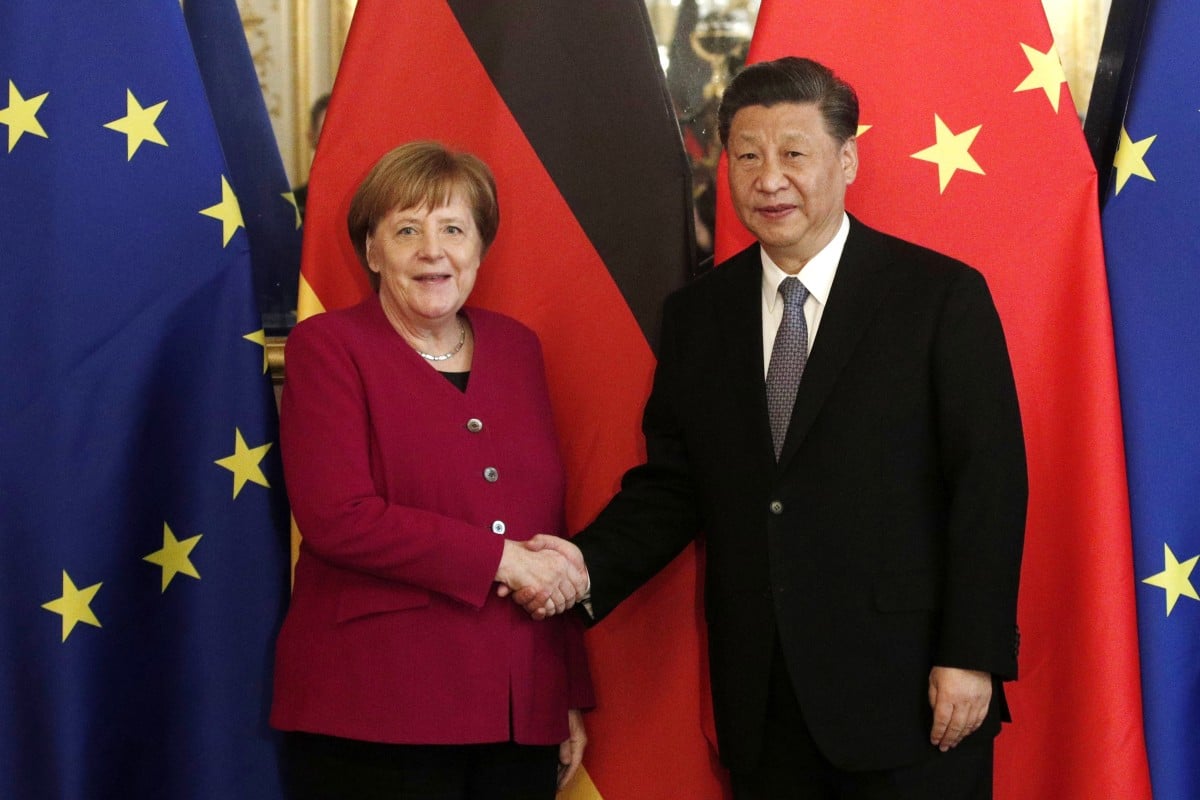
Xi Jinping and Angela Merkel and the Paris meeting. Photo: EPA-EFE

European leaders sought to reassure China over trade and cooperation on Tuesday by suggesting they were still open to joining China’s Belt and Road Initiative.

French President Emmanuel Macron, who is hosting his Chinese counterpart Xi Jinping on the final leg of his European tour, had invited German Chancellor Angela Merkel and European Commission President Jean-Claude Juncker to the meeting in Paris, where the four stressed their support for multilateralism and the pursuit of cooperation between major powers.

The visit took place amid growing European scepticism about China’s influence and follows a decision by Brussels to brand China a “systemic rival” in a policy paper earlier this month.

The scheme has caused increased concern in the West about the extent to which it will help spread Chinese influence, especially since Italy became the first G7 economy to join the project over the weekend.

But Merkel stressed it was an important project that Europeans still wanted to participate in.

She continued: “We, as Europeans, want to play an active part and that must lead to a certain reciprocity and we are still wrangling over that a bit.

“We are seeing the project as a good visualisation of interaction, interrelation and interdependence.”

Xi also said China’s process of opening up its economy to the world had allowed the country to achieve in the space of 40 years what the Europeans had managed over the course of the industrial revolution.

“We will continue to open up,” he said, “and to make the world a better open economy.”

“The Belt and Road Initiative has enriched the world’s multilateral system, we welcome all countries, including France, to join,” Xi said.

The US has also put increasing pressure on European countries to block the Chinese tech giant Huawei, which it sees as a security threat, from playing a role in European communications networks.

Despite her support for Xi’s stance on multilateralism, Merkel was still keen to express support for America’s role in upholding global order.

“The triangle between EU, China and US is very important. Without the US, we will not be able to have multilateralism. Our relations from the European side are obviously very important,” Merkel said.

However, she also noted that the trade war between the US and CHina was “hitting our German economy” and disturbing the balance.

Source: SCMP

17/02/2019

China says no to Germany’s call for arms control deal with US and Russia

  • German Chancellor Angela Merkel makes appeal to Beijing at Munich Security Conference as Washington prepares to leave INF treaty
  • But China’s top diplomat Yang Jiechi says nation’s missiles are defensive, do not pose a threat
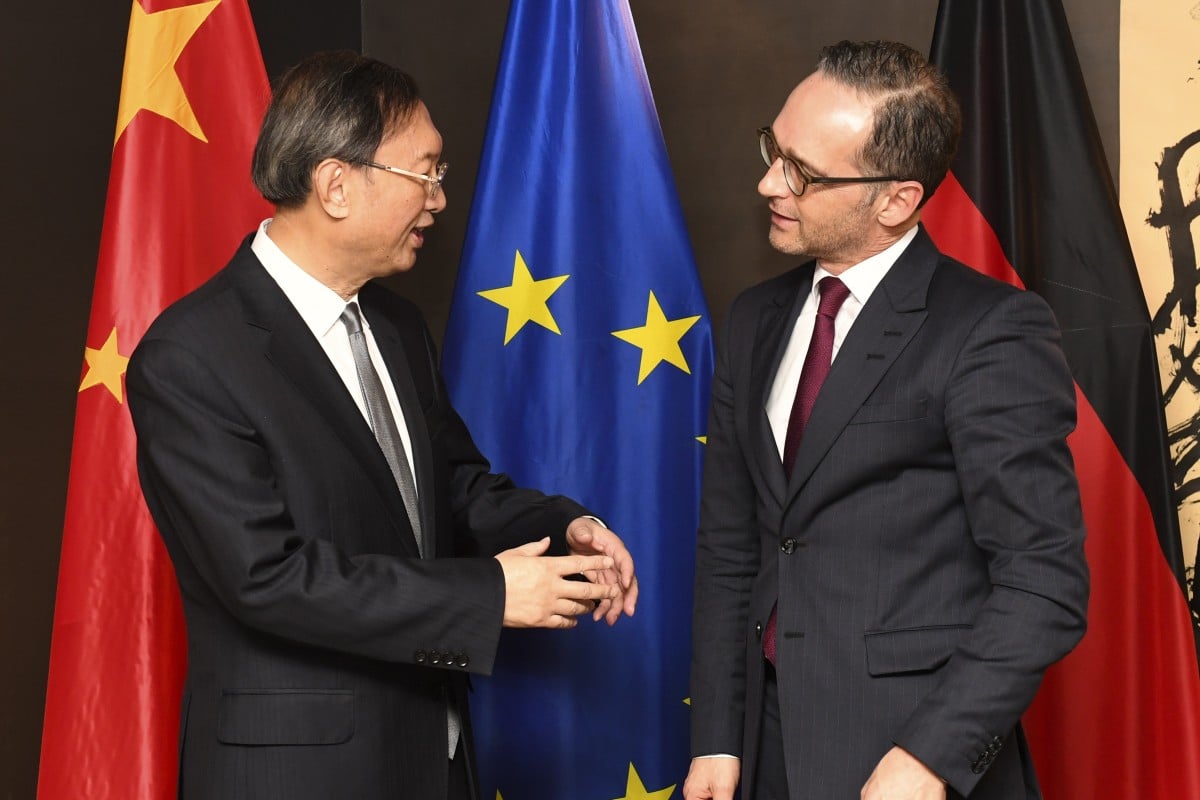
Chinea’s top envoy Yang Jiechi chats to German Foreign Minister Heiko Maas at the Munich Security Conference. Photo: AP

China on Saturday rejected German Chancellor Angela Merkel’s appeal to join a cold war-era arms control treaty that the United States accuses Russia of breaching, saying it would place unfair limits on its military.

Fearing a nuclear arms race between China, Russia and the US after the collapse of the Intermediate-Range Nuclear Forces (INF) treaty, which the US is withdrawing from, Merkel made her call for a global treaty.

“Disarmament is something that concerns us all and we would of course be glad if such talks were held not just between the United States, Europe and Russia but also with China,” she told the Munich Security Conference.

Is China about to abandon its ‘no first use’ nuclear weapons policy?

Russia and the United States are the signatories to the 1987 INF treaty that bans land-based missiles with a range between 500km (310 miles) and 5,500km, and which US President Donald Trump started the six-month withdrawal from this month, blaming Russian violations.

Moscow denies any wrongdoing, but the US and its Nato allies want Russia to destroy its 9M729 nuclear-capable cruise missile system, which Washington says could allow Russia to strike Europe with almost no warning.

Merkel’s suggestion of involving China in a negotiation is seen by European Nato diplomats as a potential way out of the impasse because a new treaty could address American concerns about a growing military threat from China and Russia.

“China develops its capabilities strictly according to its defensive needs and doesn’t pose a threat to anybody else. So we are opposed to the multilateralisation of the INF,” he said.

China’s stated ambition is to modernise its People’s Liberation Army by 2035, improve its air force and push into new technologies including very high speed cruise missiles and artificial intelligence.

Its defence budget grew nearly 6 per cent between 2017 and 2018, according to the London-based International Institute for Security Studies.

Chinese scientists make progress on nuclear submarine communication

Retired Chinese general Yao Yunzhu told delegates a new arms control agreement would only work if it included sea- and air-launched missiles, as well as land, because most of China’s military technology was ground-based and the country would not want to put itself at a disadvantage.

Cheaper to build, more mobile and easier to hide, ground-based rocket launchers are an attractive option for China as it develops its armed forces, experts said, whereas the United States operates more costly sea-based systems to comply with the INF.

“China is traditionally a land power and the Chinese military is a ground force,” Yao said.

“If China is to enter into these kinds of negotiations, I think it ought to be more comprehensive to include not only land-based but also air and sea-based strike capabilities … and that would be hugely complicated,” she said.

Source: SCMP

Law of Unintended Consequences

continuously updated blog about China & India

ChiaHou's Book Reviews

continuously updated blog about China & India

What's wrong with the world; and its economy

continuously updated blog about China & India