Chindia Alert: You’ll be Living in their World Very Soon
aims to alert you to the threats and opportunities that China and India present. China and India require serious attention; case of ‘hidden dragon and crouching tiger’.
Without this attention, governments, businesses and, indeed, individuals may find themselves at a great disadvantage sooner rather than later.
The POSTs (front webpages) are mainly 'cuttings' from reliable sources, updated continuously.
The PAGEs (see Tabs, above) attempt to make the information more meaningful by putting some structure to the information we have researched and assembled since 2006.
China’s official CCTV broadcaster has been hosting livestreams so people can watch the hospitals being built in real-time – and they have proved an unlikely hit.
The popularity of the footage has led to the construction vehicles earning unusual fame.
Cement mixers have found themselves with nicknames like “The Cement King”, “Big White Rabbit” and “The White Roller”.
Image copyright GETTY IMAGES
Huoshenshan Hospital is based on Xiaotangshan Hospital, set up in Beijing to help tackle the Sars virus in 2003.
Image copyright GETTY IMAGES
Xiaotangshan Hospital was built in seven days, allegedly breaking the world record for the fastest construction of a hospital.
Image copyright GETTY IMAGES
“China has a record of getting things done fast even for monumental projects like this,” says Yanzhong Huang, a senior fellow for global health at the Council on Foreign Relations.
Image copyright ALAMYImage copyright ALAMY
Just like the hospital in Beijing, Huoshenshan Hospital will consist of prefabricated buildings.
Image copyright GETTY IMAGES
Mr Huang said that engineers would be brought in from across the country in order to complete construction in time.
“Engineering work is what China is good at. They have records of building skyscrapers at speed. This is very hard for Westerners to imagine. It can be done,” he added.
The decision, which follows a similar move by the US this week, came as the death toll from the outbreak soared to 259
Health officials on Friday confirmed the first cases in the UK after two people tested positive for the virus
A coach carrying British nationals evacuated from Wuhan arrives at the Arrowe Park Hospital in Wirral, near Liverpool in northwest England. Photo: AFP
Britain on Saturday said it was temporarily withdrawing some staff and their families from its diplomatic sites in China, as Beijing struggles to contain the nationwide new
The decision, which follows a similar move by the United States this week, came as the death toll from the outbreak soared to 259 and the total number of cases neared 12,000 within China.
The Sars-like virus has also begun to spread around the world, with more than 100 infections reported in more than 20 countries.
“We are committed to ensuring the safety and well-being of our staff and their families,” a spokesman for the British Foreign Office said.
“We are therefore temporarily withdrawing some UK staff, and their dependents from our embassy and consulates in China.”
He added that Britain’s ambassador in Beijing and staff needed to continue critical work will remain, and that British nationals in China would still have access to constant consular assistance.
The US, which on Friday temporarily banned the entry of foreign nationals, who had travelled to China over the past two weeks, has also made similar changes.
Two people in UK test positive for coronavirus
31 Jan 2020
On Wednesday, it authorised the departure of non-emergency government employees and their family members from its offices in Beijing, Chengdu, Guangzhou, Shanghai, and Shenyang.
And on Friday, it ordered all relatives of staff members under the age of 21 to leave China immediately.
A spokesman for the US Embassy in Beijing said it made the decision “out of an abundance of caution related to logistical disruptions stemming from restricted transportation and overwhelmed hospitals related to the novel coronavirus”.
Coronavirus outbreak: global businesses shut down operations in China
British health officials on Friday confirmed the first cases in the UK, after two members of the same family tested positive for the virus.
One of the two individuals is a student at the University of York, a university spokesman said on Saturday.
Also on Friday, 83 British citizens returned on a UK government-chartered flight from Wuhan, the Chinese city at the centre of the epidemic.
They were immediately taken to a hospital in northwest England for a two-week quarantine.
BEIJING (Reuters) – A plane carrying 83 British and 27 foreign nationals flew out on Friday from China’s central city of Wuhan, the centre of a virus epidemic that has killed more than 200 people and infected more than 9,000, the British government said.
The civilian aircraft chartered by the Foreign Office left Wuhan at 9.45 a.m. (0145 GMT), the government said in a notice on its website.
It is due to arrive at 1 p.m. (1300 GMT) in Britain later on Friday, before continuing on to Spain, where the home countries of European Union citizens will take responsibility for the remaining passengers.
“We know how distressing the situation has been for those waiting to leave,” Britain’s Foreign Secretary Dominic Raab said, according to the notice. “We have been working round the clock to clear the way for a safe departure.”
The flight had been expected to depart Wuhan on Thursday morning with around 150 British citizens and 50 non-British nationals, but its departure was blocked by Chinese officials.
The reasons for the delay by Chinese officials and the lower-than-expected number of passengers were not immediately clear.
The UK embassy in Beijing and the UK Foreign Office did not immediately respond to requests for comment.
Some British citizens have spoken of being told they could not take family members with Chinese passports out of the city.
Those returning to Britain will be quarantined for 14 days at a National Health Service facility.
A British government spokesman said any citizens who were eligible for the flight would be given a seat but nationals already infected would not be allowed to leave Wuhan.
The U.S. government warned Americans not to travel to China as the death toll from the new coronavirus reached 213 on Friday and the World Health Organisation declared a global health emergency.
Lufthansa, British Airways, Air Canada among several big name airlines to halt flights, while others reduce services
Travel agents expecting slump in sales amid rising uncertainty over how epidemic will play out
Many airlines have cancelled flights into mainland China because of the coronavirus outbreak. Photo: AP
International air travellers and ticketing agents are in for a turbulent time in the weeks ahead as airlines around the world react to the coronavirus epidemic by cancelling or limiting flights to and from the Chinese mainland.
Lufthansa, British Airways, Air Canada and Indonesia’s Lion Air have
, while United Airlines, American Airlines, IndiGo, Finnair, Delta Air Lines and Jetstar Asia have significantly reduced their services.
“It’s going to be pretty bad for travel agencies. We’ve had a lot of cancellations. Everyone is afraid of coming to China,” said Annabelle Auger from Travel Stone in Beijing.
“Many of our European clients are very worried because of the media coverage they’ve seen. Still, people are willing to wait and see for a few weeks to see how things go,” she said.
For foreigners looking to leave China, Auger said they should contact their embassy to find out about repatriation flights.
“The situation is very unclear, so it’s difficult to give any general recommendations,” she said.
Already this week, the embassies of the United States, Japan, South Korea and Britain have cleared flights to evacuate their nationals from Hubei, the central China province at the heart of the outbreak.
Auger said she and her colleagues had been busy rearranging flights for China-based foreigners who had gone away for the holidays.
“The schools are closed, so families with children abroad are thinking, ‘OK, let’s extend our stay for another week’,” she said.
Politics may have stalled information in coronavirus crisis, scientist says
30 Jan 2020
The Beijing government said on Monday it would extend the Lunar New Year
holiday until Sunday to help stop the spread of the disease, while school breaks have also been extended.
Another travel agent in Beijing, who asked not to be named, said the virus outbreak had yet to have a significant impact on business but concerns were growing.
“We are a bit worried that things may get difficult in the coming months,” she said. “But we trust that the government is doing all it can and will take the appropriate measures to solve the problems.”
Zhu Tao, director of the flight standards department at the Civil Aviation Administration of China (CAAC), said at a press conference in Beijing on Thursday that the relevant authorities were working closely with airlines to help Chinese nationals trapped overseas to get home.
The government had already chartered flights from Japan, Myanmar and South Korea to bring Chinese nationals back to Hubei, he said.
While all flights out of Hubei have been suspended since last week, Zhu said air transport was playing its part in fighting the disease.
As of Wednesday, the CAAC had sent 86 flights carrying 5,129 medical workers and 115,000 items of equipment and other supplies into Wuhan, he said.
Wu Zunyou, the chief epidemiologist at the China Centre for Disease Control and Prevention, said that efforts to prevent the coronavirus spreading outside the country had been successful, as only about 1 per cent of the confirmed infections were outside China.
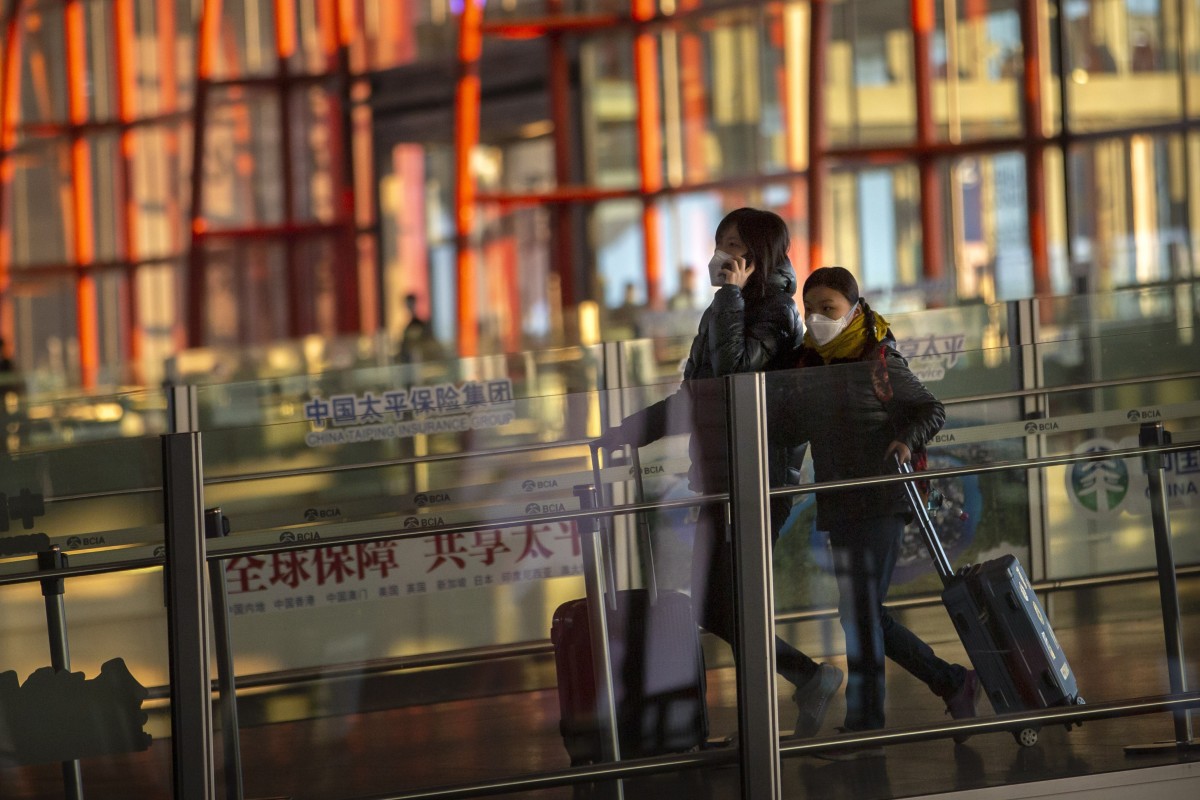
Despite the flight cancellations, Beijing’s Capital International Airport was operating as normal on Thursday.
Andre Muchanga, a student from Abu Dhabi at the Beijing Institute of Technology, said he made a late decision to fly home.
“I decided to buy my ticket last night,” he said. “At school, our dormitory is almost completely empty. I knocked on a friend’s door last night and found there was no one there, so I decided I better just go home and spend some time with my family.”
He said he decided not to buy a return flight as it he did not know when his classes would resume.
Signs at check-in counters reminded passengers who had travelled to Hubei or had a Hubei address to put themselves in isolation for 14 days.
While flights out of Hubei have been stopped, there was still plenty of inbound traffic.
“The number of domestic inbound travellers seems pretty normal for this time of year,” a man working on an information desk at Capital airport said.
“It’s the sixth day of the Lunar New Year. Lots of people have to return to work.”
An Air China employee, surnamed Hu, said that the airport had stepped up its disinfecting and general cleaning work. Body temperature checks had been installed at all access points and employees had been told to wear masks, he said.
“I don’t mind working during the Lunar New Year holiday,” he said. “I’m not afraid of the virus, I’m here to serve the people.”
Chinese President Xi Jinping meets with visiting World Health Organization (WHO) Director-General Tedros Adhanom Ghebreyesus at the Great Hall of the People in Beijing, capital of China, Jan. 28, 2020. (Xinhua/Ju Peng)
BEIJING, Jan. 28 (Xinhua) — Chinese President Xi Jinping said Tuesday that China has full confidence and capability to win the battle against the outbreak of pneumonia caused by the novel coronavirus (2019-nCoV).
Meeting with visiting World Health Organization (WHO) Director-General Tedros Adhanom Ghebreyesus at the Great Hall of the People in Beijing, Xi said the safety of people’s lives and their health always come first, and thus the prevention and control of the novel coronavirus outbreak is the country’s most important work for now.
The WHO is welcome to participate in the epidemic prevention and control, Xi said, stressing that China is ready to work with the WHO as well as the international community to safeguard regional and global public health security.
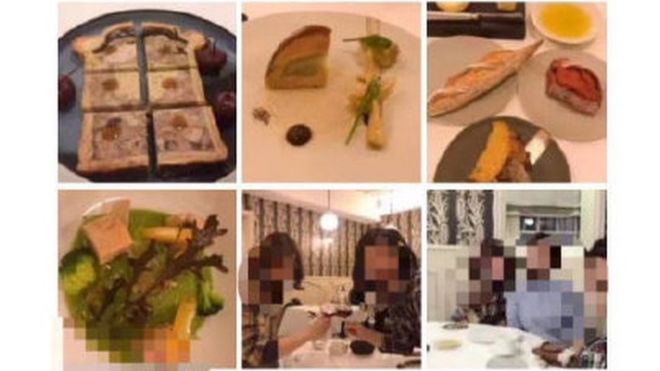
Image copyright WEIBOImage caption She posted pictures of her meal on social media platform WeChat
The Chinese embassy in Paris has tracked down a woman from Wuhan who said she took tablets to pass airport health checks.
The woman boasted on social media that she had been suffering from a fever, but managed to reduce her symptoms with medicine.
She later posted pictures showing herself dining at what she claimed was a Michelin-starred restaurant in Lyon.
The embassy has now confirmed that her symptoms are under control.
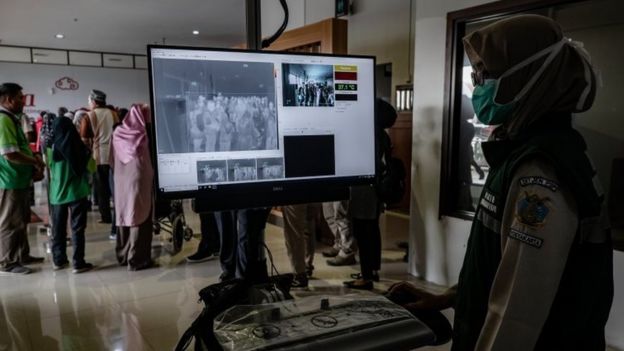
The woman left Wuhan – where the new coronavirus emerged late last year – before flights were suspended, but when thermal scanning was in place.
Since yesterday, public transport has been shut down, with residents told not to leave the city.
At least 25 people with the virus have died. It was first reported to the World Health Organization 31 December.
The virus has spread to countries as far as South Korea, Japan and the US.
Image copyright GETTY IMAGESImage caption People have been thermally scanned when leaving Wuhan, and arriving at their destination. This picture was taken in Indonesia on Thursday
The woman detailed her journey to Lyon on social media site WeChat.
“Finally I can have a good meal, I feel like I’ve been starving for two days. When you are in a gourmet city of course you have to eat Michelin [food],” she wrote.
“Just before I left, I had a low fever and cough. I was scared to death and rushed to eat [fever-reducing] medicine. I kept on checking my temperature. Luckily I managed to get it down and my exit was smooth.”
She also posted pictures of the meal she enjoyed. It is not clear exactly when she arrived.
Her post quickly went viral and she was widely criticised by other social media users.
The Chinese embassy in Paris said it had received calls and emails about the woman. It said she had taken antipyretics, and that it attached “great importance” to the case.
The embassy said it contacted her on Wednesday evening and asked her to refer herself to medical services.
On Thursday, in a new statement, the embassy said the woman’s temperature was under control, and that she had no more fever or cough symptoms.
It added that she did not require “further examinations” at this point.
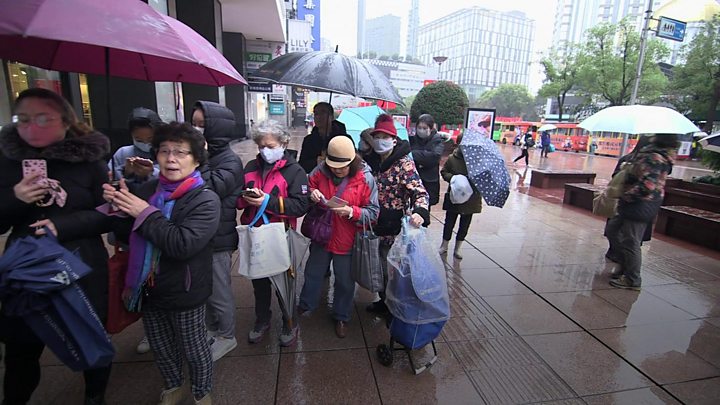
Media caption Fears over coronavirus in China trigger face mask shortage
China has effectively quarantined nearly 20 million people in Hubei province. Other major cities in China like Beijing and Shanghai are also affected.
Authorities have cancelled all large-scale celebrations in Beijing. Temple fairs are banned, film releases postponed and the Forbidden City will be closed to the public.
All this comes as millions of Chinese people are travelling across the country for Lunar New Year.
Currently known as 2019-nCoV, the virus is understood to be a new strain of coronavirus not previously identified in humans.
BEIJING, Jan. 24 (Xinhua) — China’s Palace Museum, also known as the Forbidden City, has decided to stop admitting visitors from Jan. 25 in an effort to prevent cross-infection and curb the spreading of the novel coronavirus-related pneumonia.
It will notify the public when there is a resumption date, the Palace Museum said in a statement late Thursday.
Multiple major public venues, including the National Museum of China, the National Library of China, the National Art Museum of China and Prince Kung’s Mansion, have taken similar measures to contain the virus.
As of Thursday midnight, a total of 25 people had died and 830 cases of pneumonia caused by the novel coronavirus had been confirmed in 29 provincial-level regions in China.
BEIJING (Reuters) – The death toll from China’s coronavirus outbreak jumped on Saturday to 41 as the Lunar New Year got off to a gloomy start, with Hong Kong declaring a virus emergency, scrapping celebrations, and restricting links to mainland China.
Australia on Saturday confirmed its first four cases, Malaysia confirmed three and France reported Europe’s first cases on Friday, as health authorities around the world scrambled to prevent a pandemic.
Hong Kong leader Carrie Lam on Saturday declared a virus emergency in the Asian financial hub, with five confirmed cases, immediately halting official visits to mainland China and scrapping official Lunar New Year celebrations.
Inbound and outbound flights and high speed rail trips between Hong Kong and Wuhan, the epicentre of the outbreak, would be halted, and schools, now on Lunar New Year holidays, would remain shut until Feb. 17. The territory was also treating 122 people suspected of having the disease.
RELATED COVERAGE
U.S. to evacuate its citizens from Wuhan, China – WSJ
China’s President Xi holds politburo meeting on curbing virus outbreak – state TV
The death toll in China rose to 41 on Saturday from 26 a day earlier and more than 1,300 people have been infected globally with a virus traced to a seafood market in the central city of Wuhan that was illegally selling wildlife.
Hu Yinghai, deputy director-general of the Civil Affairs Department in Hubei province, where Wuhan is located, made an appeal on Saturday for masks and protective suits. Hospitals in the city have made similar pleas.
“We are steadily pushing forward the disease control and prevention … But right now we are facing an extremely severe public health crisis,” he told a news briefing.
Vehicles carrying emergency supplies and medical staff for Wuhan would be exempted from tolls and given traffic priority, China’s transportation ministry said on Saturday.
Wuhan said it would ban non-essential vehicles from its downtown starting Sunday to control the spread of the virus, further paralysing a city of 11 million that has been on virtual lockdown since Thursday, with nearly all flights cancelled and checkpoints blocking the main roads leading out of town.
Authorities have since imposed transport restrictions on nearly all of Hubei province, which has a population of 59 million.
In Australia, three men, aged 53, 43 and 35 in New South Wales were in stable condition after they were confirmed to have the virus after returning from Wuhan earlier this month.
A Chinese national in his 50s, who had been in Wuhan, was also in stable condition in a Melbourne hospital after arriving from China on Jan. 19, Victoria Health officials said.
State-run China Global Television Network reported in a tweet on Saturday that a doctor who had been treating patients in Wuhan, 62-year-old Liang Wudong, had died from the virus.
Police officers stand guard in front of the closed gate of Lama Temple where a notice saying that the temple is closed for the safety concern following the outbreak of a new coronavirus is seen, in Beijing, China January 25, 2020. REUTERS/Carlos Garcia Rawlins
It was not immediately clear if his death was already counted in the official toll of 41, of which 39 were in the central province of Hubei, where Wuhan is located.
U.S. coffee chain Starbucks said on Saturday that it was closing all its outlets in Hubei province for the week-long Lunar New Year holiday, following a similar move by McDonald’s in five Hubei cities.
PROTECTIVE SUITS
In Beijing on Saturday, workers in white protective suits checked temperatures of passengers entering the subway at the central railway station, while some train services in eastern China’s Yangtze River Delta region were suspended, the local railway operator said.
The number of confirmed cases in China stands at 1,287. The virus has also been detected in Thailand, Vietnam, Singapore, Japan, South Korea, Taiwan, Nepal, and the United States.
The U.S. Centers for Disease Control and Prevention said on Friday it had 63 patients under investigation, with two confirmed cases. While China has called for transparency in managing the crisis, after cover-up of the 2002/2003 Severe Acute Respiratory Syndrome spread, officials in Wuhan have come in for criticism over their handling of the current outbreak.
In rare public dissent, a senior journalist at a Hubei provincial newspaper run by the ruling Communist Party on Friday called for a “immediate” change of leadership in Wuhan on the Twitter-like Weibo. The post was later removed.
REINFORCEMENTS TO WUHAN
The World Health Organization (WHO) declared the new coronavirus an “emergency in China” this week but stopped short of declaring it of international concern.
Human-to-human transmission has been observed in the virus.
China’s National Health Commission said it had formed six medical teams totalling 1,230 medical staff to help Wuhan.
Hubei province, where authorities are rushing to build a 1,000 bed hospital in six days to treat patients, announced on Saturday that there were 658 patients affected by the virus in treatment, 57 of whom were critically ill.
The newly-identified coronavirus has created alarm because there are still many unknowns surrounding it, such as how dangerous it is and how easily it spreads between people. It can cause pneumonia, which has been deadly in some cases.
Symptoms include fever, difficulty breathing and coughing. Most of the fatalities have been in elderly patients, many with pre-existing conditions, the WHO said.
NEW YEAR DISRUPTIONS
Airports around the world have stepped up screening of passengers from China, though some health officials and experts have questioned the effectiveness of such screenings.
There are fears the transmission could accelerate as hundreds of millions of Chinese travel during the week-long Lunar New Year holiday, which began on Saturday, although many have cancelled their plans, with airlines and railways in China providing free refunds.
The virus outbreak and efforts to contain it have put a dampener on what is ordinarily a festive time of year.
Sanya, a popular resort destination on the southern Chinese island of Hainan, announced that it was shutting all tourist sites, while the island’s capital city, Haikou, said visitors from Wuhan would be placed under 14-day quarantine in a hotel.
Shanghai Disneyland was closed from Saturday. The theme park has a 100,000 daily capacity and sold out during last year’s Lunar New Year holiday.
Beijing’s Lama Temple, where people traditionally make offerings for the new year, has also closed, as have some other temples.
Media caption The billionaire financier and philanthropist has become a divisive figure in global politics in recent years
Billionaire philanthropist George Soros has launched a stinging attack on the “authoritarian rulers” of both the US and China.
He said President Donald Trump was a “conman and the ultimate narcissist” who had breached the limits of the US constitution.
And he said China’s President Xi Jinping was using technology to exert total control over Chinese life.
“The world would be a better place if they weren’t in power,” Mr Soros said.
Using his annual speech at the World Economic Forum, in Davos, the financier warned of a growing threat from populism and climate change, while pledging $1bn towards a new global university network to tackle intolerance.
But the businessman – who is a major donor to the US Democratic party – said Beijing and Washington posed the biggest threat to “open societies”.
“Both [leaders] try to extend the powers of their office to its limit and beyond.
“Trump is willing to sacrifice the national interests for his personal interests and he will do practically anything to win re-election.
“By contrast, Xi Jinping is eager to exploit Trump’s weaknesses and use artificial intelligence to achieve total control over his people.”
The White House was approached for comment.
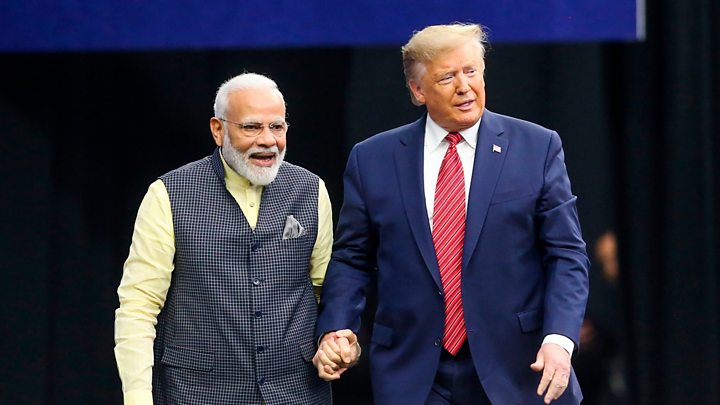
Media caption Modi to Trump: “My honour to introduce you to my family”
Mr Soros also targeted Indian Prime Minister Narendra Modi, saying the Indian state was “imposing punitive measures on Kashmir, a semi-autonomous Muslim region, and threatening to deprive millions of Muslims of their citizenship”.
He was referring to two controversial decisions made by Mr Modi’s Hindu nationalist government.
The first was to strip the disputed Kashmir region of its semi-autonomous status and place it under virtual lockdown.
The second is the introduction and passage of a controversial citizenship law that critics say is discriminatory towards Muslims.
It seeks to fast-track Indian citizenship to non-Muslim minorities from three nearby Muslim-majority countries.
Media caption The Conspiracy Files: Why did Hungary’s PM turn on George Soros?
The US and China recently struck a deal to de-escalate a major trade war which has seen both sides impose tariffs on billions of dollars worth of exports.
But Mr Soros said President Xi’s had stifled China’s economy, while Mr Trump had “overheated” his.
“US stock markets are high but can’t be kept at boiling point for too long.”
Mr Soros, a Jew who survived Nazi occupation by forging identity documents, became infamous for his involvement in the devaluation of the British pound, known as Black Wednesday.
But it is his philanthropic and political activities that have made him a divisive figure in the US, Europe and beyond.
He has spent billions of his own money funding human rights projects and liberal democratic ventures around the world, and has become a frequent target for criticism by right-wing groups due to his support for liberal causes.
Much of the criticism aimed at him has been criticised as having anti-Semitic undertones.
The financier, who is a regular at the elite World Economic Forum, said his new university network would help promote “critical thinking” in an age of intolerance.
The move will be seen as a riposte to Hungarian President Victor Orban, who has repeatedly tried to shut down the Central European University, a private institution set up by Mr Soros in the country in 1971.
Mr Orban’s populist nationalist government claims Mr Soros has a secret plot to flood Hungary with migrants and destroy the nation, an accusation Mr Soros denies.
Mr Soros said the network would be “the most important and enduring project of my life and I should like to see it implemented while I am still around”.
BEIJING, China (Reuters) – China ramped up measures to contain a virus that has killed 26 people and infected more than 800, suspending public transport in 10 cities, shutting temples over the Lunar New Year and even closing the Forbidden City and part of the Great Wall.
The week-long holiday to welcome the Year of the Rat began on Friday, raising fears the infection rate could accelerate as hundreds of millions of people travel to their homes and abroad in what is usually a festive time of year.
The World Health Organisation (WHO) has declared the new coronavirus an emergency for China but stopped short of declaring the epidemic of international concern.
While most of the cases and all of the deaths have been in China, the virus has been detected in Thailand, Vietnam, Singapore, Japan, South Korea, Taiwan and the United States. It was likely Britain also had cases, a health official said.
RELATED COVERAGE
‘What choice do I have?’ Lock-down strands millions in China’s Wuhan
WHO expects coronavirus cases to rise in China
The newly identified coronavirus has created alarm because it is too early to know just how dangerous it is and how easily it spreads between people.
Symptoms include fever, difficulty breathing and coughing.
Most of the fatalities have been elderly, many with pre-existing conditions, the WHO said.
Cases are likely to continue to rise in China but it is too soon to evaluate the severity of the virus, a WHO spokesman said on Friday.
As of Thursday, there were 830 confirmed cases and 26 people had died there, China’s National Health Commission said.
In Wuhan, where the outbreak began last month, pharmacies were running out of supplies and hospitals were flooded with nervous resident seeking medical checks.
“There’s so much news, so much data, every 10 minutes there’s an update, it’s frightening, especially for people like us in a severely hit area,” Lily Jin, 30, a resident of the city, told Reuters by phone.
While restrictions have already been put in place in cities across the country to curb the outbreak, China will take stricter and more targeted measures, state television reported citing a state council, or cabinet, meeting on Friday, but gave no further details.
“The spread of the virus has not been cut off … Local authorities should take more responsibility and have a stronger sense of urgency,” state broadcaster CCTV said.
Most cases have been in Wuhan, where the virus is believed to have originated in a market that traded illegally in wildlife. Preliminary research suggested it crossed to humans from snakes.
The city of 11 million people, and neighboring Huanggang, a city of about 7 million, were in virtual lockdown.
Nearly all flights at Wuhan’s airport had been canceled, and airports worldwide have stepped up the screening of passengers from China.
Checkpoints blocked the main roads leading out of town, and police checked incoming vehicles for wild animals.
Wuhan was rushing to build a 1,000-bed hospital for the infected by Monday, the official Changjiang Daily reported.
About 10 people got off a high-speed train that pulled into Wuhan on Friday afternoon but nobody got on before it resumed its journey. Although it stopped there, Wuhan had been removed from the train’s schedule.
“What choice do I have? It’s Chinese New Year. We have to see our family,” said a man getting off the train who gave his family name Hu.
CHINA EMERGENCY
The WHO said on Thursday it was a “bit too early” to designate the outbreak a public health emergency of international concern, which would require countries to step up their response.
Some experts believe the virus is not as dangerous as the one that caused the 2002-03 outbreak of Severe Acute Respiratory Syndrome, which also began in China and killed nearly 800 people, or the one that caused Middle East Respiratory Syndrome, which has killed more than 700 people since 2012.
There is no known vaccine or particular treatment.
“There is some work being done and there are some trials now for MERS (vaccines). And we may look at some point whether those treatments and vaccines would have some effect on this novel coronavirus,” WHO spokesman Tarik Jasarevic said on Friday.
Gilead Sciences Inc said it was assessing whether its experimental Ebola treatment could be used. Meanwhile, three research teams were starting work on vaccines, the Coalition for Epidemic Preparedness Innovations said.
In the meantime, Chinese authorities have imposed restrictions on movement and gatherings to try to stem the spread. It has advised people to avoid crowds and 10 cities in the central province of Hubei, where Wuhan is located, have suspended some transport, the Hubei Daily reported.
Some sections of the Great Wall near Beijing will be closed from Saturday, state media said.
Some temples have also closed, including Beijing’s Lama Temple where people make offerings for the new year, have also been closed as has the Forbidden City, the capital’s most famous tourist attraction.
Shanghai Disneyland will close from Saturday. The theme park has a 100,000 daily capacity and sold out during last year’s Lunar New Year holiday.
The virus is expected to dent China’s growth after months of economic worries over trade tensions with the United States, unnerving foreign companies doing business there.
Shares in luxury goods firms have suffered from the anticipated drop in demand from China, and on Friday French spirits group Remy Cointreau said it was “clearly concerned” about the potential impact.


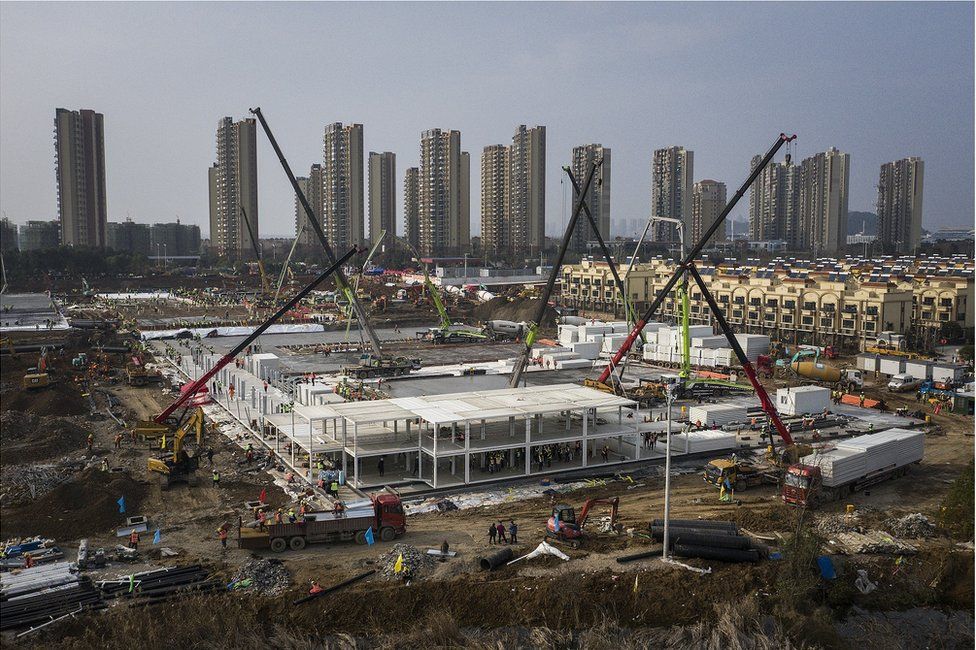 Image copyright GETTY IMAGES
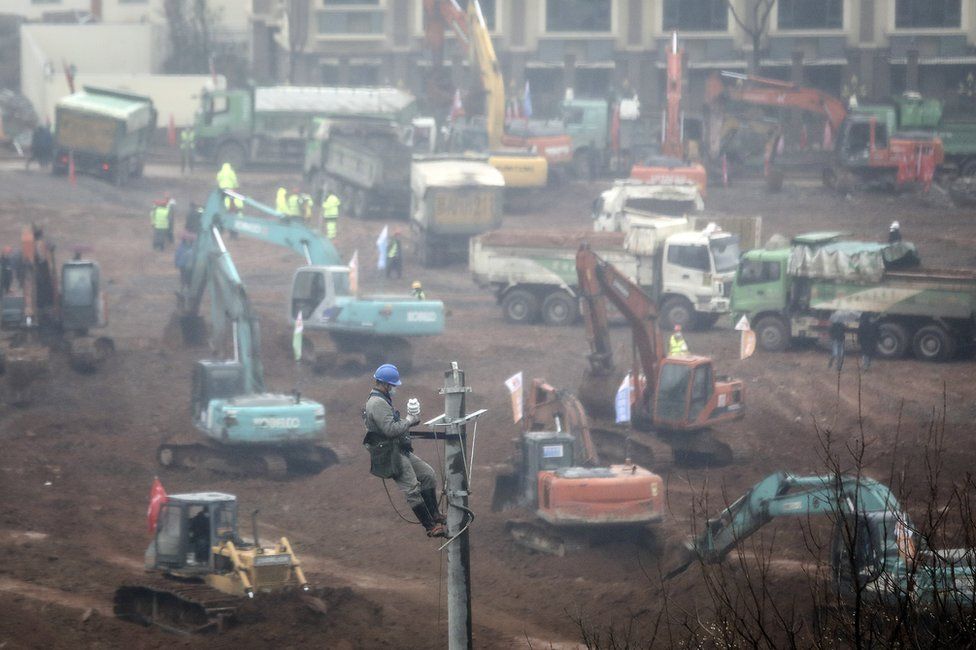 Image copyright GETTY IMAGES
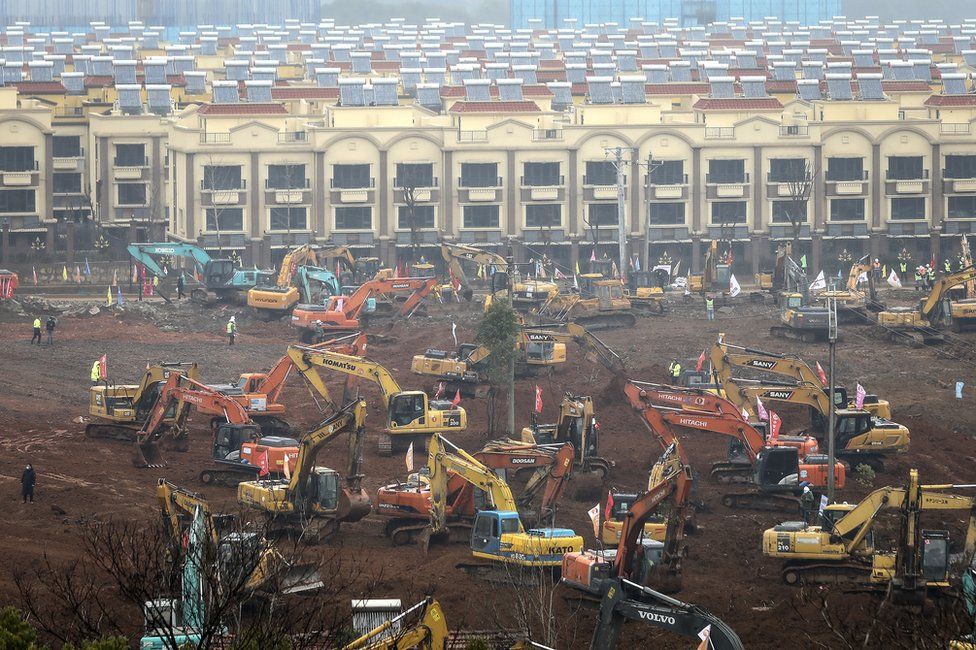 Image copyright GETTY IMAGES
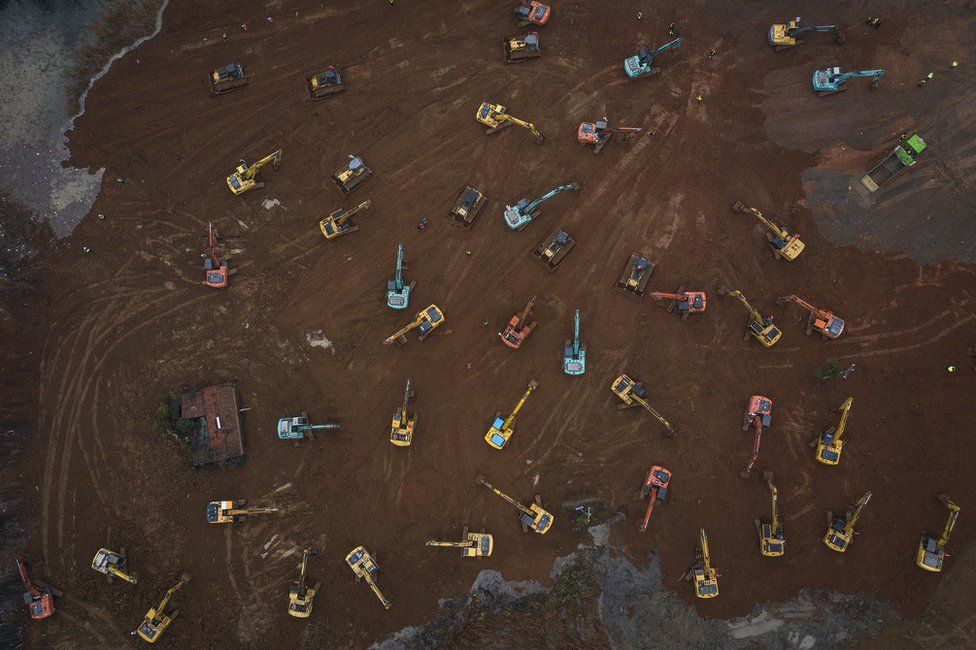 Image copyright GETTY IMAGES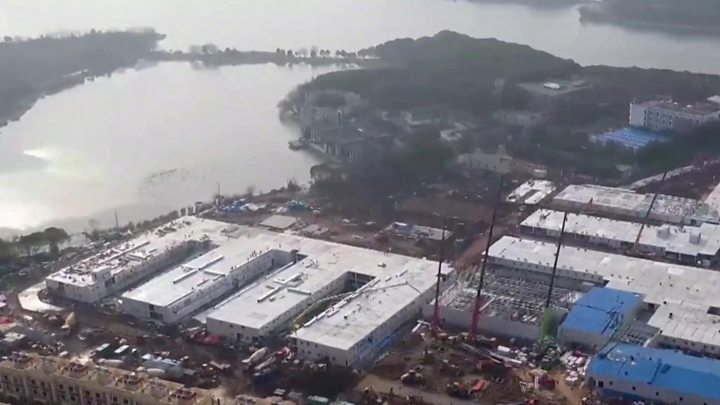
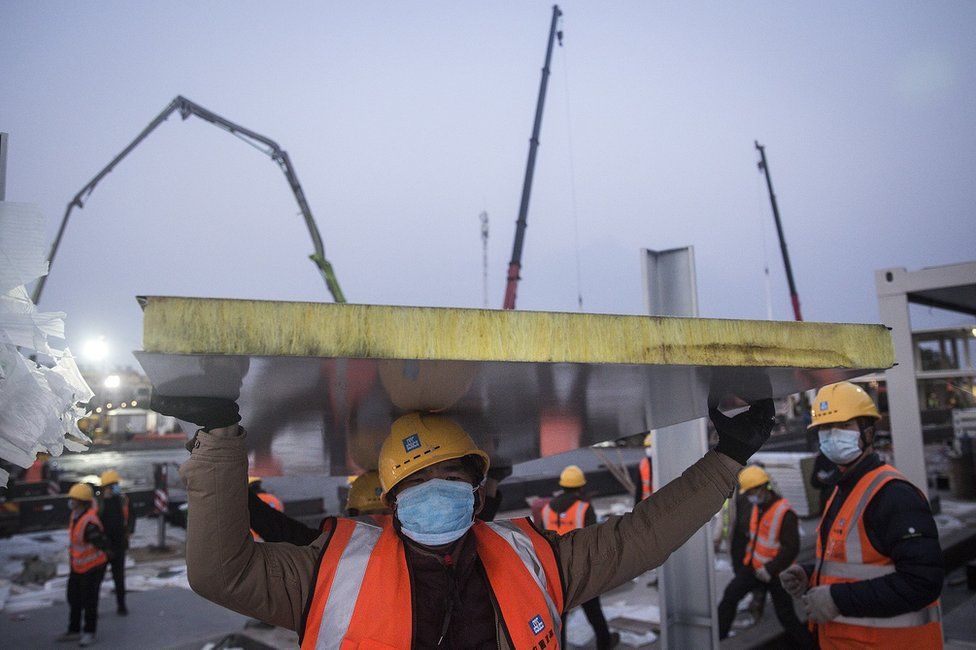 Image copyright GETTY IMAGES
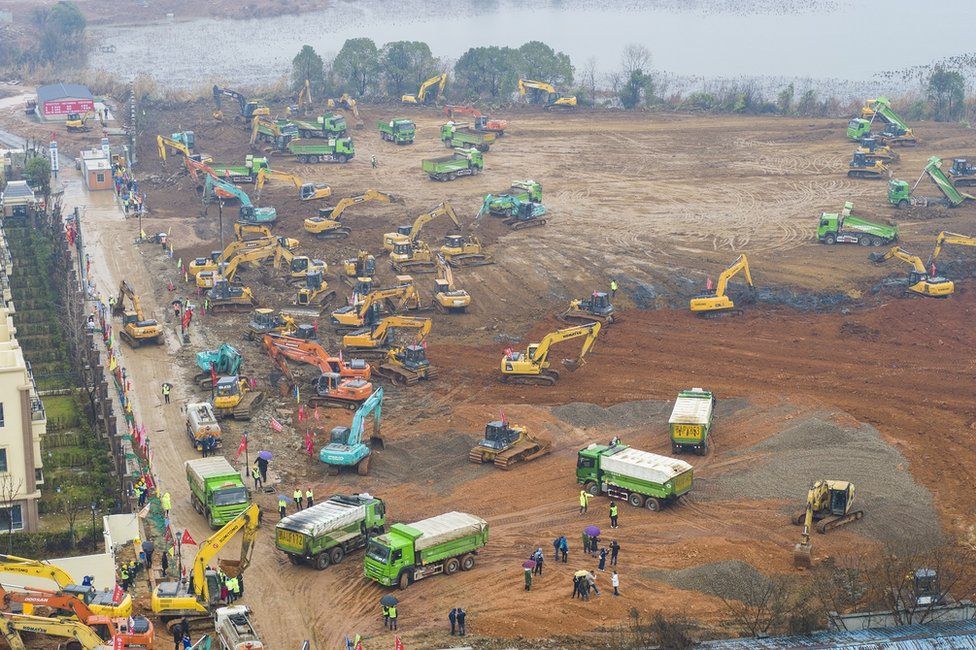 Image copyright GETTY IMAGES
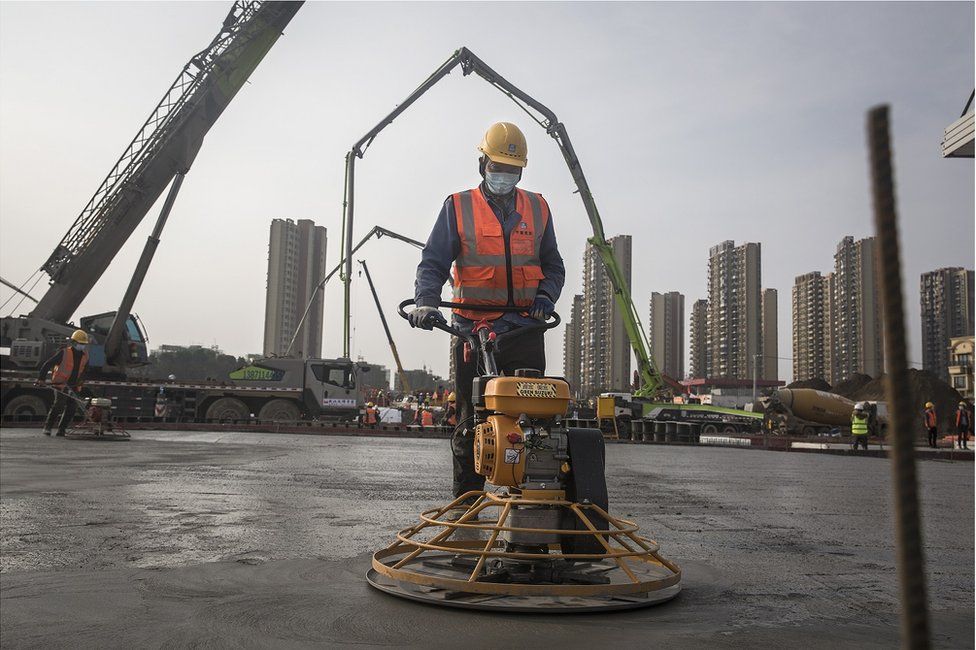 Image copyright GETTY IMAGES
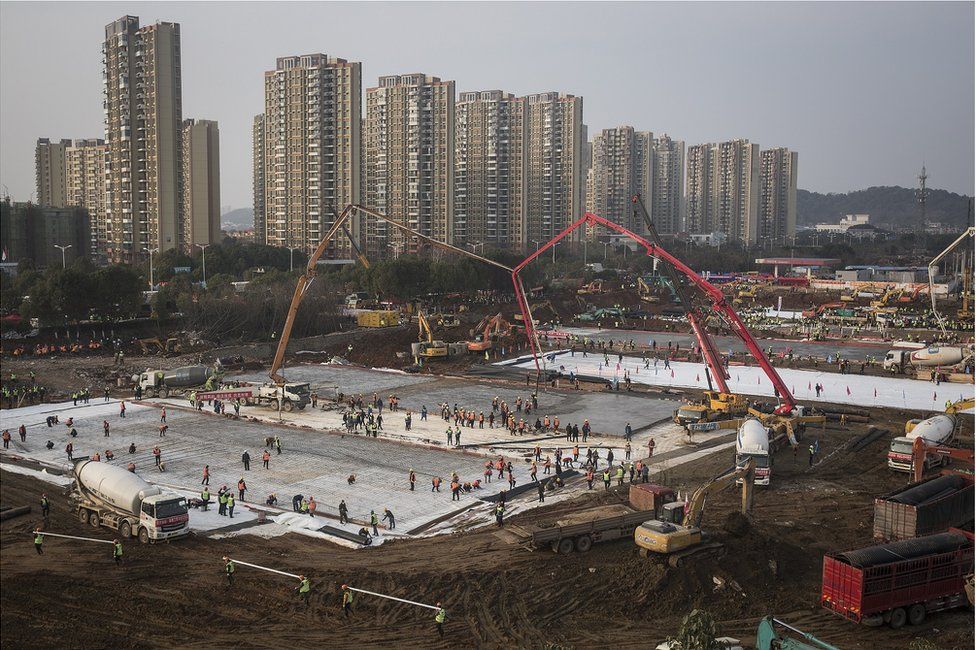 Image copyright GETTY IMAGES
 Image copyright GETTY IMAGES
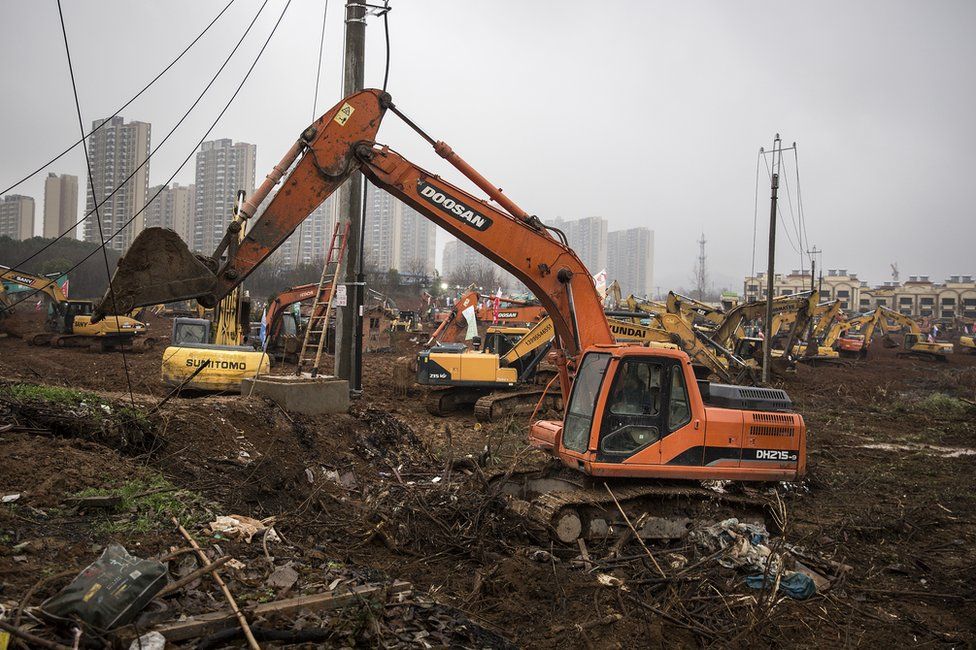 Image copyright GETTY IMAGES
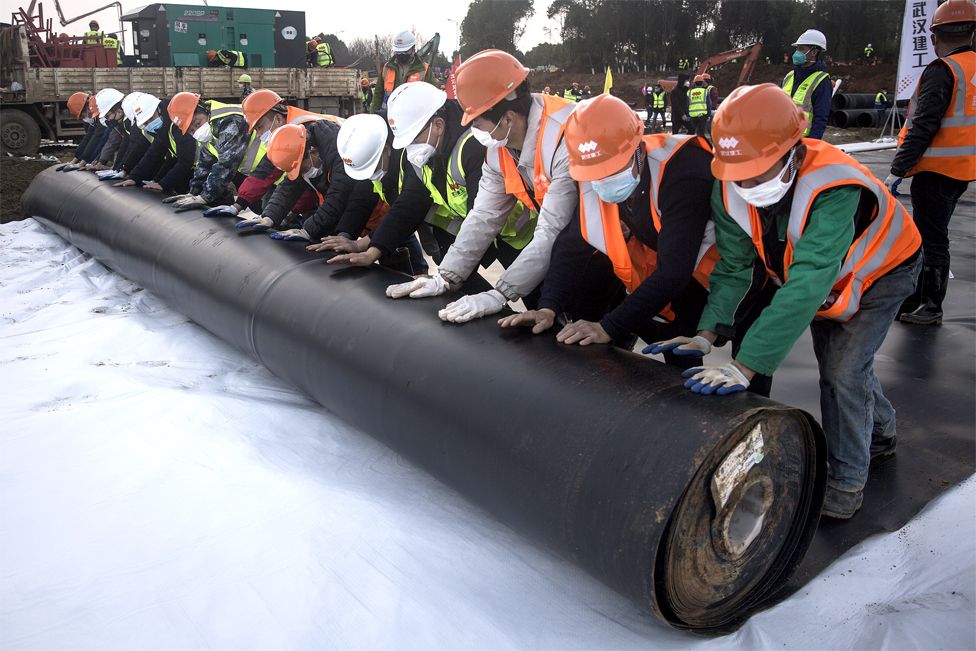 Image copyright GETTY IMAGES
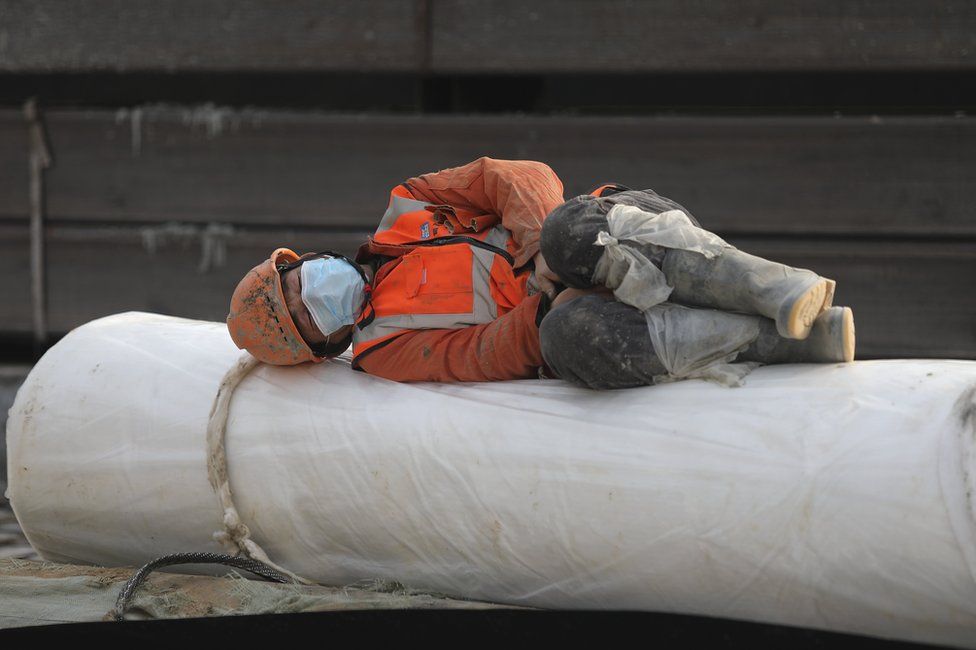 Image copyright GETTY IMAGES
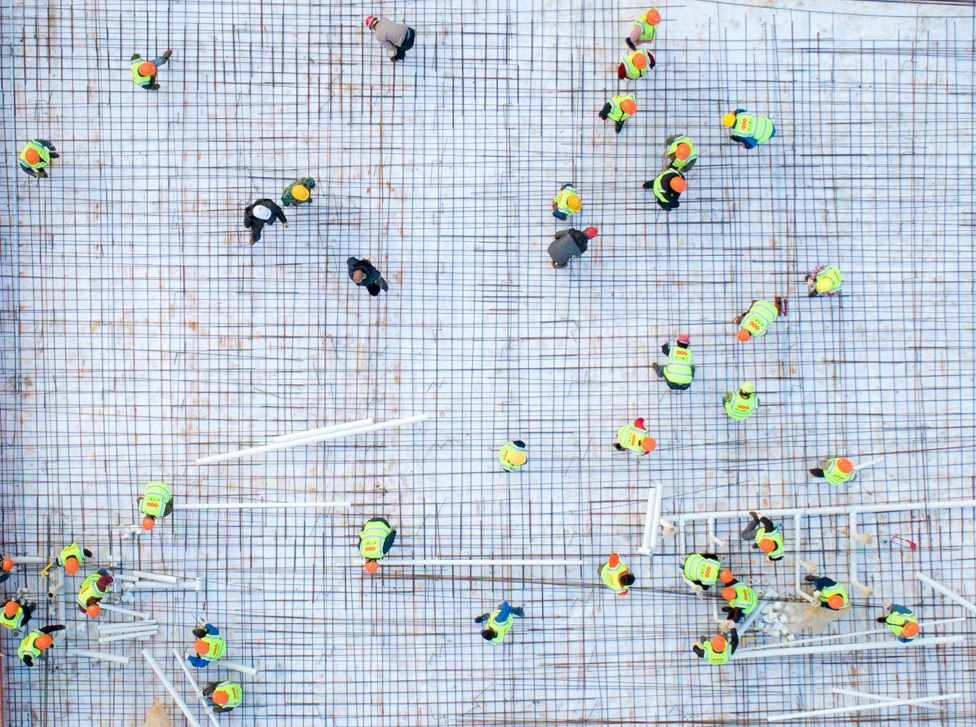 Image copyright ALAMY
 Image copyright ALAMY
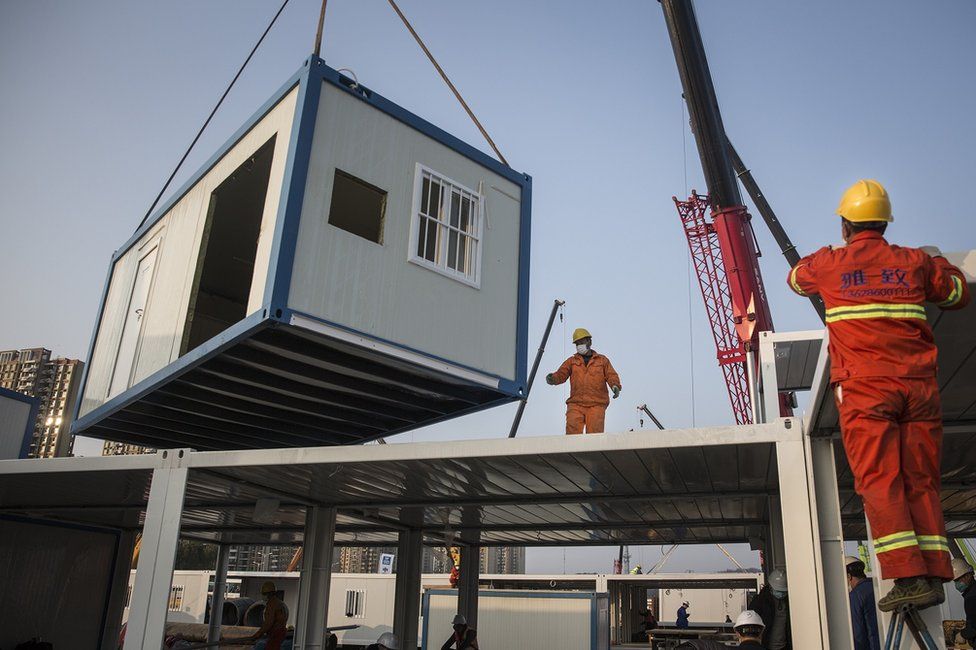 Image copyright GETTY IMAGES
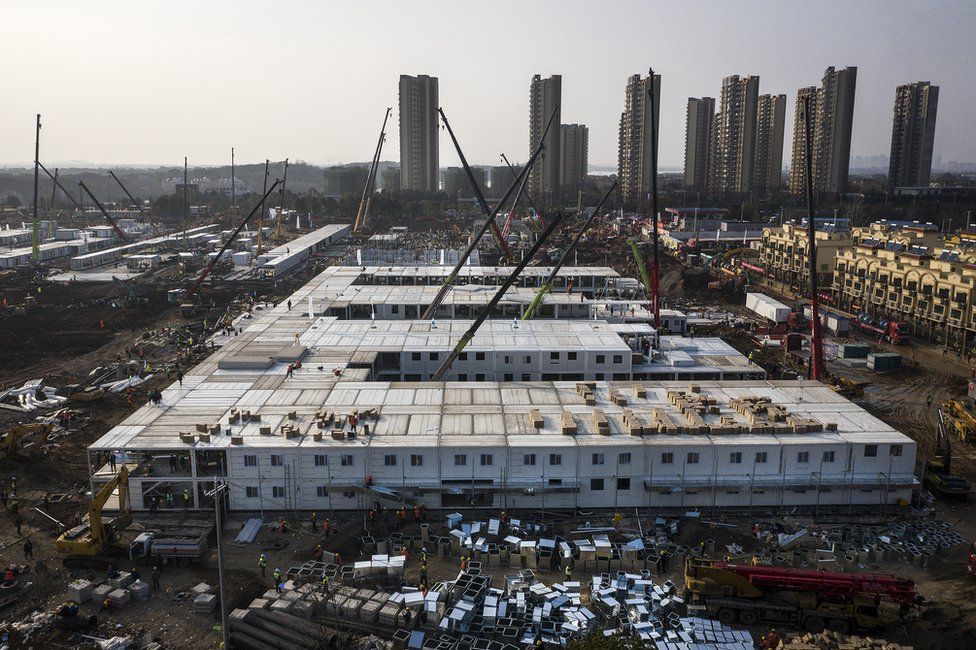 Image copyright GETTY IMAGES
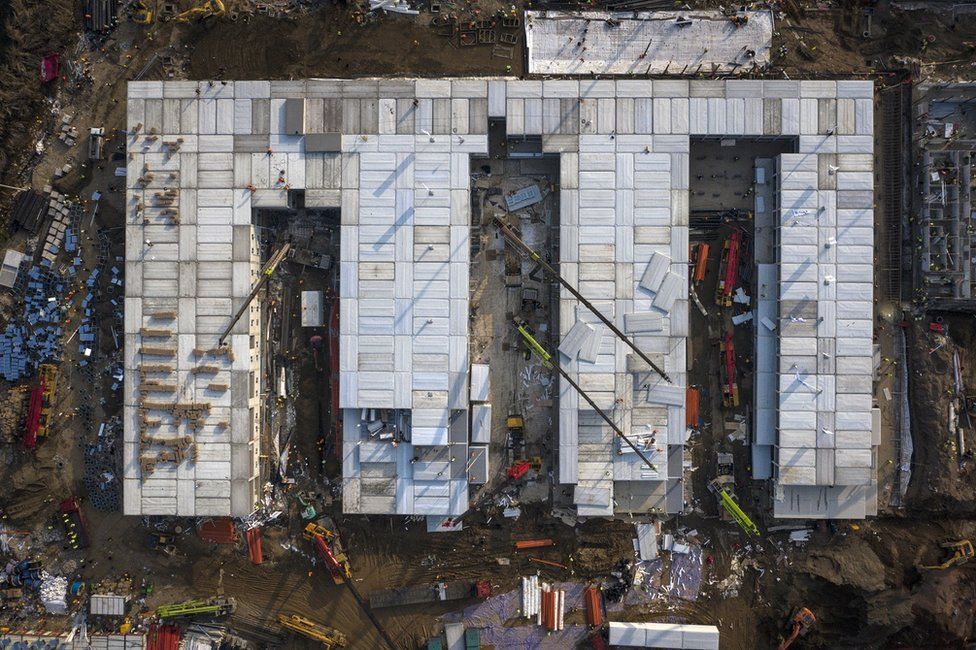 Image copyright GETTY IMAGES
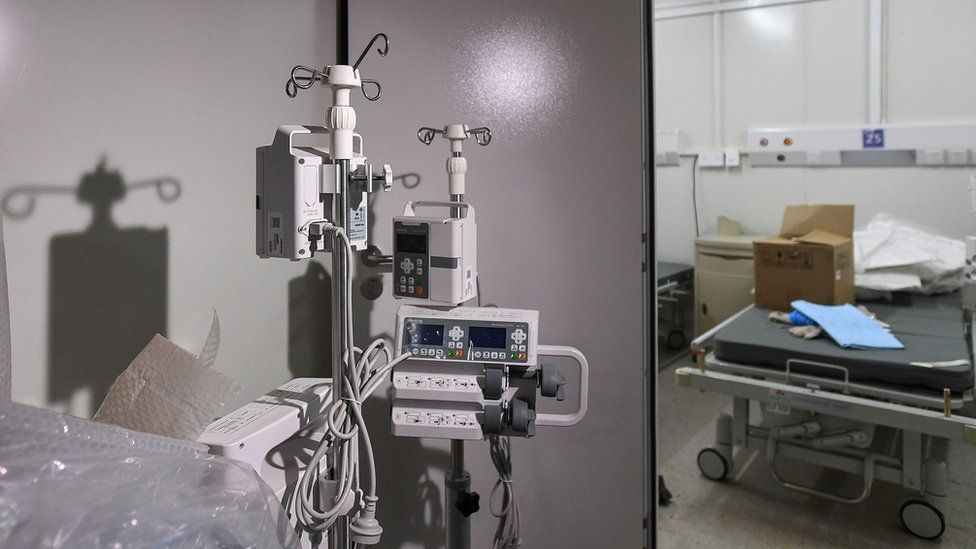 Image copyright GETTY IMAGES
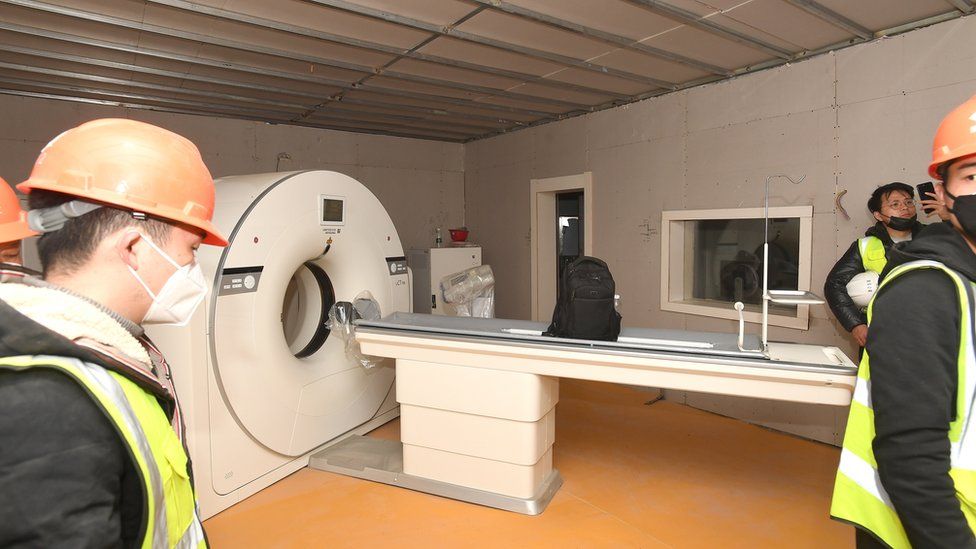 Image copyright EPA
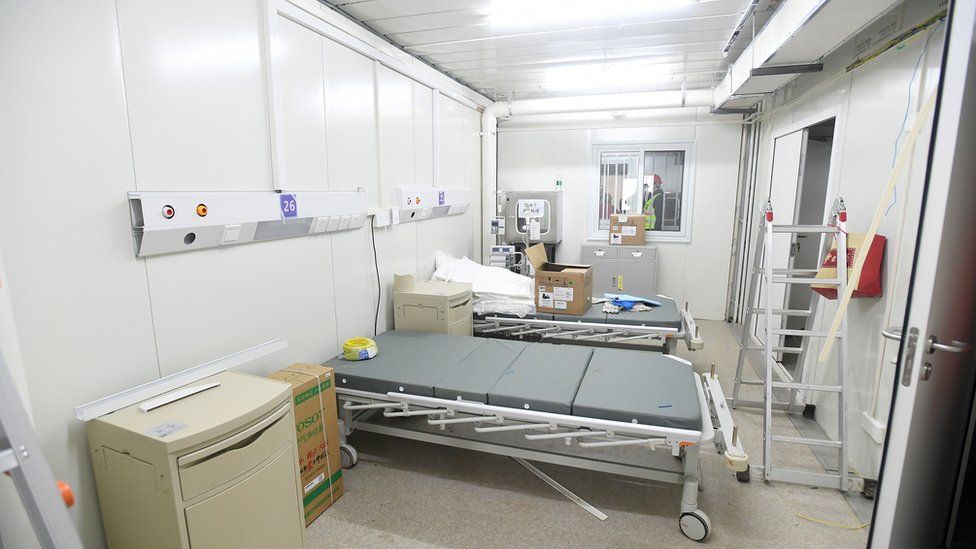 Image copyright EPA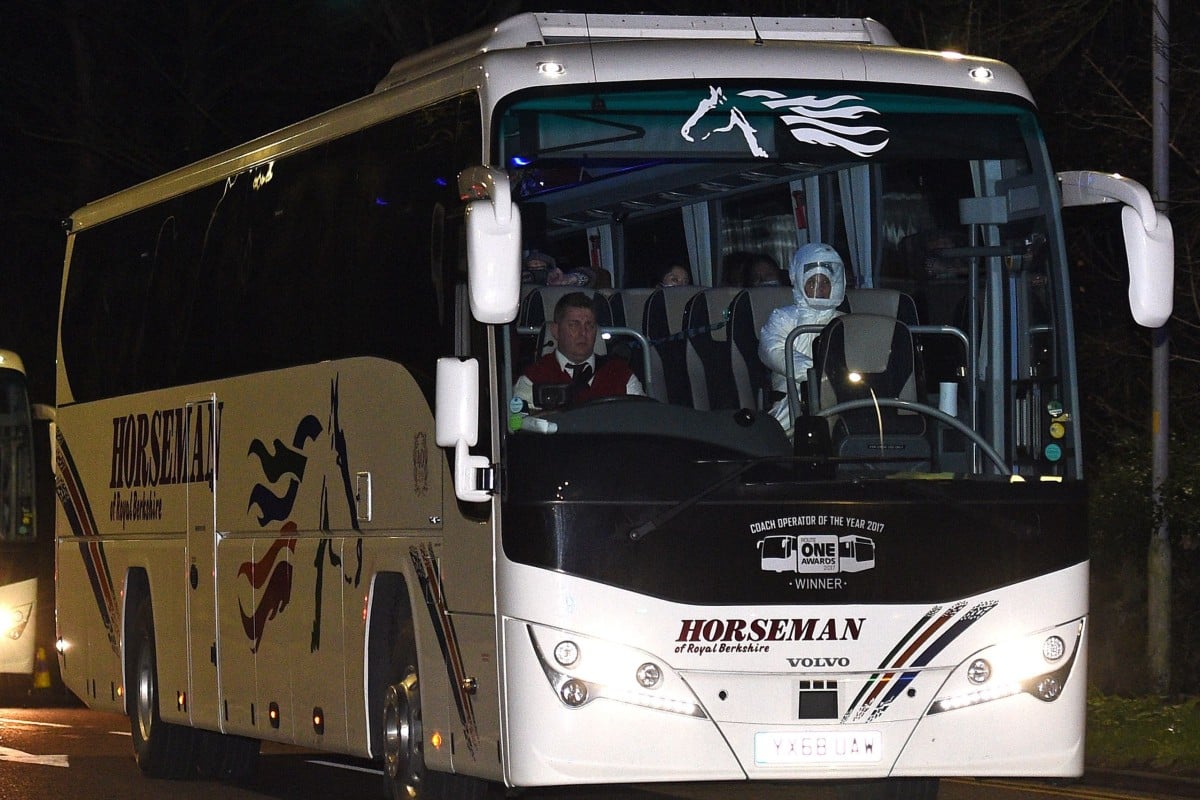




 CHINDIA ALERT: You'll be living in their world, very soon