Archive for ‘Budapest’

15/05/2020

Budapest stands with Beijing in opposing Taiwan’s membership of World Health Organisation

  • Hungarian Foreign Minister Peter Szijjarto tells Chinese counterpart, Wang Yi, that his country ‘always upholds the one China principle’
  • Wang also speaks to foreign ministers of Estonia and Bosnia and Herzegovina ahead of World Health Assembly, which starts on Monday
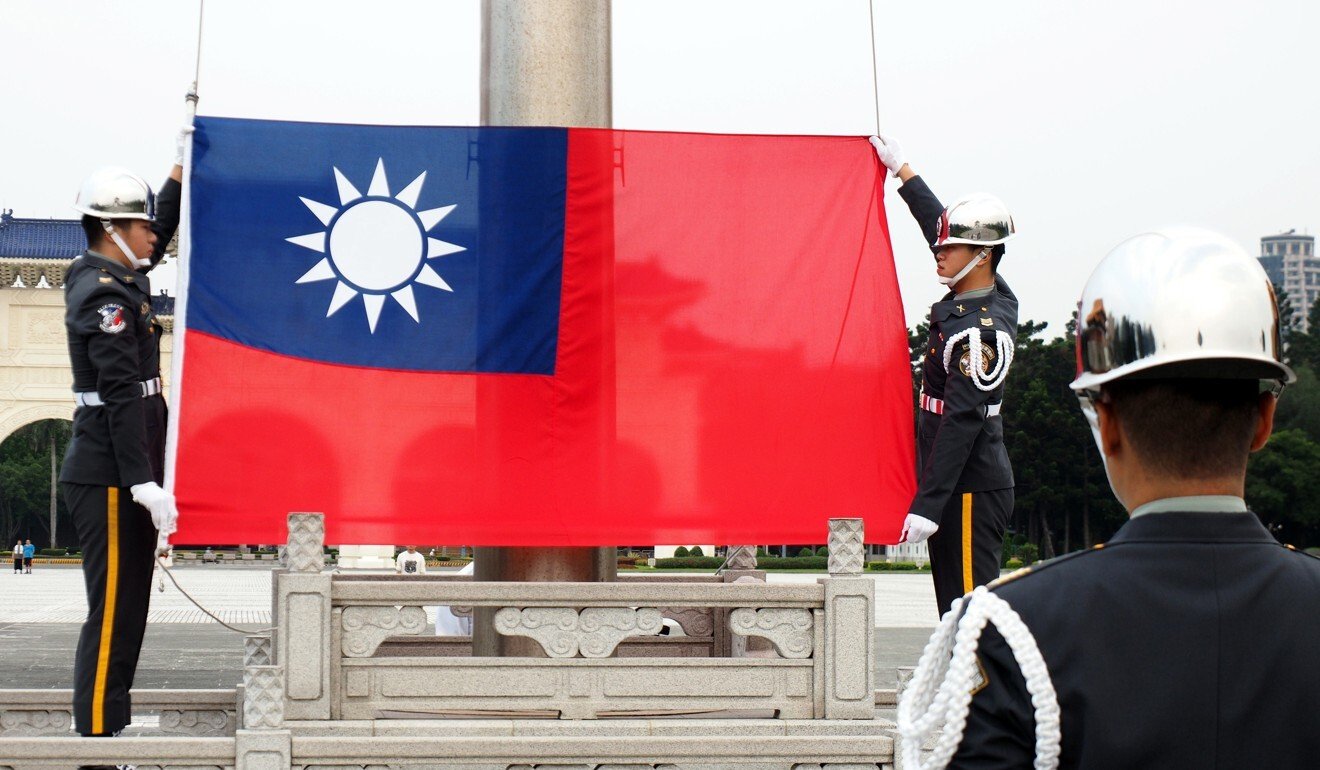
Chinese Foreign Minister Wang Yi spoke to three European foreign ministers on Thursday. Photo: AP
Hungary supports Beijing’s efforts to prevent Taiwan taking part in the upcoming World Health Assembly (WHA), according to a Chinese statement issued after a telephone conversation between the two countries’ foreign ministers.
China’s Foreign Minister Wang Yi called his European counterpart, Peter Szijjarto, on Thursday, the foreign ministry in Beijing said.
During the call, Szijjarto told Wang that Budapest would not support Taiwan’s accession to the World Health Organisation (WHO) ahead of the annual gathering of health ministers from around the world that starts in Geneva on Monday and which Taipei is keen to attend.
Hungary “always upholds the one China principle”, Szijjarto was quoted as saying.
A report about the ministers’ call by the Hungarian foreign ministry, however, made no mention of Taiwan.

It said that Szijjarto thanked Wang for the medical supplies China had sent to Hungary board 121 flights since the start of the Covid-19 pandemic.

The pair also discussed cooperation on 5G and the development of a rail project between Budapest and the Serbian capital, Belgrade, it said.

Beijing opposes Taiwan’s involvement in the WHO. Photo: EPA-EFE
As well as speaking to Szijjarto, Wang called the foreign ministers of Estonia and Bosnia and Herzegovina on Thursday to discuss the Covid-19 pandemic, but Taiwan was not mentioned, the Chinese statement said.

Taipei donated 80,000 face masks to Estonia in April, and last week, Urmas Paet, an Estonian member of the European parliament urged Budapest to support Taiwan’s membership of the WHO and “not allow itself to be manipulated by China”.

Taiwan has long campaigned to regain observer status at the WHO and has ramped up those efforts since the start of the global health crisis. Despite the devastation caused by Covid-19, Taiwan has reported just 440 confirmed cases and seven deaths.
Taiwan attended the WHA meetings as an observer between 2009 and 2016, unopposed by Beijing as at the time the island was led by president Ma Ying-jiu from the mainland-friendly Kuomintang.
However, relations between Taipei and Beijing have soured since 2016 and the election of President Tsai Ing-wen, from the pro-independence Democratic Progressive Party, who won a second term of office in January.
WHO put nations at risk by excluding Taiwan from knowledge sharing, US report says
13 May 2020

Taiwan has not been alone in its campaign to regain its WHO status, with the United States, Australia, New Zealand, Canada and several European countries backing the move.

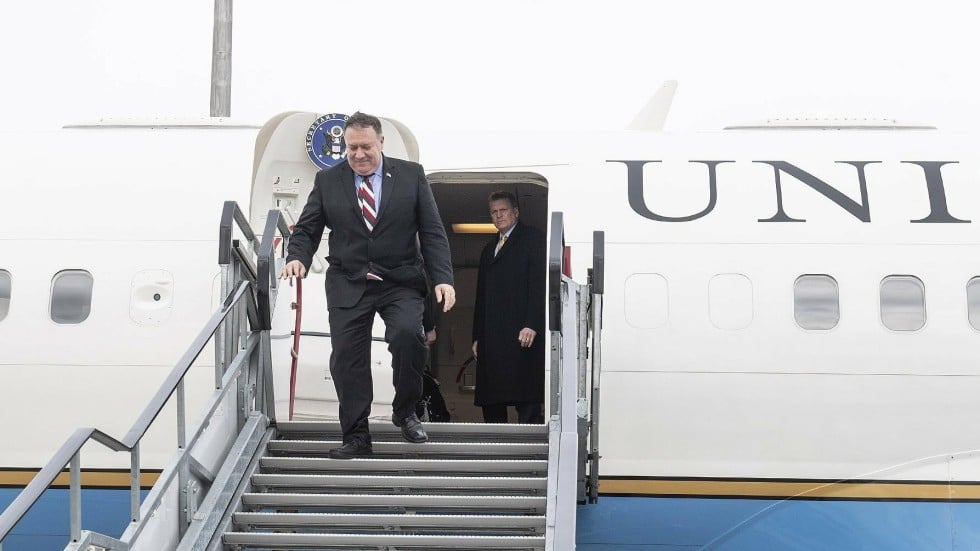
Last week, US Secretary of State Mike Pompeo called on all nations to support Taipei’s participation as an observer at the WHA, and urged WHO director general Tedros Adhanom Ghebreyesus to allow it.

Despite the support, Taiwan’s Vice-Premier Chen Chien-jen said on Thursday that because of the pressure from Beijing there was now little chance of Taiwan attending the WHA.

China’s foreign ministry spokesman Zhao Lijian said last week it was “resolutely opposed” to New Zealand’s support for Taiwan.

In his calls to Europe, Wang also said that cooperation between Beijing and 17 central and eastern European nations – under the “17+1” banner – would not be affected by the health crisis and that further talks would be held once it had been brought under control.

Source: SCMP

21/02/2020

Airlines suspend China flights due to coronavirus outbreak

(Reuters) – Airlines have been suspending flights to China or modifying service in response to the coronavirus outbreak.

Below are details (in alphabetical order):

AIRLINES THAT HAVE CANCELLED ALL FLIGHTS TO MAINLAND CHINA

** American Airlines – Extends suspension of China and Hong Kong flights through April 24

** Air France – Said on Feb.6 it would suspend flights to and from mainland China for much of March

** Air India – Suspends flights to Shanghai, Hong Kong until June 30

** Air Seoul – The South Korean budget carrier suspended China flights from Jan. 28 until further notice.

** Air Tanzania – Tanzania’s state-owned carrier, which had planned to begin charter flights to China in February, postponed its maiden flights.

** Air Mauritius – Suspended all flights to China and Hong Kong

** Austrian Airlines – until end-February.

** British Airways – Jan. 29-March 31.

** Delta Airlines – Feb. 2-April 30

** Egyptair suspended flights on Feb, 1, but on Feb. 20 said it would resume some flights to and from China starting next week.

** El Al Israel Airlines – Said on Feb. 12 it would suspend its Hong Kong flights until March 20 and reduce its daily flights to Bangkok. It suspended flights to Beijing from Jan. 30 to March 25 following a health ministry directive.

** Iberia Airlines – The Spanish carrier extended its suspension of flights from Madrid to Shanghai, its only route, from Feb. 29 until the end of April.

** JejuAir Co Ltd – Korean airline to suspend all China routes starting March 1

** Kenya Airways – Jan. 31 until further notice.

** KLM – Will extend its ban up to March 28

** Lion Air – All of February.

** LOT – Extends flight suspension until March 28

** Oman and Saudia, Saudi Arabia’s state airline, both suspended flights on Feb. 2 until further notice.

** Qatar Airways – Feb. 1 until further notice.

** Rwandair – Jan. 31 until further notice.

** Scoot, Singapore Airlines’ low-cost carrier – Feb. 8 until further notice.

** United Airlines – Feb. 5-April 23. Service to Hong Kong suspended Feb. 8-April 23.

** Vietjet and Vietnam Airlines – Suspended flights to the mainland as well as Hong Kong and Macau Feb. 1-April 30, in line with its aviation authority’s directive.

AIRLINES THAT HAVE CANCELLED SOME CHINA FLIGHTS/ROUTES OR MODIFIED SERVICE

** Air Canada – Extended the suspension of its flights to Beijing and Shanghai until March 27. It also suspended its Toronto to Hong Kong flights from March 1 to March 27, but its Vancouver to Hong Kong route remains active. [bit.ly/39zgmI0]

** Air China – Said on Feb. 12 it will cancel flights to Athens, Greece, from Feb. 17 to March 18

** Air China – State carrier said on Feb. 9 it will “adjust” flights between China and the United States.

** Air New Zealand – Suspended Auckland-Shanghai service Feb. 9-March 29. Reduced capacity on Shanghai route throughout April and Hong Kong route throughout April and May.

** ANA Holdings – Suspended routes including Shanghai and Hong Kong from Feb. 10 until further notice.

** Cathay Pacific Airways – Plans to cut a third of its capacity over the next two months, including 90% of flights to mainland China. It has encouraged its 27,000 employees to take three weeks of unpaid leave in a bid to preserve cash.

** Emirates and Etihad – The United Arab Emirates, a major international transit hub, suspended flights to and from China, except for Beijing.

** Finnair – Cancelled all flights to mainland China and decreased the number of flights to Hong Kong until March 28.

** Hainan Airlines – Suspended flights between Budapest, Hungary, and Chongqing Feb. 7-March 27.

** Korean Air Lines Co. – The national flag carrier suspended eight routes to China and reduced services on nine Chinese routes between Feb. 7 and 22.

** Philippine Airlines – Cut the number of flights between Manila and China by over half.

** Qantas Airways – Suspended direct flights to China from Feb. 1. The Australian national carrier halted flights from Sydney to Beijing and Sydney to Shanghai between Feb. 9-March 29.

** Royal Air Maroc – The Moroccan airline suspended direct flights to China Jan. 31-Feb. 29. On Jan. 16, it had launched a direct air route with three flights weekly between its Casablanca hub and Beijing.

** Russia – All Russian airlines, with the exception of national airline Aeroflot, stopped flying to China from Jan. 31. Small airline Ikar will also continue flights between Moscow and China. All planes arriving from China will be sent to a separate terminal in the Moscow Sheremetyevo airport. Aeroflot reduced the frequency of flights to Beijing, Shanghai and Guangzhou until Feb. 29.

** Nordic airline SAS – Extended its suspension of flights to Shanghai and Beijing until March 29.

** Singapore Airlines – Suspended or cut capacity on flights to Beijing, Shanghai, Guangzhou, Shenzhen, Chengdu, Xiamen and Chongqing, some of which are flown by regional arm SilkAir.

** UPS – Cancelled 22 flights to China because of the virus and normal manufacturing closures due to the Lunar New Year holiday.

** Virgin Atlantic – Extended its suspension of daily operations to Shanghai until March 28.

** Virgin Australia – Said it will withdraw from the Sydney-Hong Kong route from March 2 because it was “no longer a viable commercial route” due to growing concerns over the virus and civil unrest in Hong Kong.

Source: Reuters

15/09/2019

China Focus: Shanghai tourism festival witnesses consumption upgrade

SHANGHAI, Sept. 14 (Xinhua) — As the 2019 Shanghai Tourism Festival opened Saturday evening, the festival, which began in 1990, has been a witness to China’s development and citizens’ consumption upgrade over the past few decades.

Twenty-five floats, which represent China’s well-known tourist destinations such as Nanjing and Suzhou cities in Jiangsu Province, and 32 performance groups from 19 countries and regions, including Germany, Switzerland and France, participated in the dance and music show in downtown Shanghai, attracting some 300,000 spectators.

The festival, which will last until Oct. 6, will feature 100 activities including some for overseas travelers. A folk culture exhibition on Belt and Road countries will also be held. Dozens of tourist sites, museums and galleries in Shanghai will offer half-price admissions during the event.

The first tourism festival in Shanghai attracted half a million tourists from home and abroad. The 2018 festival attracted 12.7 million visitors. As people’s living standards have improved remarkably, tourism is not a luxury any more, but a necessity for many citizens.

“In 1995, the company rewarded me with a trip to Hainan. I was so proud and cherished it very much,” recalled a Shanghai taxi driver surnamed Guo, 54. “Now, our income has increased a lot, travel becomes a routine for most people who are willing to pay their own money to relax.”

Thirty years ago, ideal tourism resources were lacking, said Lu Guojun, a clerk with Shanghai Huangpu River Cruise Group Co., Ltd, citing the swaths of croplands along the eastern coast of the river which flows through the city center.

In recent years, with improved infrastructure and rapid development of service economy, more companies have joined the development of the river tourism, Lu said.

Dai Bin, president of the China Tourism Academy in Beijing, said people’s aspirations for a better life lead to their high expectations of tourism quality.

In August, China issued a guideline to unleash the cultural and tourism consumption potential, urging efforts to deepen supply-side reform in cultural and tourism industries.

On Friday, Shanghai signed agreements with six cities and regions including Budapest, Phnom Penh and Bangkok to boost culture and tourism exchange.

Culture and tourism promote mutual friendship and understanding, said Yu Xiufen, head of the Shanghai Municipal Administration of Culture and Tourism.

In 2018, domestic tourists made 5.54 billion trips, up 10.8 percent year on year, and the total number of inbound and outbound tourists reached 291 million, up 7.8 percent. The total tourism revenue reached 5.97 trillion yuan (842.7 billion U.S. dollars) last year, up 10.5 percent, data of the Ministry of Culture and Tourism showed.

Source: Xinhua

13/07/2019

Chinese, Hungarian FMs eye closer exchanges, more cooperation

HUNGARY-BUDAPEST-CHINA-WANG YI-VISIT

Visiting Chinese State Councilor and Foreign Minister Wang Yi (L) shakes hands with Hungarian Minister of Foreign Affairs and Trade Peter Szijjarto prior to their talks in Budapest, Hungary, July 12, 2019. (Xinhua/Attila Volgyi)

BUDAPEST, July 12 (Xinhua) — Visiting Chinese State Councilor and Foreign Minister Wang Yi and Hungarian Minister of Foreign Affairs and Trade Peter Szijjarto held talks on Friday, pledging closer exchanges and more cooperation.

Noting this year marks the 70th anniversary of the establishment of China-Hungary diplomatic relations, Wang said the two countries have always respected and supported each other, showing mutual trust over the past seven decades. And in 2017, bilateral relations entered a new historical stage when a comprehensive strategic partnership was established by the leaders of two nations.

In face of increasingly unstable and uncertain international situation, Hungary, Wang said, has taken a clear-cut stance to develop friendly relations with China, firmly support the building of the Belt and Road and participate in the China and Central and Eastern European Countries (CEEC) cooperation.

Calling Hungary a reliable and trustworthy partner, the Chinese top diplomat said China will continue to back Hungary’s development path in line with its own national conditions, and support it to safeguard its legitimate rights and interests and to play a more important role in the European Union (EU) and the world.

The two sides should seize the opportunity of the 70th anniversary of establishment of bilateral diplomatic relations, maintaining, consolidating and developing the China-Hungary comprehensive strategic partnership, as well as deepening exchanges at all levels, said Wang.

The two sides should enhance all-around cooperation based on the principle of extensive consultation, joint contribution and shared benefits, he said, while also calling on the two sides to strengthen strategic coordination to safeguard their common rights and interests as well as international fairness and justice.

On his part, Szijjarto said Hungary-China bilateral relations are at their best in history.

Hungary is the first European country to sign the Belt and Road cooperation agreement with China, which aligns well with Hungary’s “Opening to the East” policy, corresponds to the China-EU cooperation, and is conducive to promote the Eurasian interconnection, he said.

Hungary is willing to work with China to maintain closer high-level exchanges, expand cooperation in areas like trade, investment, finance, and education, and closely coordinate and cooperate in multilateral affairs, so as to promote bilateral relations to make new progress, said Szijjarto.

On Thursday, the Chinese top diplomat also attended the opening ceremony of a photo exhibition marking the 70th anniversary of the establishment of China-Hungary diplomatic relations here in the Hungarian capital.

Source: Xinhua

11/02/2019

Pompeo in Hungary on five-nation tour to warn Central Europe about China and Russia

  • A US official said the aim of the top diplomat’s trip is to ‘wrong-foot the West’s rivals in places where they have gained bridgeheads’
  • Warnings will include one about Huawei, as Chinese firm spreads across the region
PUBLISHED : Monday, 11 February, 2019, 9:54pm
UPDATED : Monday, 11 February, 2019, 9:54pm

US Secretary of State Mike Pompeo is in Hungary on the first leg of a five-nation European tour during which he will raise concerns about China and Russia’s growing influence in Central Europe.

Pompeo was meeting in Budapest on Monday Hungary’s nationalist Prime Minister Viktor Orban and other senior officials to stress the importance of promoting democracy and the rule of law. The US sees those as key to countering Russian and Chinese efforts to pull Hungary and other countries in the region away from the West and sow division in the European Union and Nato, officials said.

Pompeo will specifically point to Central Europe’s reliance on Russian energy and the presence of the Chinese hi-tech telecoms firm Huawei, particularly in Hungary, according to the officials, who were not authorised to publicly discuss Pompeo’s travel and spoke on the condition of anonymity.

US officials are deeply troubled by Huawei’s expansion in Europe, especially in Nato member states where they believe it poses significant information security threats.

We have to show up [in Hungary] or expect to lose
U.S. OFFICIAL

Pompeo will take the same message to his next stop, Slovakia, on Tuesday, before heading to Poland, where he will participate in a conference on the future of the Middle East expected to focus on Iran. He will wrap up the tour with brief stops in Belgium and Iceland.

Before his visits to Budapest and Bratislava, US officials said Pompeo hoped to reverse what they called a decade of US disengagement in Central Europe that created a vacuum Russia and China have exploited. Over the past 10 years, the officials said, Russian President Vladimir Putin and Chinese leaders have become much more aggressive in the region and made inroads.


One official said Pompeo’s aim is to “wrong-foot the West’s rivals in places where they have gained bridgeheads”.

President Donald Trump’s administration has made a point of reaching out to Orban, who shares Trump’s strong stance on limiting immigration and has adopted increasingly authoritarian measures, including cracking down on the opposition, trade unions, independent media and academia.

Former US president Barack Obama’s administration largely steered clear of Orban, who won a third consecutive term last year in a campaign based on anti-immigration policies which have been met with concern by some EU members.

Orban on Sunday announced a programme to encourage women to have more children and reverse Hungary’s population decline. He said the initiative is meant to “ensure the survival of the Hungarian nation”.

“This is the Hungarians’ answer, not immigration,” he said.

Last month, Orban said he wanted “anti-immigration forces” to become a majority in all EU institutions, including its parliament and the European Commission, and predicted there would soon be two civilisations in Europe – one “that builds its future on a mixed Islamic and Christian coexistence” and another in Central Europe that would be only Christian.

Orban’s fiery rhetoric against immigrants and refusal to join a new European Union public prosecutor’s office focusing on fraud and corruption also have raised concerns.

Human rights groups and others have lamented Pompeo’s plans to meet Orban and urged him to take a strong stance against his policies, which they consider worrisome.

The US officials defended the Budapest stop, saying it is impossible to promote US positions and interests in Hungary effectively without meeting Orban.

“We have to show up or expect to lose,” one official said.

Source: SCMP

Law of Unintended Consequences

continuously updated blog about China & India

ChiaHou's Book Reviews

continuously updated blog about China & India

What's wrong with the world; and its economy

continuously updated blog about China & India