Archive for ‘Bund’

23/12/2019

China Focus: Bonuses from CIIE continue to unfold

SHANGHAI/NANCHANG, Dec. 22 (Xinhua) — One month after the second China International Import Expo (CIIE), the jeweled shoes designed by Jimmy Choo Yeang Keat OBE that attracted attention at the expo have entered the brand’s first jewelry shoe concept store in the world on the Bund in Shanghai.

“At the CIIE, we made a lot of friends and received many invitations to open a brick-and-mortar store. But we decided to open the first store in Shanghai as this is where east meets west,” said Reggie Hung, chief designer of the luxury brand Genavant.

The CIIE not only helps foreign exhibitors better understand the Chinese market but is also changing people’s buying habits. After the second CIIE, over 8,000 kinds of imported commodities from more than 80 countries and regions are on display at the Hongqiao Import Commodities Exhibition and Trading Center.

“With more frequent customers, our sales volume and customer flow have doubled. Our next step is to promote the platform to other cities in the Yangtze River Delta region and speed up the entry of imported goods into residents’ homes,” said Zhu Yinghua, with Shanghai Hongqiao Central Business District Administrative Committee.

A total of 71.13 billion U.S. dollars worth of tentative deals were reached for one-year purchases of goods and services at the second CIIE, up 23 percent year on year. As the second CIIE concluded last month, more overseas companies are now benefitting from China’s large market.

At a production base in Jiangxi-Shanghai Economic and Technological Development Zone in east China’s Jiangxi Province, two workshops and seven production lines are carrying out premix production of feed additives in an orderly way.

Methionine on the feed production line was from France’s Adisseo Group, yeast from France’s Lesaffre Group, and lysine from CJ Group of the Republic of Korea, said Zhou Wenqin, general manager of Jiangxi Zhengbang Biotechnology Co., Ltd., adding that the materials on the production line were the results of purchases at the CIIE.

Established 20 years ago, Zheng Bang Group is a leading enterprise in animal husbandry and plant protection. It is expected that the group will achieve a total output value of 88 billion yuan in 2019 and a target of 100 billion yuan in 2020.

“The CIIE enables enterprises to communicate with each other face to face, which is so much more convenient than phone calls or emails,” said Huang Guoqiang, manager of the group’s purchasing department, who participated in the CIIE as a domestic purchaser for two consecutive years.

The enterprise signed a 50-million-dollar purchase contract with Adisseo Group at the first CIIE, and expanded contracts with France’s Lesaffre Group and ROK’s CJ Group at the second CIIE, with the purchase of 70 million dollars of new programs.

“The CIIE has become an important platform for inland provinces such as Jiangxi to further open up and improve their economic development quality,” said Liang Yonghong, deputy head of the foreign trade development bureau of the province’s commerce department, adding that the introduction of high-end equipment, high-quality products and services will enhance the development level of their local economy.

The CIIE not only provides a platform for companies to seek the great potential of the Chinese market but also helps them better understand the needs of Chinese consumers.

“We have already signed up for the third CIIE,” said Tetsuro Homma, CEO of China & Northeast Asia Company, Panasonic Corporation, adding that the company is pleased with the turnouts of the CIIE.

To further strengthen business in China, this April, Panasonic established the China & Northeast Asia Company in Beijing.

“It’s clear that we would not be able to respond to the rapid changes in the Chinese market if we only rely on the operational judgment made in Japan. Local business is run locally. The decisions, from development to production and sales in the Chinese market, are all made in China,” Homma said.

The huge business opportunities in the Chinese market have not only attracted companies such as Panasonic to increase its investment in China but has also allowed them to launch star products in the Chinese market.

Panasonic launched an OLED TV at the CIIE, which looked like a piece of transparent glass but could actually be turned into a TV. “This represents our confidence and optimism in the Chinese market,” Homma said.

Source: Xinhua
19/05/2019

Shanghai Bund’s historic buildings saved from demolition … for now

  • Experts win reprieve for two out of three heritage houses but fear their success is only temporary
  • Authorities plan public cultural facilities for the site
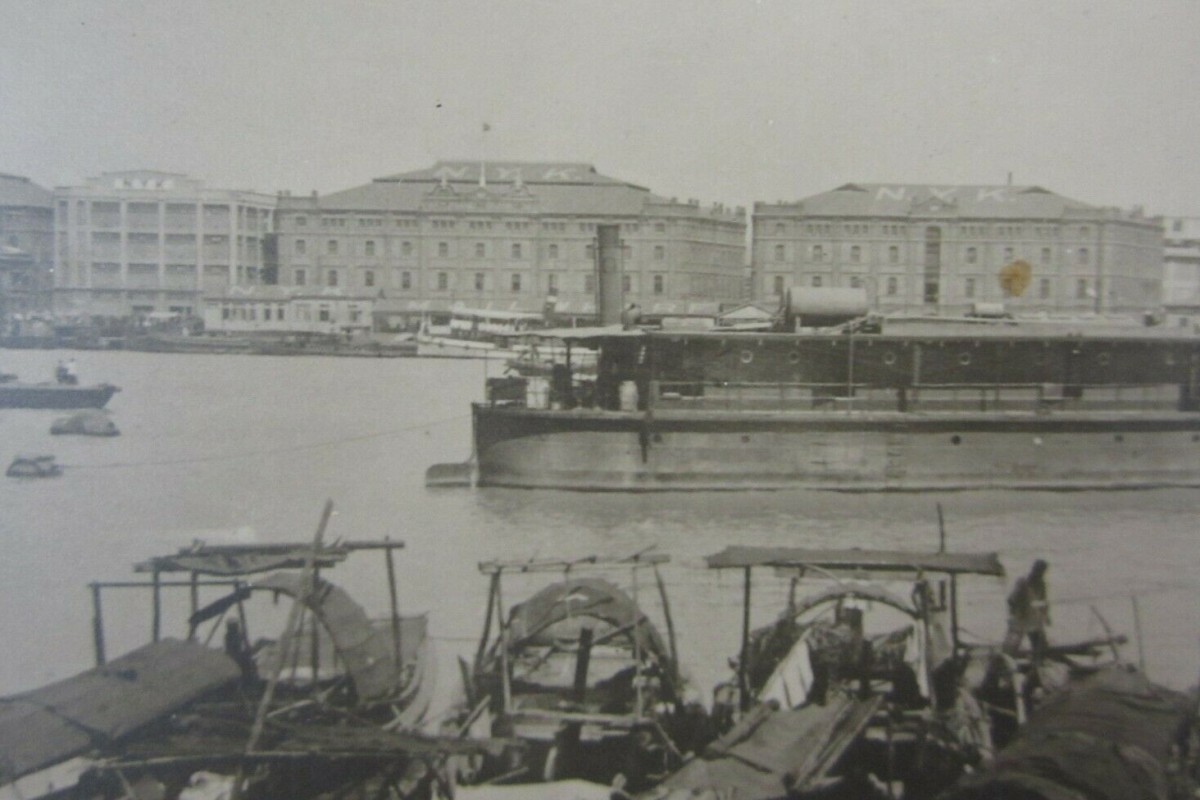
The historic buildings on Shanghai’s Bund in the 1930s. One of the three structures has already been demolished but authorities have temporarily suspended plans to knock down the other two. Photo: Handout
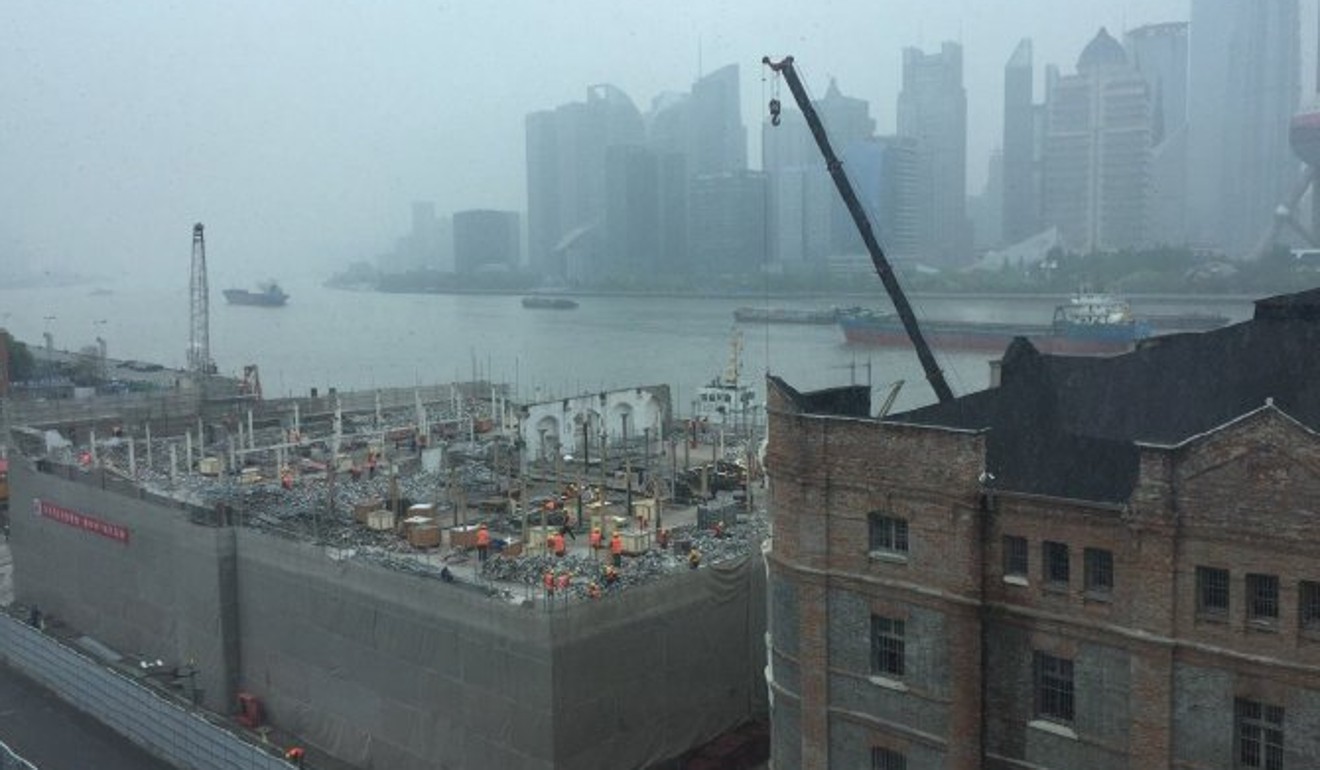
Two historic buildings on Shanghai’s famous Bund have temporarily escaped demolition after a group of experts appealed to the government to conserve the heritage sites, but the intervention was too late to save a third.
About 15 architecture, history and culture experts based in Shanghai banded together to write an article on social media app WeChat last month, calling on the city’s government to “protect the city’s memories” by preserving three houses on Huangpu Road.
A few days after the article was published one of the buildings was demolished as part of a plan to build public cultural facilities on the site. But authorities suspended work on the other two and are considering removing only the interior structure while preserving the external walls, according to the group.
The houses, which date back to 1902, witnessed the city’s boom in the first half of the 20th century when it became one of the world’s most important, and famous, ports, the experts said.
The demolition project on The Bund, Shanghai has been suspended, but not before one of the three historic buildings was demolished. Photo: Urban China magazine

All three of the properties originally belonged to Japanese shipping company Nippon Yusen Kaisha Group and were later used as storage facilities for Japan’s military forces during the second world war, according to Yu Hai, a sociologist from Shanghai’s Fudan University.

“These buildings, along with the nearby Yangzijiang port on the Huangpu River, represented Shanghai’s wharf culture and port culture,” Yu said. “They are historically significant as they witnessed Shanghai grow prosperous through shipping and trade industries about a century ago.”

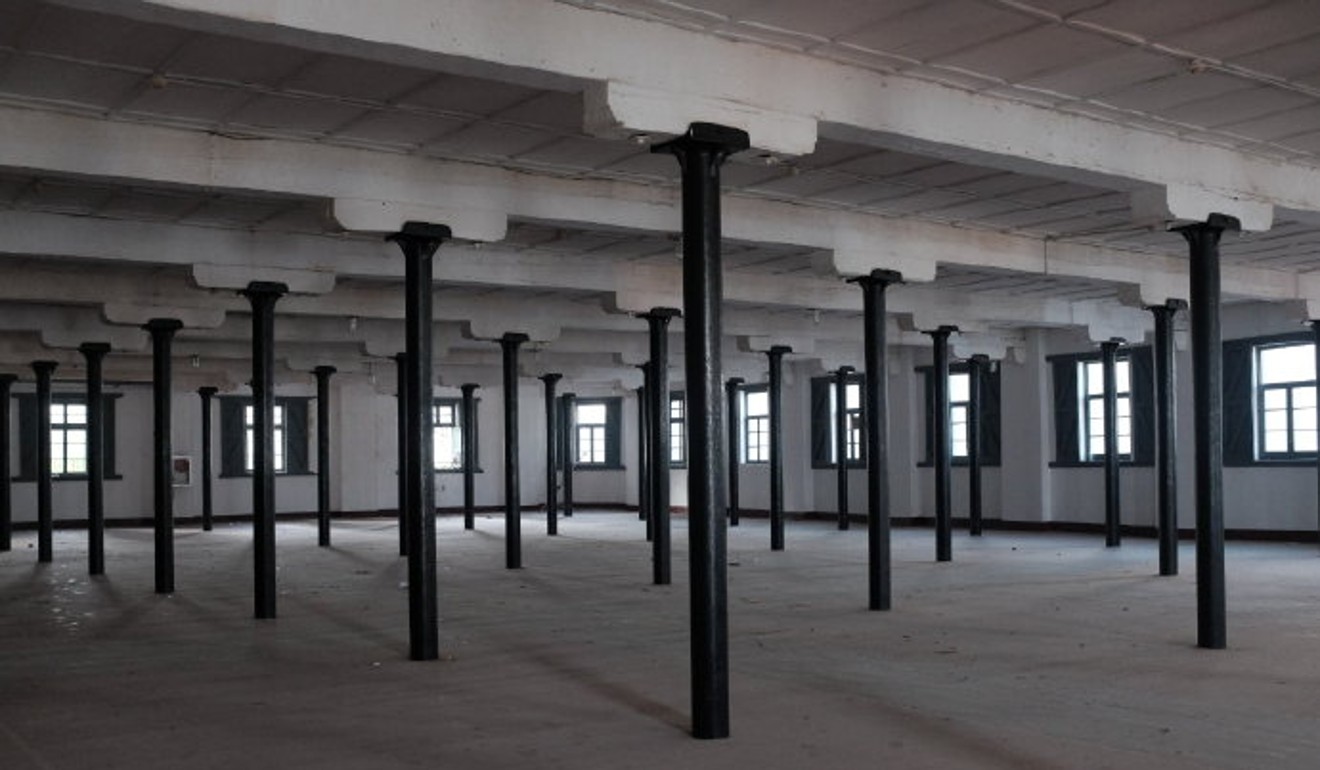
Although the two remaining buildings are safe for now, the experts argue their interiors are also worth preserving.

Liu Gang, an architecture professor at Shanghai’s Tongji University, said the properties featured big wooden beams supported by black iron pillars, which were prominent architectural features of industrial buildings dating back to the 19th century.

“We guess it was hard to move these giant beams with vehicles at the beginning of the 20th century. Quite possibly they were transported on the river. We guess that the wood was chopped down and processed in places across the Pacific [from North America] and shipped to Shanghai.”

In the WeChat article, Liu called for the protection of the interior structure of the buildings. “Without solid research, we cannot simply take them down to be replaced by new ones.”

Yu agreed, saying: “The building with a new inside structure would be a fake and this plan will destroy historical heritage.”

Experts say the interiors of the historic buildings are also worth preserving. Photo: Urban China magazine

Huangpu Road, where these houses sit, is rich with history. It features the Garden Bridge of Shanghai – the city’s first steel bridge, built in 1907 – and was once home to the consulates of the United States, Russia, Japan, Germany, Denmark and the Austro-Hungarian empire.

Other notable landmarks on the road include the Astor House Hotel, built in 1846, where Charlie Chaplin, Albert Einstein and George Bernard Shaw stayed in the 1920s and 1930s. The hotel is still there.

“History happened here,” Yu said. “But it’s a pity that most of the old buildings in this area no longer exist.”

Despite their success in winning a stay of execution for the two buildings, the experts are cautious in their expectations.

“The demolition work was suspended, but that does not mean they have accepted our proposals. We are not optimistic,” Yu said.

About two weeks ago as part of their effort to save the buildings, Yu and three other scholars approached officials from Shanghai’s Planning and Natural Resources Bureau, the government body behind the demolition project.

“Officials emphasised the difficulties of keeping the completeness of the old buildings and we just pointed out the damage to their historical values,” Yu said.

The Shanghai bureau did not immediately reply to a request for comment.

Shanghai nightclub king opens new art space – in disused oil tanks
Appeals by the public to conserve historical buildings have generally not been successful. Shenyuli, a typical Shanghai residential community built in the 1930s, was included in the city’s protected list of historical buildings in 2004.
The listing was not enough to prevent its demolition eight years later to make way for a public green land space.
Three years ago, the Shanghai government announced it was suspending the planned demolition of a former sex slavery station used by Japanese soldiers during the second world war, following media reports and a public outcry.
However, the building was later demolished, according to Su Zhiliang, history professor from Shanghai Normal University and a researcher on sex slavery, who predicts a similar outcome for this latest conservation effort.
“I think the government is just using the same tactic to postpone their plan. After the public’s attention is over, they will continue demolishing,” Su said.
Source: SCMP
Law of Unintended Consequences

continuously updated blog about China & India

ChiaHou's Book Reviews

continuously updated blog about China & India

What's wrong with the world; and its economy

continuously updated blog about China & India