Archive for ‘case’

09/03/2020

Chinese parents reunited with teenage son kidnapped as a baby in ‘Aunt Mei’ case

  • Shen Cong, taken from the family home in Guangzhou 15 years ago, was found in a nearby city last week
  • He was one of nine children abducted by a gang, but police say there is no evidence of a woman alleged to be the go-between

Shen Cong’s parents had been searching for him since he was abducted in 2005. Photo: Handout

A teenage boy was reunited with his parents in the southern Chinese city of Guangzhou on Saturday after being kidnapped from their home as an infant, ending a 15-year search by his family.

The boy was taken in 2005 – one of nine children abducted by a gang in Guangdong province around that time. In recent years the case has drawn attention on Chinese social media, particularly the alleged involvement of a shadowy go-between known as “Aunt Mei”, but Guangzhou police stressed there was no evidence such a person existed.

Police said 16-year-old Shen Cong had been found on Wednesday in Meizhou, a city about 400km (250 miles) away. DNA testing confirmed he was the missing child and police arranged the reunion with his parents, Shen Junliang and his wife, who was identified as Yu in the statement.

Police did not say what had led to the discovery of the boy, but they said his foster parents had been taken in for questioning.

His biological father Shen Junliang on Sunday said they were overjoyed to have their son back home, adding that he was healthy and a tall boy who loved sports.

“Before I met my son I’d been imagining what it would be like to talk to him. I didn’t think he would be this mature – he seems more mature than his peers and he has good manners,” the father wrote on Weibo, China’s Twitter. “We’ve spent the entire time together, from Saturday night until now. We’re getting along and he’s happy too.”
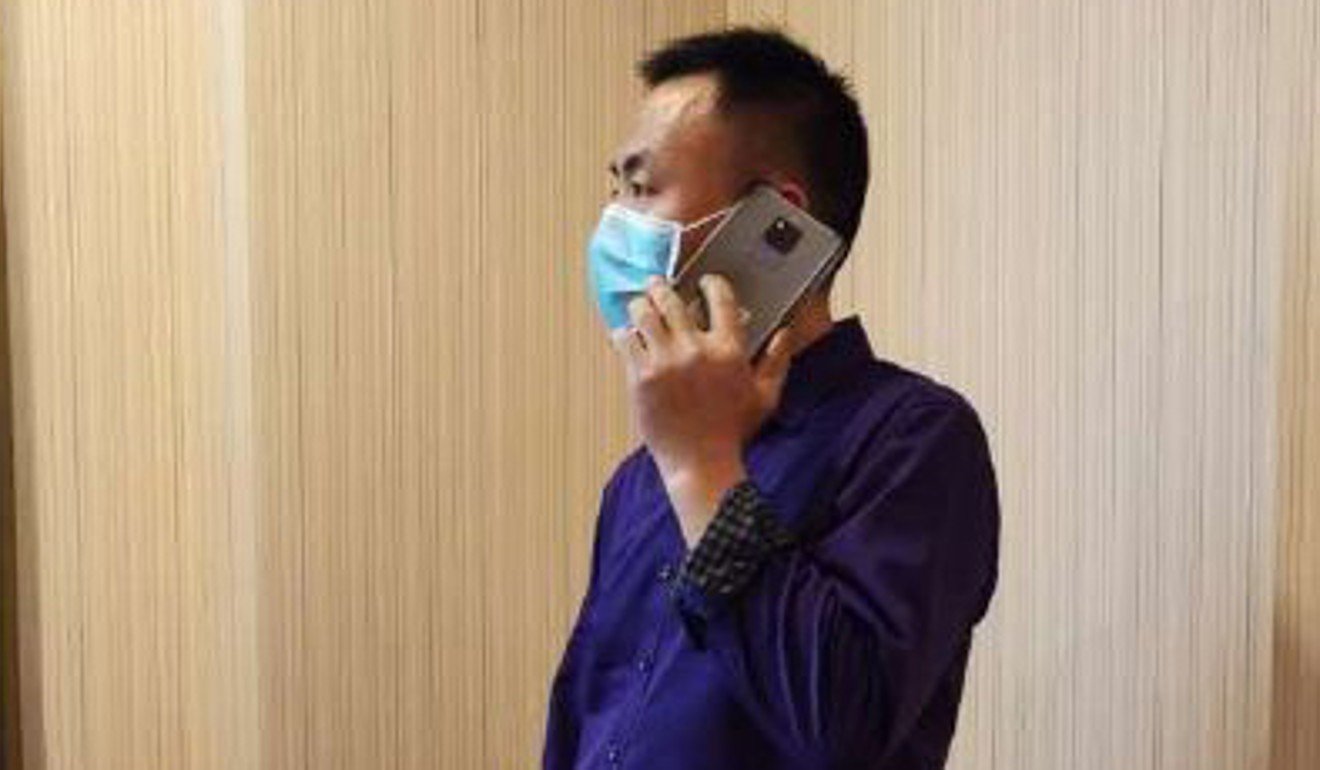
Shen Junliang said they were overjoyed to have their son back home at last. Photo: Handout
The parents are now getting to know their son, having not seen him since he was abducted from their rented flat in Zengcheng district on January 4, 2005.

That day, the child had been at home with his mother while his father was at work. Shen Junliang has alleged that two of their neighbours led two strangers into the flat at about 10.40am, and the two strangers drugged and tied up Yu before kidnapping the one-year-old boy.

His mum revealed she was abandoned as a kid. A film was born

21 Dec 2019

Shen Junliang had been searching for his boy ever since. He gave up his job and has travelled all over Guangdong province looking for him. He had more than 1 million posters printed with photos and a description of his son, offering a reward of 100,000 yuan (US$14,400) for any information on the case.

One of them read: “Shen Cong has birthmarks on the toe of his left foot, his right buttock and his right thigh. Anyone who has any leads … please contact me or Guangzhou police.”

Kidnapped: the Chinese parents desperately searching for missing children

He started posting about the case on Weibo in 2016, sharing every piece of news related to the kidnap and appealing for anyone with information to come forward.

In March that year, there was a development, with police arresting five suspects in the case.

Police said the lead suspect, Zhang Weiping, had confessed to selling Shen Cong to a couple in Heyuan, another city in Guangdong, for 13,000 yuan on January 6, 2005.

Zhang told police that an intermediary nicknamed Aunt Mei had been involved in that deal and the sale of eight other boys in the province from 2003 to 2005.
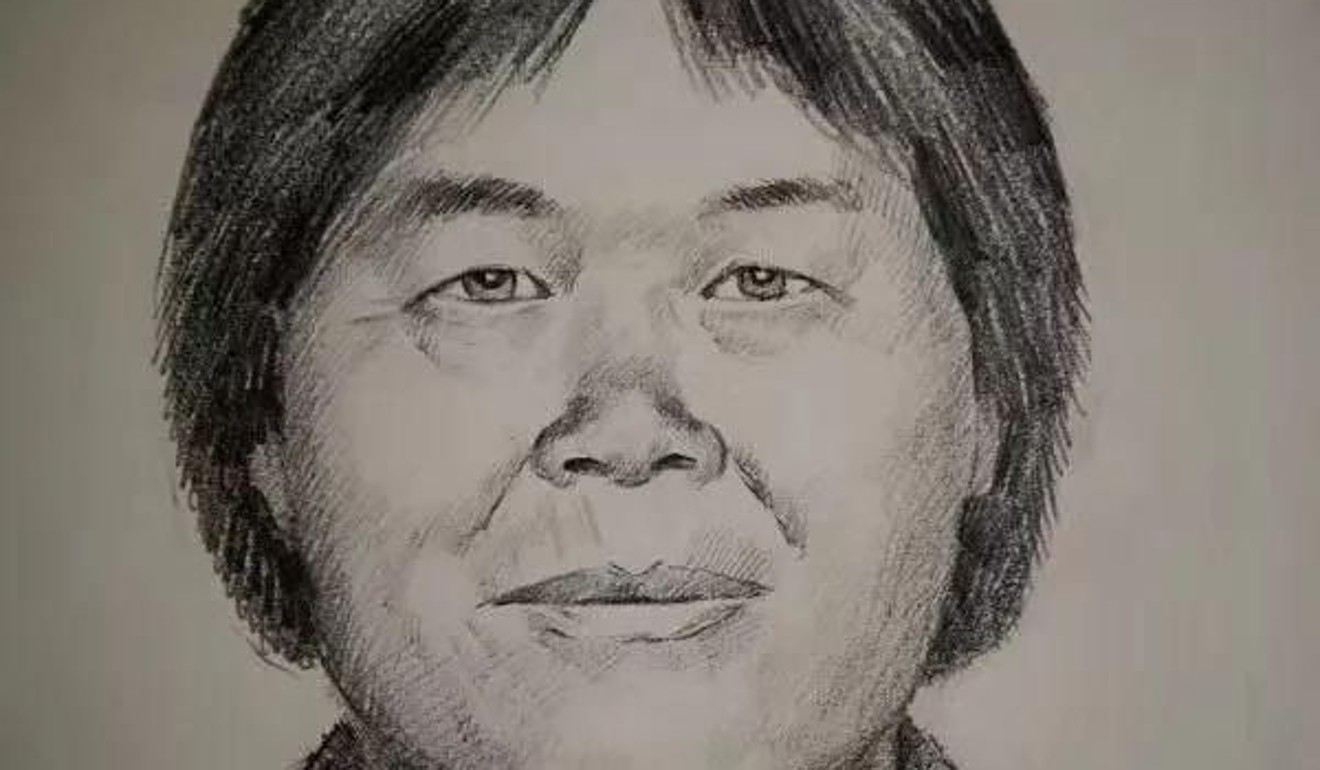
Zhang Weiping, who was sentenced to death for kidnapping children, alleged an intermediary known as Aunt Mei was involved in the case. Photo: Handout
Zhang and another gang member were sentenced to death for kidnapping children in 2018, two others were jailed for life, and a fifth person was jailed for 10 years.

Two of the other boys who had been abducted were found by police last year.

But Guangzhou police said they had not found any information leading them to the mysterious woman – apparently in her 60s and a Cantonese and Hakka speaker – Zhang alleged was the go-between.

“Police have checked all the details, all the people and places related to Zhang’s confession,” the statement said. “We’ve also received reports from people all over China since 2017 about Aunt Mei, but so far none of these tips have proved to be true.”

Source: SCMP
15/09/2019

Case of the telltale hotpot: Chinese police literally sniff out fugitive in Jiangsu

  • Facial recognition technology helped officers narrow down search to building in Nantong, but they were unable to tell which room suspect was in
  • Police went door-to-door hunting for the smell of hotpot after fugitive was spotted buying ingredients at market
Eating hotpot can be a hot and sweaty business. Photo: Shutterstock

China’s facial recognition technology is now so advanced that it can positively identify 98.1 per cent of human faces and within 0.8 seconds, according to China Daily.

But the latest case of unconventional detective work comes from the eastern province of Jiangsu, where local police used their faces, not their target’s, to locate their man – specifically their noses. Call it olfactory recognition.

Jiangsu police had been looking for a man named Guo Bing, who was suspected of gang crimes, fraud and extortion and had been on the run in the city of Nantong since police there cracked down on gang-related activity in late May, local media reported on Tuesday.

Police used facial recognition to figure out which Nantong building Guo was living in, but they did not know which flat.

So they put in 24-hour camera surveillance and spotted Guo going to a local market on Saturday afternoon and buying ingredients for hotpot.

“We saw him buying vegetables and hotpot soup base at a market one afternoon,” Ge said, “so we guessed he was going to have hotpot that day.”

Police narrowed down the search to the seventh floor of the building, then started sniffing at each door. When they registered the unmistakable aroma of hotpot, they knew they had their man.

Television footage of the bust showed police descending on the surprised and shirtless man – eating hotpot is a messy and sweaty business – and being hauled away.

Source: SCMP

30/12/2018

China’s Supreme Court to take on intellectual property case

BEIJING (Reuters) – Intellectual property rights cases can from next month be taken to China’s Supreme Court, the government said on Saturday, as the country seeks to strengthen protections in the face of complaints from the United States about the issue.

China and the United States are currently in talks to resolve a trade dispute, in which both countries have put tariffs on imports of each other’s products.

The United States, along with the European Union, have long complained about poor enforcement of intellectual property rights in China, and this has been a key complaint of the Trump administration, along with forced technology transfers and a yawning trade gap.

Beijing in response has been seeking to show that it is serious about addressing U.S. concerns.

Deputy chief justice Luo Dongchuan told a news conference that from Jan. 1 the Supreme Court would begin handling appeals on intellectual property rights cases, whereas previously only provincial-level high courts would handle them.

“Setting up a Supreme Court intellectual property rights court is an important decision by the Communist Party, is a major step to strengthen the legal protection of intellectual property rights and will have a major impact at home and abroad.”

Luo did not directly answer a question about how the United States should view the move and what it said about China’s efforts to protect intellectual property, saying that such protection was a “basic national policy”.

“China is already the world’s second largest economy, and in the future China’s development will rely on innovation. The protection of innovation needs there to be legal protection for intellectual property rights.”

Law of Unintended Consequences

continuously updated blog about China & India

ChiaHou's Book Reviews

continuously updated blog about China & India

What's wrong with the world; and its economy

continuously updated blog about China & India