Archive for ‘China alert’

10/12/2018

Violent veterans rally in China leads to 10 arrests

Ten suspects have been arrested for organising a “serious attack” on police officers during a veterans’ protest in northern China in October, according to state media.

According to People’s Daily, the accused organised a protest by 300 people from across the country, calling for better benefits for veterans, at a major public square in Pingdu, Shandong province.

During the assembly, some of the rally participants, led by the 10 suspects, acted violently towards the police and smashed police vehicles, the provincial police authority said, adding that their actions had caused injuries and led to substantial economic losses.

The report said 34 people, including an unknown number of police officers, were wounded in the violence, including two senior people officers who were seriously injured. In addition, a police bus and three private cars were destroyed.

More than 100 shops were forced to close during the rally and 11 buses had to change their routes to avoid the violence. Direct economic losses were estimated to have reached 8.2 million yuan (US$1.1 million).

The incident, on October 6, attracted the attention of the Ministry of Public Security as one of only a few large-scale examples of social unrest on the mainland over the past few years.

The People’s Daily report did not say if the 10 suspects were veterans, but local police said they had “complicated backgrounds” including criminal records in some cases.

All of the arrested are residents of Pingdu.

They are alleged to have used social media to contact people across the country and to have encouraged them to file petitions in Beijing during the “golden week” holiday, at the start of October, while posing as tourists.

They are also accused of spreading fake messages on social media after their plans were thwarted by authorities in Pingdu.

The suspects are reported to have told their followers they had been beaten up by government officials and encouraged them to support them by coming to the city.

At noon on October 6, about 300 people appeared at the People’s Hall square in Pingdu, waving banners and chanting slogans, although the report was unclear what they were calling for.

Two of the accused are said to have addressed the event, inciting people to use violence against the government.

One of the suspects, surnamed Ge, 46, was quoted as saying: “Bring wooden sticks and iron shovels with you. Hit their heads and beat them to death.”

Another suspect, surnamed Ji, 55, is alleged to have said: “We should kill more people to shock the whole nation”, according to the report.

Police said the suspects hired cars to take 105 sticks, 60 hammers, 16 dry powder extinguishers and a bag of talcum powder to the assembly site.

According to a local government statement, offers to negotiate with the protesters were rejected. The demonstrators also refused to leave the square until they received financial compensation from the government.

The conflict is believed to have been triggered when police tried to stop people crossing a cordon to join the 30 protesters originally within the square.

A tussle ensued and eight people were taken to a police bus parked nearby.

Several minutes later, three of the suspects are said to have led 60 protesters in an attack on the police. The windows of the police bus were smashed and the fire extinguisher was discharged into the vehicle, forcing police officers and the eight detained protesters to climb on to the roof of the bus to escape the fumes.

According to the report, the protesters threw stones at the police officers while also continuing to spray them with the fire extinguisher.

The police officers behaved in accordance with the law throughout the riot, which lasted for 11 minutes, the report said.

The report did not say how many people who took part in the rally were veterans.

Police said one of the suspects, surnamed Zheng, had previously been jailed for obstructing police and provoking trouble. Another suspect, surnamed Yang, had previously been caught with drugs.

Police also said a suspect surnamed Liu had been jailed for two years for theft, while another, surnamed Ge, had previously been sentenced to two years in jail for fraud.

Veterans have been an important issue for the mainland authorities this year, with the establishment in April of the new Ministry of Veterans Affairs.

The ministry has been collecting personal information from veterans across the country between August and December, as a “first step” in developing a policy on what packages veterans will receive from China’s governments in future, according to officials.

Last month the ministry and the Communist Party’s Central Propaganda Department spearheaded a nationwide role model campaign in which the nation’s 10 “most beautiful veterans” were selected.

10/12/2018

Rivals and neighbours: China and India count down to joint military drill

In addition, Chinese State Councillor and Foreign Minister Wang Yi will visit India later this month to launch a forum for high-level exchanges between China and India.

But there is still various sources of friction, including a growing maritime rivalry.

Long Chunxing, a visiting scholar and Southeast Asian affairs specialist at the S. Rajaratnam School of International Studies in Singapore, said the military exchanges would not resolve mistrust but could help prevent differences from escalating into another conflict.

“China’s reluctance to allow India into the Nuclear Suppliers Group and refusal to agree on a US ban to list Masood Azhar as a terrorist have upset India,” Long said, referring to the founder and leader of Jaish e-Mohammed, designated by the United Nations as a terrorist group and active mainly in Pakistan-administered Azad Kashmir.

At the same time, China and India are strengthening their capacity to project power at sea.

Indian media reported last week that the Indian Navy was planning to add ships, helicopters and fixed-wing planes, and expand its base in Chennai to bolster its presence in the southern part of the Bay of Bengal.

China, meanwhile, has expanded its military presence in the Indian Ocean to help safeguard its growing interests overseas.

In a report in April, the US-based think tank the Centre for Strategic and International Studies said those interests included defending vital trade routes, particularly for energy supplies.

Collin Koh, a research fellow also at the S. Rajaratnam School of International Studies, said the Indian Navy’s build-up increased the chance of interaction between Indian and foreign forces, including those from China.

Koh said these interactions were generally professional and safe but there was a chance of confrontation.

“The risk of untoward incidents would largely tie in with broader bilateral tensions, such as over the land border issue or if there are upheavals in the neighbouring Indian Ocean littoral states, and it has been reported the People’s Liberation Army Navy [of China] has monitored Indian Navy warships traversing those waters in the South China Sea too,” he said.

But Rajeev Ranjan Chaturvedy, a research associate at the Institute of South Asian Studies at the National University of Singapore, said India’s naval build-up would not directly affect China’s growing military presence.

He also said the Indian navy’s reliability and confidence would grow further in handling regional security challenges.

10/12/2018

China designates marine economic development demonstration zone

HAIKOU, Dec. 9 (Xinhua) — China has designated a national-level marine economic development demonstration zone in its southernmost island province of Hainan.

Meng Qinglei, deputy county chief of Lingshui, said on Sunday that Lingshui Li Autonomous County has been approved by the National Development and Reform Commission and the Ministry of National Resources to demonstrate an advanced marine economic development.

Lingshui is located in southeastern Hainan, boasting 118.57 km long coastline and 1,898.9 square km of sea areas.

With rich resources of beaches, islands, scenic bays and mangrove forests, the region has assimilated big Chinese firms like China Shipbuilding Industry Corp., China Electronic Technology Group Corp. and R&F Properties.

Meng said Lingshui is eyeing building high-end maritime amusement, deep sea fish farming, ocean fishing and marine high-tech and information industries.

Currently under construction is the R&F Ocean Paradise project and a deep sea fish farm platform measuring 250,000 cubic meters, which is expected to boast highly automated facilities.

10/12/2018

Nanjing Massacre Victims Monument launched in Canada

CANADA-TORONTO-NANJING MASSACRE VICTIMS MONUMENT

People present flowers during the unveiling ceremony of the Nanjing Massacre Victims Monument at the Elgin Mills Cemetery in Richmond Hill, Ontario, Canada, Dec. 9, 2018. In order to remember the history of World War II and to maintain a lasting peace in the world, peace-loving people officially launched the Nanjing Massacre Victims Monument in Ontario, Canada on Sunday. (Xinhua/Zou Zheng)

TORONTO, Dec. 9 (Xinhua) — In order to remember the history of World War II and to maintain a lasting peace in the world, peace-loving people officially launched the Nanjing Massacre Victims Monument in Ontario, Canada on Sunday.

Over one thousand representatives from all walks of life in Canada, including Han Tao, Consul General of China in Toronto, attended the launching ceremony in Richmond Hill of Great Toronto Area,

Setting up the Nanjing Massacre Victims Monument was launched by the Confederation of Toronto Chinese Canadian Organizations and Chinese Freemasons of Canada (Toronto).

The book-shape monument is to cover an area of 90 square meters. It is 3.72 meters high, 4.88 meters long, and 9.2 meters wide. It is made of black marble. It is a symbol of a black and heavy period of human history. It is already under process of production.

Lin Xinyong, president of the Confederation of Toronto Chinese Canadian Organizations told Xinhua on Sunday that the Nanjing Massacre is the eternal pain in the Chinese heart.

On Dec 13, 1937, the Japanese army bombed Nanjing and went on a murderous rampage through the city, then China’s capital. The Nanjing Massacre, or Rape of Nanjing, was an episode of mass murder and mass rape committed by Japanese troops against the residents of Nanjing.

That is the tragedy of Chinese and is also the humiliation of human beings. The Nanjing Massacre is being forgotten by more and more people, and the desperation of the victims of the massacre is even less likely to be felt by the people. Almost nobody realizes that such tragedy may come to oneself one day, Lin said.

Remembering history and praying for peace is engraved on the monument and engraved in our minds. The monument is meant to let more people to have a better understanding of the Japanese invaders’ atrocities against humanity and cherish peace, Li added.

Han Tao, Consul General of China in Toronto, told Xinhua the monument will help people of all backgrounds understand the tragic history of the Nanjing Massacre, value peace and safeguard justice, adding that it will also deepen the mutual understanding and friendship between China and Canada and contribute a stable, harmonious and prosperous world.

10/12/2018

China’s private companies, self-employed households flourish in past 40 years

BEIJING, Dec. 9 (Xinhua) — The numbers of China’s private companies and self-employed households have grown rapidly over the past 40 years of reform and opening up, according to the State Administration for Market Regulation (SAMR).

By the end of October 2018, China has 71.37 million self-employed households and 30.67 million private companies, growing at least 500-fold and 338-fold, respectively.

China only had 140,000 self-employed households in 1978 when it launched its reform and opening up. And the number of private companies on registration was 90,500 in 1989.

The numbers of private economic entities boomed during the past decades as the government kept improving business environment, including loosening restrictions on business registration.

The private sector now plays an important role in the Chinese economy, contributing to more than half of tax revenue, 60 percent of the gross domestic product (GDP), 70 percent of technological innovation and new products, 80 percent of urban employment and 90 percent of new jobs.

10/12/2018

China makes headway in pushing water conservancy projects

BEIJING, Dec. 9 (Xinhua) — China has made headway in pushing major water conservancy projects amid efforts to enhance capacity on flood control, drought relief, as well as food and ecological security, a senior official said.

Some 132 key water conservancy projects have been under construction since 2014, with the total investment exceeding one trillion yuan (about 146 billion U.S. dollars), according to Wang Annan, an official with the Ministry of Water Resources (MWR).

These projects have also promoted the coordinated development among regions and poverty alleviation work, as 75 percent of the 132 projects are located in central and western regions, and 56 percent are in poverty-stricken areas, Wang said.

The projects are part of the country’s plan, announced in 2014, to step up construction of 172 key water conservancy projects by 2020.

By the end of 2019, over 80 percent of the 172 projects will be under construction, and the biggest investment in 2019 will go to the water allocation project in Pearl River Delta region, Wang said.

09/12/2018

Slow train to China: India’s trade ties with Beijing taking time to ripen

NEW DELHI (Reuters) – China and India may be talking about improving their trade relationship but there is little action to go with the words.

According to Indian government officials and representatives of various Indian trade bodies, progress is very slow – and may even be getting slower after last weekend’s truce between the United States and China in their trade war.

Both India and China have sought to rebuild trust after a armed standoff over a stretch of the Himalayan border last year.

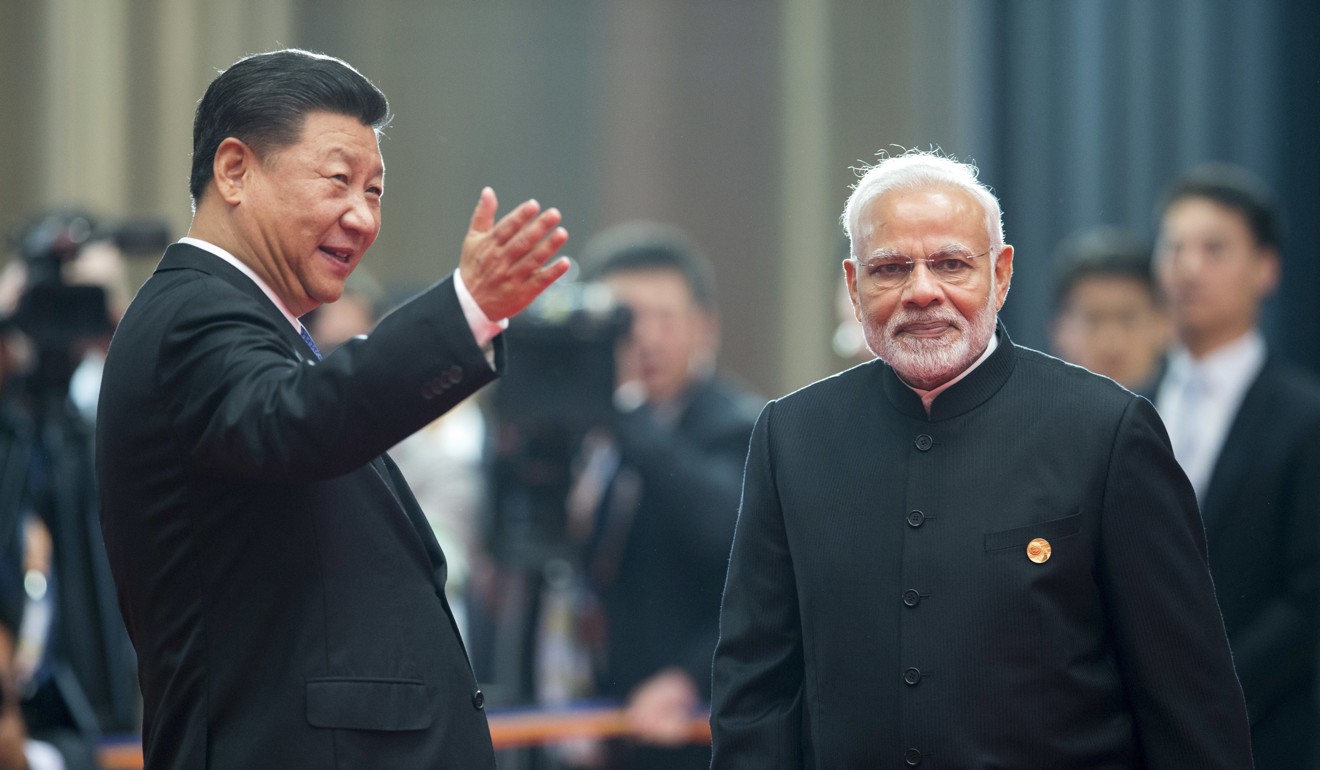
Indian Prime Minister Narendra Modi and Chinese President Xi Jinping have met a number of times this year to give impetus to the trade discussions. The latest was last week, when they met on the sidelines of the G20 meeting in Argentina.

Indian and Chinese officials said after that meeting there was talk of Beijing increasing its soymeal, rapeseed meal, rice and sugar imports from India, while China would push for more Chinese exports of dairy products, apples and pears to India.

India is also keen to increase its exports of drugs to China.

In reality, though, getting such exchanges turned into deals is going to be a laborious process.

“When we say the Chinese are receptive, it means the talks are happening, but it’s going slow,” said one senior Indian government official with direct knowledge of the discussions. “It can be termed as progress because just a few months ago, we weren’t even talking,” said the official, who did not wish to be named because he is not authorized to talk to media.

The Chinese commerce ministry did not respond to a faxed request for comment for this article.

Bilateral trade between China and India touched $89.71 billion in the year ending March 2018, with the trade deficit widening to $63.05 billion in China’s favor, more than a nine-fold increase over the past decade.

The Indian government is very keen to reduce that gap. A recent study commissioned by India’s trade ministry and reviewed by Reuters, said: “There is no bilateral trade relationship of greater economic and political significance for India than with China.”

The reduction in trade tensions between Washington and Beijing, which has led to a delay in the imposition of larger punitive tariffs by the United States pending further trade talks over a 90-day period, means that the Chinese government may not feel the need to speed up its discussions with New Delhi, Indian officials said.

The government has received calls from jittery exporters who want to know whether the improvement in the relationship between China and the United States would make India’s position weaker, said the senior Indian government official.

ROADBLOCK FOR INDIA

Ajay Sahai, director general of the Federation of Indian Export Organisations, also said China’s truce with the United States may be a roadblock to improved trade with Beijing.

“As it is, the China-U.S. tariff tension was a temporary opportunity and it is not correct for companies to base their long-term strategies on it,” said Sahai.

One longer term impediment to improved trade is product quality, and trade, industry and government officials in India said both Beijing and New Delhi could take time to iron out their differences.

Last week, India and China signed an agreement allowing Beijing to inspect imports of Indian fish meal and fish oil.

A Chinese trade delegation is coming to India on Dec. 10 to inspect soymeal plants, said D.N. Pathak, executive director of the Soybean Processors Association of India.

India wants China to drop a years-long ban on soymeal imports from the South Asian nation. China was a leading buyer of Indian soymeal, a key ingredient in animal feed, until Beijing banned the purchases in late 2011 over quality concerns.

In November, India’s trade ministry said the country could export up to 2 million tonnes of sugar, but trade officials said the target was too steep because China has already exhausted its import quota for this year.

Although India has contracted to sell some tiny shipments of rice to China, officials said New Delhi would find it difficult to boost volumes as Beijing has traditionally been importing the staple from Vietnam and Thailand and the Chinese would take time to develop a taste for Indian rice.

09/12/2018

China’s November export, import growth shrinks, showing weak demand

BEIJING (Reuters) – China reported far weaker than expected November exports and imports, showing slower global and domestic demand and raising the possibility authorities will take more measures to keep the country’s growth rate from slipping too much.

November exports only rose 5.4 percent from a year earlier, Chinese customs data showed on Saturday, the weakest performance since a 3 percent contraction in March, and well short of the 10 percent forecast in a Reuters poll.

Analysts say the export data showed that the “front-loading” impact as firms rushed out shipments to beat planned U.S. tariff hikes faded, and that export growth is likely to slow further as demand cools.

The customs data showed that annual growth for exports to all of China’s major partners slowed significantly.

Exports to the United States rose 9.8 percent in November from a year earlier, compared with 13.2 percent in October.

To the European Union, shipments increased 6.0 percent, compared with 14.6 percent in October. Exports to South Korea fell from a year earlier, while in October they rose 7.7 percent.

SLOWEST IMPORT GROWTH SINCE 2016

Import growth was 3 percent, the slowest since October 2016, and a fraction of the 14.5 percent seen in the poll. Imports of iron ore fell for a second time, reflecting waning restocking demand at steel-mills as profit margins narrow.

“The sluggishness in imports and exports is in full swing,” said Wang Jun, chief economist of Zhongyuan Bank in Beijing.

The soft imports “show a relatively significant pullback in domestic demand”, he added.

In recent months, Chinese exports had expanded robustly, which economists said reflected front-loading of cargoes before a now-postponed plan to hike U.S. tariffs of $200 billion of Chinese goods to 25 percent from 10 percent on Jan. 1.

The November trade numbers came out less than a week after Presidents Donald Trump and Xi Jinping agreed to a 90-day truce delaying that tariff hike as they negotiate a trade deal. November’s China numbers might add a sense of urgency.

Stirring fears of a reignition of trade tension, the daughter of Huawei Technologies’ founder, a top executive at the Chinese technology giant, was arrested in Canada on Dec. 1 and faces extradition to the United States, threatening to drive a wedge between the U.S. and China.

TALKS ‘GOING VERY WELL’

U.S. President Donald Trump on Friday sounded an optimistic note about trade negotiations with China as his top economic advisers downplayed friction from the arrest of Meng Wanzhou.

“China talks are going very well,” Trump said on Twitter, without providing any details.

In a note, analysts at Haitong Securities in Shanghai said “Growth in shipments of Chinese goods on U.S. 200 billion tariff list has started to pull back, indicating that frontloading effects may be starting to recede.”

“Now with U.S. and China agreeing not to escalate trade tensions any longer, China will start purchasing U.S. agricultural goods, which may narrow China-U.S. trade surplus in the future,” they said.

China’s November trade surplus with the United States was a record $35.55 billion. The October surplus was $31.78 billion. But China’s imports from the U.S. in November fell 25 percent from a year earlier, while the annual decline in October was only 1.8 percent.

For trade with all countries, China’s surplus was $44.74 billion for November, compared with forecasts of $34 billion and October’s surplus of $34.02 billion.

On Thursday, the U.S. reported that its global trade deficit in October jumped to a 10-year high, and that the deficit with China surged 7.1 percent to a record $43.1 billion.

THE WEAKER YUAN

Economists say one factor helping keep up Chinese exports this year is that the yuan CNY=CFXS has weakened more than 5 percent against the dollar, helping to make Chinese products more competitive abroad.

Jonas Short, head of the Beijing office of brokerage Everbright Sun Hung Kai, said the weaker yuan “should boost industrial exports over the coming months. Typically there is a six-month lag between the value of industrial export orders and currency movements.”

Economists in recent months have penciled in a deterioration in China’s export outlook in 2019, factoring in higher U.S. tariffs on a wider range of Chinese goods.

Chinese policymakers are expected to offer more policy support and deliver more support measures if domestic and external conditions continue to deteriorate.

China’s central bank has cut the amount of cash that banks must hold as reserves four times this year, as policymakers seek to steady the slowing economy amid the trade war with the United States.

The government aims for growth of around 6.5 percent this year, compared with 2017’s 6.9 percent pace.

Yang Yewei, an analyst at Southwest Securities in Beijing, said that as global demand cools, “domestic growth-boosting measures should be more effective”.

09/12/2018

Deflation threat returns to haunt Chinese economy as risks from US trade war linger

  • Both consumer price index and producer price index fell on a monthly basis due to weak demand and a steep drop in oil prices
  • Bad news follows slower than expected drop in imports and exports
  • China suffered another economic blow on Sunday with the return of the deflation threat, a day after it reported slower than expected growth in exports and imports.

    A fall in both consumer and producer price indexes was a result of weakness in demand from both Chinese consumers and investors and reflected their reluctance to spend as confidence in future growth is undermined by the trade war with the US.

    The figures add the challenge faced by the Chinese leadership in keeping economic growth on track ahead of the annual central economic work conference, where policies for next year will be determined.

    Last month the consumer price index fell 0.3 per cent from October while the producer price index dropped 0.2 per cent – the first month-on-month fall in seven months – due to the steep fall in the price of crude oil and coal, according to data released by the National Bureau of Statistics on Sunday.

    On a yearly basis, China’s PPI rose only 2.7 per cent in November, the lowest reading in two years, while China’s CPI in November rose 2.2 per cent from a year earlier, the lowest in four months, the official statistics showed.

    Analysts said deflationary pressure was set to continue as economic activities to weaken.

    Jiang Chao, an analyst with Haitong Securities, wrote in a note before the Sunday data was released that China’s PPI would drop to zero in December and fall further into negative territory in 2019, officially putting China in a deflationary zone.

    The return of deflation risks, which often associated with a contraction in economic activities, provides fresh evidence that China’s US$12 trillion economy is heading into trouble, even though China and US have agreed a 90-day truce in the trade war during which they will try to resolve their differences.

    The official purchasing managers index, a leading indicator of economic growth, showed activity in China’s vast manufacturing sector stalled in November for the first time in over two years as new orders shrank.

    The country’s exports decelerated rapidly last month, although China’s trade surplus with the US widened to a record level, the Chinese customs administration said on Saturday.

    The Chinese government has been trying to shore up confidence in the country’s economic prospects since the summer and shifted its policy priority from cutting debt to bolstering growth.

    However, signs of stress continue to mushroom in the economy.

    Economic data from the first three quarters of the year has suggested that as many as 19 provinces have fallen behind their annual GDP targets and many local governments are scrambling to spur investment so that they can meet their growth targets for 2018.

    The Chinese government has expressed its concerns about unemployment and promised to give cash subsidies – in the form of a partial refund of unemployment insurance payments – to employers if they do not cut their labour force.

    China’s economic growth also slowed to 6.5 per cent in the third quarter of this year from 6.7 per cent in the second quarter of this year

09/12/2018

China, Duterte and the Philippine dam set to become a reality, despite four decades of protest

  • Dumagats fear US$232 million project will displace them from lands they have called home for generations
  • Project aims to augment water security for fast-growing metropolitan Manila
  • Deep inside the Sierra Madre mountain range about 60km (37 miles) east of the Philippine capital of Manila, distance is measured in river crossings.

    Deep inside the Sierra Madre mountain range about 60km (37 miles) east of the Philippine capital of Manila, distance is measured in river crossings.

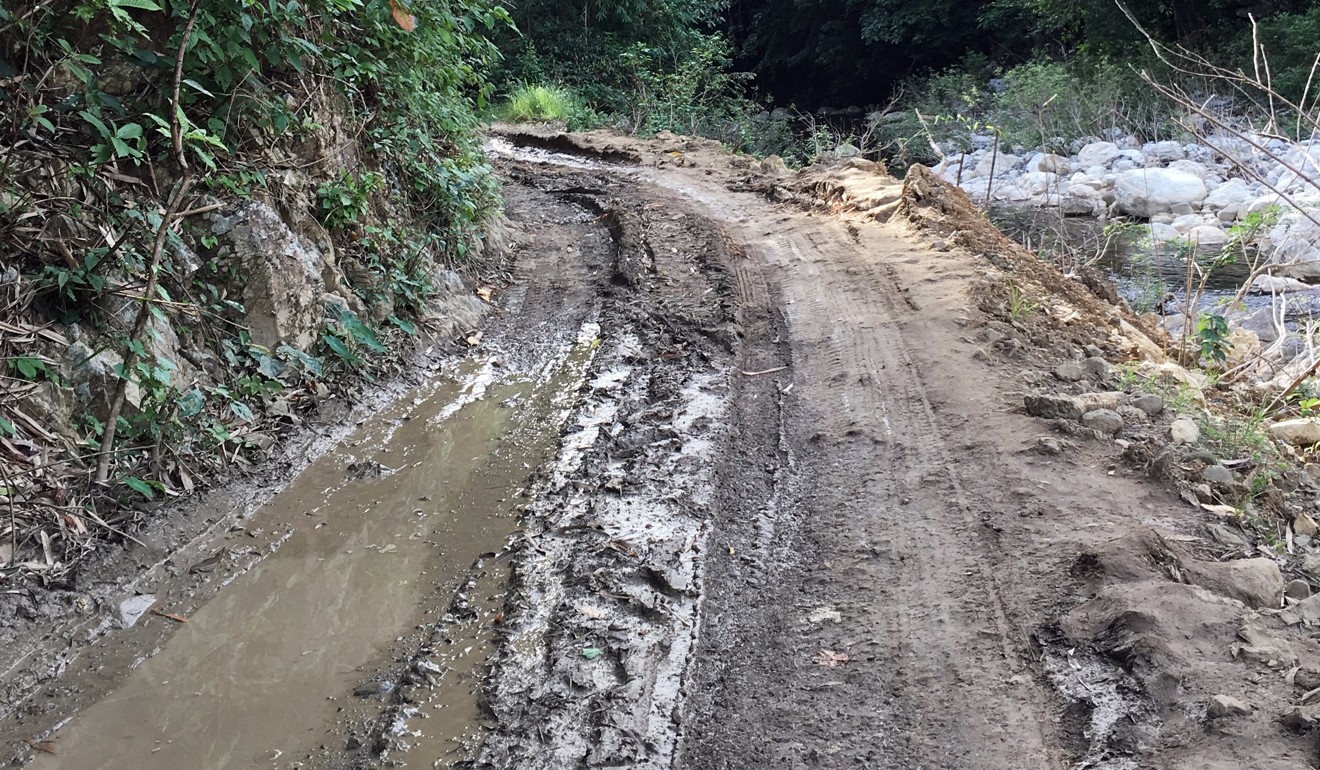
    It takes 13 crossings – a rocky journey by motorcycle, jeep or boat – from the administrative centre of the Santa Ines district to reach the remote area known as Sitio Nayon, the ancestral lands of the historically nomadic Dumagat tribe.

    Even by jeepney, the ubiquitous open-backed passenger truck, the journey takes an hour. Despite the distance, dozens of anxious villagers came together at the local community hall one afternoon to speak out against what they see as a looming threat to their way of life: the China-funded Kaliwa dam.

    “What will happen if we are forced to go elsewhere? We don’t know where to go,” Dante Alcien, from a nearby district in Lumutan, Quezon province, said to the villagers. “The Chinese government is committing a grave sin by building this dam. They are invading our territory.”

    The Dumagats fear that the 12.2 billion peso (US$231 million) mega dam, being built to augment water security for rapidly urbanising Metro Manila will displace them from the lands they have called home for generations.

    While the government projected that only 56 families would be directly displaced by the dam, villagers are concerned about the unknowns: a lack of information from the government, the potential environmental and flooding impact, and the prospect of approval for bigger dams in their river basin.

    Across the affected areas of Quezon and Rizal provinces, indigenous peoples have geared up for a long fight. It is a battle that has been raging for nearly four decades – starting in the late 1970s, when the project was first conceived during then strongman Ferdinand Marcos’ dictatorship.
    In late November, the dam officially got the go-ahead to proceed when a loan agreement and commercial contract were signed during Chinese President Xi Jinping’s high-profile visit to Manila. Twenty-nine deals were signed during his trip, marking the rapprochement between the two countries under the administration of Philippine President Rodrigo Duterte.

    The Kaliwa dam has been both a priority for China in the Philippines and a flagship water project for Duterte’s “Build, Build, Build” programme. Officials aimed to break ground quickly to allay concerns about the security of Manila’s water supply and the length of time it is taking the promised Chinese funds to come through.

    “It doesn’t look good that after waiting for 38 years, your president … cannot even inaugurate it, and this is just a small project in relation to the others,” said Reynaldo Velasco, administrator of the Metropolitan Waterworks and Sewerage System, the government agency that heads the project. “This is how we do things in the Philippines; only in the Philippines.”
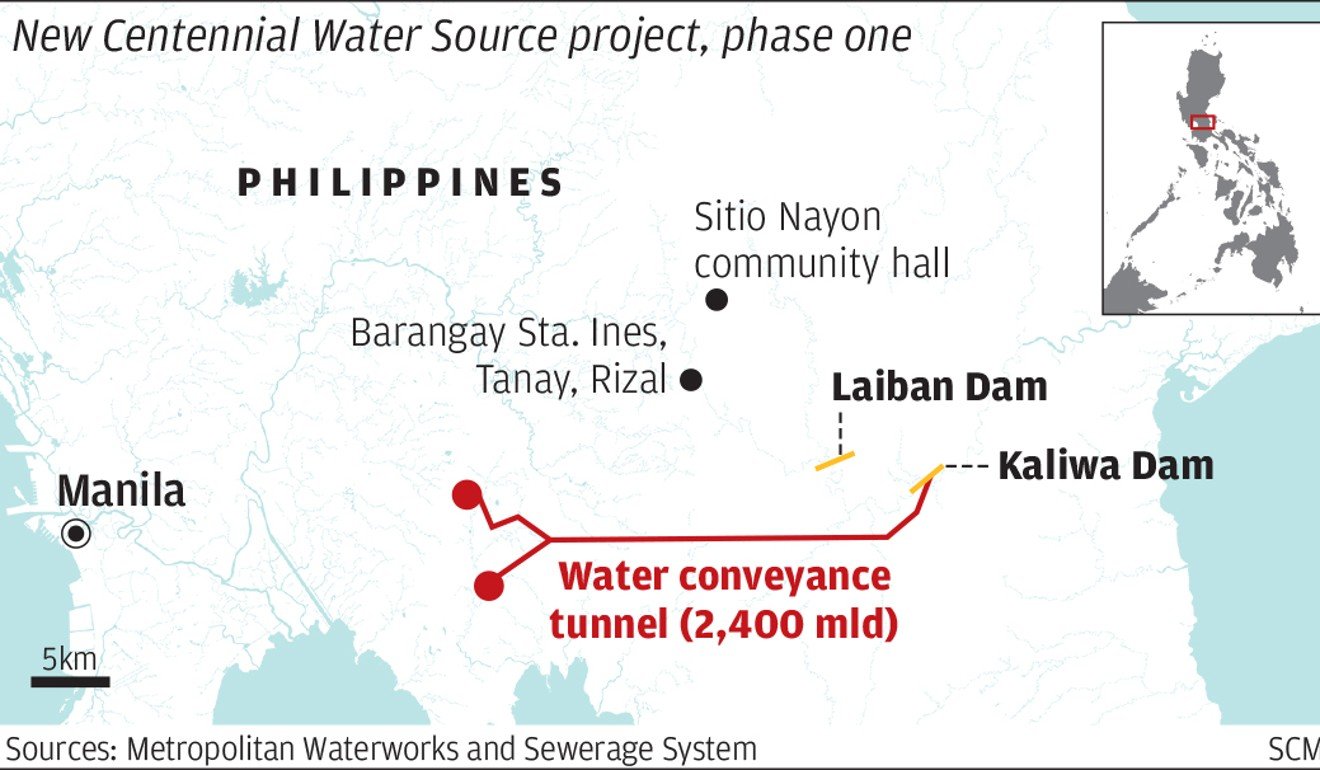
    The dam will supply an extra 600 million litres (158.5 million gallons) of water per day to Metro Manila – the seat of government and one of the three defined metropolitan areas of the Philippines. It was approved for construction in May 2014 by the National Economic and Development Authority and is the first phase of the broader New Centennial Water Source project, likely to be followed by the larger Kanan and Laiban dams.

    All three projects will stem from the Kaliwa-Kanan-Agos River Basin, with the Kaliwa dam set to be built in eastern Quezon province and connected to Metro Manila through neighbouring Rizal province by a 27.7km water supply tunnel, capable of conveying 2.4 billion litres per day.
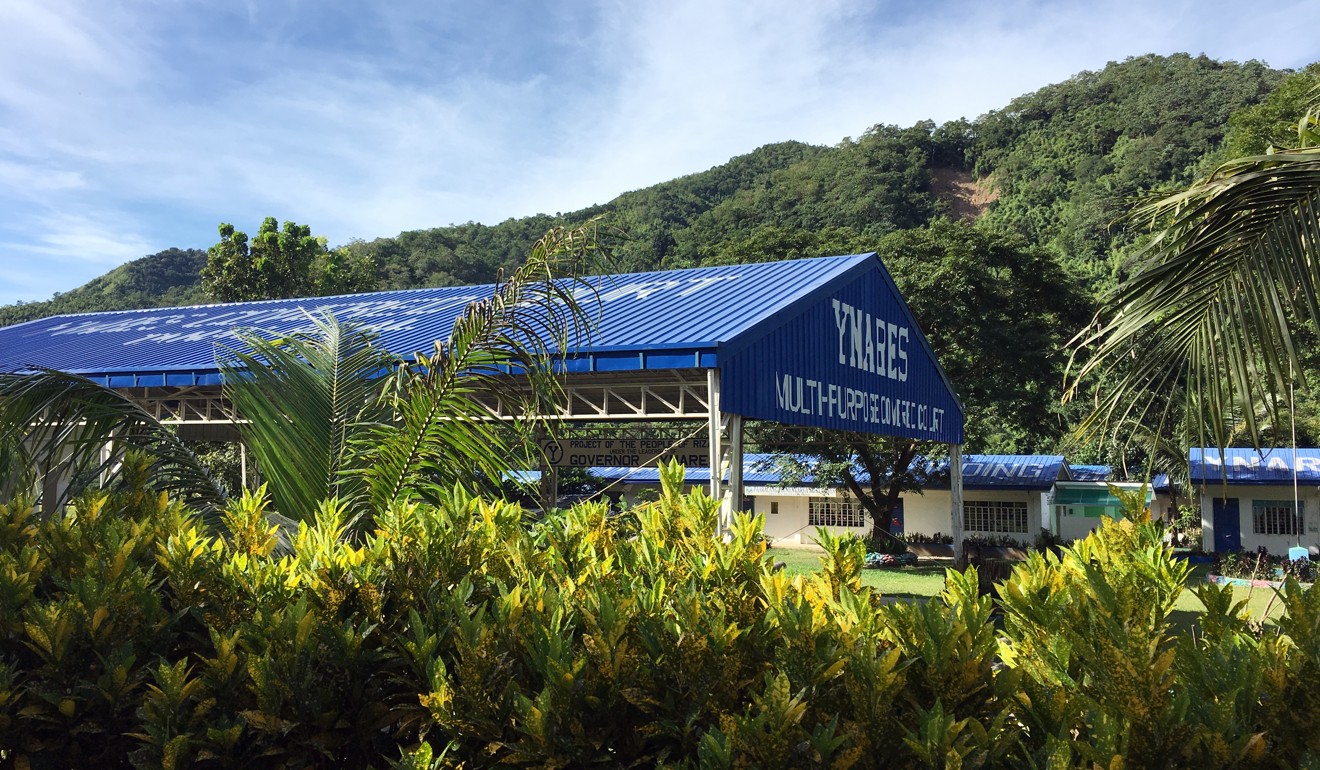
    Chinese funding was earmarked for the Kaliwa dam as part of the US$9 billion in pledges that Duterte secured from Beijing in 2016.

    The Chinese government has poured funding into megaprojects around the world, in what observers see as a concerted effort to expand the country’s global presence and influence.

    Projects funded by Beijing have drawn criticism for laxer lending standards, and raised questions about transparency and the involvement of state-owned contractors. But Duterte, known for his anti-Western rhetoric, welcomes Chinese trade and aid, including Beijing’s support for his bloody war on drugs.
    For the Kaliwa dam, the financing model is official development assistance from China, switched over in June 2017 from a public-private partnership. The Export-Import Bank of China, the state-owned provider of export financing, will fund 85 per cent of the project, with the Metropolitan Waterworks and Sewerage System footing the rest of the bill.

    Under the official development help model, the Chinese embassy in the Philippines recommended three Chinese companies for the dam. State-owned China Energy was formally awarded the contract in August.

    Construction is expected to begin next year and finish by 2023, but Velasco has asked the Chinese contractor to finish the dam before Duterte’s term ends in 2022, joking that he would hang the company’s country manager from a large tree if it was not finished in time.

    “I already put out the rope for him – I’m just kidding,” he said in his office. “I’m asking them, because it is a big giant company in China, to do it earlier, before my president steps down … It’s possible. They have the technology. We have vetted their capabilities, and we agreed that they should work 24 hours [a day].

    “Of course, we cannot push them too hard, [potentially] sacrificing the quality of the work.”

    Globally, concern has been growing about the potential “debt trap” lurking in Chinese development projects. In the Philippines, worries are compounded by a 2007 government kickbacks scandal with a Chinese telecoms company, and by historic tensions from overlapping claims in the energy-rich South China Sea, waters that Manila refers to as the West Philippine Sea.

    “The Chinese are already claiming our territory in the West Philippine Sea, and now they want to gain more by entering into a contract for this dam,” Alcien, the Dumagat villager from Quezon, said. “Are they content yet from how much they have got? It feels like the Chinese are being greedy.”

    So far, foreign direct investment from China accounts for only about 3 per cent of the Philippines’ total, lagging far behind countries such as Japan, the United States and Indonesia. But Chinese capital has been flowing into the country rapidly, nearly doubling in the first three months of this year. In 2017, Chinese investment in the Philippines surged 67 per cent from a year earlier to US$53.8 million.

    Chinese foreign ministry spokesman Geng Shuang said in late November that it was impossible for the Philippines to fall into a “debt trap” from accepting China’s loans, since those borrowings made up only a small amount of the country’s total foreign debt.

    “China funds projects in the Philippines based on their needs,” Geng said. “We believe that the relevant projects will continue to improve people’s livelihoods and spur economic development, giving new impetus for their growth.”
    One much-touted Chinese investment is the US$62 million Chico River Pump irrigation project. Led by the Philippines’ National Irrigation Administration, the system will provide “a stable supply of water” to around 8,700 hectares (25,000 acres) of agricultural land, benefit 4,350 farmers and their families and serve 21 districts in the northern Luzon provinces of Cagayan and Kalinga, according to a government report.

    Although originally envisioned as a dam, it was eventually scaled down to a river pump amid decades of local resistance.

    “It’s only our current president who likes China. Before, it’s always the US [with whom the Philippines had close ties], right?” said Ricardo Visaya, administrator for the National Irrigation Administration, which also provided technical consultation for the Kaliwa dam.

    “But really, you can see the result of the cooperation that we established with China … and compared to other countries, it’s cheaper. So there are some [criticisms]. That is normal. There will always be negative reactions as well as positive reactions.”

    Velasco, from the Metropolitan Waterworks and Sewerage System, said debt would not be an issue for Kaliwa. The Chinese contractor, following Velasco’s instructions, would also hire Filipinos for non-technical jobs to spur local development, he said.

    “We don’t want people from outside to bully us,” Velasco said. “They are all employees, we are the employer … They have no other choice, or I will send them back home and I will ask their government to change them.”

    China Energy did not respond to multiple requests for comment. The Chinese consulate in the Philippines declined to make ambassador Zhao Jianhua available for an interview, and did not respond to specific questions about the Kaliwa dam.

    The dam is intended as a medium-term solution to Metro Manila’s water security, supplementing the Angat Dam, which provides most of the city’s water. According to the waterworks and sewerage system, water supply levels for the city are 7 to 10 per cent above demand, and planning ahead will avoid the need to substantially raise consumers’ water tariffs.

    International entities such as the World Bank and the Manila-based Asian Development Bank (ADB) are also working with Metro Manila on its water security programme, with ADB financing the Angat water transmission project and providing consultation for the Kaliwa dam.

    “We are helping them [on Kaliwa]. That project was there, even before, but we will be continuing our assistance on the strategy – technical assistance,” Ramesh Subramaniam, director general of Southeast Asia for the ADB, said.

    But Philippine environmental and rights groups have disputed the need for the Kaliwa dam, pointing to alternatives such as greater adoption of green water catchment – the collection of rainwater – as well as improving water efficiency in existing pipelines and using smaller-scale water sourcing projects.

    They argue the dams of the New Centennial Water Source project could increase the risks of flooding and damage to 28,000 hectares of forest, while displacing at least 30,000 mostly indigenous people.
    “We’re questioning the logic of a water project that will contribute to the degradation to the forests of the watershed,” said Leon Dulce, national coordinator for the environmental advocacy group Kalikasan. Alternatives existed that “do not require this scale of risk”, he said.

    Dulce and others warned that fierce opposition and action from local governments and communities in Quezon and Rizal could stall the project. That action could include petitioning the Philippines Supreme Court to grant a Writ of Nature against the dam to protect a constitutionally guaranteed right to a healthy environment.

    Though government officials such as Velasco call the dam a “done deal”, indigenous communities on the ground are not likely to budge because the stakes are so high.

    “The Dumagat and Remontados [tribes] have a symbiotic relationship with nature, living in their ancestral domain for centuries,” said Pete Montallana, chair of the Save Sierra Madre Network Alliance, and coordinator of the Indigenous Peoples Apostolate of the Prelature of Infanta. “Their culture is attached to that. To uproot them is literally to kill them as a people.”
    Ramcy Astoveza, a Dumagat member of the National Commission on Indigenous People, said the law ensured indigenous communities in the Philippines to the right to free, prior, and informed consent, or the power to approve or disapprove any project in their ancestral domain, including the Kaliwa dam. The commission would facilitate the process for the government to obtain consent of the Dumagat-Remontado in Tanay and General Nakar, Quezon, he said.

    Also in Santa Ines, more than 100 villagers gathered on a Saturday morning for mass at the local Catholic Church, where leaders introduced a resolution to oppose the dam and assert the people’s rights to their ancestral lands.

    After a detailed explanation of the implications of the project from Jennifer Haygood, senior researcher from the Ibon Foundation, an independent think tank, the priest asked people to stand if they opposed the dam. Everyone, young and old, rose in the narrow wooden pews.

    “At the end of the day, we just have to fortify our local community’s defences,” Dulce said.

    “They are the first and last line of defence against these projects. They have been able to successfully barricade against the dam for 40 years, and together with the indigenous people, we are ready to barricade against the dam for 40 more years, if it has to come to that point.”

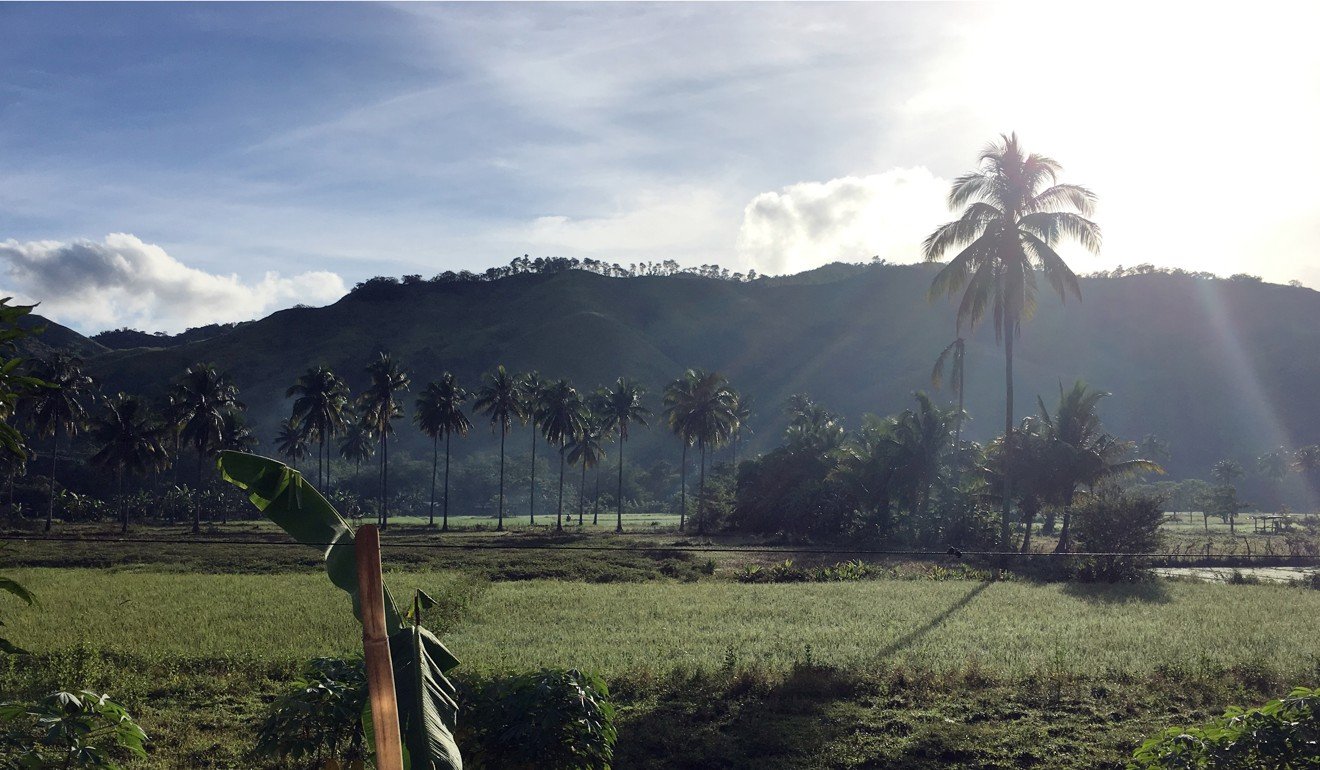
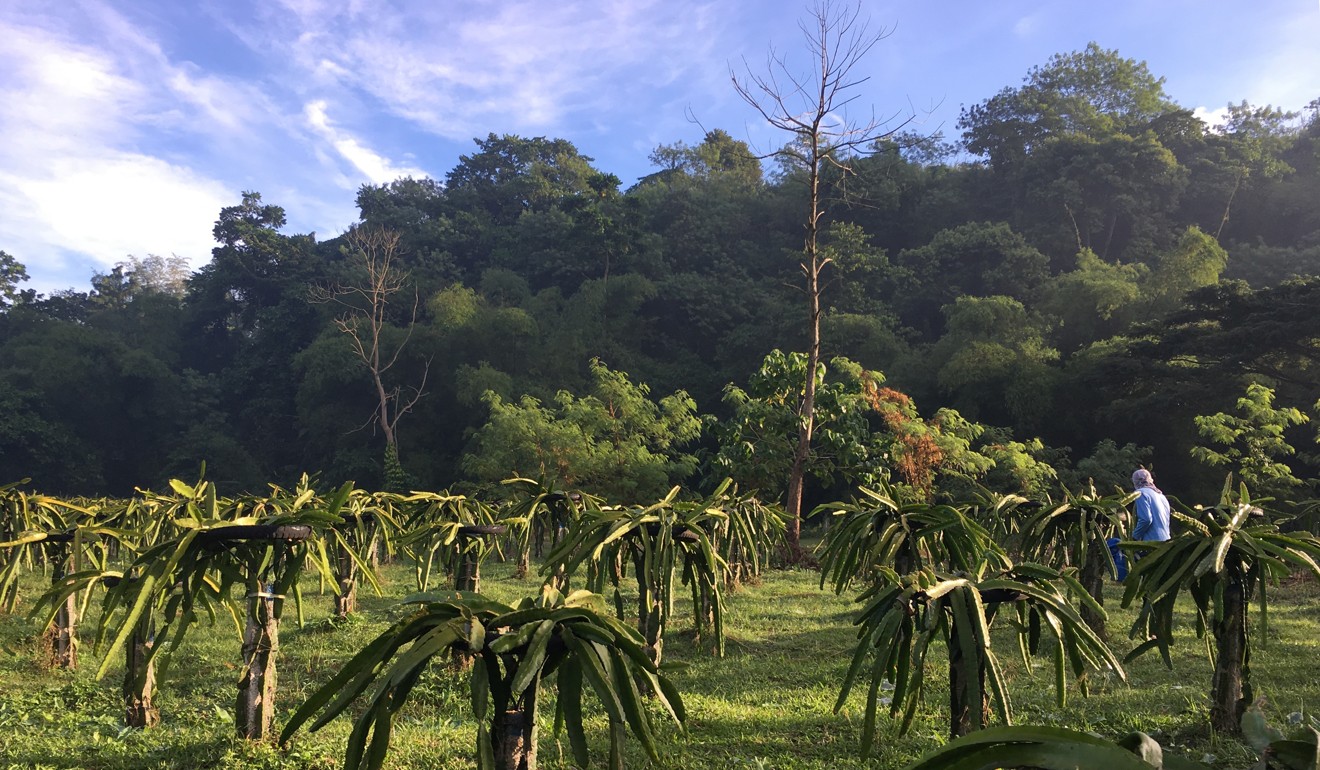
    Several river crossings away, at the Sitio Nayon community hall, dozens sat among shelves of donated books to air their grievances and fears. Just outside was their coveted river, and around the bend unpaved paths littered with slabs of rock. All around were long stretches of greenery that bled into the rugged outline of the Sierra Madre: balete fig trees, heartleaf plants, coconut trees and dragonfruit plantations.

    “I have been part of the resistance since I was young,” said a semi-nomadic villager named Miling, 66. “Because for us, this land is our life.”

    Another elder, a septuagenarian known as Loida, recalled travelling into the city to protest when she was younger. But she has since passed the baton to her grandchildren. As she spoke, she turned to her fellow villagers, her voice steady but her tone urgent.

    “I have not spoken to President Duterte personally, but he promised he would support us indigenous people,” she said. “But what is he doing now? He wants us to drown.

Law of Unintended Consequences

continuously updated blog about China & India

ChiaHou's Book Reviews

continuously updated blog about China & India

What's wrong with the world; and its economy

continuously updated blog about China & India