Archive for ‘India alert’

13/04/2019

Jet Airways halts all international flights

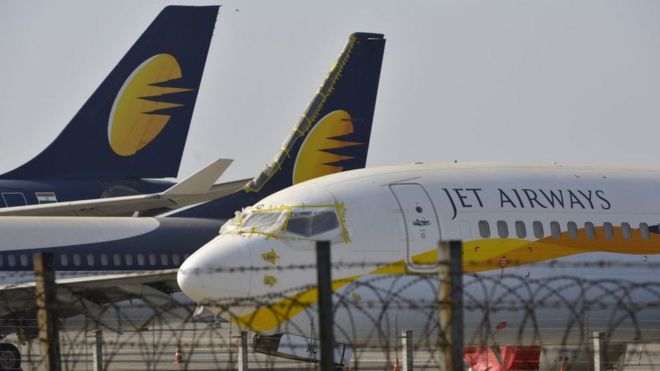
Jet Airways planed parked at Chattrapati Shivaji International Airport in Mumbai on 25 March 2019Image copyrightGETTY IMAGES

Passengers are stranded in India and around the world after Jet Airways suspended all international flights.

Flights from London, Paris and Amsterdam are among those grounded amid fears about the survival of India’s largest private airline.

The airline cancelled all international flights until Monday when, according to reports, it will meet its lenders again to try to secure funding.

Jet Airways is saddled with more than $1bn (£765m) of debt.

It is seeking a financial lifeline to avoid collapse and, on Thursday, grounded 10 planes over unpaid fees to leasing firms .

These were the latest flights to be grounded and it was not clear how many of its fleet of more than 100 planes was still in operation. Local reports suggested that it was barely a dozen.

The airline flies on 600 domestic and 380 international routes – but carriers in India must maintain a fleet of least 20 aircraft to continue to operate international services.

From London, the airline initially confirmed it had cancelled its flights between London, Paris and Amsterdam and India for 12 April, but later said that all international flights would be cancelled between 12 and 15 April.

It said it “regrets the inconvenience caused” to its passengers and was “working to minimise guest inconvenience”.

“In parallel, the airline’s management and its key stakeholders including its consortium of lenders, continue to work closely towards resolving the current situation,” it said.

There was no statement about the status of domestic flights.

Presentational grey line

Wedding party delay

Sandeep Kooner and her three children had been expecting to be on a flight from London to India on Friday evening to attend her niece’s wedding in Punjab.

But the 40 year-old who lives in Walsall will now miss the first few days of the week-long celebrations after her Jet Airways flight was cancelled.

“I had just sat down in the nail salon when I got a text message to say my flight had been cancelled,” she told the BBC.

She has now arranged to fly with Air India, but that will be days later and to Delhi – an eight hour drive to her destination – rather than a local one.

“I’m not 100% sure my problem is 100% sorted,” she says.


‘Necessary steps’

Television channels in India reported that the prime minister’s office had called for an urgent meeting to discuss the airline.

They also reported remarks by government officials saying Jet Airways only had funds to operate six to seven aircraft over the weekend.

India’s Aviation Minister, Suresh Prabhu, had tweeted that his ministry would “review issues related to Jet Airways” and “take necessary steps to minimise passenger inconvenience and ensure their safety”.

The UK’s Civil Aviation Authority said it was aware flights had been suspended.

Jet Airways owes money to employees and suppliers and in recent weeks it has grounded aircraft and cancelled thousands of flights as its financial strains worsened.

The pilots union in India is planning a protest on Saturday and has written to the airline demanding that employees are paid. Staff of the airline were pictured by Priyanka Iyer of Business Television India marching to the company’s headquarters in Mumbai.

Presentational grey line

Rare intervention

By Sameer Hashmi, India business correspondent

In March, when the crisis at Jet Airways led to thousands of flights being cancelled, the government immediately stepped in and asked public sector banks to rescue the private carrier.

It was a rare move. With India holding a national election, Prime Minister Narendra Modi’s government did not want the airline to be grounded as that would have affected 23,000 jobs.

The lenders which took control of the airline have only released a fraction of the amount they had promised so the airline has not been able to pay aircraft leasing companies. This means its fleet has shrunk further from the 100-plus it had at the start of the year.

The lenders have started accepting bids from potential investors, but that process will take a couple of months to complete. And many analysts fear that Jet Airways will not survive even a week if immediate cash is not provided to keep the operations running.

Presentational grey line

Investment sought

The airline was founded by Naresh Goyal more than 25 years ago and he and his family currently own 52% of the airline, although that majority stake is expected to be lost as lenders’ restructure the debt.

A consortium of investors led by the State Bank of India (SBI) took control of the airline in March.

The group is searching for a new investor to acquire a stake of up to 75% in Jet Airways. The deadline for bids had been extended to Friday, according to reports.

Ellis Taylor, deputy Asia editor of Flight Global, told the BBC the airline was in a “precarious position”.

“The interim lifeline that the carrier talked about two weeks ago looks like it won’t materialise any time soon, and that really leaves its future looking bleak,” he said.

There were reports in local media that India’s aviation ministry might review the regulations setting the fleet cap, which could allow the airline to resume international services.

Source: The BBC
13/04/2019

Hundreds participate in march to commemorate Jallianwala Bagh massacre centenary

NEW DELHI (Reuters) – Hundreds of people holding candles and the national flag marched through the northern Indian city of Amritsar on Friday, on the eve of the centenary of the colonial-era Jallianwala Bagh massacre that British Prime Minister Theresa May has called a “shameful scar.”

On April 13, 1919, some 50 British Indian army soldiers began shooting at unarmed civilians who were taking part in a peaceful protest against oppressive laws enforced in the Punjab region.

At least 379 Sikhs were killed, according to the official record, although local residents said in the past the toll was far higher. The massacre took place in the walled enclosure of Jallianwala Bagh, which is still pocked with bullet marks.

The massacre became a symbol of colonial cruelty and for decades Indians have demanded an apology from Britain, including during Queen Elizabeth’s visit to Amritsar in 1997.

On Wednesday, May told the British parliament that “the tragedy of Jallianwala Bagh in 1919 is a shameful scar on British Indian history”, but she did not issue a formal apology.

In 2013, then British Prime Minister David Cameron described the killings as a “deeply shameful event” in a visitor book at the site, now marked by a 46-foot (14-metre) high flame-shaped memorial.

“There are events in the histories of nations which are difficult to forget and they hold a very emotionally charged space in a nation’s memory,” Navtej Sarna, a Sikh who has served as India’s High Commissioner to the United Kingdom, told Reuters.

“We have an excellent relationship with the United Kingdom today but it’s a question of assuaging sentiments and healing a wound which has been festering as part of our shared history.” India gained independence from Britain in 1947.

Security in the city – also home to Sikhism’s holiest shrine the Golden Temple – has been stepped up as hundreds of visitors and groups are likely to arrive at the site, Amritsar Police Commissioner S.S. Srivastava said.

Residents of the city, tourists, visitors, top government officials and students took part in the candle lit evening march from a building called Townhall to the massacre site.

The march of about one kilometre was accompanied by loudspeakers playing patriotic songs and onlookers thronged the roadsides. At the end of the march, people observed a two-minute silence.
Punjab state’s Chief Minister Amarinder Singh and Governor V P Badnore took part in the march while Rahul Gandhi, president of the opposition Congress party, was expected to visit the city later in the evening.
Source: Reuters
11/04/2019

India election 2019: Voting begins in world’s largest election

Indians have begun voting in the first phase of a general election that is being seen as a referendum on Prime Minister Narendra Modi.

Tens of millions of Indians across 20 states and union territories are voting in 91 constituencies.

The seven-phase vote to elect a new lower house of parliament will continue until 19 May. Counting day is 23 May.

With 900 million eligible voters across the country, this is the largest election ever seen.

Some observers have billed this as the most important election in decades and the tone of the campaign has been acrimonious.

Mr Modi’s Hindu nationalist Bharatiya Janata Party (BJP) won a historic landslide in the last elections in 2014. He stakes his claim to lead India on a tough image and remains the governing BJP’s main vote-getter.

But critics say his promises of economic growth and job creation haven’t met expectations and India has become more religiously polarised under his leadership.

The BJP faces challenges from strong regional parties and a resurgent Congress party, led by Rahul Gandhi. Mr Gandhi’s father, grandmother and great-grandfather are all former Indian prime ministers. His sister, Priyanka Gandhi, formally joined politics in January.

Modi at a rally in Meerut
Image captionMr Modi has made national security a key election issue

How has voting gone so far?

The Lok Sabha, or lower house of parliament has 543 elected seats and any party or coalition needs a minimum of 272 MPs to form a government.

Hundreds of voters began to queue up outside polling centres early Thursday morning. In the north-eastern state of Assam, lines of voters began forming almost an hour before voting officially began.

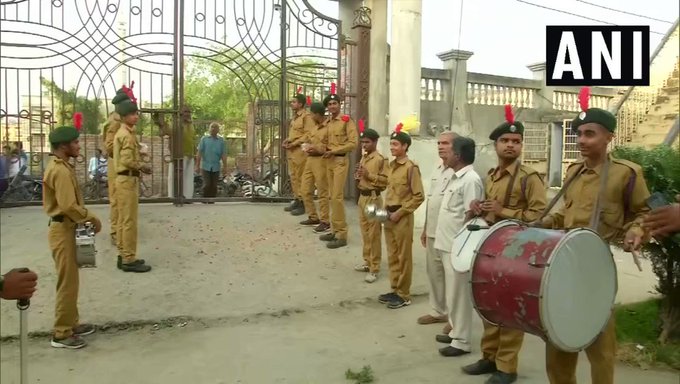
Voters at one polling booth in Baraut – in the northern state of Uttar Pradesh – got a royal welcome with people greeted by drums and a shower of flower petals.

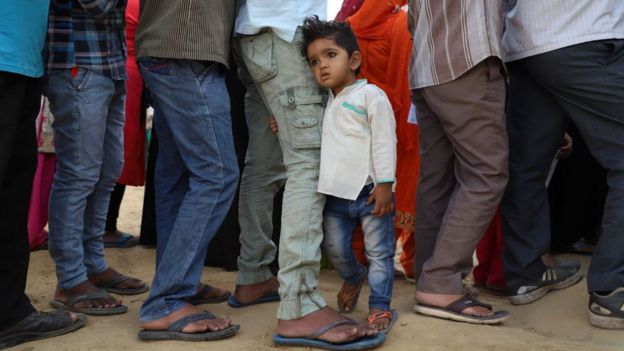
A little boy clutches his father outside a polling booth in Ghaziabad in Uttar Pradesh stateImage copyrightGETTY IMAGES
Image caption A little boy clutches his father outside a polling booth in Ghaziabad in Uttar Pradesh state

In central Chhattisgarh state, suspected Maoists detonated an IED device near a polling booth at around 04:00 local time (23:30 BST) – no injuries were reported.

The mineral-rich state has witnessed an armed conflict for more than three decades and attacks by Maoist rebels on security forces are common. On Tuesday a state lawmaker was killed in a suspected rebel attack.

How big is this election?

It is mind-bogglingly vast – about 900 million people above the age of 18 will be eligible to cast their ballots at one million polling stations. At the last election, vote turn-out was around 66%.

More than 100 million people are eligible to vote in the first phase of the election on Thursday.

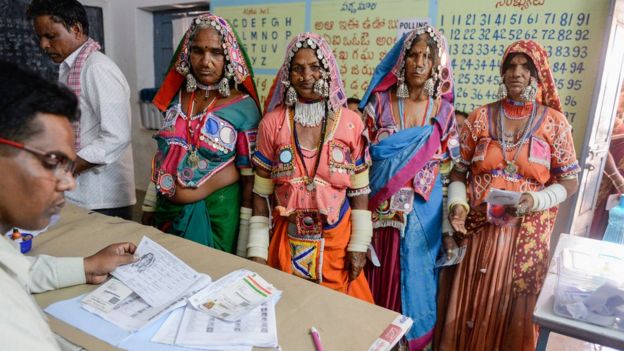
An official checks the names of Indian lambadi tribeswomen at a polling station during India's general election at Pedda Shapur village on the outskirts of Hyderabad on April 11, 2019.Image copyrightGETTY IMAGES
Image caption Indian lambadi tribeswomen at a polling station in southern India

No voter is meant to have to travel more than 2km to reach a polling station. Because of the enormous number of election officials and security personnel involved, voting will take place in seven stages between 11 April and 19 May.

India’s historic first election in 1951-52 took three months to complete. Between 1962 and 1989, elections were completed in four to 10 days. The four-day elections in 1980 were the country’s shortest ever.

Source: The BBC
10/04/2019

Dalai Lama recovers from chest infection in hospital

NEW DELHI (Reuters) – The Tibetan spiritual leader, the Dalai Lama, was admitted to hospital in the Indian capital of New Delhi with a chest infection, but is doing fine, an aide said on Wednesday, as social media users prayed for the Buddhist monk’s fast recovery.

The 83-year-old Nobel peace laureate, who fled to India in early 1959 after a failed uprising against Chinese rule, lives in exile in the northern hill town of Dharamshala.

“His Holiness is doing fine now,” Tseten Samdup Chhoekyapa, the Dalai Lama’s press secretary, told Reuters, without giving details.

The Dalai Lama, who was diagnosed with a chest infection after being admitted to hospital on Tuesday, complaining of discomfort, will spend a few days in hospital, his personal secretary said.

A hospital official declined to comment on his medical condition, citing patient confidentiality.

Many of his supporters posted messages on social media wishing him a speedy recovery.

“Concerned that he has been hospitalised,” tweeted Naveen Patnaik, chief minister of India’s eastern state of Odisha.

“The world needs him.”

About 100,000 Tibetans live in India and many worry that their fight for a genuinely autonomous homeland would end with the Dalai Lama.

He told Reuters last month his incarnation could be found in India after he dies, and warned that any other successor named by China would not be respected.

But many Tibetans, whose tradition holds that the soul of a senior Buddhist monk is reincarnated in the body of a child on his death, suspect any Chinese role as a ploy to exert influence on the community.
In Beijing, foreign ministry spokesman Lu Kang told a regular news briefing he was not aware of the Dalai Lama’s physical condition, but added, “The reincarnation of the Dalai Lama should follow the relevant Chinese laws, regulations and religious rituals.”
Source: Reuters
08/04/2019

India election 2019: Are India’s farmers receiving what they were promised?

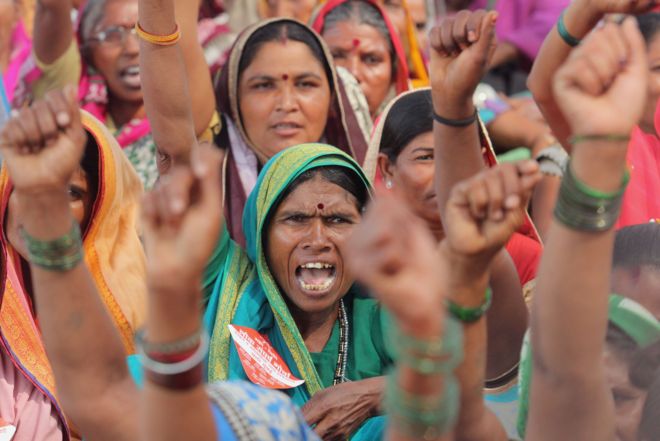
Farmers near Mumbai protesting for better compensationImage copyrightGETTY IMAGES

The plight of India’s farmers has been a major theme in the campaigns ahead of national elections, which get under way on 11 April.

Angry farmers have regularly taken to the streets demanding a better financial deal.

Many find themselves in debt and burdened by other liabilities they’ve taken on to buy seed, fertilisers and equipment.

Thousands of farmers commit suicide every year in India, although the reasons are often complex.

Presentational grey line

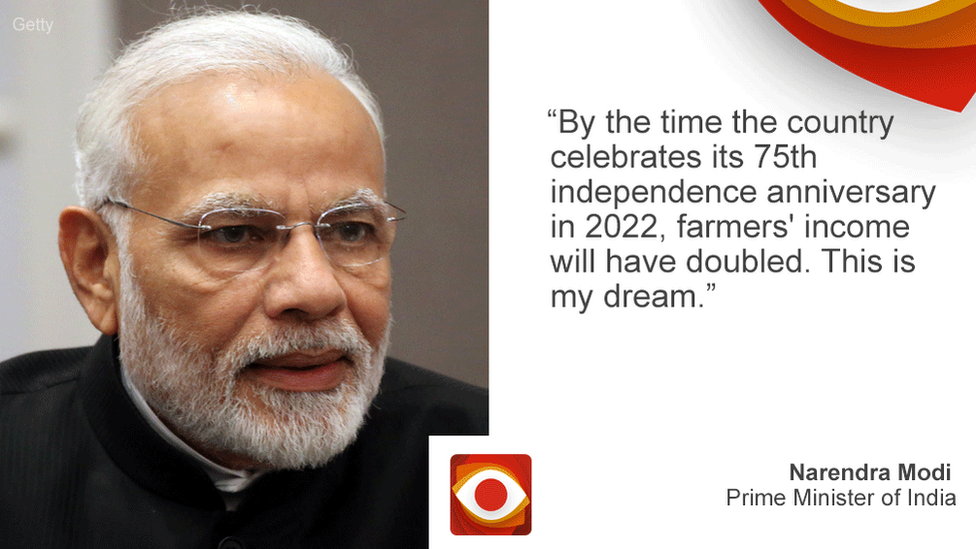
Pledge: Speaking in 2016, India’s Prime Minister, Narendra Modi, said farmers’ incomes would double by 2022.

Verdict: Official data shows farmers’ incomes were rising between 2013 and 2016. Income data for the past two years is not available but there are signs the rural economy is depressed. Unless there is a significant upturn, the doubling of farm incomes by 2022 is unlikely.

Modi quote card
Presentational grey line

The government has now pledged to pay 6,000 Indian rupees (£64) a year to help farmers with holdings of less than two hectares (20,000 sq m), in a bid to reach that goal.

These moves have been criticised by opposition parties as vote-buying ahead of the elections.

The agricultural sector employs more than 40% of the workforce in India, despite its shrinking contribution to the country’s gross domestic product (GDP), the total value of goods and services produced.

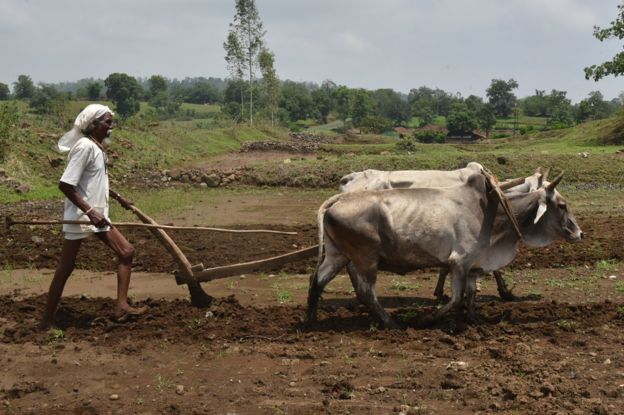
Farmer ploughing field near Jabalpur, India

What’s happened to farming incomes?

In 2016, the average monthly income of a farming household was about 9,000 Indian rupees (£100), according to a survey conducted by the National Bank for Agriculture and Rural Development.

This report also found that farmers’ income had increased by 40% in the three years up to 2016, the latest year for which data is available.

However, there is evidence of a more recent slowdown in the rural economy.

According to one estimate, farm income, which had grown by more than 14% in the year to 2017, slumped to just over a 2% growth rate between 2017 and 2018.

And in several state elections in December 2018, the ruling BJP fared poorly – something put down to growing discontent in rural areas.

What problems do farmers face?

Droughts, bad weather and a lack of modern equipment have plagued Indian agriculture for decades.

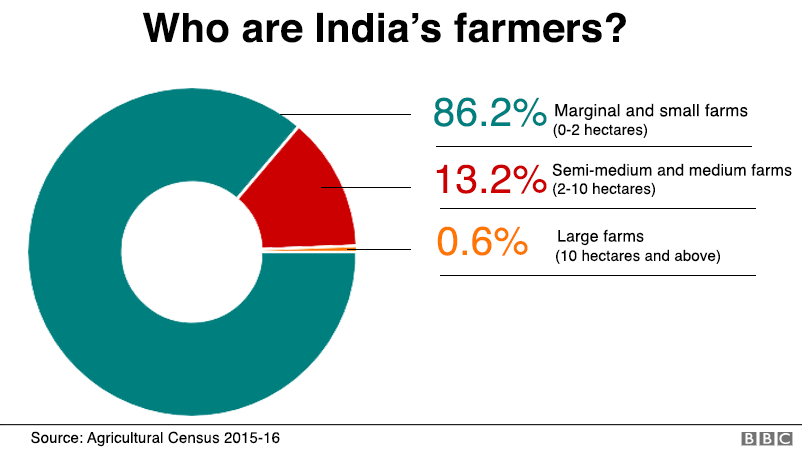
In addition, many of India’s farmers work on vulnerable small or marginal holdings.

Pie chart showing size of farm holdings

The current administration has introduced pro-farming policies that include:

  • a crop insurance scheme
  • a soil health card scheme to improve productivity
  • an online trading platform for agricultural produce

But it’s also faced criticism for other policies that have negatively affected farmers – such as the sudden decision to 2016 withdraw the 500 and 1,000 rupee notes from circulation in a bid to tackle the black economy.

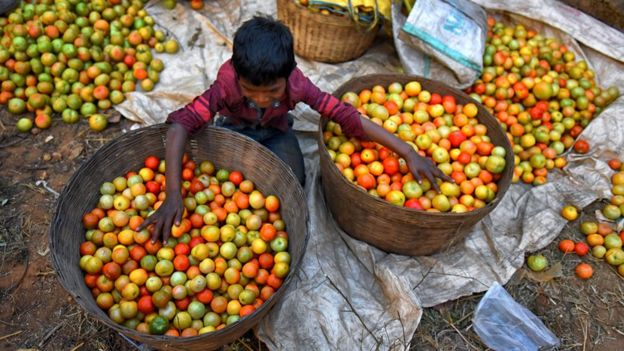
Boy sorting tomato cropImage copyrightGETTY IMAGES
Image captionThere are issues with storage and processing

Why aren’t farmers earning more?

A very good harvest in any year will result in a sharp fall in the price of a commodity.

This helps keep food prices in check for urban consumers but is not so good for rural producers.

To counter this, the government sets a minimum purchase price for major agricultural products each year.

However, a recent official report pointed out serious shortcomings of these price controls.

It cited a lack of awareness among farmers, delays in payments and insufficient facilities to enable farmers to store produce at government-controlled warehouses.

At various times over the years, national and state governments have also announced loan waivers for farmers to write off their debts.

These schemes are expensive and not everyone qualifies for help.

Source: The BBC
08/04/2019

BJP vows to strip Kashmir of special rights

NEW DELHI (Reuters) – India’s Hindu nationalist ruling party vowed on Monday to strip decades-old special rights from the people of Jammu and Kashmir, making an election promise that could provoke a backlash in the country’s only Muslim-majority state.

Prime Minister Narendra Modi’s Bharatiya Janata Party (BJP)is widely expected to retain power after a general election that starts on Thursday, though with a much smaller mandate, hit by concerns over a shortage of jobs and weak farm prices.

Pollsters say its re-election campaign got a boost from recent hostilities with arch-rival Pakistan, after a militant group based there claimed a February suicide bombing that killed 40 Indian security forces in the Himalayan region.

“Nationalism is our inspiration,” Modi said after releasing the BJP’s election manifesto at its headquarters in New Delhi, as supporters chanted “Modi, Modi”.

The BJP has consistently advocated an end to Kashmir’s special constitutional status, which prevents outsiders from buying property there, arguing that such laws have hindered its integration with the rest of India.

“We believe that Article 35A is an obstacle in the development of the state,” the party said, referring to a constitutional provision dating from 1954, and reiterated its long-held desire to abolish Kashmir’s autonomous status by scrapping another law known as Article 370.

BJP supporters have demanded the removal, expressing anger at many Kashmiris’ resistance to rule by India, which has spent three decades battling an armed insurgency in the region also claimed by Pakistan.

“The BJP’s campaign is largely around nationalism, national security and this is what is getting echoed in their manifesto,” said Sanjay Kumar, director of thinktank the Centre for the Study of Developing Societies.

Repeal would bring widespread unrest, Kashmiri political leaders warned.

“Let them do it and it will pave the way for our azadi,” Farooq Abdullah, president of Kashmir’s National Conference party, told an election rally, referring to freedom for the region. “They are wrong. We will fight against it.”

Mohammad Yousuf Tarigami, the leader of a left party in Kashmir, warned of “disastrous and unimaginable repercussions”.

Voting in the general election reut.rs/2KhaQlG begins on Thursday, but with about 900 million eligible voters, will be spread across several weeks, with ballots counted on May 23.

INCREASED INVESTMENT, TAX REFORM

In its manifesto last week, the main opposition Congress party pledged to create more jobs, hand money to India’s poorest and change a law on special powers for troops in Kashmir.

It dismissed the BJP manifesto as anti-farmer, despite its pledge of a pension scheme for small and marginal farmers who make up more than 80 percent of India’s estimated 263 million farmers, with landholdings smaller than 2 hectares (5 acres).

“Remember the good old days before 2014 when Indians had jobs and a PM that didn’t lie to them,” Congress said on Twitter, with a hashtag calling the BJP manifesto a gimmick.

The BJP also promised capital investment of 100 trillion rupees ($1.44 trillion) in infrastructure by 2024, to help create jobs for millions entering the workforce each year.

It pledged to simplify the goods and services tax, which disrupted businesses and hurt growth when Modi introduced it in 2017.

The party will work to cut tax and boost credit to small businesses to 1 trillion rupees ($14.4 billion) by 2024, it added.

Source: Reuters

08/04/2019

UK court rejects Vijay Mallya’s request to appeal against extradition order

vijay mallya,mallya extradition,vijay mallya extradition
A London court has rejected Vijay Mallya’s plea against extradition, bringing him one step closer to being repatriated to India.(Getty Images)

In another legal win for India, a judge in the appeals court of the high court has rejected controversial businessman Vijay Mallya’s application for permission to appeal against home secretary Sajid Javid’s February 4 order to extradite him to India.

Mallya had applied to the court on February 14 and the Home Office submitted its response within the stipulated 20 days. Legal experts say the case is usually allowed to go for a full appeals hearing if new grounds or evidence not previously considered in lower courts are cited.

The appeals court has refused him permission, according to individuals with close knowledge of the case. The refusal suggests that the judge may not have seen merit in Mallya’s application. The case is now expected to revert to the Home Office.

Also read: Beer king Vijay Mallya may have to curb his $24,000-a-week life

Mallya is likely to make a representation to the home secretary to prevent extradition on human rights and other grounds. He previously lost his challenge in the Westminster magistrates court, which ordered his extradition in December 2018.

There is a precedent for resorting to ‘representations’ as the last recourse. Tiger Hanif, who is wanted in India in connection with blasts in Surat in 1993, lost all legal challenges in 2013, but has since made representations to prevent extradition to the home secretary, who has not yet taken a decision.

Also read: Vijay Mallya’s extradition will speed up trial, jail barrack ready for him: ED

Facing charges in India of financial irregularities amounting to over Rs 9,000 crore, Mallya has been putting forth his version of events through social media in recent weeks, most recently on March 31 following an interview to a television channel by Prime Minister Narendra Modi.

In a series of tweets, Mallya used the reported financial problems of Jet Airways to plug his case, demanding that his assets placed before the Karnataka high court be used to pay off banks and other creditors, adding: “It will help them to save Jet Airways if nothing else”.

“The same PSU Banks let India’s finest airline with the best employees and connectivity fail ruthlessly. Double standards under NDA”, he added.
Wishing banks had similarly bailed out his Kingfisher Airlines, he said: “BJP spokesman eloquently read out my letters to PM Manmohan Singh and alleged that PSU Banks under the UPA Government had wrongly supported Kingfisher Airlines”.
“Media decimated me for writing to the PM. I wonder what has changed now under the NDA Government”.
Mallya has previously taken to twitter to seek to change the narrative that he “stole” money from India and fled, reiterating that he had offered to return the loans, wondering why the government was not taking up the offer.
Source: Hindustan Times
07/04/2019

Greece says EU’s China concerns must not harm its economic interests

  • Deputy prime minister Yannis Dragasakis hopes ‘logic will prevail’ ahead of EU-China summit
  • Affirms Greek support for Beijing’s belt and road plan for global trade
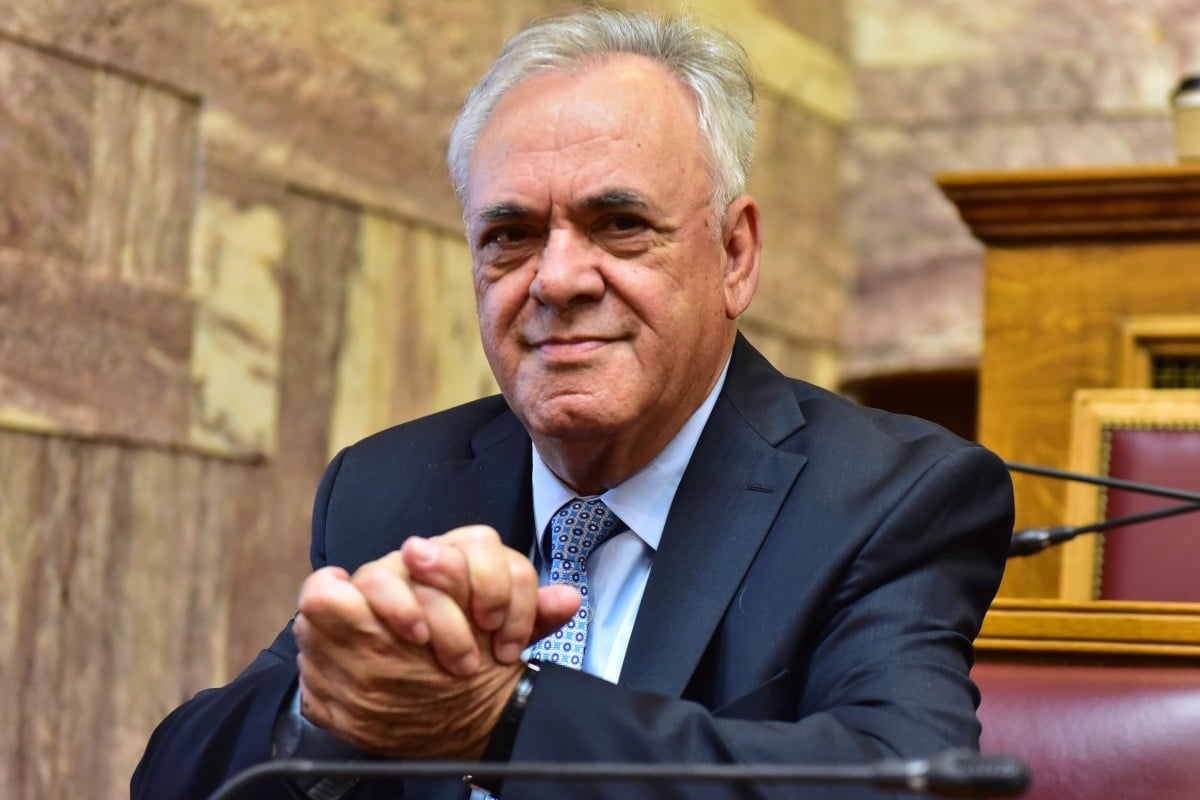
Greece’s deputy prime minister Yannis Dragasakis says the European Union’s suspicion about China is in danger of becoming a “self-fulfilling prophecy”. Photo: Alamy
The deputy prime minister of Greece has warned that European Union suspicion of China is in danger of becoming a “self-fulfilling prophecy” while reaffirming his country’s support for Beijing’s controversial “Belt and Road Initiative”.
In an exclusive interview with theSouth China Morning Post in Athens on Monday, Yannis Dragasakis said he hoped logic would prevail in the EU’s relationship with the world’s second-largest economy.
“We would like to see the EU having good relations with China,” he said.
“Seriously, we should start [the discussion about China] from the opposite end, which is, what are the needs and problems that we can work on with China?”
Dragasakis was speaking ahead of the annual summit between the EU and China in Brussels on Wednesday, which this year will take place against a backdrop of suspicion among some EU countries over Beijing’s political and commercial ambitions in the region.
Europe has been divided over whether to work with China’s enormous belt and road plan, which aims to link China by sea and land with southeast and central Asia, the Middle East, Europe and Africa, through an infrastructure network along the lines of the old Silk Road.
Italy becomes first G7 nation to sign up for China’s belt and road plan

Washington has criticised the scheme as a “vanity project”, and the EU looks set to refer to China as a “strategic rival”, with some European leaders fearing Beijing’s diplomatic manoeuvres could derail unity among member states.

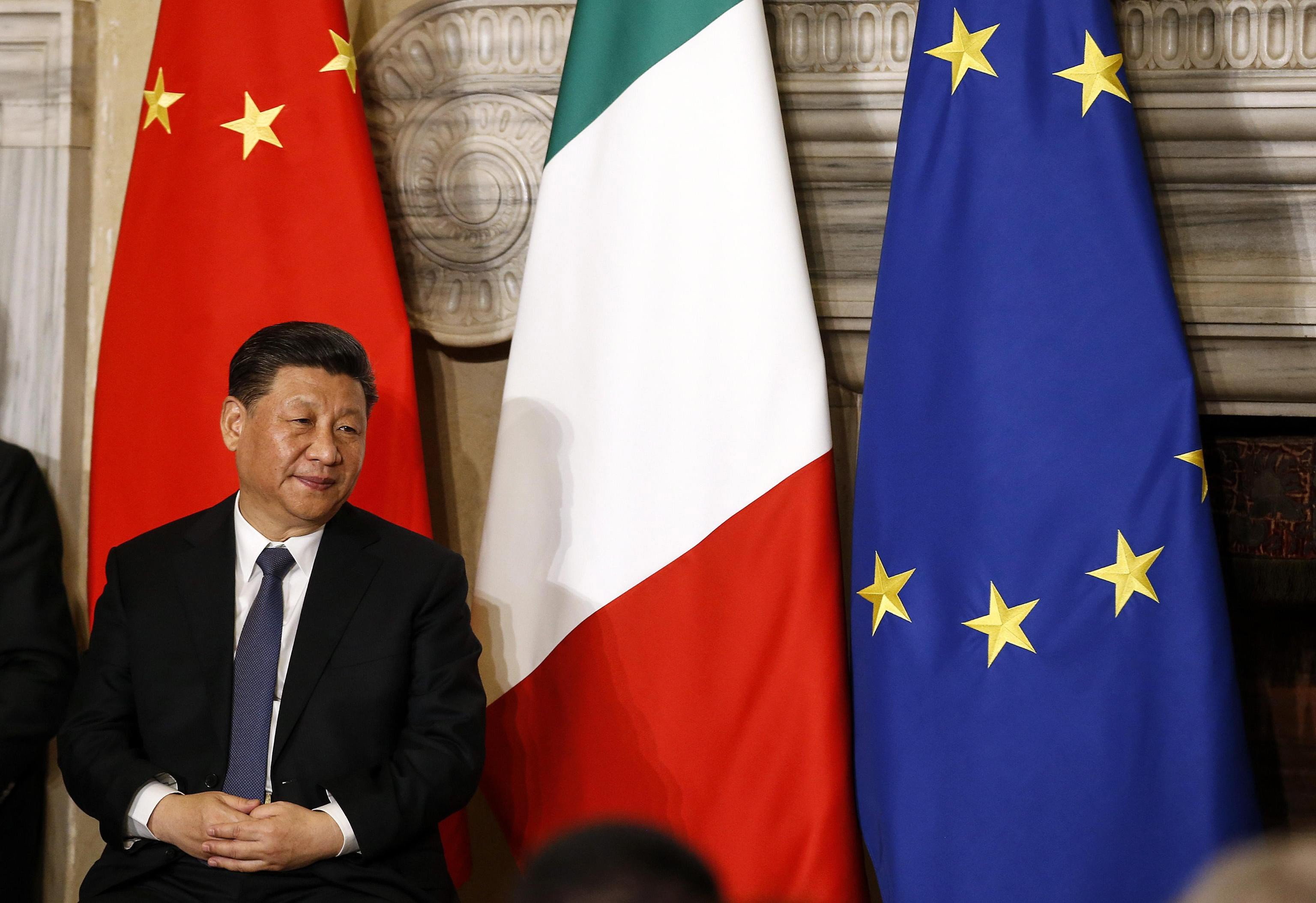
Last month Italy, which is grappling with its third recession in a decade, became the first G7 nation to join the belt and road programme, in a bid to boost exports and upgrade its port facilities.

Last year Greece – ranked second lowest in economic competitiveness within the EU by the World Economic Forum in 2018 – signed up to the scheme, after years of relying on China to help it through its own financial crisis.

Chinese state-owned shipping company Cosco bought a 51 per cent stake in Pireaus Port, Greece’s most important infrastructure hub in 2016 with an option to buy another 16 per cent after five years.

China aims to make the port the “dragon head” of its belt and road programme, serving as a gateway for its cargo to Europe and North Africa.

Will Greece be China’s bridge to the rest of Europe?

With its warming relationship with Beijing, Athens has, at times, departed from EU positions on China.

In 2016, Greece helped stop the EU from issuing a unified statement against Chinese aggression in the South China Sea. The following year, Athens stopped the bloc from condemning China’s human rights record. Days later, it opposed tougher screening on China’s investments in Europe.

Dragasakis was clear that the EU should not devise any policies that may hinder Greece’s ability to revive its economy.

“Greece badly needs investment. We hope logic will prevail at the end of the day, which means we should take advantage of all opportunities and build on these prospects to further our collaboration,” he said.

“Greece will keep following a multidimensional policy, an inclusive policy, without excluding anyone.”

Dragasakis hit back at France and Germany for treating China as a geopolitical rival, while simultaneously signing up to trade agreements with Beijing.

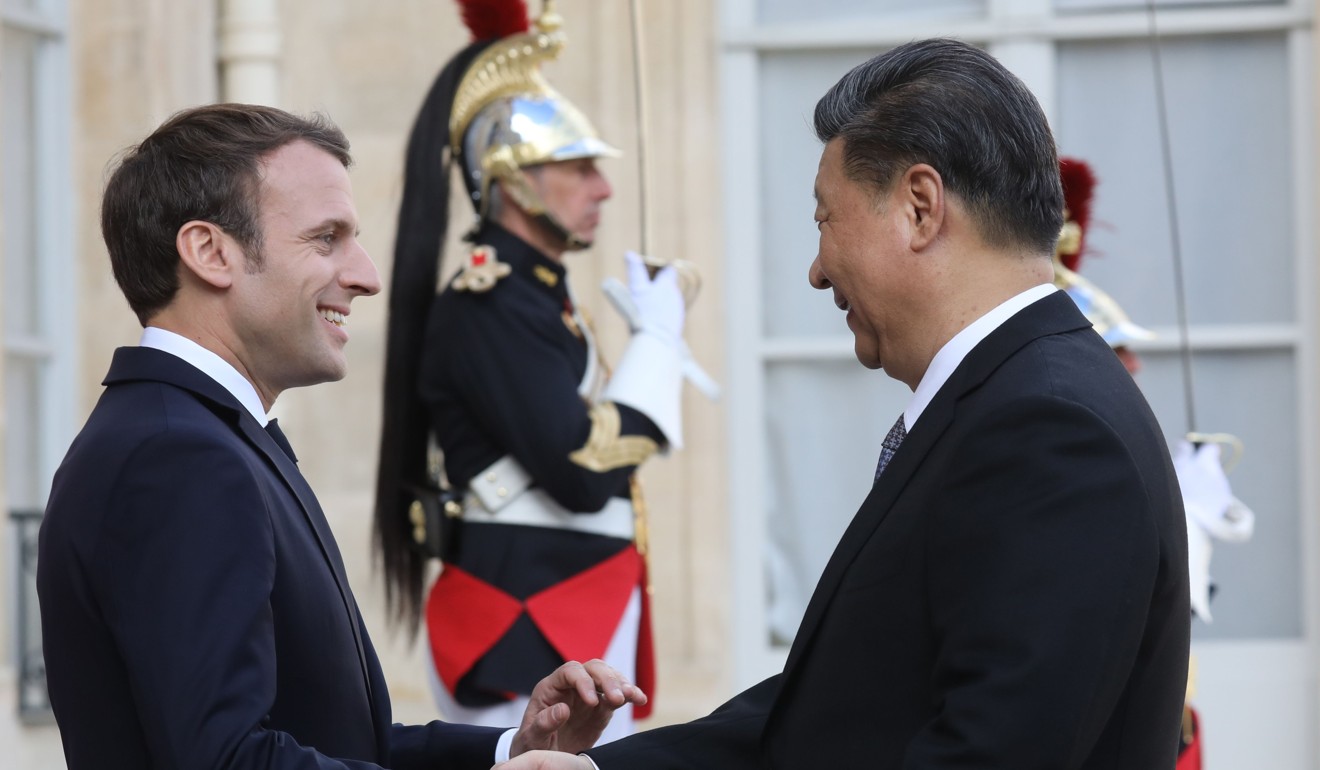
Days before receiving Chinese President Xi Jinping in France last month, President Emmanuel Macron declared that the “time of European naivety” towards China was over – a remark the Greek deputy prime minister described as “interesting” during the interview.

“It’s so interesting, yes. Mr Macron, despite his statement, actually signed very large-scale agreements with China,” he said, adding: “Germany, the same”.

French President Emmanuel Macron welcomes Chinese President Xi Jinping to the Elysee Palace in Paris last month. Photo: AFP

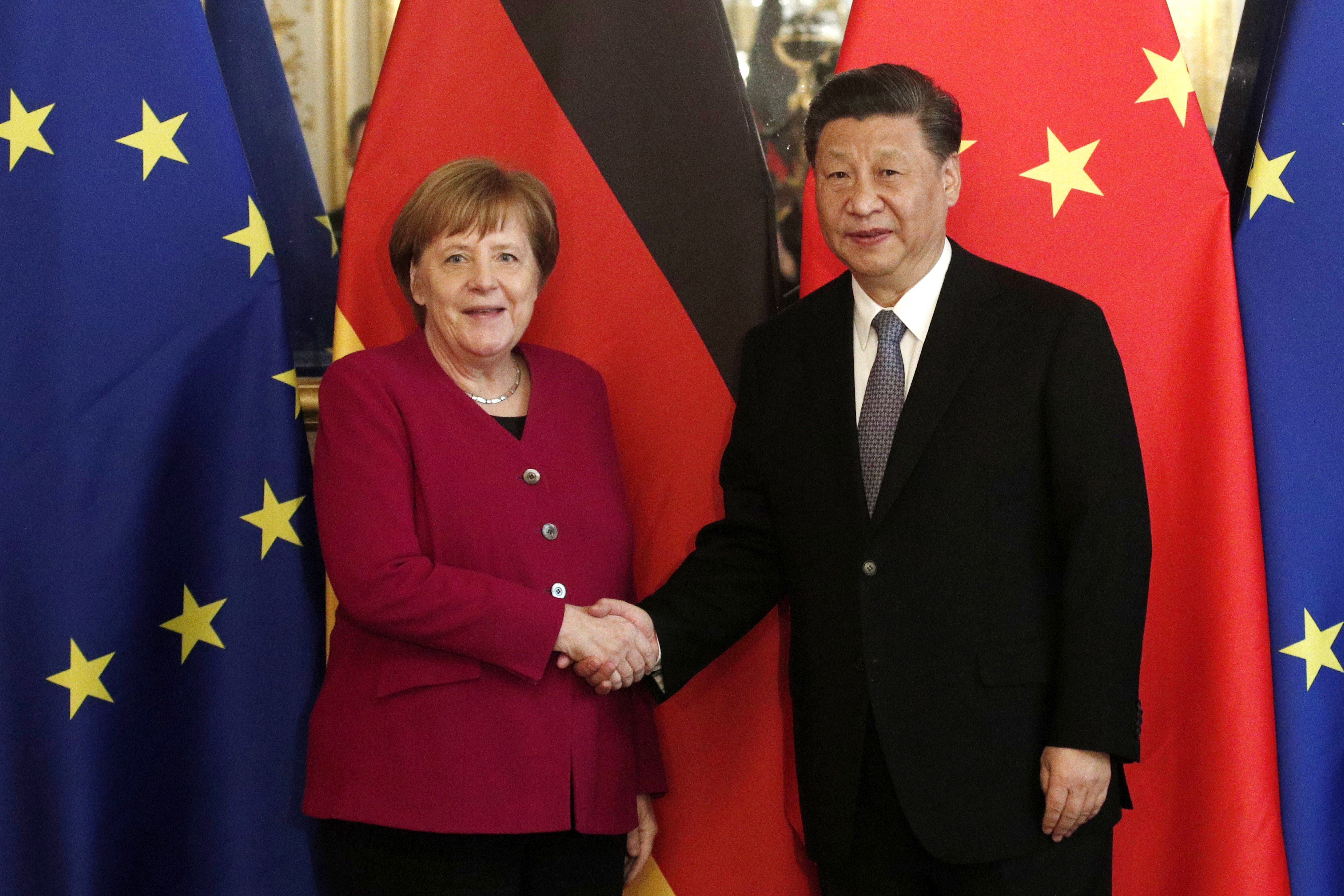
Macron invited German Chancellor Angela Merkel and European Commission President Jean-Claude Juncker to his meeting in Paris with Xi, where the four sought to reassure each other over economic cooperation between the European trading bloc and China.

Dragasakis said Greece’s relations with China were based on “very solid ground” with the two countries sharing complementary interests, particularly through the belt and road plan.

Greek Prime Minister Alexis Tsipras is understood to be considering joining Foreign Minister George Katrougalos at the belt and road summit in Beijing, which will be hosted by Xi later this month.

More than 40 heads of state are expected to attend the summit, with China’s foreign ministry recently saying that Europe had started to see the value of the scheme.

If confirmed, Tsipras’ presence at the summit will be interpreted as an attempt by Greece to consolidate Chinese support in the wake of Italy’s joining of the scheme.

He will also need to mend ties with Beijing, following a recent decision by Greece’s archaeological body to block a plan by Cosco to upgrade facilities at the Piraeus port, throwing the future of the multimillion euro privatisation deal into uncertainty.

Portugal’s support for China’s belt and road plan ‘bad news’ for EU

Dragasakis said there were strong prospects for the future relationship between Greece and China because of the two countries’ reciprocal interest.

Relations with other Asian countries, while not yet as close as Greek ties with China, would continue to be developed, he said.

Dragasakis said Athens would not adopt discriminatory policies against any country as it looked to shore up foreign investments to boost its economy.

India, for instance, has set its sights on Greece as a potential business partner, with President Ram Nath Kovind becoming its first titular head of state to visit Greece last year.

“Relations with India are lagging behind – they are not at the same level as with China, but of course we are mulling further developments with India,” Dragasakis said, adding that Greece would also work more closely with Japan, South Korea and Vietnam.

EU leaders hold out olive branch to Chinese ‘rival’ by saying they want active role in Belt and Road Initiative

EU leaders hold out olive branch to China over belt and road

Read more

China will not divide Europe, senior diplomat says

China will not divide Europe, senior diplomat says

Read more

Beijing calls for ‘objective’ assessment of human rights record.


Source: SCMP

07/04/2019

India eco-school: Is this the greenest campus on Earth?

School
Image captionThe school’s surrounding mountainous landscape is almost devoid of vegetation as it is above the tree line

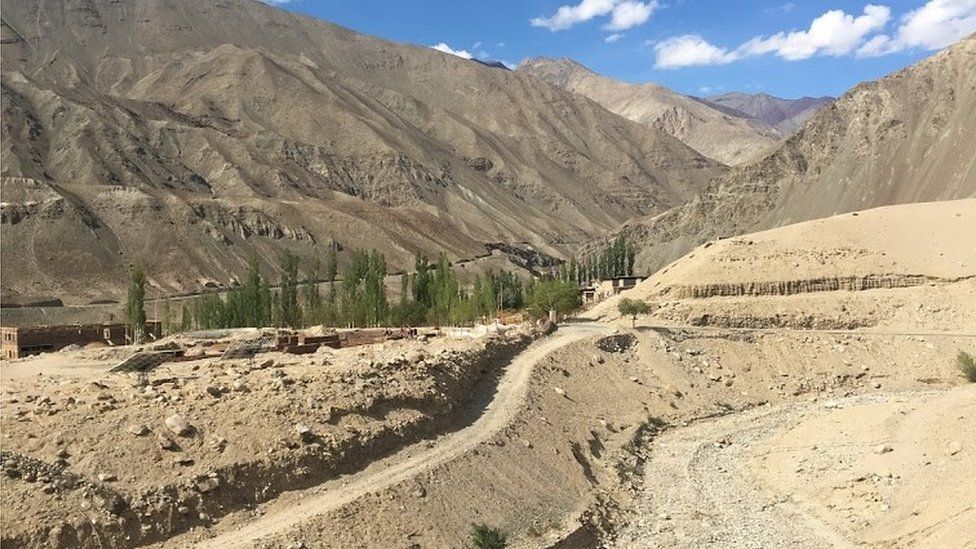
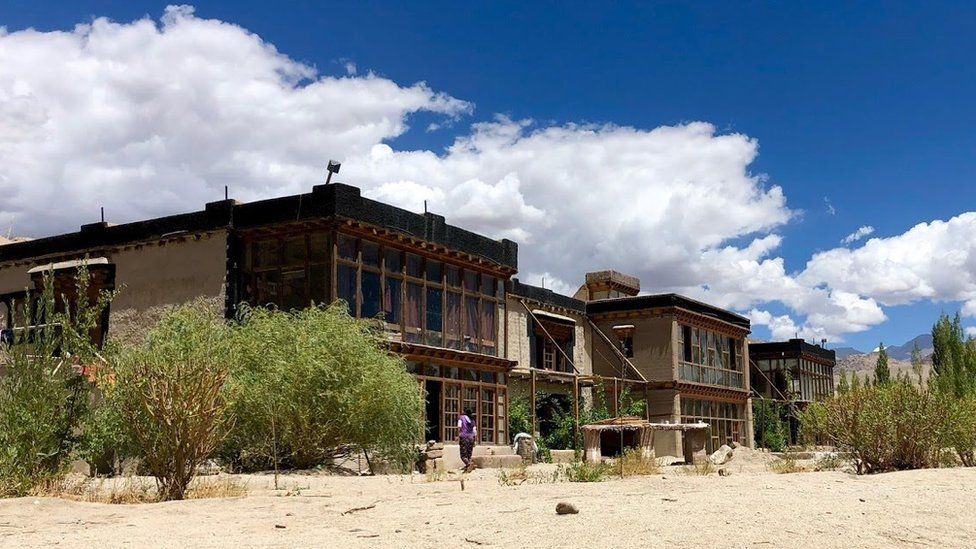
Secmol is a school pioneering practical green education in one of the world’s harshest environments.

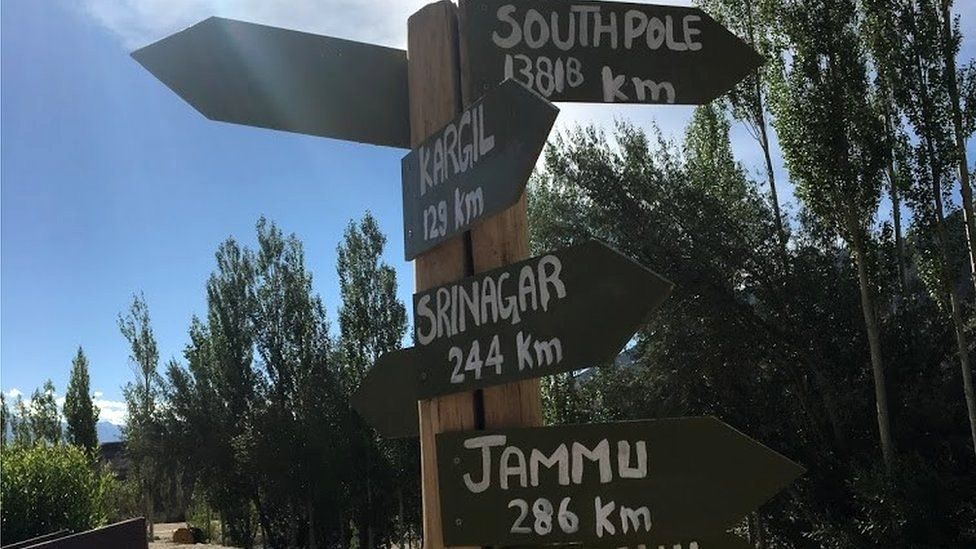
Its campus is perched nearly 11,000ft (3,350m) up in the pre-Himalayan mountains along the Indus River in Ladakh, in the Indian state of Jammu and Kashmir.

Road sign

The teenage pupils at Secmol (Students’ Educational and Cultural Movement of Ladakh) lack wi-fi and almost all phone coverage, in an area only accessible by air during the long harsh winter when deep snow renders roads out of the province impassable.

The surrounding mountainous landscape is almost devoid of vegetation as it is above the tree line.

Secmol
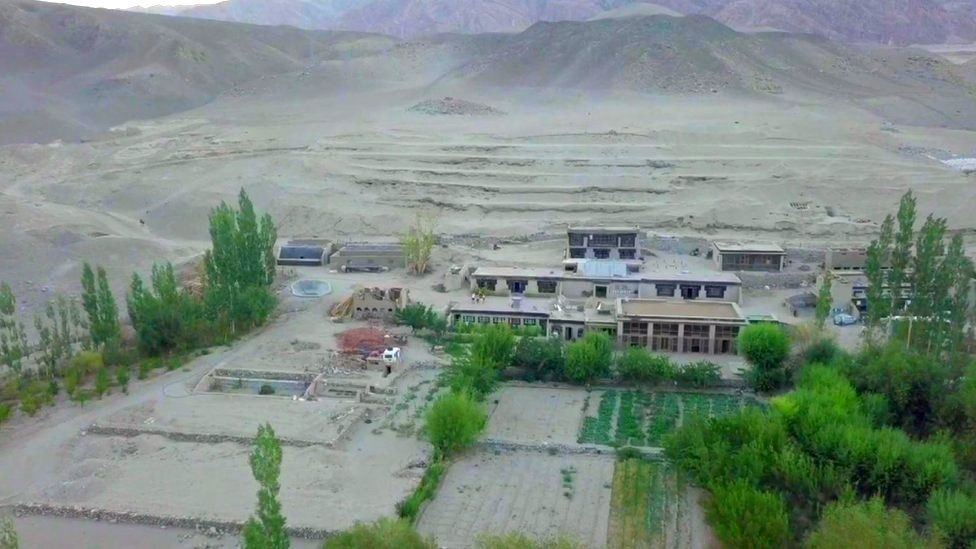
Drone footage of schoolImage copyrightSUMEDH CHAPHEKAR

The school even sets its own time zone to maximise sunlight, which also reminds every student and visitor that when they pass the gates they are entering a different world.

Pupils are all from the regular Ladakhi school system and only those who have failed their year 10 exams are permitted to attend. There are also a number of university students who form a core part of the community along with the teachers.

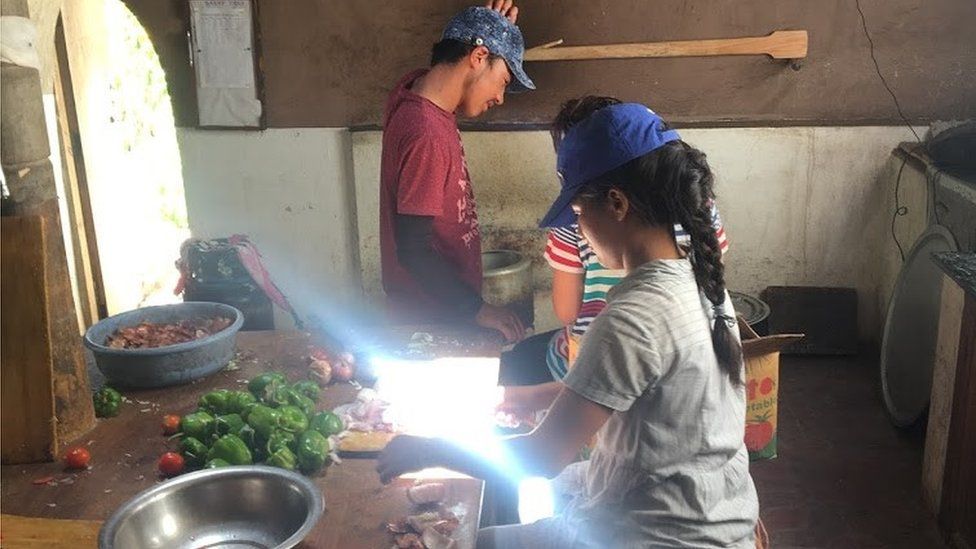
Child helping prepare food in kitchen

School director Konchok Norgay explained to the BBC that the students learn about the environment for an hour or two each day.

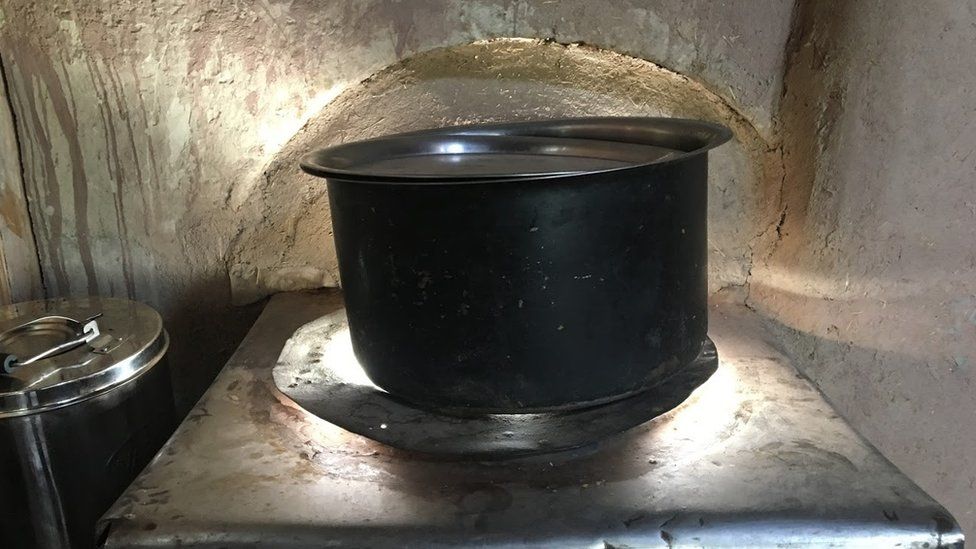
In a typical maths lesson, they may calculate if the water from the spring is enough for tree planting, or work out the efficiency of the solar cooker that they use for heating water.

Mirrors used to harness the sun's intense heat

The solar cooker looks impressive, with mirrors crafted to catch the harsh sunlight, focusing their power to create intense heat.

But it is currently only used to boil water for tea.

Water is boiled using natural light

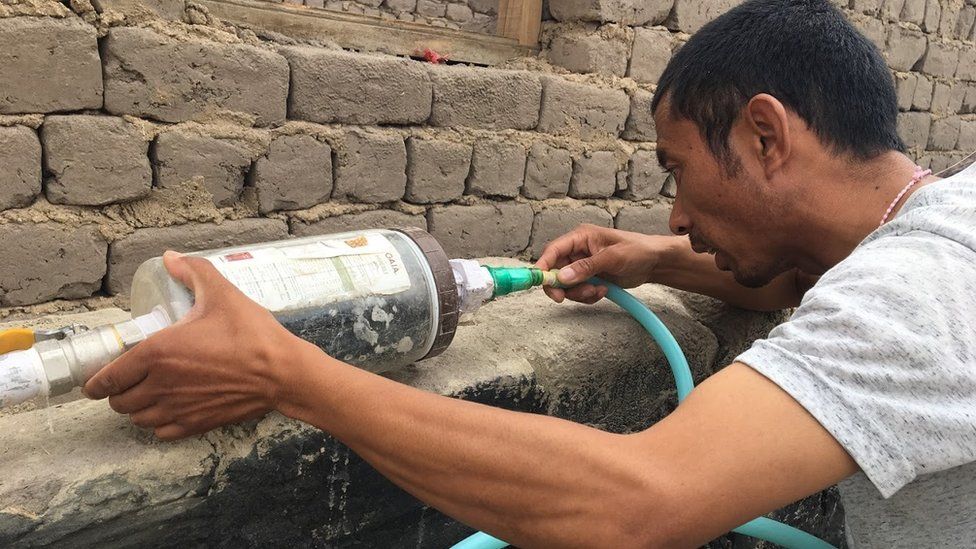
Norgay proudly showed off his experimental biogas methane digester, which is powered by slurry.

Dung is mixed with water and then placed in a long tube and left for several days.

Secmol's director Konchok Norgay

The gas rises to the top, and is filtered through steel wool to ensure the gas does not corrode the oven, before reaching a plastic inflatable reserve tank.

“It’s fantastic as not only do you use less commercial gas, but you use natural materials instead,” student Stanzin Sungrab says. “And we can use the slurry waste as fertiliser in the kitchen garden.”

Each student must perform daily responsibility shifts and develop their confidence with nightly presentations to the rest of the school and visitors.

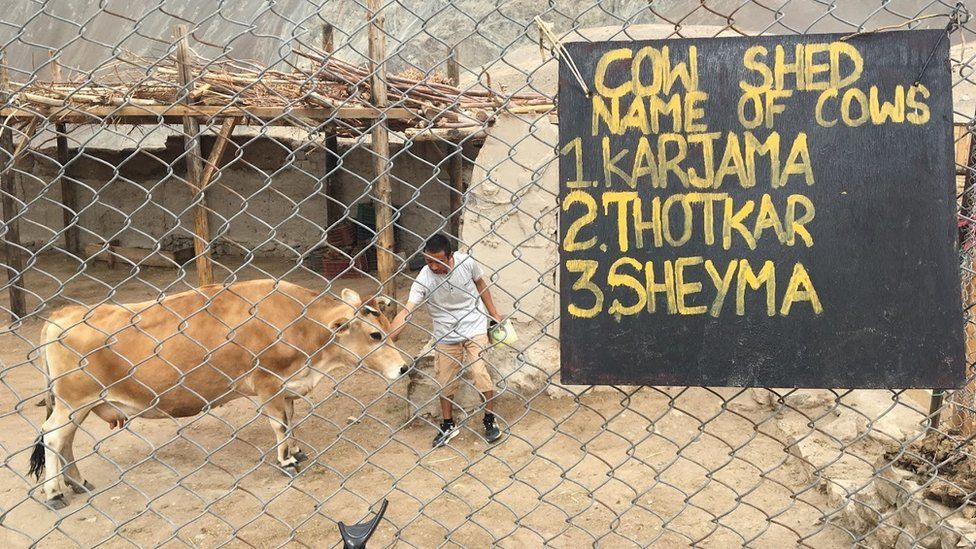
Stanzin has spent many hours developing relationships with Karjama, Thotkar and Sheyma, the campus cows.

Cow shed

When students are not on the 04:00 breakfast preparation shift, the day starts at 07:00 with a seven-minute group meditation.

Students are encouraged to focus on goals for the day over a meal of cold roti bread and homemade apricot jam.

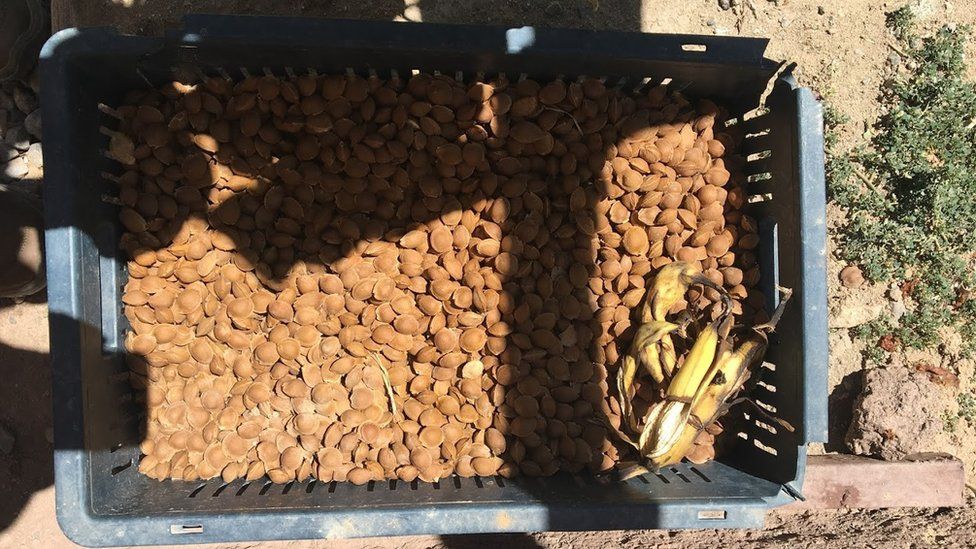
The apricot stones are sent to a neighbouring monastery, where the kernels are recycled into apricot oil.

apricot seeds for recycling

Innovation is hard-wired into the architecture of the campus, challenged by an environment where winter temperatures typically reach -15C to -25C, and summer can often peak at 30C.

Ladakh has longstanding environmental credentials – even if the recent sprouting of large concrete hotels and increasing pollution in the capital Leh are challenging its green record.

“We banned plastic bags here 30 years ago,” says Sonam Gatso, who operates a local green organisation.

Sonam also believes local Buddhist culture helps promote environmental awareness. “We try to be compassionate as we believe in Karma – cause-and-effect. If you do wrong to anyone else or the environment, wrong will come to you.”

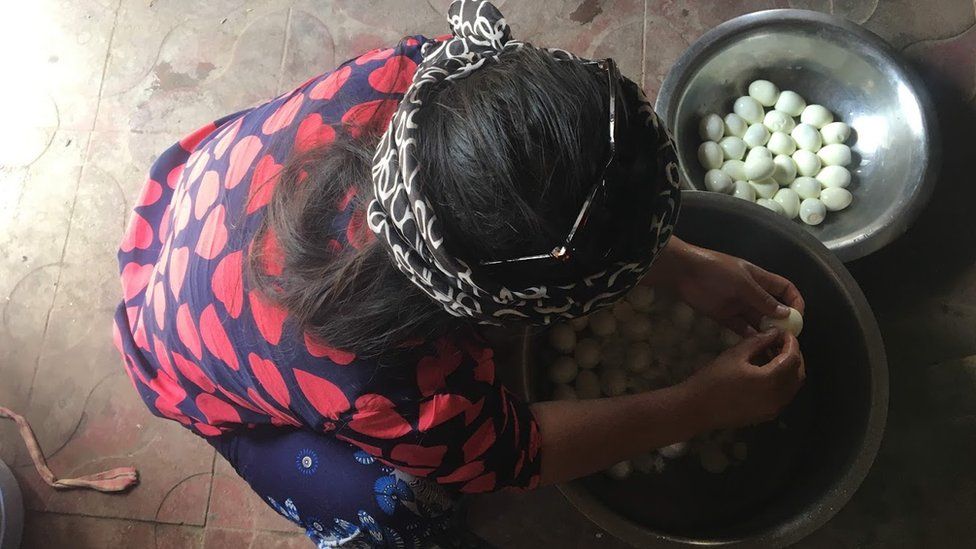
Girl peels eggs

Secmol is an impressive school, but how far can its lessons extend beyond its innovative but isolated campus?

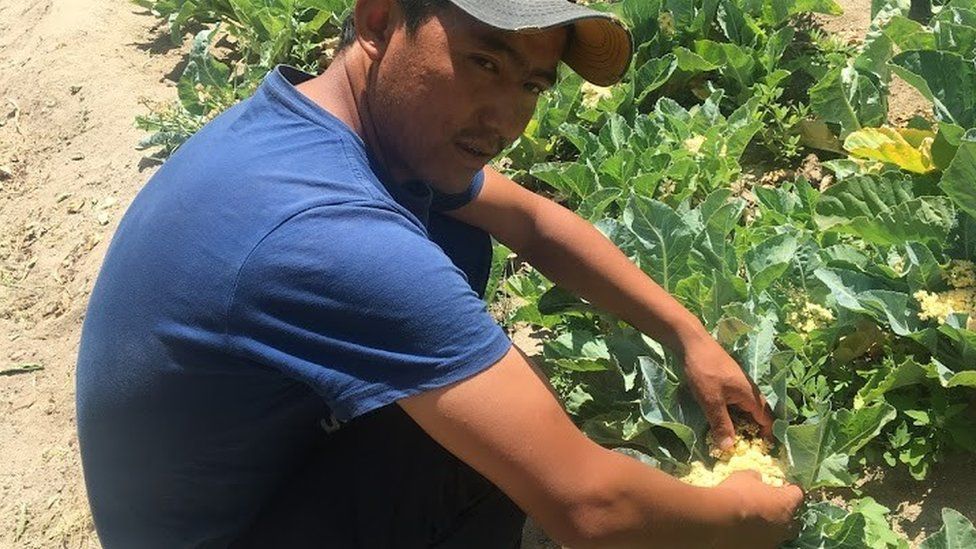
Urgain Nurbu, a former Secmol student who is now living on campus again, has been so inspired by what he learnt that he organised an environmental youth camp in his remote village.

College student Urgain Nurbu

The camp-goers make rain jackets from old plastic, and Urgain invites environmental speakers to inspire the young people.

One graduate has started her own eco-travel company, another makes environmentally-themed films.

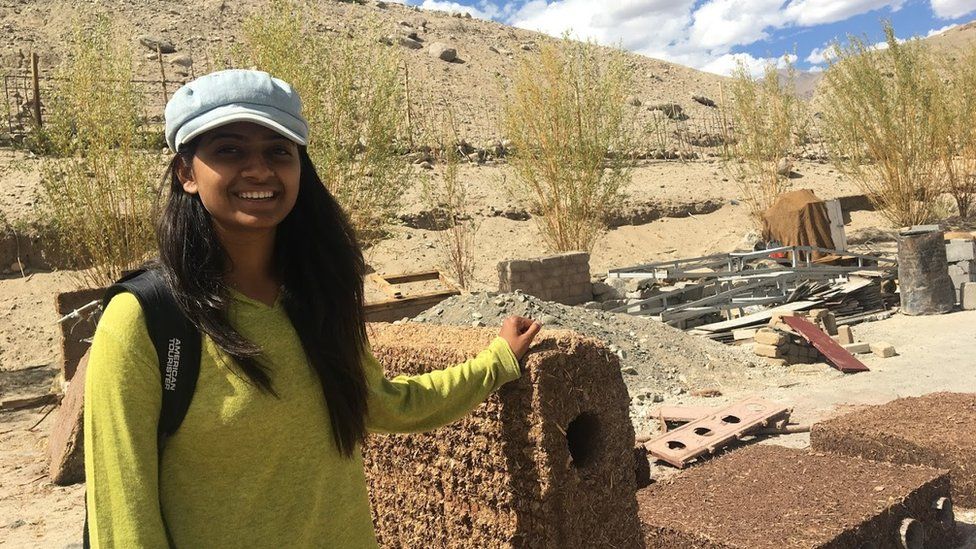
Shara, an architectural student, is now experimenting with creating pre-fabricated building blocks from mud, wood shavings and straw.

Shara

She is part of a team designing a new university in the area which plans to teach eco-tourism and green architecture, scaling the influence of ideas nurtured in Secmol’s pioneering atmosphere.

For now, the school’s impact is achieved by transforming individual mindsets to create a sense of shared responsibility.

“My grandfather told me how quiet and beautiful our village used to be and there were fish in the river,” student Padma Doma told the BBC.

“That’s why it’s so important to me to protect our precious environment. In the future, maybe it can be like that again.

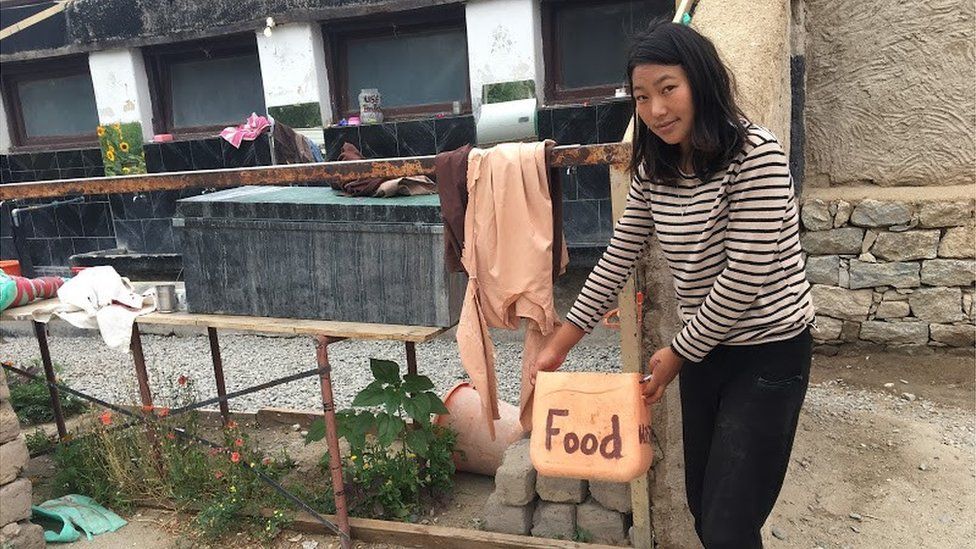
Padma Dolma shows food box

“I want to go home and convince my family to segregate their garbage. Will they listen? Perhaps not, but I will try, and if I see somebody throwing away a packet, I will pick it up.”

Stanzin feels this is “a really critical time for our planet”.

“In our homes we throw away garbage but here we recycle. In our homes we throw away plastic but here we use it for insulation.”

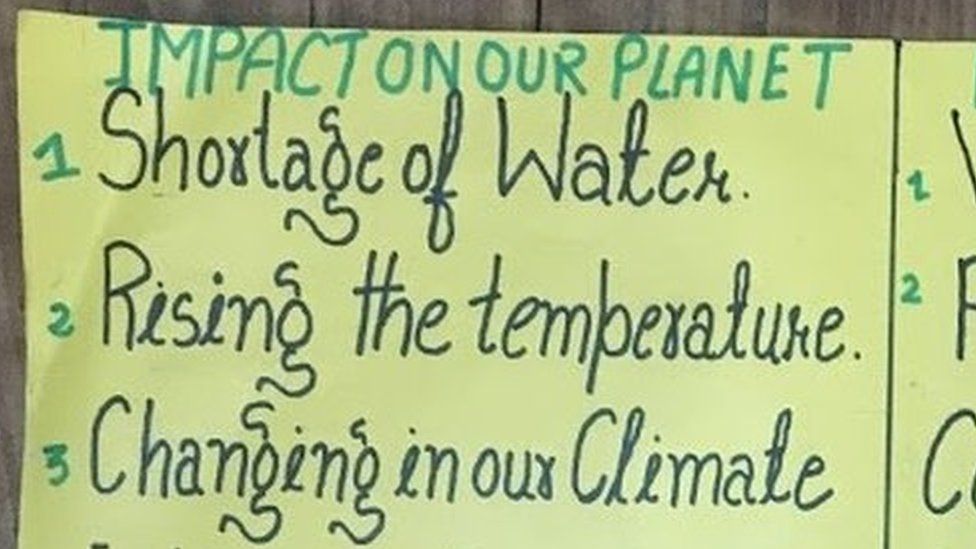
As the environment is so harsh, Ladakhis are very conscious of subtle changes in the weather, and have become increasingly aware of climate change, he says.

“Last year, we didn’t have much snow so there’s not enough snowmelt in the springtime. Because we are so high up and everything must be treasured, you learn to understand the value of the smallest drop of water.”

List of things that impact the environment

All photos Emily Kasriel unless indicated. Subject to copyright.

Source: The BBC
07/04/2019

Pakistan says India preparing another attack this month

KARACHI (Reuters) – Pakistan has “reliable intelligence” that India will attack again this month, Foreign Minister Shah Mahmood Qureshi said on Sunday, as tension over a February standoff between the two nuclear-armed neighbours had appeared to ease.

The attack could take place between April 16 and 20, he said, adding that Pakistan had told the five permanent members of the U.N. Security Council of its concerns.

A suicide car bombing by Pakistan-based militants in Indian-controlled Kashmir killed at least 40 Indian paramilitary police on Feb. 14 and the risk of conflict rose dramatically on Feb. 27, when India launched an air strike on what it said was a militant training base.

The following day Pakistan shot down an Indian fighter jet and captured its pilot who was later released.

“We have reliable intelligence that India is planning a new attack on Pakistan. As per our information this could take place between April 16 and 20,” Qureshi told reporters in his hometown of Multan.

He did not elaborate on what evidence Pakistan had or how he could be so specific with the timing, but he said Prime Minister Imran Khan had agreed to share the information with the country.

India’s foreign office didn’t immediately respond to an email seeking comment.

Khan blamed India’s ruling Bharatiya Janata Party (BJP) for “whipping up war hysteria” over claims that India shot down a Pakistani F-16 during the February standoff.

India said it, too, had shot down a Pakistani aircraft and the air force displayed pieces of a missile that it said had been fired by a Pakistani F-16 before it went down.
The success of Indian air strikes on a camp of the Jaish-e-Mohammed militant group in northwestern Pakistan has also been thrown into doubt after satellite images showed little sign of damage.
Pakistan closed its airspace amid the standoff but most commercial air traffic has since resumed and major airports have opened.
Source: reuters
Law of Unintended Consequences

continuously updated blog about China & India

ChiaHou's Book Reviews

continuously updated blog about China & India

What's wrong with the world; and its economy

continuously updated blog about China & India