Chindia Alert: You’ll be Living in their World Very Soon
aims to alert you to the threats and opportunities that China and India present. China and India require serious attention; case of ‘hidden dragon and crouching tiger’.
Without this attention, governments, businesses and, indeed, individuals may find themselves at a great disadvantage sooner rather than later.
The POSTs (front webpages) are mainly 'cuttings' from reliable sources, updated continuously.
The PAGEs (see Tabs, above) attempt to make the information more meaningful by putting some structure to the information we have researched and assembled since 2006.
Findings support earliest record of cannabis use, written in 440BC
Researchers speculate psychoactive THC had role in grim funeral rites
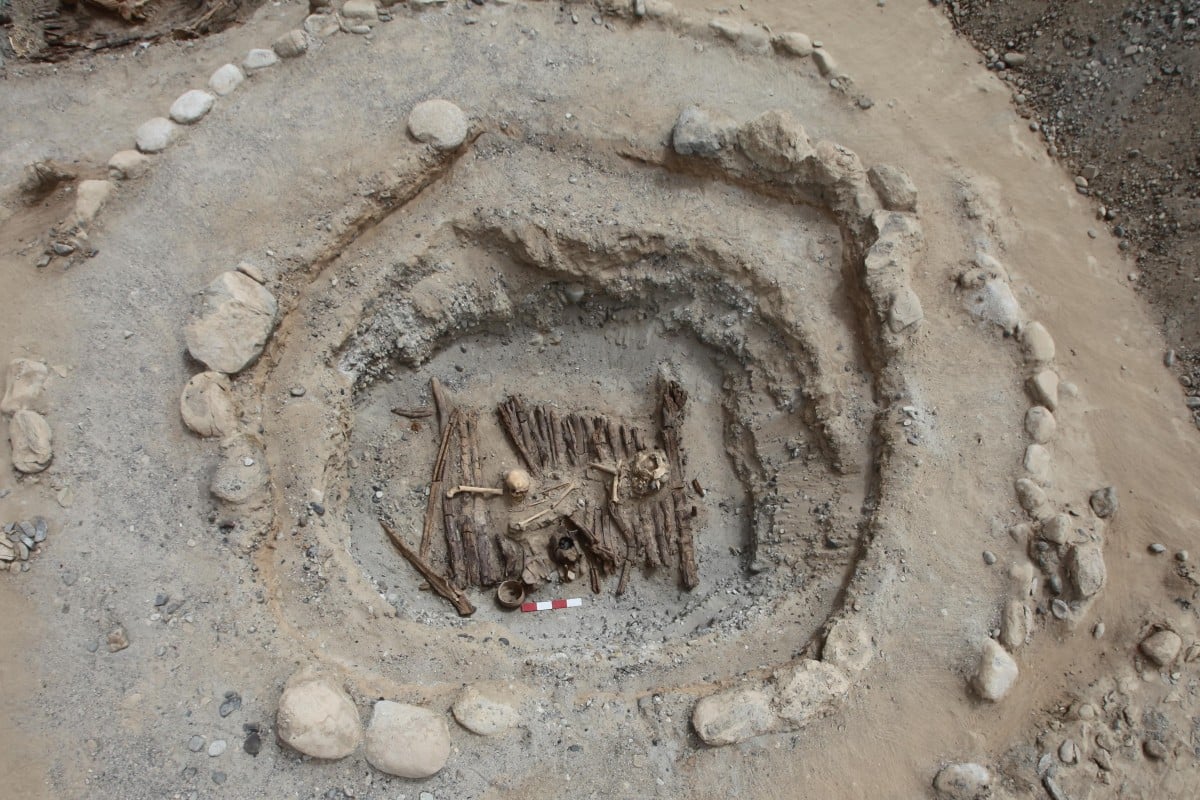
Researchers say their findings at a burial site in Xinjiang about cannabis use 2,500 years ago back up a Greek record written around 440BC. Photo: Handout
Scientists say a burial site in mountainous northwestern China contains evidence that cannabis smoke was used there as far back as 2,500 years ago, corroborating the earliest record of the practice, written by the ancient Greek historian Herodotus.
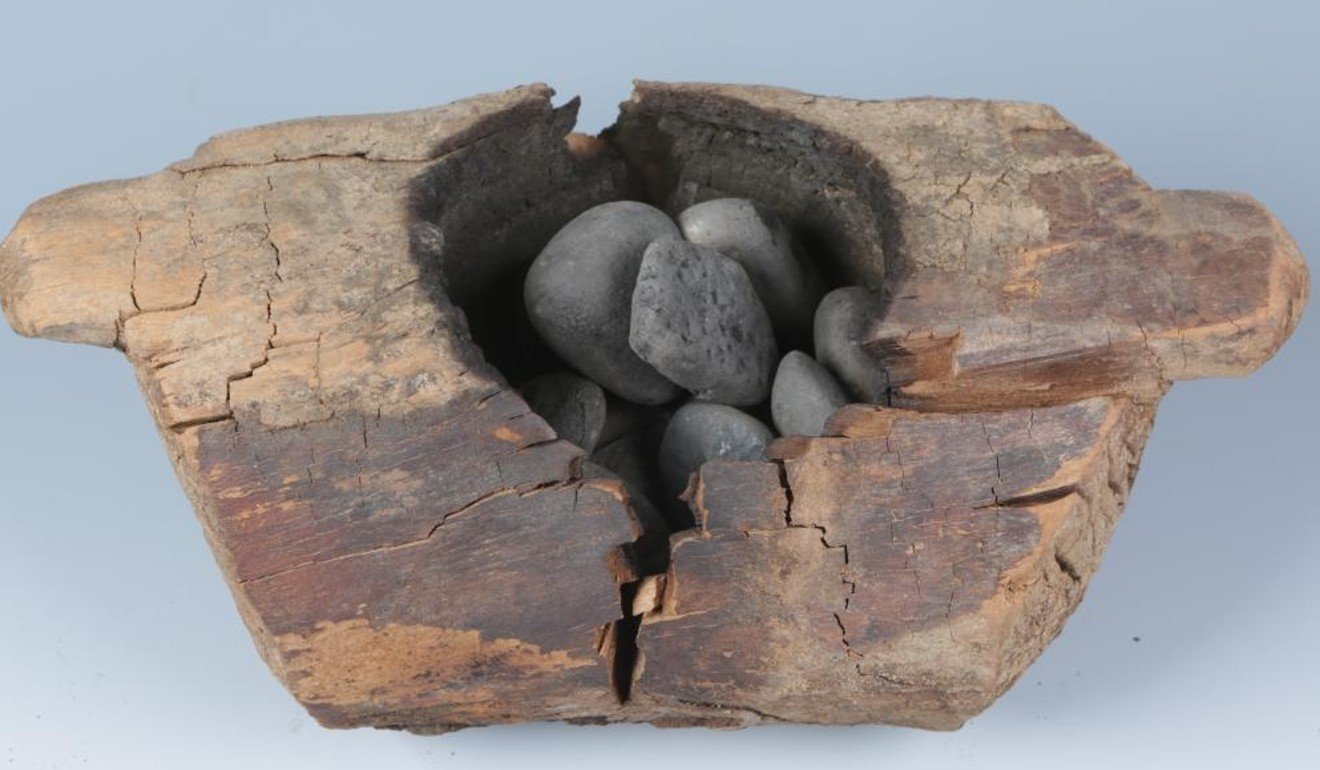
They said the evidence was found in a wooden bowl containing blackened stones unearthed at a Scythian cemetery in the Xinjiang Uygur autonomous region. Chemical analysis showed traces of THC – tetrahydrocannabinol – the potent psychoactive component in cannabis.
Yang Yimin, lead author of a paper published in the journal Science Advances on Thursday, said the discovery at Jirzankal Cemetery, close to the border of Tajikistan, Pakistan and India, was “jaw-dropping”.
Scythians were horseback warriors who roamed from the Black Sea across central Asia and into western China more than 2,000 years ago. Herodotus wrote in The Histories around 440BC that they used marijuana, the earliest written record of the practice.
Scientists in Xinjiang found hemp had been burned on stones inside these wooden bowls 2,500 years ago. Photo: Chinese Academy of Sciences and Max Planck Institute
“The Scythians take the seed of this hemp and … they throw it on the red-hot stones. It smoulders and sends forth so much steam that no Greek vapour-bath could surpass it.
The Scythians howl in their joy at the vapour-bath,” Herodotus wrote.
Yang, who led an international team of researchers from the Chinese Academy of Sciences, the Max Planck Institute for the Science of Human History in Germany and the University of Queensland, said that until now there was no evidence to back up the Greek historian’s account.
“There was never any archaeological proof to the claim. We thought – is this it?” Yang said.
The discovery posed a question for the research team: where would the plants have come from? While hemp was commonly found in many parts of the world and was used for fabric, cooking and medicine, most wild species contained only small amounts of THC.
Ruins of 2,000-year-old coin workshop found in central China’s Henan province
Yang and his colleagues speculated that the altitude, 3,000 metres (9,843 feet) above sea level, and strong ultraviolet radiation might have resulted in a potent plant strain with THC levels similar to those in marijuana today.
“From here it was selected, probably domesticated and then went to other parts of the world along ancient trade routes with the Scythian nomads, forming an enormous ring of culture that shared the ritual of smoking cannabis,” Yang said.
Archaeologists said the site, with its 40 circular mounds and marked by long strips of black and white stones, could have been a burial ground for tribal members, with human sacrifice and cannabis part of the last rites.
Researchers suspect a potent strain of cannabis grew close to the Xinjiang burial site. Photo: Chinese Academy of Sciences and Max Planck Institute
So the early pot party might not have been the kind of celebration Herodotus described, the study’s authors suggested.
While the Scythians might have been inhaling the smoke to try to communicate with the dead in the next world, evidence suggested that a sacrifice – perhaps a war captive or a slave – was struck repeatedly on the head with a sword and the body hacked to pieces nearby, the researchers said.
Observers will be watching to see if General Wei Fenghe holds talks with his American counterpart
Forum comes as Beijing and Washington are at odds over issues ranging from security to trade
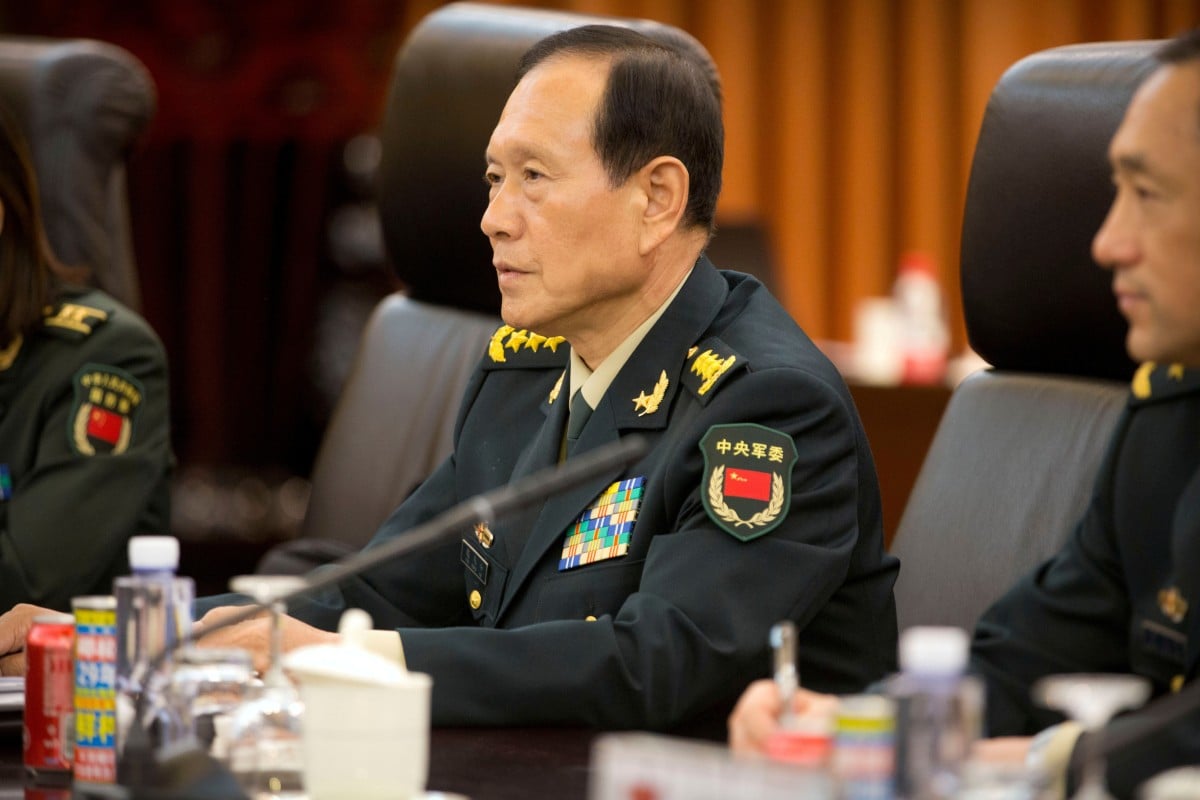
General Wei Fenghe will be the first Chinese defence minister to attend the Shangri-La Dialogue in eight years. Photo: Reuters
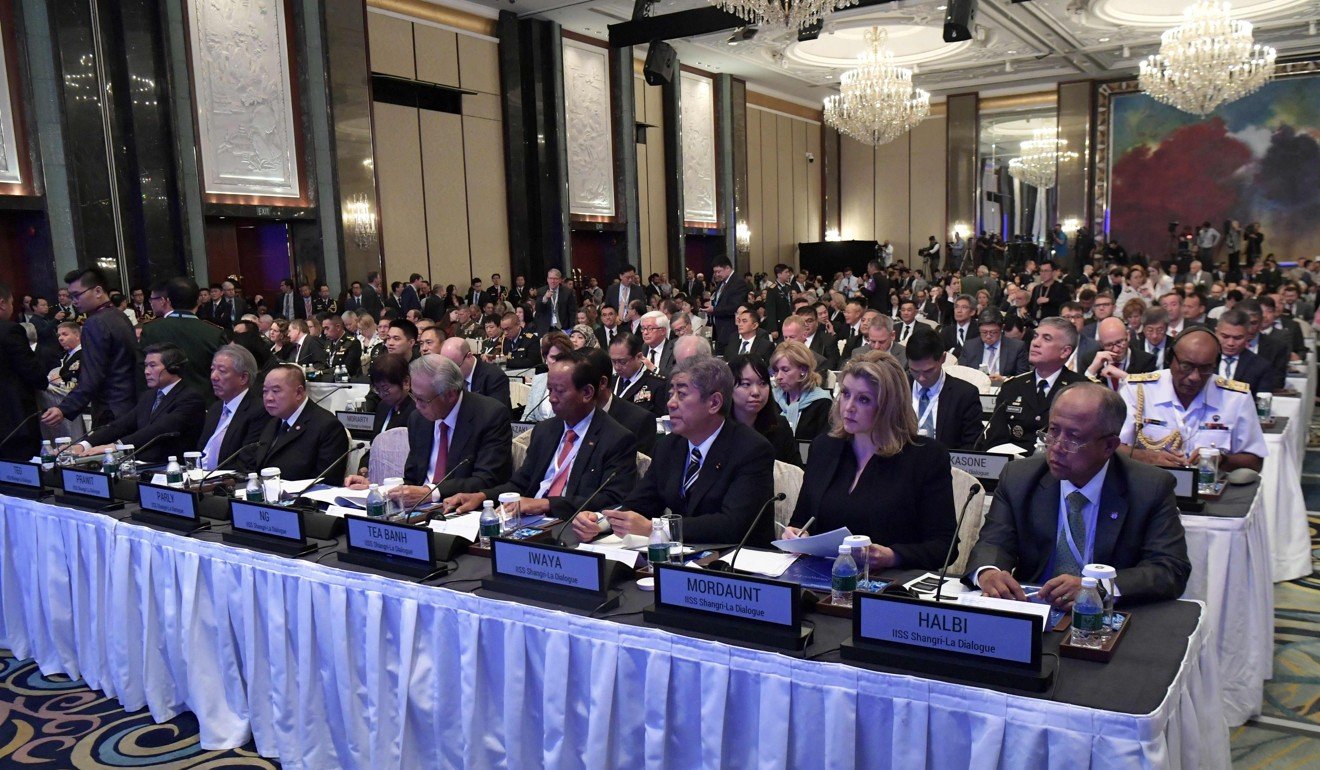
China is sending its defence minister to a leading Asian security forum next week, the first time in eight years that a high-ranking Chinese general will represent the country at the conference.
General Wei Fenghe, a State Councillor and China’s defence minister, will speak at the three-day Shangri-La Dialogue in Singapore, a gathering that comes as Beijing and Washington are at odds over issues ranging from security to trade.
“In a highly anticipated speech, General Wei Fenghe will speak on China’s role in the Indo-Pacific at a pivotal time for the region,” the International Institute for Strategic Studies, an organiser of the conference, said on Monday night.
Chinese military sources said that Wei would lead a “relatively big” delegation to the gathering, which starts on May 31 and is co-organised by the Singaporean government.
South China Sea stand-offs ‘a contest of wills’
The last time Beijing sent a high-ranking officer to the event was in 2011 when General Liang Guanglie, then the defence minister, attended.
Acting US secretary of defence Patrick Shanahan will also attend the conference and deliver a speech.
The spoils of trade war: Asia’s winners and losers in US-China clash
Beijing-based military specialist Zhou Chenming said observers would be watching to see whether the two senior defence officials held talks.
“The whole world will keep a close eye on any possible encounters between the Chinese and the Americans … At least now China has shown its sincerity in sending Wei to attend the conference, who is of equal standing as Shanahan, if the latter is willing to hold talks with him in good faith,” Zhou said.
But he said a meeting between Wei and Shanahan would be difficult because of the current distance between Beijing and Washington on major issues.
How Trump’s tweets bested China in the trade war publicity battle
“It’s not realistic to expect they will make a breakthrough because both sides will just sound their own bugles. The … mistrust between China and the US is actually growing every day,” Zhou said.
Just on Sunday, the USS Preble, an Arleigh Burke-class guided missile destroyer, sailed within 12 nautical miles of the Scarborough Shoal, an area in the South China Sea claimed by both China and the Philippines.
by strongly urging “the US to stop such provocative actions” and saying it would “take all necessary measures” to protect its “national sovereignty”.
Military analysts said the size of the Chinese delegation at the conference would underscore the importance of the People’s Liberation Army (PLA) attached to the event this year.
One military insider said the delegation would also include Lieutenant General He Lei, former vice-president of the Academy of Military Science, who headed China’s delegation in 2017 and 2018; and Senior Colonel Zhou Bo, director of the defence ministry’s Centre for Security Cooperation. In addition, the PLA would send a number of Chinese academics to speak at various sessions of the forum.
China tries to go one on one with Malaysia to settle South China Sea disputes
Singaporean Prime Minister Lee Hsien Loong will deliver a keynote speech on the opening day of the annual dialogue.
Japan and South Korea are also sending their defence ministers, according to a report by The Korean Times on Tuesday. The report also said South Korean Defence Minister Jeong Kyeong-doo was keen to hold one-on-one meetings with his Chinese and Japanese counterparts on the sidelines of the conference.
Radar expert Liu Yongtan says surface wave system could track ships and planes from hundreds of kilometres away and is protected from anti-radiation missiles
Stealth aircraft like the US F-35 are less well protected against high-frequency surface wave radars. Photo: AP
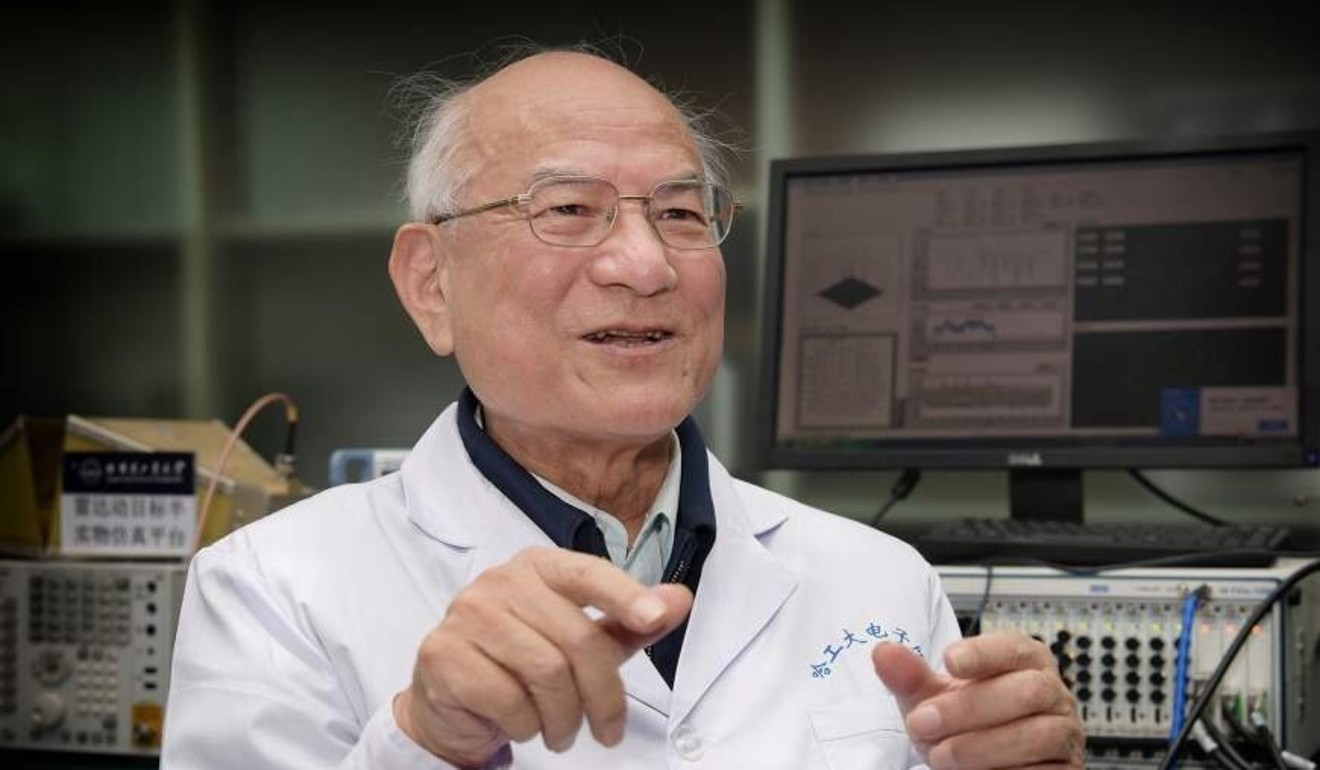
China has developed a radar system that could detect stealth fighters from a long distance, its creator has told state media.
Liu Yongtan, a member of the Chinese Academy of Sciences, told Naval and Merchant Ships that the new high-frequency surface wave radar (HFSWR) was also masked from anti-radiation missiles which can detect and destroy radio waves from other early warning systems.
The interview with the monthly magazine, which is published by the China Shipbuilding Engineering Academy, was reprinted by state-owned tabloid Global Times on Monday.
Liu, an 83-year-old who has dedicated his life to studying radar systems, said the new radar features “high-frequency electromagnetic waves that have long wavelengths and wide beams”.
Unlike microwave or skywave signals, surface waves travel along the spherical surface of the earth.
“A land-based version of the system can detect naval and aerial hostile objects from hundreds of kilometres away, which helps expand the range of China’s maritime early warning and defence systems,” Liu said.
He also said the long wavelength could help detect stealth aircraft, which use special protective materials and designs to make them “invisible” to microwave radars, but have no such protection against high-frequency surface waves.
Chinese navy’s new ‘compact’ radar will allow it to keep watch over an area the size of India
Another advantage of the maritime radar system is what Global Times described as “immunity” to attack from anti-radiation missiles, which track and destroy the origin of the electromagnetic waves.
Liu said that anti-radiation missiles would need huge antennas to track high-frequency surface waves because their beams are too wide for the antennas currently in use to track.
Plenty of practical challenges – such as signal loss and noise interference – need to be overcome to use high-frequency surface waves in radar.
Liu Yongtan was given China’s top scientific honour for his work on the radar. Photo: Weibo
However, Shi Lao, a Shanghai-based military commentator, said Liu’s team must have overcome those challenges.
Shi said he believed that as Liu’s technology developed it could be used as a low-cost coastal monitoring system that could protect the coastline within a range of 400km (250 miles).
Japan boosts island radar surveillance to catch Chinese, North Korean ships
The technology can also be used in conjunction with skywave radar systems, which usually have a longer monitoring range of 1,000km (621 miles).
“HFSWR could work 24 hours in all weathers, which would be much cheaper than operating early warning aircraft,” Shi said.
“They can be deployed relatively quickly with high mobility if they are mounted on vehicles, and may be loaded onto warships in the future.”
State broadcaster CCTV has previously reported that China has built a high-frequency surface wave radar test centre in Weihai, on China’s east coast in Shandong province.
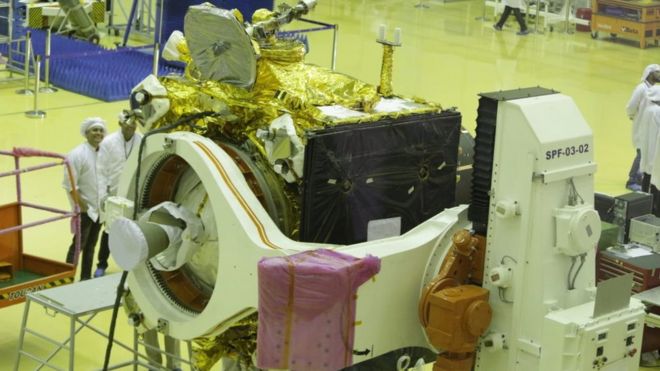
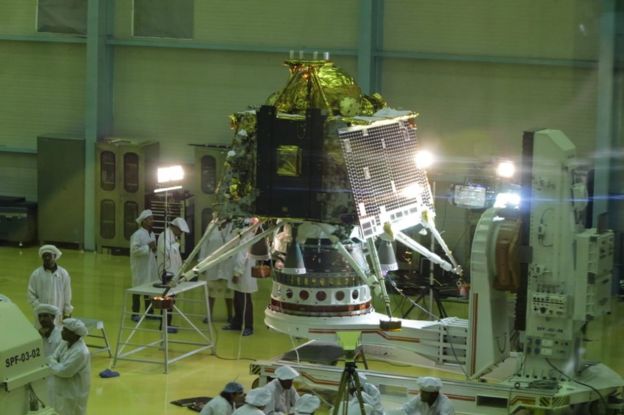
India’s space agency has unveiled its spacecraft that it hopes to land on the Moon by September.
If successful, India will be the fourth country to achieve a soft landing on the Moon, following the US, the former Soviet Union and China.
Chandrayaan-2 will be the country’s second lunar mission.
Its first mission, Chandrayaan-1 which launched in 2008, was an orbiter and did not actually land on the surface of the Moon.
Image copyright PRESS INFORMATION BUREAU, INDIA
This mission will focus on the lunar’s surface and gather data on water, minerals and rock formations.
The new spacecraft will have a lander, an orbiter and rover.
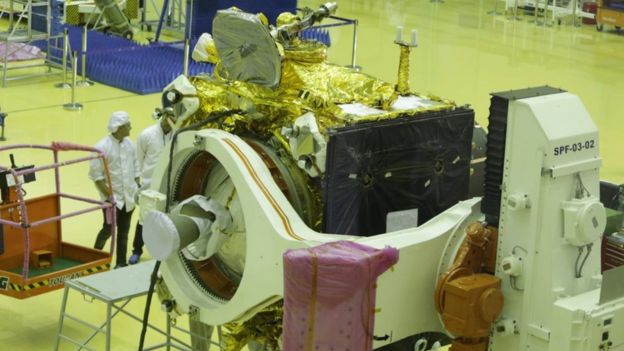
These are photos of the craft in the Indian Space and Research Organisation’s (ISRO) lab, where scientists have been busy getting the spacecraft ready:
Image copyright PRESS INFORMATION BUREAU, INDIA
Media caption Is India’s prime minister right when he calls his country a space superpower?
If all goes according to plan, the lander and rover will touch down near the lunar south pole in September. If successful, it would be the first ever spacecraft to land in that region.
The rover is expected to operate for 14 days on the Moon, ISRO chairperson K Sivan told the Times of India newspaper. “The rover will analyse the content of the lunar surface and send data and images back to the earth,” he said.
Beijing has to reconcile the competing needs to appear tough to the Chinese public and conciliatory to an international audience
China feels US has long had the advantage in shaping global opinion but it now needs to make itself heard
China must appear tough for an increasingly nationalistic audience at home and be conciliatory to an international audience wary of China’s assertive foreign and defence policy. Photo: Xinhua
In just the last week, a Chinese official posed a question that would resonate among his fellow cadres: as China rises, why are we not making more friends and why are our voices not heard?
The question has gained weight as the trade war with the United States has deepened, and Chinese officials have scrambled to win the battle of public opinion at home and abroad.
It also came to the fore at the annual Shangri-La Dialogue security forum in Singapore on the weekend, when Chinese officials were faced with balancing the need to appear tough for an increasingly nationalistic audience at home and being conciliatory to an international audience wary of China’s assertive foreign and defence policy.
Senior Colonel Zhao Xiaozhuo, a senior fellow at the People’s Liberation Army’s Academy of Military Sciences and a public diplomacy veteran for the military, said the expectations clashed in Singapore.
“Currently there are two parallel worlds in the public opinion landscape, one domestic and another international, and the two of them are basically split and in two extremes,” Zhao said.
“[The Shangri-La Dialogue] is a place where the two worlds clash. As the Chinese delegation [at the forum] we need to show our position, but it is becoming more difficult to balance [the expectations of the two sides].
“If you are tough, the domestic audience will be satisfied, but it won’t bode well with the international audience. But if we appear to be soft, we will be the target of overwhelming criticism at home.”
China asks state media to pick battles carefully with long US trade war looming, sources say
Zhao said this was an unprecedented challenge for Chinese cadres, who must also satisfy the expectations of the leadership.
“Our task was about diplomacy and making friends. But [with the tough position] you may not be able to make friends, and might even exacerbate the tension,” he said.
The pressure was immense when Chinese Defence Minister General Wei Fenghe took to the stage on Sunday in a rare appearance at the forum. Concerned about how Wei’s performance would be received at home, Beijing ordered Chinese media to minimise their coverage of acting US defence secretary Patrick Shanahan’s address in case it made China appear weak, according to a source familiar with the arrangements for Chinese media.
In his speech, Wei struck a defiant tone, vowing that the PLA would “fight at all costs” for “reunification” with Taiwan and that China was ready to fight the US to the end on the trade front.
Chinese Defence Minister Wei Fenghe makes a rare appearance at the Shangri-La Dialogue in Singapore. Photo: Reuters
Major General Jin Yinan, from the PLA’s National Defence University, a member of the Chinese delegation to the Singapore summit, said Wei’s speech defied expectations that China would show restraint with the US, and demonstrated China’s confidence on the world stage.
The public response at home was immediate and positive. Tens of thousands of Chinese internet users flooded social media platforms such as the Twitter-like Weibo service to express their approval for Wei’s hard line.
“This is the attitude that the Chinese military should show to the world,” one commenter said.
“I am proud of my country for being so strong and powerful,” another said.
Over the past year, Beijing’s propaganda apparatus has tightly controlled the domestic media narrative on the trade war, barring independent reporting on the tensions. But since the breakdown of trade talks in early May, the authorities have gone one step further by escalating nationalistic rhetoric in newspapers and on television.
How Donald Trump’s tweets outgunned China’s heavy media weapons in the trade war publicity battle
China has also tried to make its case to the world with an official statement. On the same day that Wei addressed the gathering in Singapore, the State Council, China’s cabinet, put China’s side of the dispute in a white paper, saying the US should bear responsibility for the breakdown of the trade talks.
A Chinese delegate at the forum said Beijing felt Washington had long had the advantage in shaping global opinion and there was an urgent need for China to make itself heard.
“We should get more used to voicing our position through Western platforms. The US has been criticising us on many issues. But why should the Americans dominate all the platforms and have the final say over everything?” the delegate said.
Before Wei’s appearance at the dialogue, China had not sent such a high-ranking official for eight years. It had long sought to play down the importance of the forum, seeing it as a platform wielded by the US and its Western allies to attack China.
In 2002, China set up the Beijing Xiangshan Forum to rival the Singapore gathering and amplify its voice on security issues.
But Chinese officials are well aware that Xiangshan does not have the same impact and profile as the Shangri-La Dialogue, according to Collin Koh, a research fellow at the S. Rajaratnam School of International Studies at Nanyang Technological University in Singapore.
“[At the same time, the long absence of high-level Chinese representation to the Shangri-La Dialogue also] raises the question of whether it might be sustainable in the long run for [the dialogue] if they continue to not have such ministerial representation [from China],” Koh said.
Zhao, who is also the director of the Xiangshan forum’s secretariat office, agreed that China lagged the US in promoting the image of the military and in winning public opinion.
“China has not fought a war in 30 years. We have only built some islands in the South China Sea and yet have received so much criticism from the international media. The US has engaged in many wars but they are seldom criticised. This reflects that China is in a disadvantaged position in international discourse,” he said.
Expectations collided at the Shangri-La Dialogue in Singapore this month. Photo: AFP
In a rare conciliatory gesture – and just days before the 30th anniversary of the crackdown on pro-democracy protesters in Tiananmen Square – Wei took questions from a room of international delegates on a range of sensitive issues, including the crackdown and China’s mass internment camps in Xinjiang. While he largely toed the official line in his reply, his presence at the forum and willingness to address the questions raised hopes that China would become a more responsible partner in global affairs despite its continuing disputes with the US.
Andrea Thompson, US undersecretary of state for arms control and international security, said Wei’s attendance at the Singapore gathering was a “positive sign” and she hoped that China would be more open and transparent in addressing issues such as arms control and cybersecurity.
“I appreciate that he is here. I think it’s important to have a dialogue … There will be areas where we will agree, and some areas where we disagree, but you still have to have dialogue,” Thompson said.
TOKYO, June 9 (Xinhua) — Cai Qi, member of the Political Bureau of the Communist Party of China (CPC) Central Committee and secretary of the CPC Beijing Municipal Committee wrapped up a visit to Japan on Sunday, with both sides expressing willingness to maintain the good momentum of bilateral relations and further enhance cooperation and communication.
At the invitation of the Liberal Democratic Party and the Komeito Party, Cai led a delegation of the CPC to Japan from Thursday to Sunday. During the visit, he met with Secretary-General of the ruling Liberal Democratic Party Toshihiro Nikai and other party leaders and government officials.
Cai said that currently Sino-Japanese relations are returning to the right track and showing positive development momentum. The Chinese side is ready to work with Japan to implement the important consensus reached by the two leaders of the states, strengthen high-level exchanges, enhance political mutual trust, tighten public opinion ties, increase inter-party, local and Olympic exchanges and cooperation, and jointly open up new prospects for bilateral relations.
He also stated China’s stance on the trade frictions between China and the United States, saying that China and Japan should strengthen communication and coordination, jointly address the challenges of protectionism and unilateralism, promote the construction of an open world economy, and make important contributions to promoting the development and prosperity of Asia and the world.
The Japanese side said that Japan attaches great importance to Chinese President Xi Jinping’s upcoming attendance at the G20 Summit in Osaka and hopes to take this opportunity to achieve positive results in promoting free trade and raise bilateral relations to a new level.
Japan is willing to continue to deepen exchanges and cooperation with China in political parties, localities, the Olympics, youth and other fields, and inject new impetus into the improvement and development of bilateral relations, the Japanese side added.
BEIJING, June 8 (Xinhua) — China and African countries will see more intimate economic and trade ties as the first China-Africa Economic and Trade Expo will open on June 27 in Changsha, the capital city of Hunan Province.
A total of 53 African countries have confirmed to attend the expo, and international organizations including the United Nations Industrial Development Organization, the World Food Programme and the World Trade Organization will also send representatives to attend the event.
Here are some facts and figures revealing the growing vitality of trade between China and Africa as well as broader economic exchanges.
— China has been the largest trading partner of Africa for 10 consecutive years.
— In 2018, trade volume between China and Africa amounted to 204.2 billion U.S. dollars, up 20 percent year on year.
— China’s imports of non-resource products from Africa have increased significantly. In 2018, China’s imports from Africa went up 32 percent year on year, with the imports of agricultural products up 22 percent.
— China’s exports of mechanical, electrical and high-tech products accounted for 56 percent of its total exports to African countries.
— China has finished the negotiations of a free trade agreement with Mauritius.
— More than 3,700 Chinese enterprises have been set up in Africa by the end of 2018, with combined direct investment over 46 billion dollars.
— China’s financial institutions have established more than 10 branches in Africa.
— South Africa and seven other countries have included the Chinese currency renminbi (RMB), or the yuan, in their foreign exchange reserves.
— China has formed RMB clearing arrangements with Zambia and signed currency swap agreements with four African countries including Morocco.
NEW DELHI, June 8 (Xinhua) — A delegation of the Communist Party of China (CPC) concluded its four-day visit to India on Saturday, and both sides pledged to enhance mutual trust and boost cooperation in various fields.
During the visit, head of the CPC delegation Li Xi, who is a member of the Political Bureau of the CPC Central Committee and the secretary of the CPC Guangdong Provincial Committee, met with Indian External Affairs Minister S. Jaishankar, National General Secretary of the Bharatiya Janata Party Ram Madhav, President of Indian National Congress Rahul Gandhi, and Gujarat Chief Minister Vijay Rupani, and also attended the Guangdong-Gujarat economic and trade exchange activities.
Li said that under the guidance of the leaders of both countries, China-India relations have shown a strong momentum of development, adding that his visit is aimed at implementing the important consensus of the leaders, enhancing mutual trust and expanding pragmatic cooperation.
Li introduced China’s firm position, confidence and determination on China-U.S. trade frictions.
China and India share common interests in promoting world multi-polarization, economic globalization, and maintaining multilateralism, said Li, adding that China is willing to work with India to jointly meet challenges and share development opportunities.
Li briefed the Indian side about the historic achievements and changes that have been making in China since the founding of the People’s Republic of China in 1949 and over 40 years of implementing the reform and opening-up policy, especially after the 18th CPC National Congress in 2012.
The CPC is willing to exchange experiences in governance with the major political parties in India and consolidate the political foundation of China-India relations, said the senior official.
Guangdong Province hopes to deepen exchanges and cooperation with India’s local governments so as to continuously inject momentum into the closer development partnership between China and India, he added.
The Indian side, speaking highly of the significance of Li’s visit, said it would help maintain the good momentum of the bilateral relations.
They expressed their willingness to maintain high-level exchanges with China, strengthen exchanges and cooperation with the government, political parties and localities, and continuously enhance understanding and mutual trust to promote the continuous development of India-China relations and jointly promote world peace, stability and prosperity.
Agreements to boost cooperation in spheres such as energy and technology highlight closer partnership in face of tensions with US
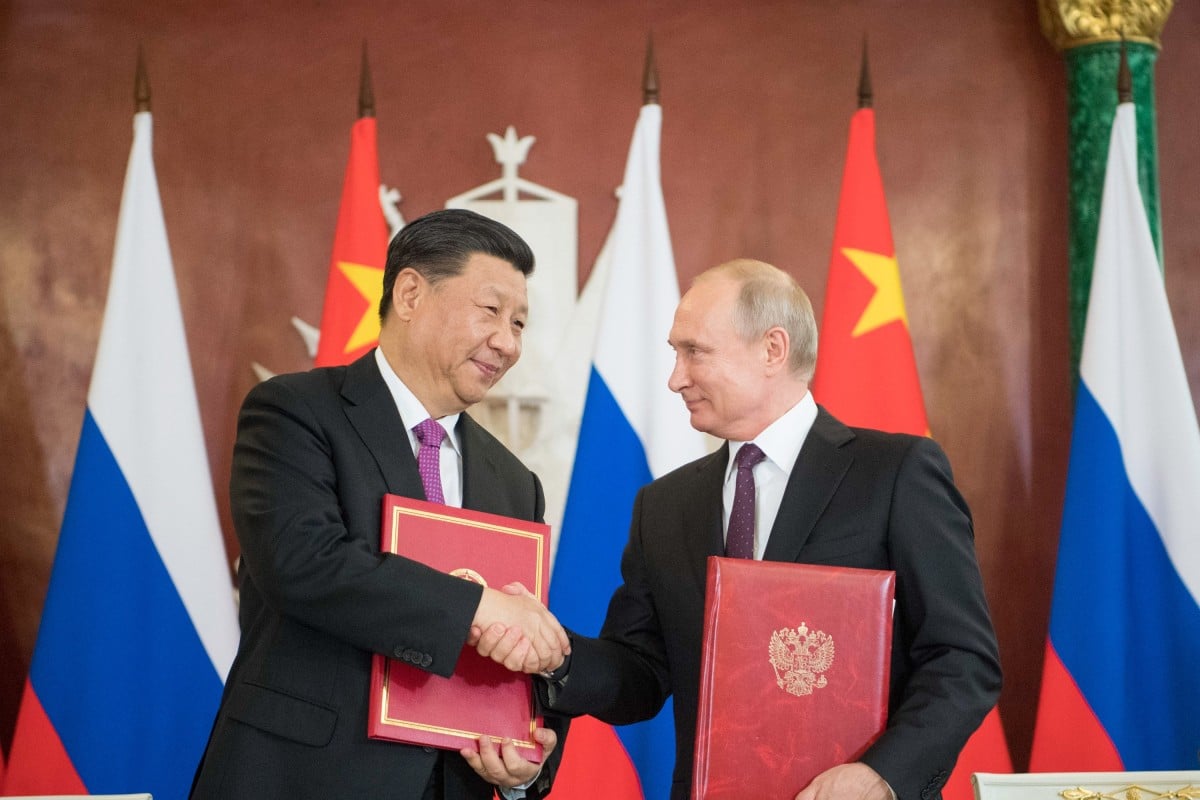
Xi Jinping and Vladimir Putin agreed to deepen their unprecedented partnership. Photo: Xinhua
China and Russia have signed more than US$20 billion of deals to boost economic ties in areas such as technology and energy following Xi Jinping’s summit with his “best friend” Vladimir Putin.
Wednesday’s meeting between the two presidents, who have spoken of their desire to boost practical cooperation in the face of increasing rivalry with the United States, marked the start of Xi’s three-day visit to Russia to commemorate the 70th anniversary of the establishment of diplomatic relations between Moscow and Beijing.
On Thursday the Chinese commerce ministry said that the two sides aimed to increase the volume of trade between the two countries to US$200 billion a year following last year’s 24.5 per cent rise to a record level of US$108 billion.
Gao Feng, a spokesman for the ministry, said the deals covered areas such as nuclear power, natural gas, automobiles, hi-tech development, e-commerce and 5G communications.
The deals were the first concrete results of the warm words exchanged between the leaders, who agreed to deepen their “unprecedented” strategic partnership for “mutual advantage”.
“We discussed the current state of, and prospects for, bilateral cooperation in a businesslike and constructive manner, and reviewed, in substance, important international issues while paying close attention to Russia-China cooperation in areas that are truly important for both countries,” Putin said in a joint press statement with Xi on Wednesday.
Xi – who had previously told Russian media that he “treasured” the relationship with Putin, whom he described as “my best friend” – said the two countries would work to “build mutual support and assistance in issues that concern our key interests in the spirit of innovation, cooperation for the sake of mutual advantage, and promote our relations in the new era for the benefit of our two nations and the peoples of the world”.
Russia is already China’s biggest oil exporter, and has agreed to further joint ventures. Photo: Reuters
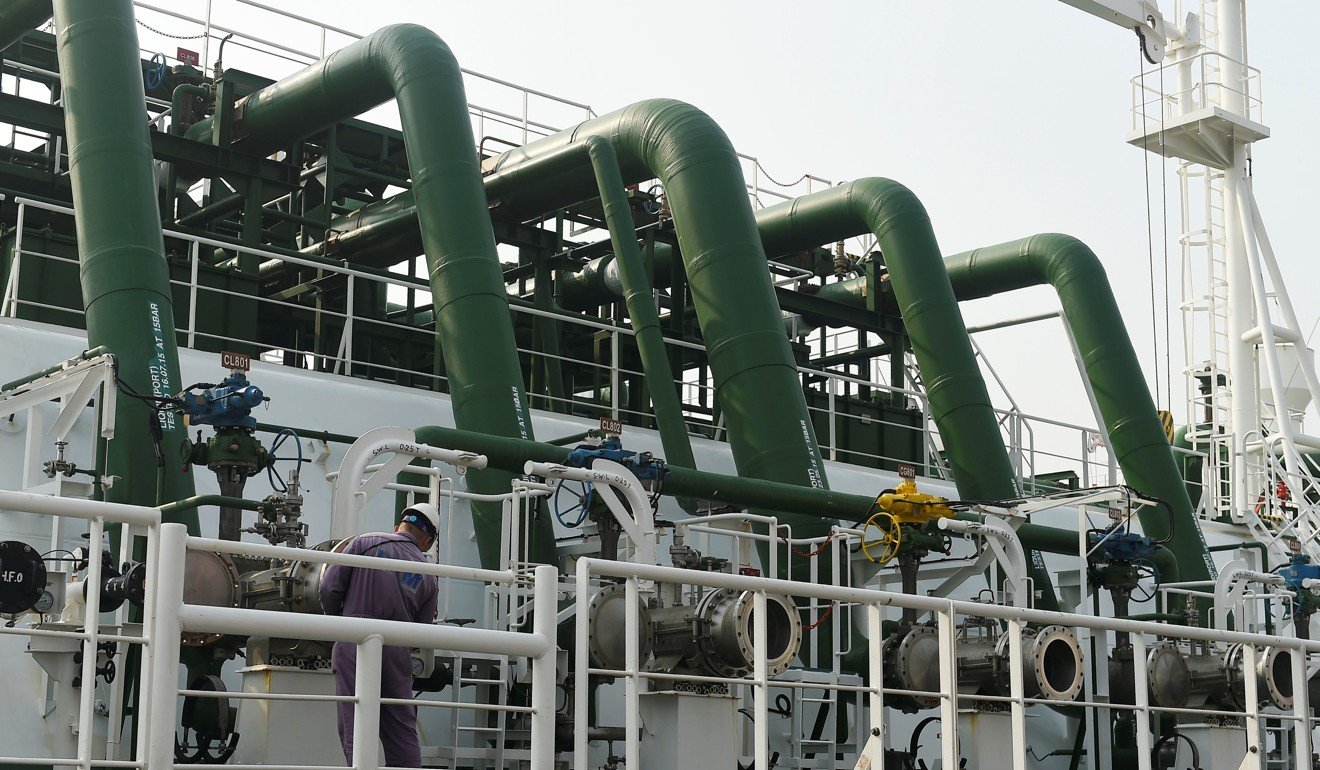
Putin also highlighted the energy cooperation between the two countries, adding that Russia was China’s leading oil exporter and the eastern route of a gas pipeline between Russia and China will enter service in December.
China and Russia seek closer economic ties to counter US pressure
Novatek and Sinopec, Russian and China’s leading natural gas companies, signed a preliminary deal with Russian state-owned bank Gazprombank on Wednesday to set up a joint venture to market gas in China.
The Russian natural gas company is also forming a partnership with China Natural Petroleum Corporation and China National Offshore Oil Corporation to develop an Arctic natural gas facility, with both Chinese companies holding a 10 per cent stake in the project, according to S&P Global Platts, an energy information provider.
A general contract was also signed to build extra units of the Xudabao Nuclear Power Plant, located on the coast of the northeastern Chinese province of Liaoning.
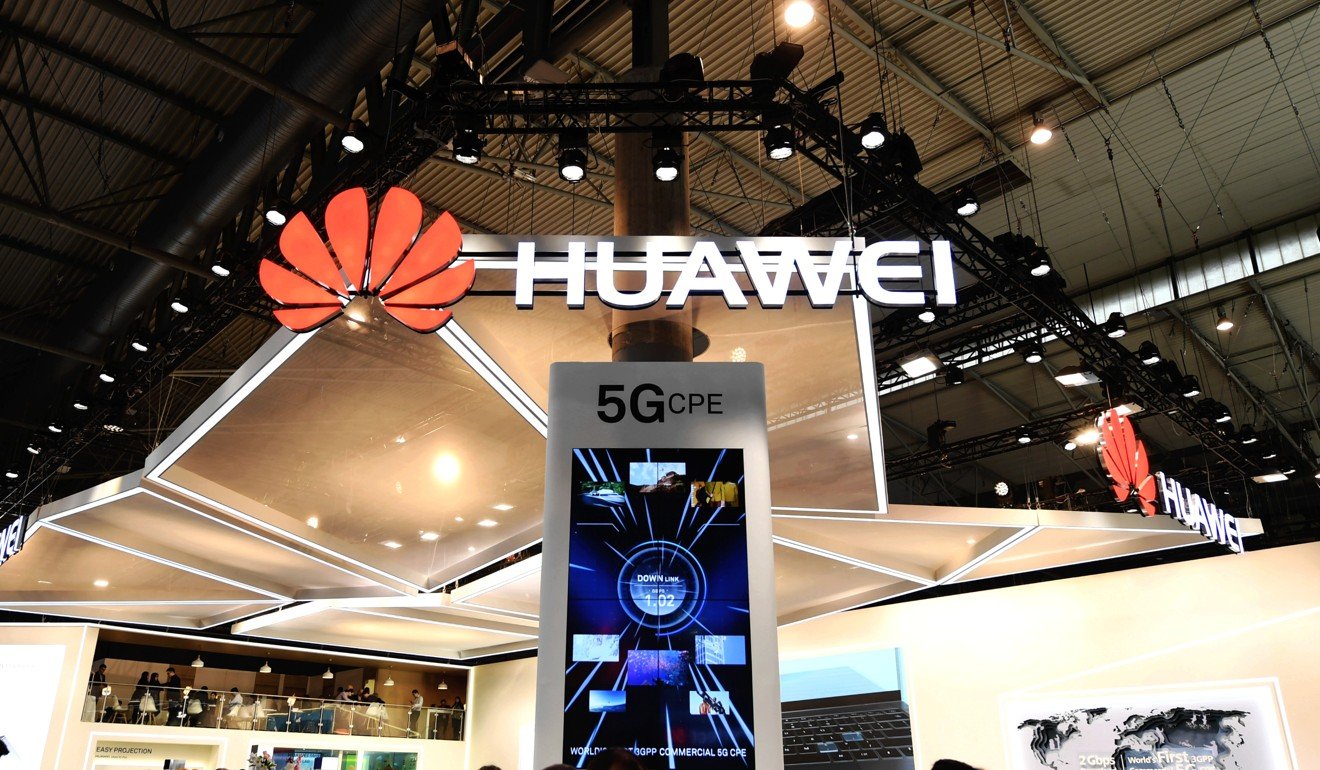
Chinese tech giant Huawei has agreed a deal with Russian telecoms firm MTS. Photo: Xinhua
The Chinese commerce ministry also said that Moscow had agreed to increase its soybean exports after imports from America declined sharply due to the ongoing trade war.
Andrey Denisov, Russia’s ambassador to China, was quoted by Chinese media as saying that the country should “double” its soybean exports to China, which currently make up a tiny proportion of the overall quantities bought by China.
The two sides are also discussing a US$153.3 million investment to create a joint agricultural holding company in Primorsky in Russia’s far east.
Russia’s Putin calls time on UK spy scandal: ‘it’s your agent, not ours’
Meanwhile, Chinese telecoms giant Huawei, which has been targeted by US sanctions after it was accused of spying and undermining national security, signed a deal with Russian telecoms company MTS to develop a 5G network.
China Investment Corporation and RDIF, a Russian sovereign wealth fund, were also reported to have agreed to set up a US$1 billion joint technology research fund, according the US-based analysts Sovereign Wealth Fund Institute.
Shi Yinhong, an international relations professor at Renmin University of China, said the two sides were boosting their strategic and diplomatic collaboration at a time of “extraordinary” tensions between Washington and Beijing.
“Though concrete cooperation in hi-tech areas [between Beijing and Moscow] is necessarily limited, in the purely military field it is assured,” Shi, an adviser to China’s State Council, said.
China’s Huawei signs deal to develop 5G in Russia
Last September, 300,000 soldiers from the two countries took part in
a joint military exercise in eastern Siberia, the largest such drill in Russia in nearly four decades.
While Xi is highlighting his rapport with his “best friend” Putin, the professor added, “the romance has gone out of the personal relationship between Xi and [Donald] Trump”.
A Long March-11 solid propellant carrier rocket is launched from a mobile launch platform in the Yellow Sea off east China’s Shangdong Province, June 5, 2019. China successfully launched a rocket from a mobile launch platform in the Yellow Sea off Shandong Province on Wednesday, sending two technology experiment satellites and five commercial satellites into space. A Long March-11 solid propellant carrier rocket blasted off at 12:06 p.m. from the mobile platform. It is China’s first space launch from a sea-based platform and the 306th mission of the Long March carrier rocket series. (Xinhua/Zhu Zheng)
QINGDAO, June 5 (Xinhua) — China successfully launched a rocket from a mobile launch platform in the Yellow Sea off Shandong Province on Wednesday, sending two technology experiment satellites and five commercial satellites into space.
A Long March-11 solid propellant carrier rocket blasted off at 12:06 p.m. from the mobile platform. It is China’s first space launch from a sea-based platform and the 306th mission of the Long March carrier rocket series.
The rocket is also named “CZ-11 WEY” under an agreement between the China Academy of Launch Vehicle Technology, China Space Foundation and a Chinese automobile producer.
Launching a carrier rocket from an ocean-based platform has many advantages over a land launch.
The closer to the equator a rocket launch can get, the greater the speed boost it will receive. It reduces the amount of energy required to get into space and means that less fuel is required.
The launch site is flexible and falling rocket remains pose less danger. Using civilian ships to launch rockets at sea would lower launch costs and give it a commercial edge.
The seaborne launch technology will meet the growing launch demand of low inclination satellites and help China provide launch services for countries participating in the Belt and Road Initiative, according to experts.
The two satellites, developed by China Academy of Space Technology, are expected to step up all-weather monitoring of ocean wind fields and improve typhoon monitoring and accuracy of the weather forecast in China.
Among the five commercial satellites, the two satellites, developed by China Electronics Technology Group Corporation, are China’s first small satellite system based on Ka-band.
The Long March-11, developed by China Academy of Launch Vehicle Technology, is the only rocket using solid propellants among China’s new generation carrier rockets. It is mainly used to carry small satellites and can take multiple satellites into orbit at the same time.







 CHINDIA ALERT: You'll be living in their world, very soon