Archive for ‘clean energy’

29/03/2020

China-initiated int’l energy organization promotes green power alternatives

BEIJING, March 28 (Xinhua) — Clean energy is becoming the mainstream of global energy supply and interconnection is the mainstream of energy allocation, according to the Global Energy Interconnection Development and Cooperation Organization (GEIDCO).

Over the years, China is active in clean energy development and power grid interconnection with neighboring countries, and has achieved significant breakthroughs in UHV grids, smart grids, and clean energy, GEIDCO spokesperson told a press conference via live stream on Friday.

GEIDCO remains committed to promoting the energy interconnection to meet global power demand with clean and green alternatives, making idea dissemination, planning and research, international cooperation and project promotion the focus of its work, said the spokesperson.

The 2020 Global Energy Interconnection & China-Asia Energy and Power Conference is expected to be held in Beijing in November to discuss and strengthen cooperation on sustainable development in the energy industry.

Founded in March 2016, GEIDCO so far had 860 members from 115 countries, covering fields including energy, electricity, information, finance, consultation, science and technology, and environmental protection.

The global energy interconnection is a platform that connects grids around the world to facilitate development, deployment and utilization of clean energy, with ultra-high voltage transmission as the backbone.

Source: Xinhua

27/06/2019

China’s growing demand for clean energy and natural gas sparks contest in the Middle East

  • First Qatar, and now Saudi Arabia, are competing to dominate China’s fast-growing natural gas market, already the third largest in the world, as Beijing encourages the switch from coal to cleaner, greener energy
  • A PetroChina LNG tank at Rudong port in Nantong, Jiangsu province. China’s massive and rapidly growing appetite for natural gas is sparking off a scramble in the Middle East, as energy producers compete to become the biggest player in the market. Photo: Reuters
    A PetroChina LNG tank at Rudong port in Nantong, Jiangsu province. China’s massive and rapidly growing appetite for natural gas is sparking off a scramble in the Middle East, as energy producers compete to become the biggest player in the market. Photo: Reuters
    As more countries turn towards clean energy, the geoeconomic impact of natural gas as a fuel has become second only to that of oil. Over the past decade, the global demand for this carbon-free energy source has risen considerably and one major buyer is China.
    The third largest global market for natural gas, China has implemented government policies to replace the use of coal as fuel and millions of households are switching over to clean energy. Consequently, China’s market for gas expanded by a record 43 billion cubic metres last year to reach 280 billion cubic metres at the end of 2018.
    With the recent

    tax cuts in April

    , China’s gas consumption should continue to grow in the year ahead. As the demand spirals further, natural gas consumption in China is estimated to grow to around 620 billion cubic metres in 2030.

    Prioritising its energy security, Beijing last year approved a 22-year gas supply deal between QatarGas and PetroChina International Co. The agreement is PetroChina’s largest LNG supply deal by volume, and will provide 3.4 million tonnes of liquefied natural gas annually.
    With this deal, which QatarGas initiated with Total and ExxonMobil Corp as partners, Qatar achieved regional dominance and filled a vacuum left by major gas producer Iran, currently the target of US sanctions. Interestingly, Beijing has also unwittingly sparked off a competition between Qatar and Saudi Arabia, the kingpins of the Middle Eastern energy industry.
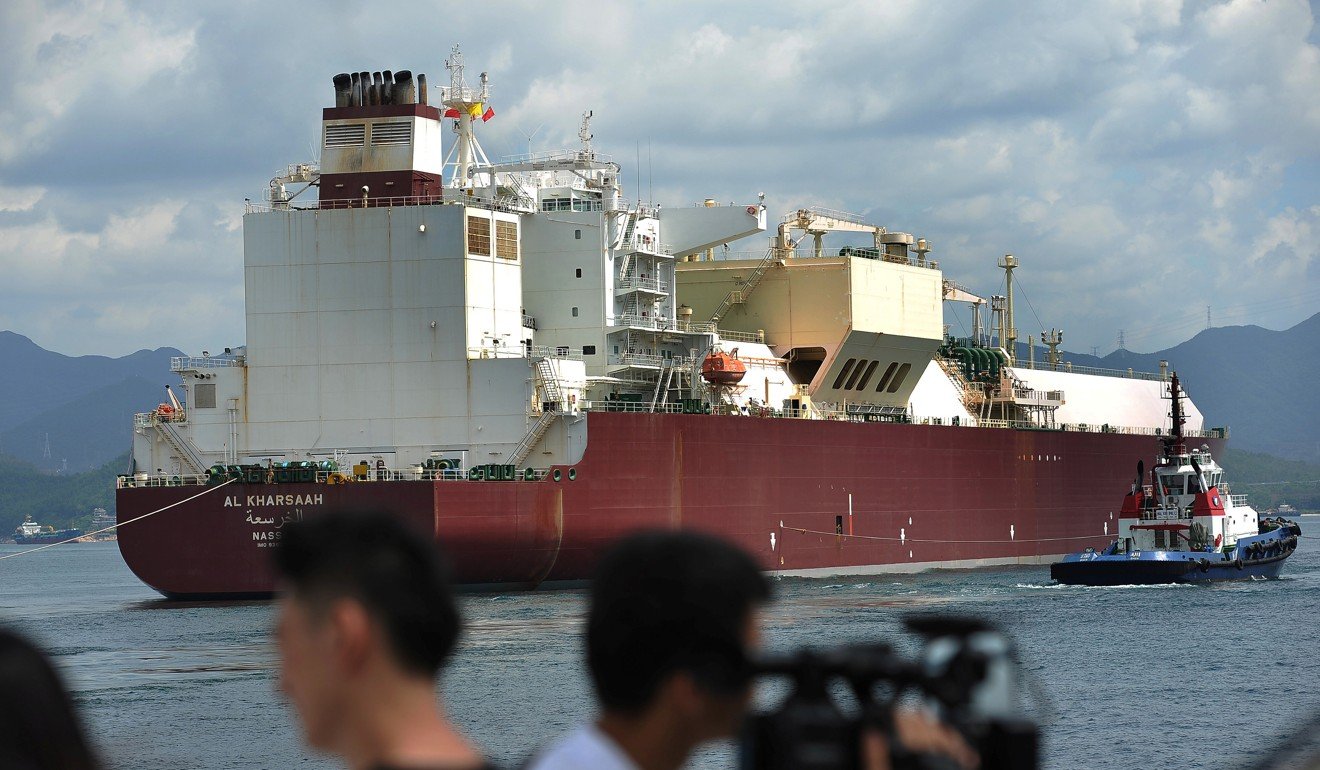
    A vessel carrying Qatar LNG looking to berth in Shenzhen, China last August. Qatar’s recent deal highlighted the massive and growing Chinese appetite for natural gas. Photo: Reuters
    A vessel carrying Qatar LNG looking to berth in Shenzhen, China last August. Qatar’s recent deal highlighted the massive and growing Chinese appetite for natural gas. Photo: Reuters
    China to become world’s top natural gas importer in 2019: report
    By exporting gas, as well as oil, Qatar sail unruffled through the

    economic and diplomatic boycott

    imposed by Saudi Arabia, the United Arab Emirates, Bahrain and Egypt in June 2017, over allegations that Qatar supports terrorism and is friendly with Iran, which the region sees as an enemy. Qatar denies this. Meantime, Qatar plans to further increase its gas output. To attract more buyers, it is offering attractive long-term supply contracts to other countries in the region.

    Inspired by the success of Qatar Gas, Saudi Arabia has stepped up its efforts to capture this new market. The Saudi state-owned oil giant Aramco plans to build an “energy bridge” between Saudi Arabia and China to better meet Beijing’s growing requirements for oil, gas, including LNG, said Aramco’s chief executive Amin Nasser at an industry event in Beijing in March.

    Aramco, already a major supplier of crude oil to China, would need to invest US$150 billion over the next decade to realise its plans to convert crude oil into chemicals, and eventually become a gas producer. “We need to help our stakeholders – including here in China and the wider Asia region – realise that oil and gas will remain vital to world energy for decades to come,” said Nasser.

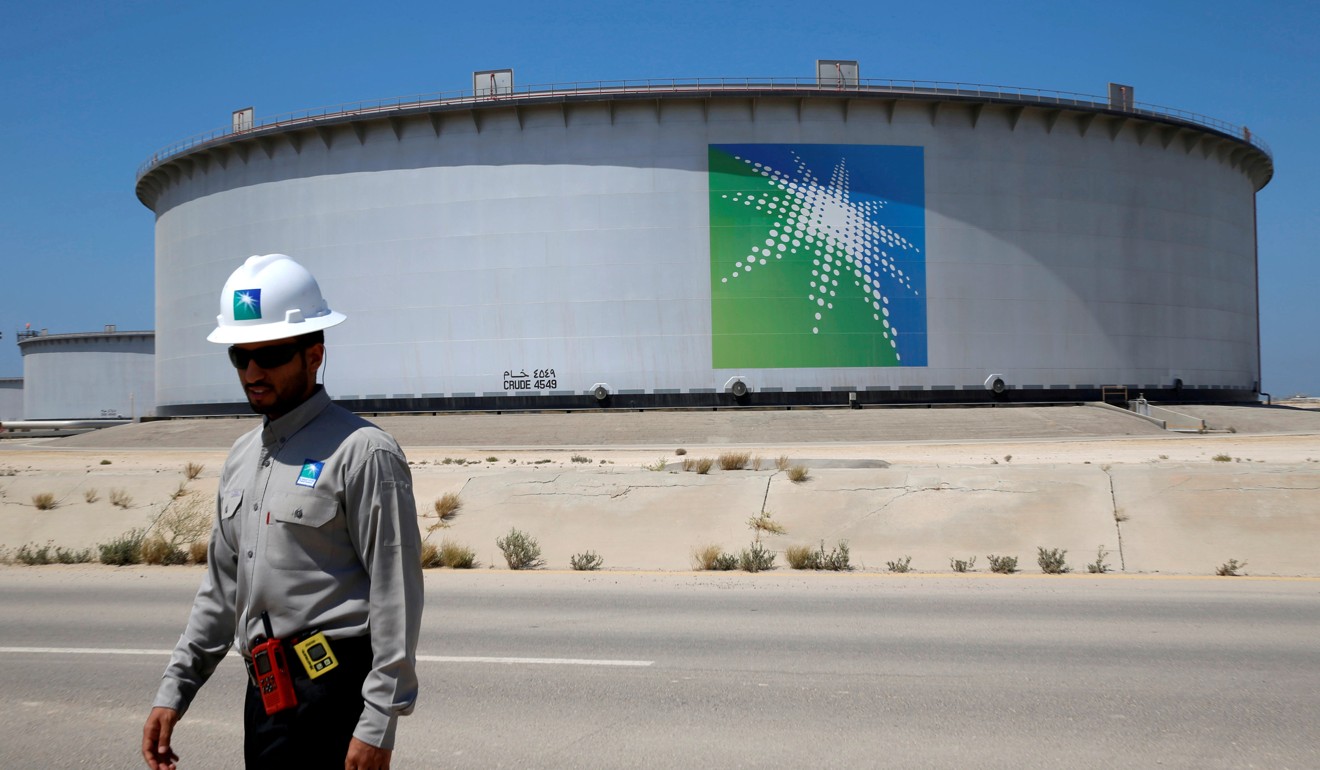
    An Aramco employee near an oil tank in Saudi Arabia. Aramco has grand ambitions to become a major producer of natural gas. Photo: Reuters
    An Aramco employee near an oil tank in Saudi Arabia. Aramco has grand ambitions to become a major producer of natural gas. Photo: Reuters

    The vision of Saudi Arabia as a major natural gas producer is in in line with Saudi Crown Prince Mohammed bin Salman’s economic plan Vision 2030. Riyadh has only Qatar to beat, with Iran on the back foot. Under sanctions pressure, Tehran, despite plans to increase gas exports, has clung on to just 1 per cent of the natural gas market, exporting 36.24 million cubic metres daily. Yet Iran was once part of the so-called regional gas troika along with Russia and Qatar, and is located at the cusp of several energy transit corridors. China, defying sanctions, continues to buy oil from Iran.

    In around five years, Riyadh could become a major gas exporter. Saudi Arabia has already replaced Iran as the main energy provider in countries such as China, Pakistan and India, and has made huge investments in energy projects in these countries.

    However, Qatar is also playing smart, sharply lowering its prices to clinch deals and make the right business connections. The competition for the growing natural gas market is a long game. The main possible setback for Riyadh is that its gas reserves do not match those in Qatar and Iran.

    Source: SCMP

10/02/2019

Clean energy powers northwest China province

XINING, Feb. 9 (Xinhua) — Clean energy powers the economy of northwest China’s Qinghai Province as China seeks to reduce coal consumption to improve its energy mix.

By the end of 2018, the total installed power generating capacity in Qinghai reached nearly 28 million kilowatts, with clean energy contributing to 86 percent, according to the State Grid Qinghai Electric Power Company.

The installed solar power generating capacity reached 9.6 million kilowatts and that of wind power hit 2.7 million kilowatts. The hydropower capacity reached 11.9 million kilowatts, the company said.

Qinghai started to invest heavily in solar energy in 2009. And in the past few years, it started to build two 10 million kilowatts renewable power generating bases.

Qinghai, rich in solar and wind power, has 100,000 square kilometers of desertified land suitable for the construction of solar and wind farms.

Local authorities have been encouraging more local consumption of the clean energy-generated electricity and pushing to transmit more to other regions.

Last year, the grid transmitted 10 billion kwh of such electricity to other regions. So far this year, the firm has signed deals with regions like Shanghai, Chongqing, Henan and Jiangsu to send them 7 billion kwh of electricity.

Source: Xinhua

Law of Unintended Consequences

continuously updated blog about China & India

ChiaHou's Book Reviews

continuously updated blog about China & India

What's wrong with the world; and its economy

continuously updated blog about China & India