

- Some of those weeded out had been recruited under programme to use immigrants’ vital skills
- New vetting process has delayed enlistments by years, turning more than 1,000 recruits into unlawful immigrants with expired credentials
Immigrant enlistees have been cut loose for being the children of foreign parents or for having family ties to their native country’s government or military.
I’m shocked and numb. They use anything they can to kick us out
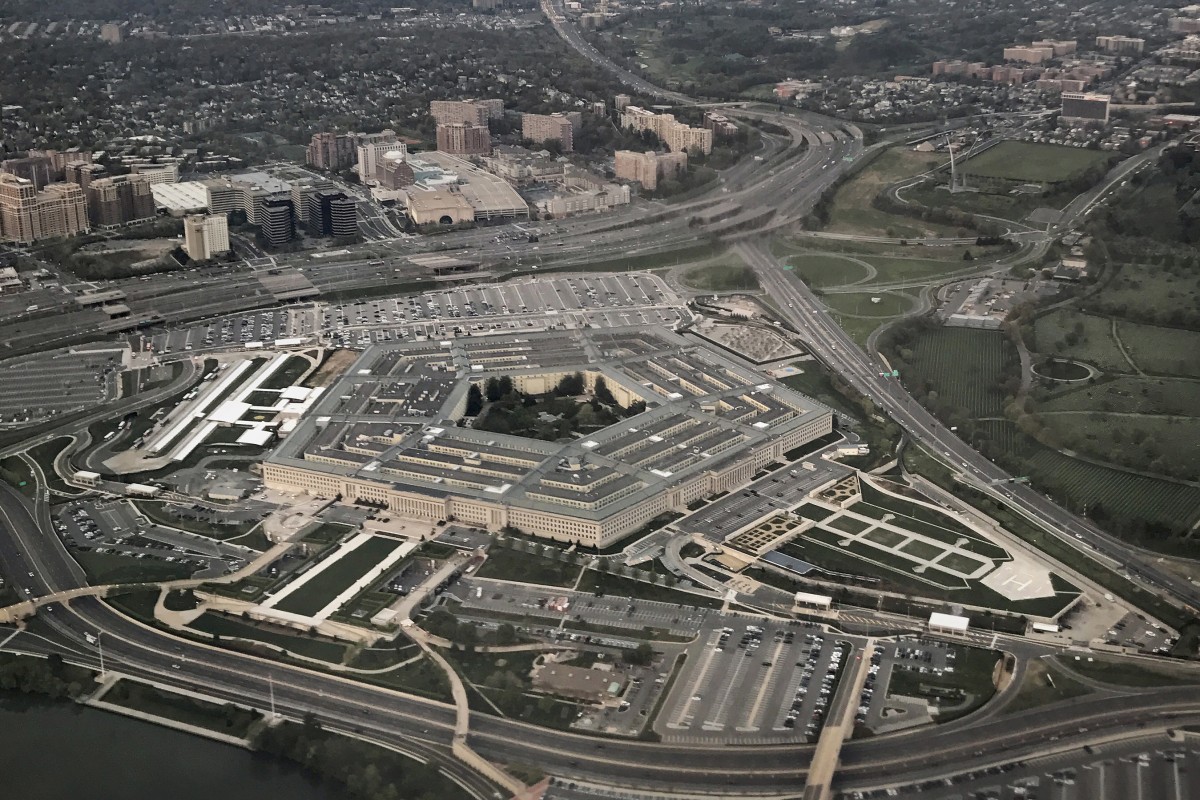
In some cases, they have relatives who served in militaries closely allied with the United States. Those removals raise questions about the Pentagon’s screening process and why it has weeded out precisely the recruits defence officials said they needed.
The Pentagon programme they were recruited under embraced a simple idea: the military would enlist immigrants to make use of strategic language and medical abilities in short supply among US-born troops, designating the skills of immigrants a national security imperative.
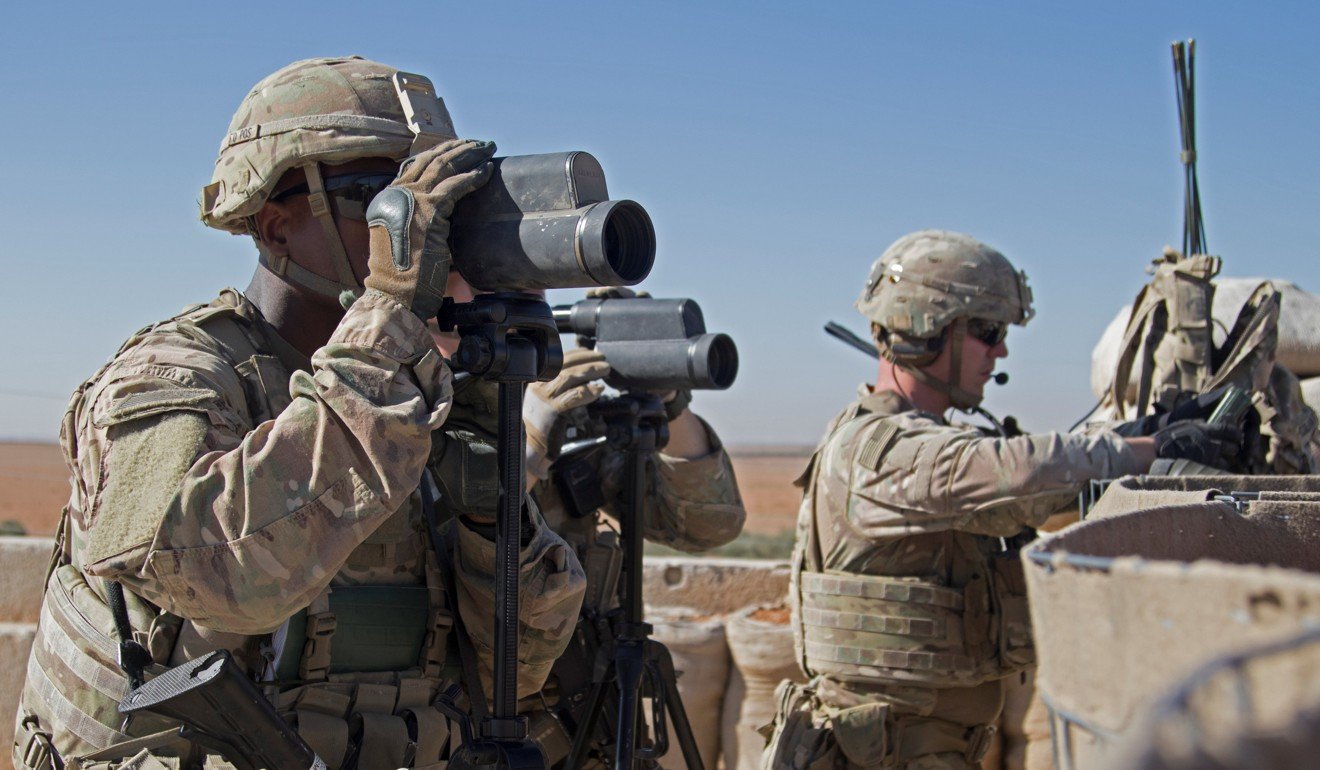
The programme was even named in that fashion – Military Accessions Vital to the National Interest, or Mavni, which enlisted more than 10,400 foreign-born troops in the past decade, with the promise of fast-tracked naturalisation that would take weeks. Speakers of Mandarin, Russian, Arabic and other languages have been in demand by defence officials.
But then denials began to quicken since stricter screening was instituted in late 2016, a lawyer for immigrant recruits said, pointing to family ties as a common reason.
Li, who arrived in Minnesota from China in 2012 to study aerospace engineering, said that his US Army enlistment processing had crawled since February 2016. In that time, he attended drills as a selected reservist and received his uniform and an ID card that grants him access to army installations.
Then this month, after three years of waiting, an enlistment denial justification letter arrived in his postbox, containing two sentences about family history.
Li told investigators that his since-deceased grandfather’s torture decades ago by Chinese Communists prompted worry of reprisals if the Chinese government learned of Li’s enlistment.
“You revealed that you fear for your family’s safety,” officials wrote in a letter, saying his suitability for enlistment was adverse, documents show.
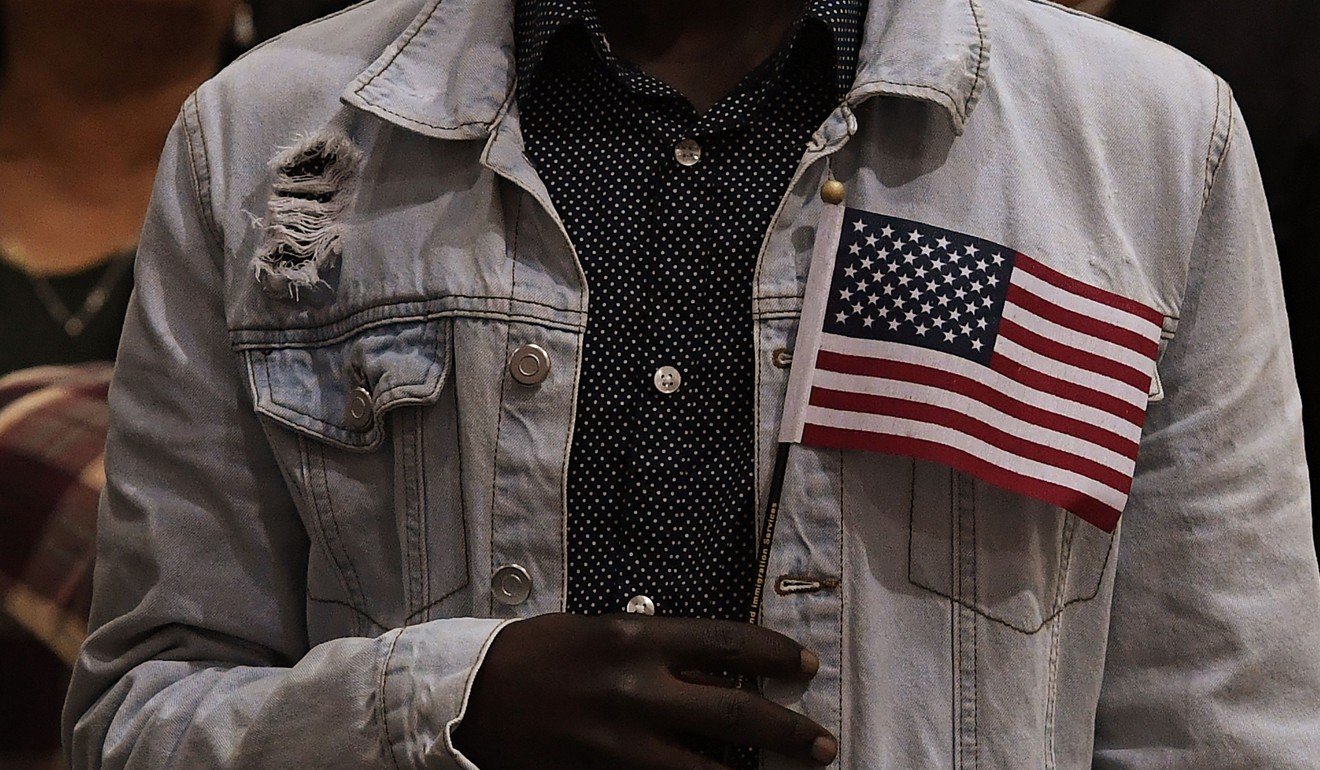
“I’m shocked and numb,” Li said. “They use anything they can to kick us out.”
The new vetting process has delayed enlistments by years, and the wait has turned more than 1,000 recruits – who enlisted as legal immigrants with visas – into unlawful immigrants whose credentials expired as their screenings tumbled into bureaucratic limbo.
The Pentagon has acknowledged in court filings that none of the thousands of recruits who later naturalised from the programme have been charged with espionage-related crimes, though one Chinese recruit has been accused of failing to register as a foreign agent. The new vetting procedures did not play a role in his detection, court filings said.
It is unclear how many immigrant recruits have been turned away as recruits or discharged as soldiers in recent months. In a spate of lawsuits alleging misconduct and violation of equal protection laws, the Pentagon has reversed decisions and halted discharges.
Chinese women join US Army to obtain green cards
Defence officials have not offered public insight into how the vetting works or what kind of oversight exists. The results are typically explained in one or two sentences.
Another Chinese-born recruit, who declined to provide his name out of fear of reprisal to his family by the Chinese government, said he was denied enlistment last month because his father and grandfather served in the Communist military, though the report about his relatives’ positions was inaccurate, he said.
His grandfather died before the recruit was born.
“I don’t know what’s the harm for me to finish my contract and gain my citizenship,” he said.
Mavni screening can be “time-consuming due to our limited ability” to verify information from home countries, said Jessica Maxwell, a Pentagon spokeswoman. She declined to address questions about the process itself and whether screeners adjust expectations of foreign ties if they are screening foreign-born recruits.
She also declined to say how many Mavni recruits are still waiting for their screening to finish, citing litigation and privacy limitations.
Margaret Stock, an immigration lawyer who has represented Mavni recruits, including Li, said the Pentagon has scuttled millions of dollars and years of time to produce unclear reasons why it separates immigrants the Defence Department itself determined it needed.
“This is what they come up with? Your grandfather served in a foreign army before you were born?” Stock asked. “What is the threat to national security? They can’t articulate it here.”
Other rejections point to speculative or seemingly benign information for immigrants living typical lives.
“You revealed that you maintain routine contact with your father and mother who are citizens of and reside in China,” said one document.
An Indian-born recruit was cut loose after an investigation determined that family members “work for or have worked for the Indian army”, according to one document, even thought India and the United States share a defence relationship.
Recruits from South Korea, a key US defence ally, have been penalised because their fathers are required by conscription to serve, Stock said.
Maxwell declined to say why a family member’s involvement in a friendly military would raise suspicions.

Another enlistee was rejected for “multiple wire transfers” through US banks, though the screening review did not describe the nature of the transfers or whether they were unlawful.
One recruit, a Chinese doctoral student, was turned away because a screener with no medical experience said that the recruit had Asperger syndrome – on the basis that the screener once observed a family member with autism, The Post previously reported.
Potential persecution of Li’s family could be aided by the US military itself. US Army recruiters inadvertently exposed the private information of hundreds of Chinese-born recruits, heightening the risk that Chinese government officials would target their families, a lawmaker said.
Pentagon poised to report on US military’s dependence on China
Those disclosures and enlistment delays have forced several recruits to apply for US asylum protection, including Li while he fights the army’s determination that he is unsuitable for service.
Li said he wants to bring his family to the United States. Until then, he has taken a rather American path: he helps design grain enclosures and spreaders for a farm equipment company in Minnesota, with an eye to eventually transitioning from the US Army to the Air Force.
Li said he hopes to become a pilot, perhaps for the C-130 Hercules transport aircraft.
Fighters can be flashy, he said. But the Hercules can get him more time in the cockpit on missions across the world.
Source: SCMP

 CHINDIA ALERT: You'll be living in their world, very soon