Chindia Alert: You’ll be Living in their World Very Soon
aims to alert you to the threats and opportunities that China and India present. China and India require serious attention; case of ‘hidden dragon and crouching tiger’.
Without this attention, governments, businesses and, indeed, individuals may find themselves at a great disadvantage sooner rather than later.
The POSTs (front webpages) are mainly 'cuttings' from reliable sources, updated continuously.
The PAGEs (see Tabs, above) attempt to make the information more meaningful by putting some structure to the information we have researched and assembled since 2006.
Chinese groups calling for more ‘fighting spirit’ are getting the upper hand on those who favour calm and cooperation, government adviser says
From Hong Kong to Covid-19, trade to the South China Sea, Beijing and Washington are clashing on a growing number of fronts and in an increasingly aggressive way
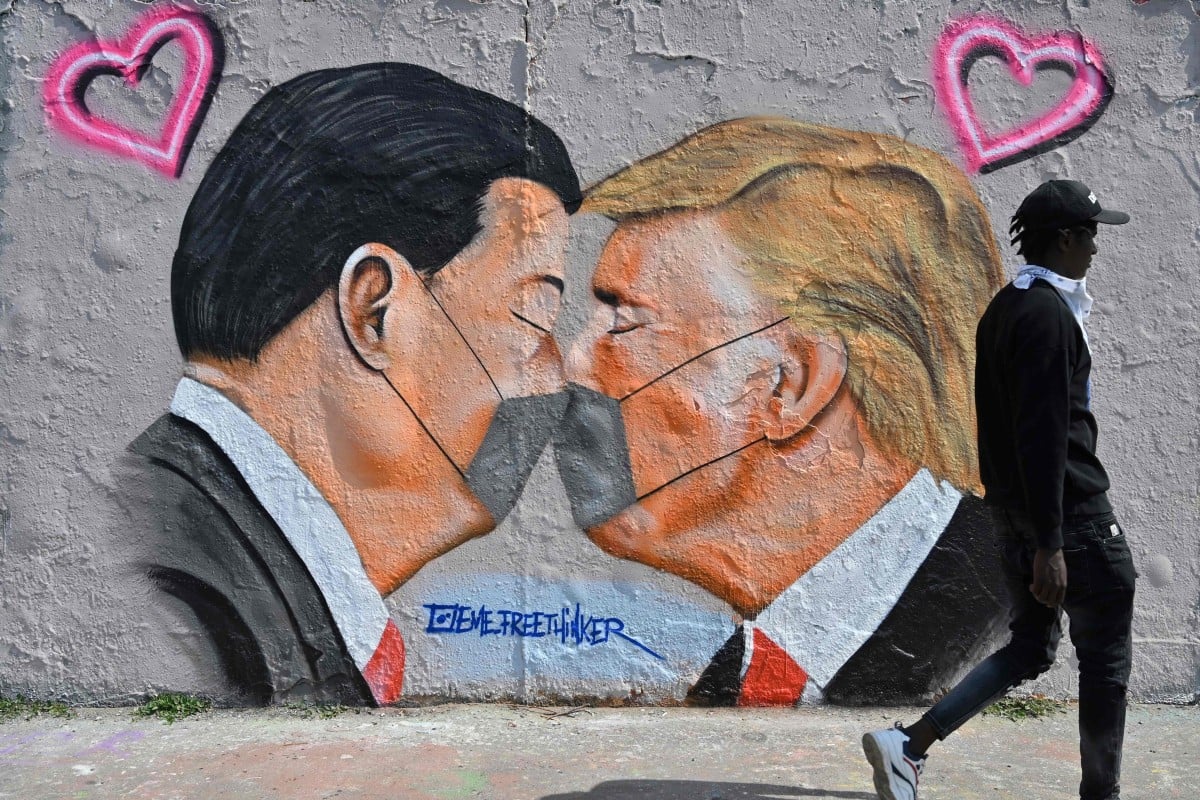
Efforts to promote dialogue and cooperation between the US and China are failing, observers say. Photo: AFP
Moderates who favour dialogue and cooperation as a way to resolve China’s disputes with the United States are losing ground to hardline groups bent on taking the fight to Washington, according to political insiders and observers.
“There are two camps in China,” said a former state official who now serves as a government adviser and asked not to be named.
“One is stressing the combat spirit, the other is trying to relieve tensions. And the former has the upper hand.”
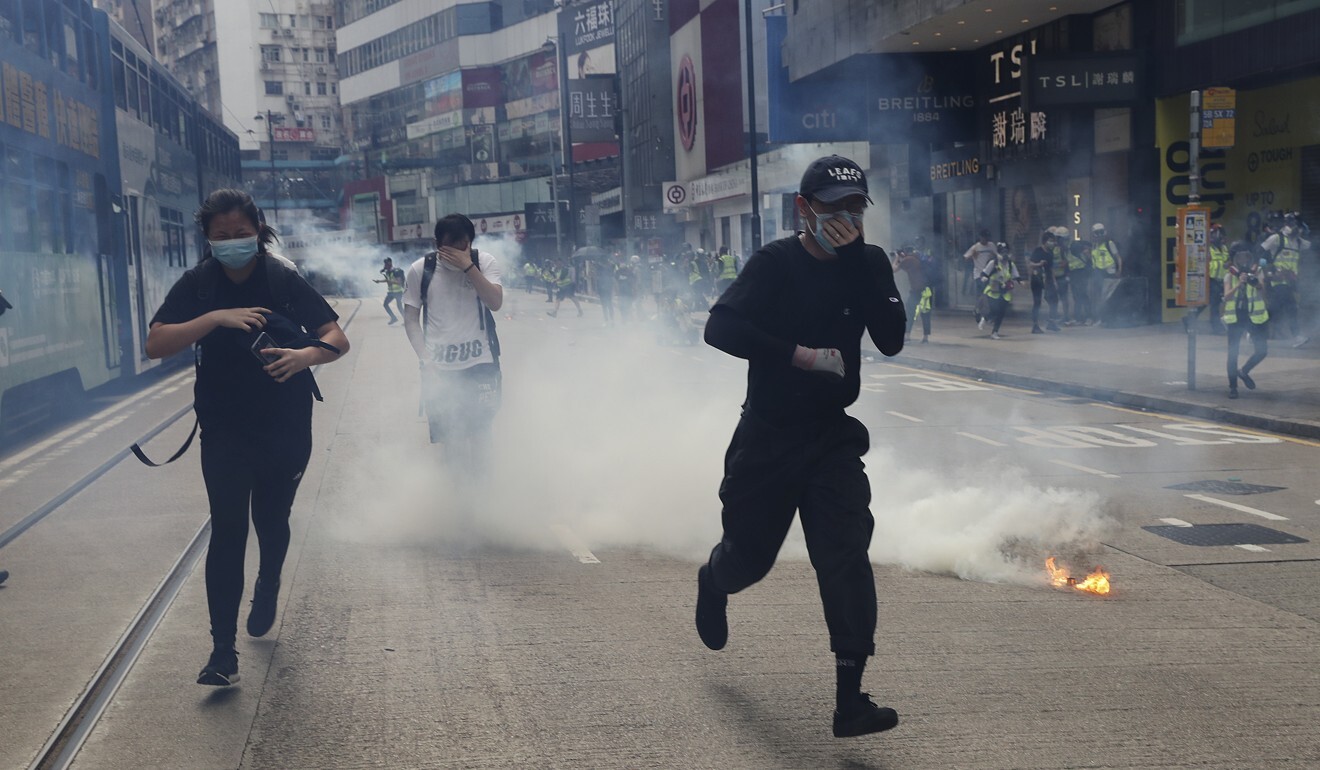
Relations between China and the US are under intense pressure. After Beijing moved to introduce a national security law for Hong Kong, US President Donald Trump said on Friday that Washington would begin eliminating the special policy exemptions it grants the city, as it no longer considers it autonomous from mainland China.
Beijing’s decision to enact a national security law for Hong Kong was met with anger from the US and other Western countries. Photo: Sam Tsang
The two nations have also clashed over trade, Xinjiang, Taiwan and the South China Sea, with the US passing several acts denouncing Beijing and sanctioning Chinese officials.
China has also experienced turbulence in its relations with other countries, including Australia and members of the European Union, mostly related to the Covid-19 pandemic
and Beijing’s efforts to position itself as a leader in the fight against the disease with its policy of “mask diplomacy”.
After Canberra appealed for an independent investigation to be carried out to determine the origins of the coronavirus, Beijing responded by imposing tariffs on imports of Australian barley, showing it is prepared to do more than just trade insults and accusations with its adversaries.
Pang Zhongying, a professor of international relations at Ocean University of China in Qingdao, said there was a worrying trend in China’s relations with other nations.
“We need political and diplomatic means to resolve the challenges we are facing, but … diplomatic methods have become undiplomatic,” he said.
“There are some who believe that problems can be solved through tough gestures, but this will never work. Without diplomacy, problems become confrontations.”
said during his annual press conference on the sidelines of the National People’s Congress last weekend that China and the United States must work together to prevent a new Cold War.
His words were echoed by Chinese Premier Li Keqiang, who said during a press conference after the closure of the legislative session on Thursday that the many challenges facing the China-US relations could only be resolved through cooperation.
However, the government adviser said there was often quite a chasm between what China’s leaders said and what happened in reality.
“Even though we say we do not want a Cold War, what is happening at the working level seems to be different.” he said. “The implementation of policies is not properly coordinated and often chaotic.”
Tensions between China and the US have been in a poor state since the start of a trade war almost two years ago. After multiple rounds of negotiations, the sides in January signed a phase one deal, but the positivity that created was short-lived.
In February, Beijing expelled three reporters from The Wall Street Journal over an article it deemed racist, while Washington has ramped up its military activity in the South China Sea and Taiwan Strait, and threatened to revoke the visas of Chinese students studying science and technology in the US over concerns they might be engaged in espionage.
Beijing has also used its state media and army of “Wolf Warrior” diplomats to promote its narrative, though many Chinese scholars and foreign policy advisers have said the latter’s nationalistic fervour has done more harm than good and appealed to Beijing to adopt a more conciliatory tone.
However, Hu Xijin, editor-in-chief of Chinese tabloid Global Times, said China had no option but to stare down the US, which regarded the world’s most populous nation as its main rival.
“Being contained by the US is too high a price for China to pay,” he said. “I think the best thing people can do is forget the old days of China-US ties”.
Jin Canrong, a professor of international relations at Renmin University in Beijing, wrote in a recent newspaper article that Beijing’s actions – notably enacting a national security law for Hong Kong – showed it was uncompromising and ready to stand its ground against the US.
Wu Xinbo, dean of international studies at Fudan University in Shanghai, agreed, saying relations between the two countries were likely to worsen in the run-up to the US presidential election in November and that Beijing should be prepared for a fight.
But Adam Ni, director of China Policy Centre, a think tank in Canberra, said the issue was not that the moderate camp had been sidelined, but rather Beijing’s perception of the US had changed.
“Beijing has woken up to the idea that America’s tough policy on China will continue and it is expecting an escalation of the tensions,” he said.
“The centre of gravity in terms of Beijing’s perception of the US has shifted, in the same way the US perception of China has shifted towards a more negative image”.
Beijing was simply responding in kind to the hardline, assertive manner of the US, he said.
Chinese President Xi Jinping, also general secretary of the Communist Party of China Central Committee and chairman of the Central Military Commission, takes part in a deliberation with his fellow deputies from the delegation of Inner Mongolia Autonomous Region at the third session of the 13th National People’s Congress (NPC) in Beijing, capital of China, May 22, 2020. (Xinhua/Ju Peng)
BEIJING, May 23 (Xinhua) — “What is people first?” Chinese President Xi Jinping asked, before offering his own answer when he was talking with lawmakers at the ongoing national legislative session.
“So many people worked together to save a single patient. This, in essence, embodies doing whatever it takes (to save lives),” he said.
Xi, also general secretary of the Communist Party of China Central Committee and chairman of the Central Military Commission, is a deputy to the 13th National People’s Congress.
During his deliberations with fellow deputies from Inner Mongolia Autonomous Region on Friday, “people” was a keyword.
Xi referred to a story told by another deputy that morning. Luo Jie, from the COVID-19 hard-hit province of Hubei, told reporters at the session how medical workers in his hospital spent 47 days saving an 87-year-old COVID-19 patient.
“About 10 medical workers meticulously took care of the patient for dozens of days, and finally saved the patient’s life,” Xi said. “I am really impressed.”
In the COVID-19 pandemic, health workers around the world got to know the elderly are the most difficult to treat and require the most sophisticated medical resources. China has given every patient equal treatment irrespective of their age or wealth.
Chinese President Xi Jinping, also general secretary of the Communist Party of China Central Committee and chairman of the Central Military Commission, takes part in a deliberation with his fellow deputies from the delegation of Inner Mongolia Autonomous Region at the third session of the 13th National People’s Congress (NPC) in Beijing, capital of China, May 22, 2020. (Xinhua/Huang Jingwen)
In Hubei alone, more than 3,600 COVID-19 patients over the age of 80 have been cured. In the provincial capital Wuhan, seven centenarian patients have been cured.
“We mobilized from around the nation the best doctors, the most advanced equipment and the most needed resources to Hubei and Wuhan, going all out to save lives,” Xi said during the deliberations, adding that the eldest patient cured is 108 years old.
“We are willing to save lives at all costs. No matter how old the patients are and how serious their conditions have become, we never give up,” Xi said.
Xi joined political advisors and lawmakers on Thursday and Friday in paying silent tribute to the lives lost to COVID-19 as the top political advisory body and the national legislature opened their annual sessions.
This year’s government work report said China’s economy posted negative growth in the first quarter of this year, but it was “a price worth paying” to contain COVID-19 as life is invaluable.
“As a developing country with 1.4 billion people, it is only by overcoming enormous difficulties that China has been able to contain COVID-19 in such a short time while also ensuring our people’s basic needs,” the report said.
Epidemic response is a reflection of China’s governing philosophy.
The fundamental goal for the Party to unite and lead the people in revolution, development and reform is “to ensure a better life for them,” Xi said.
The nation’s average life expectancy reached 77 years in 2018, more than double that in 1949, when the people’s republic was founded.
Chinese people are not just living longer but better lives, with more material wealth and broader choices to pursue individual dreams. All rural poor will bid farewell to poverty this year as part of the goal of building a moderately prosperous society in all respects.
The Party’s long-term governance, Xi said, rests on “always maintaining close bond with the people.”
“We must always remain true to the people’s aspiration and work in concert with them through thick and thin,” Xi said.
Countries must respect each others’ systems and be wary of US political forces who want to ‘hijack relations’, Wang tells press conference at ‘two sessions’
Beijing is not looking for confrontation and wants to work with Washington to fight coronavirus, minister says
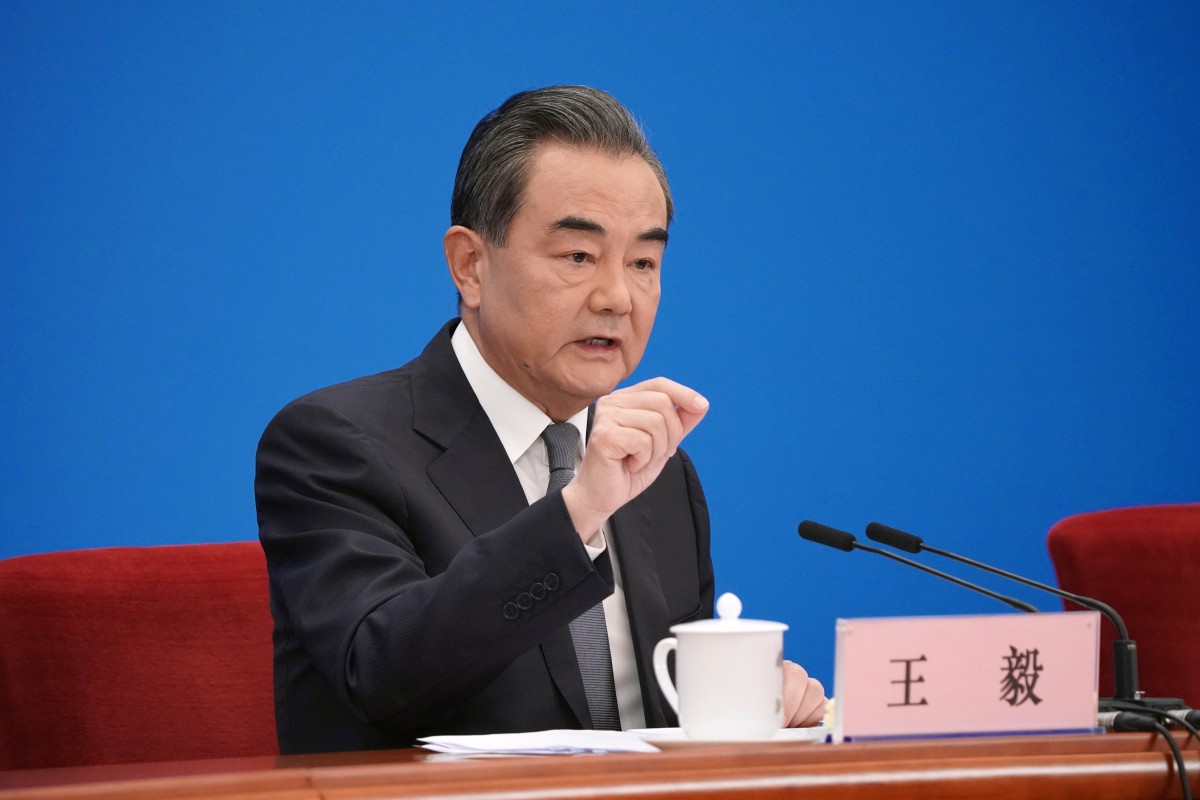
Foreign Minister Wang Yi said China did not want to replace or change the US. Photo: Xinhua
China and the US should try to avoid a new cold war and find new ways to cooperate despite their differences, China’s Foreign Minister Wang Yi said on Sunday.
“We need to be alert to efforts by some political forces in America to hijack China-US relations and who try to push the two countries towards a so-called ‘new cold war’.
“This is a dangerous attempt to turn back the course of history,” Wang told a press conference on the sidelines of the annual parliamentary meetings known as the ‘two sessions’.
Ties between the two countries have further worsened due to escalating tensions over the handling of the Covid-19 pandemic.
Voices calling for decoupling have been on the rise in the US, with some arguing that the two countries are edging towards a new cold war akin to that against the Soviet Union.
Wang called for the two countries to respect each other’s political systems and to find a way to get along despite their differences.
The two nations should step up cooperation on global pandemic control, and coordinate on macro policies to deal with the economic impact.
“China has no intention of changing the United States, much less replacing it. The US should give up the wishful thinking that it can change China.”
“For the benefit of the two peoples, as well as the future and well-being of humankind, China and the US should and must find a way to coexist peacefully despite the differences in system and cultures of the two societies.”
Wang said China will not seek confrontation with the United States, but China is determined to protect its sovereignty, territorial integrity and development.
BEIJING, May 20 (Xinhua) — Chinese President Xi Jinping said Wednesday that China stands ready to work with Myanmar and other countries to continue to support the World Health Organization (WHO) playing a leading role in the global battle against the COVID-19 pandemic.
In a phone conversation with his Myanmar counterpart, U Win Myint, Xi also called for concerted efforts to firmly uphold international fairness and justice as well as the basic norms in international relations, and jointly win the battle for global public health.
Recalling that after the coronavirus disease broke out in China, the Myanmar government and all sections of society extended a helping hand to the Chinese side, Xi said the outbreak in Myanmar is pulling at the heartstrings of the Chinese people.
The Chinese side has donated multiple batches of anti-epidemic supplies to Myanmar and sent two groups of medical experts to fight side by side with Myanmar medical workers, he added.
That, he pointed out, has fully demonstrated the “Paukphaw” (fraternal) friendship of standing together and helping each other between the people of the two countries, and vividly illustrated the spirit of a community with a shared future that features China and Myanmar sticking together through thick and thin.
China will continue to provide firm support and as much assistance as its capacity allows for the Asian neighbor in line with the latter’s needs, Xi said, adding that he is confident that the Myanmar people will eventually overcome the epidemic.
Noting that this year marks the 70th anniversary of China-Myanmar diplomatic relations, Xi recalled that he paid a successful visit to Myanmar in January, during which the two sides agreed to build a China-Myanmar community with a shared future and usher in a new era of bilateral relations. He expressed the hope that the two sides will closely cooperate to implement the results of the visit.
Xi suggested that on the basis of putting in place COVID-19 prevention and control measures, the two sides should appropriately advance exchanges and cooperation in various fields and push for positive progress in China-Myanmar Economic Corridor projects.
The two sides, he added, should also make good use of their joint prevention and control mechanism for border areas, and make coordinated efforts to safeguard peace and tranquility along the border, prevent and control the epidemic, and resume work and production.
For his part, Win Myint said that under the strong leadership of Xi, the Chinese government and people have succeeded in putting the epidemic under control and the national economy and social life have been fully restored, which Myanmar is grad to see.
The Myanmar president thanked China for providing support and assistance to the WHO and other countries including Myanmar in their fight against the epidemic.
In the face of the epidemic, all countries should strengthen cooperation and uphold international justice as well as each country’s right to development, he said.
The sound cooperation between Myanmar and China is a reflection of the two sides’ efforts to build a community with a shared future, Win Myint said.
Myanmar will continue to firmly uphold the one-China policy and work with China to earnestly implement the outcomes of Xi’s visit to Myanmar in January, continue to deepen “Paukphaw” friendship and cooperation in various fields and promote the continuous development of the comprehensive strategic cooperative partnership between Myanmar and China, he added.
China will not set an economic growth goal for this year as it deals with the fallout from the coronavirus pandemic.
It is the first time Beijing has not had a gross domestic product (GDP) target since 1990 when records began.
The announcement was made by Premier Li Keqiang at the start of the country’s annual parliament meeting.
The world’s second largest economy shrank by 6.8% in the first quarter from a year ago as lockdowns paralysed businesses.
“This is because our country will face some factors that are difficult to predict in its development due to the great uncertainty regarding the Covid-19 pandemic and the world economic and trade environment,” Premier Li said.
The country’s leadership has promised to boost economic support measures amid growing concerns that rising unemployment could threaten social stability.
The move comes as tensions between Beijing and Washington are becoming increasingly strained over the coronavirus pandemic, trade and Hong Kong.
On Thursday, President Donald Trump stepped up his attacks on China, suggesting that the country’s leader, Xi Jinping, is behind a “disinformation and propaganda attack on the United States and Europe.”
It came as Mr Trump and other Republicans have escalated their criticism of Beijing’s handling of the early stages of the outbreak.
Also on Thursday, China announced plans to impose new national security legislation on Hong Kong after last year’s pro-democracy protests.
The announcement was met with a warning from Mr Trump that the US would react “very strongly” against any attempt to gain more control over the former British colony.
Separately, two US senators have proposed legislation to punish Chinese entities involved in enforcing the planned new laws and penalise banks that do business with them.
Earlier this week, the US Senate unanimously passed a proposal to delist Chinese companies from American stock exchanges if they fail to comply with US financial reporting standards.
US-listed Chinese companies have come under increasing scrutiny in recent weeks after Luckin Coffee revealed that an internal investigation found hundreds of millions of dollars of its sales last year were “fabricated”.
A pedestrian waits to cross a street in Brussels, Belgium, May 6, 2020. (Xinhua/Zhang Cheng)
— New single-day COVID-19 deaths continue to drop in France
— Italy sees fewer COVID-19 patients, number of active infections falls to 70,187
— New deaths from COVID-19 keep falling in Spain as PM seeks final extension of State of Alarm
— Deaths from coronavirus top 9,000 in Belgium
BRUSSELS, May 16 (Xinhua) — The following are the latest developments of the COVID-19 pandemic in European countries.
A man makes a phone call near the Eiffel Tower at the Trocadero Palace, Paris, France, May 15, 2020. (Xinhua/Gao Jing)
PARIS — France had registered 96 new deaths from COVID-19 over the past 24 hours, fewer than the previous two 24-hour periods, while the balance of the coronavirus-related hospitalization remains negative, France’s Health Ministry said on Saturday.
According to the ministry, the 96 new single-day deaths were lower than 104 registered on Friday and 351 on Thursday. So far, 27,625 people have succumbed to the coronavirus-caused disease across France.
Meanwhile, France is now the world’s fourth worst-hit country in terms of human loss caused by COVID-19 after the United States, Britain and Italy.
As of Saturday, the country had recorded 142,291 confirmed cases, a single-day increase of 372, slower than Friday’s 563. A total of 61,066 patients had recovered and returned home since early March.
People wait in line outside a cocktail bar in Rome, Italy, May 12, 2020. (Xinhua/Cheng Tingting)
ROME — The number of COVID-19 hospitalizations and intensive care (ICU) patients dropped in Italy over the past 24 hours, according to the latest tally posted by the Civil Protection Department on Saturday.
Recoveries rose by 2,605 from a day earlier, bringing the total to 122,810.
Nationwide, the number of active infections fell to 70,187, down from 72,070 on Friday.
Of those who tested positive for the new coronavirus, 775 are in intensive care, down by 33 from Friday, and 10,400 are hospitalized with symptoms, down by 392.
The death toll on Saturday was 153, bringing the total to 31,763 since the outbreak was first recorded in Italy’s northern Lombardy region in February.
The total number of COVID-19 cases combining infections, fatalities and recoveries has risen to 224,760, up from 223,885 on Friday.
A security guard offers disinfectant gel to a woman at the entrance of a building in Barcelona, Spain, on May 11, 2020. (Photo by Sergi Camara/Xinhua)
MADRID — The Spanish Ministry of Health, Consumer Affairs and Social Welfare confirmed on Saturday falls in the number of new deaths from COVID-19 as well as new cases.
The total number of deaths in Spain rose to 27,563 after 102 people lost their lives to COVID-19 in the 24-hour period until 21:00 hours local time on Friday.
This was the lowest number of deaths in a 24-hour period since March 16, with 50 of the deaths in the regions of Madrid and Catalonia.
The same period also saw a slight fall in the number of new cases. The Health Ministry reported 539 new infections, down from 549 reported 24 hours earlier, taking the total number of confirmed cases to 230,698.
Also on Saturday, Spanish Prime Minister Pedro Sanchez said he will seek a fifth and final extension of the State of Alarm, which was imposed on March 15 to control the spread of the coronavirus.
Speaking in a televised speech, Sanchez said the upcoming final State of Alarm, which will come into effect on May 24 if approved, will be “different” from others.
“It is expected to be the last State of Alarm. We are going to request in the Congress of Deputies that it should last for a month,” he said. All the previous four extensions have been 15 days.
Few people are seen at the Saint-Hubert Royal Galleries shopping street in Brussels, Belgium, May 6, 2020. (Xinhua/Zhang Cheng)
BRUSSELS — With an increase of 47 deaths reported in the last 24 hours, the novel coronavirus had caused a total of 9,005 deaths in Belgium since the beginning of the epidemic, said the public health institute Sciensano on Saturday.
Of the 9,005 deaths, 48 percent took place in hospitals, 51 percent in nursing homes, and about 0.6 percent elsewhere, according to Sciensano. Deaths in hospitals were all confirmed COVID-19 cases. Of the fatalities in nursing homes, 23 percent were confirmed by test while the other were presumed by symptoms.
Also in the past 24 hours, 345 new cases of COVID-19 have been confirmed, raising the cumulative cases to 54,989 in Belgium.
There has been strong demand for air freight services since April, when Chinese factories got back to work
Cargo flights have become critical in moving protective health equipment across the globe
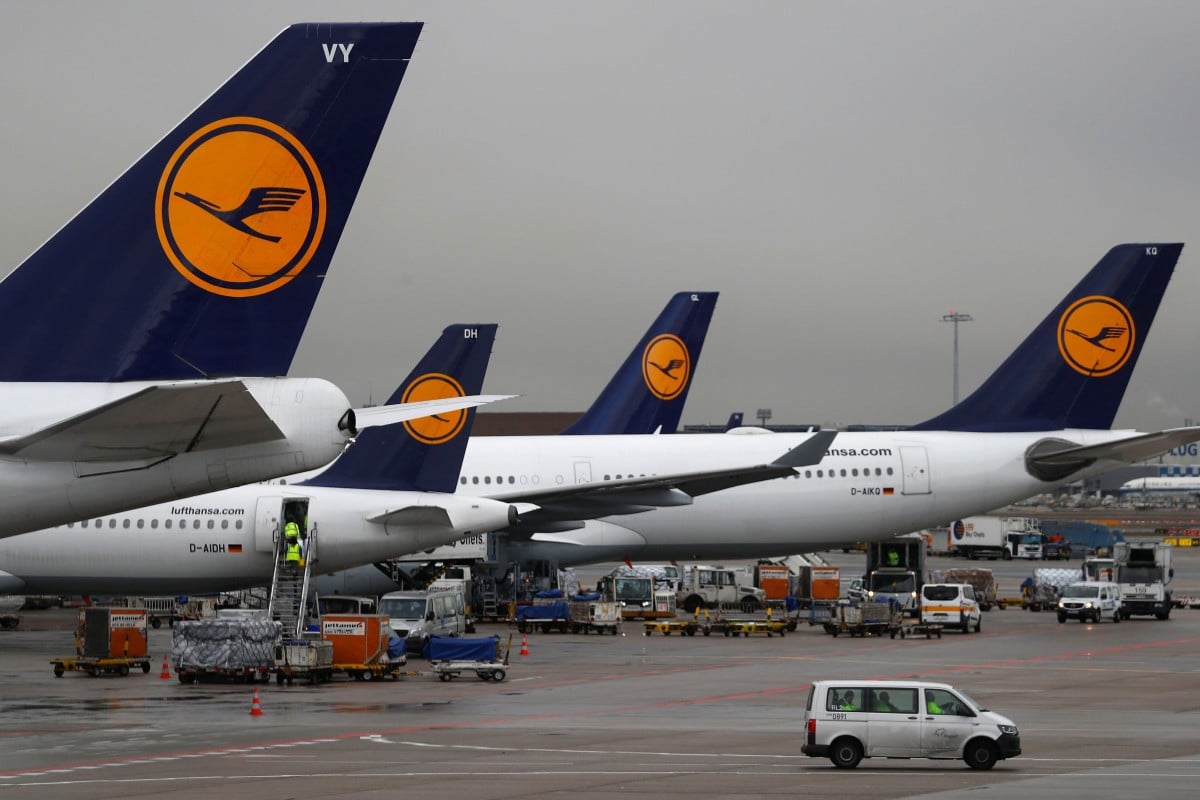
Planes of German air carrier Lufthansa at the country’s largest airport in Frankfurt. Photo: Reuters
German freight carrier Lufthansa Cargo is expanding in China, surpassing 100 weekly flights for the first time, and adding new flights to Shenzhen.
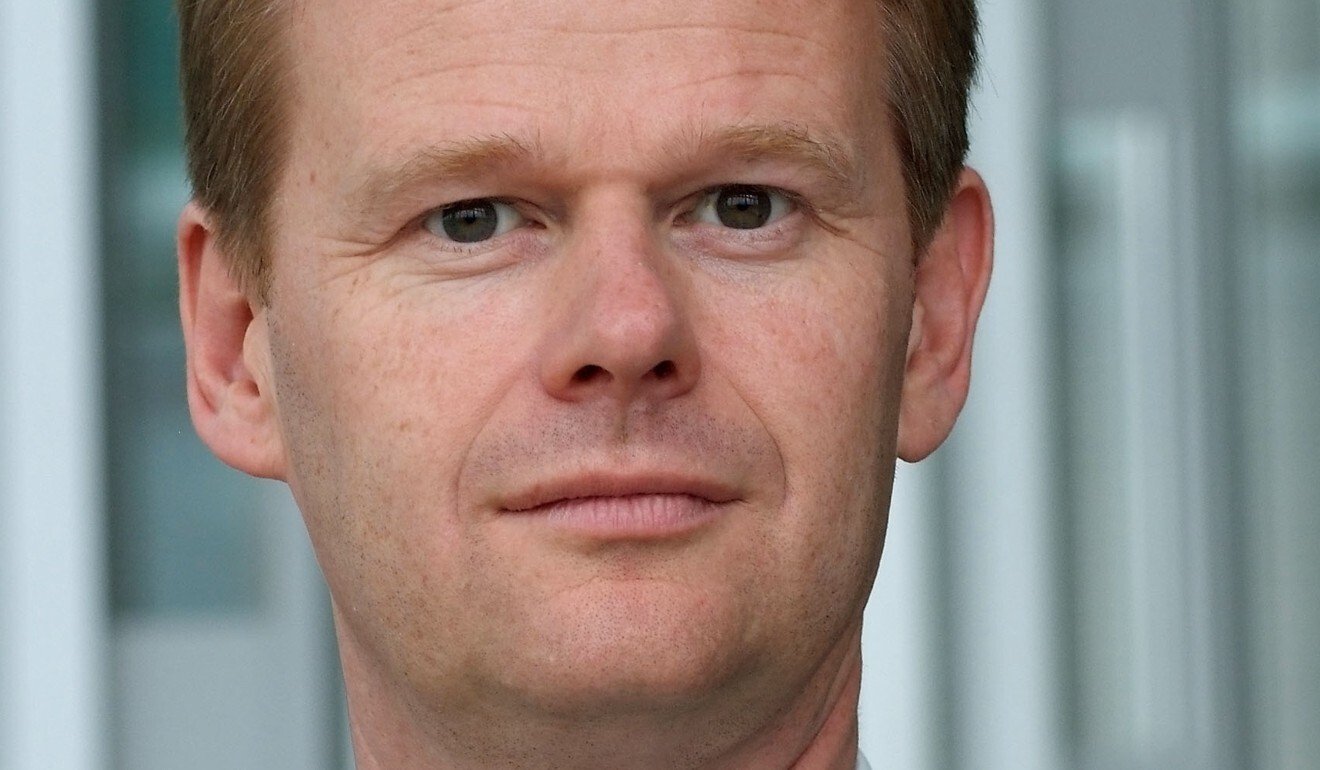
Peter Gerber, CEO of Europe’s largest cargo airline, said there had been heavy demand for its services, though this might cool by the peak of summer.
“At the moment, cargo demand is very, very strong,” he told the Post. “It started to get strong in April, when Chinese industries got back to work, and after that we have seen a constant, heavy demand, a real peak.”
Cathay Pacific and Cathay Dragon report combined HK$4.5 billion loss for start of 2020
15 May 2020
Global air freight capacity has been squeezed as two-thirds of the world’s aircraft have been grounded by the Covid-19 pandemic.
The collapse of air travel has practically put a stop to passenger flights, which typically carry half of all air cargo.
Since the pandemic, cargo flights have been critical in moving protective health equipment across the globe. From sending masks and other supplies to China in February, the German carrier is now taking urgent supplies from the mainland back to Europe.
Peter Gerber says Lufthansa Cargo has a high responsibility in maintaining supply chains, for both global health and world trade. Photo: Handout
“We have a high responsibility in maintaining supply chains in these unprecedented times for both global health and world trade,” Gerber said.
With the addition of Shenzhen, Lufthansa Cargo will fly to five destinations in China. It serves more than 300 destinations in 100 countries.
The cargo carrier is part of the Lufthansa Group and coordinates all the freight that goes into the passenger planes of its sibling brands, including Lufthansa, Swiss and Austrian.
Coronavirus: South Africa asks Hong Kong to remove its citizens from government quarantine list
16 May 2020
By next week, Lufthansa Cargo will be running more freight flights to China than the 72 passenger flights the group flew weekly before the pandemic to Beijing, Shanghai, Shenyang, Nanjing and Qingdao.
Lufthansa Cargo has a fleet of seven Boeing 777 Freighters (777Fs), with two new 777Fs arriving this year as part of its strategy to operate a fleet with a single aircraft type.
It also has six McDonnell Douglas-11Fs that Gerber said would still be retired as planned at the end of 2020, despite the extra demand for cargo capacity.
Its additional flights to China will make use of “preighters” – passenger aircraft flying cargo only. Gerber felt the trend of using empty passenger planes as “preighters” had peaked, pointing out that they cost the same to operate as freighters but carry only a fraction of the cargo.
Although he did not rule out future expansion, he said: “Demand will gradually come down in the next two or three months because a lot of equipment would have been shipped by then and some shipments will go on rail or ocean shipping.”
Coronavirus: Cathay Pacific could get cash injection from shareholder Qatar Airways
13 May 2020
He said some uncertainty remained over continued demand for airfreighted cargo, given the battered state of the world economy. Airlines would have to consider longer-term demand before deciding to invest more in cargo aircraft. “It depends how it looks beyond the next year,” he said.
Gerber said no decision had been taken yet on whether to convert some of the group’s orders for Boeing’s newest widebody 777X passenger aircraft into cargo planes.
He added that future plane orders would be balanced against the wider needs and spending decisions at Lufthansa Group, which is currently negotiating a government pandemic bailout package in the region of €9 billion (US$9.7 billion).
Hungarian Foreign Minister Peter Szijjarto tells Chinese counterpart, Wang Yi, that his country ‘always upholds the one China principle’
Wang also speaks to foreign ministers of Estonia and Bosnia and Herzegovina ahead of World Health Assembly, which starts on Monday
Chinese Foreign Minister Wang Yi spoke to three European foreign ministers on Thursday. Photo: AP
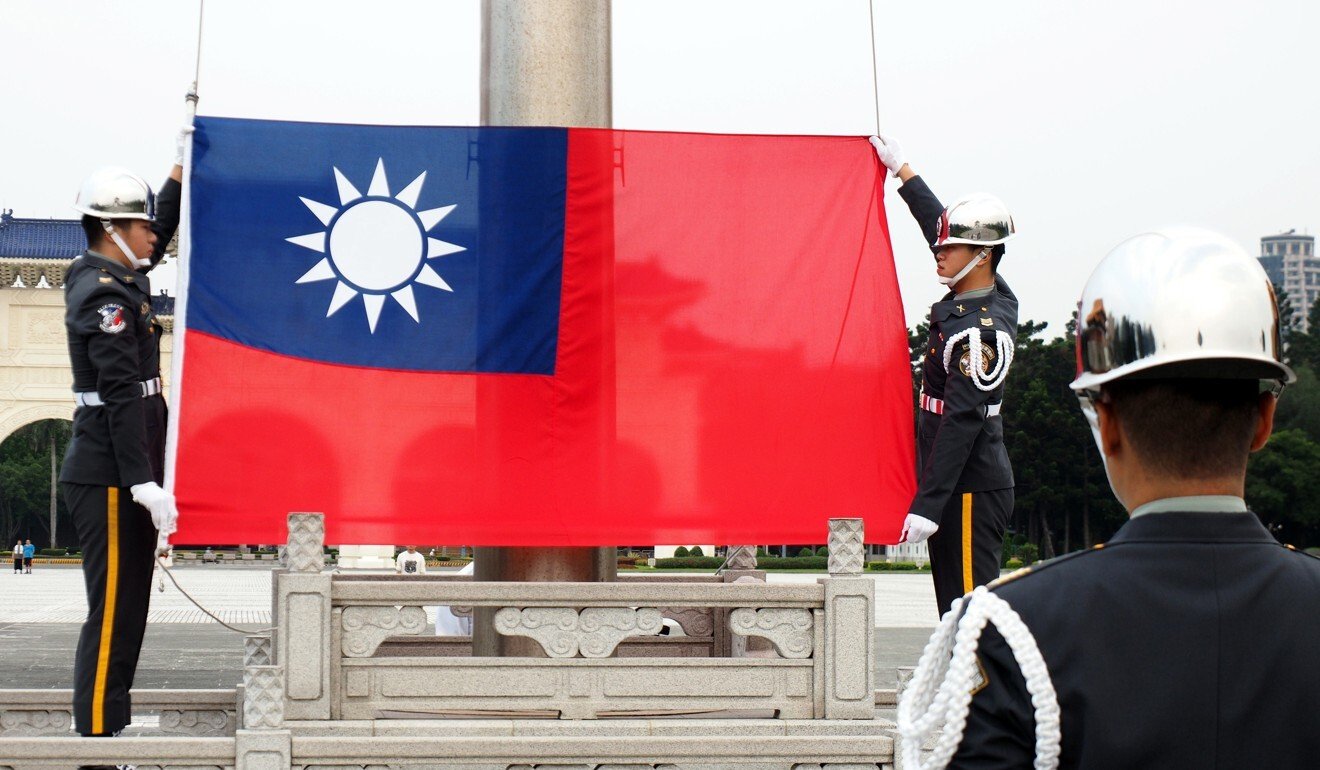
Hungary supports Beijing’s efforts to prevent Taiwan taking part in the upcoming World Health Assembly (WHA), according to a Chinese statement issued after a telephone conversation between the two countries’ foreign ministers.
China’s Foreign Minister Wang Yi called his European counterpart, Peter Szijjarto, on Thursday, the foreign ministry in Beijing said.
During the call, Szijjarto told Wang that Budapest would not support Taiwan’s accession to the World Health Organisation (WHO) ahead of the annual gathering of health ministers from around the world that starts in Geneva on Monday and which Taipei is keen to attend.
Hungary “always upholds the one China principle”, Szijjarto was quoted as saying.
A report about the ministers’ call by the Hungarian foreign ministry, however, made no mention of Taiwan.
It said that Szijjarto thanked Wang for the medical supplies China had sent to Hungary board 121 flights since the start of the Covid-19 pandemic.
The pair also discussed cooperation on 5G and the development of a rail project between Budapest and the Serbian capital, Belgrade, it said.
Beijing opposes Taiwan’s involvement in the WHO. Photo: EPA-EFE
As well as speaking to Szijjarto, Wang called the foreign ministers of Estonia and Bosnia and Herzegovina on Thursday to discuss the Covid-19 pandemic, but Taiwan was not mentioned, the Chinese statement said.
Taipei donated 80,000 face masks to Estonia in April, and last week, Urmas Paet, an Estonian member of the European parliament urged Budapest to support Taiwan’s membership of the WHO and “not allow itself to be manipulated by China”.
Taiwan has long campaigned to regain observer status at the WHO and has ramped up those efforts since the start of the global health crisis. Despite the devastation caused by Covid-19, Taiwan has reported just 440 confirmed cases and seven deaths.
Taiwan attended the WHA meetings as an observer between 2009 and 2016, unopposed by Beijing as at the time the island was led by president Ma Ying-jiu from the mainland-friendly Kuomintang.
However, relations between Taipei and Beijing have soured since 2016 and the election of President Tsai Ing-wen, from the pro-independence Democratic Progressive Party, who won a second term of office in January.
WHO put nations at risk by excluding Taiwan from knowledge sharing, US report says
13 May 2020
Taiwan has not been alone in its campaign to regain its WHO status, with the United States, Australia, New Zealand, Canada and several European countries backing the move.
Last week, US Secretary of State Mike Pompeo called on all nations to support Taipei’s participation as an observer at the WHA, and urged WHO director general Tedros Adhanom Ghebreyesus to allow it.
Despite the support, Taiwan’s Vice-Premier Chen Chien-jen said on Thursday that because of the pressure from Beijing there was now little chance of Taiwan attending the WHA.
China’s foreign ministry spokesman Zhao Lijian said last week it was “resolutely opposed” to New Zealand’s support for Taiwan.
In his calls to Europe, Wang also said that cooperation between Beijing and 17 central and eastern European nations – under the “17+1” banner – would not be affected by the health crisis and that further talks would be held once it had been brought under control.
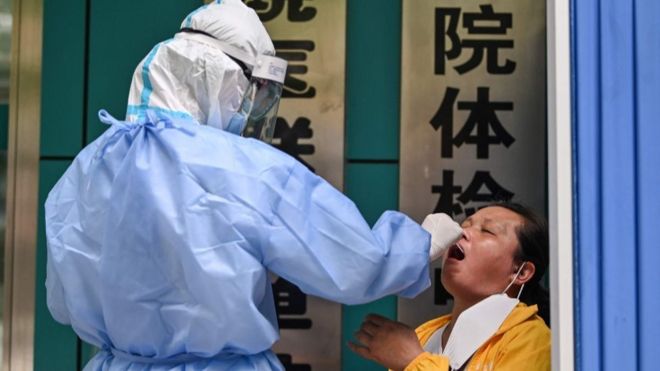
Image copyright GETTY IMAGESImage caption Testing everyone in 10 days would be a huge challenge
China is drawing up ambitious plans to test the entire population of Wuhan, the city where the Covid-19 pandemic began.
The announcement came after the emergence of six new coronavirus cases in the city – the first ones since early April.
The authorities had originally promised to test all 11 million people in 10 days.
But it now appears they might be aiming for a less ambitious timetable.
How long will the testing take?
In late April, the Hubei provincial government reported 63,000 people were being tested in Wuhan every day.
And by 10 May, that figure had dropped to just under 40,000.
There are more than 60 testing centres across the city, according to the official Hubei Daily newspaper.
These have a maximum capacity of 100,000 tests a day at most, making it hard to see how a target of testing the entire population in just 10 days could be met.
So the authorities have indicated the tests will not all start and finish within the same 10-day period.
“Some districts [in the city] will start from 12 May, others from 17 May, for example,” the Wuhan Centre for Disease Control said.
“Each district finishes its tests within 10 days from the date it started.”
The authorities say they have now tested more than three million people in the city.
Wuhan University pathogen biology department deputy director Yang Zhanqiu told the Global Times newspaper he believed up to five million Wuhan residents may have already been tested.
The population of the city – originally 11 million – has also fluctuated over time.
The authorities said up to five million people had left the city for the lunar New Year holiday before it was locked down on 23 January.
The lockdown then lasted until 8 April, but it is unclear how many of these residents have now returned.
Should everyone be tested?
Wuhan University’s Yang Zhanqiu said there was no need to test everyone living in neighbourhoods with no reported cases.
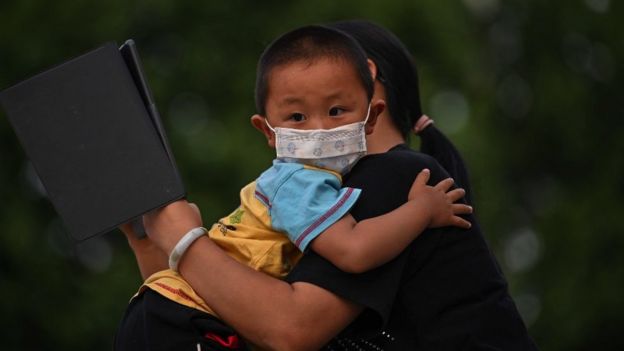
Image copyright GETTY IMAGESImage caption There are worries about asymptomatic coronavirus cases
The authorities have said they will begin with people considered most at risk – for example in the older, more densely populated areas, as well as those in key jobs such as healthcare.
Also, people who have been tested in the previous seven days will not need to be tested again.
But Chinese Center for Disease Control and Prevention chief epidemiologist Wu Zunyou told state TV: “The virus could take longer to manifest itself in patients with weak immunity and these people are also prone to ‘on’ and ‘off’ symptoms.”
Yang Zhanqiu adds: “You’ll never know if people were infected after testing negative.”
And US-based Council for Foreign Affairs senior fellow for global health Yanzhong Huang said: “There would still be the possibility of isolated outbreaks in the future, which even large-scale testing will not address.”
Members of Chinese medical team attend a ceremony at Jiangbei International Airport in southwest China’s Chongqing, May 13, 2020. The Chinese government will send a team of medical experts to Algeria to help the country fight the COVID-19 pandemic. These experts, specializing in areas including respiratory diseases, intensive care, infectious diseases, and laboratory testing, will fly to Algeria on early Thursday morning. (Xinhua/Liu Chan)
CHONGQING, May 13 (Xinhua) — The Chinese government will send a team of medical experts to Algeria to help the country fight the COVID-19 pandemic.
The team, organized by the National Health Commission, consists of 20 medical experts, including 15 from southwest China’s Chongqing Municipality and five from China’s Macao Special Administrative Region.
These experts, specializing in areas including respiratory diseases, intensive care, infectious diseases, and laboratory testing, will fly to Algeria on early Thursday morning.
Upon arrival, the team will exchange experience with their Algerian counterparts and offer training for medics on the prevention, control, diagnosis, and treatment of the COVID-19 virus.
The team will also carry urgently needed medical supplies donated by Chongqing, including medical masks and medical protective clothing.














 CHINDIA ALERT: You'll be living in their world, very soon