Chindia Alert: You’ll be Living in their World Very Soon
aims to alert you to the threats and opportunities that China and India present. China and India require serious attention; case of ‘hidden dragon and crouching tiger’.
Without this attention, governments, businesses and, indeed, individuals may find themselves at a great disadvantage sooner rather than later.
The POSTs (front webpages) are mainly 'cuttings' from reliable sources, updated continuously.
The PAGEs (see Tabs, above) attempt to make the information more meaningful by putting some structure to the information we have researched and assembled since 2006.
BEIJING, March 12 (Xinhua) — China’s determination to achieve the goal of poverty elimination remains unwavering despite the impact from the novel coronavirus disease (COVID-19), according to Liu Yongfu, director of the State Council Leading Group Office of Poverty Alleviation and Development.
About 3 million more migrant workers from the poverty-stricken areas have returned to their jobs last week, said Liu. He added that one-third of the poverty-relief projects had resumed operation as of March 6, and resumption will be accelerated.
The country’s poverty alleviation tasks are near completion, as the number of impoverished people fell to 5.51 million at the end of 2019 from 98.99 million at the end of 2012, and the number of poverty-stricken counties fell to 52 in 2020.
Guidance on establishing the poverty-relief supervision and aid mechanism will be released soon to prevent people from returning to poverty after being lifted out of it, according to Liu.
Measures should be taken to ensure the quality of compulsory education as well as develop vocational, higher and pre-school education in impoverished areas to eliminate poverty from the roots, he said.
Efforts to relieve poverty will not be stopped, even after absolute poverty is eradicated, said Liu, stressing that the country would then bridge the development gap and realize common prosperity.
Liu also noted that a census targeting poor people will be launched this year to ensure the data authenticity and accuracy of the achievements of the poverty alleviation tasks.
He also praised the help from Hong Kong in the fight against poverty. Nanjiang county in southwestern China’s Sichuan province has lifted all of the poor populations out of poverty last year, with parts of the contributions made by the government of Hong Kong Special Administrative Region and all walks of life in Hong Kong.
Woman becomes angry over long delay on tarmac waiting for health assessments
Customs official says that Shanghai is stepping up medical checks as precaution against imported infection but that travellers need only wait one or two hours
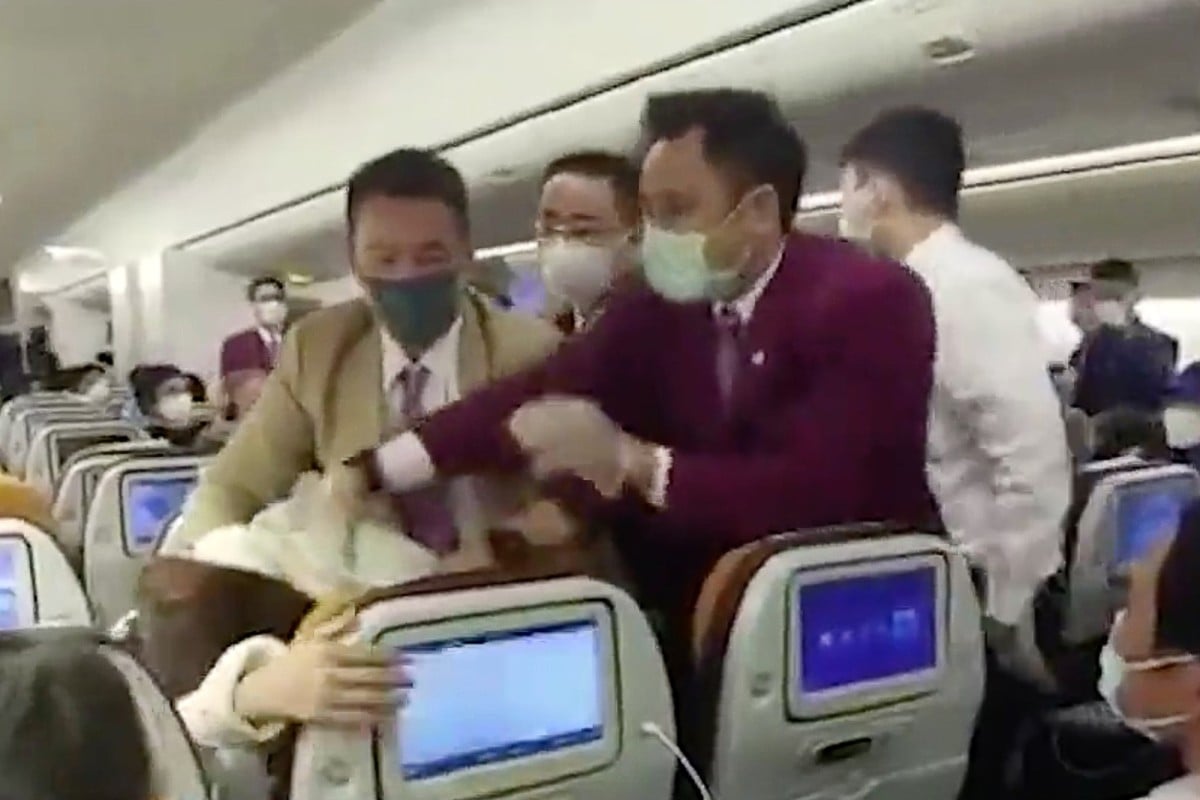
Video taken on board a Thai Airways flight at Shanghai on Friday purports to show flight attendants trying to control a passenger who coughed on one of their colleagues. Photo: Handout
Thai Airways staff had to restrain a Chinese woman after she coughed at a flight attendant while passengers waited for hours to get acoronavirus check upon landing in Shanghai from Bangkok.
The carrier said the woman coughed deliberately at the attendant because she was angered about the long wait for a check on Friday. It said the passengers had to wait seven hours to be screened at Shanghai Pudong International Airport Thai Airways said that after the passenger coughed at the woman attendant, some of her colleagues approached the passenger to stop her “inappropriate” behaviour. They then explained the situation to her and asked her to cooperate and calm down, the airline said.
The woman had to be subdued and no further action was taken, the airline said in a statement.
In footage posted online, the woman is subdued by at least one male attendant, who presses her into her seat by her neck as two more male attendants stand nearby, saying “sit down” to her in English.
The woman then yells “What have I done?” in Chinese.
Thai Airways said that every passenger arriving in Shanghai or flying through the airport from countries with a high incidence of coronavirus cases such as Italy, South Korea, Japan and Iran must be examined by medical staff on the aircraft. Planes that were not checked were not permitted to open their doors to let passengers off.
The airline said the length of wait depended upon the number of passengers coming from those “key areas”.
An official from Shanghai Customs said that passengers on the flight had to be checked because some had transferred from Iran, where more than 7,000 cases and 230 fatalities have been reported.
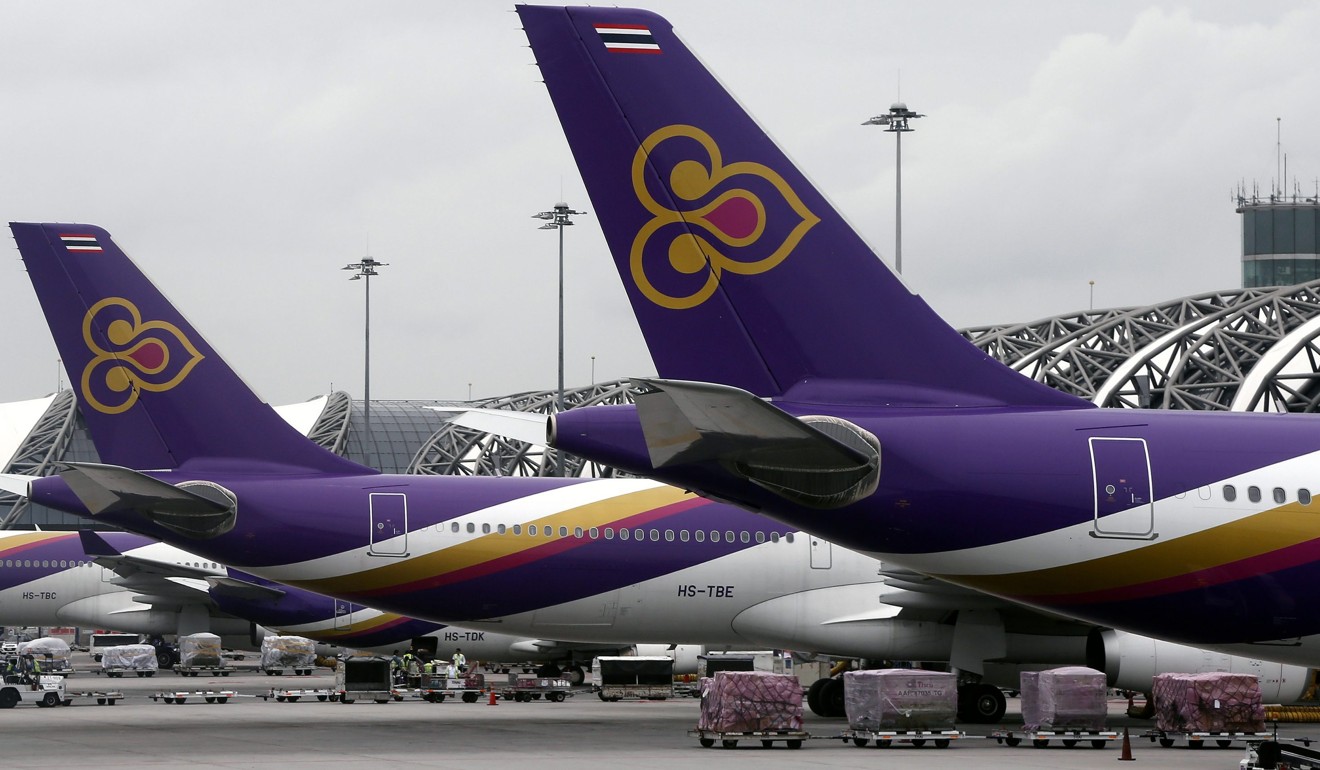
The Thai Airways flight was on the ground at Shanghai for seven hours pending medical checks on passengers and crew. Photo: EPA
The woman’s behaviour divided opinion on social media.
“Shame on her!” a user of Weibo, China’s Twitter-like service, wrote. “It’s so shameful for her to act like that in front of foreigners.”
“I think the flight attendants were fairly gentlemanly,” another user wrote. “She should have been taken away.”
Coronavirus update: Xi Jinping makes first visit to Wuhan since outbreak began
10 Mar 2020
A Weibo user who claimed to be on the plane at that time said it was not right for “three men” to subdue the woman.
“I don’t want to see my compatriot be bullied,” she wrote. “The attendants only stopped their action after two Chinese passengers stood up to intervene.”
Shanghai’s two airports have tightened medical checks on travellers from overseas, leading to complaints about long waiting times.
Health workers check passengers’ temperatures, screen their health disclaimer cards and check their travel histories.
Music video about Covid-19 safety released by rail operator in Thai capital Bangkok
Each passenger arriving from “key areas”, where there are a lot of infections, have to have their temperature checked twice after they get off the plane. Some may have to undergo simple physical checks.
Passengers who travelled to those key areas in the past 14 days, no matter their nationality, would be sent to designated places for 14 days of medical observation, authorities said.
The Shanghai Customs official said passengers were disembarked in batches to avoid crowding, making the examination process longer.
Egypt reports first coronavirus death; Iran toll jumps by nearly 50
9 Mar 2020
She said that after the authorities allocated more than 300 customs staff to support monitoring at border ports at the end of last week, the examination process now took one to two hours.
“Many people blamed us for low speed and low efficiency, but didn’t ask why,” she said, adding that people’s messy handwriting on their health disclaimer cards and poor memory of where they had been in the past 14 days also complicated the clearance process.
“As a citizen, shouldn’t they cooperate in this critical moment?” she said.
BEIJING, March 9 (Xinhua) — Most of the more than 50,000 coronavirus disease (COVID-19) patients in China who have recovered and been discharged from hospital received traditional Chinese medicine (TCM) treatment, a health official said Monday.
Yu Yanhong, deputy head of the National Administration of Traditional Chinese Medicine, told a press conference that the combination of TCM and Western medicine in COVID-19 treatment has been proved effective by the huge number of recovered patients.
TCM has been involved in the treatment of 74,603 confirmed COVID-19 cases nationwide, accounting for 92.5 percent of the total, according to official data.
Compared with those only treated with TCM or Western medicine, an expert team confirmed that the integrated treatment of TCM and Western medicine can more quickly improve the symptoms such as fever, cough and fatigue, as well as effectively reduce the chances of mild and regular symptoms developing into severe or critical ones, so as to improve the recovery rate and reduce the mortality rate.
TCM treatment focuses on improving the body’s natural defenses against an epidemic and its own ability to repair itself while maintaining the overall balance, Yu said.
TCM clinical treatment is personalized and targeted based on the differences in geography, climate and a patient’s physical condition, said Zeng Yixin, deputy director of the National Health Commission.
A circular issued by the commission also encouraged the promotion of effective TCM treatment plans at the community-level epidemic prevention and control, giving full play to the unique role of TCM.
Staff members clean up a makeshift hospital in Wuhan, central China’s Hubei Province, March 8, 2020. The makeshift hospital converted from a sports venue was officially closed on Sunday after its last batch of cured COVID-19 patients were discharged. A full disinfection to the hospital will follow. (Xinhua/Xiao Yijiu)
WUHAN, March 3 (Xinhua) — Central China’s Hubei Province, the center of the outbreak of novel coronavirus disease (COVID-19), is expected to gradually shut down temporary hospitals and cut the number of hospitals designated for the disease, local authorities said Tuesday.
The province will classify areas based on different risks of infection for management as more cities have seen zero growth in newly confirmed cases, according to Tu Yuanchao, deputy head of the provincial health commission.
The province will gradually resume normal medical order while maintaining strict prevention and control measures, Tu said.
In Wuhan, the provincial capital and the epicenter of COVID-19, which is classified as high-risk, the commission has designated hospitals for treating patients in critical and severe conditions and those with emergency medical needs, Tu said.
As of Friday, Wuhan had over 5,000 spare beds in its 16 temporary hospitals, which were converted from gyms, exhibition centers and other facilities.
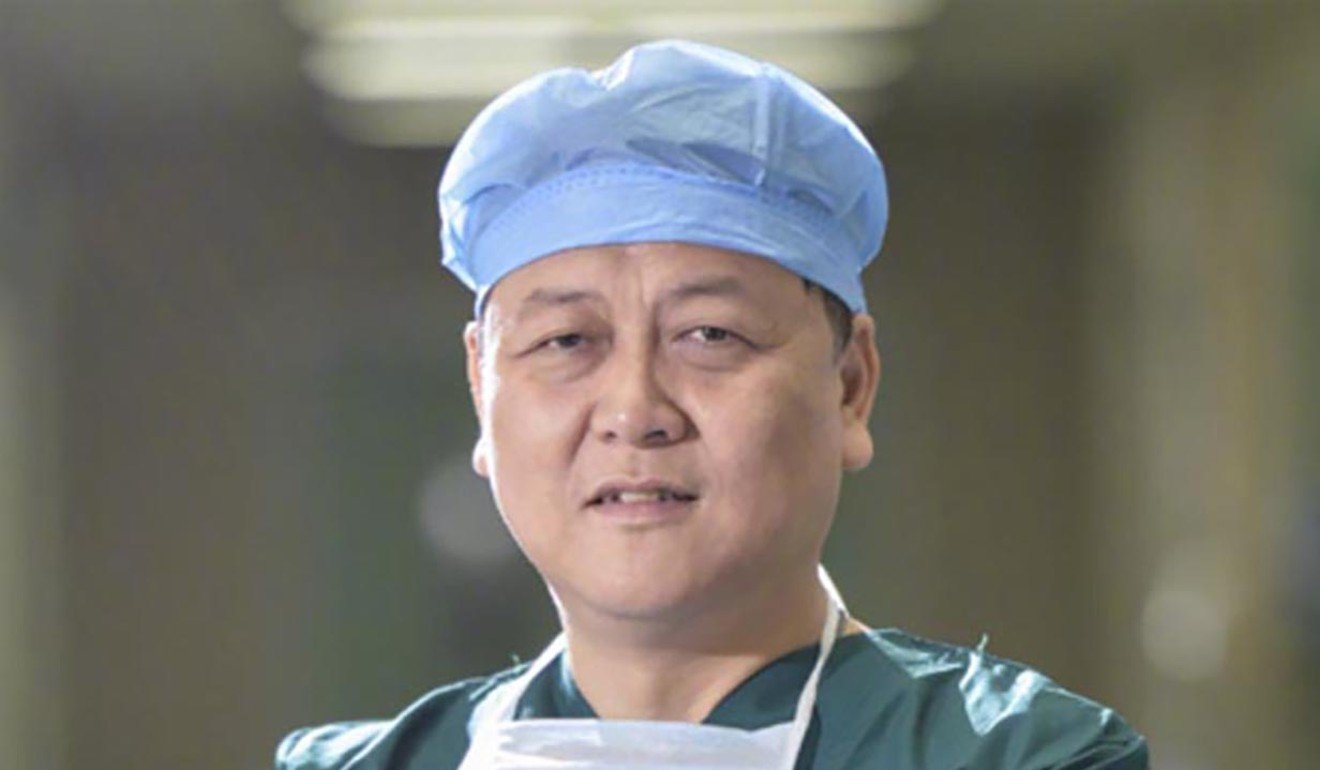
Ophthalmologist Mei Zhongming, 57, said to have been infected after working long hours treating patients
He is the third doctor from the hospital to die from Covid-19
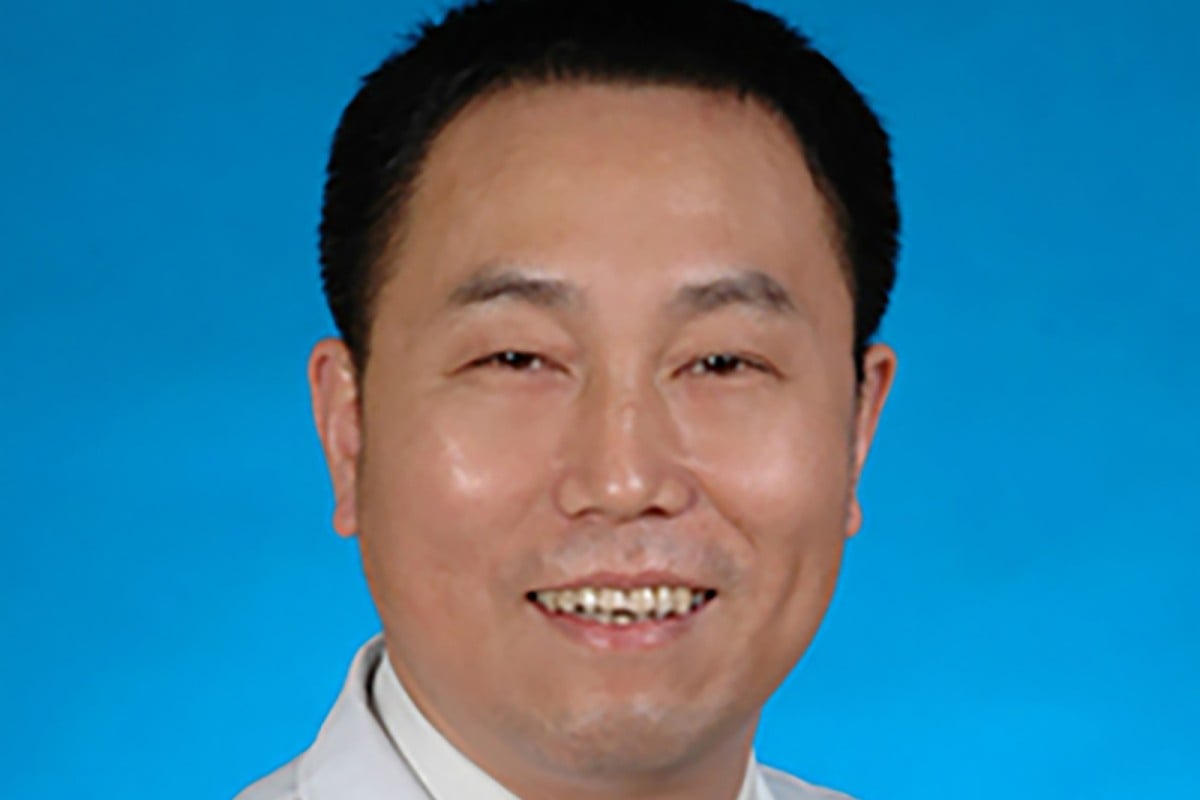
Mei Zhongming died at the age of 57 after contracting the virus while he was working at the Wuhan Central Hospital. Photo: Weibo
An ophthalmologist who worked with whistle-blower doctor Li Wenliang on the coronavirus front line in Wuhan has also died from Covid-19, the disease caused by the virus.
Mei Zhongming, 57, contracted the virus while he was working at the Wuhan Central Hospital and died on Tuesday.
His 34-year-old colleague Li – who was silenced by police for sounding the alarm about the new virus strain – also died from the pneumonia-like illness last month, prompting an outpouring of grief and anger in China.
Mei is the third doctor from the hospital to die from Covid-19. Two days ago, Jiang Xueqing, head of thyroid and breast surgery, also died from the disease at the age of 55.
The hospital expressed condolences to Mei’s family and praised his 30 years of service in a brief announcement on social network WeChat.
Public mourning in China after death of coronavirus whistle-blower doctor Li Wenliang
According to the official numbers, 13 doctors and nurses have died from Covid-19 and more than 3,000 have been infected in China since the epidemic began in the central city of Wuhan in December. Hospitals in Wuhan and across the province of Hubei have been swamped with tens of thousands of patients, and health care workers treating them have also had to cope with a shortage of protective gear and medical supplies.
Part of the Wuhan Central Hospital is located just 2km (1.2 miles) from the Huanan Seafood Wholesale Market – the place the first coronavirus patients were linked to.
The hospital started treating patients who had been in close contact with the market in the middle of December, the director of its emergency department Ai Fen told China News Weekly last month.
Doctors reported the cases to management but no action was taken to protect medical staff at first, and they were warned not to talk publicly about the respiratory illness, the report said.
The Chinese medical workers on the front line of the coronavirus fight in Wuhan
posted a message to a closed group of medical school classmates on WeChat on December 30, warning them about an outbreak of a mysterious viral pneumonia at his hospital.
Two days later, Wuhan police announced that eight people had been punished for “spreading rumours”. It was later reported that they were all medical staff and one of them was Li.
The young doctor fell ill on January 10, later saying that he was probably infected by an 82-year-old glaucoma patient. “The patient did not have a fever, and I didn’t wear extra protection while taking care of her,” Li wrote in his blog. “I was careless.”
Li died from the illness on February 7, sparking widespread grief and fury over Beijing’s crackdown on “online rumours”, and calls for freedom of speech.
According to emergency department director Ai, staff on the front line at Wuhan Central Hospital began wearing N95 respirator masks and other protective gear in January as the number of virus cases jumped – but before authorities confirmed the virus was being transmitted between humans on January 20.
Despite the precautions, the first medical worker at the hospital was confirmed with the virus on January 10. More than 30 others from the emergency department alone have tested positive for Covid-19 since then, Ai told China News Weekly. The department has a staff of 200.
Jiang Xueqing, 55, head of thyroid and breast surgery at the hospital, died on Sunday. Photo: Weibo
The hospital did not give details of how Mei contracted the virus. But a report from the Wuhan Committee of the Chinese People’s Political Consultative Conference on February 18 said he had been infected after working long hours on the coronavirus front line.
Similarly, little information was released about Jiang’s death on Sunday. His colleague Li Hai told official newspaper People’s Daily that Jiang had been exhausted after working “non-stop” treating coronavirus patients.
Wuhan, China scrambles to handle massive amount of medical waste during the epidemic
Ian Lipkin, John Snow professor of epidemiology at the Mailman School of Public Health at Columbia University, said the risks faced by health care workers were high, even with protective gear, as they had a very intimate relationship with their patients.
“In addition, those individuals who are working in hospital settings may be immunosuppressed because, frankly, they’re exhausted … the viral load that they receive may be larger,” Lipkin said in a briefing last month after visiting China at the invitation of the government.
The coronavirus has claimed the lives of several young medical workers. Among the youngest was 29-year-old respiratory and critical care doctor Peng Yinhua, who worked at the Jiangxia district People’s No 1 Hospital in Wuhan and died last month from the disease. Peng had planned to get married over the Lunar New Year holiday but postponed his wedding to help treat coronavirus patients.
Another 29-year-old, gastroenterologist Xia Sisi, also died last month after she became infected while working at the Union Jiangbei Hospital in Wuhan.
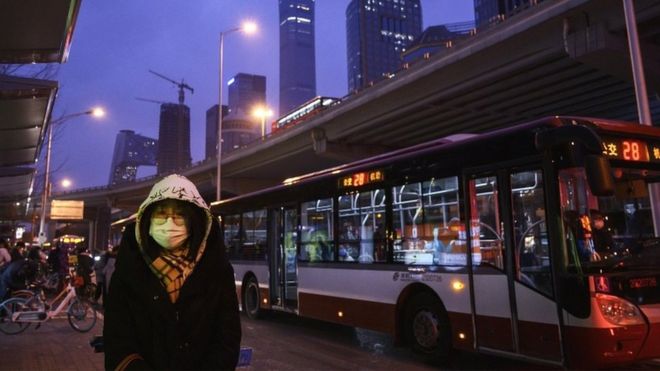
Image copyright GETTY IMAGESImage caption Authorities are also asking overseas Chinese to reconsider travel plans
Travellers from countries with severe coronavirus outbreaks who arrive in some parts of China will have to undergo a 14-day quarantine, state media say.
Travellers from the virus hotspots of South Korea, Japan, Iran and Italy arriving in the capital will have to be isolated, a Beijing official has said.
Shanghai and Guangdong announced similar restrictions earlier.
Authorities are worried the virus might be imported back into the country.
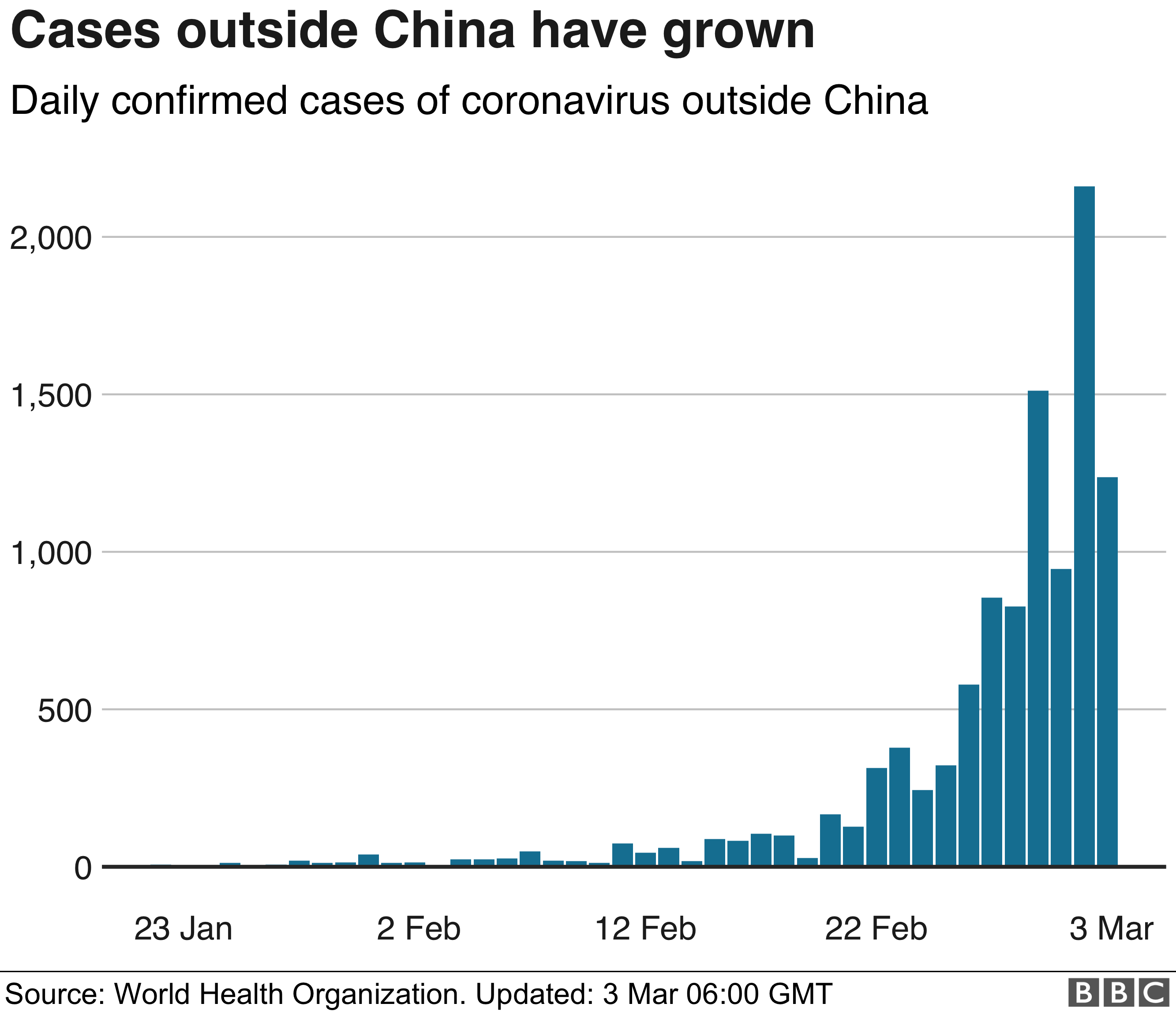
Although most virus deaths have been in China, Monday saw nine times more new infections outside China than in.
Shanghai said it would require new arrivals from countries with “relatively serious virus conditions” to be isolated, without naming the countries.
Authorities are also asking overseas Chinese to reconsider travel plans.
“For the sake of your family’s health and safety, please strengthen your precautions, carefully decide on your travel plans and minimise mobility,” officials in one southern Chinese province said.
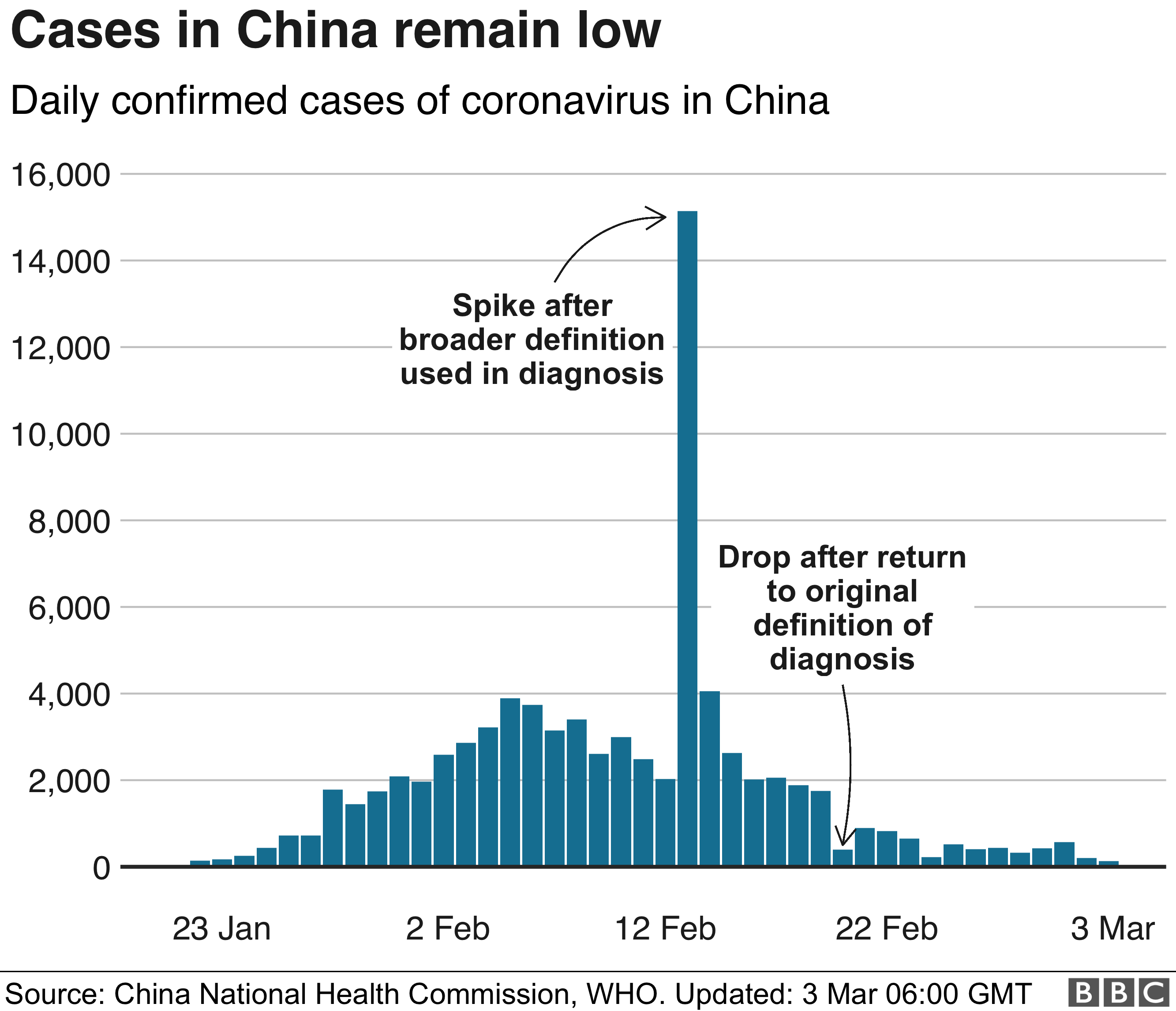
China reported 125 new virus cases on Tuesday – the lowest number of new daily infections in six weeks. There were also 31 more deaths – all in Hubei province, where the virus emerged.
In other developments:
Finance ministers from the G7 countries have said they are “ready to take action”, including fiscal measures to aid the response to the virus and support the global economy
The Pope, who had cancelled a Lent retreat for the first time in his papacy because he was suffering from a cold, has tested negative for the virus, Italian media report
South Korean President Moon Jae-in has put the country into a “state of war” and ordered all government departments to shift to a 24-hour emergency system
Jailed British-Iranian woman Nazanin Zaghari-Ratcliffe is in good health, Iran’s judiciary has said. She was assessed after her husband said she was showing symptoms of Covid-19
Media caption Julie, who lives in Singapore, was diagnosed with coronavirus and then put into isolation
How are different countries affected?
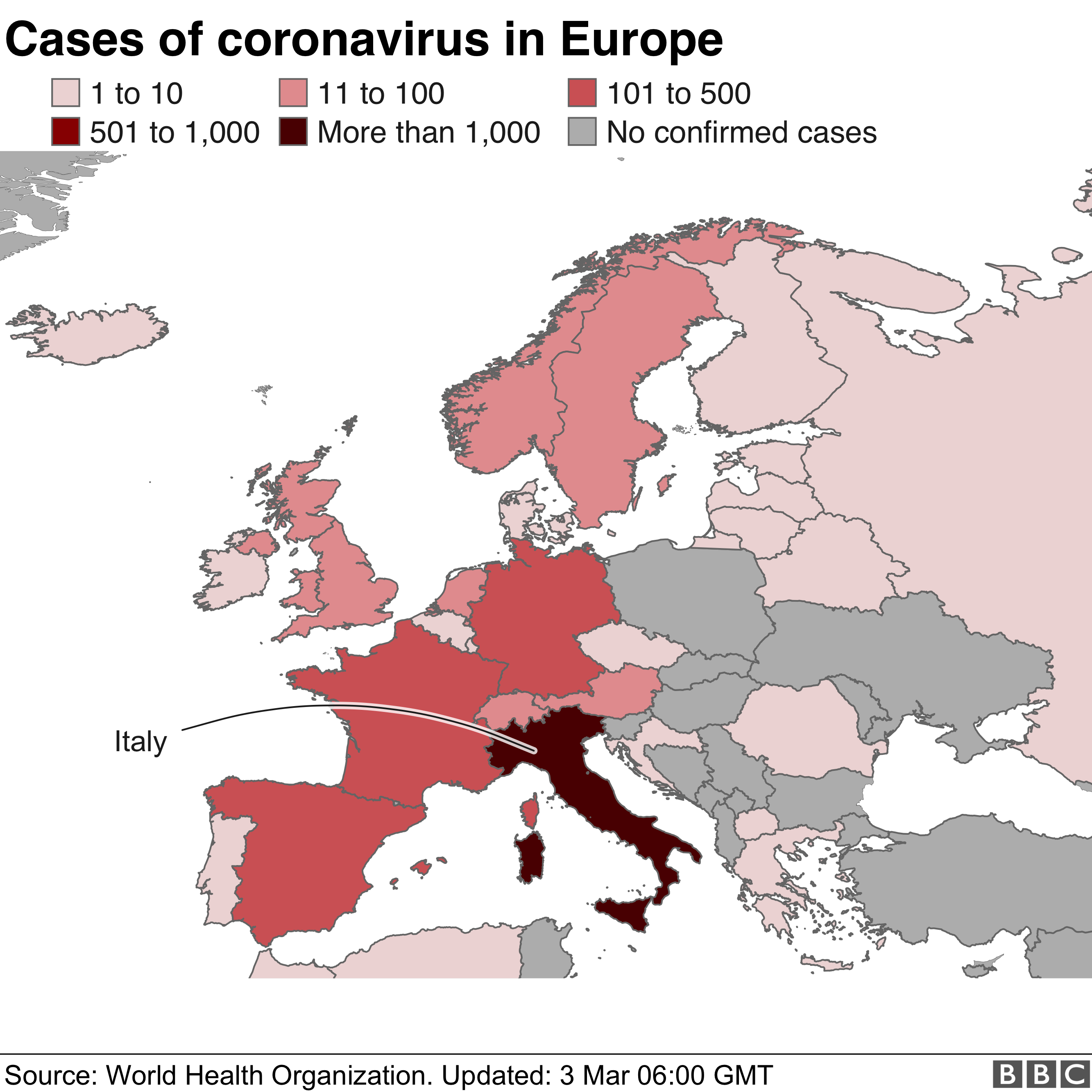
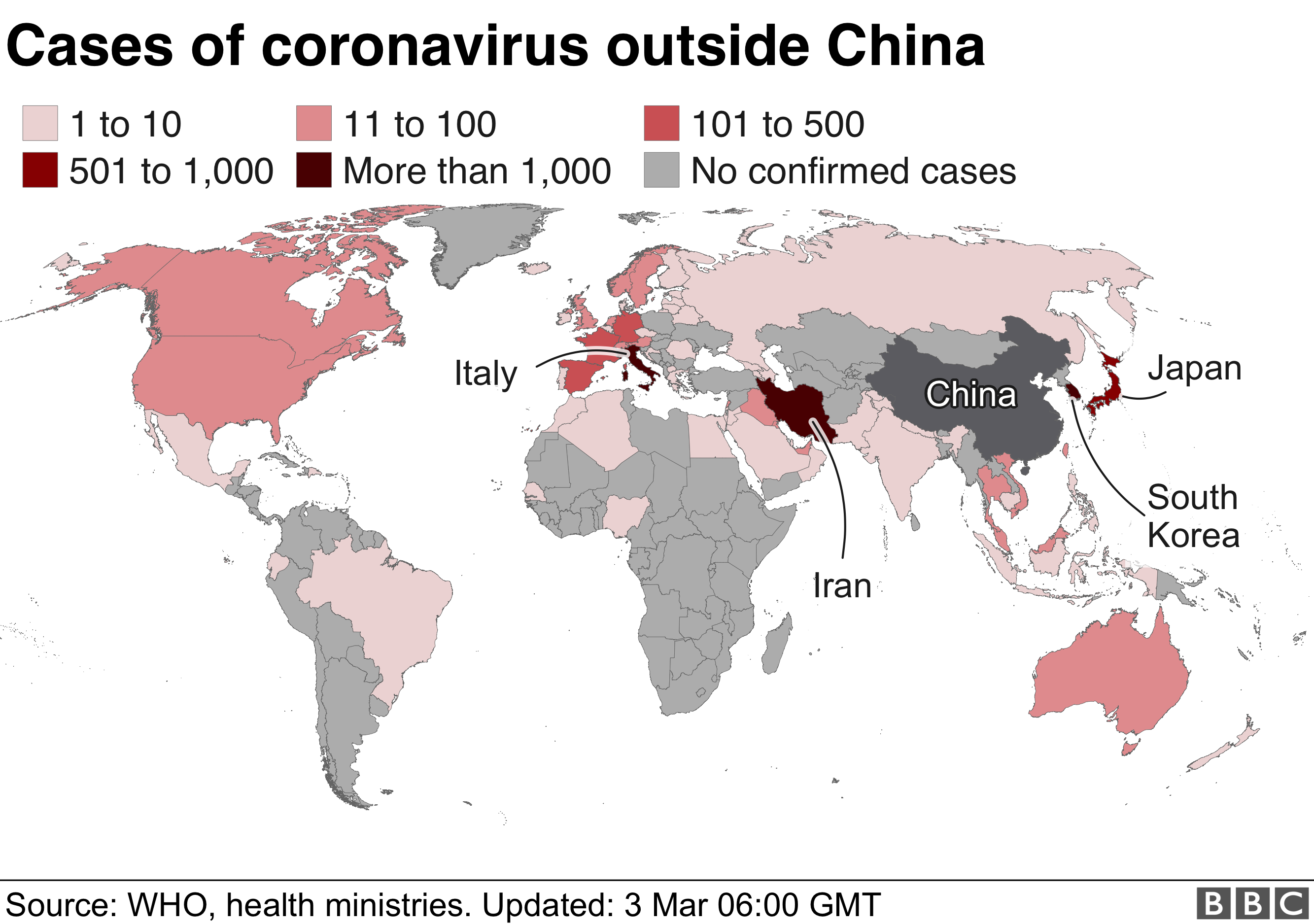
There are now almost 90,000 cases worldwide in about 70 countries, although the vast majority – just under 90% – remain in China, and most of those are in Hubei province where the virus originated late last year.
Of the nearly 8,800 cases outside China, 81% are in four countries – Iran, South Korea, Italy and Japan.
One of the countries worst affected outside China – Italy – said on Monday that the death toll there had risen by 18 to 52. There are 1,835 confirmed cases, most of them in the Lombardy and Veneto areas of the north. Nearly 150 people are said to have recovered.
However, the country is seeing a slowdown in new cases. On Monday, the authorities said there were 258 new cases of the virus – a 16% increase on the previous day – after new cases spiked by 50% on Sunday.
On Tuesday, Iran said the latest death toll from the virus was 77 – although the real figure is believed to be much higher. More than 2,300 people are said to be infected, including senior political figures. The head of Iran’s emergency medical services, Pirhossein Kolivand, was one of them, the Ilna news agency reported on Tuesday.
Some 23 MPs are also reported to have tested positive for the virus, and an official close to the Supreme Leader, Ayatollah Ali Khamenei, was reported on Monday to have died of the disease.
Health officials in the US state of Washington said on Monday that four more people had died, bringing the total there to six. They are the only deaths in the US so far. Local officials say they are buying a hotel to convert it into an isolation hospital.
On Tuesday, Ukraine confirmed its first case of coronavirus, while Portugal, Iceland, Jordan, Tunisia, Armenia, Latvia, Senegal, Morocco and Andorra confirmed their first cases on Monday.
How deadly is Covid-19?
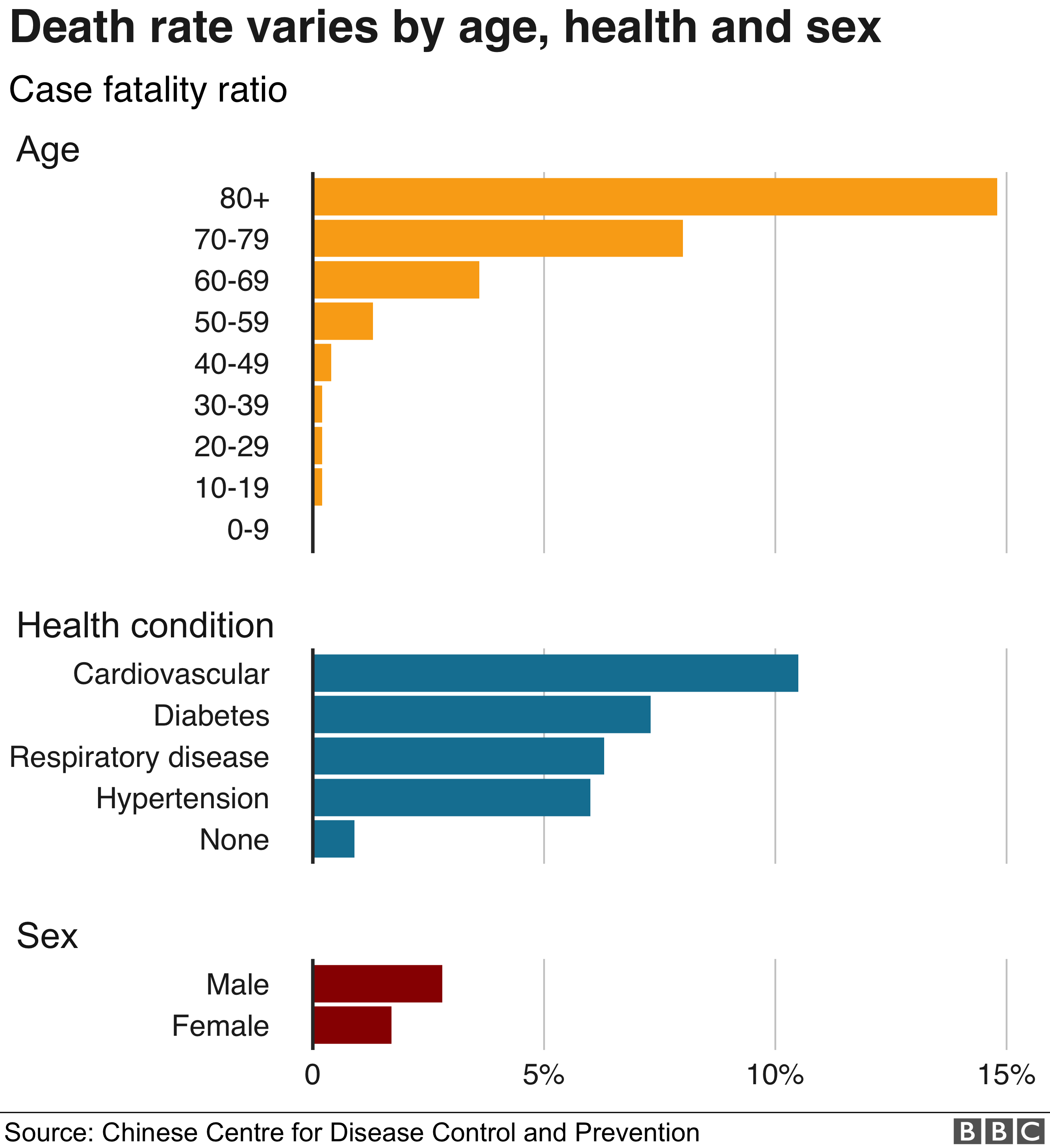
The WHO says the virus appears to particularly affect those over 60, and people already ill.
In the first large analysis of more than 44,000 cases from China, the death rate was 10 times higher in the very elderly compared to the middle-aged.
Most patients have only mild symptoms and the death rate appears to be between 2% and 5%, the WHO said.
By comparison, seasonal flu has an average mortality rate of about 0.1%, but is highly infectious – with up to 400,000 people dying from it each year.
Other strains of coronavirus, such as Severe Acute Respiratory Syndrome (Sars) and Middle East Respiratory Syndrome (Mers), have much higher death rates than Covid-19.
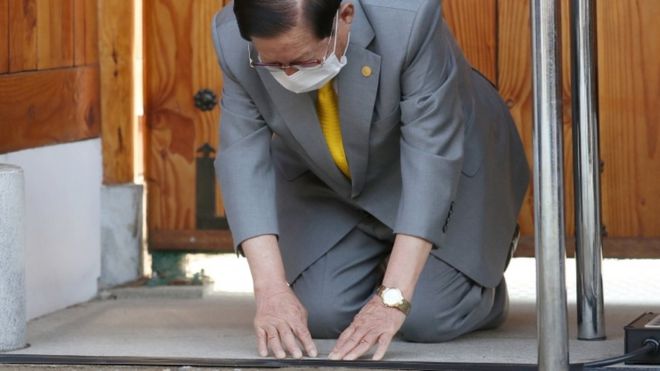
Image copyright EPAImage caption Lee Man-hee is the founder of the Shincheonji Church
The head of the religious sect that has been at the centre of the coronavirus outbreak in South Korea has apologised to the nation for the disease’s spread.
Lee Man-hee, the leader of the Shincheonji Church of Jesus, got on his knees and bowed at a news conference.
About 60% of the country’s more than 4,000 confirmed cases are sect members.
On Monday, South Korea – the biggest hotspot outside China – reported 476 new cases, bringing the total number to 4,212. It has recorded 26 deaths.
Prosecutors have been asked to investigate Mr Lee on possible charges of gross negligence.
“Although it was not intentional, many people have been infected,” said the 88-year-old leader. “We put our utmost efforts, but were unable to prevent it all.”
Media caption Empty shelves as coronavirus ‘panic-buying’ hits Australia
Of the confirmed cases, 3,081 are from the southern city of Daegu and 73% of these cases have been linked to the Shincheonji Church near there.
In the capital Seoul, the mayor urged the city’s 10 million residents to work from home and to avoid crowded places.
But church spokesman Kim Shin-chang told the BBC they had provided a list of members, students, and buildings to authorities.
“We were worried about releasing this information because of the safety of our members,” Mr Kim said.
Media caption ‘We’re often persecuted’: Spokesman for virus-hit S Korean church defends secrecy
Mr Lee claims he is the second coming of Jesus Christ and identifies as “the promised pastor” mentioned in the Bible who will take 144,000 people to heaven with him.
The Shincheonji Church is labelled as a cult within South Korea and also in the Christian community, which results in the group often being discriminated against, persecuted or criticised, Mr Kim told the BBC.
What’s the global situation?
The number of people killed worldwide by the coronavirus has exceeded 3,000, as China reported 42 more deaths. More than 90% of the total deaths are in Hubei, the Chinese province where the virus emerged late last year.
But there have also been deaths in 10 other countries, including more than 50 in Iran and more than 30 in Italy.
Worldwide, there have been almost 90,000 confirmed cases, with the numbers outside China now growing faster than inside China.
In other developments:
In the UK, where there are 36 confirmed cases, Prime Minister Boris Johnson has called a meeting of the emergency Cobra committee on Monday
Indonesia – one of the world’s most populous countries – has announced its first confirmed cases of coronavirus, a 64-year-old woman and her 31-year-old daughter, currently being treated at a Jakarta hospital
Iceland and Andorra also reported their first confirmed cases on Monday
Share prices in Asia and in Europe rose after central banks pledged to intervene to help protect markets from the impact of the coronavirus. Concerns about the outbreak last week wiped more than $5tn (£3.9tn) from global stocks
US sportswear giant Nike has closed its European headquarters in Hilversum city in the Netherlands after an employee tested positive for the virus
In the European hotspot of Italy, the number of infections doubled in 48 hours, the head of the country’s civil protection body said on Sunday.
There have been at least 34 deaths and 1,694 confirmed cases. Amazon said two of its employees in Italy have the virus and are under quarantine.
Countries including Qatar, Ecuador, Luxembourg and Ireland all confirmed their first cases over the weekend. On Monday, Ecuador reported five new cases of the disease, bringing the total number of infected patients in the country to six.
The US state of New York has also confirmed its first case. The patient is a woman in her 30s who contracted the virus during a recent trip to Iran. Two people have died in the US, both in the state of Washington.
A spokesman from China’s National Health Commission said the next stop would be to “focus on the risks brought by the resumption of work”.
China’s economy has taken a hit – with factory activity falling at a record rate.
On Monday, a man was sentenced to death by a Chinese court for fatally stabbing two officials at a virus checkpoint, news agency AFP reported.
Ma Jianguo, 23, refused to co-operate with officials – though it is not clear what he was told to do – and stabbed two checkpoint officials.
What has the WHO said?
On Sunday, the World Health Organization (WHO) said the virus appears to particularly affect those over 60, and people already ill.
It urged countries to stock up on ventilators, saying “oxygen therapy is a major treatment intervention for patients with severe Covid-19”.
In the first large analysis of more than 44,000 cases from China, the death rate was 10 times higher in the very elderly compared to the middle-aged.
But most patients have only mild symptoms and the death rate appears to be between 2% and 5%, the WHO said.
By comparison, the seasonal flu has an average mortality rate of about 0.1%, but is highly infectious – with up to 400,000 people dying from it each year.
Other strains of coronavirus, such as Severe Acute Respiratory Syndrome (Sars) and Middle East Respiratory Syndrome (Mers), have much higher death rates than Covid-19.
BEIJING, Feb. 29 (Xinhua) — Traditional Chinese medicine (TCM) has been widely used to treat COVID-19 patients, yielding good outcomes, said a medical expert Saturday.
With TCM treatment, patients with mild symptoms have seen their fever or cough alleviated, Wang Rongbing, director physician with Beijing Ditan Hospital, said at a press conference.
For severely ill patients, TCM helped relieve symptoms and restore blood oxygen saturation, preventing the patients’ conditions from developing into critically ill cases, Wang said.
She also noted the effectiveness of Qingfei Paidu Soup, a herbal concoction that mixes ephedra and licorice root among other ingredients, in the treatment of COVID-19 patients with symptoms ranging from mild to critical.
Qingfei Paidu Soup has been used in 66 designated hospitals in 10 provincial-level regions, Wang said, adding that of the 1,183 patients under medical observation, 640 have been discharged from hospital and 457 have seen their symptoms eased.
WASHINGTON, Feb. 28 (Xinhua) — Chinese Ambassador to the United States Cui Tiankai on Friday called on Beijing and Washington to cooperate to address global challenges, warning against “political virus” disseminated by politically-motivated people.
In an article published in USA Today, Cui said that Beijing has responded on an epic scale since the outbreak of the COVID-19 in China.
“From the top leadership to grassroots, from medical professionals to ordinary people, the Chinese people have united and displayed extraordinary fortitude and devotion to fight the disease,” Cui said.
As a responsible country, China has also erected a Great Wall of disease prevention for the world, he said, adding that China has been releasing the disease-related information in an open, transparent and responsible manner.
The Chinese diplomat praised medical professionals, who made a great sacrifice, as everyday heroes, and listed their heart-warming acts.
“To save more time for work, women doctors have had their long hair cut and men have shaved their hair off. To save medical supplies, they drink less or even no water so that they will remove the protective suits and use the bathroom less often, as the suits have to be disposed of once taken off,” he said.
Cui extended gratitude for people’s gesture of solidarity and goodwill from all around the world, expressing China’s readiness to “repay the kindness shown to us by offering assistance to the countries and regions where the epidemic is taking a toll, and this is what we can and should do.”
He also noted that while the Chinese people are fighting the visible virus from nature, China is also under attack from “political virus” that is disseminated by some politically motivated people.
“To be frank, compared with the coronavirus, these invisible viruses are more poisonous and harmful, as they are attacking the leading force of the epidemic control in an attempt to break down our line of defense,” he said.
Cui called on China and the United States, the world’s two largest economies, to cooperate to address global challenges and problems, as “the interests of the 1.7 billion Chinese and American people and of the 8 billion world population are at stake.”
“Disease knows no borders. This unexpected epidemic reminds us again how vulnerable mankind is and how essential it is to help each other in the face of difficulties,” he added.









 CHINDIA ALERT: You'll be living in their world, very soon