Archive for ‘COVID-19’

23/02/2020

Korea raises alert to highest level as coronavirus cases jump

SEOUL/SHANGHAI (Reuters) – South Korea raised its disease alert to the highest level on Sunday after a surge in coronavirus infections and two more deaths, while China state media warned the outbreak there had yet to reach a turning point despite some signs of easing.

South Korea’s president said he was putting the country on “red alert” due to the rapid rise in new cases, which are largely being traced back to church services. Health officials reported 169 new infections, bringing the total to 602, having doubled from Friday to Saturday.

The escalation in the alert level allows the government to send extra resources to Daegu city and Cheongdo county, which were designated “special care zones” on Friday.

South Korea’s Yonhap News Agency said it also enables the government to forcibly prevent public activities and order the temporary closure of schools, though the government gave no immediate details on what steps could be taken.

In China, the health commission confirmed 648 new infections – higher than a day earlier – but only 18 were outside of Hubei province, the lowest number outside of the epicenter since authorities started publishing data a month ago and locked down large parts of the country.

But the number of cases continued to climb elsewhere.

Japanese Prime Minister Shinzo Abe instructed government agencies on Sunday to urgently prepare medical provisions and draft a comprehensive plan to curb the spread of the virus, after it reported 27 more cases a day earlier.

The U.S. State Department raised its travel advisory level one notch for South Korea and Japan to Level 2 on a scale of 1 to 4.

Concern about the reach and rapid spread of coronavirus also grew in Europe and the Middle East.

Cases in Italy, Europe’s worst hit country, more than quadrupled to 79 on Saturday, with two deaths.

Iran reported a total of 43 infections, with eight deaths – all since Tuesday – forcing some of its neighbors to announce travel and immigration curbs.

The World Health Organization on Saturday stressed that the number of cases outside of China was still relatively few, but it was worried by the detection of infections without a clear link to China.

The disease has spread to some 26 countries and territories outside China, killing more than a dozen people, according to a Reuters tally. It has been fatal in 2% of reported cases, with the elderly and ill the most vulnerable, according to the WHO.

The potential economic impact of coronavirus was prominent at a meeting of G20 finance ministers in Riyadh, at which the International Monetary Fund chief said China’s 2020 growth would likely be lower at 5.6%, down 0.4 percentage points from its January outlook, with 0.1 percentage points shaved from global growth.

Graphic: Online site for coronavirus news here

Graphic: Tracking the novel coronavirus here

CHURCH CONTAGION

The last time South Korea raised the alert to the highest was 11 years ago during the Influenza A or H1N1 outbreak.

Many of South Korea’s new cases were linked to the Shincheonji Church of Jesus congregation in Daegu after a 61-year-old woman known as “Patient 31” tested positive for the virus last week. The woman had no recent record of overseas travel.

Catholic churches in Daegu and Gwangju have suspended mass and other gatherings, while churches elsewhere saw declines in attendance on Sunday, especially among the elderly.

“If the situation gets worse, I think we’ll need to take more measures. Currently, we’re limiting personal gatherings within the church except for Mass,” said Song Gi-young, 53, wearing a face mask at church.

Heo Young-moo, 88, expressed frustration.

“Devotees shouldn’t go to any risky places … Hasn’t it become so widespread because those people didn’t get checked?”,” he said.

Outside of the church was a sign that said: “All Shincheonji followers are strictly prohibited from entering”.

The foreign ministry said South Koreans aboard a plane to Israel had been denied entry there on Saturday due to concerns about the virus spread.

China said the number of new deaths on Saturday from COVID-19, as the disease caused by the virus is known, was 97, all but one of which were in Hubei.

Eighty-two of those were in the provincial capital Wuhan, where Xinhua news agency said nucleic tests were being carried out on the backlog of cases to try to contain the spread.

In total, China has reported 76,936 cases, and 2,442 deaths. The WHO says the virus is severe or critical in only a fifth of infected patients, and mild in the rest.

Graphic: Reuters graphics on the new coronavirus here

NOT OVER YET

Beijing, Zhejiang, Sichuan had no new infections on Feb. 22 for the first time since the outbreak was detected. There were signs of street life in Shanghai, with some cafes serving take-out food and families wearing masks walking their dogs.

State run television on Sunday urged people to avoid complacency, drawing attention to people gathering in public areas and tourist spots without wearing masks.

Analysts have been closely watching out for any signs of a secondary wave of infections as transport restrictions are eased and many migrant workers return to factories and offices. Business activity in the world’s second-biggest economy is only gradually returning to normal after widespread disruptions.

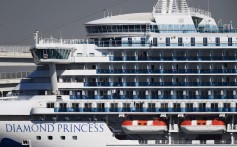
Japan’s health minister apologized on Saturday after a woman who was allowed to leave the coronavirus-struck Diamond Princess cruise ship tested positive despite having underwent quarantine.

At least 623 cases have been reported on the vessel, the biggest outbreak outside China, involving more than a dozen nationalities.

In Italy, schools and universities were closed and some soccer matches postponed in Lombardy and Veneto, the country’s industrial heartland.

Saudi Arabia, Kuwait, Iraq have travel and immigration curbs on Iran, while Oman on Sunday urged its citizens to steer clear of countries with high infection rates and said arrivals from those nations would be quarantined.

Source: Reuters

22/02/2020

Covid-19 likely to slash US$185 billion off China’s economy in January, February, says ex-IMF official

  • Dips in tourism, consumer spending could reduce first-quarter growth by three or four percentage points, according to Zhu Min, a former deputy managing director of the International Monetary Fund
  • Massive effort now needed to help country rebound, economist says
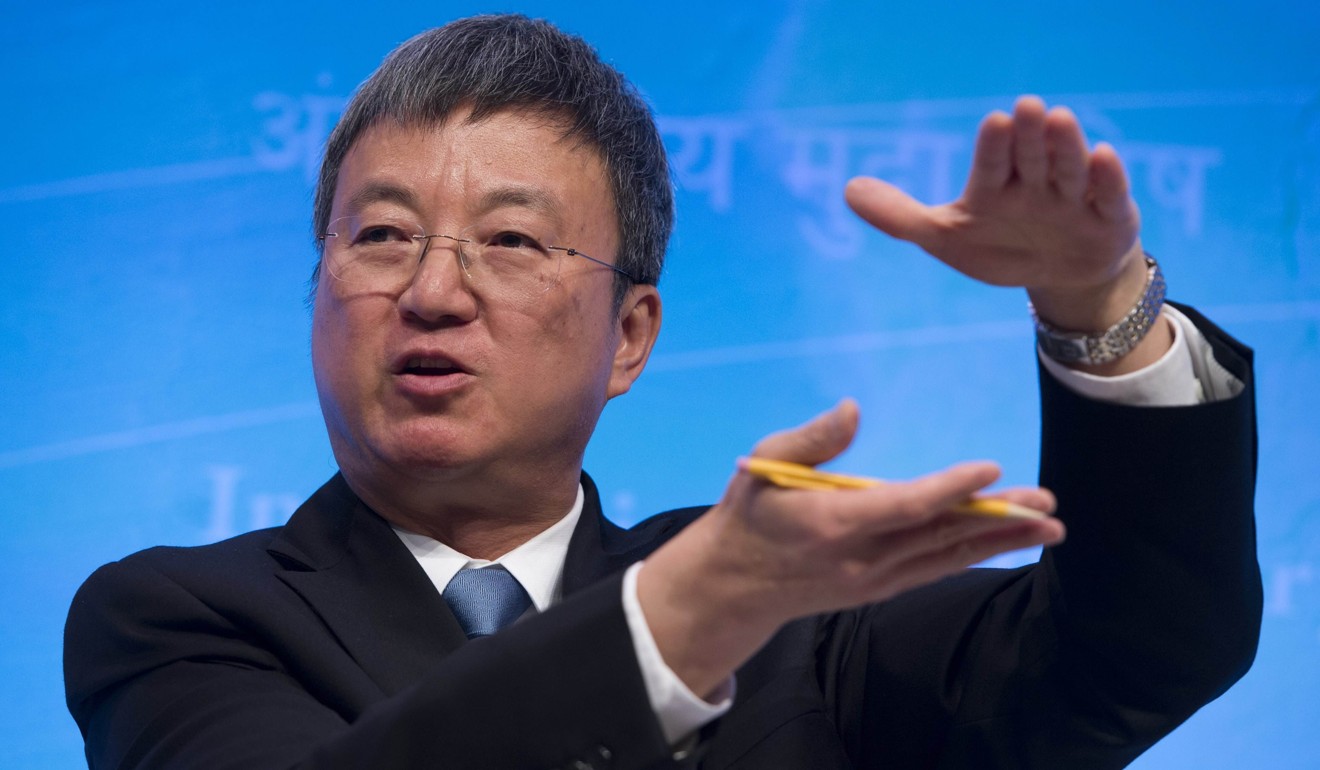
The coronavirus outbreak in China sparked a huge dip in consumer spending. Photo: EPA-EFE
The deadly coronavirus outbreak may have cost China more than 1.3 trillion yuan (US$185 billion) in the first two months of the year because of huge dips in consumer spending and tourism, according to a former senior executive with the

International Monetary Fund.

Zhu Min, who was deputy managing director of the IMF from 2011 to 2016, said during an online presentation on Saturday that the Covid-19 epidemic was likely to have cost the tourism industry about 900 billion yuan in January and February compared with last year, while consumer spending on food and drink was likely to have fallen by about 420 billion yuan.

While online spending – particularly on education and entertainment services – would offset some of the losses, the total drain on the economy over the period could be as much as 1.38 trillion yuan, said Zhu, who is currently head of the National Financial Research Institute at Tsinghua University in Beijing, which organised the presentation.

Based on figures from China’s National Bureau of Statistics, that would represent about 3.3 per cent of the country’s total retail sales in 2019.

Zhu Min says the Covid-19 epidemic cost China’s tourism industry about 900 billion yuan in January and February. Photo: AFP
“The falling consumption in the first quarter could knock down growth by three or four percentage points,” Zhu said. “We need a strong rebound, and that needs 10 times as much effort.”

Consumer spending is a cornerstone of the Chinese economy, accounting for almost 60 per cent of its growth last year. But with the coronavirus still far from contained, many local governments are reluctant to allow public facilities like cinemas and restaurants to reopen.

Despite the grim estimates provided by Zhu, his figures did not include car sales, which fell by 20.5 per cent year on year in January, their largest monthly dip in 15 years, according to figures from the China Passenger Car Association.

Sales in the first two weeks of February fell 92 per cent from the same period of 2019, mainly due to showroom closures. Over the whole of 2020, the coronavirus epidemic could cost China 1 million car sales, or about 5 per cent of its annual total, the industry group said.

In an effort to minimise that impact, Beijing has told local governments to introduce stimulus measures to boost car sales, including raising licence quotas in areas where numbers had previously been restricted to help fight air pollution.

Commerce ministry official Wang Bin said on Friday that the central government expected consumer spending to bottom out in March before rebounding in the second half of the year.

As for the economy as a whole, Chen Wenling, chief economist at the China Centre for International Economic Exchanges, a Beijing-based think tank, said this week that even if national production returned to 80 per cent by the end of February, first-quarter growth would still be less than 4.5 per cent. By comparison, China’s economy grew by 6.4 per cent in the first three months of 2019.

Economists from French bank Natixis forecast China’s gross domestic product to grow by between 2.5 and 4 per cent in the first quarter, depending on how quickly the situation was stabilised and the effectiveness of the government’s stimulus measures.

Source: SCMP
21/02/2020

Coronavirus: South Korea ’emergency’ measures as infections increase

South Korea has stepped up measures to contain the spread of the deadly new coronavirus, as confirmed infections increased sharply for a second day.

PM Chung Sye-kyun said it was now an emergency as 100 new cases and the country’s second death were confirmed.

The southern cities of Daegu and Cheongdo have been declared “special care zones”. The streets of Daegu are now largely abandoned.

All military bases are in lockdown after three soldiers tested positive.

About 9,000 members of a religious group were told to self quarantine, after the sect was identified as a coronavirus hotbed.

The authorities suspect the current outbreak in South Korea originated in Cheongdo, pointing out that a large number of sect followers attended a funeral of the founder’s brother from 31 January to 2 February.

On Friday, a second person who contracted the coronavirus died.

The victim was a woman in her 50s. She died in the south-western city of Busan after being transferred there from a hospital in a nearby country, according to Yonhap news agency.

Reports say she had earlier been a patient at the same mental hospital in Cheongdo as the country’s first victim – an elderly man. Another 15 patients there have also tested positive.

On Thursday, 53 new cases were reported. South Korea now has a total of 204 cases making it the largest cluster outside mainland China and the cruise ship docked off Japan.

The new virus, which originated last year in Hubei province in China, causes a respiratory disease called Covid-19.

What measures are being taken?

From the 100 new cases reported on Friday, 86 were in Daegu, a city 300km (186 miles) south-east of the capital Seoul, and nearly all of those were from a cluster involving the religious sect.

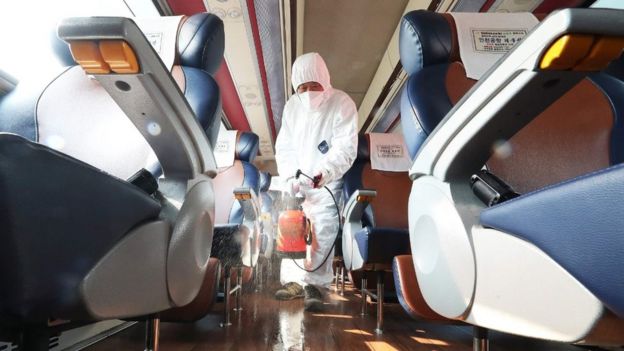
Worker disinfecting a trainImage copyright AFP
Image caption South Korea is trying hard to stop the local spread of the new coronavirus

Reacting to the quickly deteriorating situation, the government promised swift measures to prevent further spread of the virus.

“It is urgent to find people who have contacted infected people and cure patients,” PM Chung said, according to Yonhap.

He said the government was readying resources like sickbeds, medical equipment and health workers and warned the virus was now spreading locally.

“The government has so far focused on curbing infections coming from outside the country. From now on, the government will further prioritise preventing the virus from spreading locally.”

line

Health Minister Park Neung-hoo said authorities would allow hospitals to isolate respiratory patients from others in an effort to prevent any spread within medical institutions.

He also said that all pneumonia patients in Daegu hospitals would be checked for the virus.

What happened in Daegu?

The city’s biggest cluster appears to be at a branch of a religious sect which calls itself the Shincheonji Church of Jesus, Temple of the Tabernacle of the Testimony.

South Korean health officials believe these infections are linked to a 61-year-old woman who tested positive for the virus earlier this week.

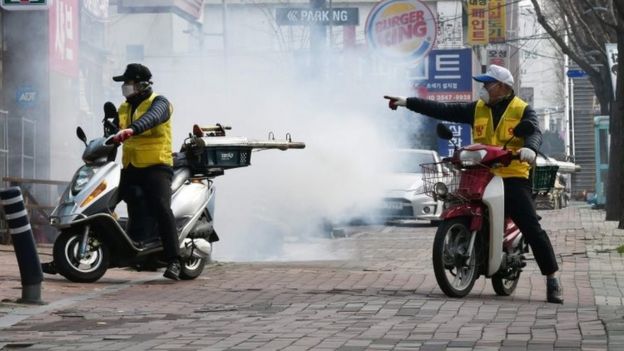
Workers on scooters disinfect the streets of Daegu, South Korea. Photo: 21 February 2020Image copyright AFP/GETTY IMAGES
Image caption Workers have been disinfecting the streets of Daegu, South Korea’s fourth-largest city

The Shincheonji, which has been accused of being a cult, said it had now shut down its Daegu branch and that services in other regions would be held online or individually at home.

As of Friday, more than 400 members of the church were showing symptoms of the disease, though tests were still ongoing, the city mayor said.

Can we answer your question on the coronavirus?

Here’s what others have been asking

Once you’ve had coronavirus, will you be immune?
Could the coronavirus become a pandemic?
Is the coronavirus worse than flu or Sars?

Daegu is the country’s fourth-largest city, with a population of 2.5 million people.

Residents are now being asked to remain at home after authorities described the church cluster as “super-spreading event”.

Presentational grey line

Hand sanitizers and warning signs

By Hyung Eun Kim, BBC Korean Service, Seoul

Many people in South Korea are wearing masks on a daily basis.

Hand sanitizers have been placed at public transport stops and building entrances.

Warning government signs are everywhere. They say: “Three ways to prevent further infection: wear a mask at all times; wash your hands properly with soap for more than 30 seconds; and cover yourself when coughing.”

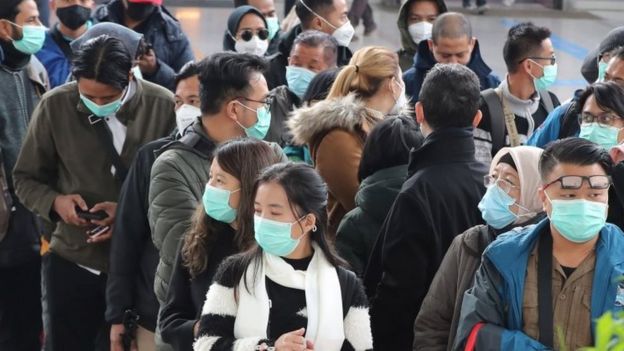
People wear masks in Seoul, South Korea. Photo: 21 February 2020Image copyright EPA
Image caption New norm: Mask-wearing crowd in Seoul

Koreans have also developed several apps and websites that tell you how much risk you face where you are. They show where the infected people are within a 10km radius.

“I can’t miss work, what I can do is minimise contact with others and stay at home during the weekend,” Seung-hye Lim, a Seoul resident, told the BBC.

“I do wonder if we reacted too laxly initially or if it really is because of the specific service practices of the Shincheonji sect.”

So-young Sung, a mother of two in Seoul, told the BBC: “It feels like my daily life is collapsing.”

She said she was struggling to find pharmacies that had masks.

She added that checking coronavirus-related alarms from her children’s schools and kindergartens was now a daily routine for her.

Presentational grey line

What about China and elsewhere?

The latest figures from China put the death toll from the disease at 2,236 people and total infections at more than 75,000.

The virus has now hit the country’s prison system, with more than 500 inmates confirmed infected.

Senior officials have already been sacked for mishandling management of the outbreak.

The virus has also spread around the globe with more than 1,000 cases and several deaths in the rest of Asia, in Europe, the Middle East, the US and Africa.

On Friday, Iran confirmed 13 new cases, saying that two of those infected had died.

Health ministry official Minou Mohrez was quoted by the state-run Iran news agency as saying the coronavirus has spread to several cities, including the capital Tehran.

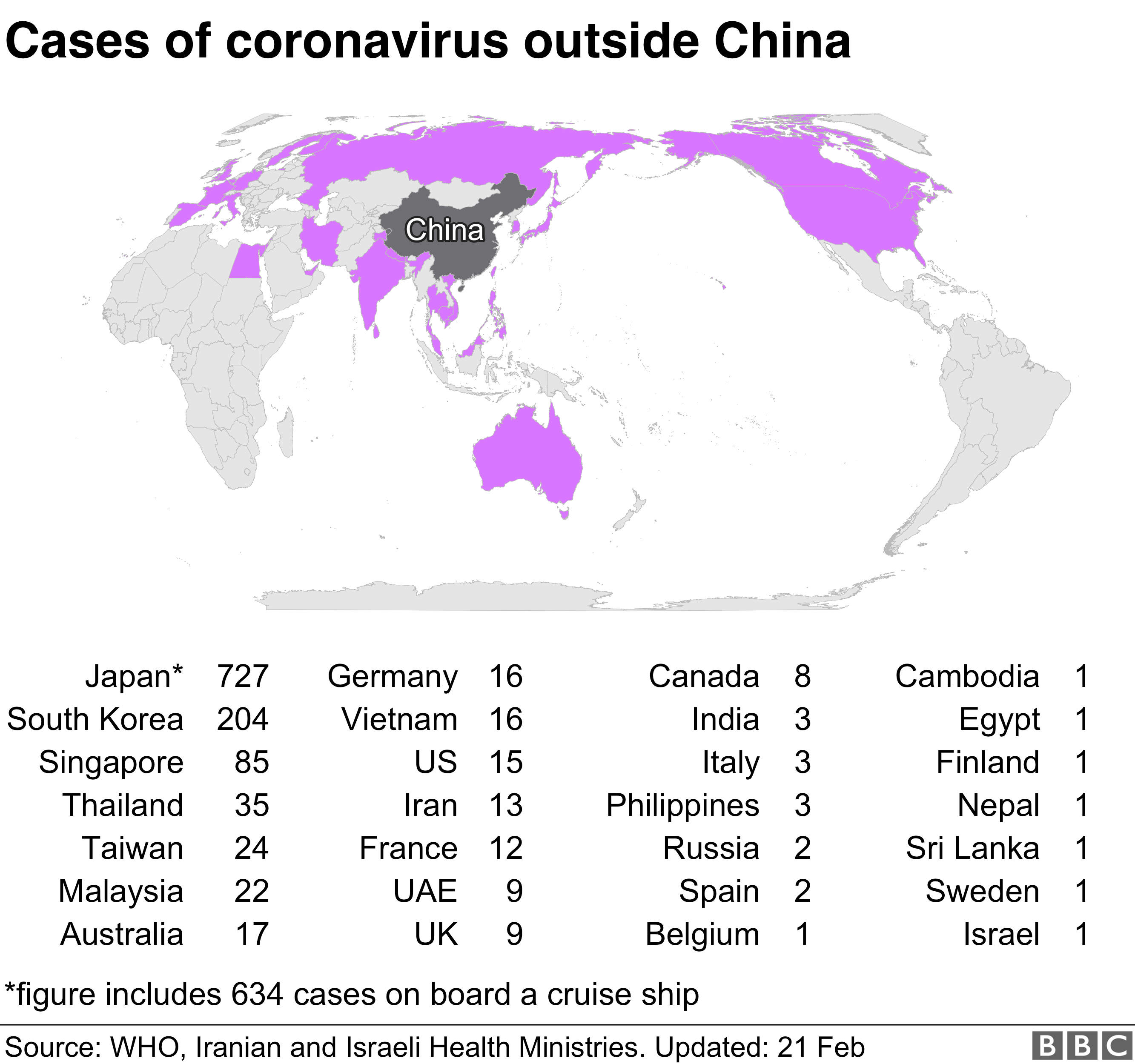
Cases of coronavirus outside China

South Korea is now the worst affected country after mainland China and the more than 600 infections on a cruise ship docked in Japan.

Media caption Coronavirus: Quarantined passengers released from Japan ship

Passengers of the Diamond Princess who have tested negative continue to disembark the ship in Yokohama after more than 14 days quarantined on board.

More than 150 Australian passengers have been evacuated from the ship and have already arrived in Darwin, where they will begin two more weeks of quarantine.

Australian officials said on Friday that six people had reported feeling unwell on arrival in Darwin and were immediately tested.

Two of those people tested positive despite having received negative tests before leaving Japan.

The first batch of people from Hong Kong have also flown back to the city, where they will similarly be quarantined.

Source: The BBC

20/02/2020

Coronavirus: how Diamond Princess cruise ship became a ‘super spreading’ site

  • It started with a cough by a passenger who had visited China, leading to the two-week quarantine of some 3,700 passengers and crew
  • At least 218 cases have been detected on board the Diamond Princess, which has been described as ill-equipped to prevent the spread of infections
Passengers and crew on the Diamond Princess cruise liner are under quarantine until February 19, 2020. Photo: Reuters
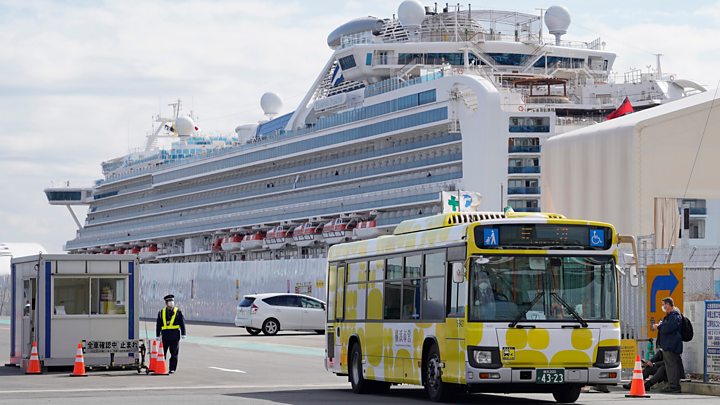
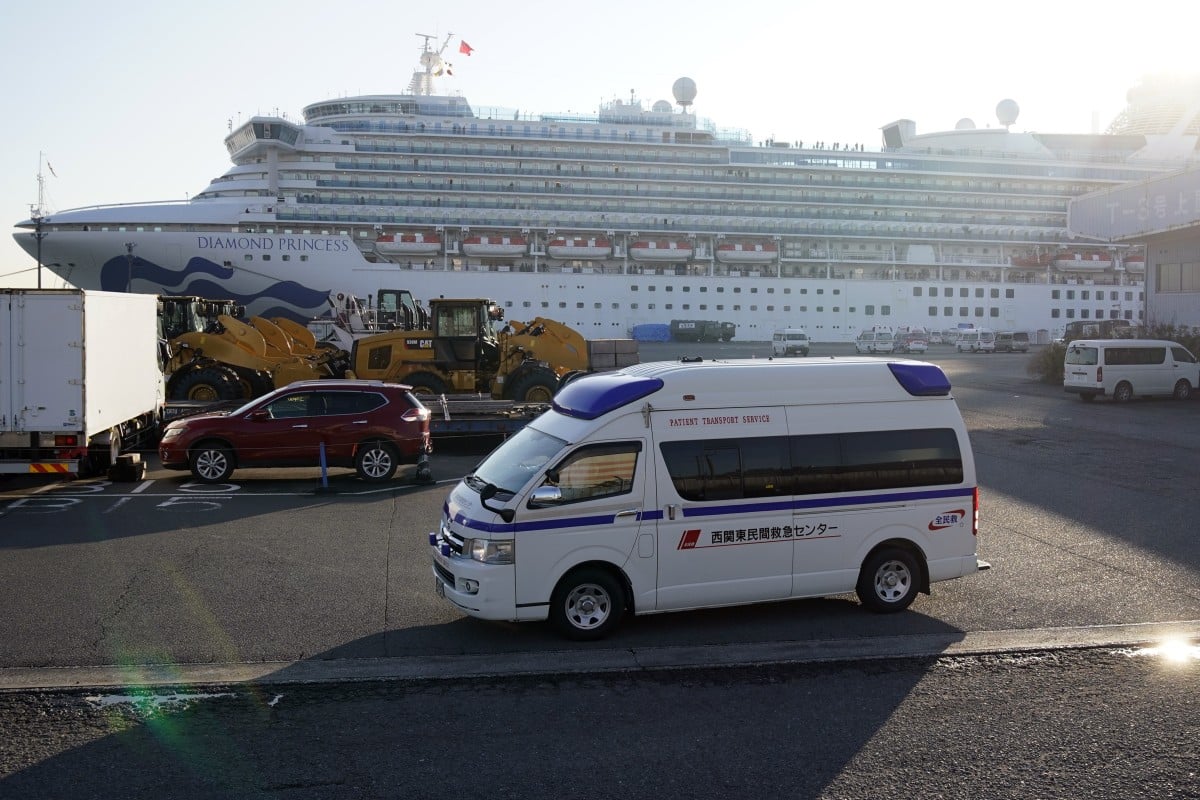
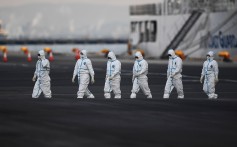
For almost a fortnight and counting, the Diamond Princess has resembled a floating hospital more than a luxury cruise liner, as 3,711 passengers and crew have remained under quarantine in Japan due to an outbreak of the deadly coronavirus on board.
The UK-flagged vessel, which set out on a 29-day voyage from Singapore to Yokohama on January 6, has been in lock-down since arriving at the Japanese city on February 3, after an elderly passenger who disembarked in Hong Kong tested positive for the virus, which causes the respiratory disease officially known as Covid-19.
Along the way, the ship had stopped at 14 ports, including Ho Chi Minh City in 
Vietnam, 

Kobe and Osaka in Japan, and Taipei in Taiwan, with repeat visits to a number of destinations, including Hong Kong.

How did the outbreak start?

While the exact source of the outbreak on the Diamond Princess is yet to be determined, it is suspected to be linked to a 80-year-old man from Hong Kong who had recently made a brief visit to mainland China.

The man boarded the ship on January 20 in Yokohama before disembarking five days later in Hong Kong, where he tested positive for the virus after seeking medical attention for symptoms including a cough.
Coronavirus: 44 more cases on Diamond Princess cruise ship
13 Feb 2020

How many people have tested positive for the coronavirus on board?

Japanese Health Minister Katsunobu Kato announced on Thursday that 44 new cases
of the virus had been detected on the Diamond Princess, including a quarantine officer who tested positive, bringing the total number of infections on board to at least 218.
The hike in infections came after officials announced 40 fresh cases on Wednesday. Authorities have so far tested 713 people on board, fewer than one-fifth of the total, but the outbreak already ranks as the largest single cluster of infections outside mainland

China.

Japan has confirmed 247 cases overall since the virus was first detected in the Chinese city of Wuhan in late December.

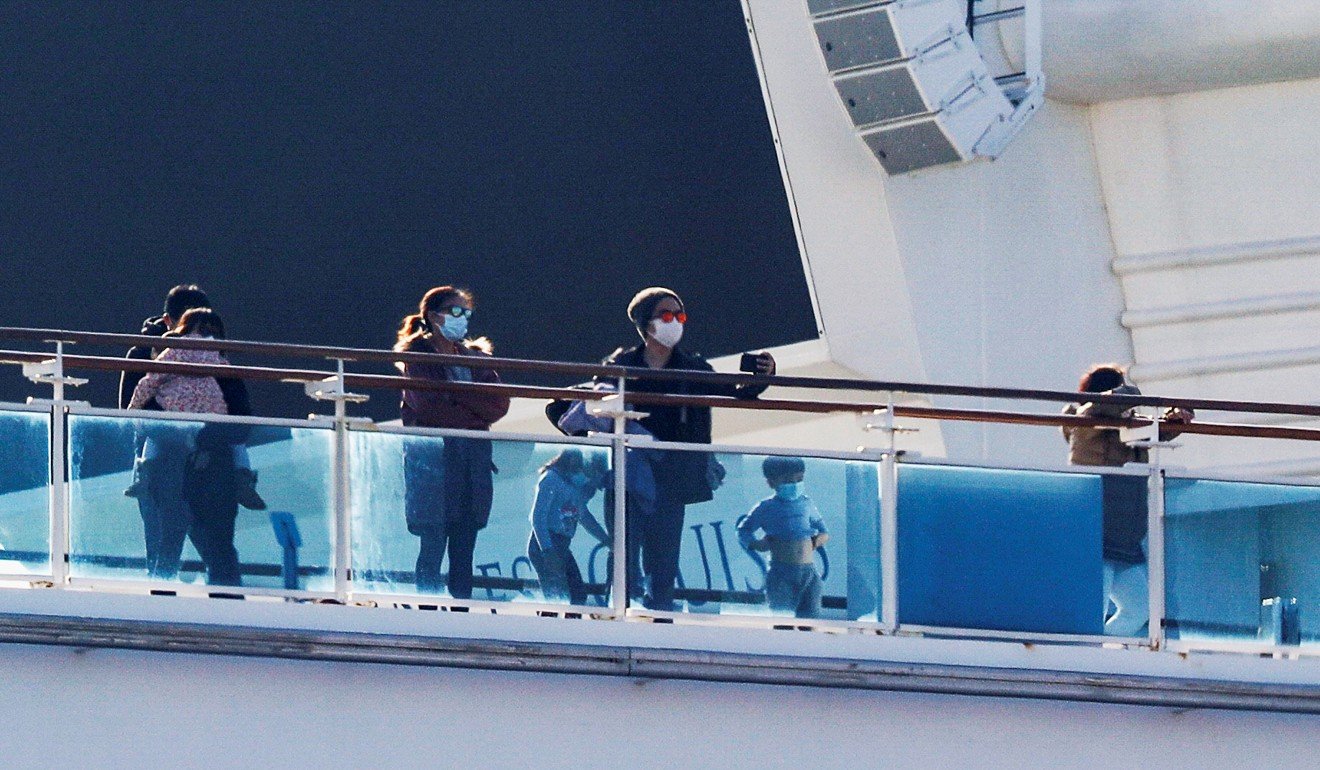
Passengers are allowed short visits above deck for fresh air. Photo: Reuters

What has it been like for passengers on board?

Passengers who have not been diagnosed with the coronavirus have been asked to stay in their cabins, except for short visits above deck for fresh air, until the quarantine period ends on February 19.

Those who have tested positive have been evacuated to onshore medical facilities. Health officials announced on Thursday that they intended to move elderly people and those with pre-existing conditions off the ship in the coming days even if they tested negative.

Many of those on board have described the tedium of being confined to their cabins and anxiety about the virus spreading further, or expressed frustration at the lack of timely information about the outbreak coming from Japanese authorities.

“It’s getting tougher by the day, and certainly for passengers with the inside cabins, it’s not easy,” said British passenger David Abel in a Facebook live-stream on Thursday.

The sorry state of Hongkongers stuck aboard quarantined cruise ship in Japan

11 Feb 2020

Some passengers have praised the efforts of the crew to keep up people’s spirits, including putting together videos featuring magic tricks and dance and stretching routines.

Matthew Smith, a passenger from the United States, has racked up thousands of followers on Twitter with his regular upbeat appraisals of the ship’s food.

“Don’t believe the honeymooners who would rather be in an American hospital,” he wrote in one post last week. “You might have to drag me off the ship when the quarantine ends.”

The event on the Diamond Princess cruise would fit the description of a super spreading event. David Hui, infectious diseases expert

Why has Japan’s handling of the outbreak been so controversial?

Some medical experts have questioned the wisdom of placing the passengers and crew in quarantine in the close confines of a ship, rather than removing them to dedicated facilities on the shore.

“Ideally, the crew members and the passengers should be quarantined at holiday camps,” said David Shu-Cheong Hui, the director of the Stanley Ho Centre for Emerging Infections Diseases in Hong Kong. “The event on the Diamond Princess cruise would fit the description of a super spreading event.”

Panic buying, mistrust and economic woes as Japan reels from coronavirus

12 Feb 2020

Kumar Visvanathan, an infectious diseases expert at the University of Melbourne, said a cruise liner such as the Diamond Princess would be ill-equipped to prevent the spread of infections.

“It seems that though isolation in individual cabins is somewhat effective, the increasing numbers of symptomatic infections seems to suggest active infections even with the best precautions are occurring,” Visvanathan said.

“It is clear that cruise ships and their individual cabins are not made for isolation purposes and depend heavily on individual participation in the isolation procedures, including respiratory hygiene, cough etiquette and hand hygiene,” he said.

Japanese city encourages travellers in coronavirus quarantine after return from China

Visvanathan said, however, that gauging the correct response was difficult as authorities had to consider the welfare of both the general public and those on the ship.

“I think the way to look at it is there are two disparate concerns that need to be balanced,” he said. “The first is the protection of the outside community which I think the Japanese government is taking as most important, and in this case isolation on board is the most efficient way to prevent infection of the Japanese population.”

Criticism has also been levelled at authorities for not testing all of those on board from the start. After initially insisting that they did not have the resources to test everyone on board, health officials said on Thursday that they were now aiming to test 1,000 people a day.

The World Health Organisation, however, has defended Japan’s handling of the situation, saying the country was ensuring those who were ill received proper treatment, the most important consideration during such an outbreak.

Source: SCMP

19/02/2020

Xinhua Headlines: Traditional Chinese medicine offers oriental wisdom in fight against novel virus

Traditional Chinese medicine has never missed a single fight against epidemics throughout Chinese history. After over 2,000 years, the long-tested oriental wisdom is still making its due contributions to the well-being of Chinese people.

by Xinhua writers Cao Bin, Zhang Yujie, Wu Zhonghao and Wang Haiyue

WUHAN, Feb. 18 (Xinhua) — Another 1,701 patients infected with the novel coronavirus (COVID-19) were discharged from hospitals Monday, bringing the total number of discharged patients in China to over 12,000 since the epidemic.

When scrutinizing the commonalities of those people, the contributions of traditional Chinese medicine (TCM) can not go unnoticed.

“Western medicine offers important life-supporting measures such as respiratory and circulatory assistance, while TCM focuses on improving patients’ physical conditions and immune function. They complement each other,” said Zhang Boli, an academician of the Chinese Academy of Engineering.

Zhang Boli, an academician of the Chinese Academy of Engineering, speaks during an interview with Xinhua about the effect of integrated treatment with traditional Chinese medicine (TCM) and Western medicine at Jiangxia temporary hospital in Wuhan, capital city of central China’s Hubei Province, Feb. 14, 2020. (Xinhua/Cheng Min)

Last Friday, the first phase of a sports center-turned hospital began operation in Wuhan, the epicenter of the COVID-19 outbreak. It is the city’s first TCM-oriented temporary hospital. A total of 800 patients will receive treatment there once the second phase is completed.

The medical team of 209 doctors and nurses from 20 TCM hospitals in five provinces led by Zhang have since been carrying out TCM clinical treatment and research at the hospital.

The recommended TCM treatment plan includes multiple herbal prescriptions targeting fever, heavy coughing, loss of appetite, nausea, vomiting, diarrhea, shortness of breath and tiredness.

A specific chapter detailing TCM treatment during a patient’s medical observation, clinical treatment and recovery was included in the latest version of the COVID-19 diagnosis and treatment scheme released by the National Health Commission.

A pharmacist weighs Chinese herbal medicines for patients infected with the novel coronavirus at Anhui Provincial Hospital of Traditional Chinese Medicine in Hefei, east China’s Anhui Province, Feb. 18, 2020. (Xinhua/Bai Bin)

Wuhan’s coronavirus control headquarters have since ordered integrated treatment of TCM and Western medicine, especially among non-critical patients, and observation of TCM’s curative effects at designated hospitals.

Statistics show that 2,220 medics from TCM hospitals and institutions across China have been sent to aid the epidemic fight in Hubei so far. Over 75 percent of COVID-19 patients are receiving TCM treatment in Hubei and over 90 percent in other parts of China.

A medical worker tests the pulse of a patient infected with the novel coronavirus at the Affiliated Hospital of Jiangxi Traditional Chinese Medicine University in Nanchang, east China’s Jiangxi Province, Feb. 18, 2020. (Xinhua/Hu Chenhuan)

On Feb. 6 alone, 23 patients in Hubei were discharged after receiving integrated treatment of TCM and Western medicine.

Zhang said patients with mild symptoms showed obvious improvement after TCM treatment, and for critical patients, TCM decreased their lung exudation, stabilized blood oxygen saturation and reduced respiratory support and antibiotic use.

TCM has never missed a single fight against epidemics throughout Chinese history. TCM classics have provided sufficient evidence of how TCM cured epidemic diseases such as smallpox over the past several thousand years.

The 2003 SARS fight was a recent example. TCM offered timely and effective solutions to the treatment and recuperation of SARS patients.

“Compared with Western medicine, TCM offers highly varied prescriptions to each and every patient based on their unique conditions during different stages of the disease, which is more flexible and targeted,” said Xiong Jibai, a TCM expert and consultant to the coronavirus treatment group of neighboring Hunan Province.

Hunan has sent hundreds of medical workers to help fight the epidemic in the city of Huanggang, one of the hardest-hit cities in Hubei.

Zeng Puhua, vice president of the affiliated hospital of Hunan Academy of Traditional Chinese Medicine, has been working around the clock in the SARS treatment-model hospital of Huanggang since late January.

“Clinical experience has repeatedly proven that TCM plays an active and effective role in the treatment of pneumonia-related epidemics,” he said.

According to Hunan’s health commission, TCM was used in the treatment of nearly 95 percent of the admitted patients. Among the discharged, over 90 percent underwent integrated treatment of TCM and Western medicine.

Cured novel coronavirus pneumonia patients, who have received integrated treatment with traditional Chinese medicine (TCM) and Western medicine, are discharged from a hospital in Wuhan, central China’s Hubei Province, Feb. 6, 2020. (Xinhua/Wang Yuguo)

In the city of Bozhou, eastern China’s Anhui Province, TCM has shortened the course of treatment and reduced medical expenses for seven discharged COVID-19 patients taking herbal soups or capsules.

“Patients showed quickened fever reduction after using TCM, and obvious alleviation of certain symptoms such as coughing, tiredness and loss of appetite. Some critical patients became non-critical,” said Zhang Nianzhi, a chief doctor at the respiratory medicine department of Anhui Provincial Hospital of TCM.

Discharged patients are required to stay home for another 14 days. Zhang said a 14-day herbal compound treatment based on TCM theories is prescribed to help them restore their pre-illness state.

Zhang has planned to include 100 discharged patients into the herbal compound treatment group, to follow their symptoms, physical and chemical indicators, CT results and living quality for one year. Thirty patients have so far been taking the prescription.

Non-drug treatment such as cupping, acupuncture and scraping is another feature of TCM, which can help patients recover more effectively after being discharged from hospitals, said Tong Xiaolin, an academician of Chinese Academy of Sciences and head of the treatment group of the state administration of TCM.

Source: Xinhua

19/02/2020

WHO sends coronavirus test kits to African nations after first coronavirus case confirmed

  • Forty countries will be able to diagnose the disease, and the Africa CDC is training health workers
  • Until two weeks ago, there were only two laboratories on the continent that could test for the virus, in Senegal and South Africa
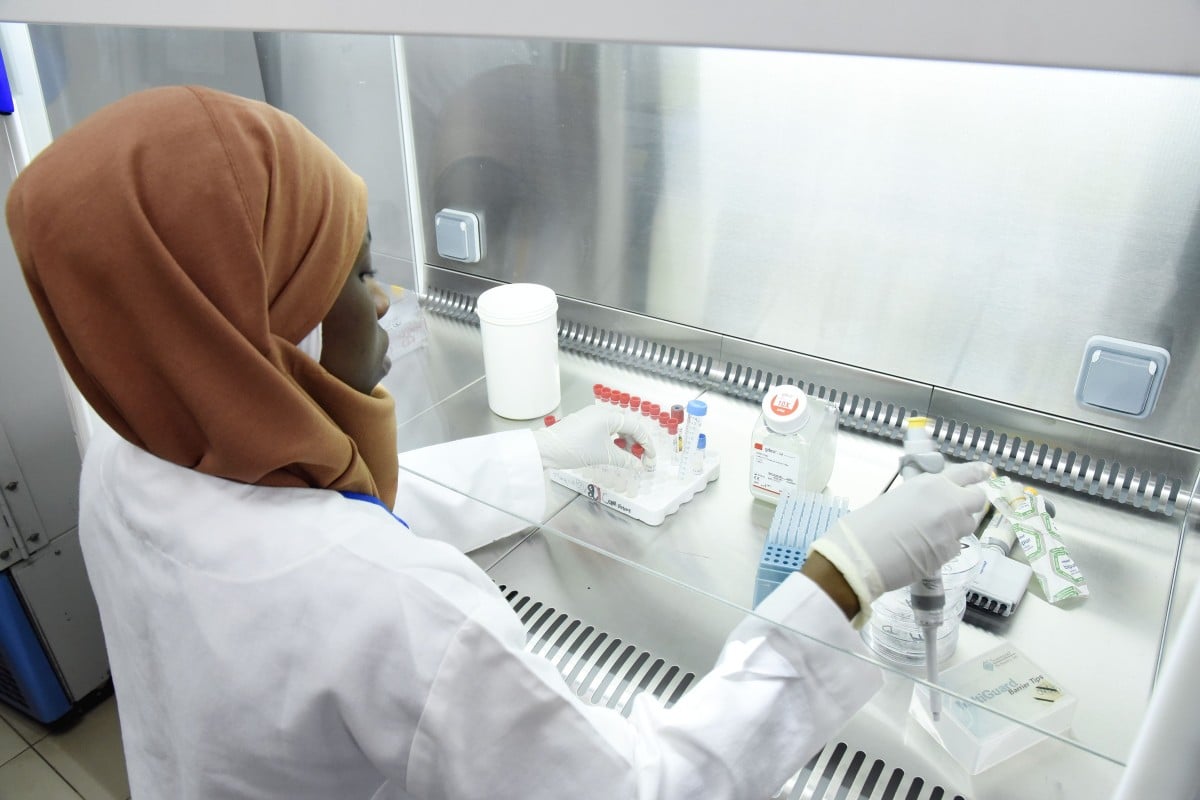
A scientist researches the coronavirus at the Pasteur Institute in Dakar, Senegal, which until two weeks ago was one of just two labs in Africa that could test for the disease. Photo: AFP
Forty countries in Africa will be able to test for the deadly new coronavirus
by the end of the week, the WHO said, after Egypt confirmed the first case on the continent last week.
The World Health Organisation said many of those nations had been sending samples elsewhere for testing and waiting several days for results.
“Now they can do it themselves, within 24 to 48 hours,” WHO director general Tedros Adhanom Ghebreyesus said in a media briefing on Tuesday.
Until about two weeks ago, there were only two laboratories in the continent of 54 countries – in Senegal and South Africa – with the reagents needed to test for the virus. That meant dozens of nations that had quarantined suspected patients were sending samples to South Africa or Senegal to be tested.
The WHO earlier this week sent reagent kits for coronavirus diagnosis to more than 20 countries in Africa to step up diagnosis of the virus, which causes a disease now known as Covid-19. The global health body said more countries in Africa were expected to receive testing kits this week.

In addition, the WHO last week sent testing kits to Cameroon, Ivory Coast, the Democratic Republic of Congo, Egypt, Ethiopia, Gabon, Ghana, Kenya, Morocco, Nigeria, Tunisia, Uganda and Zambia.

Coronavirus: WHO urges caution over study showing ‘decline’ in new Covid-19 cases in China
Tedros said some countries in Africa, including the Democratic Republic of Congo, were using systems developed to test for the deadly Ebola virus to now test for the coronavirus.

“This is a great example of how investing in health systems can pay dividends for health security,” Tedros said.

Several countries, including Ethiopia and South Sudan, were prioritising surveillance and monitoring at ports of entry, he said. “We’re also working with partners in some of the most fragile contexts, from Syria to the Central African Republic, to prepare countries for the arrival of the virus,” he said.

The WHO and Egyptian health officials on Friday confirmed that a 33-year-old foreigner had tested positive for the coronavirus. Egypt’s health ministry said the patient had tested positive for the virus without any symptoms, raising concern that there could be undetected cases on the continent, as countries scramble to equip labs to test for the disease.

The asymptomatic patient in Egypt was identified through contact screening of an index case who travelled to Cairo on a business trip from January 21 to February 4 and tested positive for the virus on February 11 in China, the WHO regional office said.

The new virus strain has killed more than 2,000 people and infected over 74,000 since the outbreak began in central China in December. It has spread to more than 20 countries.

Screening measures have been stepped up across Africa, including quarantining all passengers arriving from Chinese cities, amid fears that poorer countries with weaker health systems may struggle to cope if the virus spreads on the continent. More than a dozen countries still do not have the capacity to test for the pneumonia-like illness.

There are concerns that Africa’s close links with China put it at high risk for the spread of the new virus. Africa has become home to millions of Chinese since Beijing started looking to the continent for raw materials for its industries and markets for its products. China has been Africa’s largest trading partner since 2009, after it overtook the United States, with two-way trade standing at US$108 billion last year, according to China’s commerce ministry.

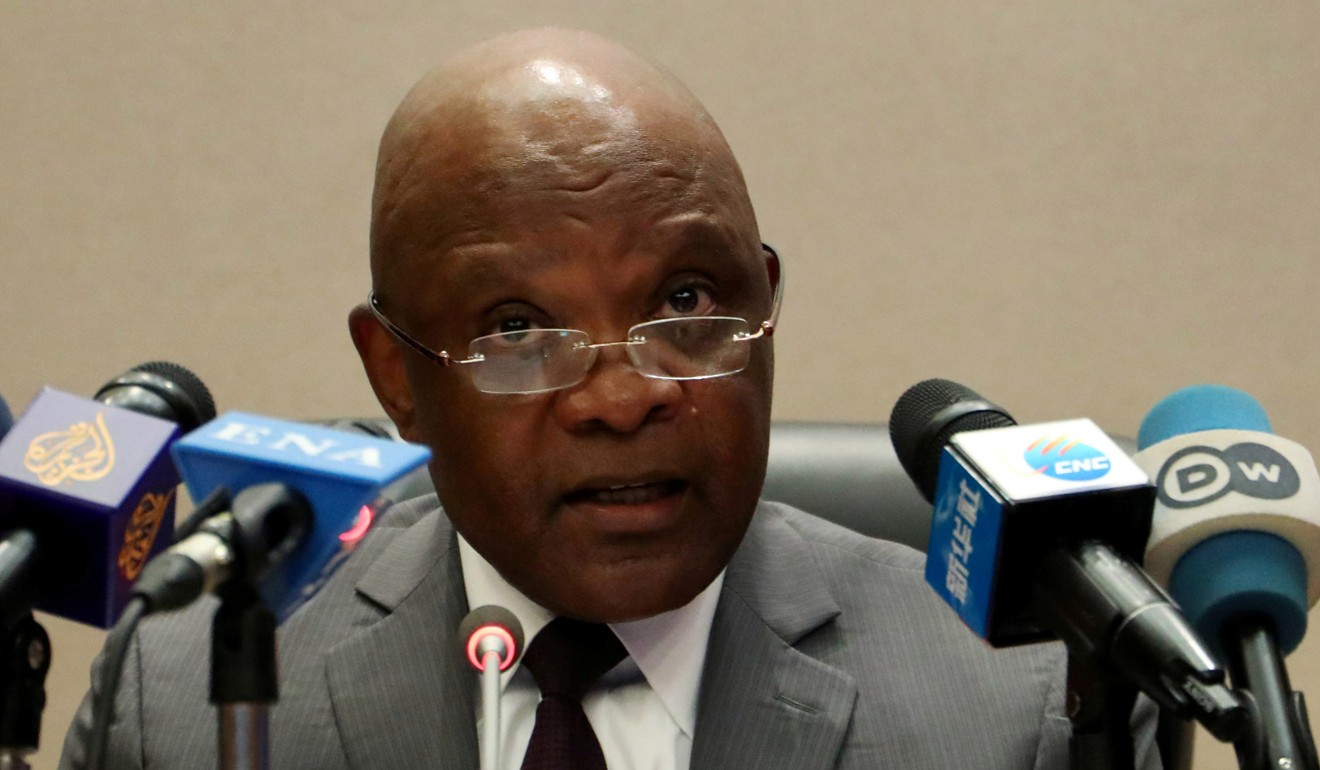
Africa CDC director John Nkengasong said it had been “investing in preparedness and response to the disease”. Photo: Reuters
John Nkengasong, director of the Africa Centres for Disease Control and Prevention (Africa CDC), said it was working closely with the WHO and other partners to ensure that Egypt had the diagnostic tools it needed, and that the right actions were taken to contain the spread of the virus.
“We anticipated that the Covid-19 outbreak would inevitably impact Africa. That is why the Africa CDC has been working actively with African Union member states and partners in the past four weeks and investing in preparedness and response to the disease,” he said.
“[Last week in Dakar, Senegal] we conducted training and supplied test kits to 16 African laboratories, including from Egypt. Egypt also received additional test kits from the WHO,” Nkengasong said.
The Africa CDC would train 40 health workers from nine countries, including Egypt, in Nairobi this week, he said, on “enhancing detection and investigation of Covid-19 at points of entry”.
The Chinese medical workers on the front line of the coronavirus fight in Wuhan
On Monday, Ethiopia, home to one of the continent’s busiest airports, said it had received equipment and reagents for virus detection and control. “We are working hard day and night with the government to improve the critical measures needed to ensure that the country is ready to effectively respond to an outbreak of Covid-19,” said Boureima Hama Sambo, the WHO representative in Ethiopia.
National flag carrier Ethiopian Airlines has continued flying to Chinese cities
 despite pressure for it to suspend services to the country. Many countries on the continent have restricted travel to and from mainland China, while six out of eight African airlines with Chinese routes have halted flights until the virus is contained, including EgyptAir.
Egypt has suspended all flights to and from the mainland until the end of the month and has evacuated more than 300 Egyptians from Wuhan, the epicentre of the epidemic.
Source: SCMP
19/02/2020

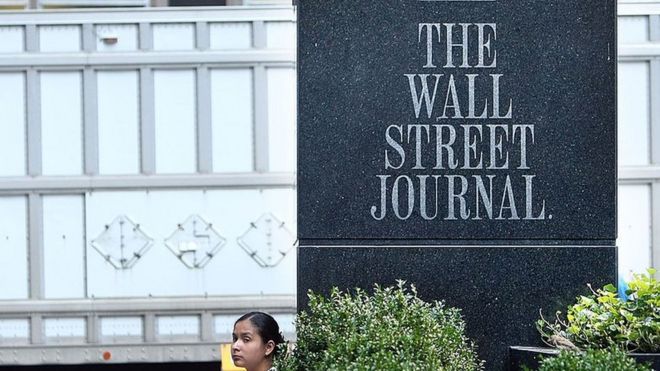
Coronavirus: China expels Wall Street Journal journalists for article it deemed racist

Three journalists with the Wall Street Journal have been told to leave China in five daysImage copyright GETTY IMAGES
Image caption The Wall Street Journal said the journalists were ordered to leave China in five days

China has ordered three foreign journalists of the Wall Street Journal to leave the country over an opinion piece it said was “racist”.

The article published on 3 February criticised the country’s response to the deadly coronavirus outbreak.

The Chinese foreign ministry said it had asked the newspaper to apologise several times but it had declined.

The newspaper said the journalists – who had not written the opinion piece – were given five days to leave China.

The article called the authorities’ initial response “secretive and self-serving” and said global confidence in China had been “shaken”.

China’s Foreign Ministry spokesman Geng Shuang said the article was “racist” and “denigrated” China’s efforts to combat the outbreak that has killed more than 2,000 people in the country.

“The Chinese people do not welcome media that publish racist statements and maliciously attacks China,” Mr Geng said, without naming the journalists being expelled.

The Wall Street Journal identified the reporters as two US citizens – Josh Chin, who is the deputy bureau chief, and Chao Deng – as well as Australian citizen Philip Wen. The newspaper has not yet commented.

It is the first time in more than two decades that journalists holding valid credentials have been ordered to leave China, the BBC’s John Sudworth in Beijing reports.

The Foreign Correspondents Club of China called the decision “an extreme and obvious attempt by the Chinese authorities to intimidate foreign news organizations”.

The measure comes a day after the US said it would begin treating five Chinese state-run media outlets that operate in the country in the same way as foreign embassies, requiring them to register their employees and properties with the US government.

The decision affects the Xinhua News Agency, China Global Television Network and China Daily Distribution Corp.

Presentational grey line

Press freedom in China

Presentational grey line

Last year, the government declined to renew the credentials – necessary for the work of foreign journalists in the country – of another Wall Street Journal reporter.

The journalist, a Singaporean national, had co-written a story that authorities in Australia were looking into activities of one of China’s President Xi Jinping’s cousins suspected of involvement in organised crime and money laundering.

And in 2018, the Beijing bureau chief for BuzzFeed News Megha Rajagopalan was unable to renew her visa after reporting on the detention of Muslim minority Uighurs and others in China’s Xinjiang region.

Meanwhile, two Chinese citizen journalists who disappeared last week after covering the coronavirus in Wuhan, the epicentre of the outbreak in Hubei province, remain missing.

Fang Bin and Chen Qiushi had been sharing videos and pictures online from inside the quarantined city.

Media caption Footage appearing to show people held in quarantine in a makeshift facility in Wuhan, has been shared across social media

Source: The BBC

17/02/2020

China Focus: Cured coronavirus patients donate plasma to save more

WUHAN/SHANGHAI, Feb. 16 (Xinhua) — Twenty recovered coronavirus patients donated their plasma to those in severe condition in Wuhan, capital of the hard-hit province of the novel coronavirus disease (COVID-19), said the province’s COVID-19 scientific research team Sunday.

The donors are doctors and nurses who have recovered from the disease for 10 days at the Jiangxia District’s No. 1 people’s hospital and traditional Chinese medicine hospital.

Twelve patients in severe condition have received the plasma treatment. An expert with Jiangxia District’s No. 1 people’s hospital said that the patients have shown improved clinical symptoms about 12 to 24 hours after they received the treatment.

“We are observing the therapeutic results and improving our treatment plans,” the expert said, adding that plasma donation won’t hurt the donor once he or she has been cured for 10 days.

Zhang Dingyu, head of Wuhan Jinyintan Hospital, a major designated hospital to admit confirmed cases in Wuhan, called upon cured patients who were infected with COVID-19 to donate plasma as initial results had indicated the effectiveness of convalescent plasma-derived therapeutic products in curing infected patients in severe and critical conditions.

In Shanghai, official data showed 124 patients have recovered from COVID-19 and discharged from hospitals by Saturday afternoon, of whom 14 have shown willingness to donate their plasma to assist coronavirus research and treatment.

Some recovered patients regard the donation as a way to pay back to the society after they received timely and effective treatment.

“Before being discharged from the hospital, I learned from the nurses that I can donate plasma, which I think is very helpful,” said a recovered patient surnamed Liu who is willing to become a donor.

“We were helped by others and we want to help other patients as well,” Liu said.

Source: Xinhua

17/02/2020

Chinese, Japanese FMs discuss fight against COVID-19 at Munich Security Conference

GERMANY-MUNICH-CHINA-JAPAN FM-MEETING

Chinese State Councilor and Foreign Minister Wang Yi (R) meets with Japanese Foreign Minister Toshimitsu Motegi on the sidelines of the 56th Munich Security Conference in Munich, Germany, Feb. 15, 2020. (Xinhua/Shan Yuqi)

MUNICH, Germany, Feb. 16 (Xinhua) — Chinese State Councilor and Foreign Minister Wang Yi on Saturday met Japanese Foreign Minister Toshimitsu Motegi on the sidelines of the 56th Munich Security Conference, with both pledging mutual support in the fight against the novel coronavirus epidemic (COVID-19).

Wang thanked Japan for its understanding and support for China’s fight against COVID-19, noting that stories of many Japanese people extending a helping hand to China have been spreading on the Chinese Internet, from which the Chinese people have felt the friendship and warmth from Japan as a neighbor.

The mutual support between China and Japan in this fight against the epidemic fully reflects the tradition of mutual help among Eastern countries, Wang said, adding that he believes the friendship between the two peoples will be further deepened.

Wang said that with the joint efforts of China and all parties, he believes the epidemic will end soon. The Chinese economy has been affected by the epidemic, but efforts can be made to make up for the losses. China’s goals of building a moderately prosperous society in an all-round way and winning the battle against poverty this year will certainly be achieved.

China is willing to continue to strengthen mutually beneficial cooperation with Japan in economy, trade, personnel exchanges and other aspects to jointly push bilateral strategic relations of mutual benefit to a new level, and bring more benefits to the two countries and peoples, Wang said.

For his part, Motegi said that China has made great efforts to control the spread of the virus, which Japan highly appreciates, and that he believes China will be able to overcome the epidemic at an early date.

Japan is willing to continue to fully support and help China, work closely with China to further deepen cooperation in various fields, and jointly prepare for important high-level exchanges between the two countries this year, so as to score new developments in Japan-China relations, said Motegi.

Source: Xinhua

17/02/2020

Traditional Chinese medicine effective in COVID-19 treatment: official

BEIJING, Feb. 17 (Xinhua) — Traditional Chinese medicine (TCM) has been proven effective in curing patients of the novel coronavirus disease (COVID-19), a Chinese health official said Monday.

For example, a TCM decoction named “Qingfei Paidutang” has been used in treating 701 confirmed cases in 10 provinces, of which 130 have been cured and discharged, said Li Yu, an official with the National Administration of TCM.

Symptoms have disappeared in 51 cases and improved in 268, with another 212 remaining in stable condition, said Li, adding that the decoction was recommended to medical institutions nationwide on Feb. 6 after data analysis on 214 cases.

Li also shared the analysis and statistics cases with detailed clinical records, as 94.6 percent of the 112 patients restored to normal body temperature, and 80.6 percent of 214 patients stopped coughing after using the decoction for six days.

The data showed the decoction’s good clinical effect and treatment prospect on COVID-19, said Li.

The central government’s joint prevention and control mechanism on the situation has called for stronger cooperation between TCM and Western medicine in the prevention and treatment of infectious diseases such as COVID-19, requiring local authorities to promote the use of TCM in the whole process of diagnosis and treatment.

As of Monday, more than 3,100 medical personnel from over 630 TCM hospitals across the country have been sent to aid Hubei Province in the fight against the epidemic, said Jiang Jian, another official of the national administration.

TCM has been used in treating 60,107 confirmed cases in China, or 85.2 percent of the total, according to Jiang.

Source: Xinhua

Law of Unintended Consequences

continuously updated blog about China & India

ChiaHou's Book Reviews

continuously updated blog about China & India

What's wrong with the world; and its economy

continuously updated blog about China & India