31/10/2019
- The deaths of three airmen in a helicopter crash and a second accident days later point to problems with training and equipment
- The crashes happened within a span of 10 days, amid an increased number of intensive drills
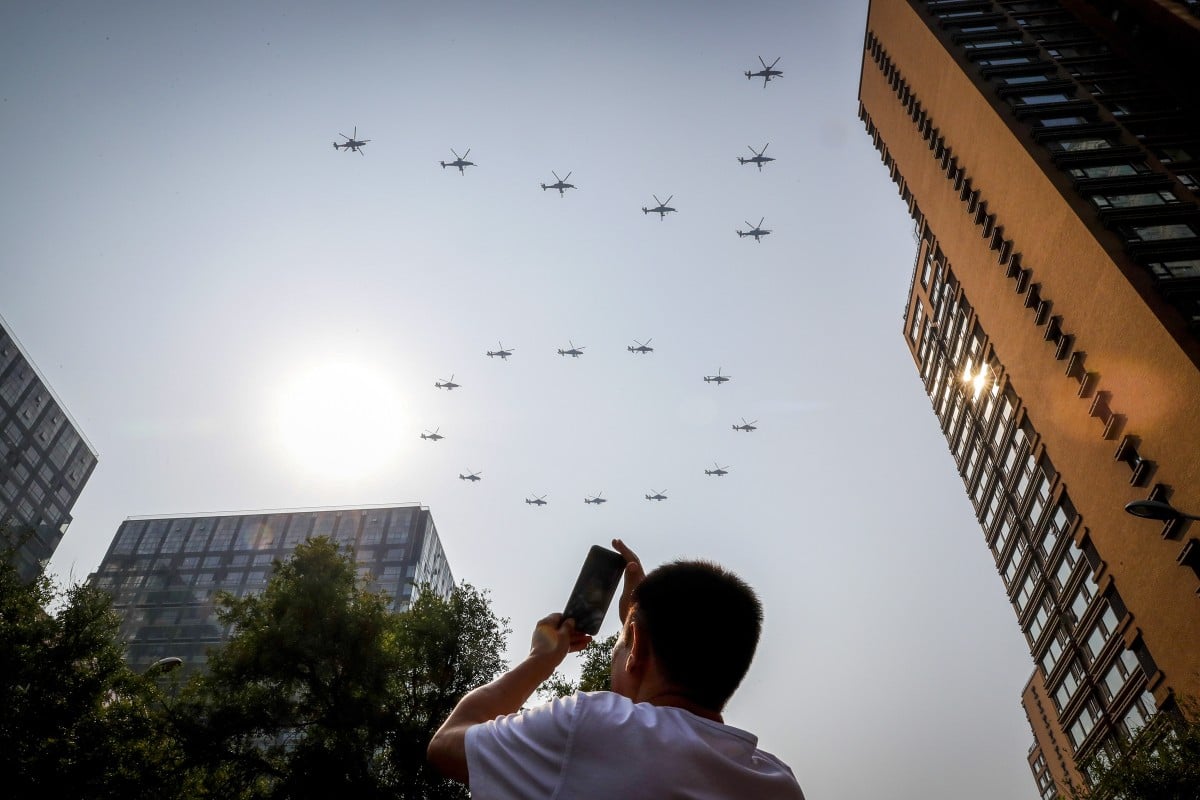
Chinese military helicopters form the number 70 as part of the National Day parade in Beijing. Photo: AP
Engine flaws and a lack of training have been identified as the likely causes of two accidents that hit the Chinese air force in the space of little over a week – one of which claimed the lives of three airmen.
Deaths from the crashes, which happened within a span of 10 days, included a helicopter pilot who took part in the National Day grand parade at the start of the month.
A number of military sources said that as the air force stepped up its exercises – part of President Xi Jinping’s call to strengthen the “combat readiness” of the military – more accidents would happen as increased drills exposed technical problems and inadequate training.
“[If these problems are not resolved], it is foreseeable that more accidents will happen because the top brass is pushing for more drills and exercises across the military,” said one source close to the air force.
The fatal accident happened about three weeks ago in central Henan province, when a transport helicopter crashed, killing all three people on board.
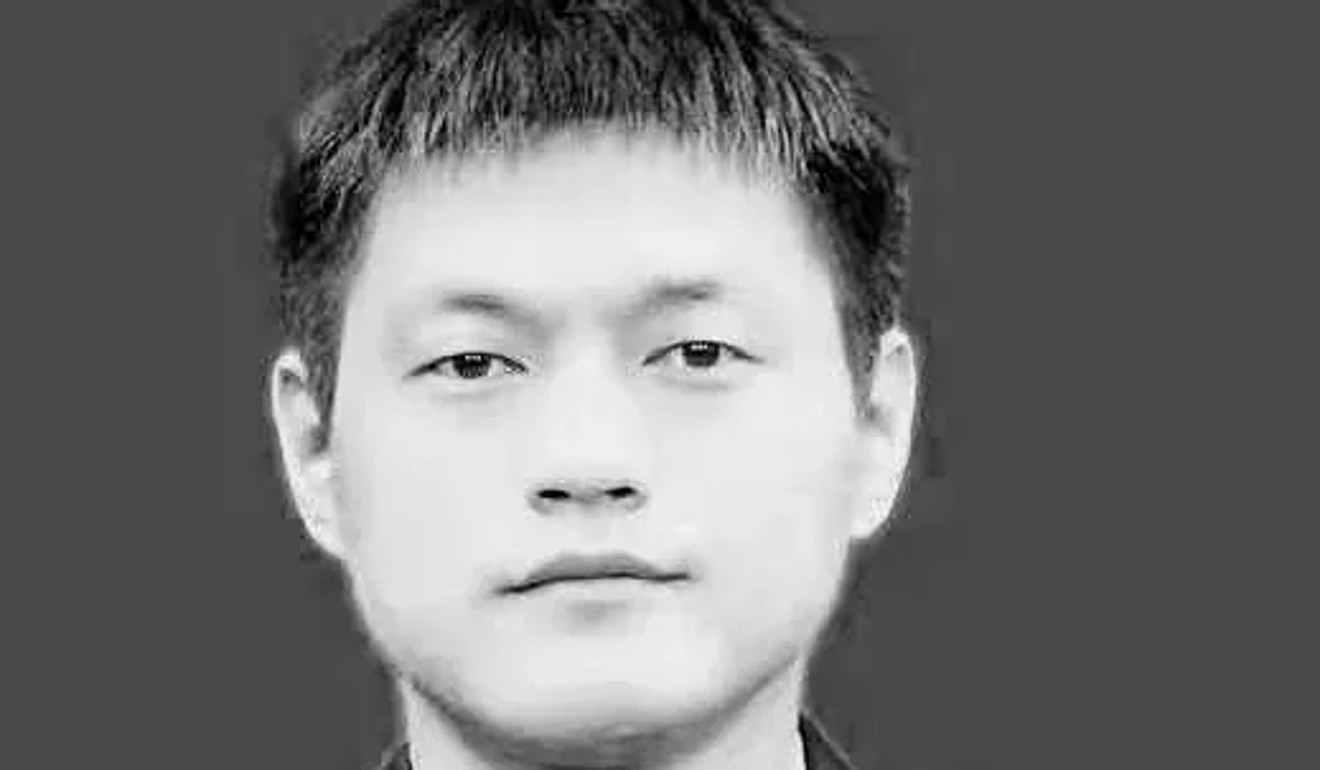
Gong Dachuan, 33, was one of the airmen killed in the crash. Photo: Handout
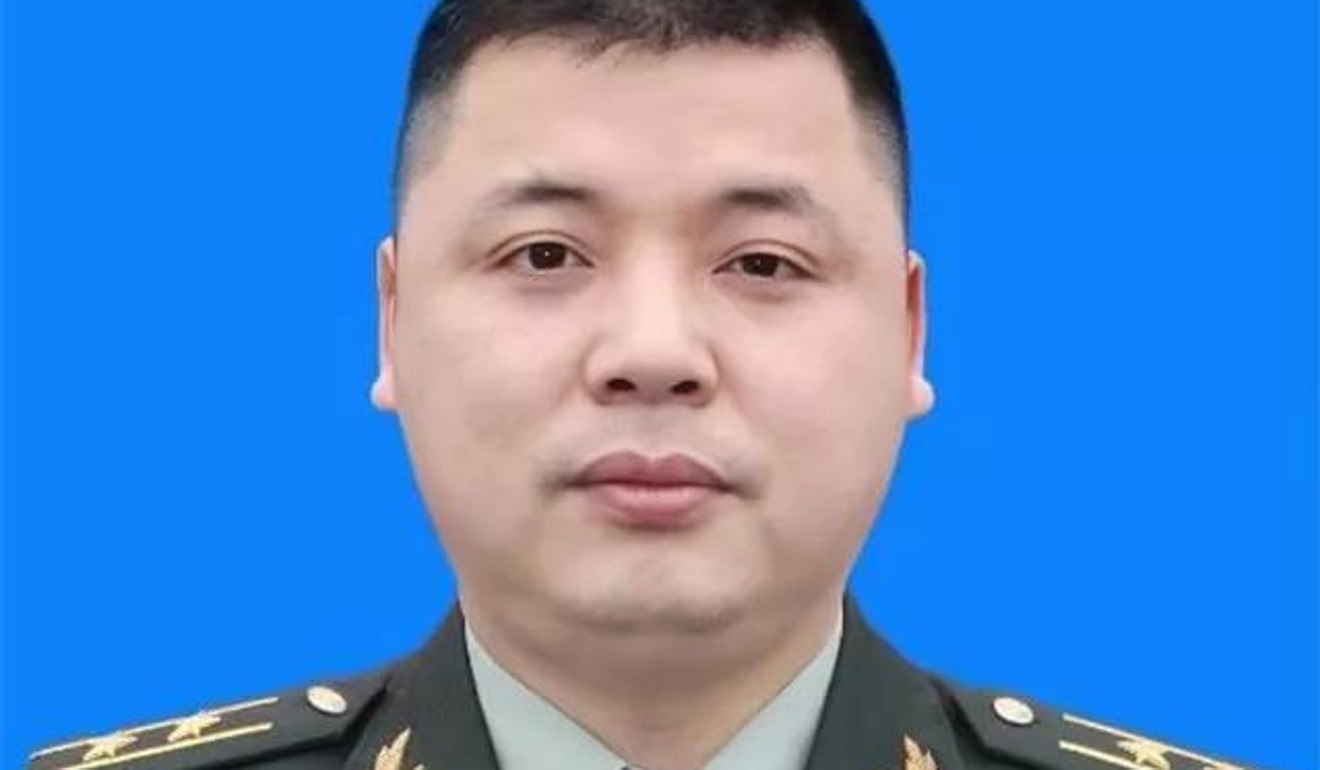
Local television reports named pilot Gong Dachuan, 33, and 37-year-old engineer Wen Weibin, as two of this killed in the crash. The third victim was later named as Luo Wei, from Luzhou in Sichuan, by an online mourning website.
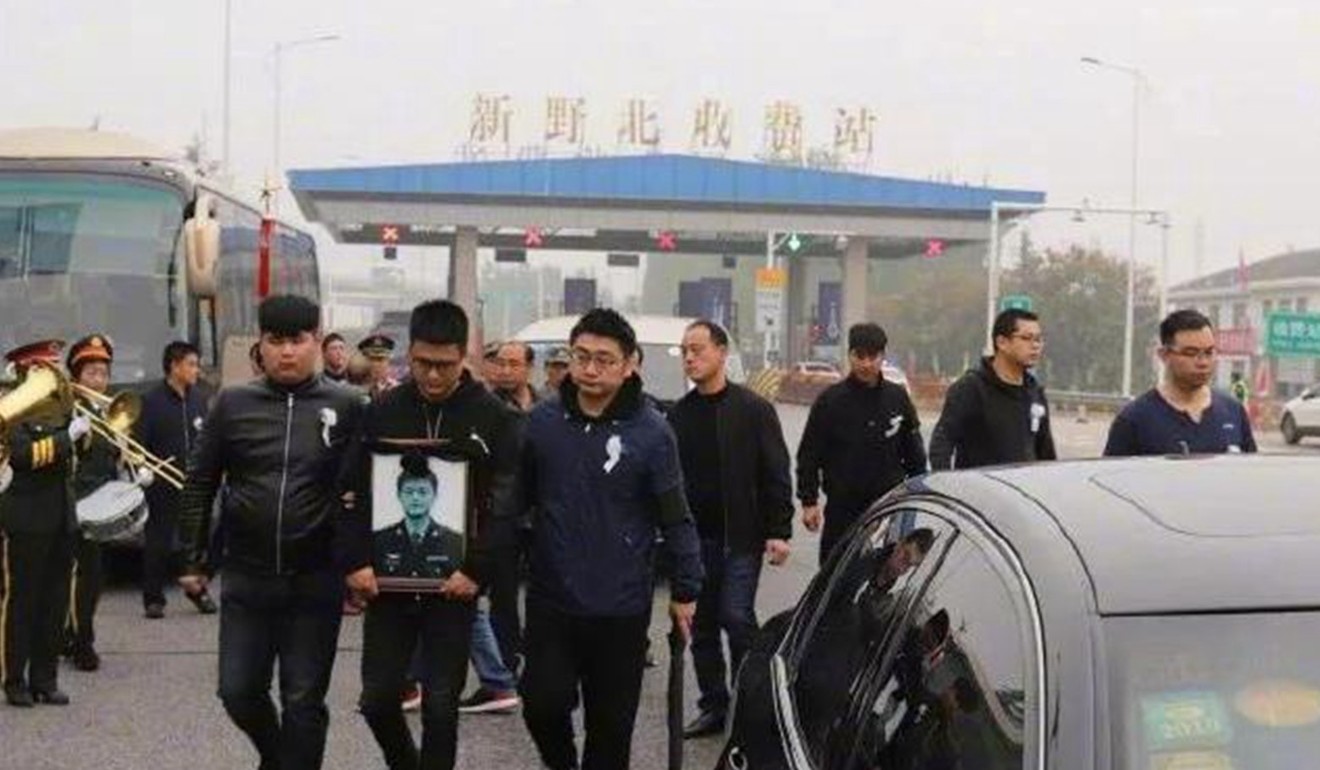
A memorial for Gong was held by the local government in Xinye County last Tuesday.
“The three people were conducting some tests on the helicopter,” said a local source who declined to disclose where the crash happened and the nature of the test.
Xinye county government in Henan province held a memorial to honour the dead pilot. Photo: Handout
Media reports said that Gong had flown in this year’s National Day parade in Beijing, while Wen had been decorated for his participation in the 2015 parade in Beijing to mark the 70th anniversary of victory over Japan in World War II.
The three dead airmen have been designated as martyrs, the reports added.
The second accident happened eight days later on the Tibetan Plateau where a J-10 fighter jet on a low-altitude flying drill crashed into the mountain.
“Fortunately, the pilot ejected safely in time, but the J-10 crashed into the mountain,” said an informed source, who requested anonymity since no official announcement about the accident has been made.
“Preliminary investigations indicated that the accident had something to with the Russian-made AL-31 engine on board the J-10,” the source said.
Military analysts said the air force needs to improve the durability of its aircraft and training for pilots.
Hong Kong-based military expert Song Zhongping suggested that problems with engines and flight control systems were also key reasons behind some of the fatal crashes.
Wen Weibin, 37, also died in the crash. Photo: Handout
Two J-15 fighter jets crashed in April 2016, resulting in one death and one serious injury. Investigations into the two crashes pointed to problems with the flight control system.
A source from the Chinese air force said that, unlike their American counterparts, PLA pilots generally lack training in avionics engineering and had little flying experience before enlistment.
“PLA pilots may be strong and courageous, and they are motivated to make sacrifices,” the air force source said. “But they don’t have as much experience as American pilots – many of [whom] have a lot of experience in flying civilian aircraft before they join the air force.”
Posted in 70th anniversary, accident, air force, AL-31 engine, avionics engineering, Chinese air force, civilian aircraft, deaths, drill and equipment problems, enlistment, equipment, flaws, flew, flight control system, helicopter crash, Henan province, highlights, implicated, J-10 fighter jet, J-15 fighter jets, Luzhou, military parade, National Day, pilot, PLA pilots, point, President Xi Jinping, problems, sichuan province, Tibetan Plateau, training, Uncategorized, victory over Japan, World War II, Xinye County |
Leave a Comment »
17/10/2019
- Country’s first home-grown carrier may soon be ready for service but observers warn a few glitches may still need to be ironed out
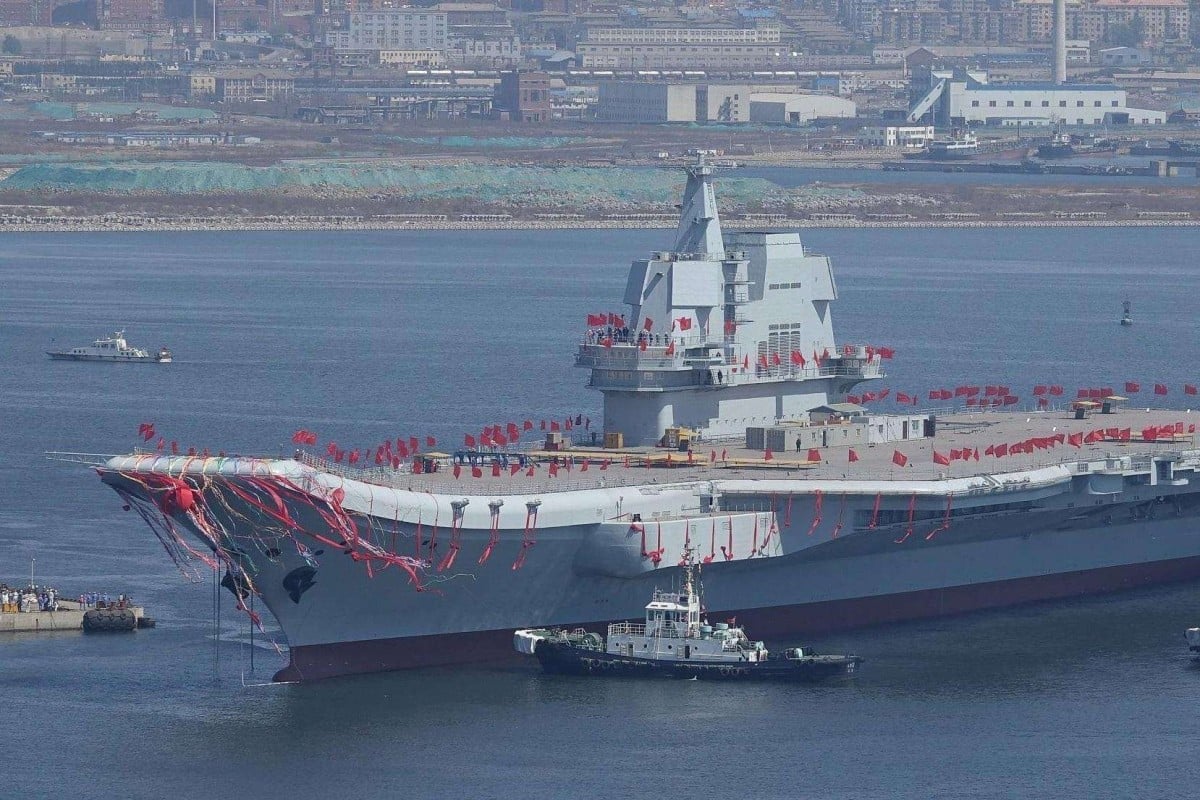
The Type 001A will be China’s second carrier and the first home-grown one. Photo:ifeng
China’s first home-grown aircraft carrier, Type 001A, will be commissioned within months, according to military observers.
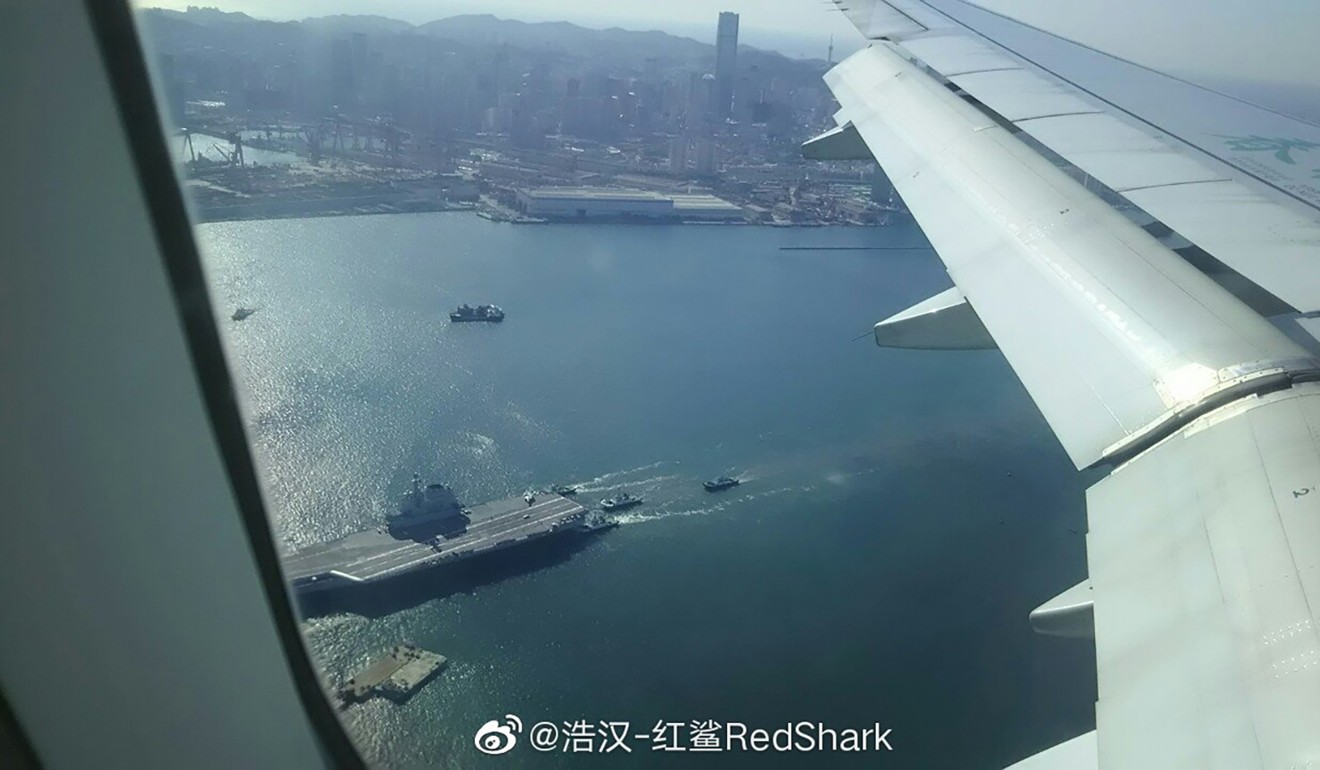
The ship appeared to have set off on its eighth sea trial on Tuesday after photographs taken by a plane flying over a restricted area showed a carrier, with a warplane on deck, leaving the Dalian Shipyard, where the carrier is being built.
The timing coincided with a notice issued by China’s Maritime Safety Administration, saying an area of the Bohai Sea, near the yard would be cordoned off for military activities.
While the commissioning would mark an advance in China’s naval capacity, some analysts noted that the trial phase was taking longer than expected.
A photo shows a carrier leaving the Dalian shipyard on Tuesday. Photo: Weibo
Global Times, a tabloid affiliated to Communist Party mouthpiece People’s Daily, quoted naval observer Li Jie as saying that the Type 001A was likely to be undertaking its eighth sea trial after solving problems discovered in the previous trials.
Zhou Chenming, a Beijing based military expert, said that the Type 001A’s commissioning had already been postponed and the major problem now was a lack of shipborne aircraft and problems with the flight control system.
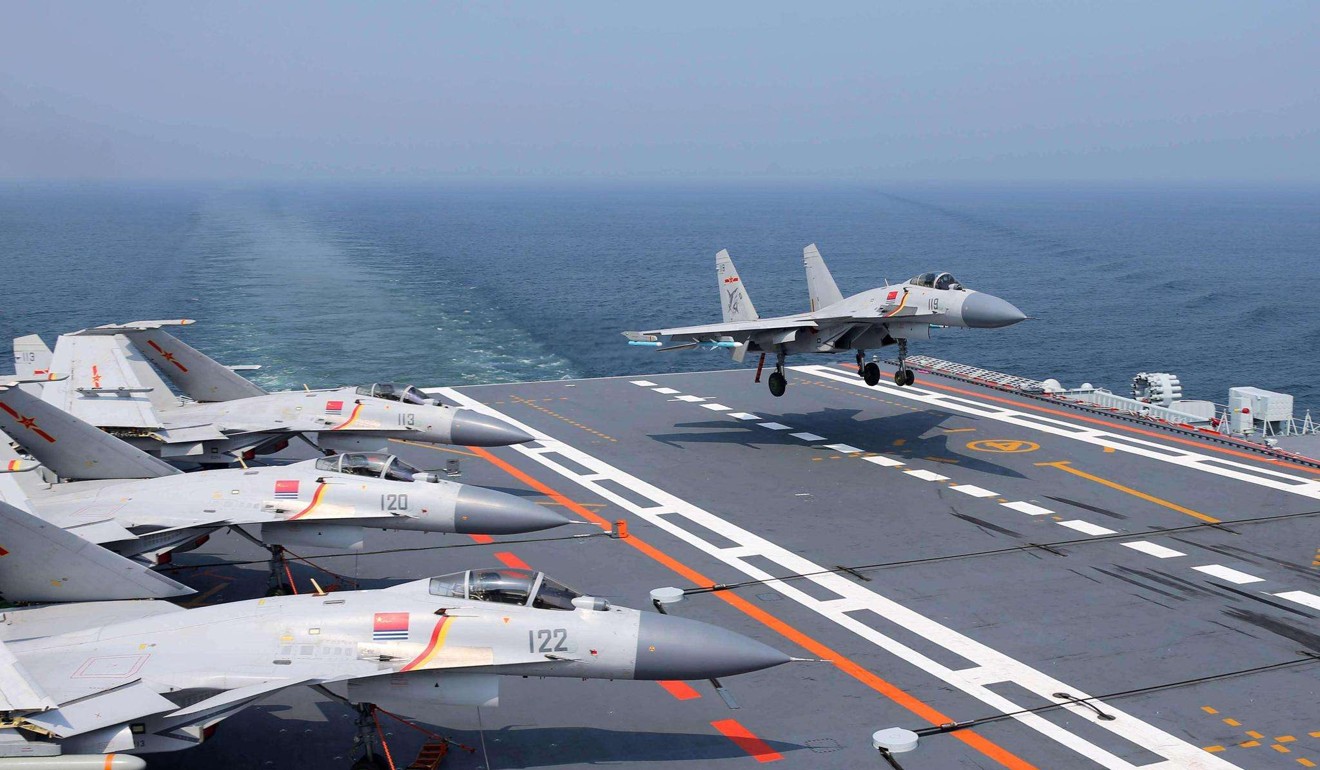
Zhou said the control system worked with J-15 fighters, which will be the primary jets used on the ship, but “is not yet compatible with other aircraft, which hinders the aircraft carrier’s final commissioning”.
Once commissioned, the ship will join the country’s first carrier, the Liaoning, at sea, boosting the country’s naval capacity.
Collin Koh, a research fellow at the Institute of Defence and Strategic Studies from Singapore’s Nanyang Technological University, said: “With two aircraft carriers, the PLA Navy will have greater chances to hone its carrier capabilities – conducting more missions, training, and all of these contributing to the accumulation of expertise and know-how.
“This means qualitatively improving [its] carrier capability, including human capital.
“For long-term strategic significance, it means an expanding power projection capability of the PLAN that allows it to promote presence in regions where Beijing asserts national interests.”
Once ready the ship will carry 32 J-15 fighters. Photo:ifeng
The Type 001A’s trial phase has taken longer than some military observers had expected. The aircraft carrier set out for its first sea trial in May 2018, some 17 months ago.
By comparison, the Liaoning, a former Soviet Kuznetsov-class vessel underwent 10 sea trials over a 13-month period before it was commissioned.
The ship also features a ski-jump deck for take-offs, has a displacement of 70,000 tonnes and will be able to carry a total of 40 aircraft.
Source: SCMP
Posted in Aircraft, Aircraft carrier, Beijing, Bohai Sea, China’s, China’s Maritime Safety Administration, commission ship, Communist Party, Dalian Shipyard, flight control system, Global Times, Institute of Defence and Strategic Studies, J-15 fighters, Kuznetsov-class vessel, Liaoning, People’s Daily, Sea trial, sets off, shipborne aircraft, Singapore’s Nanyang Technological University, ski-jump deck, Soviet, take-offs, Type 001A, Uncategorized |
Leave a Comment »



 CHINDIA ALERT: You'll be living in their world, very soon