

- The prestigious college offered early admission to more than 700 students from around the world but none came from Chinese schools
- Some analysts say Washington’s fears about espionage are to blame, while others put it down to China’s failure to prepare fully rounded youngsters
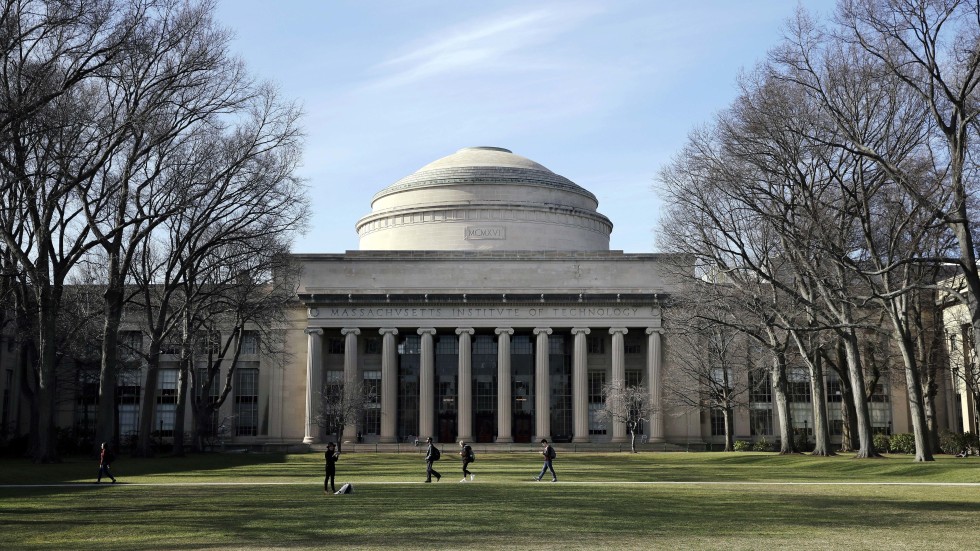
Unlike in the past, when at least a handful of students from Chinese schools made it through the early admission system, according to official results released by the college earlier this month this year there were none.
The news epitomised the falling success rate of mainland Chinese students seeking places at top US colleges in recent years amid growing uncertainty about immigration and visa policies, and the increased importance placed on applicants’ soft skills, some industry insiders have said.
Why China’s overseas students find things aren’t always better back home
The MIT offered early admission to more than 700 students chosen from 9,600 applicants from around the world. While five of them were Chinese nationals, they all graduated from US high schools.
“This is in line with the overall trend,” said Sun Rui, founder of Insight Education, a company based in the south China city of Shenzhen that helps Chinese students apply for undergraduate programmes in the United States.
“We feel that it’s harder each year to apply for top universities,” she said.
The number of students from Shenzhen who secured a place at one of the top four colleges in the US had been falling year by year, she said.
“Last year, a couple of students from Shenzhen made it to Stanford. This year it was none.”
While Chinese students had a reputation for getting high exam scores, Sun said they were often at a disadvantage when it came to soft skills, such as leadership and citizenship.
Chinese schools did not care about the latter, but American schools valued them greatly, she said.
As more Chinese children were being sent abroad to study at a younger age, those who went to US high schools were replacing those from Chinese schools when it came to undergraduate admissions, she said.
Chinese students in US fear backlash after Mike Pence’s inflammatory speech
Li Li, whose daughter is at high school in Shanghai, said she had always wanted her child to apply for a top 20 US university but was now reconsidering.
“Given the current circumstances, your know, all the curbs on immigration and visa policy, I think I will consider another country, say Australia,” she said.
With richer parents eyeing better education abroad, Chinese students now account for about a third of all international students in US universities, according to official figures.
But potential applicants are being frightened away as Washington, under the administration of President Donald Trump, tightens it policies on Chinese students out of concerns about them being potential spies. The Financial Times reported recently that the White House had actually debated a proposal to stop all Chinese nationals from studying at US universities over such concerns.
Why Trump and the trade war aren’t enough to stop Chinese students coming to America
New restrictions and requirements were introduced earlier this year for Chinese postgraduates majoring in science and engineering, as Trump accused China of stealing technology and intellectual property from US companies.
Sun said that an unpredictable admission policy was another reason for the drop off in Chinese students’ success in applying for top American schools.
“For example, unlike before, some top schools now require writing samples from international students, which to some extent shows they have worries about the applicants’ actual skills,” she said.

 CHINDIA ALERT: You'll be living in their world, very soon
COMMENTS: 5