

- Priority carriages on underground trains have not solved the problem of sexual harassment for female passengers
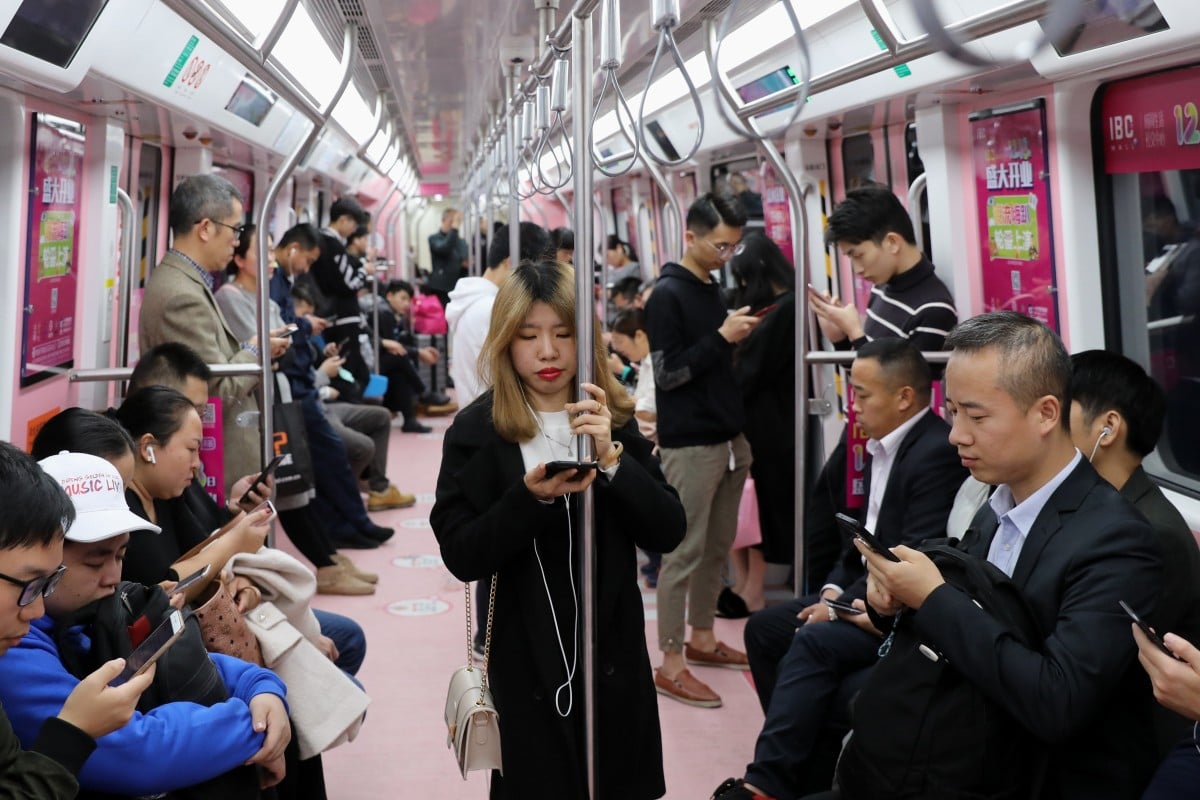
The first time Wanda was groped by a man on a Beijing bus she was a college student, travelling to school in her gym uniform on a summer’s day. Ten years – and numerous examples of sexual harassment on public transport – later, she is still haunted by the memory.
Now 31, Wanda – who asked to be identified only by her first name – remembers every detail of the incident. The bus was not crowded but the man, who appeared to be in his 40s, went straight over to stand uncomfortably close to her.
Then he pressed himself tightly against her and began making a thrusting motion with his lower body. Wanda said she froze, terrified by the encounter and unsure how to act. Just then, the bus took a sharp turn, the man was thrown aside and she quickly moved away.
“Afterwards, for a period, I looked at every adult man I saw as if he was aggressive,” she said.
Wanda’s experience is not unusual but attempts to address the problem of sexual harassment on public transport in China have met with mixed results, as well as claims by feminists that they are restrictive to women.
and Guangzhou, both in Guangdong province, established two designated carriages – one at each end of the train – during peak times.
they are encouraged to leave them to women passengers.
Shenzhen is currently considering an update to its priority carriages with an amended law designating them for people with disabilities and minors, as well as women, and only during rush hour. Other passengers who do not meet these criteria can be asked to leave by rail staff.
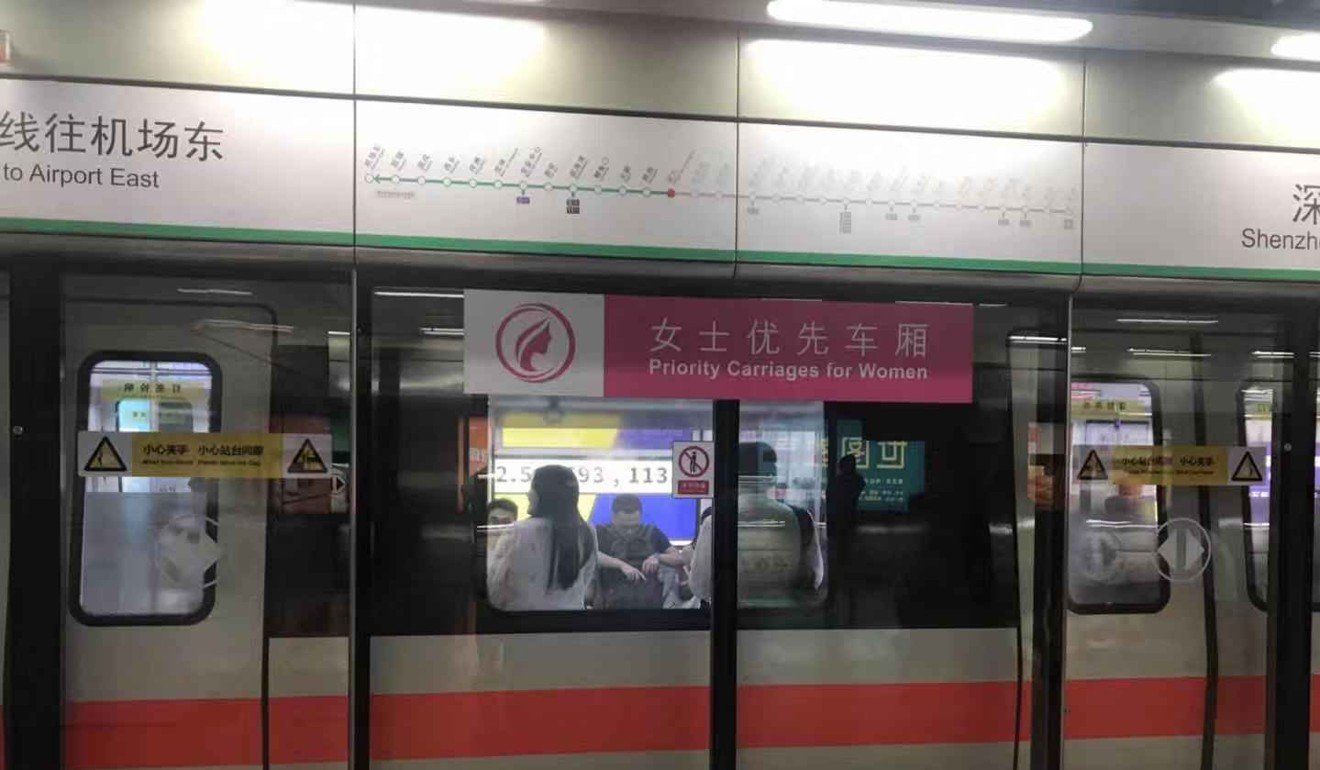
But in reality the restrictions on the priority carriages are seldom enforced and they have been used by men since their launch. Furthermore, feminists say the scheme is a form of segregation, rather than an attempt to solve the cause of the issue.
One reason the priority carriages have failed in their purpose could be the size of the crowds using public transport each day. According to government data, there are roughly 5 million passenger trips on the Shenzhen underground every day and 8 million in Guangzhou.
It is also hard for staff to enforce the regulation.
“When it first came out, subway staff vehemently advocated for women to use it, so many people did,” said Zhang Ying, a piano teacher in Guangzhou. Staff would hold loud speakers and gesture for women to get on the priority carriages. But now, everybody just treats it like an ordinary carriage, she said.
Zhang said she rarely uses the priority carriages because of the inconvenience of having to walk all the way to the end of the train.

 CHINDIA ALERT: You'll be living in their world, very soon