

- The mainland government will also seek to create a level playing field for businesses, most of which are privately-owned, in terms of market entry and regulation
- Small and medium-sized firms are vulnerable to trade disputes and an economic slowdown even though they contribute the majority of growth and employment
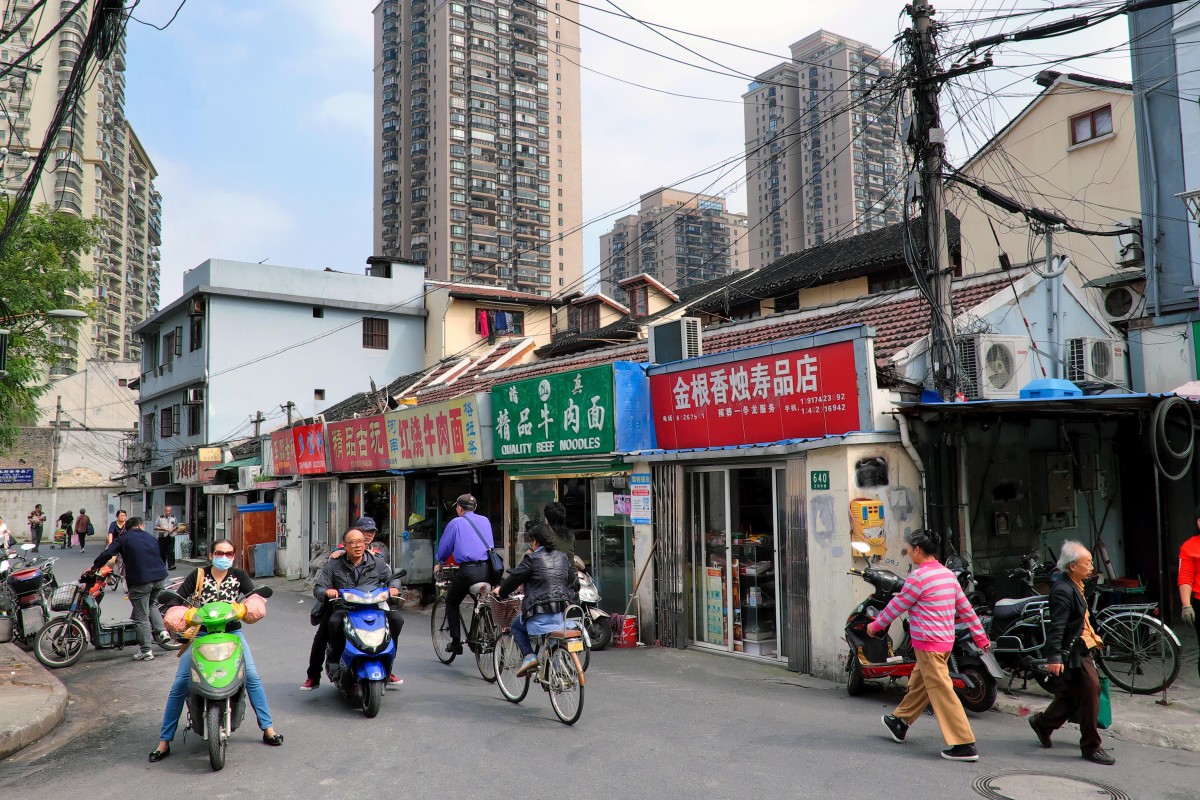
“Small and medium-sized enterprises is an dynamic power for national economic and social important and is critical for expanding employment, improving people’s livelihood, and to foster innovation,” the guidelines said. “For now, they are facing problems of rising production costs, difficulty in obtaining credit and insufficient capabilities to innovate – these issues demand high attention.”
China will “remove all sorts of unreasonable barriers and restrictions, trying to ensure fair competition and provide sufficient market in terms of market entry, licensing, bidding and the military-civil infusion,” it added.
While most of the policies are not completely new, the move to pull them together into a larger policy document, which will serve as a guideline for local authorities, shows China’s intention to stabilise the domestic economic situation as its trade disputes with the US continues.
Beijing has also designed a variety of financial policy tools, including targeted required reserve ratio cuts and the use of small and medium-sized enterprise loans as collateral for medium-term lending facilities granted by the central bank, meaning banks will have more incentives to offer financing.
To further boost lending, it will also offer some exemptions for interest received from value added tax, while also providing tax breaks for small firms and start-ups, a lower social security contribution ratio and an increase in government procurement, according to the guidelines.

 CHINDIA ALERT: You'll be living in their world, very soon