Archive for ‘Mahathir Mohamad’

18/01/2020

To defuse palm row, Davos diplomacy likely between India, Malaysia

KUALA LUMPUR/NEW DELHI (Reuters) – Trade ministers from India and Malaysia are likely to meet on the sidelines of the World Economic Forum’s annual meeting in Davos next week amid a palm oil spat between the two countries, a Malaysian government spokesman told Reuters on Friday.

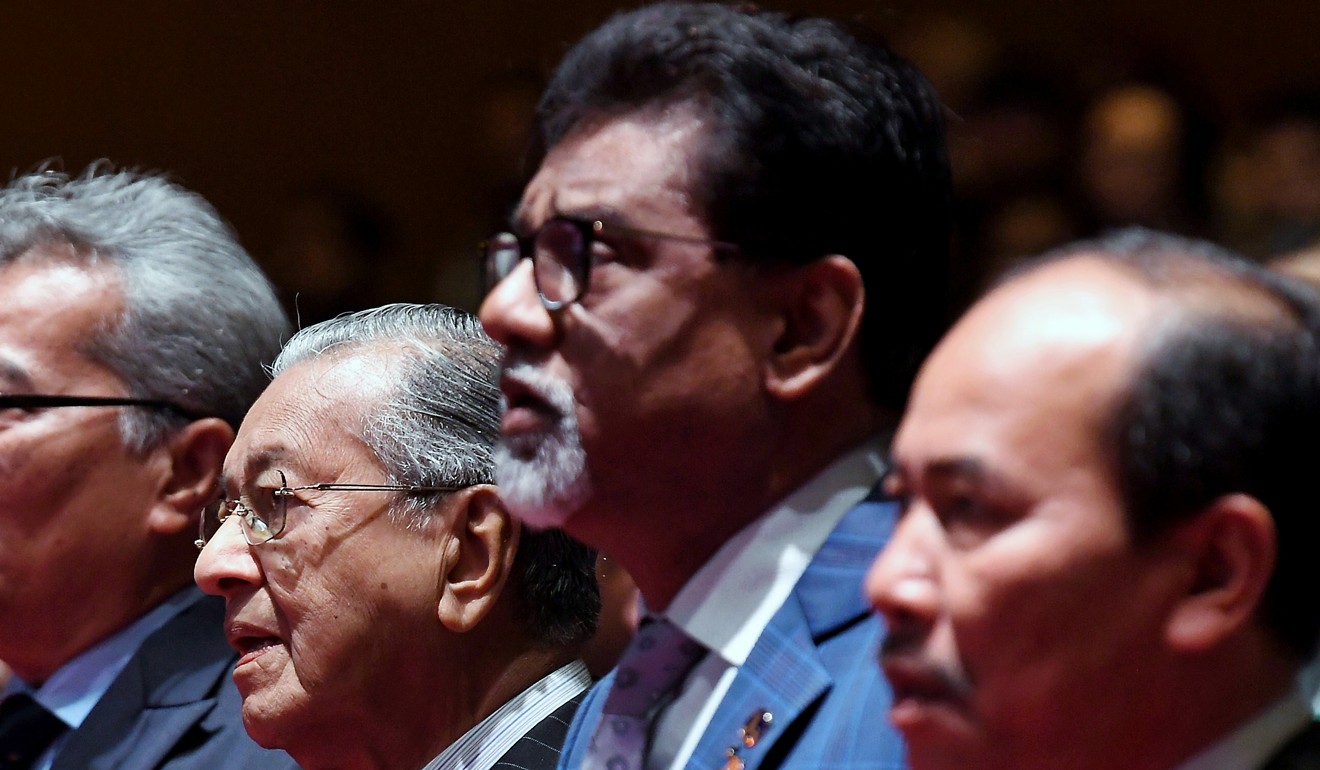
Hindu-majority India has repeatedly objected to Malaysian Prime Minister Mahathir Mohamad speaking out against its recent policies which critics say discriminate against Muslims.

Malaysia, a Muslim-majority nation, is the second biggest producer and exporter of palm oil and India’s restrictions on the refined variety of the commodity imposed last week have been seen as a retaliation for Mahathir’s criticism of New Delhi’s actions.

India’s trade minister Piyush Goyal denied on Thursday that the government was trying to hit out at Malaysia in particular.

The row between the countries, nevertheless, pushed benchmark Malaysian palm futures to its biggest weekly decline in more than 11 years on Friday.

No agenda has been set for the proposed meeting between Goyal and his Malaysian counterpart Darell Leiking on Friday, the spokesman for Malaysia’s Ministry of International Trade and Industry said, adding that the request for a meeting had come from India.

An Indian government source said a meeting was indeed likely with Leiking. A spokeswoman for India’s trade ministry did not respond to a request for comment.

Reuters reported on Thursday that Malaysia did not want to escalate the palm spat with India by talking of any retaliation for now, after Mahathir’s media adviser called for tighter regulations on Indian expatriates and products. Malaysia instead wants to rely on diplomacy.

A separate Indian government source said it was important for New Delhi also to talk things out with Malaysia.

“We too have a lot to lose in Malaysia, there are 2 million Indian-origin people there,” the source said.

There were a total of 117,733 Indian nationals registered as foreign labour in Malaysia as at June 2019, accounting for nearly 6% of the total foreign workforce in the country. Ethnic Malaysian-Indians are the third-largest community in the Southeast Asian country.

Another reason for frosty ties between the countries is the continued presence of controversial Indian Islamic preacher Zakir Naik in Malaysia, said one of the sources.

Naik, who faces charges of money laundering and hate speech in India, has lived in Malaysia for more than three years and has permanent residency in the country. He denies the Indian accusations.

The sources declined to be identified as they were not authorised to talk to the media.

Source: Reuters
01/08/2019

Malaysia-China friendship in focus as second panda cub born in country named Yi Yi

  • Born last January after being conceived in mid-October 2017, Yi Yi is the offspring of giant pandas Xing Xing and Liang Liang
  • Her parents were sent to Malaysia by China in May 2014 to mark 40 years of diplomatic ties between the two countries
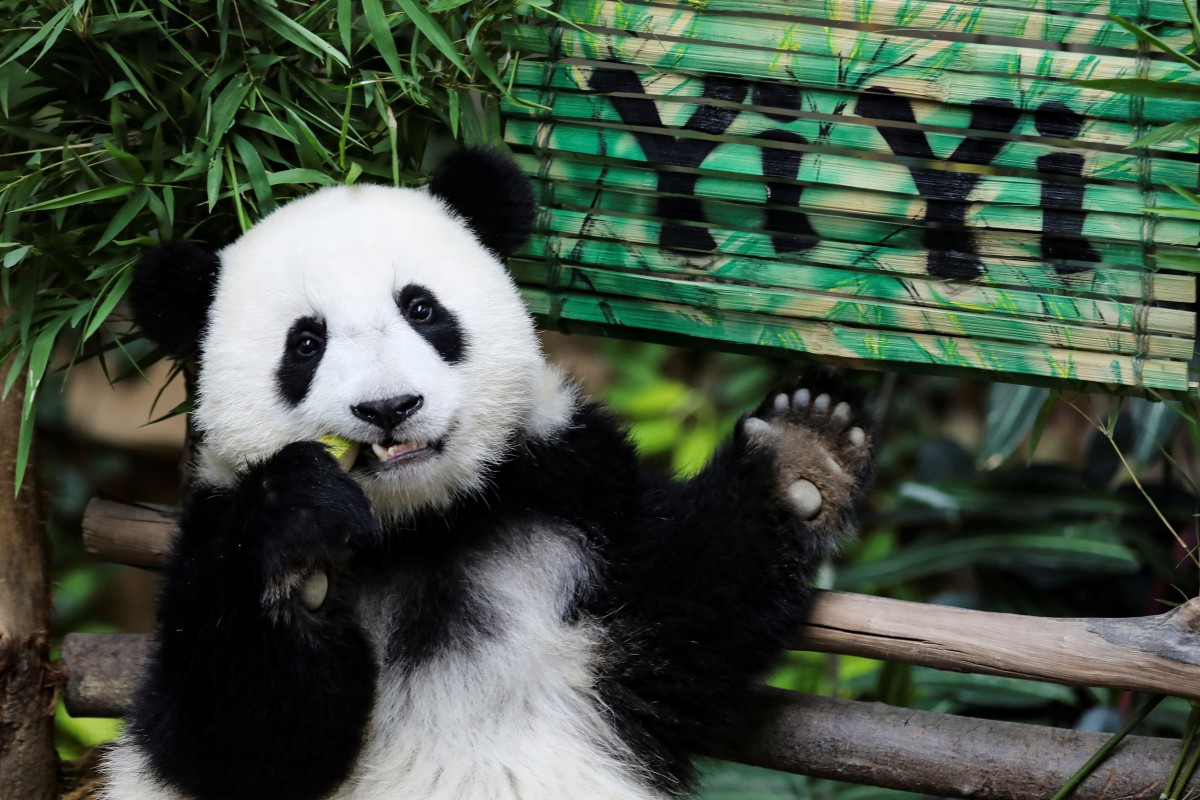
Yi Yi, born 19 months ago to parents Liang Liang and Xing Xing on loan from China, eats during her naming ceremony. Photo: Reuters
A name has finally been given to the second giant panda cub born in Malaysia
, 19 months after her birth.
Yi Yi, meaning friendship, was chosen to emphasise the country’s close ties with 
China

as the two mark 45 years of diplomatic relations this year.

Water, Land and Natural Resources Minister Xavier Jayakumar said Yi Yi’s birth was “momentous” as mother panda Liang Liang had conceived her outside the usual mating season.

Protective panda won’t let Malaysian zookeepers near her newborn cub
“[Yi Yi] is active, bonds well with her mother and is in good health. Though the cub still feeds on milk, it has also been exposed to other diets such as bamboo leaves and carrots,” he said.
Born last January after being conceived in mid-October 2017, Yi Yi is the second offspring of giant pandas Xing Xing and Liang Liang, who were sent to Malaysia by China in May 2014 to mark 40 years of diplomatic ties
.
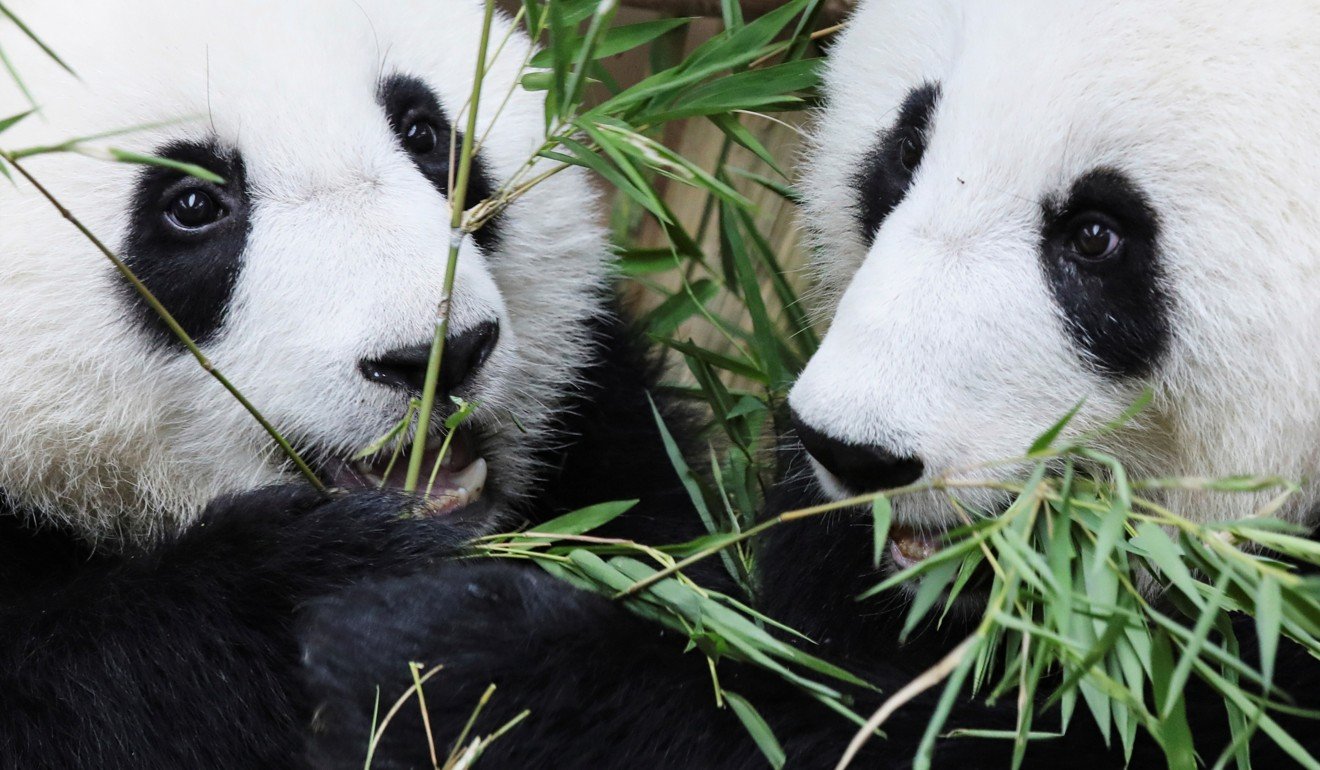
Yi Yi (left) plays with her mother Liang Liang during her naming ceremony at Malaysia’s National Zoo. Photo: Reuters

Their first cub, Yi Yi’s sister Nuan Nuan, was born in August 2015 and sent back to China in late 2017 as part of an agreement that cubs born in captivity must be returned at 24 months old.

Chinese Ambassador to Malaysia Bai Tian, who was also present at the naming ceremony, described the pandas as “friendship emissaries”, adding that Xing Xing and Liang Liang were now the “most productive giant pandas overseas”.

Chinese panda loans to Malaysia still on track despite outcry

“That fully shows that friendship really multiplies. It also shows the fact that Malaysia is really a very beautiful and very comfortable home for the Chinese giant pandas,” he said.

Malaysia is among the few countries where Chinese giant pandas have successfully procreated, and holds the record for the quickest conception at just 15 months after the original pair were settled in the National Zoo.

China’s use of panda diplomacy – sending giant pandas to other countries as diplomatic gifts – has been criticised by some Malaysians who were perturbed by the high costs of “renting” the animals.

Water, Land and Natural Resources Minister Xavier Jayakumar (centre) with Malaysian Prime Minister Mahathir Mohamad (second from left). Photo: DPA
Disgraced former prime minister Najib Razak, who is currently on trial for corruption and abuse of power linked to the looting of the 1MDB sovereign wealth fund, signed the initial agreement that stipulates an annual payment of 4.18 million ringgit (US$1 million) be paid to China for the pandas, as well as a yearly insurance premium of 50,000 ringgit per animal.
In 2018, Xavier announced that the Malaysian government had spent 4.65 million ringgit that year on managing the National Zoo’s Giant Panda Conservation Centre, with costs expected to balloon to 7.38 million ringgit this year because of a “one-off” conservation fee of about 2.38 million ringgit.
Despite this, Prime Minister Mahathir Mohamad in January described the pandas as an offering from China and “an important diplomatic symbol”.
Source: SCMP
26/04/2019

Chinese top legislator meets Malaysian prime minister

(BRF)CHINA-BEIJING-LI ZHANSHU-MALAYSIAN PM-MEETING (CN)

Li Zhanshu (R), chairman of the Standing Committee of the National People’s Congress, meets with Malaysian Prime Minister Mahathir Mohamad, who is here to attend the Second Belt and Road Forum for International Cooperation, in Beijing, capital of China, April 25, 2019. (Xinhua/Zhang Ling)

BEIJING, April 25 (Xinhua) — Li Zhanshu, chairman of the Standing Committee of the National People’s Congress, on Thursday met with Malaysian Prime Minister Mahathir Mohamad, who is here to attend the Second Belt and Road Forum for International Cooperation.

Li said China is willing to work with Malaysia to implement the consensus reached by the leaders of the two countries and outcomes to be achieved at the Second Belt and Road Forum for International Cooperation.

He asked for enhanced cooperation between the two countries in agriculture, fishery, e-commerce, technological innovation and people-to-people exchanges, as well as parliamentary exchange and mutual learning in state governance, legislation and supervision.

Mahathir said Malaysia welcomes the Belt and Road Initiative and is willing to learn from China’s development experience and strengthen bilateral cooperation in all areas.

Source: Xinhua

15/02/2019

Chinese Foreign Minister Wang Yi holds talks in Thailand ahead of general election

  • Official will meet his opposite number Don Pramudwinai in Chiang Mai
  • Wang likely to discuss investment projects under Beijing’s ‘belt and road’ plan
PUBLISHED : Friday, 15 February, 2019, 7:17pm
UPDATED : Friday, 15 February, 2019, 7:17pm

9 Feb 2019

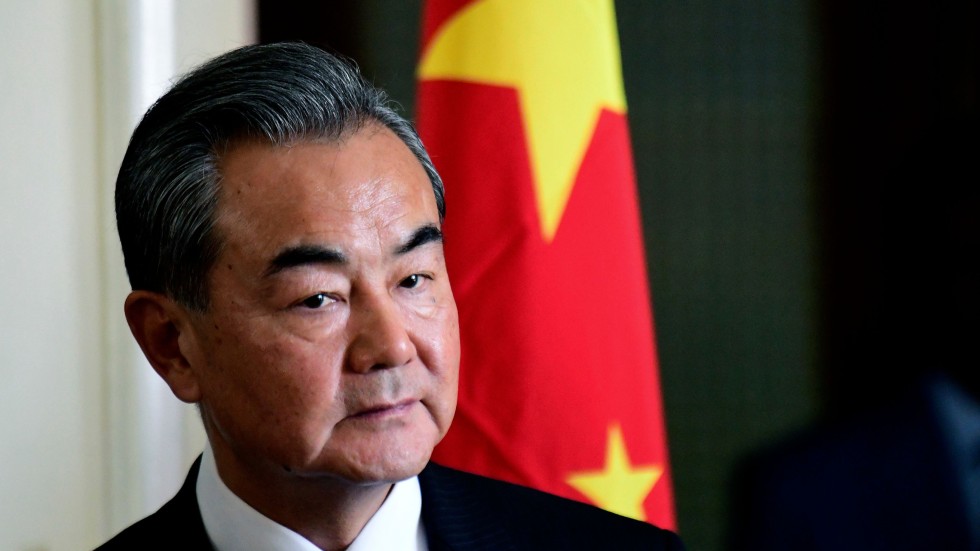
Chinese Foreign Minister Wang Yi arrived in Thailand on Friday for high-level talks likely aimed at reassuring Beijing about its investments in the Southeast Asian country ahead of a long-delayed general election, analysts said.

During his two-day trip to the northern city of Chiang Mai, Wang will meet his counterpart Don Pramudwinai, Thailand’s ministry of foreign affairs said on its website.

Zhang Mingliang, a Southeast Asian affairs specialist at Jinan University, said China was concerned the upcoming poll might have an impact on its interests.

“The recent events regarding the sudden changes to Thailand’s prime ministerial candidate could affect the country’s political stability and affect its relationship with China,” he said.

He was referring to the fact that on Wednesday, Thailand’s Election Commission asked the constitutional court to dissolve the Thai Raksa Chart, a political party allied with the powerful Shinawatra clan, for putting forward Princess Ubolratan as candidate for prime minister.

The move came just days after Thai King Maha Vajiralongkorn, Ubolratan’s younger brother, issued a royal decree denying her bid to become prime minister hours after her name was submitted.
Zhang said that only by ensuring the political stability of Thailand could China’s interests in the country and Southeast Asia as a whole be protected.

“In the past, political instability meant Thailand’s leaders were unable to attend foreign events such as meetings with Asean and China,” he said.

“If there is political stability in Thailand … that can aid its contribution to Asean and its ties with China.

“China’s relationship with Thailand is the best among the Asean nations, with the least conflict of interests,” he said.

Concerns over China’s overseas investments are growing and there have been accusations that Beijing is using them to gain political leverage.

China and Thailand reached an agreement in 2017 for the construction of Thailand’s first high-speed rail line. Once completed it will run from Bangkok to Nong Khai on the Thai border with Laos.

The line is seen as a key project under the “Belt and Road Initiative”, Beijing’s plan to connect China with countries across Asia, the Middle East and Africa.

Elections in Southeast Asia have proved troublesome for the initiative, however. Soon after being re-elected as prime minister of Malaysia last year, Mahathir Mohamad’s government cancelled the China-funded US$20 billion East Coast Rail Link. Officials later backtracked on the decision, leaving its future in the air.

Xu Liping, a specialist in Southeast Asian studies at the Chinese Academy of Social Sciences, said that Thailand, as this year’s chair of Association of Southeast Asian Nations, has a crucial role to play in promoting China’s relationship with other members of the group.

“Ensuring the continuity of China-Thailand ties after the elections in March will also be on the agenda in Wang’s meeting,” he said.

Meanwhile, China’s top diplomat Yang Jiechi, a member of the Communist Party Politburo, travelled to Germany on Friday to attend the Munich Security Conference, which runs until Sunday.

Source: SCMP

Law of Unintended Consequences

continuously updated blog about China & India

ChiaHou's Book Reviews

continuously updated blog about China & India

What's wrong with the world; and its economy

continuously updated blog about China & India