Archive for ‘Ministry of Ecology and Environment’

22/06/2019

What China must do to clean up its act on waste water

  • Inadequate infrastructure and industry standards are holding the country back in the battle to save the environment, new study finds
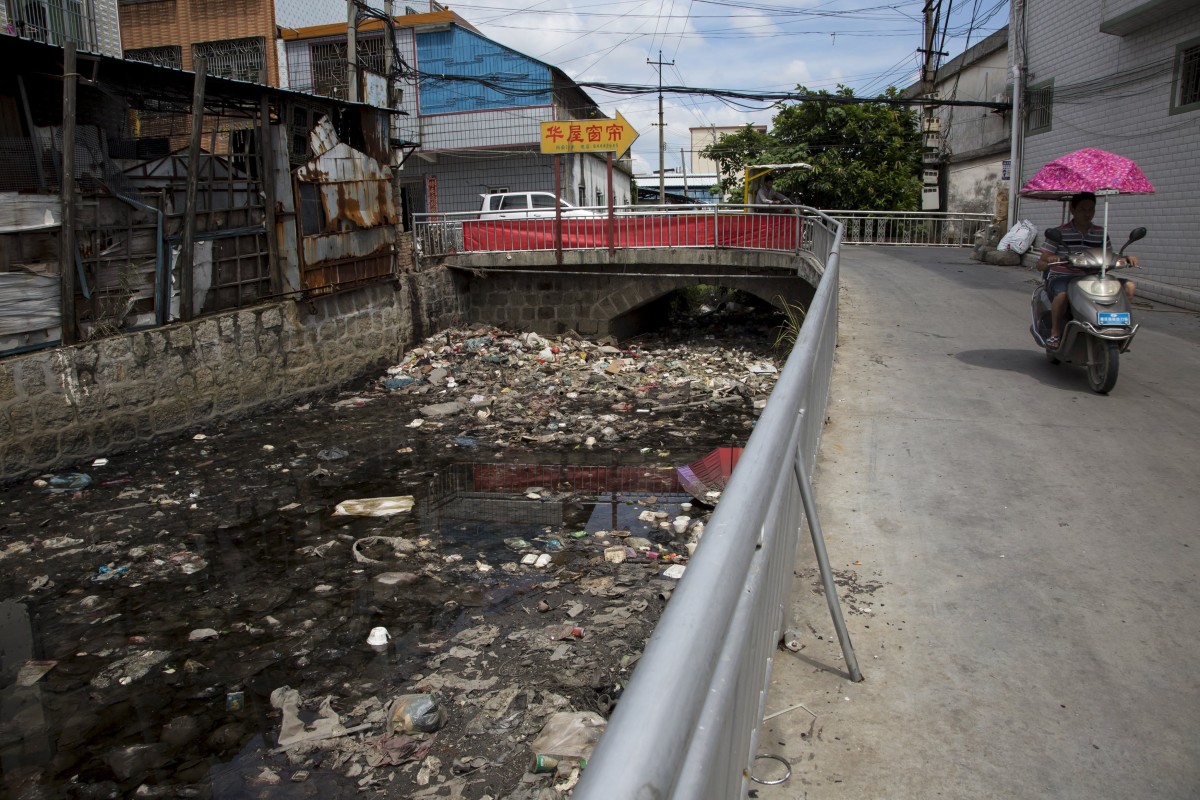
In some extreme cases, incomplete pipework meant factories in industrial parks discharged directly into waterways. Photo: Reuters
A shortage of waste water pipelines, lax local government oversight and a lack of industry standards are holding back efforts to cut industrial water pollution in China, according to a new joint study.
The research by Greenpeace and Nanjing University also found that many of the country’s waste water treatment plants were among its biggest polluters singled out by authorities.
Researchers made the assessment by examining data and reports released by the Ministry of Ecology and Environment last year. According to the reports, 243 – or 56 per cent – of the 436 major polluters fined in 2018 for excessive discharges were waste water treatment plants.
That is despite Beijing claiming to be one of the biggest processors of industrial and household waste water by volume in the world.
Fighting water pollution is part of Beijing’s pledge to fix the country’s depleted environment by 2020, one of the priorities President Xi Jinping identified at the start of his second five-year term in late 2017.
Dong Zhanfeng, deputy director of the Environmental Policy Department at the Chinese Academy for Environmental Planning, said waste water treatment was an important part of the fight against pollution.
“It’s called a ‘critical battle’ because the work is really tough,” Dong said.
China says progress made on water pollution, but battle remains

To try to curb contamination from industry, the central government has urged provincial authorities to concentrate factories in industrial parks, where infrastructure must be built to treat waste water.

The Greenpeace-Nanjing University researchers found that by the end of the third quarter last year, 97 per cent of 2,411 industrial waste water treatment plants needed for industrial parks around the country had been constructed. But not all of the completed plants were in full use because of insufficient pipes connecting factories and the treatment plants.

In extreme examples cited by the report, incomplete pipework meant two treatment plants in Hubei laid dormant for two years, forcing factories in the industrial parks to discharge directly into waterways.

In other cases, factories not linked to industrial waste water treatment plants discharged into the general sewage system, with the effluent ending up at household waste water treatment plants that could only filter part of the industrial waste.

This was the case in the southwest province of Guizhou, where a lack of pipework meant 89 of the 128 industrial parks relied on city sewage systems to treat polluted water.

Deng Tingting, a Beijing-based campaigner with Greenpeace East Asia, said conditions were a mess.

“Brand new waste water treatment plants sit unused while waste pumps into streams and rivers.

The current state of affairs is a mess, and it keeps companies from entering the growing market for waste water treatment. The decision not to shepherd this growing industry is a risky one,” Deng said.

China admits patchy progress tackling soil, water pollution, with some rivers worsening

The Ministry of Ecology and Environment estimated last year that in all China needed 400,000km (248,550 miles) of waste water pipework, costing around 1 trillion yuan (US$145 billion). The ministry did not say how much remained to be built.

Another major problem identified by the study was the lack of treatment standards for industrial waste water plants, with many plants relying on quality standards for household waste water treatment.

In addition, the researchers highlighted the problem of local governments and industrial park administrators shirking their responsibility to enforce standards.

The study called for clear demarcation of regulatory and oversight responsibilities among local environmental watchdogs, industry, industrial parks and water treatment plants.

Source: SCMP

24/05/2019

A pollution crackdown compounds slowdown woes in China’s heartland

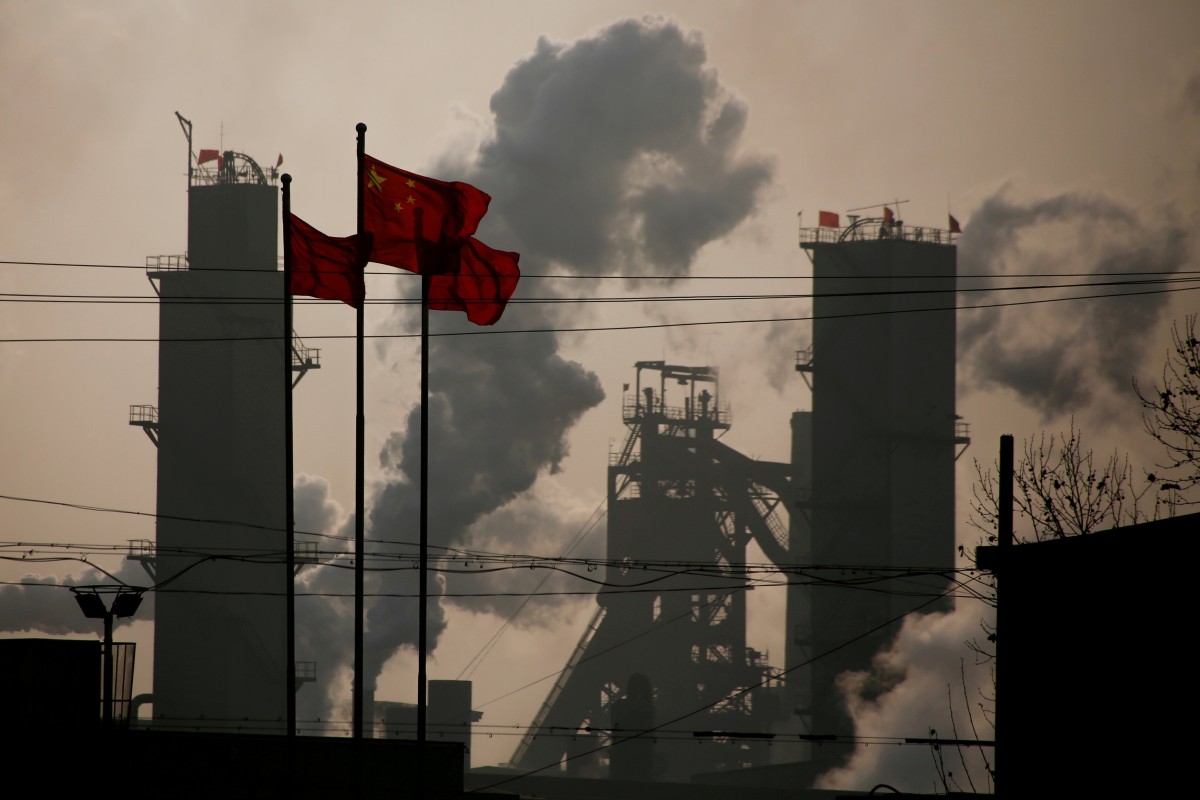
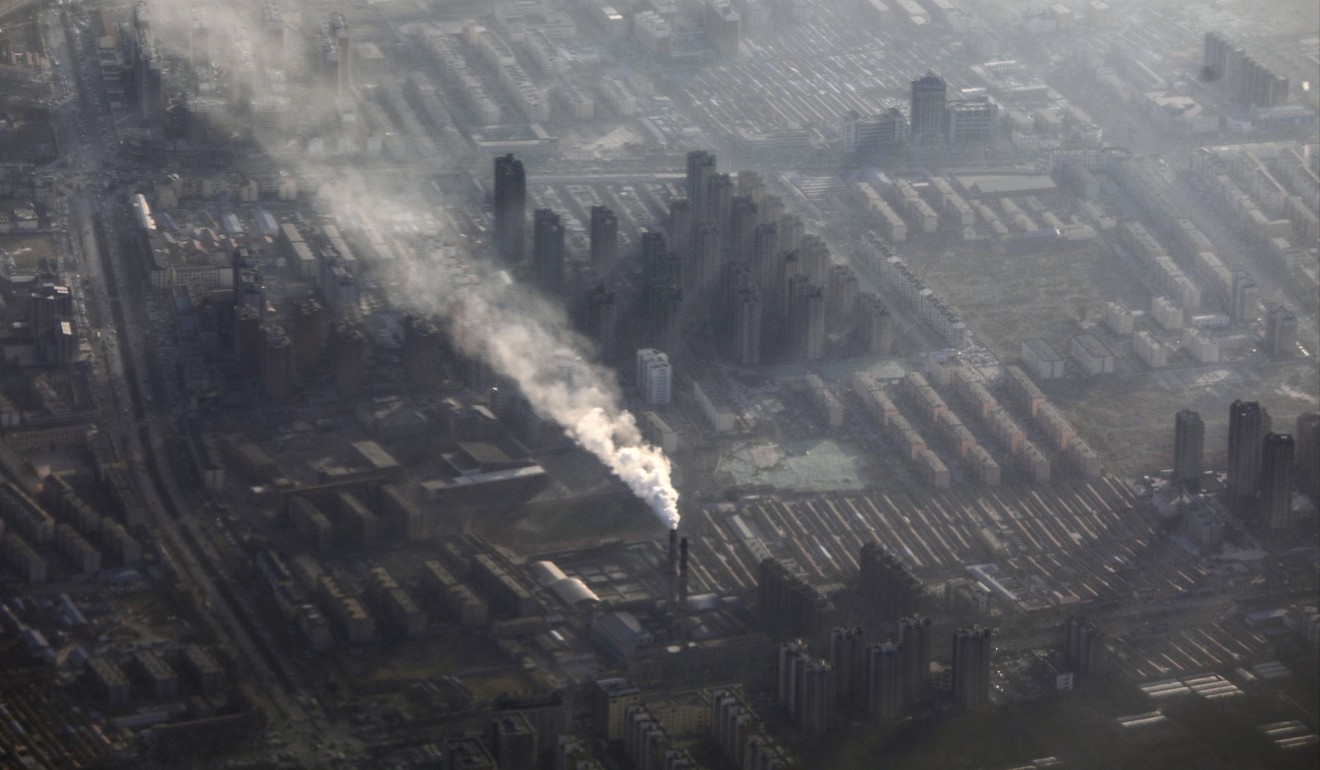
ANYANG/SANGPO, China (Reuters) – For years, China’s industrial heartland has been cloaked in smog, its waterways choked with pollution pumped from enormous clusters of factories churning out the mountains of cement and steel needed to build the Chinese economy.

Aiming to tackle what has become a huge public health problem, the authorities have cracked down on polluting industries, targeting provinces like Henan, which has a population of 100 million people and hundreds of factory towns.
According to interviews with factory and business owners, and consumers and workers across Henan, that crackdown – conducted with often heavy-handed local enforcement – is crippling the economies of towns and cities that depend on polluting industries.
Manufacturers across Henan have been particularly hard hit by the new environmental regulations, compounding the pressures the province faces from China’s slowing economy and a grinding trade war with the United States.
It also highlights the trade-off China faces between providing a healthier environment for its citizens and maintaining economic growth in a province whose climb from poverty has lagged that of coastal regions.
China does not provide statistics on the costs of the environmental crackdown, but it has said that short-term pain will lead to long-term growth through an economic “upgrade”.
The information office of the State Council, China’s cabinet, did not respond to a faxed request for comment on the economic effects of the new restrictions.
It’s difficult to get a full picture of Henan’s economy from unreliable official figures, as it is for the whole country. Henan’s official growth rate was 7.6% in 2018, higher than the national rate and down 0.2 of a percentage point from 2017.

But the interviews conducted by Reuters across Henan suggest consumers are spending less, cities are struggling to retool their economies and the pollution crackdown is hurting businesses and employment.

STEEL TOWN PAIN

The steel-producing centre of Anyang, which has long had some of the worst air in China, is one place that has been hit hard by the anti-pollution campaign.

The city of more than 5 million people, dominated by the infrastructure and insignia of the state-owned Anyang Iron and Steel Group, has forced local industry to upgrade equipment and curb pollution, and shut down companies that were unwilling or unable to comply.

Li Huifeng, president of Baoshun High-Tech Corporation, a coking coal company founded by his parents in 1983, said the cost of compliance had been painful.

Baoshun’s huge plant, built in the hills in the west of Anyang, was forced to implement production cuts last winter even though it had installed low-emissions equipment that exceeded required standards.

“Last year, business was really good but this year it is full of uncertainties,” said Li. He added that new efficiency guidelines were likely to result in the closure of many producers of coking coal, which is used in steel production.

Li Xianzhong, the owner of the Xinyuan Steel Mill in Anyang’s western outskirts, said he was facing curbs on production as well as spiralling costs because of the new environmental regulations.

According to industry estimates, environmental costs per tonne of steel produced have risen to around 150 yuan per tonne, up from less than 50 yuan per tonne when the war on pollution was launched in 2014.

“All this equipment needs a lot of capital, and after you’ve invested, the operation costs are also higher,” said Li. “If you don’t meet the standards, you aren’t allowed to operate.”

Near the sprawling Anyang steel plant in the city centre, residents and workers complained that the new environmental inspection rules had made it harder to make a living.

Many small workshops, which often use small metalworking furnaces, have also been targeted.

“Before we would just give them a pack of cigarettes or treat them to a meal and you’d then be fine for a year, but now it’s no use,” said a bicycle repairman, identifying himself by his surname Zhang, whose workshop near the plant was shut by inspectors.

Over the past years, Anyang has tried encouraging new and cleaner forms of economic growth. It has shut hundreds of small polluters in sectors like ceramics and cement, and tried to attract industries like solar panels and electric vehicles by offering incentives and building sprawling new industrial parks.

However, it has struggled to compete with numerous Chinese cities making similar bets, especially as China’s economy slows.

And the results of the anti-pollution efforts have been mixed.

Steel still accounts for more than half of Anyang’s economy – unchanged from a decade ago – and the environment is still bad. The taste of brimstone hangs in the air, and the fairy lights festooned on hundreds of cranes on the city’s skyline could only be dimly seen during a recent visit.
Part of the problem, according to Liu Bingjiang, who heads the Ministry of Ecology and Environment’s air pollution office, is that smog is also blowing in from neighbouring industrial regions, undermining local cleanup efforts.
“All these measures, all these plans are in place, but it still can’t solve the smog,” said Li, the steel mill owner.

SHUTTING DOWN THE BOOTMAKERS

The anti-pollution campaign is also hitting much smaller industrial centres.

Sangpo, a dusty two-street village in northeast Henan, used to live off scores of sheepskin processing factories cranking out winter boots modelled on UGG, the American brand with Australian roots.

While the industry was the main employer in the village, that came with a heavy environmental cost: treating the raw sheepskin consumed copious amounts of water and contaminated the local water supply.

Last July, the government moved to close most of the factories, sending dozens of police cars into Sangpo with sirens wailing to enforce the shutdown.

Government inspectors were installed to keep watch at each factory to ensure compliance with the order. Three factory owners were arrested for violating environmental regulations.

During a visit to Sangpo by Reuters, most factories were idle during what should have been peak production season. Hundreds of workers had left town in search of work elsewhere, leaving behind shuttered shopfronts and deserted roads.

“The village is at a tipping point,” said a former factory owner who only wanted to be identified by his surname, Ding. Most businesses were mostly “more dead than alive,” he added.

Before the factories were shut, the village of 6,500 people, mainly from the Hui Muslim minority, had been punching well above its weight.

It achieved national recognition as a thriving model of e-commerce, winning glowing write-ups in national newspapers after it was named in 2015 by the tech giant Alibaba as central China’s very first “Taobao village” – a designation for top rural sellers on the company’s internet retailing platform.

But that all changed last year as China’s pollution crackdown intensified. The top county-level official, factory owners said, held a town hall meeting and threatened to shut everyone down permanently. A deal was made for 19 of the 135 factories to remain.

Those wanting to stay open agreed to upgrade their businesses and invest in equipment to ensure they met water treatment standards. Factories that opted out were shut, their boilers and processing equipment destroyed.

The government of Mengzhou, which oversees Sangpo, declined to comment when reached by phone. But Mengzhou’s mayor said last year that the crackdown was necessary and in accordance with the popular will, according to a statement on the Mengzhou government website.

Sangpo village’s party chief declined to comment when reached via the Chinese messaging app WeChat. Calls to his cellphone went unanswered.

The county government’s plan is to corral remaining factories into a new industrial zone by the end of the year. But remaining business owners are worried about the slow pace of construction and fear they will be forced to shut.

Ding, the former factory owner, said business owners didn’t expect the crackdown – which has also discouraged lending from banks – to be so harsh.

“Everyone in the village was moaning and sighing but no one thought it would be this extreme,” Ding said.  “We are at our wits’ end.”

Source: Reuters

21/05/2019

China’s green efforts hit by fake data and corruption among the grass roots

  • Local officials have devised creative ways to cover up their lack of action on tackling pollution
  • Falsified monitoring information risks directing clean-up efforts away from where they are needed most
China’s efforts to cut pollution are being hampered by local officials who use creative methods to hide their lack of action. Photo: Simon Song
China’s notoriously lax local government officials and polluting companies are finding creative ways to fudge their environmental responsibilities and outsmart Beijing’s pollution inspectors, despite stern warnings and tough penalties.
Recent audit reports covering the past two years released by the environment ministry showed its inspectors were frequently presented with fake data and fabricated documents, as local officials – sometimes working in league with companies – have devised multiple ways to cheat and cover up their lack of action.
Local governments have been under pressure to meet environmental protection targets since Chinese President Xi Jinping made it one of his top three policy pledges in late 2017.
The performance of leading local officials is now partly assessed by how good a job they have done in cleaning up China’s much depleted environment.
According to the reports released this month by the Ministry of Ecology and Environment, pollution inspectors have found evidence in a number of city environmental protection bureaus of made-up meeting notes and even instructions to local companies to forge materials.
Cao Liping, director of the ministry’s ecology and environment law enforcement department, said many of the cases uncovered were the result of officials failing to act in a timely manner.
“In some places, local officials didn’t really do the rectification work. When the inspections began, they realised they didn’t have enough time, so they made up material,” he said.
China ‘still facing uphill struggle in fight against pollution’

While some officials are covering up their inaction, others are actively corrupt. According to Guangzhou’s Southern Weekend, since 2012 there have been 63 cases involving 118 people in the environment protection system involved in corruption.

In the southwest province of Sichuan, 32 current and former employees of Suining city’s environmental protection bureau were found to be corrupt, raking in illicit income of 6.32 million yuan (US$900,000).

Fabricated notes

The party committee of Bozhou district in Zunyi, Guizhou province in southern China, was found to have fabricated notes for 10 meetings – part of the work requirement under the new environmental targets – in a bid to cheat the inspectors.

The case was flagged by the environment ministry in a notice issued on May 10, which said party officials in Bozhou lacked “political consciousness … the nature of this case is very severe”.
Watering down results
Environmental officials in Shizuishan, in the northwest region of Ningxia, tried to improve their results in December 2017 by ordering sanitation workers to spray the building of the local environmental protection bureau with an anti-smog water cannon.
The intention was to lower the amount of pollutant particles registered by the building’s monitoring equipment.
The scheme may have gone undetected if the weather had been warmer but the next day a telltale layer of ice covered the building and the chief and deputy chief of the environmental station in the city’s Dawokou district were later penalised for influencing the monitoring results.
1 million dead, US$38 billion lost: the price of China’s air pollution
Similar tactics were deployed in Linfen, in the northern province of Shanxi in March 2017, when former bureau chief Zhang Wenqing and 11 others were found to have altered air quality monitoring data during days of heavy pollution.
The monitoring machine was blocked and sprayed with water to improve the data and Zhang was also found to have paid another person to make sure the sabotage was not captured by surveillance camera.
According to the environment ministry, six national observation stations in Linfen were interfered with more than 100 times between April 2017 and March 2018. In the same period, monitoring data was seriously distorted on 53 occasions.
Zhang was sentenced to two years in prison in May last year for destroying information on a computer.
Bad company
A ministry notice on May 11 flagged collusion by local officials and businesses in Bozhou in southeast China’s Anhui province. Companies were given advance notice of environmental inspections, with instructions to make up contracts and temporarily suspend production in a bid to deceive inspectors.
In Henan province, central China, inspectors found a thermal power company had been using a wireless mouse to interfere with the sealed automatic monitoring system. They were able to remotely delete undesirable data, eliminating evidence of excessive emissions, and only provided selective data to the environment bureau.
Officials in Shandong reprimanded for failing to cut pollution
In another case, from 2017, an environmental inspection group in Hubei province, central China, found a ceramics company had been working with the data monitoring company to alter automatically collected data on sulphur dioxide emissions.
Criminal offence
Cao said that while the cheating by grass-roots officials was serious, the involvement of companies in falsifying data was a major issue that made the work of inspectors even harder.
“Some fraudulent methods are hidden with the help of high technology, so it’s hard for us to obtain evidence. Besides, the environment officials are not totally familiar with these technologies,” he said.
The environment ministry was working on solutions to the problems, he said, adding that falsifying monitoring data was now a criminal offence.
Fake data was particularly serious, he said, because it could directly influence his department’s decisions about where to deploy resources.

Wang Canfa, an environmental law expert at the China University of Political Science and Law, said the problem of fake data could damage the government’s credibility but also prevent it from taking measures in time.

“If the water pollution or air pollution is severe in one place but the local government has said it’s not a big deal, then the investment needed to control the situation might go to other places,” he said.

Zhou Ke, a professor of environment and resources law at Renmin University, said there was an incentive for local officials to cheat because the inspection results were directly related to their career prospects.

Officials ended up cheating or forging materials to protect local interests or their own political achievements, he said.

Source: SCMP

21/05/2019

China names and shames major state enterprises for breaching pollution limits

  • Heavy industry among companies fined up to US$1 million amid fears economic slowdown is undermining war on pollution
  • Environment ministry fines business for exceeding limits and says some regions have used slowing economy as excuse to backslide on curbs
Pollution levels in some parts of China worsened this winter. Photo: Reuters
China has publicly accused dozens of firms, including some of its largest state enterprises, of exceeding pollution limits and breaching monitoring standards, as concerns grow that the slowing economy is undermining a five-year war on pollution.
In lists published by the Ministry of Ecology and Environment over the past week, subsidiaries of state giants such as China Baowu Steel Group and the Aluminium Corporation of China were cited and fined for breaching emissions standards among other violations.
China has been stepping up its supervision capabilities and has plugged thousands of factories into a real-time emissions monitoring system, but enforcement remains one of its biggest challenges.
The ministry has continued to warn that China’s slowing economy had given some regions an excuse to “loosen their grip” on environmental protection.
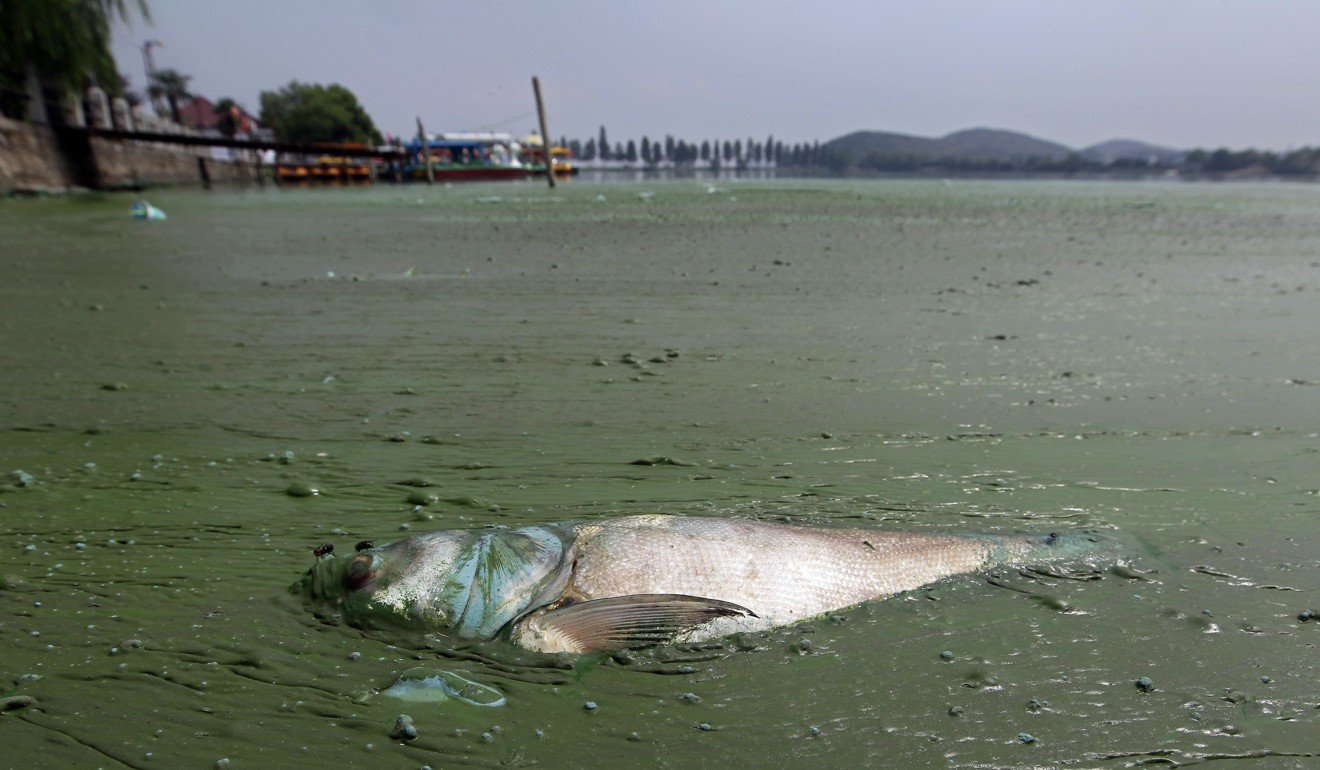
In the first quarter of this year, air quality in smog-prone northern regions fell compared with last year, and some regions also saw pollution readings in major lakes and rivers rise over the period.
Pollution levels in some lakes or rivers have also worsened. Photo: Reuters

A notice published last Friday said as many as 82 Chinese enterprises exceeded waste water emissions standards in the fourth quarter of 2018, including 44 sewage treatment plants and six waste water treatment facilities.

A unit of the Aluminium Corporation of China in Shanxi province was named as one of five “serious offenders”.

China’s green efforts hit by fake data and grass-roots corruption

It said the unit had exceeded emissions restrictions for a total of 92 days during the period. The firm did not respond to requests for comment.

As well as being fined, the companies cited were told to restrict operations until problems were resolved.

China has a five-year plan for fighting pollution. Photo: Simon Song

The biggest fine was meted out to a waste water treatment plant in Liaoning province, which was ordered to pay 7.2 million yuan (US$1 million).

In a separate review of monitoring standards in the Yangtze River Delta and the Fenwei plain regions, the ministry identified more than 300 firms for equipment quality violations and exceeding waste water discharge restrictions. It found only 22 per cent of equipment was of the required standard.

The list included a special steel producing unit of Baosteel, China’s biggest steelmaker. Baosteel did not respond to a request to comment.

Source: SCMP

Law of Unintended Consequences

continuously updated blog about China & India

ChiaHou's Book Reviews

continuously updated blog about China & India

What's wrong with the world; and its economy

continuously updated blog about China & India