Archive for ‘New Jersey’

12/03/2020

Coronavirus: Donald Trump’s speech was meant to reassure, but it did just the opposite

  • ‘He is a reality-show expert. This is a real crisis. The happy ending is not guaranteed,’ communications strategist says
  • Televised Oval Office address offered an ineffective remedy in the European travel ban and fell short on other policy recommendations, according to analysts
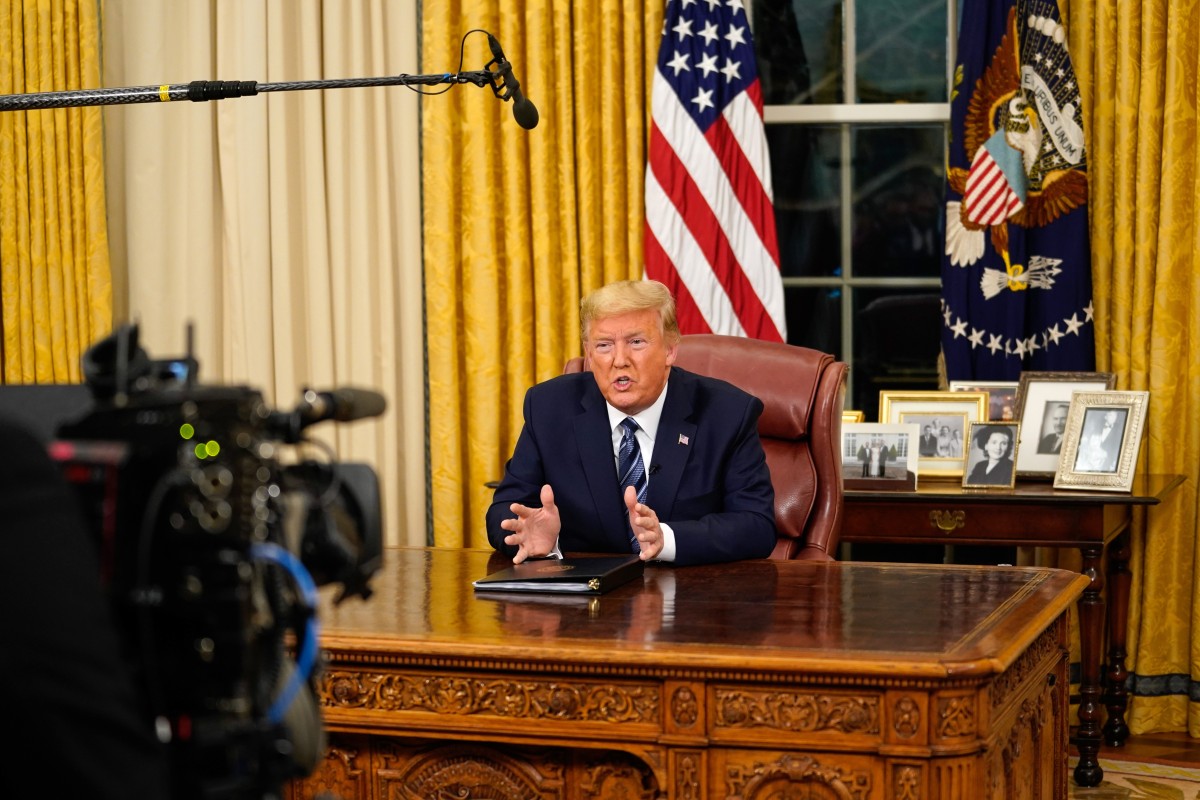
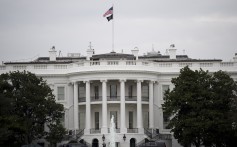
US President Donald Trump addresses the nation from the Oval Office of the White House on Wednesday night. Photo: Bloomberg

US President Donald Trump’s coronavirus address from the Oval Office on Wednesday night was meant to project confidence, show leadership in a time of crisis and otherwise reassure an anxious nation and world.

It didn’t work out that way, say health, government policy and crisis management experts, pointing in part to the 1,000-point drop in stock futures even before his 10-minute nationally televised speech was finished.

“You had an uncomfortable president who looked like he didn’t want to be there. He doesn’t want to be the leader that the country, if not free world, wants him to be in a crisis,” said Richard Levick, chief executive of Levick Strategic Communications.

“He is a reality-show expert,” Levick added. “This is a real crisis. The happy ending is not guaranteed. The applause line is not guaranteed. You have to actually lead. He doesn’t like that.”

Trump bans travel from Europe to the US as coronavirus pandemic hits actor Tom Hanks and the NBA
Public health experts say Trump’s announcement that the US was blocking all incoming visitors from Europe for 30 days will prove largely ineffective given that the virus is already firmly rooted in the US and spreading rapidly. And his efforts to reassure the public that testing is widely available, medical experts are fully deployed and face masks widely available was not convincing and a case of too little, too late, they added.

His speech, only his second Oval Office address, followed weeks of denying the gravity of the coronavirus, spreading misinformation, deflecting blame onto Democrats and the media and contradicting highly regarded experts, including Dr. Anthony Fauci, head of infectious diseases at the National Institutes of Health, observers said.

“He has such a bad track record, no one will believe him,” said JB Silvers, professor of health finance at Case Western University in Ohio. “He can’t help but make this a political thing. A Chinese virus? Viruses don’t have nationalities.”

“He could’ve ramped up testing much earlier,” Silvers added. “Instead he told people, ‘Don’t worry, go back to work.’ All the wrong things.”

New York bans gatherings of more than 500 on coronavirus fears
13 Mar 2020

Governments around the world have struggled to cope with the spread of the virus, prepare adequately and take lessons from China and South Korea, which were hit early.

But Trump’s speech also fell short from a policy standpoint, some said. Washington and the markets have been looking for direction, given the logjam and partisanship in Congress. That includes whether the president would support, albeit grudgingly, a Democratic package of economic stimulus measures, oppose specific parts or reject it outright in favour of a still unformed Republican plan.

“No one has a clear sign what he wants, what he will sign,” said Jeffrey Wright, North America analyst with EurAsia Group. “It was a massive failure, one of the least effective presidential prime-time addresses in my memory.”

Companies and markets hate uncertainty and want reassurance, which they’re not getting said Zhaohui Chen, associate professor of commerce at the University of Virginia. “Investors are worried about the policy, that it may cause more harm to the economy,” he said.

Communication and policy experts said there tend to be few obvious answers initially during a crisis, which puts a premium on relatively transparent leaders who can acknowledges what is known and unknown, build trust and work through complexities toward a solution.

“It’s not so much what he did last night, it’s what he did before. Never before has Trump’s habit of making events about himself hurt him until now,” said Eric Dezenhall, chief executive of public relations firm Dezenhall Resources.

“Standing with science officials and talk about how no one has seen such a scientific genius before him, that he should’ve become a doctor, we’re not selling time-shares in the Caymans,” he added.
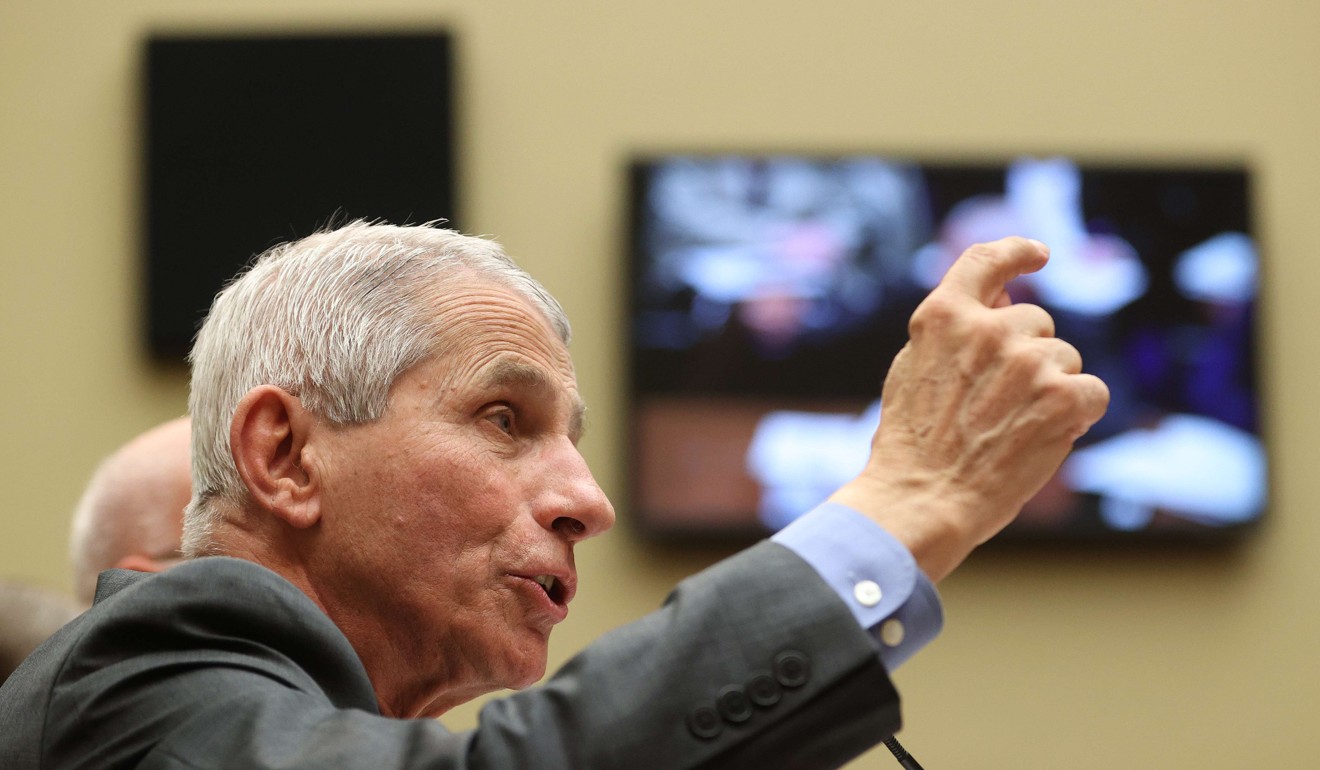
Anthony Fauci, director of the National Institute of Allergy and Infectious Diseases, testifies to lawmakers about coronavirus preparedness on Thursday. Photo: Getty Images/AFP
Leslie Rosenthal, a writer from New Jersey, said the speech failed to reassure her as an ordinary citizen, and seemed to focus on the wrong issues.
“What I wanted to hear from the president was a solution to what’s happening in this country right now,” she said. “While stopping people from coming into the country might do something, it’s about what’s going on here. Where are the test kits? Where are the viral hotspots? I’m placing my trust in Dr. Fauci.”
Trump is a skilled off-the-cuff orator at rallies, where he can energise and be energised by the crowd, communication experts said, and less adept at delivering prepared speeches, as seen on Wednesday night.
“He used a teleprompter, but still made misstatements in ways that rocked the market,” said Levick. Most notable was his statement that his administration was blocking not just people but all cargo from Europe, a statement his office quickly walked back shortly after the speech, he said.
White House orders secrecy for coronavirus meetings
12 Mar 2020

Also questionable was the decision to block travellers from the European continent but not from Britain, even though the UK is a global travel and financial hub.

“You can’t ban people from some countries and not others,” said Ron Waldman, a doctor, professor of global health and infectious disease specialist at George Washington University. “It makes no sense.”

Trump hoped the speech would build confidence in the US economy, its health care system and his leadership. “The virus will not have a chance against us,” he said. “No nation is more prepared.”

But many experts had a different view.

“We’re clearly unprepared,” said Ali Khan, epidemiology professor at the University of Nebraska Medical Center and a former director at the Centres for Disease Control and Prevention.

“We don’t even need to talk about a pandemic,” he said, adding that even a bad flu outbreak would swamp American hospitals.

Trump vows to ‘take care’ of citizens and economy as coronavirus cases rise in the US

After playing down the economic and health risks from the coronavirus for weeks, the Trump administration kicked into gear on Monday, floating a blizzard of proposals to stimulate the economy. These include expanding loans to small businesses, increasing paid sick leave and extending tax relief for the hospitality industry. The White House and congressional leaders are now trying to hammer out an economic relief bill.

Trump’s turnaround reflects, in part, a growing realisation that the disease is real, can’t be tweeted away, can’t be blamed on political opponents and seriously threatens his re-election prospects.

“He’s definitely worried,” said Silvers. “All those ‘Democratic viruses’ are going to cause him trouble.”

Source: SCMP
17/12/2019

Beijing’s hopes for AI dominance may rest on how many US-educated Chinese want to return home

  • This is the third instalment in a four-part series examining the brewing US-China tech war over the development and deployment of artificial intelligence tech
  • The US is home to five of the world’s top 10 universities in the AI field, which includes computer vision and machine learning, while China has three
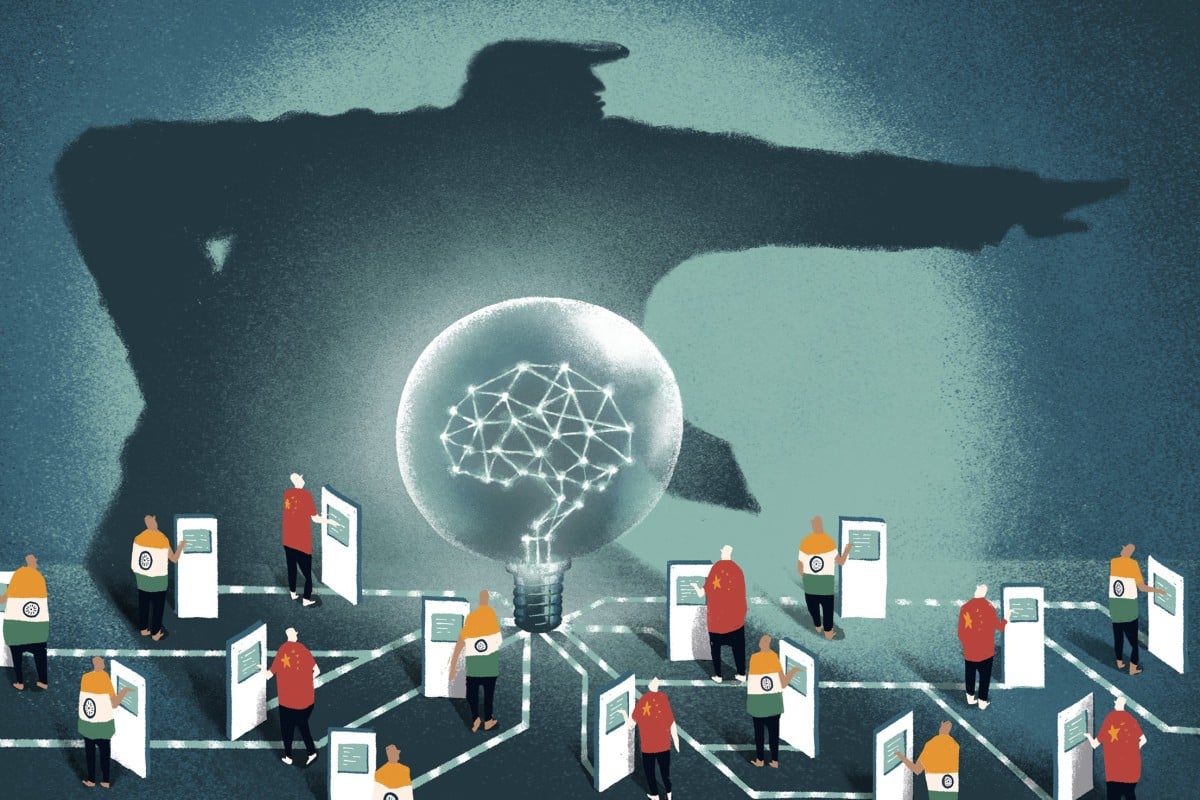
For those Chinese with long-term plans to stay in the US, a major obstacle lies in getting work visas, especially in the current trade war environment. Illustration: Perry Tse

After working in the United States for more than a decade, Zheng Yefeng felt he had hit a glass ceiling. He also saw that the gap in artificial intelligence between China and the US was narrowing.

Last year Zheng, who worked as a researcher at Siemens Healthcare in New Jersey, made a decision that addressed both problems. He accepted an offer to head up the medical research and development team at Tencent’s YouTu artificial intelligence lab in Shenzhen, known as China’s Silicon Valley.

“There was almost no room for promotion if I stayed in the US,” he said, expressing a common dilemma faced by experienced Chinese tech workers in America.

With the US-China trade war leading to tighter scrutiny of Chinese nationals working in the US tech industry, people like Zheng are moving back to China to work in the burgeoning AI sector, especially after Beijing designated AI a national priority. The technology’s varied applications have attracted billions of dollars of venture capital investment, created highly valued start-ups like SenseTime and ByteDance, and sparked a talent war among companies.

That has created an odd symbiotic relationship between the two countries vying for AI supremacy. The US, with its superior higher education system, is the training ground for Chinese AI scientists like Zheng, who obtained a PhD from the University of Maryland after earning bachelor’s and master’s degrees at China’s premier Tsinghua University.

“Many professors in China have great academic ability, but in terms of the number [of top professors], the US is ahead,” said Luo Guojie, who himself accepted an offer from Peking University to become an assistant professor after studying computer science in the US.

Among international students majoring in computer science and maths in US universities, Chinese nationals were the third largest group behind Indians and Nepalese in the 2018-2019 academic year, representing 19.9 per cent, according to the Institute of International Education.

[To build] the best universities is not easy. The university is a free speech space, whereas in China, this is not the case Gunther Marten, a senior official with the European Union delegation to China

The South China Morning Post spoke with several Chinese AI engineers who decided to stay and work in the US after their studies. They only agreed to give their surnames because of the sensitivity of the issues being discussed.

A 25-year-old Beijinger surnamed Lin graduated from one of China’s best engineering schools in the capital before heading to a US university for a master’s degree in computer science in 2017. Like some of his peers, he found the teaching methods in China to be outdated.

“It’s hard to imagine that a final exam of a coding course still asked you to hand write code, instead of running and testing it on a computer,” said Lin, who now works as a software engineer for Google in Silicon Valley.

“Although we still had to take writing tests [in the US], we had many practical opportunities in the lab and could do our own projects,” he added.

A Facebook software engineer surnamed Zhuang had a similar experience at his university in Shanghai.

“Many engineering students [in China] still get old-school textbooks and insufficient laboratory training,” he said. “Engineering practices for AI have been through a fast iteration over the past few decades, which means many Chinese students are not exposed to the most updated knowledge in the field, at least not in the classroom.”

Zhuang also noted out that many classes in China are taught in Chinese, meaning engineering graduates are not fluent in English, the preferred language of the global AI research community.

The US is home to five of the world’s top 10 universities in the AI field, which includes computer vision and machine learning, while China has three. Carnegie Mellon University (CMU) in Pennsylvania ranks No 1 while China’s Tsinghua University is No 2, according to CSrankings, which bases the list on papers published since 2009.

US tech chief: China is threatening US’ lead in global AI race
With its top institutions and an open culture that encourages freedom of speech, including unfettered internet access, the US has become a magnet for the brightest AI students the world over.
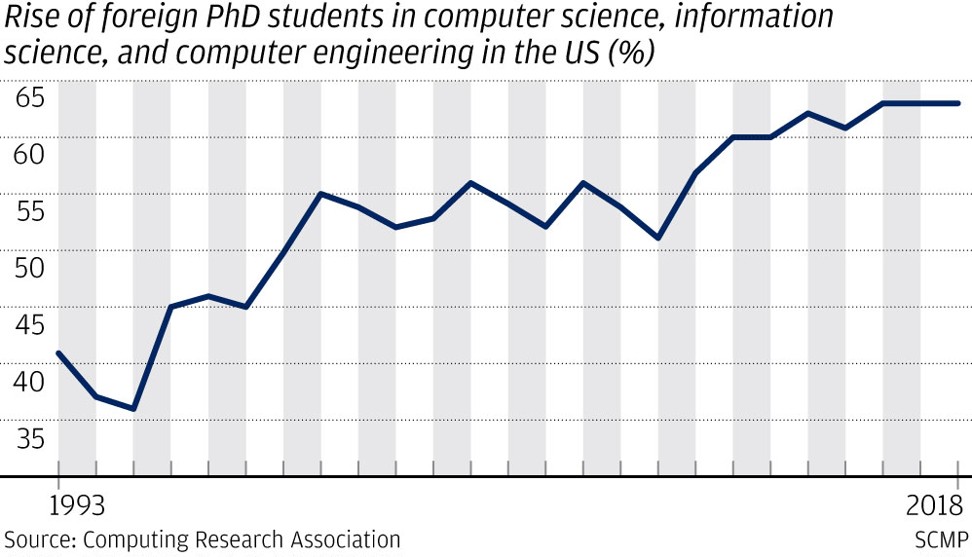
In 2018, 62.8 per cent of PhD degrees and 65.4 per cent of master’s degrees in computer science, information science and computer engineering programmes in the US were granted to “non-resident aliens”, according to a survey by the Computing Research Association.
“[To build] the best universities is not easy,” Gunther Marten, a senior official with the European Union delegation to China, said on the sidelines of the World Internet Conference in Wuzhen in October. “The university is a free speech space, whereas in China, this is not the case.”

When these US-educated AI scientists finish studying, most take advantage of a rule allowing them to stay in the country for three years to gain work experience.

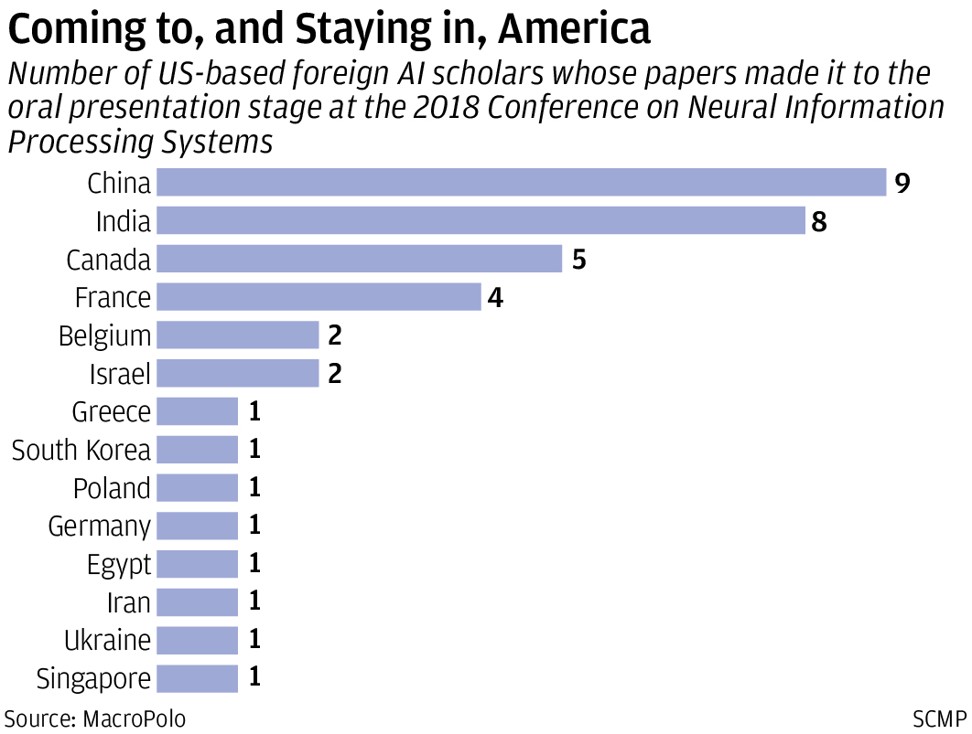
Of the foreign nationals taking part in last year’s Conference on Neural Information Processing Systems (NIPS), a major machine learning event for AI professionals, 87 per cent of those whose papers made it to the oral presentation stage went to work for American universities or research institutes after earning their PhD, according to MacroPolo, a think tank under the Paulson Institute.

“China has many great universities and companies, especially in certain subfields of AI such as computer vision, but many people remain hesitant to move to China due to the political environment, quality of life concerns and workplace issues,” said Remco Zwetsloot, a research fellow at Georgetown University’s Center for Security and Emerging Technology (CSET).

China’s PhD students miserable, yet hopeful: survey

Some of the US-trained Chinese AI engineers told the Post they were scared off by China’s “996” working culture: 9am to 9pm, six days a week. Tech firms in China typically expect their employees to work long hours to prove their dedication.

Lin, the Beijinger who now works for Google, used to be an intern at one of China’s largest internet giants. “I worked from the time I woke up until going to bed,” he said, “At Google, I’ve been confused because many people here only work till 5pm but Google is still a global leader.” Lin said he would be happy to return to China if the 996 work culture eases.

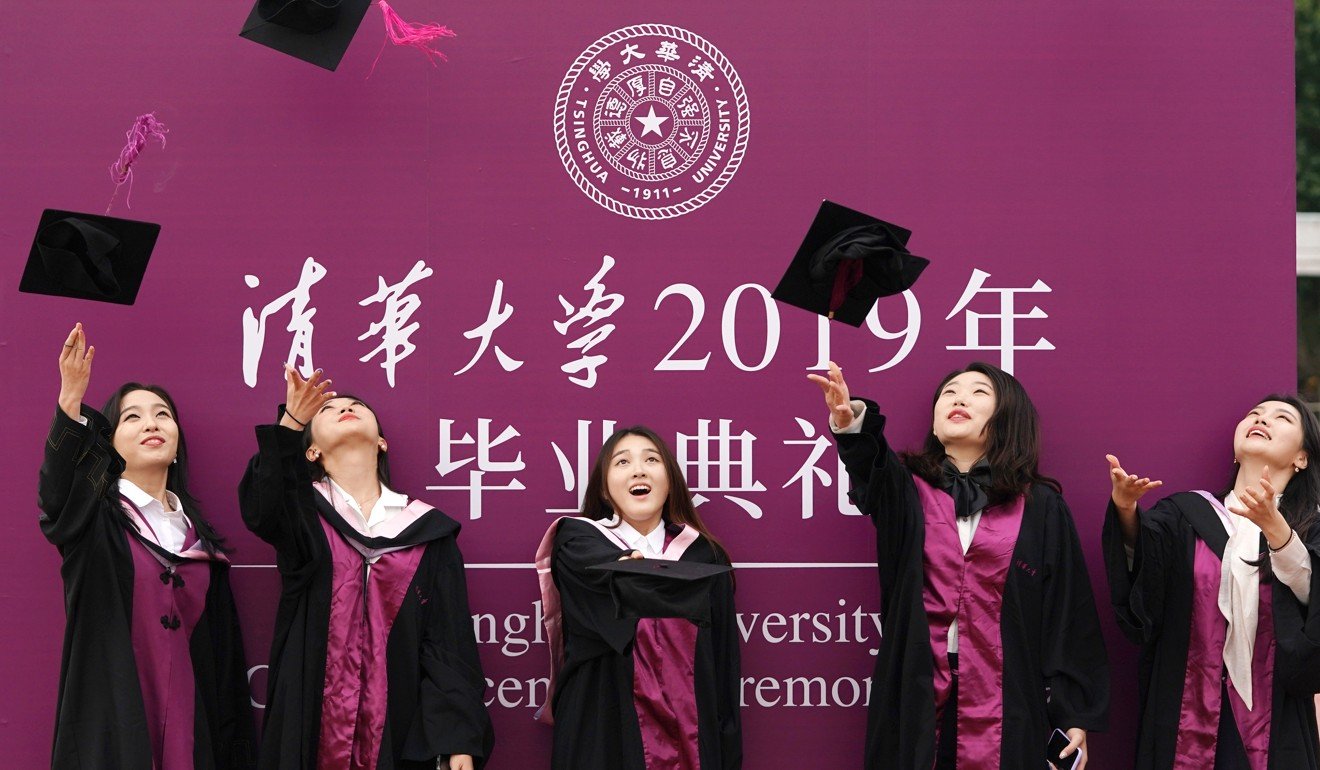
Graduates throw their caps in the air as they pose for a group photo during the 2019 commencement ceremony of Tsinghua University in Beijing. Tsinghua ranks as China’s top university for AI. Photo: Xinhua
Chen, a female postgraduate student at Carnegie Mellon, who recently accepted a job offer from Google, once interned at Beijing-based AI unicorn SenseTime, where she worked from 10am to between 8pm and 10pm most days.
A SenseTime spokesperson said the company has adopted flexible working hours for its employees.
Besides a better work-life balance, Chinese graduates look for jobs in Silicon Valley because of the higher pay.
“If you include pre-tax income, many of us get offers that pay more than 1 million yuan (US$142,000) a year but in China the salaries offered to the best batch of fresh undergraduates are about 200,000 to 300,000 yuan (US$28,000 to US$43,000),” Chen said.
Still, for those Chinese with long-term plans to stay in the US, a major obstacle lies in getting work visas, especially in the current trade war environment. Most AI-related workers are on H-1B visas that allow US companies to employ non-US nationals with expertise in specialised fields such as IT, finance and engineering.
However, the number of non-immigrant H-1B visas granted has started to fall since 2016, when it peaked at 180,000, according to the US Department of State, and US tech companies have complained that a policy shift by the Trump administration has made the approval process longer and more complicated.
In 2017, President Donald Trump requested an overhaul of the H-1B visa programme, saying he did not want it to enable US tech companies to hire cheaper foreign workers at the expense of American jobs. He also wants to give priority to highly skilled people and restrict those wanting to move to the US because of family connections.

Science graduates from overseas countries can stay in the US with their student visas for up to three years while competing for the hard to get work visas, which are granted based on undisclosed mechanisms. Overseas students already working in the US can apply for so-called green cards, which offer permanent residency.

After working for a major US tech company for almost three years on a student visa, one Chinese software engineer, who spoke to the Post on condition of anonymity, said she was relocated to the US firm’s Beijing office last year after failing to obtain a H-1B work visa.

“While there might be individual cases, it seems like the current tensions have not – at least as of a few months ago – led to noticeable changes in the overall number of Chinese students staying in the US after graduating,” said CSET’s Zwetsloot.

Some Chinese AI scientists use Twitter to announce their decision to stay. Chen Tianqi, who just obtained a PhD at the University of Washington in Seattle, and Jun-Yan Zhu, a CMU and UC Berkeley alumnus currently working at Adobe, each tweeted that they would join Carnegie Mellon as assistant professors next year.

To achieve the goal of turning China into “the world’s primary AI innovation centre” by 2030, according to a 2017 blueprint issued the State Council, the central government has stepped up efforts to attract US-educated talent.

The Thousand Talents Plan has seen more than 6,000 overseas Chinese students and academics return since its was established in 2008, but because of escalating tensions with the US, Beijing has played down the initiative.

Longer term, Beijing’s willingness to invest significant sums into the AI sector could see more Chinese return for the better employment opportunities. Between 2013 and the first quarter of 2018, China attracted 60 per cent of global investment in AI, according to a Tsinghua University report.

China’s spending on AI may be far lower than people think

Chinese authorities are investing heavily in the sector, with the city of Shanghai setting up a 10 billion yuan (US$142 million) AI fund in August and Beijing city government announcing in April it would provide a 340 million yuan (US$48 million) grant to the Beijing Academy of Artificial Intelligence.

“More and more senior people like me have come back, and some start their own businesses,” said Zheng, the Siemens Healthcare researcher who joined Tencent. “It’s easier for Chinese to seek venture capital in China than in other countries.”

Source: SCMP

23/09/2019

‘Howdy, Modi!’: Trump hails Indian PM at ‘historic’ Texas rally

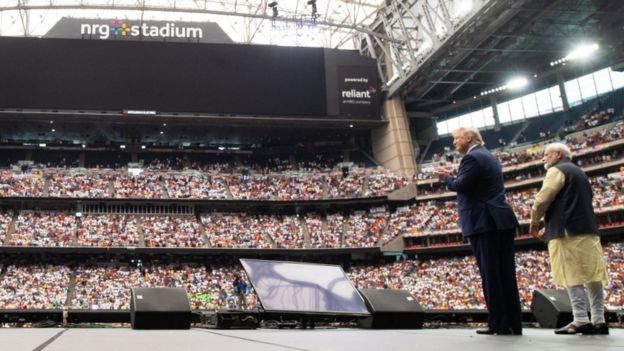
US President Donald Trump and Indian Prime Minister Narendra Modi exchanged warm words of friendship in Texas at a rare mass rally for a foreign leader.

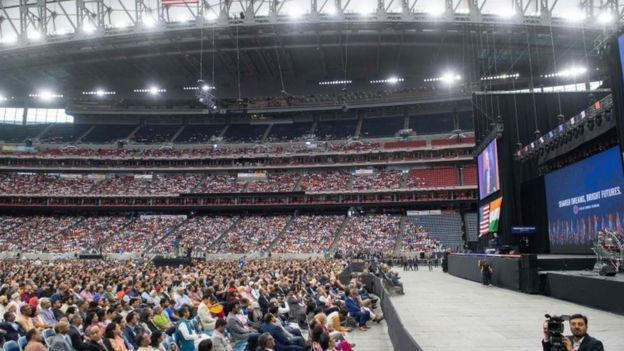
Around 50,000 people gathered for what Mr Trump called a “profoundly historic event” on Sunday in Houston.

The “Howdy, Modi!” event was billed as one of the largest ever receptions of a foreign leader in the US.

Mr Modi, however, may face a frostier reception at the UN General Assembly.

He is likely to face criticism over tensions in Indian-administered Kashmir, which he stripped of its special status last month, promising to restore the region to its “past glory”.

The region has been in lockdown for more than a month with thousands of activists, politicians and business leaders detained.

Trade talks and the UN General Assembly are on the Indian prime minister’s agenda during his week-long visit to the United States.

Pakistani Prime Minister Imran Khan, who has been the most vocal international leader to oppose India’s Kashmir move, is also in the US for the UN conference. Like Mr Modi, he will have a one-on-one meeting with Mr Trump on the sidelines of the summit.

A 90-minute show, featuring 400 performers, warmed up the crowd before Mr Modi and Mr Trump shared the stage.

“I’m so thrilled to be here in Texas with one of America’s greatest, most devoted and most loyal friends, Prime Minister Modi of India,” Mr Trump told the crowd.

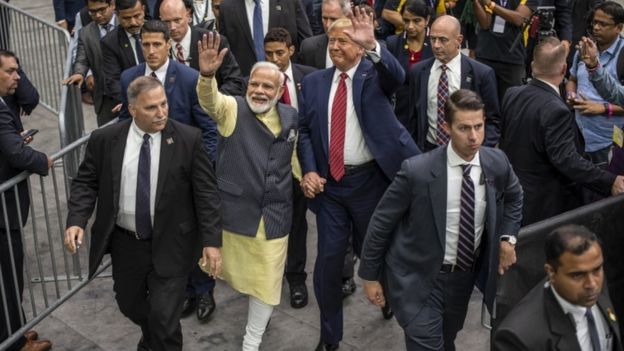
Narendra Modi and Donald Trump leave the stage holding hands at NRG Stadium, HoustonImage copyright GETTY IMAGES
Image caption Narendra Modi and Donald Trump leave the stage holding hands at Houston’s NRG Stadium

In his speech, Mr Modi said India has a “true friend” in the White House, describing Mr Trump as “warm, friendly, accessible, energetic and full of wit”.

“From CEO to commander-in-chief, from boardrooms to the Oval Office, from studios to the global stage… he has left a lasting impact everywhere,” Mr Modi said.

Presentational grey line

Personal-touch diplomacy played to perfection

Brajesh Upadhyay, BBC News, Houston

This was exactly the kind of crowd size and energy President Trump loves at his rallies.

Only here the chants were for Indian Prime Minister Narendra Modi and Mr Trump was the superstar invited to the party. But the crowd did not disappoint him either and greeted him with chants of “USA!”, most heard at Trump rallies.

The personal-touch diplomacy with Mr Modi’s trademark bear hugs was played to perfection.

This rally has been called a win-win for both the leaders. For President Trump, it was a chance to court Indian-Americans for the 2020 presidential election race where Texas could emerge as a battleground state. For Mr Modi, a PR triumph and picture with the president of the United States may help him shrug off the criticism over his recent strong-arm policies at home.

Presentational grey line

Houston’s NRG Stadium, where the event was hosted, was the first stop for Mr Modi, whose Hindu nationalist Bharatiya Janata Party (BJP) won a landslide victory in this year’s Indian elections.

Greeted by a standing ovation, Mr Trump used his speech to heap praise on Mr Modi, who he said was doing a “truly exceptional job for India” and its people.

Mr Trump also paid tribute to the Indian-American community, telling them “we are truly proud to have you as Americans”.

The US has a population of about 4 million Indians who are seen as an increasingly important vote bank in the country.

Apart from Mr Trump, organisers also invited Democrats to the event – House Majority Leader Steny Hoyer was among those who spoke.

The 2010 US census shows that Texas is home to the fourth-largest Indian-American population in the country after California, New York and New Jersey.

Analysis of voting patterns shows the community tends overwhelmingly to support the Democrat party.

Narendra Modi said Donald Trump attend a mass rally in TexasImage copyright GETTY IMAGES
Image caption The event, dubbed “Howdy, Modi!”, was attended by an estimated 50,000 people

No stranger to nationalist rhetoric himself, Mr Trump compared security at the US-Mexico border to the tensions between India and Pakistan in the tinderbox Kashmir region.

“Both India and US also understand that to keep our communities safe, we must protect our borders,” Trump said.

Donald Trump described Narendra Modi as one of America's most "loyal friends"Image copyright GETTY IMAGES
Image caption Donald Trump described Narendra Modi as one of America’s most “loyal friends”

In India, the rally was closely watched, with most mainstream media outlets running live news updates of what was transpiring on stage.

The event had been making headlines for days before as well.

On Twitter, many people shared instant analysis and opinions of what was taking place on the stage with the sentiment being overwhelmingly positive. Many praised Mr Modi for what they saw as his statesmanship and diplomatic acumen with a lot of praise coming in for the US president as well.

Source: The BBC

19/05/2019

China’s ban on scrap imports revitalises US recycling industry

  • US paper mills are expanding capacity to take advantage of a glut of cheap waste materials
  • Some facilities that previously exported plastic or metal to China have retooled so they can process it themselves
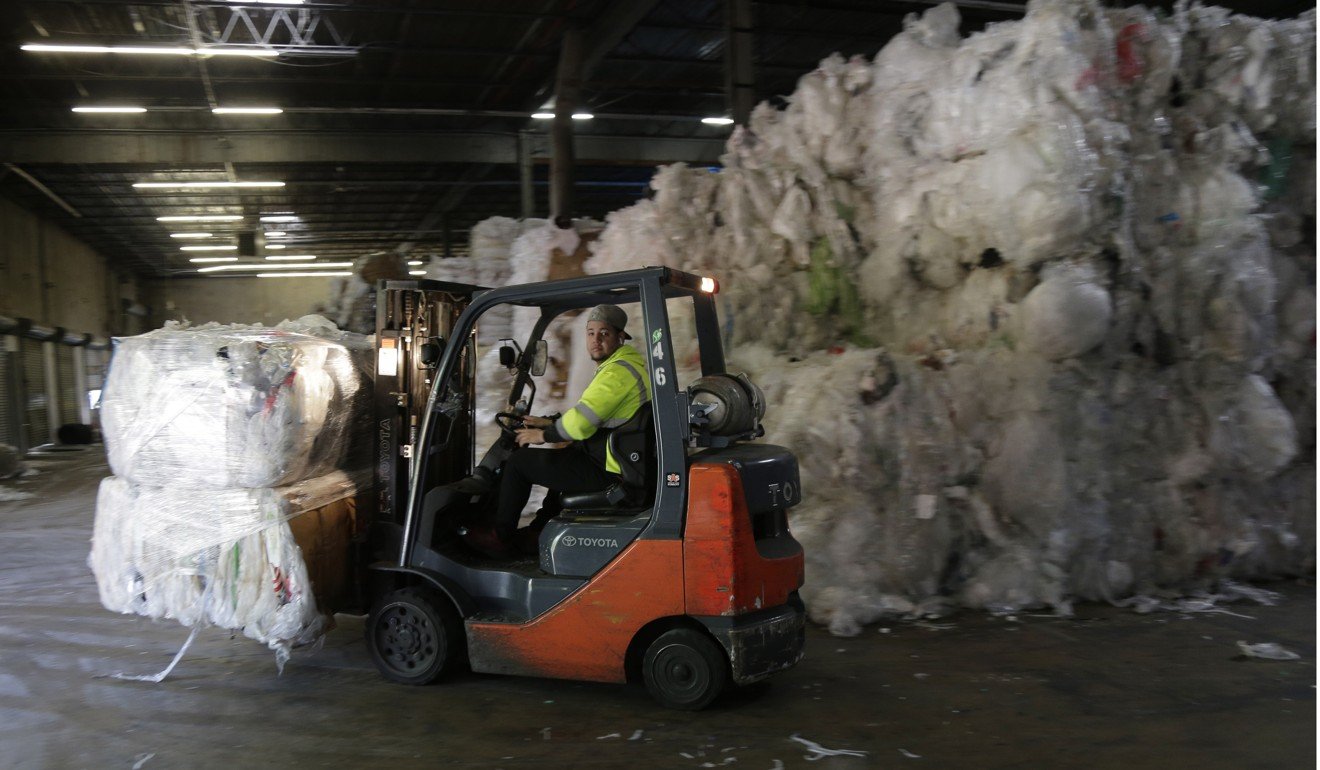
China phased in import restrictions on scrap paper and plastics in January last year. Photo: AP
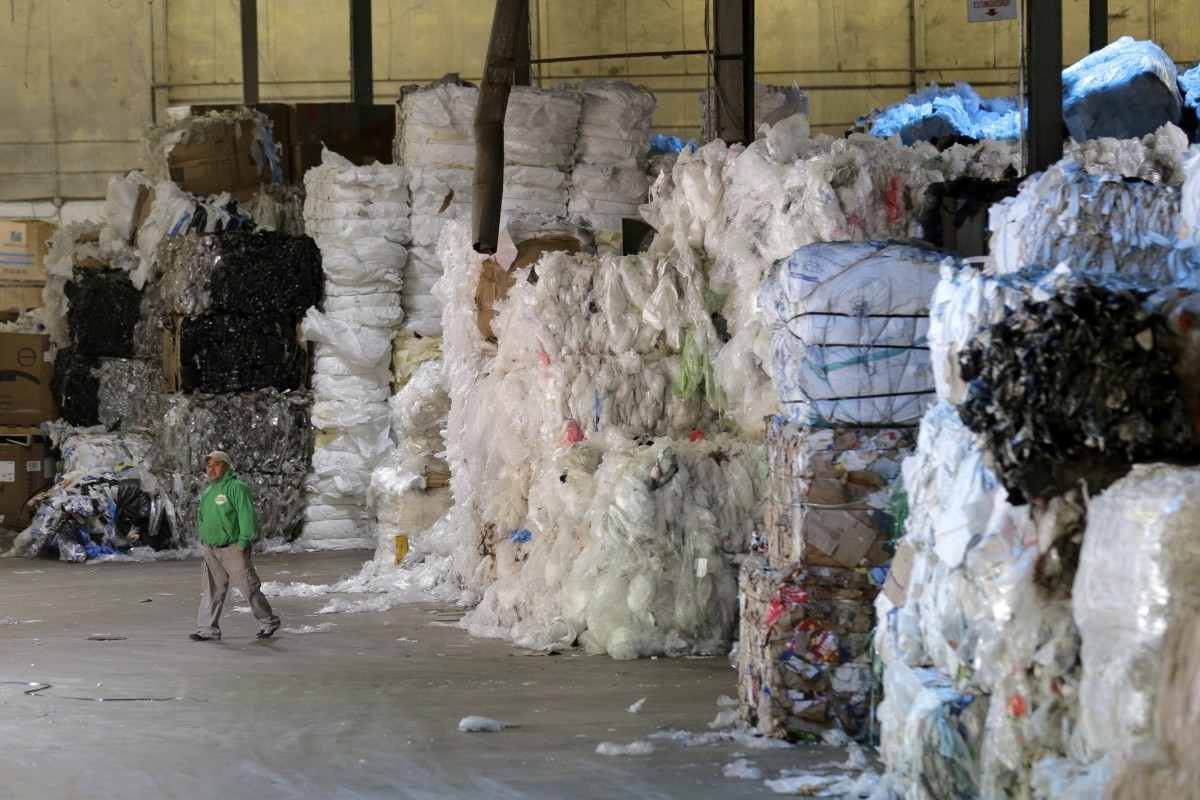
The halt on China’s imports of waste paper and plastic that has disrupted US recycling programmes has also spurred investment in American plants that process recyclables.

US paper mills are expanding capacity to take advantage of a glut of cheap scrap. Some facilities that previously exported plastic or metal to China have retooled so they can process it themselves.

And in a twist, the investors include Chinese companies that are still interested in having access to waste paper or flattened bottles as raw material for manufacturing.

“It’s a very good moment for recycling in the United States,” said Neil Seldman, co-founder of the Institute for Local Self-Reliance, a Washington-based organisation that helps cities improve recycling programmes.
Global scrap prices plummeted in the wake of China’s ban. Photo: AP

China, which had long been the world’s largest destination for paper, plastic and other recyclables, phased in import restrictions in January last year.

Global scrap prices plummeted, prompting waste-hauling companies to pass the cost of sorting and baling recyclables on to municipalities. With no market for the waste paper and plastic in their blue bins, some communities scaled back or suspended kerbside recycling programmes. But new domestic markets offer a glimmer of hope.

How China’s ban on plastic waste imports became an ‘earthquake’

About US$1 billion in investment in US paper processing plants has been announced in the past six months, according to Dylan de Thomas, a vice-president at The Recycling Partnership, a non-profit organisation that tracks and works with the industry.

Hong Kong-based Nine Dragons, one of the world’s largest producers of cardboard boxes, has invested US$500 million over the past year to buy and expand or restart production at paper mills in Maine, Wisconsin and West Virginia.

Brian Boland, vice-president of government affairs and corporate initiatives for ND Paper, Nine Dragons’ US affiliate, said that as well as making paper from wood fibre, the mills would add production lines turning more than a million tonnes of scrap into pulp to make boxes.

“The paper industry has been in contraction since the early 2000s,” he said. “To see this kind of change is frankly amazing. Even though it’s a Chinese-owned company, it’s creating US jobs and revitalising communities like Old Town, Maine, where the old mill was shuttered.”

Hong Kong-based Nine Dragons has invested US$500 million in paper mills in Maine, Wisconsin and West Virginia. Photo: Handout

The Northeast Recycling Council said in a report last autumn that 17 North American paper mills had announced increased capacity to handle recyclable paper since the Chinese cut-off.

Another Chinese company, Global Win Wickliffe, is reopening a closed paper mill in Kentucky. Georgia-based Pratt Industries is constructing a mill in Wapakoneta, Ohio that will turn 425,000 tonnes of recycled paper per year into shipping boxes.

Plastics also had a lot of capacity coming online, de Thomas said, noting new or expanded plants in Texas, Pennsylvania, California and North Carolina that turned recycled plastic bottles into new bottles.

Chinese companies were investing in plastic and scrap metal recycling plants in Georgia, Indiana and North Carolina to make feedstocks for manufacturers in China, he said.

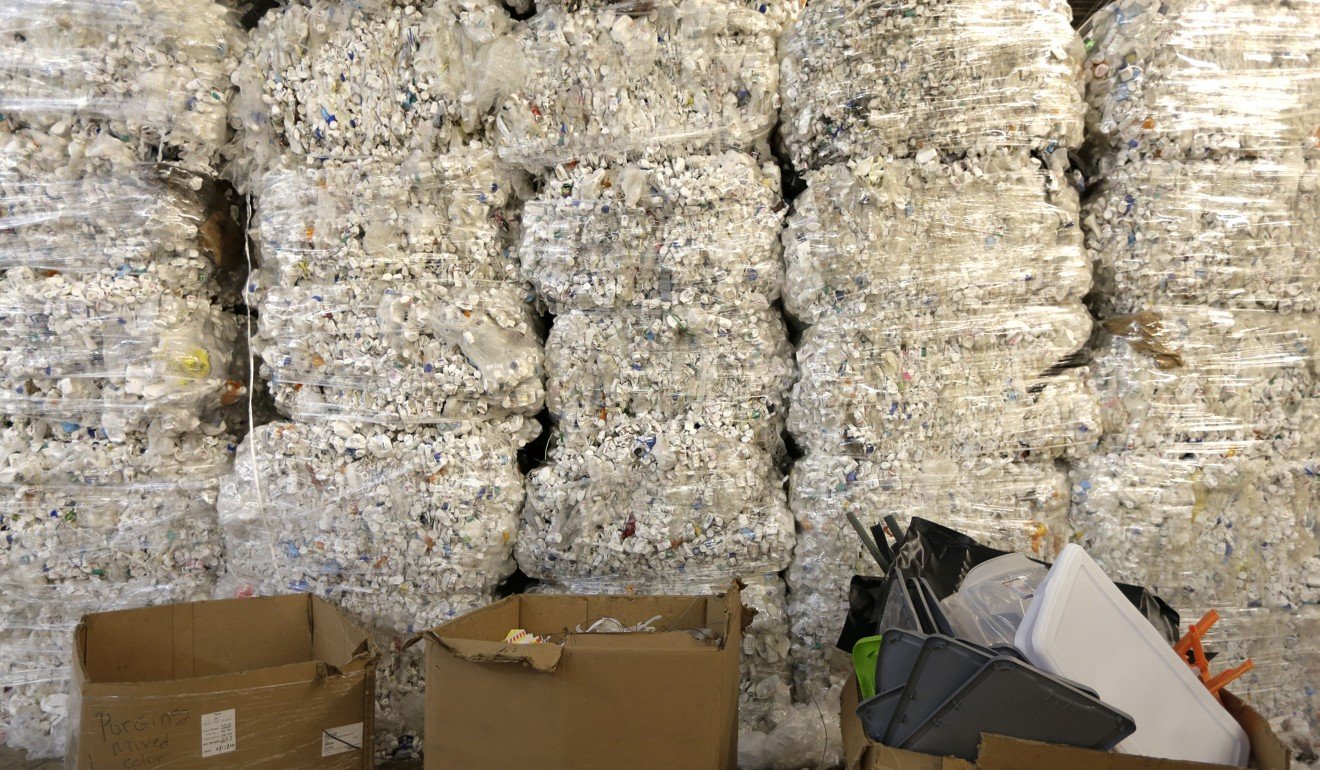
GDB International processes bales of scrap plastic film into pellets to make garbage bags and plastic pipe. Photo: AP

In New Brunswick, New Jersey, the recycling company GDB International exported bales of scrap plastic film such as pallet wrap and grocery bags for years. But when China started restricting imports, company president Sunil Bagaria installed new machinery to process it into pellets he sells profitably to manufacturers of garbage bags and plastic pipe.

The imports cut-off that China called “National Sword” was a much-needed wake-up call to his industry, he said.

“The export of plastic scrap played a big role in easing recycling in our country,” Bagaria said. “The downside is that infrastructure to do our own domestic recycling didn’t develop.”

China to suspend checks on US scrap metal shipments, halting imports

That was now changing, but he said far more domestic processing capacity would be needed as a growing number of countries restricted scrap imports.

“Ultimately, sooner or later, the society that produces plastic scrap will become responsible for recycling it,” he said.

It has also yet to be seen whether the new plants coming on line can quickly fix the problems for municipal recycling programmes that relied heavily on sales to China to get rid of piles of scrap.

About US$1 billion in investment in US paper processing plants has been announced in the past six months, according to a non-profit group that tracks the industry. Photo: AP

“Chinese companies are investing in mills, but until we see what the demand is going to be at those mills, we’re stuck in this rut,” said Ben Harvey, whose company in Westborough, Massachusetts, collects trash and recyclables for about 30 communities.

He had a car park filled with stockpiled paper a year ago after China closed its doors, but eventually found buyers in India, Korea and Indonesia.

China to collect applications for scrap metal import licences from May

Keith Ristau, chief executive of Far West Recycling in Portland, Oregon, said most of the recyclable plastic his company collected used to go to China but now most of it went to processors in Canada or California.

To meet their standards, Far West invested in better equipment and more workers at its material recovery facility to reduce contamination.

In Sarepta, Louisiana, IntegriCo Composites is turning bales of hard-to-recycle mixed plastics into railroad ties. It expanded operations in 2017 with funding from New York-based Closed Loop Partners.

“As investors in domestic recycling and circular economy infrastructure in the US, we see what China has decided to do as very positive,” said Closed Loop founder Ron Gonen.

Source: SCMP

Law of Unintended Consequences

continuously updated blog about China & India

ChiaHou's Book Reviews

continuously updated blog about China & India

What's wrong with the world; and its economy

continuously updated blog about China & India