24/02/2020
- State-owned carrier’s chief says it wouldn’t be ‘morally acceptable’ to stop flying to the country, and it will stand with its ‘Chinese brothers and sisters’
- Dozens of airlines have cancelled or reduced services to the nation amid the virus outbreak, including two East African rivals
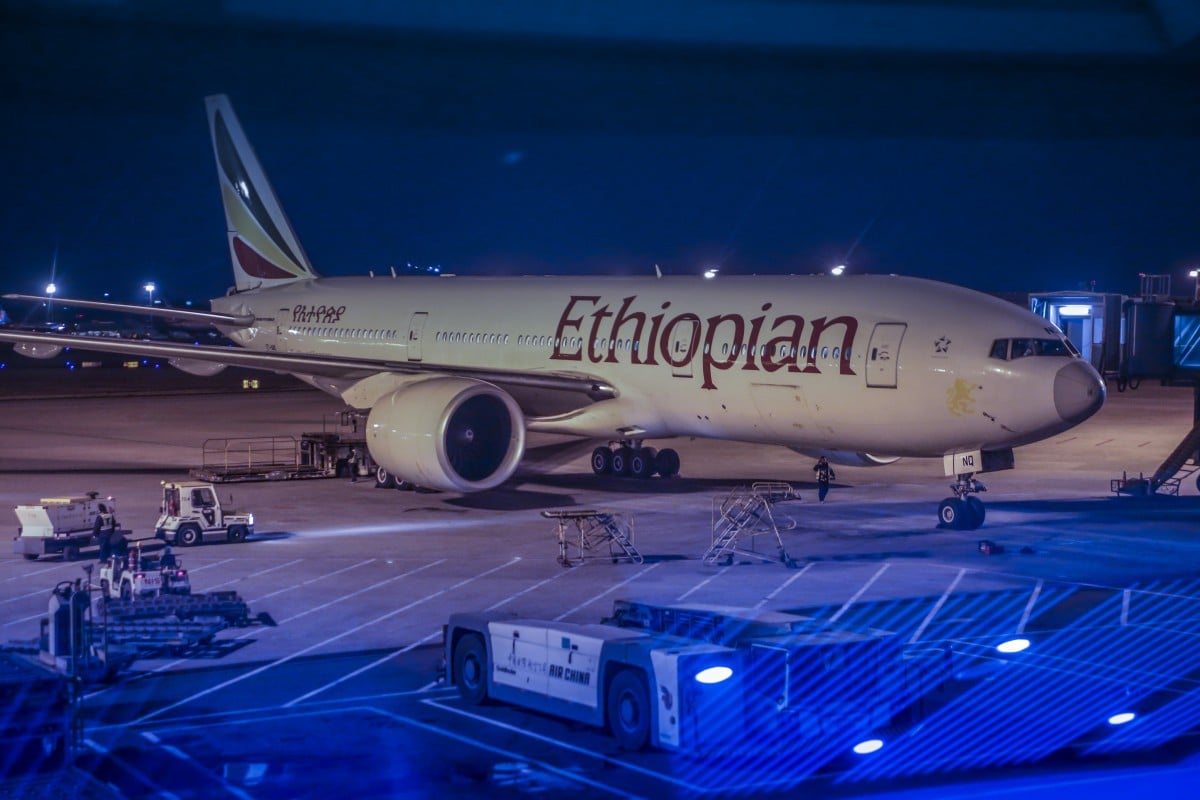
Ethiopian Airlines says it will continue flying to China. The routes are among its most profitable. Photo: Shutterstock
Ethiopian Airlines, Africa’s largest and most profitable carrier, will continue flying to China despite growing pressure for it to suspend services to the country as
.
Dozens of airlines around the globe have cancelled or reduced their services to cities in the world’s second-largest economy amid fears over the outbreak. Its East African rivals Kenya Airways and RwandAir have both suspended flights to China until the outbreak is contained.
But Ethiopian Airlines chief executive Tewolde GebreMariam said the carrier would not abandon the routes, which are among its most profitable.
Tewolde told media over the weekend that the airline had been flying to China since 1973 and it would not be ethical to suspend flights to the country.
“It will not be morally acceptable to stop flying to China today because they have a temporary problem,” he said, adding that the airline would stand with its “Chinese brothers and sisters”.
His remarks came days after Kenyan President Uhuru Kenyatta put pressure on the Ethiopian government – which wholly owns Ethiopian Airlines – to halt flights to China, citing the need to curb the spread of the virus into the East African region.
Global coronavirus deaths equal Sars, while new infections drop
The airline has bucked a trend that has seen major airlines – from the United States to Europe and Asia – staying away from Chinese airspace as governments around the world move to keep the deadly virus from their borders. The pneumonia-like illness has so far
in mainland China since the outbreak began in Wuhan in December, with cases reported in more than 20 other countries worldwide.
Speaking during a visit to Washington last week, Kenyatta – who is keen to court both China and the US – insisted that Kenya’s decision to suspend flights from Guangzhou to Nairobi was not political.
He said most African countries had weak health systems that would make it harder to handle the outbreak, so preventing its spread – even if through extreme measures such as grounding flights – was the only option.
“Our worry as a country is not that China cannot manage the disease. Our biggest worry is diseases coming into areas with weaker health systems like ours,” Kenyatta said while addressing members of US think tank the Atlantic Council.
Vaccine for new coronavirus unlikely to be ready before outbreak is over, says Sars expert
But Ethiopian Airlines said it would continue flying to Beijing, Shanghai, Guangzhou, Chengdu and Hong Kong and was taking measures to protect staff and passengers. Ethiopia receives about 1,500 visitors from mainland China every day.
According to Tewolde, if the airline halted its Chinese services, China and Africa would be completely disconnected.
“No one in Ethiopian Airlines would like to see this,” he said. “We have to take maximum precautions, but stopping flights is not one of them.”
He added: “Even if we stop flying, people will continue to come to Ethiopia through Singapore, Malaysia, Europe. The transmission of the disease will be dangerously hidden … British Airways stopped flying to China for its economic reasons. But Chinese carriers are flying to the UK.”
Chinese cities keen to get back to work but coronavirus concerns grow as workers return
In a separate statement, the carrier said China was “one of the strongest and one of the oldest markets for Ethiopian Airlines”.
“We have been connecting the great Chinese nation with the entire continent of African for almost half a century and it is our growth strategy,” the airline said, adding that it would continue operating in the five cities in compliance with international aviation and health guidelines.
Aside from seeking to shore up revenues, analysts noted that the airline was under tight state control, and Ethiopia would be reluctant to do anything that might harm its strong bilateral ties with China.
Ethiopia is among the nations on the continent with the highest number of Chinese immigrants. Most of them are workers involved in the construction of infrastructure projects including ports, railways, dams, bridges and malls. Those projects have been financed with billions of dollars in loans from China – Ethiopia is reportedly among the biggest recipients of Chinese lending in Africa.
Last year, China was forced to restructure Ethiopia’s debt after the latter edged closer to defaulting on a loan from Beijing for its standard gauge railway.
Chinese hotel workers arrested in Kenya after caning video prompts demands for action
Ethiopia, Algeria, Angola, Nigeria and Zambia together accounted for nearly 60 per cent of all Chinese workers on the continent at the end of 2017, according to a study by Johns Hopkins University.
Ethiopia is also a major recipient of direct foreign investment from China.
Source: SCMP
Posted in africa, Algeria, Angola, Asia, Atlantic Council, Beijing, bow, British Airways, Chengdu, China, coronavirus, direct foreign investment, East African, Ethiopian Airlines, Europe, Guangzhou, halt flights, Hong Kong, Kenya Airways, Kenyan president, Mainland China, Malaysia, Nigeria, pressure, refuses, rivals, SARs, Shanghai, Singapore, Uhuru Kenyatta, Uncategorized, United States, Zambia |
Leave a Comment »
19/02/2020
- US secretary of state is eager to promote US investment as an alternative to China, which holds the lion’s share of Angola’s foreign debt
- Isabel dos Santos, the former president’s daughter, became Africa’s richest woman but now stands accused of massive fraud
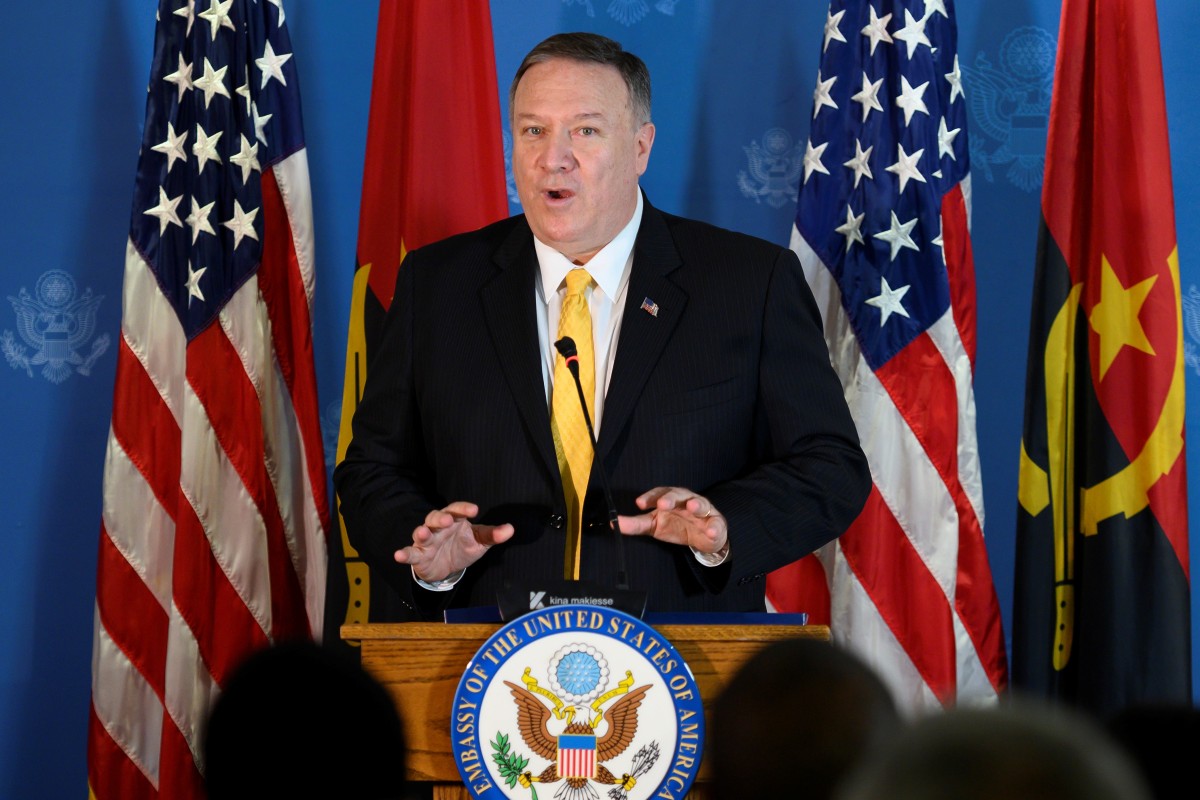
US Secretary of State Mike Pompeo in Luanda, Angola. Photo: Reuters
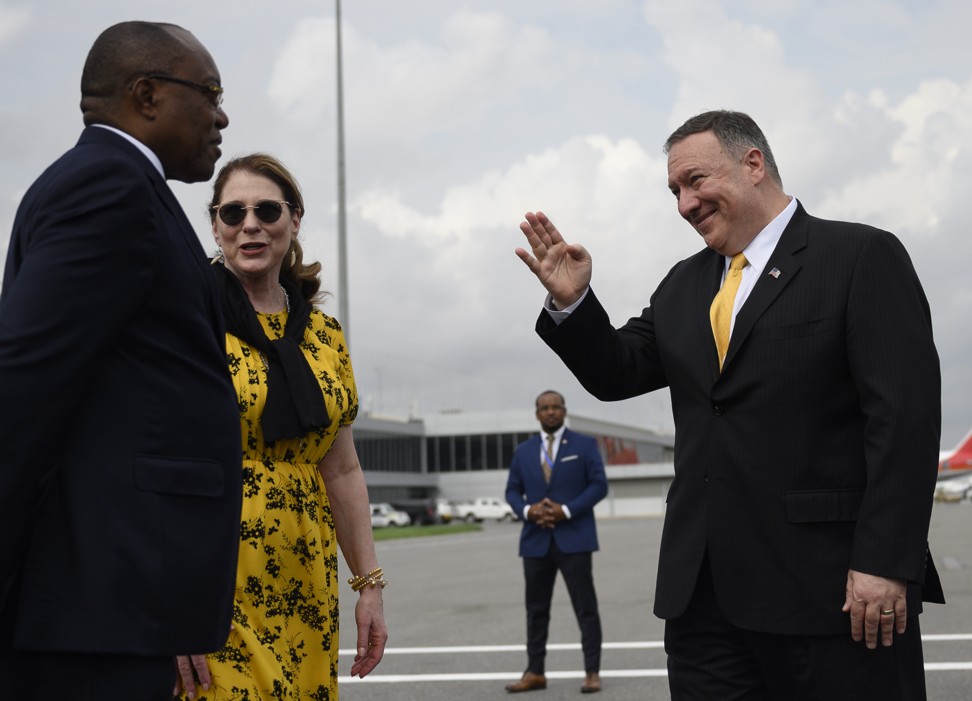
US Secretary of State Mike Pompeo denounced corruption and touted American business on Monday during the second leg of an African tour in Angola, where the government is seeking to claw back billions of dollars looted from state coffers.
Pompeo is aiming to promote US investment as an alternative to Chinese loans while assuaging concerns over a planned US military withdrawal and the expansion of visa restrictions targeting four African countries.
In Angola’s capital Luanda, Pompeo met with President Joao Lourenco, who took office in 2017 promising wide-ranging economic reforms and a crackdown on the endemic corruption that marked his predecessor Jose Eduardo dos Santos’ four-decade rule.
“Here in Angola, damage from corruption is pretty clear,” he told a group of businessmen following that meeting. “This reform agenda that the president put in place has to stick.”
Here in Angola, damage from corruption is pretty clear Mike Pompeo
Portugal’s public prosecutor has ordered the seizure of bank accounts belonging to
, the former president’s billionaire daughter, who is a suspect in an Angolan fraud investigation. Reputedly the richest woman in Africa, she has repeatedly denied any wrongdoing.
Angola, with Sub-Saharan Africa’s third-largest economy and its second-largest oil producer is ranked as one of the world’s most corrupt nations, in 165th place on a list of 180 countries, according to anti-corruption group Transparency International.
US oil majors ExxonMobil and Chevron have significant stakes in Angolan oilfields.
Last year, Chevron signed onto a consortium to develop Angola’s natural gas assets alongside Italy’s Eni, France’s Total, BP and Angolan state oil company Sonangol.
Mike Pompeo and his wife Susan greet Angola Foreign Minister Manuel Domingos Augusto in Luanda on Monday. Pool photo: AFP
“We’ve got a group of energy companies that have put more than US$2 billion in a natural gas project. That will rebound to the benefit of the American businesses for sure, but to the Angolan people for sure as well,” Pompeo said.
With a revamped International Development Finance Corporation and its new Prosper Africa trade and investment strategy, the administration is seeking to combat Chinese influence on the continent.
But the push comes as some governments are questioning US President Donald Trump’s commitment to Africa.
Do Africa’s emerging nations know the secret of China’s economic miracle?
The White House last month tightened visa restrictions on nationals from Sudan, Tanzania, Eritrea and Nigeria.
West African governments are also worried about a proposed US troop withdrawal from the region just as Islamist groups with links to Islamic State and al-Qaeda are gaining ground.
During the first leg of his African trip in Senegal on Sunday, Pompeo sought to put some of those fears to rest.
“We have an obligation to get security right here, in the region. It’s what will permit economic growth, and we’re determined to do that,” he told reporters.
Source: SCMP
Posted in Al-Qaeda, alternative, Angola, Angola Foreign, Angolan oilfields, belt and road projects, BP, Chevron, Chinese, corruption, eager, Eritrea, ExxonMobil Corp, France’s Total, International Development Finance Corporation, Investment, Islamic state, Italy’s Eni, Luanda, Mike Pompeo, natural gas project, Nigeria, Portugal’s public prosecutor, Prosper Africa trade and investment strategy, Sonangol, Sudan, Tanzania, Transparency International, Trump administration, Uncategorized, US Secretary of State, West African governments, White House |
Leave a Comment »
19/02/2020
- Forty countries will be able to diagnose the disease, and the Africa CDC is training health workers
- Until two weeks ago, there were only two laboratories on the continent that could test for the virus, in Senegal and South Africa
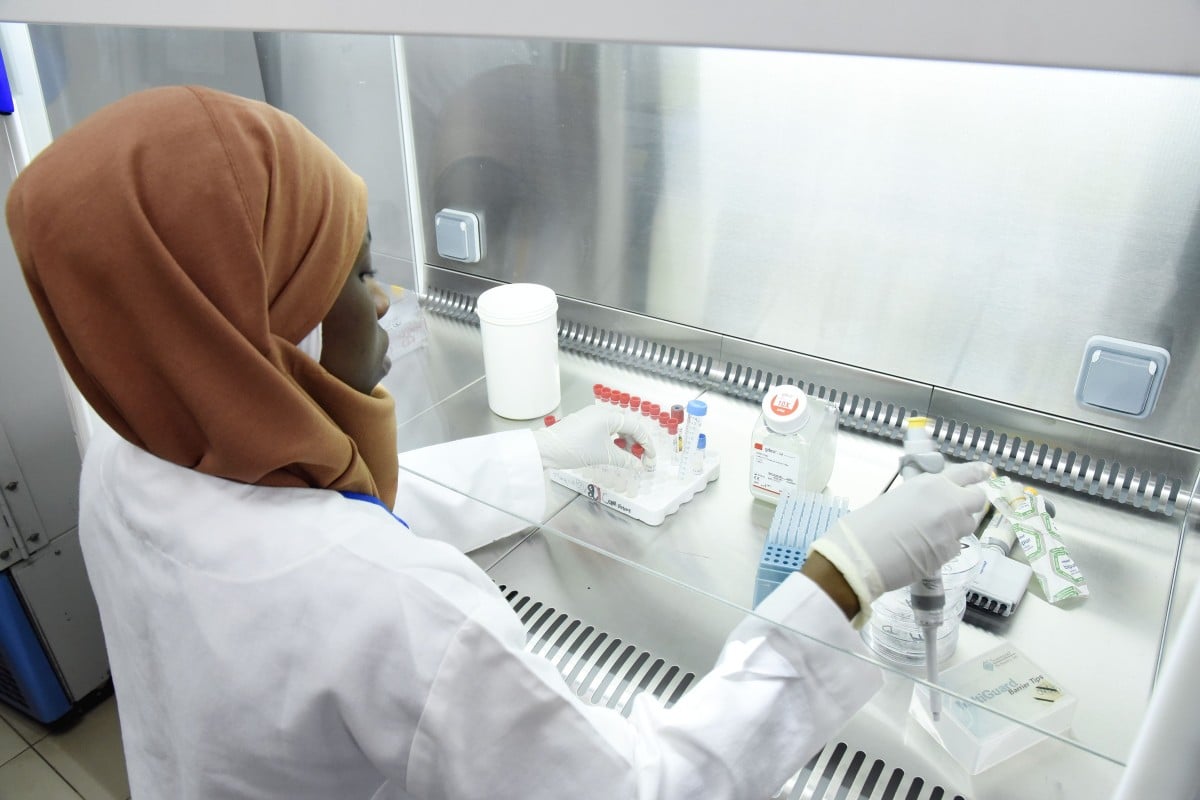
A scientist researches the coronavirus at the Pasteur Institute in Dakar, Senegal, which until two weeks ago was one of just two labs in Africa that could test for the disease. Photo: AFP
Forty countries in Africa will be able to test for the
deadly new coronavirus
by the end of the week, the WHO said, after Egypt confirmed the first case on the continent last week.
The World Health Organisation said many of those nations had been sending samples elsewhere for testing and waiting several days for results.
“Now they can do it themselves, within 24 to 48 hours,” WHO director general Tedros Adhanom Ghebreyesus said in a media briefing on Tuesday.
Until about two weeks ago, there were only two laboratories in the continent of 54 countries – in Senegal and South Africa – with the reagents needed to test for the virus. That meant dozens of nations that had quarantined suspected patients were sending samples to South Africa or Senegal to be tested.
The WHO earlier this week sent reagent kits for coronavirus diagnosis to more than 20 countries in Africa to step up diagnosis of the virus, which causes a disease now known as Covid-19. The global health body said more countries in Africa were expected to receive testing kits this week.
In addition, the WHO last week sent testing kits to Cameroon, Ivory Coast, the Democratic Republic of Congo, Egypt, Ethiopia, Gabon, Ghana, Kenya, Morocco, Nigeria, Tunisia, Uganda and Zambia.
Coronavirus: WHO urges caution over study showing ‘decline’ in new Covid-19 cases in China
Tedros said some countries in Africa, including the Democratic Republic of Congo, were using systems developed to test for the deadly Ebola virus to now test for the coronavirus.
“This is a great example of how investing in health systems can pay dividends for health security,” Tedros said.
Several countries, including Ethiopia and South Sudan, were prioritising surveillance and monitoring at ports of entry, he said. “We’re also working with partners in some of the most fragile contexts, from Syria to the Central African Republic, to prepare countries for the arrival of the virus,” he said.
The WHO and Egyptian health officials on Friday confirmed that a 33-year-old foreigner had tested positive for the coronavirus. Egypt’s health ministry said the patient had tested positive for the virus without any symptoms, raising concern that there could be undetected cases on the continent, as countries scramble to equip labs to test for the disease.
The asymptomatic patient in Egypt was identified through contact screening of an index case who travelled to Cairo on a business trip from January 21 to February 4 and tested positive for the virus on February 11 in China, the WHO regional office said.
The new virus strain has killed more than 2,000 people and infected over 74,000 since the outbreak began in central China in December. It has spread to more than 20 countries.
Screening measures have been stepped up across Africa, including quarantining all passengers arriving from Chinese cities, amid fears that poorer countries with weaker health systems may struggle to cope if the virus spreads on the continent. More than a dozen countries still do not have the capacity to test for the pneumonia-like illness.
There are concerns that Africa’s close links with China put it at high risk for the spread of the new virus. Africa has become home to millions of Chinese since Beijing started looking to the continent for raw materials for its industries and markets for its products. China has been Africa’s largest trading partner since 2009, after it overtook the United States, with two-way trade standing at US$108 billion last year, according to China’s commerce ministry.
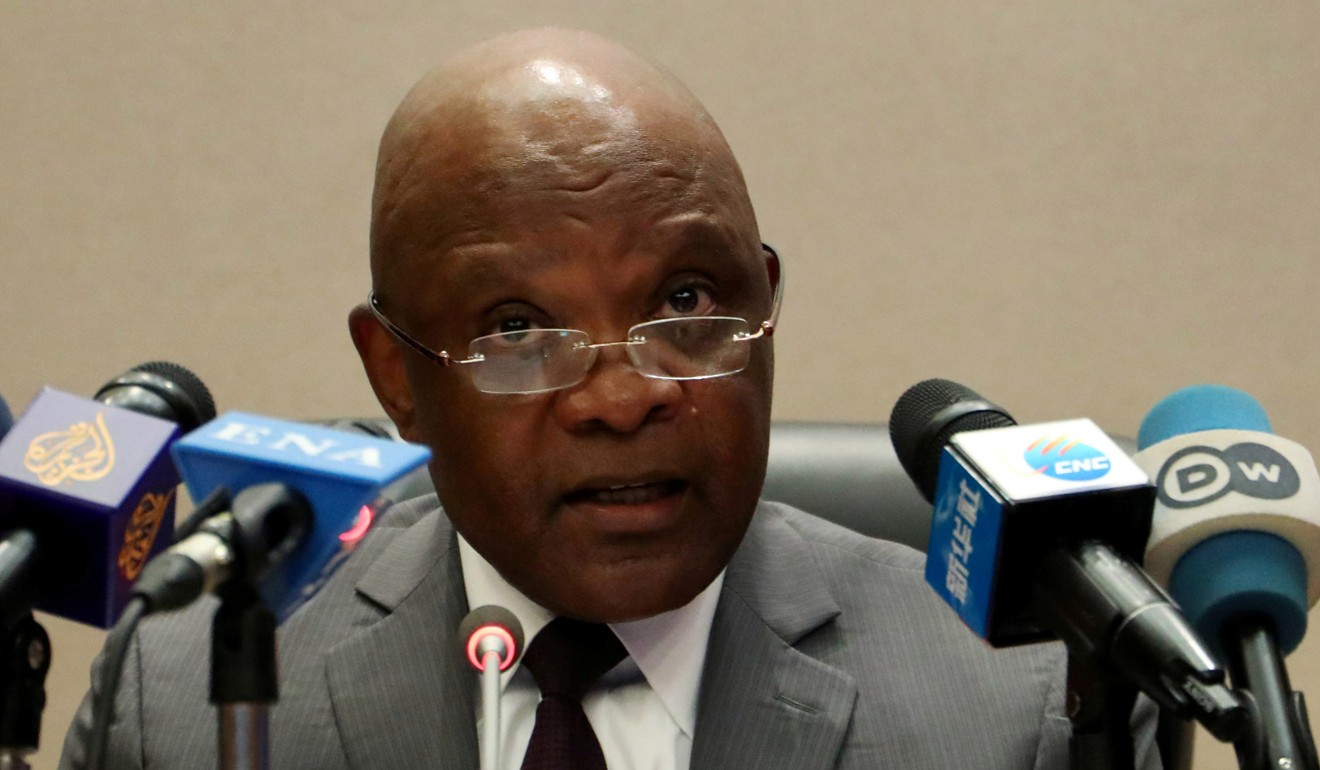
Africa CDC director John Nkengasong said it had been “investing in preparedness and response to the disease”. Photo: Reuters
John Nkengasong, director of the Africa Centres for Disease Control and Prevention (Africa CDC), said it was working closely with the WHO and other partners to ensure that Egypt had the diagnostic tools it needed, and that the right actions were taken to contain the spread of the virus.
“We anticipated that the Covid-19 outbreak would inevitably impact Africa. That is why the Africa CDC has been working actively with African Union member states and partners in the past four weeks and investing in preparedness and response to the disease,” he said.
“[Last week in Dakar, Senegal] we conducted training and supplied test kits to 16 African laboratories, including from Egypt. Egypt also received additional test kits from the WHO,” Nkengasong said.
The Africa CDC would train 40 health workers from nine countries, including Egypt, in Nairobi this week, he said, on “enhancing detection and investigation of Covid-19 at points of entry”.
The Chinese medical workers on the front line of the coronavirus fight in Wuhan
On Monday, Ethiopia, home to one of the continent’s busiest airports, said it had received equipment and reagents for virus detection and control. “We are working hard day and night with the government to improve the critical measures needed to ensure that the country is ready to effectively respond to an outbreak of Covid-19,” said Boureima Hama Sambo, the WHO representative in Ethiopia.
despite pressure for it to suspend services to the country. Many countries on the continent have restricted travel to and from mainland China, while six out of eight African airlines with Chinese routes have halted flights until the virus is contained, including EgyptAir.
Egypt has suspended all flights to and from the mainland until the end of the month and has evacuated more than 300 Egyptians from Wuhan, the epicentre of the epidemic.
Source: SCMP
Posted in africa, Africa CDC, Africa Centres for Disease Control and Prevention (Africa CDC), African, airports, asymptomatic patient, Cameroon, Central African Republic, confirmed, coronavirus, coronavirus case, COVID-19, diagnose, Disease, Ebola virus, Egypt, EgyptAir, Egyptian health officials, Egyptians, epicentre, epidemic, Ethiopia, Ethiopian Airlines, evacuated, Forty countries, Gabon, Ghana, Ivory Coast, Kenya, mainland, monitoring, Morocco, nations, Nigeria, outbreak, Pasteur Institute, ports of entry, sends, Senegal, South Africa, Surveillance, Syria, test kits, the Democratic Republic of Congo, Tunisia, Uganda, Uncategorized, WHO, Wuhan, Zambia |
Leave a Comment »
08/09/2019
- International watchdog to vote on whether to extend restrictions to southern African countries that are the biggest exporters
- If passed, China may find it hard to buy elephants from Africa
An elephant is hoisted into Chongqing zoo in southwestern China, on loan from another Chinese zoo. Photo: Reuters
China, one of the leading buyers of African elephants, could face difficulty in acquiring the mammals if a widening of a ban on their sale to zoos is ratified next week by the global regulator of wildlife trade.
A motion further restricting the sale of live elephants was on Sunday supported by 46 countries at the committee stage of the Convention on International Trade in Endangered Species of Wild Fauna and Flora (Cites) in Geneva. It will go to a final vote on August 28.
The sale of elephants from West, Central and East Africa is already banned – but there is a lower level of protection for them in southern African countries such as South Africa, Namibia and Zimbabwe, which are the top three exporters of wild elephants to overseas zoos, according to Cites.
Keeping elephants caught from the wild in zoos is considered cruel by conservation and animal rights groups.
Conservationists criticised Zimbabwe’s capture of 35 baby elephants that were exported to a Chinese zoo in February. There was also uproar from activists in 2015 when a video filmed in a Chinese zoo showed two dozen elephants bought from Zimbabwe exhibiting signs of distress.
Zimbabwe was among 18 countries that opposed the potential ban at the committee stage, along with the United States – another leading buyer of elephants from Africa. China was one of 19 countries that abstained, while the European Union’s 28 countries did not vote.
If the motion is passed, China and the US – both known to be buying elephants from Africa and keeping them in so-called captive facilities or zoos – may find it hard to source the animals from the continent. Zimbabwe has come under
global scrutiny
for its capture and sale of elephants to captive facilities including zoos and safari parks in China and the US.
Peter Knights, founder and chief executive of WildAid, an environmental organisation in San Francisco, explained that Cites still allowed the movement of live elephants for on-site conservation efforts such as moving the animals back into the wild or to a national park where they had been depleted.
“This is not primarily a conservation issue but more about animal welfare,” he said. “As highly social, intelligent animals, African elephants do not usually do well in captivity, requiring very large areas, and often developing behavioural problems in captivity and not usually reproducing successfully – indicating far from ideal housing.”
According to Humane Society International, which promotes animal welfare, Zimbabwe has sold more than 100 baby elephants to zoos in China since 2012, with a further 35 reportedly awaiting export.
On Monday, 55 elephant specialists protested to the US wildlife management agency about plans for the country’s zoos to import juvenile elephants caught in the wild from Zimbabwe. They asked the agency to prohibit imports of wild-caught elephants for captivity in US facilities.
“We are vehemently opposed to the proposed imports,” the experts wrote in a letter to the agency. “Young elephants are dependent on their mothers and other family members to acquire necessary social and behavioural skills. Male calves only leave their natal families at 12 to 15 years old and females remain for life. Disruption of this bond is physically and psychologically traumatic for both the calves and remaining herds and the negative effects can be severe and lifelong.”
The letter said that eSwatini, formerly Swaziland, had sold a total of 11 wild elephants to two American zoos in 2003, and a further 18 to three US zoos in 2016.
‘Hundreds’ of elephants are being poached each year in Botswana
Concerns about keeping elephants in zoos come at a time when the animals remain under threat in Africa from poachers who kill them for ivory.
Southern African countries such as Botswana, Namibia, Zimbabwe and Zambia are pushing to reopen the trade in ivory. Zambia is seeking to have the classification of its elephants downgraded to allow commercial trade in registered raw ivory with approved trading partners.
Other countries, including Kenya, Nigeria and Gabon, are seeking the highest possible levels of protection for all of Africa’s elephants.
Two previous attempts at regulating the ivory trade failed to curb poaching, which has caused elephant numbers to dwindle over the past two decades. A 2016 study estimated that 30,000 to 40,000 elephants were being killed every year, with about 400,000 remaining in total.
Knights, of WildAid, said that between 1975 and 1989 – the first period in which the ivory trade was regulated – half of Africa’s elephants were lost. During the second attempt at regulation between 2008 and 2017, participating countries claimed to have addressed the problem but poaching increased.
“It is clear that we cannot control ivory trade and that legal trade stimulates poaching and demand for ivory, rather than substituting for it as some countries suggest. The price fell by two-thirds when China banned domestic sales,” Knights said, adding that demand for ivory came primarily from Asia.
“Most seized shipments are en route to China. It has banned all sales and is making a great effort to crack down on illegal trade.”
Source: SCMP
Posted in affect, africa, African countries, African elephants, ban, Botswana, buy, China alert, Chongqing zoo, Convention on International Trade in Endangered Species of Wild Fauna and Flora (Cites), elephants, eSwatini, European Union, Gabon, Geneva, hoisted, Humane Society International, International watchdog, ivory, Ivory trade, Kenya, mammals, Namibia, Nigeria, poaching, safari parks, sale, San Francisco, South Africa, southern, Swaziland, Uncategorized, US, US-China relationship, vote, West, Central and East Africa, wild, WildAid, Zimbabwe, zoos |
Leave a Comment »
30/08/2019
BEIJING, Aug. 30 (Xinhua) — Chinese President Xi Jinping’s special envoy Yang Jiechi will pay official visits to Kenya, Nigeria and Sierra Leone early next month, Foreign Ministry Spokesperson Geng Shuang said Friday.
Yang, also a member of the Political Bureau of the Central Committee of the Communist Party of China (CPC) and director of the Office of the Foreign Affairs Commission of the CPC Central Committee, will exchange views with officials of the three countries respectively on promoting bilateral ties as well as international and regional issues of common concern, Geng said.
Yang will make the visits at the invitation of the three countries’ governments, Geng said.
Source: Xinhua
Posted in Chinese President Xi Jinping, director of the Office of the Foreign Affairs Commission of the CPC Central Committee, Kenya, Nigeria, official visits, Political Bureau of the Central Committee of the Communist Party of China (CPC), Sierra Leone, special envoy, Uncategorized, Yang Jiechi |
Leave a Comment »
18/08/2019
- Beijing will be watching as leaders of African nations and international organisations gather for development summit in Yokohama later this month
- Tokyo is expected to use the conference to articulate how its approach to aid and infrastructure is different from Chinese projects
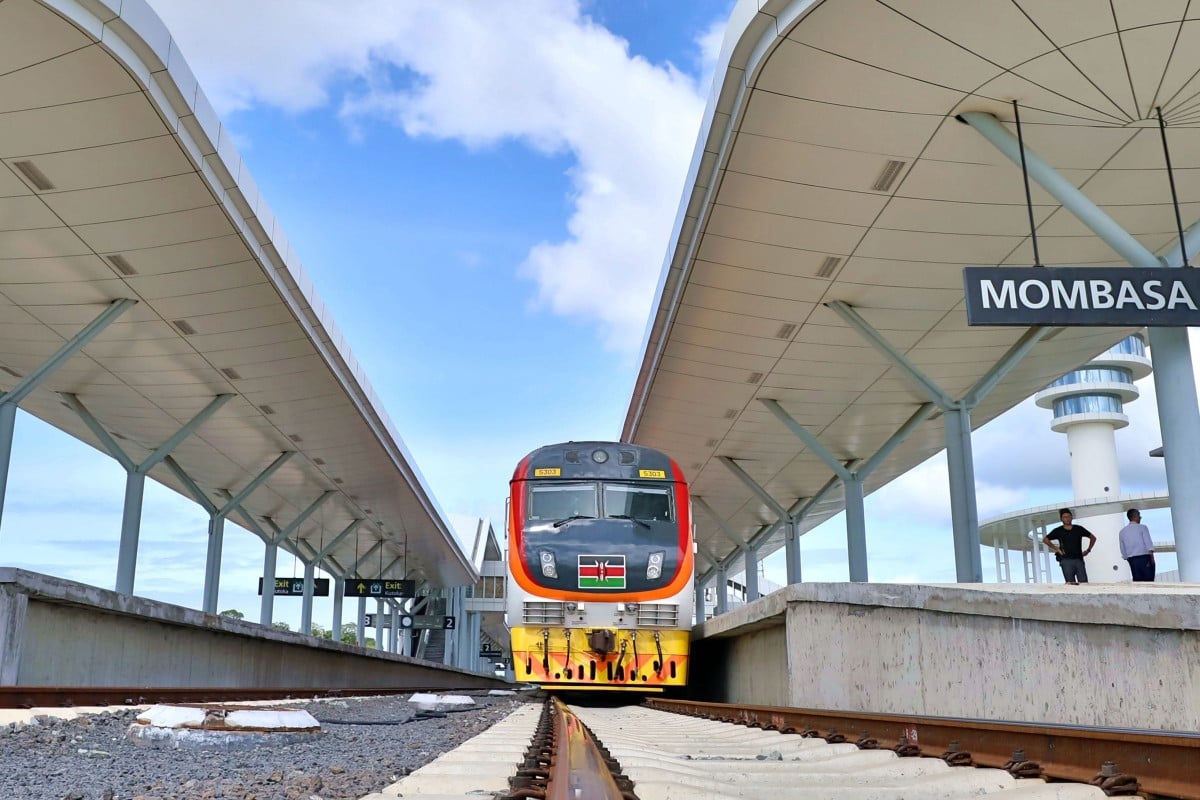
The Mombasa-Nairobi Standard Gauge Railway, funded by China, opened in 2017. Japan has criticised Chinese lending practices in Africa. Photo: Xinhua
The long rivalry between China and Japan is again playing out in Africa, with Tokyo planning to pour more aid into the continent and invest in infrastructure projects there.
Beijing – which has for decades funnelled money into the continent – will be watching as the leaders of 54 African countries and international organisations descend on Yokohama later this month for the seventh Tokyo International Conference on African Development (TICAD).
Japan reportedly plans to pledge more than 300 billion yen (US$2.83 billion) in aid to Africa during the conference. While that might not be enough to alarm China – which in recent years has been on a spending spree in the continent – it will be paying close attention.
Japan has in the past used the meetings to criticise Chinese lending practices in Africa, saying it was worried about the “unrealistic” level of debt incurred by African countries – concerns that China has dismissed.
This year, analysts expect Tokyo will use the conference to articulate how its approach to African development is substantively different from that of the Chinese.
“So, look for the words ‘quality’, ‘transparency’ and ‘sustainability’ to be used a lot throughout the event,” said Eric Olander, managing editor of the non-partisan China Africa Project.
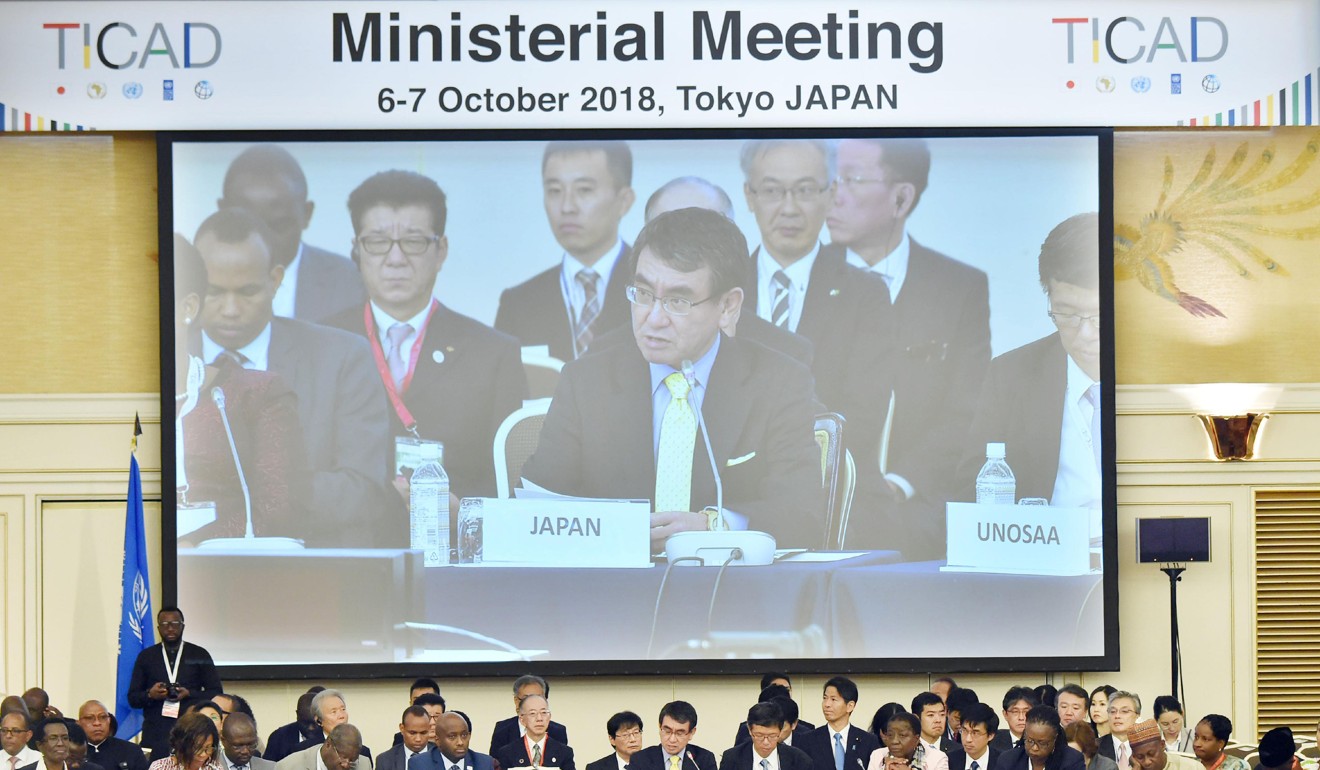
Japanese Foreign Minister Taro Kono gives a speech at the TICAD in Tokyo in October. Japan will reportedly pledge US$2.83 billion in aid to Africa this year. Photo: The Yomiuri Shimbun
Olander said Japan often sought to position its aid and development programmes as an alternative to China’s by emphasising more transparency in loan deals, higher-quality infrastructure projects and avoiding saddling countries with too much debt.
“In some ways, the Japanese position is very similar to that of the US where they express many of the same criticisms of China’s engagement strategy in Africa,” Olander said.
But the rivalry between China and Japan had little to do with Africa, according to Seifudein Adem, a professor at Doshisha University in Kyoto, Japan.
“It is a spillover effect of their contest for supremacy in East Asia,” said Adem, who is from Ethiopia.
“Japan’s trade with Africa, compared to China’s trade with Africa, is not only relatively small but it is even shrinking. It is a result of the acceleration of China’s engagement with Africa.”
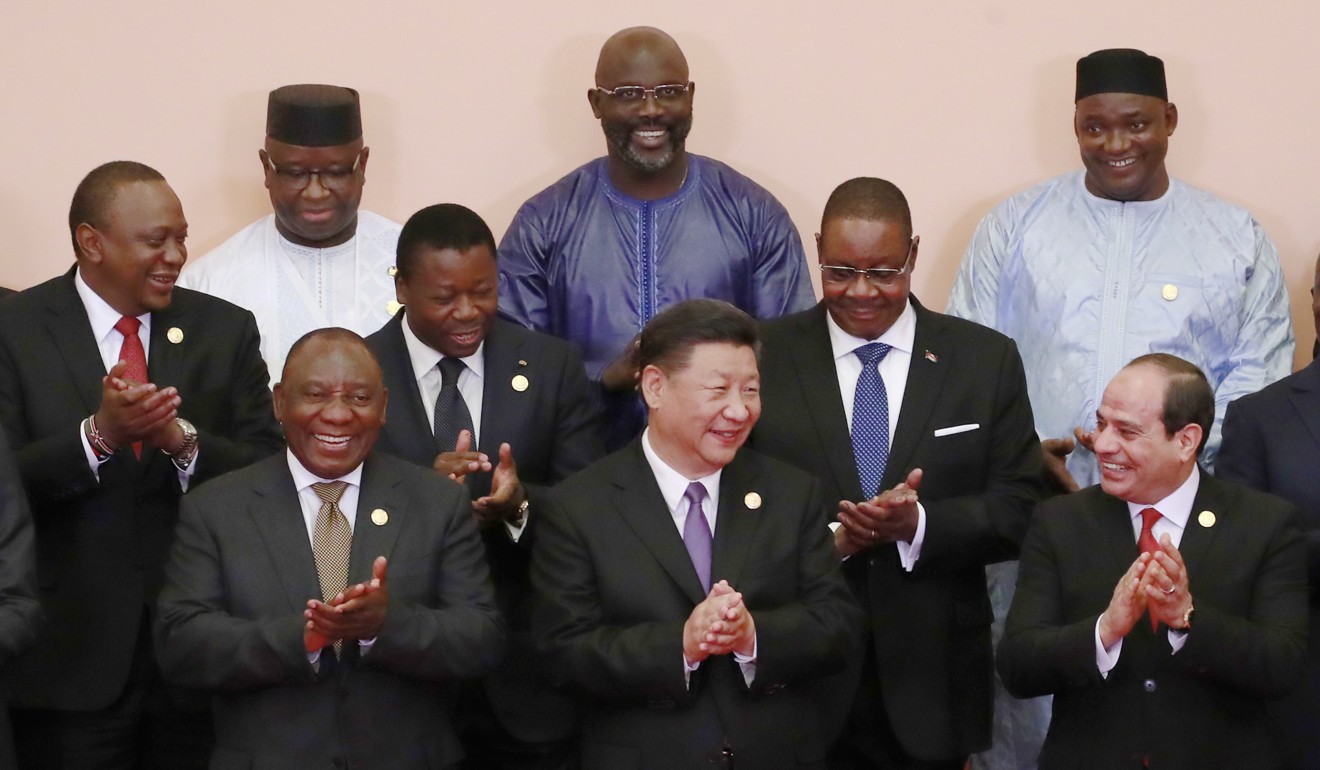
Chinese President Xi Jinping attends a group photo session with African leaders during the Forum on China-Africa Cooperation in Beijing last year. Photo: AP
Japan launched the TICAD in 1993, to revive interest in the continent and find raw materials for its industries and markets for products. About a decade later, China began holding a rival event, the Forum on China-Africa Cooperation.
It is at heart an ideological rivalry unfolding on the continent, according to Martin Rupiya, head of innovation and training at the African Centre for the Constructive Resolution of Disputes in Durban, South Africa.
“China cast Japan as its former colonial interloper – and not necessarily master – until about 1949. Thereafter, China’s Mao [Zedong] developed close relations, mostly liberation linkages with several African nationalist movements,” Rupiya said.
Beijing had continued to invoke those traditional and historical ties, which Japan did not have, he said.
“Furthermore, Japan does not command the type of resources – call it largesse – that China has and occasionally makes available to Africa,” Rupiya said.
Although both Asian giants have made inroads in Africa, the scale is vastly different.
While Japan turned inward as it sought to rebuild its struggling economy amid a slowdown, China was ramping up trade with African countries at a time of rapid growth on the continent.
That saw trade between China and Africa growing twentyfold in the last two decades. The value of their trade reached US$204.2 billion last year, up 20 per cent from 2017, according to Chinese customs data. Exports from Africa to China stood at US$99 billion last year, the highest level since the 1990s. Meanwhile, through its Belt and Road Initiative that aims to revive the Silk Road to connect Asia with Europe and Africa, China is funding and building Kenya’s Standard Gauge Railway and the Addis Ababa-Djibouti Railway. Beijing is also building major infrastructure projects in Zambia, Angola and Nigeria.
Japan’s trade with Africa is just a small fraction of Africa’s trade with China. In 2017, Japan’s exports to the continent totalled US$7.8 billion, while imports were US$8.7 billion, according to trade data compiled by the Massachusetts Institute of Technology.
How speaking with one voice could help Africa get a better deal from China
But Japan now appears eager to get back in the game and expand its presence in Africa, and analysts say this year’s TICAD will be critical – both in terms of the amount of money Tokyo commits to African development and how it positions itself as an alternative to the Chinese model.
Ryo Hinata-Yamaguchi, a visiting professor at Pusan National University in South Korea, said the continent was “economically vital to Japan, both in trade and investments”.
“Moreover, Japan has established some strong links with African states through foreign aid,” Hinata-Yamaguchi said.
“Japan’s move is driven by both economic and political interests. Economically, Japan needs to secure and maintain its presence in, and linkages with, the African states while opening new markets and opportunities,” he said.
To counter China’s belt and road strategy, Japan has launched the Asia-Africa Growth Corridor project, an economic cooperation deal, with India and African countries.
Tokyo meanwhile pledged about US$30 billion in public-private development assistance to Africa over three years at the 2016 TICAD, in Nairobi. But China offered to double that amount last year, during its Forum on China-Africa Cooperation in Beijing.
Still, Japan continues to push forward infrastructure projects on the continent. It is building the Mombasa Port on the Kenyan coast, while Ngong Road, a major artery in Nairobi, is being converted into a dual carriageway with a grant from Tokyo.
Japan is also funding the construction of the Kampala Metropolitan transmission line, which draws power from Karuma dam in Uganda. In Tanzania, it provided funding for the Tanzania-Zambia Railway Authority (Tazara) flyover. And through the Japan International Cooperation Agency, Tokyo also helps African countries improve their rice yields using Japanese technology.
There are nearly 1,000 Japanese companies – including carmakers like Nissan and Toyota – operating in Africa, but that is just one-tenth the number of Chinese businesses on the continent.
Are Chinese loans putting Africa on the debt-trap express?
Olander said Japan’s construction companies were among the best in the world, albeit not necessarily the cheapest, and that Tokyo was pushing its message about “high-quality” construction.
XN Iraki, an associate professor at the University of Nairobi School of Business, said Japan wanted to change its approach to Africa on trade, which had long been dominated by cars and electronics.
“[It has] no big deals like China’s Standard Gauge Railway. But after China’s entry with a bang – including teaching Mandarin through Confucius Institutes – Japan has realised its market was under threat and hence the importance of the TICAD, which should remind us that Japan is also there.”
Source: SCMP
Posted in Addis Ababa-Djibouti railway, africa, African Centre for the Constructive Resolution of Disputes, aid and infrastructure, alternative, Angola, Asia, Beijing, Belt and Road Initiative, Belt and Road Initiative (BRI), best in the world, carmakers, cars, cheapest, China Africa Project, China alert, Chinese President Xi Jinping, Chinese projects, colonial interloper, Confucius Institutes, construction companies, continent, counter, debt-trap express, development summit, different, Doshisha University in Kyoto, dual carriageway, Durban, East Asia, Electronics, Ethiopia, Europe, flyover, Forum on China-Africa Cooperation, Forum on China-Africa Cooperation (FOCAC), Forum on China–Africa Cooperation, high-quality development, ideological rivalry, Japan, Japanese Foreign Minister, Japanese technology, Kampala Metropolitan transmission line, Karuma dam, Kenya’s Standard Gauge Railway, Kenyan coast, largesse, leaders of African nations organisations, leaders of international organisations, Mandarin, Mao Zedong, Massachusetts Institute of Technology, master, Mombasa Port, Mombasa-Nairobi Standard Gauge Railway, Nairobi, Nigeria, Nissan, Pusan National University, quality, resources, rice yields, rivalry, seeks, Silk Road, South Africa, South Korea, Standard Gauge Railway, Sustainability, Tanzania, Tanzania-Zambia Railway Authority (Tazara), Taro Kono, TICAD, Tokyo, Tokyo International Conference on African Development (TICAD), Toyota, Transparency, Uganda, Uncategorized, University of Nairobi School of Business, watching, Yokohama, Yomiuri Shimbun, Zambia |
Leave a Comment »
10/02/2019
TAIYUAN, Feb. 9 (Xinhua) — More than 100 overseas students have been invited to an ancient town in north China’s Shanxi Province to join celebrations for Chinese New Year (Spring Festival), which falls on Feb. 5.
“An opening Pingyao welcomes you” is the celebration of the ancient town of Pingyao, running from Jan. 28 to Feb. 20. More than 100 students across the world participated in the opening ceremony on Jan. 28.
The students took part in celebrations, watching traditional performances, such as opera, acrobatics and magic shows, joining in the Spring Festival Gala, lantern shows, cultural exhibitions, and learning about the local customs.
Farhad Farzad, an Afghan student studying Chinese in a university in the city of Taiyuan, Shanxi’s capital, said it was the first time for him to celebrate Spring Festival. He wrote “happy new year” in Chinese with a writing brush.
Chisom Nwosu, from Nigeria, said that the festival atmosphere in Pingyao was jubilant and the performances were great. It was her chance to gain a better understanding of traditional Chinese folk culture.
Pingyao became a UNESCO world cultural heritage in 1997. It is famous for its well-preserved ancient city walls.
In the 1980s, there were rarely foreign visitors in Pingyao. However, the figure soared to 115,000 last year. The ancient town has received more than 1.5 million foreign tourists since 1997.
Source: Xinhua
Posted in Ancient northern town, celebrate, chinese new year, Nigeria, overseas students, Pingyao, Shanxi, Taiyuan, Uncategorized, UNESCO world cultural heritage |
Leave a Comment »





 CHINDIA ALERT: You'll be living in their world, very soon