22/04/2020
- Documentary puts China’s literary hero into context: there is Dante, there’s Shakespeare, and there’s Du Fu
- Theatrical legend Sir Ian McKellen brings glamour to beloved verses in British documentary
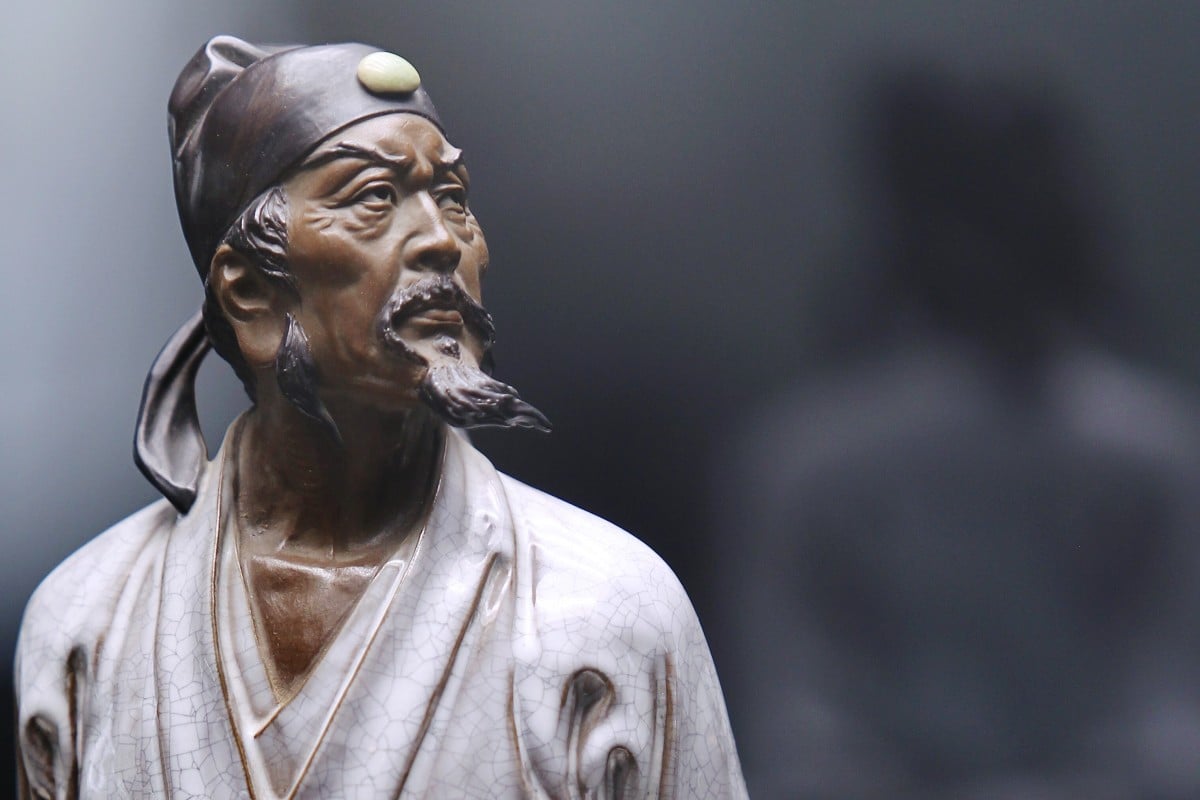
A ceramic figurine of Du Fu, a prominent Chinese poet of the Tang dynasty. Du is the subject of a new BBC documentary, thrilling devotees of his poetry. Photo: Simon Song
The resonant words of an ancient Chinese poet spoken by esteemed British actor Sir Ian McKellen have reignited in China discussion about its
literary history and inspired hope that Beijing can tap into cultural riches to help mend its image in the wake of
the coronavirus pandemic.
The BBC documentary Du Fu: China’s Greatest Poet has provoked passion among Chinese literature lovers about the poetic master who lived 1,300 years ago.
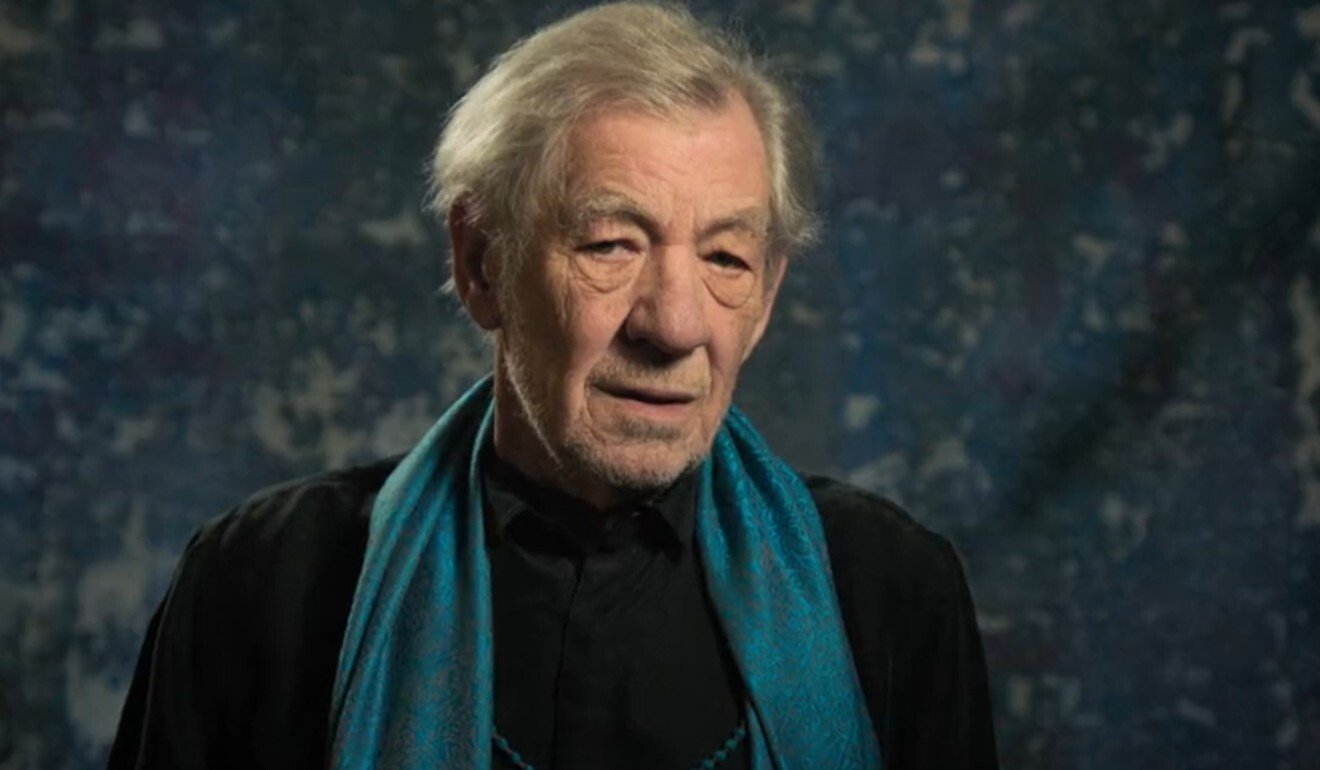
Sir Ian Mckellen read works of ancient Chinese poet Du Fu in Du Fu: China’s Greatest Poet. Photo: BBC Four / MayaVision International
The one-hour documentary by television historian Michael Wood was broadcast on television and aired online for British viewers this month but enthusiasm among Chinese audiences mean the trailer and programme have been widely circulated on video sharing websites inside mainland China, with some enthusiasts dubbing Chinese subtitles.
The documentary has drawn such attention in Du’s homeland that even the Communist Party’s top anti-graft agency has discussed it in its current affairs commentary column. Notably, Wood’s depiction of Du’s life from AD712 to 770 barely mentioned corruption in the Tang dynasty (618-907) government.
“I couldn’t believe it!!” Wood said in an email. “I’m very pleased of course … most of all as a foreigner making a film about such a loved figure in another culture, you hope that the Chinese viewers will think it was worth doing.”
Often referred to as ancient China’s “Sage of Poetry” and the “Poet Historian”, Du Fu witnessed the Tang dynasty’s unparalleled height of prosperity and its fall into rebellion, famine and poverty.
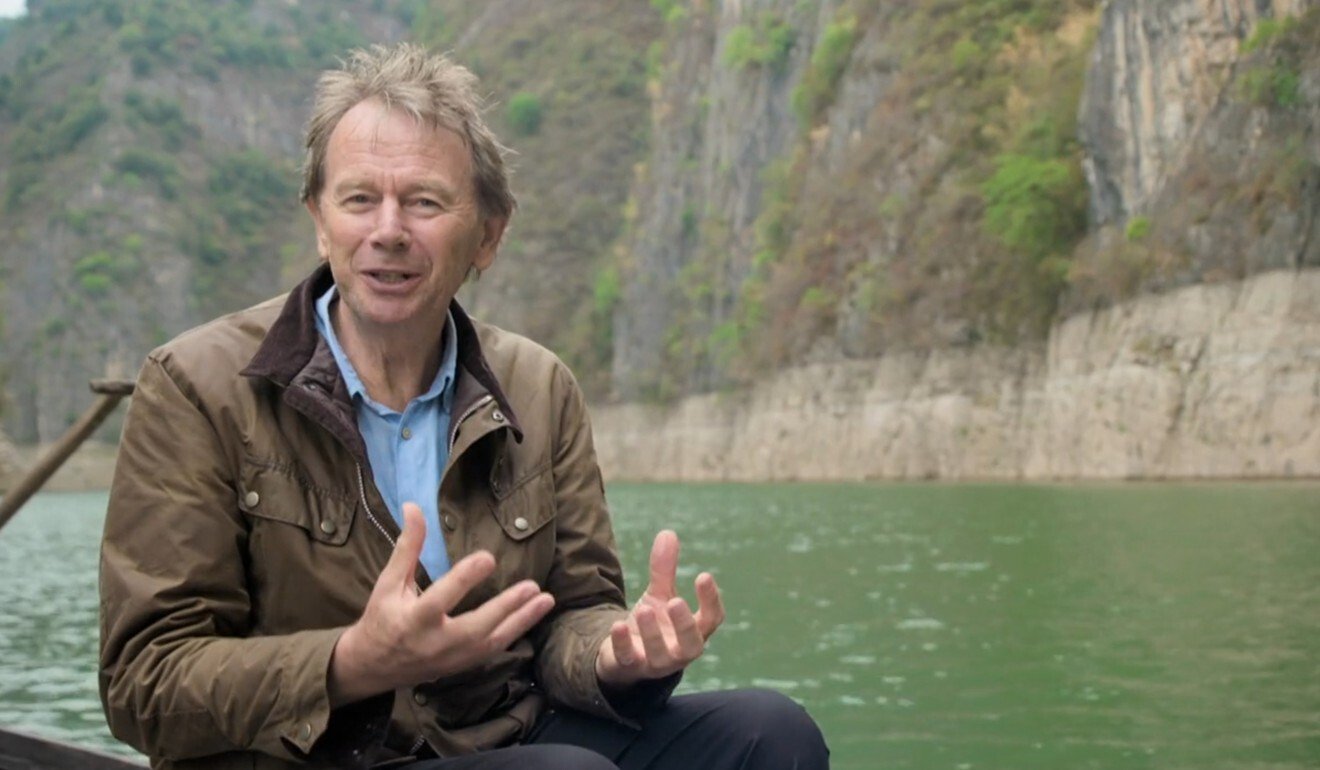
Writer, historian and presenter Michael Wood followed the footsteps of the ancient Chinese poet Du Fu in Yangtze River gorges. Photo: BBC Four / MayaVision International
Wood traced Du’s footsteps to various parts of the country. He interviewed Chinese experts and Western sinologists, offering historical and personal contexts to introduce some of Du’s more than 1,400 poems and verses chronicling the ups and downs of his life and China.
The programme used many Western reference points to put Du and his works into context. The time Du lived in was described as around the as the Old English poem
Beowulf was composed and the former Chinese capital, Changan, where
Xian is now, was described as being in the league of world cities of the time, along with Constantinople and Baghdad.
Harvard University sinologist Stephen Owen described the poet’s standing as such: “There is Dante, there’s Shakespeare, and there’s Du Fu.”
The performance of Du’s works by Sir Ian, who enjoyed prominence in China with his role as Gandalf in the Lord of the Rings movie series, attracted popular discussion from both media critics and general audiences in China, and sparked fresh discussion about the poet.
“To a Chinese audience, the biggest surprise could be ‘Gandalf’ reading out the poems! … He recited [Du’s poems] with his deep, stage performance tones in a British accent. No wonder internet users praised it as ‘reciting Du Fu in the form of performing a Shakespeare play,” wrote Su Zhicheng, an editor with National Business Daily.
A stone sculpture at Du Fu Thatched Cottage in Chengdu city, China. Photo: Handout
On China’s popular Weibo microblog, a viewer called Indifferent Onlooker commented on Sir Ian’s recital of Du’s poem My Brave Adventures: “Despite the language barrier, he conveyed the feeling [of the poet]. It’s charming.”
Some viewers, however, disagreed. At popular video-sharing website Bilibili.com, where uploads of the documentary could be found, a viewer commented: “I could not appreciate the English translation, just as I could not grasp Shakespeare through his Chinese translated works in school textbooks.”
Watching the documentary amid the coronavirus pandemic, some internet users drew comparisons of Du to Fang Fang, a modern-day award-winning poet and novelist who chronicled her life in Wuhan during the Covid-19 lockdown.

Shanghai pictured in April. Devastation wrought by the coronavirus pandemic has brought about a new suspicion of China. Photo: Bloomberg
The pandemic has infected more than 2.5 million people and killed more than 170,000. It has put the global economy in jeopardy, fuelling calls for accountability. British Foreign Secretary Dominic Raab last week called for a “deep dive” review and the asking of “hard questions” about how the coronavirus emerged and how it was not stopped earlier.
Steve Tsang, director of the SOAS China Institute at University of London, said the British establishment and wider public had changed its perception of Beijing as questions arose about outbreak misinformation and the political leverage of personal protective gear supply.
“The aggressive propaganda of the Chinese government is getting people in the UK to look more closely at China and see that it is a Leninist party-state, rather than the modernising and rapidly changing society that they want to see in China,” Tsang said.
On Sunday, a writer on the website of the National Supervisory Commission, China’s top anti-corruption agency, claimed – without citing sources – that the Du Fu documentary had moved “anxious” British audience who were still staying home under social distancing measures.
“If anyone wants to put the fear of the coronavirus behind them by understanding the rich Chinese civilisation, please watch this documentary on Du Fu,” it wrote, adding that promoting Du’s poems overseas could help “healing and uniting our shattered world”.
English-language state media such as CGTN and the Global Times reported on the documentary last week and some Beijing-based foreign relations publications have posted comments about the film on Twitter.
Wood said he had received feedback from both Chinese and British viewers that talked about “the need, especially now, of mutual understanding between cultures”.
“It is a global pandemic … we need to understand each other better, to talk to each other, show empathy: and that will help foster cooperation. So even in a small way, any effort to explain ourselves to each other must be a help,” Wood said.
He said the idea for producing a documentary about Du Fu started in 2017, after his team had finished the Story of China series for BBC and PBS.
Du Fu: China’s Greatest Poet first aired in Britain on April 7 on BBC Four, the cultural and documentary channel of the public broadcaster. It is a co-production between the BBC and China Central Television.
Wood said a slightly shorter 50-minute version would be aired later this month on CCTV9, Chinese state television’s documentary channel.
The film was shot in China in September, he said.
“I came back from China [at the] end of September, so we weren’t affected by the Covid-19 outbreak, though of course it has affected us in the editing period. We have had to recut the CCTV version in lockdown here in London and recorded two small word changes on my iPhone!” Wood said.
Source: SCMP
Posted in 1,300, accountability, Actor, aired, amid, among, ancient poetry, anti-corruption agency, April, “deep dive”, “hard questions”, “healing and uniting our shattered world”, “Poet Historian”, “Sage of Poetry”, Baghdad, BBC, BBC Four, Beijing, beloved, Beowulf, brings, British, British Foreign Secretary, broadcast, brought, CCTV9, ceramic figurine, Changan, Chengdu, China, China Central Television, China’s, Chinese, Chinese audiences, Chinese capital, Chinese civilisation, Chinese experts, Chinese poet, Chinese subtitles, chronicling, co-production, composed, Constantinople, context, coronavirus, Coronavirus pandemic, COVID-19 outbreak, cultural riches, Dante, Devastation, devotees, different, director, discussion, documentary, downs, Du Fu, Du Fu Thatched Cottage, Du Fu: China’s Greatest Poet, dubbing, earlier, email, emerged, enthusiasm, enthusiasts, esteemed, fall, famine, Film, followed, footsteps, former, Gandalf, glamour, global economy, Global Times, gorges, Harvard University, height of prosperity, help mend, historian, hope, image, inside, inspired, into, iPhones, jeopardy, league of world cities, legend, literary hero, literary history, literature lovers, lived, lockdown, London, Lord of the Rings, Mainland China, mean, Michael Wood, National Business Daily, National Supervisory Commission, new, Old English poem, online, passion, PBS, poems, poetic master, poetry, poverty, presenter, programme, prominent, provoked, puts, rebellion, recorded, recut, reignited, resonant, review, September, Shakespeare, Shanghai, shot, show, side, sinologist, Sir Ian McKellen, SOAS China Institute, spoken, stopped, Story of China, subject, Sunday, suspicion, tap, Television, television historian, Theatrical, there, there’s, this month, thrilling, trailer, Twitter, Uncategorized, unease, University of London, unparalleled, UPS, verses, video sharing, viewers, wake, websites, Weibo, Western sinologists, widely circulated, witnessed, words, writer, wrought, Xi’an, Yangtze River, years ago |
Leave a Comment »
27/03/2020
BEIJING/SHANGHAI (Reuters) – Chinese President Xi Jinping told U.S. President Donald Trump during a phone call on Friday that he would have China’s support in fighting the coronavirus, as the United States faces the prospect of becoming the next global epicentre of the pandemic.
The United States now has the most coronavirus cases of any country, with 84,946 infections and 1,259 deaths. Hospitals in cities like New York and New Orleans struggle to cope with the wave of patients.
Xi’s offer of assistance came amid a long-running war of words between Beijing and Washington over various issues including the coronavirus epidemic.
Trump and some U.S. officials have accused China of a lack of transparency on the virus, and Trump has at times called the coronavirus a “China virus” as it originated there, angering Beijing.
In the call, Xi reiterated to Trump that China had been open and transparent about the epidemic, according to an account of the conversation published by the Chinese foreign ministry.
Trump said on Twitter that he discussed the coronavirus outbreak “in great detail” with Xi.
“China has been through much & has developed a strong understanding of the virus,” Trump said. “We are working closely together. Much respect!”.
The World Health Organization has said the United States, which saw 17,099 new coronavirus cases and 281 deaths in the past 24 hours, is expected to become the epicentre of the pandemic.
CHINA CUTS FLIGHTS
Like U.S. hospitals now, China’s medical system struggled to contain the coronavirus just two months ago, but draconian city lockdowns and severe travel restrictions has seen China dramatically ease the epidemic.
Mainland China on Friday reported its first local coronavirus case in three days and 54 new imported cases, as Beijing ordered airlines to sharply cut international flights, for fear travellers could reignite the coronavirus outbreak.
The 55 new cases detected on Thursday were down from 67 a day earlier, the National Health Commission said on Friday, taking the tally of infections to 81,340. China’s death toll stood at 3,292 as of Thursday, up by five from a day earlier.
The central province of Hubei, with a population of about 60 million, reported no new cases on Thursday, a day after lifting a lockdown and reopening its borders as the epidemic eased there.
The commercial capital of Shanghai reported the most new imported cases with 17, followed by 12 in the southern province of Guangdong and four each in the capital Beijing and the nearby city of Tianjin.
Shanghai now has 125 patients who arrived from overseas, including 46 from Britain and 27 from the United States.
In effect from Sunday, China has ordered its airlines to fly only one route to any country, on just one flight each week. Foreign airlines must comply with similar curbs on flights to China, although many had already halted services.
About 90% of current international flights into China will be suspended, cutting arrivals to 5,000 passengers a day, from 25,000, the civil aviation regulator said late on Thursday.
From Saturday, China will temporarily suspend entry for foreigners with valid visas and residence permits, in an interim measure, the foreign ministry added.
Before the new curbs, foreign nationals made up about a tenth of the roughly 20,000 travellers arriving on international flights every day, an official of China’s National Immigration Administration said last week.
As commercial flights dwindle, Chinese students from wealthy families are paying tens of thousands of dollars to fly home on private jets.
International demand for chartered and private flights into China increased 227% in March from a year earlier, said Shanghai-based private jet service provider iFlyPlus.
Notably, requests for flights from the United States to China rose 10-fold in late March, iFlyPlus told Reuters.
Source: Reuters
Posted in airlines, Beijing, borders, Britain, China’s, Chinese President Xi Jinping, city lockdowns, coronavirus, coronavirus epidemic, coronavirus outbreak, draconian, epicentre, fighting, Guangdong, hospitals, hubei province, iFlyPlus, international flights, lockdown, Mainland China, National Health Commission, New Orleans, New York, pandemic, patients, phone call, private jet service provider, reignited, Reuters, Shanghai, struggle, support, Tianjin, travellers, Twitter, U.S. President Donald Trump, Uncategorized, United States, Washington, World Health Organization |
Leave a Comment »
05/09/2019
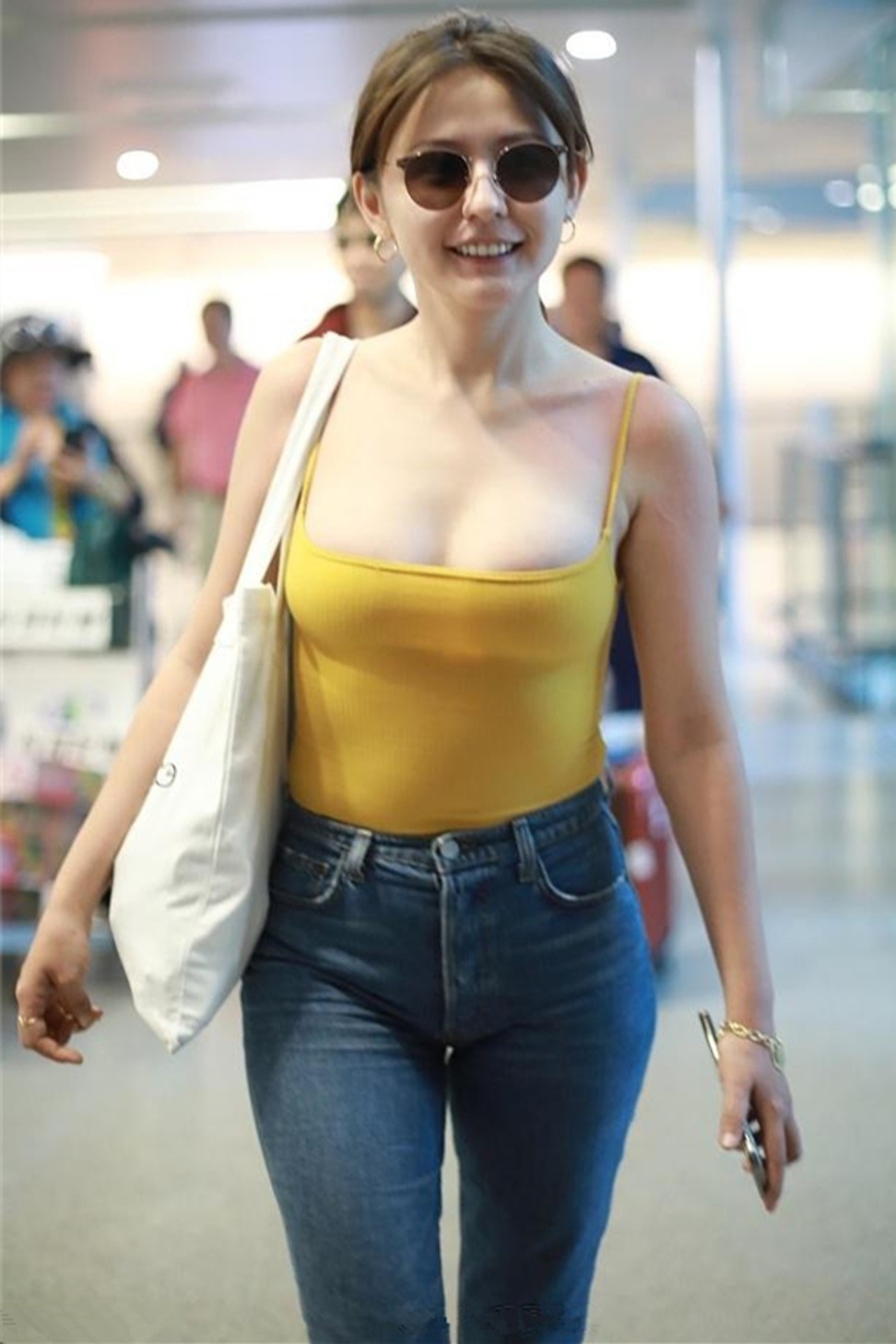
- When Kazakh actress Reyizha Alimjan arrived in Shanghai last month wearing jeans and a camisole it reignited a long-running debate over who gets a say on how Chinese women should dress
- Fashion choices that would be regarded as unremarkable in Europe or North America are often seen as outrageous in the world’s most populous nation
Kazakh actress Reyizha Alimjan’s fashion choices sparked a social media storm in China last month. Photo: Weibo
When Li Xiang broke up with her boyfriend over a selfie she posted on social media, it was not just about a woman letting a man know he wasn’t entitled to tell her how to dress in public, but a matter of personal freedom, social norms and cultural tradition.
A few weeks ago, the 24-year-old media worker from Shanghai shared a photo on WeChat that showed her posing at her bedroom door in a camisole and mini shorts. Her boyfriend said it made him very “uncomfortable”, and they quarrelled.
“‘Look how scantily clad you are, and [if] that is not enough, you shared it online,’ he said,” Li recalled.
“I got mad when he said, ‘You should go and ask other men if they’d like their girlfriends to dress like that’, as if he should decide what I wear – as if I were his appendage,” she said, referring to the archaic notion that a woman is secondary to a man in their relationship.
What clothes Chinese women should or should not wear has been the subject of intense online debate in recent weeks. Photo: EPA
Their argument was not unusual in China, especially over the past month when the online world became embroiled in a war of words about women’s freedom to dress as they please.
The controversy erupted when an article defending Reyizha Alimjan – the Kazakh actress criticised for showing too much flesh when she arrived at an airport in Shanghai in late July wearing jeans and a camisole – appeared on a WeChat movie review account called Staff of the 3rd Hall on August 12.
Reyizha Alimjan was criticised for her outfit on Chinese social media. Photo: Weibo
While that perspective was supported by many women online, others disagreed and said that society was open and tolerant but that people had the right to disagree.
By coincidence, a poll about women wearing camisoles in public was launched on August 10 by a WeChat account called Cicada Creativity. About 70 per cent of the nearly 14,000 respondents said they did not dare to do so.
More than 40 per cent avoided doing so for reasons such as thinking they were “not thin enough”, but a quarter said they said no because either their boyfriends disapproved or would not allow it, or they feared they would be harassed.
Chinese women spurn Victoria’s Secret for home-grown lingerie brands
Joy Lin, a feminist from Shanghai, said the debate was so fierce because it was not just about dress.
“It’s more about people’s judgment about one’s character and morals behind what she wears,” Lin said. “If you wear revealing clothes, they would say you are asking for harassment. If you show a little skin, you are frigid. And if you are casual, they call you ‘dama’ [Chinese slang, often derogatory, for middle-aged and elderly women].”
Some women say they are often judged by the clothes they wear. Photo: AP
In her experience, Lin said that if she appeared on the streets of Shanghai – the most cosmopolitan city in China – without a bra, there would be judgmental looks from passers-by before she had walked 10 metres (33 feet).
In contrast, she did just that in Paris in July, and, “no one stared at me or came near me at all”.
“Usually, when it comes to comments about what we wear, they’re not about whether the dress matches the hairstyle or things like that, but about our bodies, whether we’re slim or not and stuff like that,” she said. “Some [comments] can be very malicious and insulting.”
#MeToo rally accuses Hong Kong police of sexual violence against protesters
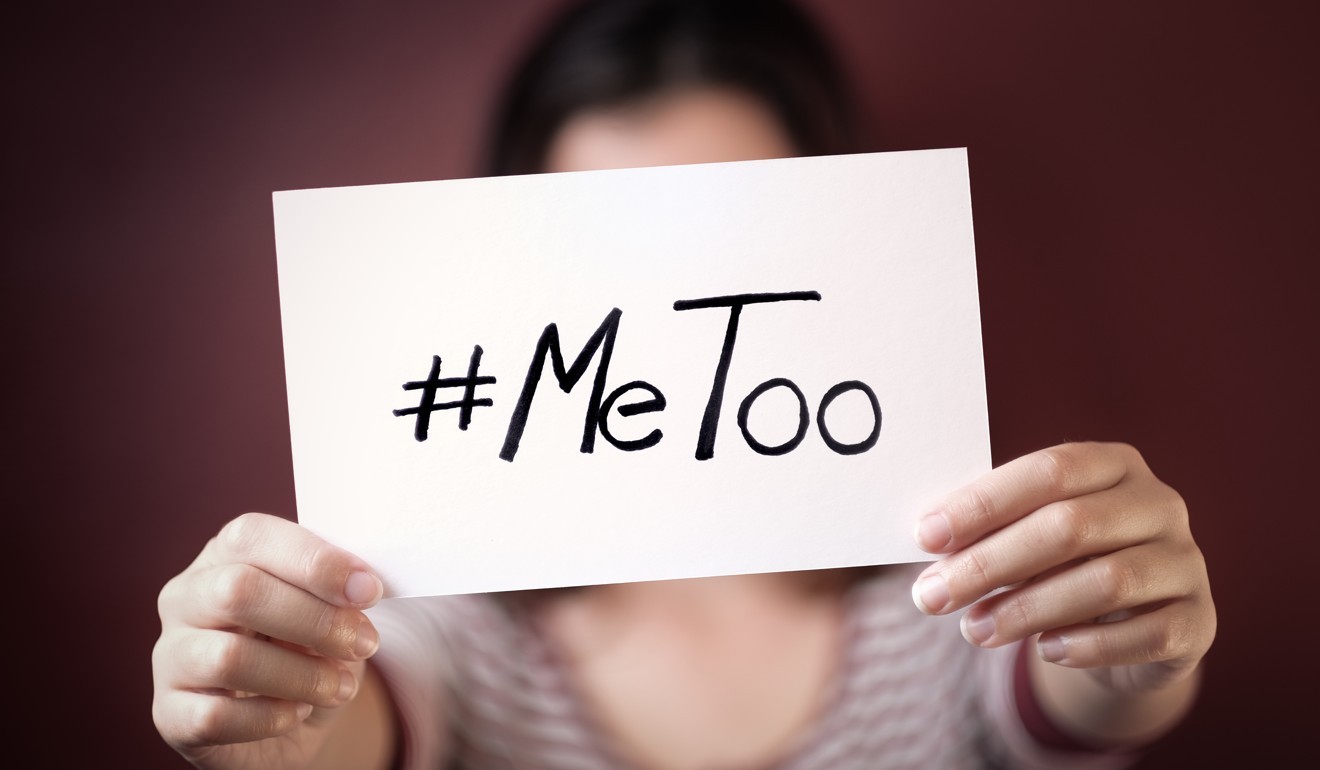
While shaming women for their clothing choices has been an issue for many years, it reached peak public awareness in China after the #MeToo movement took off in the US.
The social media campaign went viral in 2017 when dozens of women accused American film producer Harvey Weinstein of sexual assaults over a period of nearly 30 years.
The #MeToo movement took off in the US in 2017 after dozens of women accused film producer Harvey Weinstein of sexual assault. Photo: Shutterstock
Lu Peng, a researcher from the Shanghai Academy of Social Sciences, said the online debate helped encapsulate conflicts between a growing desire for freedom, gender norms and generations of tradition.
“There will hardly be a consensus on such a question about whether women have the freedom to dress,” he said. “But if this discussion can make people realise that men, not just women, also face restrictions in dressing, then it’s bringing progress.”
The simplest example was to dress for the occasion, which applies to both sexes.
“We have never been free in dressing. We’re only free within a certain extent … About what to wear in public, I don’t think we should emphasise freedom only and ignore the local culture and society,” Lu said.
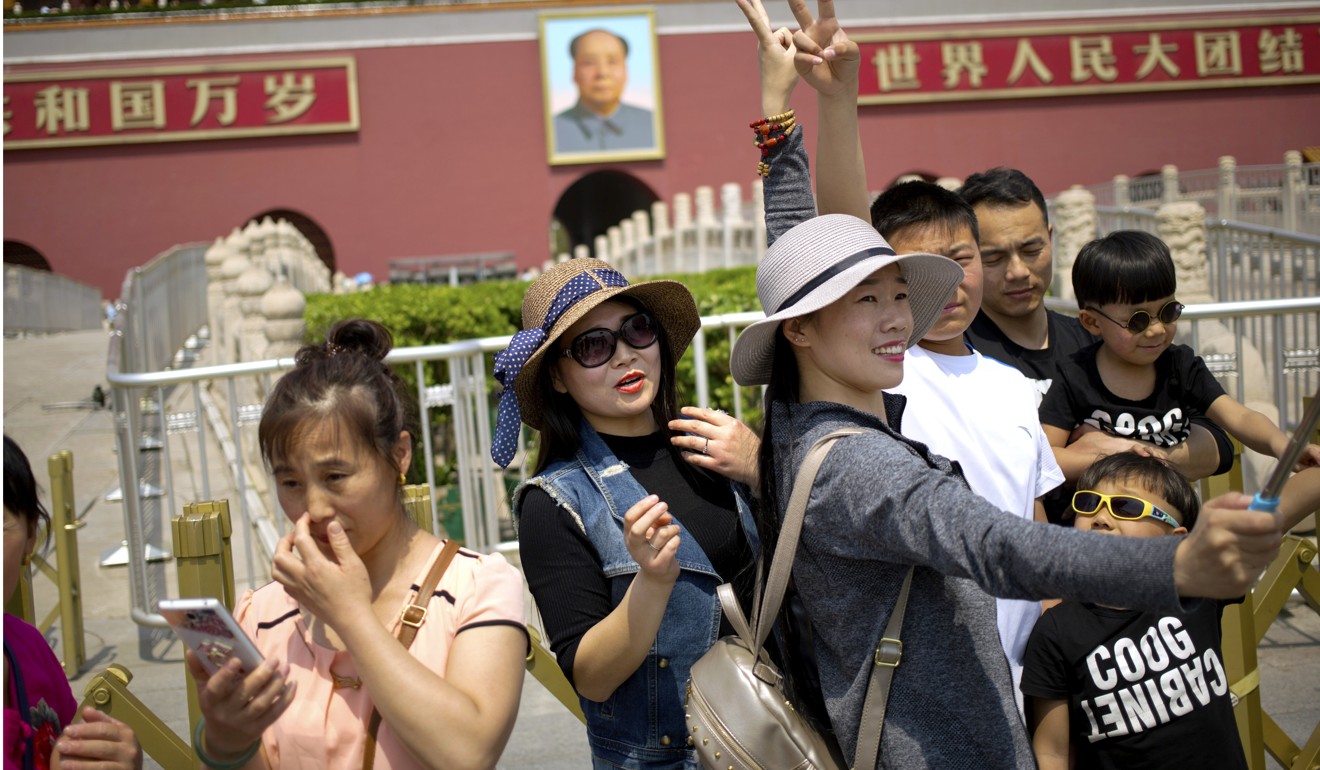
Keeping a low profile has long been part of the Chinese philosophy. Photo: Xinhua
In China, there is no law banning states of dress or undress in public, nor do the Han people, who make up most of the population, have religious beliefs that restrict their mode of dress. But keeping a low profile and avoiding unwanted attention has long been part of the Chinese philosophy.
“My father will also ask me not to be ‘overexposed’, because he believes it’s increasing the risk of being harassed,” Li, the Shanghai media worker, said.
“They think they mean well, but I just want to be myself. I’m not breaking any law. I want to make my own contribution in changing this culture,” she said.
Source: SCMP
Posted in #MeToo, actress, American film producer, archaic notion, battle, bedroom door, between, bra, brands, camisole, casual, Chinese women, Cicada Creativity, City, cosmopolitan, debate, derogatory, dress, elderly women, Europe, Fashion choices, feminist, fierce, Freedom, frigid, harassment, Harvey Weinstein, home-grown, Hong Kong police, insulting, jeans, judgment, judgmental looks, Kazakh, lingerie, long-running, malicious, middle-aged, mini shorts, morals, most populous nation, North America, one’s character, outrageous, Paris, passers-by, posing, public awareness, quarrelled, reignited, relationship, reveals, Reyizha Alimjan, scantily, secondary, sexual assaults, sexual violence, shaming women, Shanghai, Shanghai Academy of Social Sciences, social media storm, tradition, Uncategorized, uncomfortable, unremarkable, US, Victoria's Secret, wear, wearing, WeChat |
Leave a Comment »





 CHINDIA ALERT: You'll be living in their world, very soon