

- Yutu’s discovery of olivine helps pave the way for scientists to confirm existence of a mantle beneath the moon’s crust
- Crystallised mineral likely came from a crater caused by a meteor strike
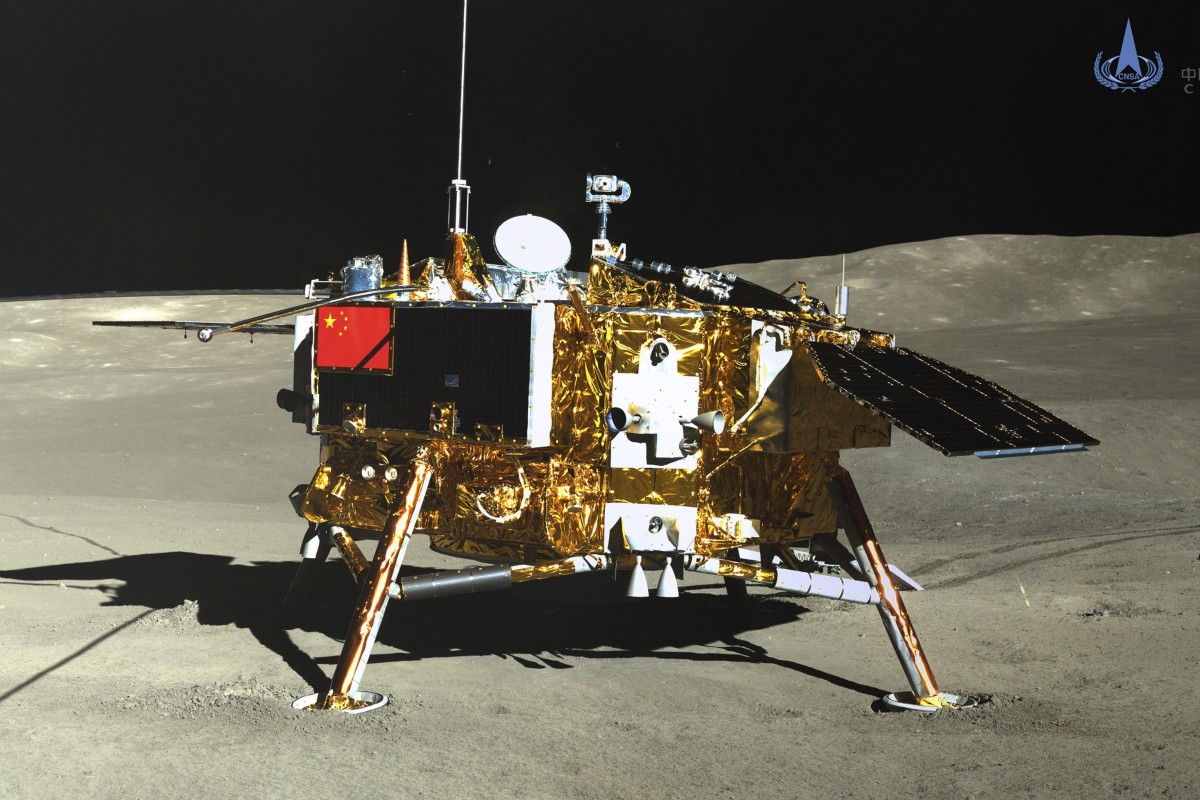
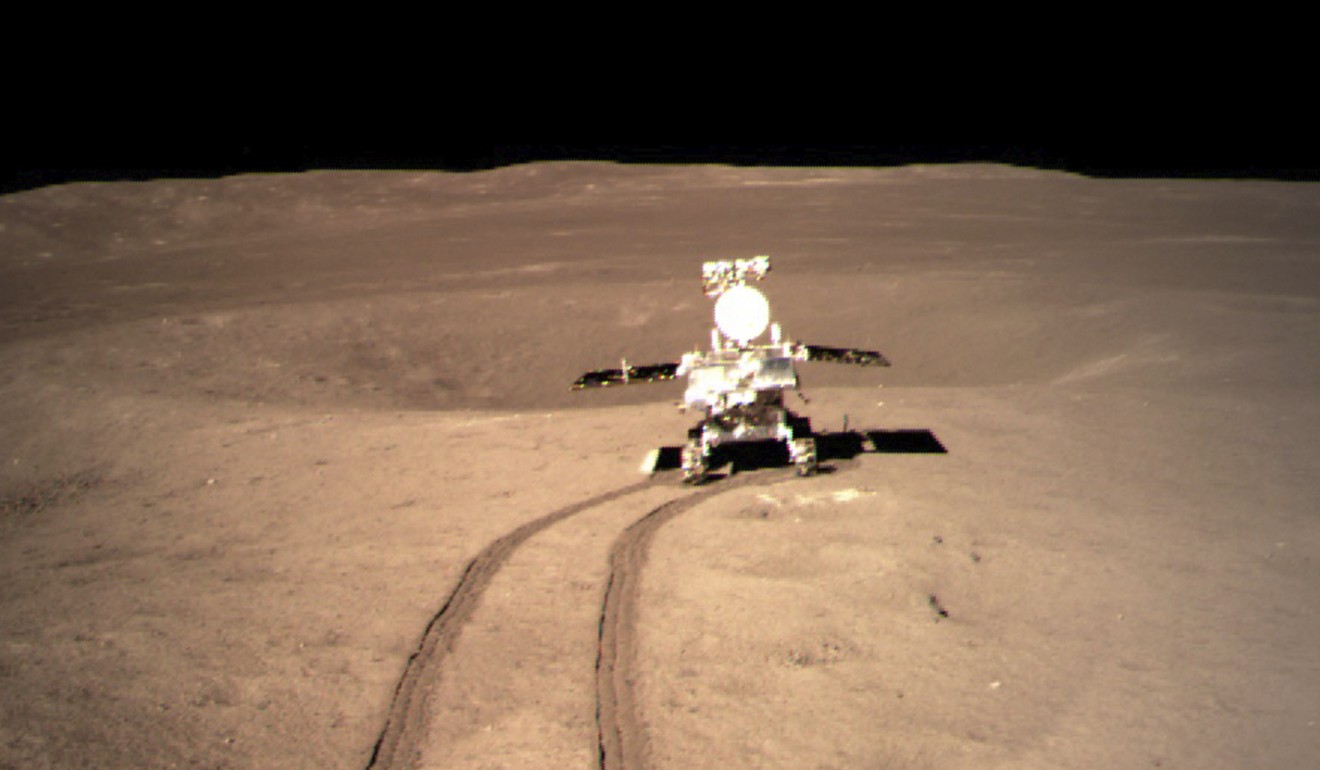
During its first mission on January 3, Yutu discovered olivine, a green, crystallised mineral usually found deep underground – like the upper mantle of the Earth – in surface samples collected near its landing site.
Further analysis showed that the olivine was not local, but had originated from a 72km diameter (45-mile) crater nearby.
The far side of the moon has more craters than the near side, which faces the Earth, and a meteor strike probably penetrated to the mantle and brought up materials to the surface.
“What we found is the first direct evidence of materials from deep below the lunar crust,” though how deep is still unknown, he said.
It is generally believed that the moon was once covered by oceans of molten rock. Lighter substances rose to the surface and formed a crust while heavier ones sank to form the mantle and core. The new findings support that theory.
China is the first country to land a rover on the far side on the moon and is planning to send a larger spacecraft there later this year to bring back samples.
The first Chinese astronauts will land on the moon between 2025 to 2030, according to Beijing’s latest schedule.
The Apollo missions brought back many rock samples, some of which contained olivine, but some scientists suspected they might have come from a volcanic eruption.
First photo of lunar rover leaving ‘footprints’ on moon
China, the United States and other nations have all announced plans to launch missions to exploit the moon’s resources within the next decade or two.
Yutu’s discovery could help scientists to draw a more accurate map of those resources, including the volume and distribution of minerals, researchers said.

US President Donald Trump gave Nasa an additional US$1.6 billion budget to put Americans back on the moon by 2024.
Li said Chinese scientists were willing to work with their colleagues in the US, but Washington had blocked any such collaboration.
“Our door remains open,” he said.
Source: SCMP

 CHINDIA ALERT: You'll be living in their world, very soon