Archive for ‘secretive’

31/03/2020

Tablighi Jamaat: Delhi Nizamuddin event sparks massive search for Covid-19 cases

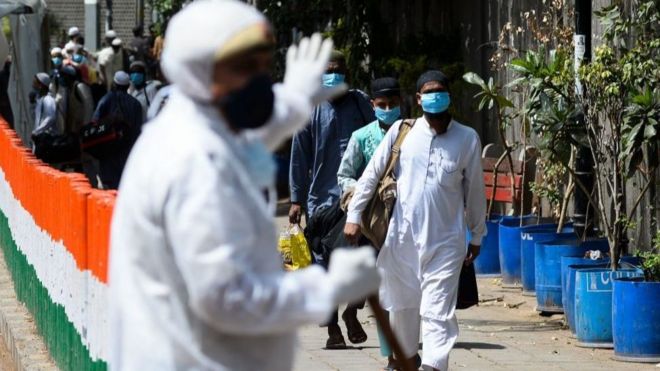
Hundreds have been leaving the mosque to be monitored or tested for the virusImage copyright GETTY IMAGES
Image caption Hundreds have been leaving the mosque to be monitored or tested for the virus

Officials across India are searching for hundreds of people who attended a religious event in the capital that has set off several Covid-19 clusters.

At least six regions have reported cases that can be directly traced to the days-long congregation at a mosque.

Delhi officials are now clearing the building, where more than 1,000 people have been stranded since the government imposed a lockdown last week.

At least 24 have tested positive so far, the state health minister said.

They are among some 300 people who showed symptoms and have been moved to various hospital to be tested, he told the media. Another 700 have been shifted into quarantine centres, he added.

It is believed that the infections were caused by preachers who attended the event from Indonesia.

State officials have called for action to be taken against mosque officials, but they have denied any wrongdoing.

Local media reports say that Nizamuddin – the locality where the mosque is located – has been cordoned off and more than 35 buses carrying people to hospitals or quarantine centres.

The congregation – part of a 20th Century Islamic movement called Tablighi Jamaat – began at the end of February, but some of the main events were held in early March.

It’s unclear if the event was ticketed or even if the organisers maintained a roster of visitors as people attended the event throughout, with some staying on and others leaving. Even overseas visitors, some of them preachers, travelled to other parts of the country where they stayed in local mosques and met people.
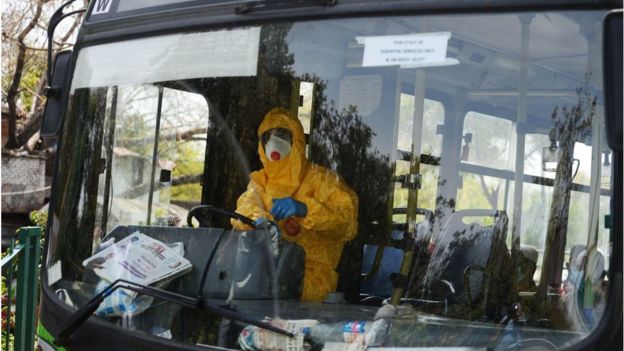
A man (in yellow) dressed in protective gear drives a special service bus taking people to a quarantine facility amid concerns about the spread of the COVID-19 coronavirus in Nizamuddin area of New Delhi on March 31, 2020Image copyright GETTY IMAGES

So officials have no easy way of finding out how many people attended the event or where they went. But they have already begun to trace and test.

The southern state of Telangana reported on Sunday night that six people who had attended the event died from the virus. The state’s medical officer told the BBC that more than 40 of Telangana’s 71 cases were either directly or indirectly linked to the event.

Indian-administered Kashmir reported its first death from the virus last week – a 65-year-old who had been in Delhi for the congregation. Officials told BBC Urdu that more than 40 of the region’s 48 cases could be traced back to that one patient.

A cluster has even appeared in the distant Andaman and Nicobar Islands, where six of the nine who have tested positive, had returned from the Delhi event.

The southern states of Tamil Nadu, Telangana and Andhra Pradesh have said more than 3,000 people from their states had attended the event, and Tamil Nadu has traced 16 positive patients to it.

States have also asked other people who attended to come forward for testing.

Delhi Chief Minister Arvind Kejriwal has asked for a police complaint to be registered against the head of the mosque.

However, the event’s organisers have issued a statement, saying they had suspended the event and asked everyone to leave as soon as Prime Minister Narendra Modi announced that there would be a day-long national curfew on 22 March.

While many were able to leave, they say, others were stranded because states began to seal their borders the following day, and two days later, India imposed a 21-day lockdown, suspending buses and trains.

The mosque’s premises include dormitories that can house hundreds of people.

The organisers say they informed the local police about all of this and continued to cooperate with medical officers who came to inspect the premises.

The mosque, the statement says, “never violated any provision of law, and always tried to act with compassion and reason towards the visitors who came to Delhi from different states. It did not let them violate the medical guidelines by thronging ISBTs (bus stops) or roaming on streets.”

This is not the first time religious congregations have been blamed for the spread of coronavirus.

Tablighi Jamaat events have also been blamed for spreading cases in Indonesia and Malaysia.

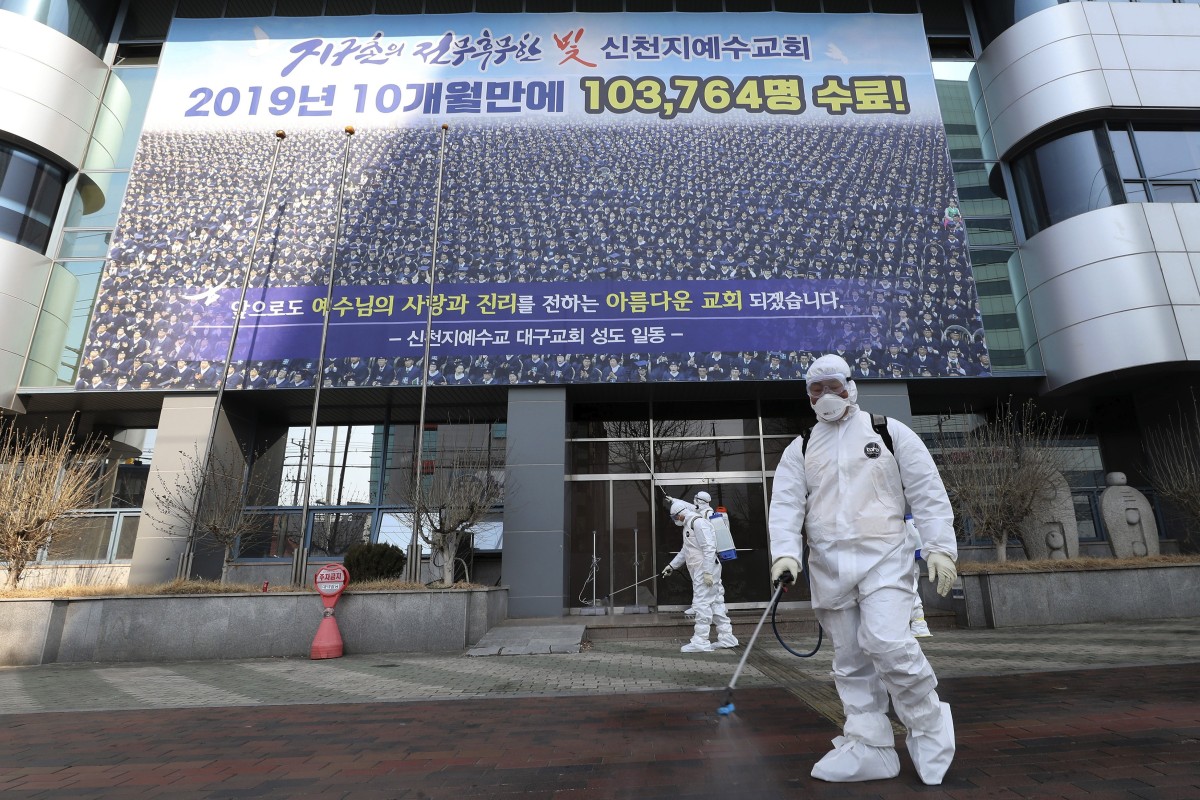
And in South Korea, many positive cases were linked to the Schincheonji church, a secretive religious sect, that has since apologised for its role in the outbreak.

Source: The BBC
28/02/2020

Coronavirus: secretive South Korean church linked to outbreak held meetings in Wuhan until December

  • Around 200 Shincheonji Church of Jesus members continued to meet in the Chinese city amid rumours of virus, but ‘no one took [claims] seriously’ at first
  • Around half the Covid-19 cases in South Korea have been linked to members of the religious group
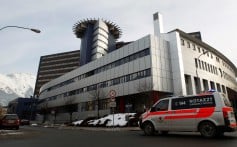
The Shincheonji church in Daegu has been linked to a cluster of infections. Photo: Yonhap via AP

Members of the Christian sect linked to a cluster of coronavirus cases in South Korea held meetings in Wuhan until December, only stopping when they realised that their community had been hit by Covid-19, the previously unknown disease caused by the virus.

The South China Morning Post has learned that the Shincheonji Church of Jesus in Wuhan, the Chinese city at the centre of the epidemic, has around 200 members, most of whom are currently under quarantine outside the city.

“Rumours about a virus began to circulate in November but no one took them seriously,” said one member, a 28-year-old kindergarten teacher.

“I was in Wuhan in December when our church suspended all gatherings as soon as we learned about [the coronavirus],” said the woman, who declined to be named because of the sensitivity of the matter.

She said the group was continuing to share sermons and teachings online, but most members had returned home at the start of the Lunar New Year holiday in late January.

The 250,000-member Shincheonji Church of Jesus is regarded by mainstream Christian groups as a secretive and unorthodox sect. Its founder, Lee Man-hee, has claimed that he is the second coming of Jesus Christ.

Around half the Covid-19 infections in South Korea have been linked to a branch of the church in Daegu.

Coronavirus spreads through Europe from Italy to Austria, Croatia, Tenerife

26 Feb 2020

According to the Korea Centres for Disease Control and Prevention, there were 977 confirmed cases as of Tuesday – the second highest number outside China – and 11 deaths.

Of the 84 new cases reported on Tuesday, over half were recorded in Daegu city.

Coronavirus: Churches on high alert as South Korea confirms huge rise in infections
A member of the church from Daegu reportedly visited China in January, and health officials in South Korea are investigating whether a cluster of infections in Cheongdo city is linked to a three-day funeral ceremony held at a local hospital.

Chinese sources said that the Shincheonji church has about 20,000 members in China – most of whom live in major cities such as Beijing, Shanghai, Dalian, Changchun and Shenyang.

One Christian pastor in Hubei province, who declined to be named, said that Shincheonji church members were hard-working and some continued to proselytise even during the outbreak.

Chinese cities quarantine travellers from South Korea amid spike in coronavirus cases

25 Feb 2020

The Wuhan kindergarten teacher said she was confident that the recent mass outbreaks in South Korea were not linked to Shincheonji church members from the city.

“I don’t think the virus came from us because none of our brothers and sisters in Wuhan have been infected. I don’t know about members in other places but at least we are clean. None of us have reported sick,” she said.

“There are so many Chinese travelling to South Korea, it’s quite unfair to pin [the disease] on us.”

Coronavirus: China reports 508 new Covid-19 cases, with only nine outside outbreak epicentre
She sidestepped questions on whether church members had travelled from Wuhan to South Korea after the outbreak.
The teacher said that in 2018 the Wuhan group’s “holy temple” in Hankou district had been raided by police “who branded us a cult”, but members continued to worship in small groups.
“We are aware of all the negative reporting out there after the outbreak in South Korea, but we do not want to defend ourselves in public because that will create trouble with the government,” she said. “We just want to get through the crisis first.”
Airfares from South Korea to China shoot up amid Covid-19 fears
25 Feb 2020

Bill Zhang, a 33-year-old Shanghai resident and a former missionary with Shincheonji, said the group’s secretive nature made it hard for the authorities to effectively crackdown on its activities.

He said the Shanghai branch held its main meetings on Wednesdays and Saturdays, attracting 300 to 400 people at a time.

“The Shincheonji church in Shanghai has been raided many times and police spoke to church leaders regularly.

“But the church members simply continued their meetings in smaller groups of eight-to-10 people and regrouped when the surveillance was relaxed.”

Zhang continued: “Shincheonji holds that it is the only real church that upholds the biblical truth and all other churches – mainstream or cults – are evil.”

Source: SCMP

Law of Unintended Consequences

continuously updated blog about China & India

ChiaHou's Book Reviews

continuously updated blog about China & India

What's wrong with the world; and its economy

continuously updated blog about China & India