Archive for ‘sociology’

03/04/2020

Coronavirus: Chinese academics’ open letter urges Beijing, Washington to come together to beat Covid-19

  • ‘As two of the great countries on Earth, cooperation between China and the US could, and should, be used to bring a more positive outcome for all humankind,’ academics say
  • ‘Political bickering does nothing to contribute to the healthy development of Sino-US relations, nor will it help the people of the world to rationally and accurately understand and cope with the pandemic,’ they say
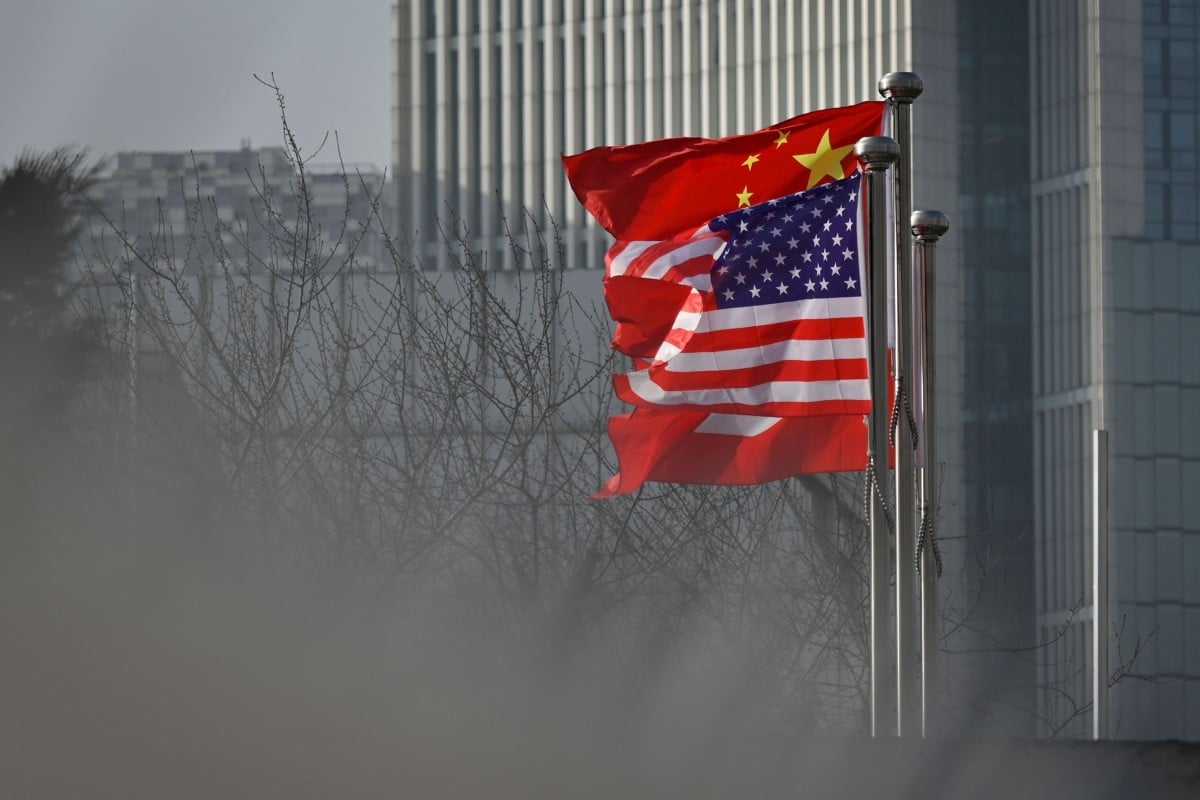
Chinese academics have urged nations to cooperate to find a solution to the global public health crisis. Photo: AFP
A group of 100 Chinese scholars has signed an open letter calling on the

United States

and China to put an end to their political blame game and work together to fight the

Covid-19 pandemic

.

The signatories, who include former diplomats and academics from various fields, including political science, international relations and sociology, said that while the origins of the coronavirus remained unknown, hurling accusations achieved nothing but hurt.

Nations should stop “complaining, finger-pointing and blaming one another” and instead cooperate to find a solution to the global public health crisis, they said.

“Political bickering does nothing to contribute to the healthy development of Sino-US relations, nor will it help the people of the world to rationally and accurately understand and cope with the pandemic,” the scholars said in the letter published on Thursday in online news magazine The Diplomat.

“As two of the great countries on Earth, cooperation between China and the US could, and should, be used to bring a more positive outcome for all humankind,” it said.

The scholars also urged the two sides to put aside their bickering over where and how the disease originated.

“At this stage of the pandemic, the exact source and origin of Covid-19 remain undetermined, but these questions are unimportant and finger-pointing is demeaning and hurtful to everyone,” they said.
US and Chinese officials have sparred for weeks over the origins of the coronavirus, which was first detected in the central Chinese city of Wuhan but has since spread around the world, infecting more than 1 million people and killing close to 53,000.
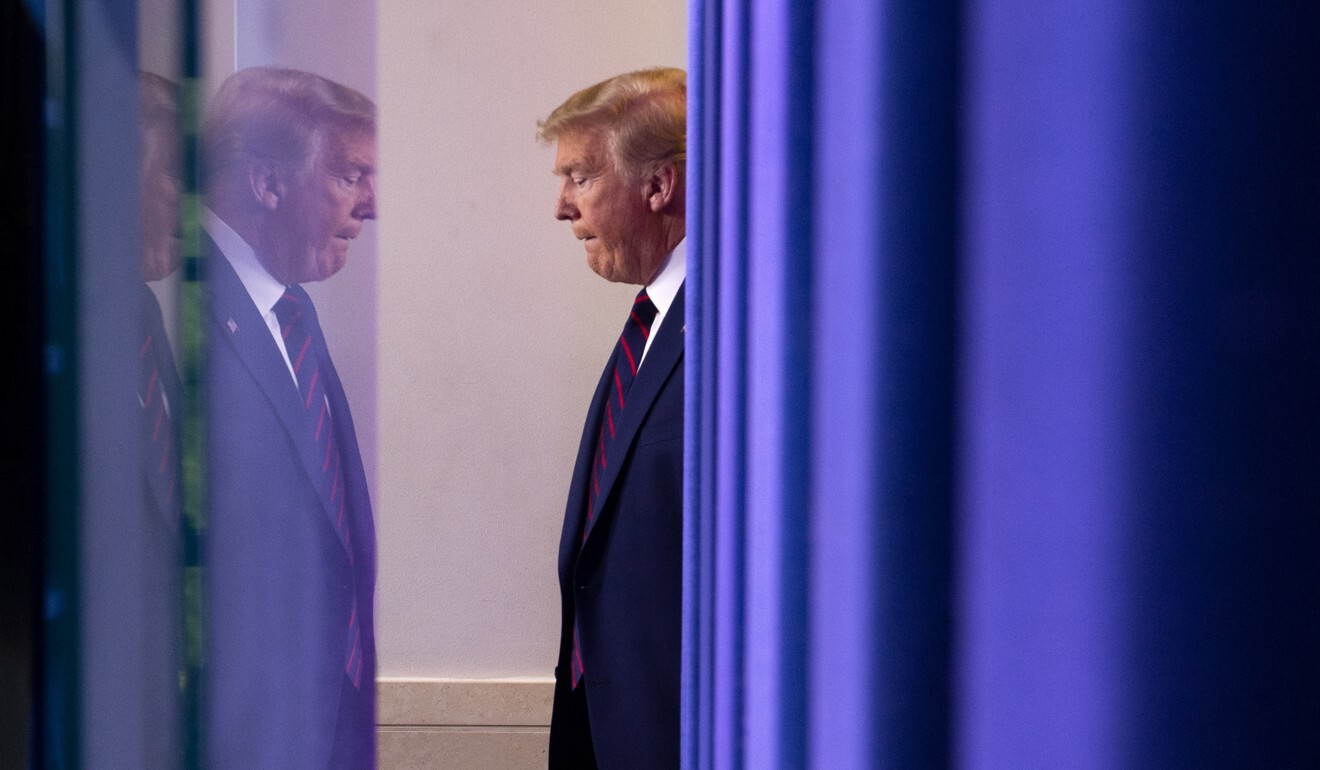
Donald Trump has repeatedly referred to the pathogen as the “Chinese virus”. Photo: Bloomberg
US President Donald Trump has repeatedly referred to the pathogen as the “Chinese virus”, while other US politicians have said it was created in a Chinese laboratory. For China’s part, foreign ministry spokesman Zhao Lijian suggested the coronavirus
 might have been carried into the country by US soldiers.
China’s ambassador to the US Cui Tiankai said in an interview on American television last month that speculating about the origin of the virus was “harmful”, but the finger-pointing on both sides has plunged relations between the two countries to a new low.

The open letter was the idea of Wang Wen, executive dean of the Chongyang Institute for Financial Studies at Renmin University in Beijing, who said its aim was not only to show the willingness of China’s intellectual elite to promote solidarity and reduce tensions, but to make clear that the priority right now was saving lives.

“We did not criticise anyone in the letter, or mention any names. We did not want to fuel the current disputes and confrontations,” he said.

“Most Chinese intellectuals are peaceful, rational and constructive, and thankfully we quickly reached consensus on the content of the letter.”

China to stage day of mourning for thousands killed by Covid-19

3 Apr 2020

The scholars said that after months of battling the coronavirus and seeing the situation at home improve, China now wanted to share its experience and knowledge with other countries as they seek to contain its spread.

“Chinese people have made unimaginable efforts and sacrifices to achieve hard-won results,” Wang said.

“We are grateful for the support of the international community, including donations from American friends, during the most critical stage of the fight … and we are willing to share our experiences with other countries and provide all available assistance to them.”
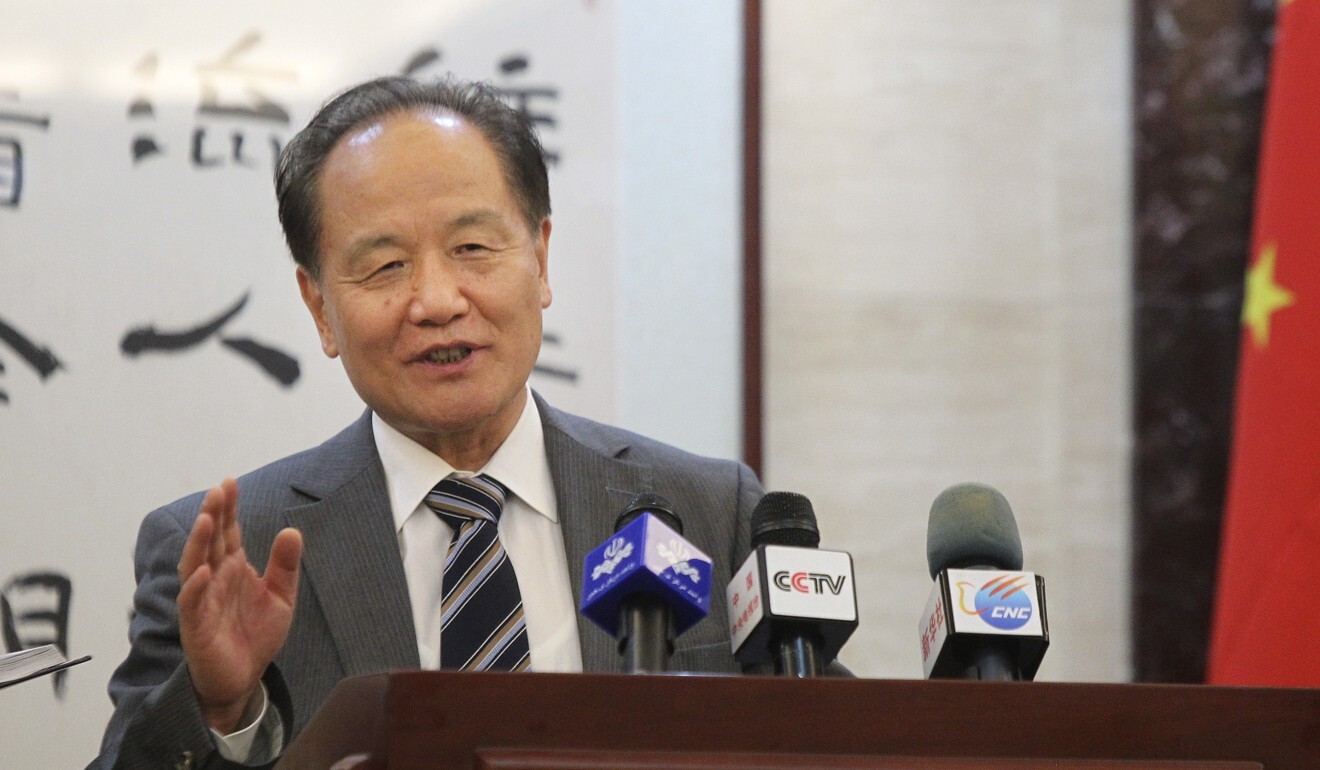
Wu Sike, a former Chinese special envoy to the Middle East, was among the signatories to the open letter. Photo: Xinhua
Among the other signatories were Wu Sike, a senior fellow at the Chongyang Institute for Financial Studies and former special envoy to the Middle East, and Wang Yiwei, an international relations professor at Renmin University, who described the Covid-19 pandemic as a “global issue that overrides geopolitics concerns”.
Chinese President Xi Jinping and Trump agreed in a telephone call last week to work together to contain the spread of Covid-19, but critics have questioned how long their cordiality can last against a backdrop of rising China-US tensions over trade, the media and regional security.
Source: SCMP
15/12/2018

Chinese sociology professor under fire for plagiarising academic papers

  • Nanjing University sociologist Liang Ying has had more than 130 papers published, but at least 15 of them were fraudulent, reports say
  • Academic also criticised for her lackadaisical attitude to teaching, including letting her father take her class
PUBLISHED : Saturday, 15 December, 2018, 9:09pm
UPDATED : Saturday, 15 December, 2018, 10:20pm

A sociology professor known for publishing scores of academic papers in both English and Chinese has been removed from her teaching post by Nanjing University for professional misconduct, according to a statement issued by her employer.

Liang Ying, who is on the faculty of the School of Social and Behavioural Sciences, became the subject of several media reports in October accusing her of plagiarising other people’s work or submitting duplicate manuscripts of at least 15 of her papers. The university said at the time it would investigate the allegations.

In its latest statement, the school said that Liang had “academic ethics and other moral problems” and described her violations as “serious”.

It also said it had “instructed relevant departments … to undertake deep self-reflection and serious self-criticism, and take practical measures to prevent such incidents from happening again”.

Liang, 39, joined Nanjing University in 2009 – where she had earlier completed her doctorate – after gaining a master’s degree from Suzhou University, and doing her postdoctoral research at Peking University and the University of Chicago.

In 2015 she was awarded a place on the Changjiang Scholars Programme, a prestigious award scheme set up by the Ministry of Education.

The university said in its statement that it was applying to have Liang stripped of all of her teaching qualifications and honorary titles.

By the time she joined Nanjing, the then 30-year-old had already had more than 30 papers published. Between 2009 and 2014 she managed to get a further 60 Chinese-language papers into print, and in the years after 2014 had 43 English-language papers published, according to the university’s website.

Despite her prolificacy, investigators discovered that in some instances her work had been either plagiarised or submitted to more than one publication, with only minor changes, China Youth Daily said in a recent report.

The article said that before her dismissal, Liang had since 2014 been asking online publishers to take down her Chinese-language papers on the grounds that her early work was fundamentally flawed.

Her efforts paid off as she succeeded in having more than 120 documents removed from an academic database. She also earned the nickname Professor 404, in reference to the 404 error message displayed online when a webpage cannot be found.

Aside from the allegations of cheating, Liang was also criticised by her students for her lack of commitment and lackadaisical attitude.

According to the newspaper report, the entire student body of her school signed a letter to the university’s administrators complaining about her misconduct as a teacher, including showing up late for lectures, and allowing other students – and sometimes even her father – take the class.

Other students accused Liang of leaving class early, playing with her phone during lectures and threatening to give them low grades if they scored her poorly in their reviews of her.

The university also received complaints about controversial remarks Liang was said to have made in class, including insensitive comments about the “comfort women” who were forced into sexual slavery by the Japanese during their occupation of China in the 1930s and 1940s, the report said.

In another instance, she is said to have boasted about using harrowing videos to trigger distressing memories in survivors of the 1937 Nanking massacre, it said.

Liang defended the research saying she used it to show how traumatic memories had a persistent impact on those areas of the brain that control emotion.

Law of Unintended Consequences

continuously updated blog about China & India

ChiaHou's Book Reviews

continuously updated blog about China & India

What's wrong with the world; and its economy

continuously updated blog about China & India