10/05/2020
- Police in Shaanxi province dug up 79-year-old from grave in woods after suspect’s wife tipped them off
- Woman is now in a stable condition in hospital while her son is facing an attempted murder charge
The woman was rescued from the grave in Shaanxi province after three days. Photo: Handout
A man in northwest China has been detained after his 79-year-old mother was buried alive.
The woman, who was partially paralysed, was rescued after three days and is in a stable condition in a hospital in Shaanxi province, police said.
Prosecutors in Jingbian county said the woman’s son, a 58-year-old identified only by his surname Ma, had been charged with attempted murder.
On Tuesday his wife told local police that Ma had taken the bedridden woman named Wang away on a cart and she had not returned home.
Police said the man had confessed to burying her in the woods and she was rescued later that day.
The elderly woman is now recovering in hospital. Photo: Handout
“Ma was there when police were digging up the two metre deep grave. He didn’t say anything or respond when he saw his mother was still alive,” an unidentified Jingbian police official told news portal Thepaper.cn.
The website reported that Ma had been sent to live with his uncle after his father died, while his mother remarried and moved to Gansu province with her younger son when Ma was 12 years old.
The mother returned to Jingbian a few years ago to live with the younger son after her second husband died and only moved in to Ma’s house last year when her health started to deteriorate.
Breakthrough in 28-year-old Chinese murder case as DNA test leads police to suspect
Police said Ma began to resent her presence after she became bedridden after a fall last November and he complained that her incontinence was making the house smell bad.
A statement from the national health commission and national office of elderly care called for severe punishment for the man and said he had “crossed the bottom line in law, morality and human relations”.
The two organisations have sent staff to Jingbian county to help with the woman’s medical treatment and rehabilitation, and to arrange her future care.
Source: SCMP
Posted in after, arrange, attempted, ‘buried alive by son’, bedridden, breakthrough, burying, cart, charge, Chinese woman, confessed, days, deteriorate, dug up, elderly, facing, Gansu Province, Grave, Hospital, incontinence, Jingbian, Jingbian county, local police, medical treatment, Murder, National Health Commission, national office of elderly care, partially paralysed, Police, Prosecutors, punishment, recovering, rehabilitation, rescued, shaanxi province, son, stable condition, surname, suspects, Three, tipped, Tuesday, Uncategorized, wife, woods |
Leave a Comment »
09/03/2020
- Shen Cong, taken from the family home in Guangzhou 15 years ago, was found in a nearby city last week
- He was one of nine children abducted by a gang, but police say there is no evidence of a woman alleged to be the go-between
Shen Cong’s parents had been searching for him since he was abducted in 2005. Photo: Handout
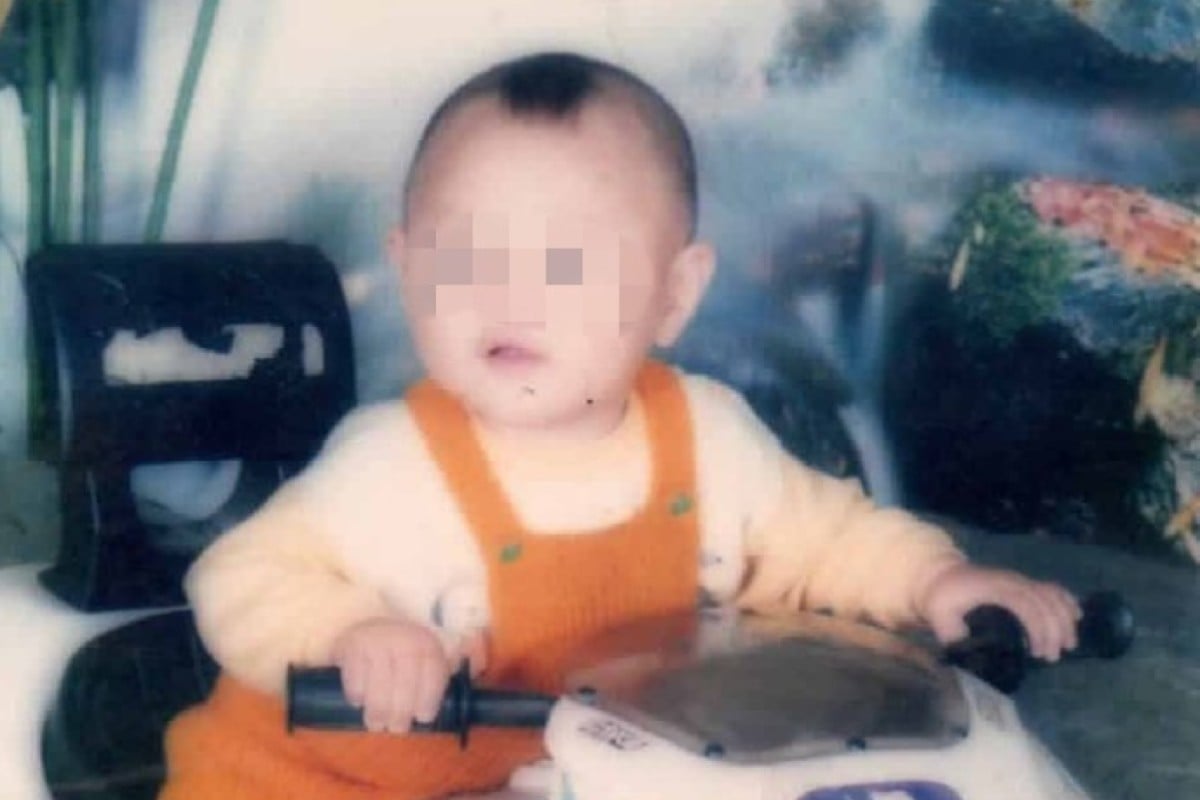
A teenage boy was reunited with his parents in the southern Chinese city of Guangzhou on Saturday after being kidnapped from their home as an infant, ending a 15-year search by his family.
The boy was taken in 2005 – one of nine children abducted by a gang in Guangdong province around that time. In recent years the case has drawn attention on Chinese social media, particularly the alleged involvement of a shadowy go-between known as “Aunt Mei”, but Guangzhou police stressed there was no evidence such a person existed.
Police said 16-year-old Shen Cong had been found on Wednesday in Meizhou, a city about 400km (250 miles) away. DNA testing confirmed he was the missing child and police arranged the reunion with his parents, Shen Junliang and his wife, who was identified as Yu in the statement.
Police did not say what had led to the discovery of the boy, but they said his foster parents had been taken in for questioning.
His biological father Shen Junliang on Sunday said they were overjoyed to have their son back home, adding that he was healthy and a tall boy who loved sports.
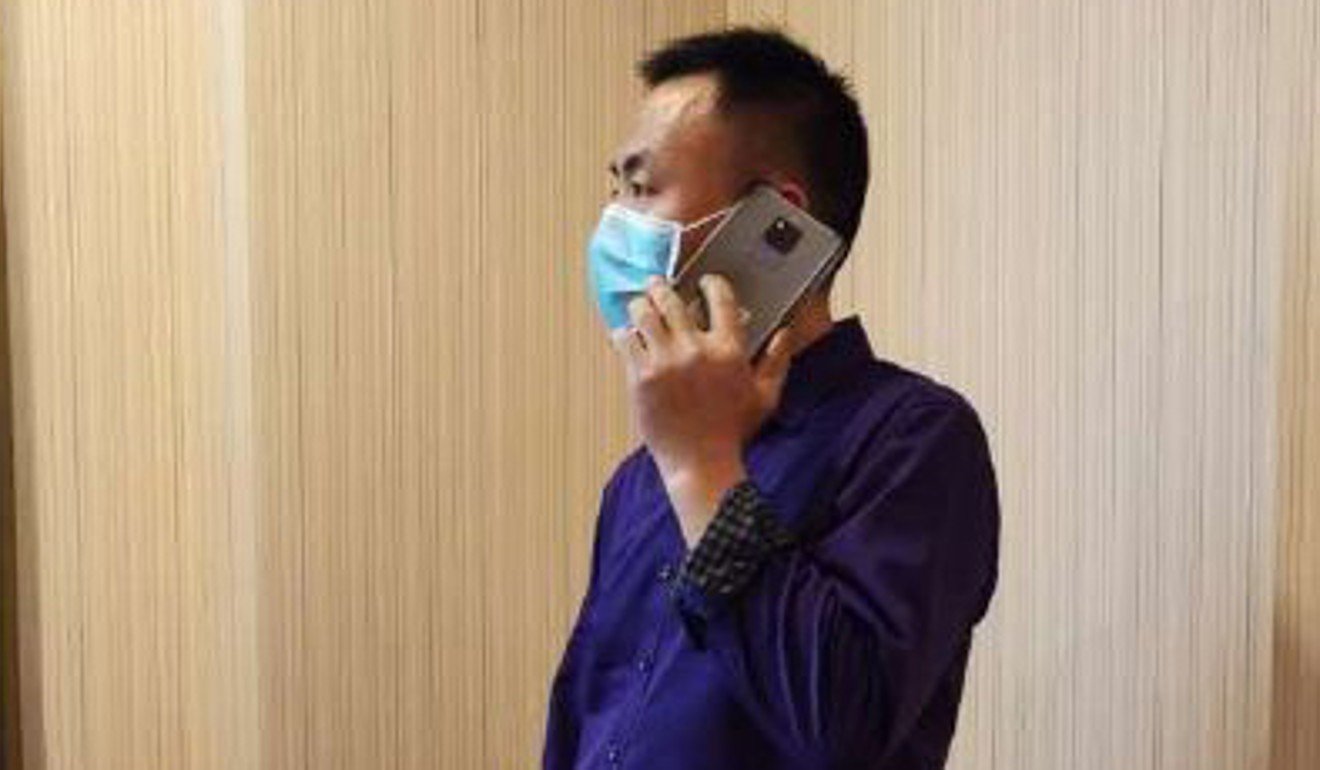
“Before I met my son I’d been imagining what it would be like to talk to him. I didn’t think he would be this mature – he seems more mature than his peers and he has good manners,” the father wrote on Weibo, China’s Twitter. “We’ve spent the entire time together, from Saturday night until now. We’re getting along and he’s happy too.”
Shen Junliang said they were overjoyed to have their son back home at last. Photo: Handout
The parents are now getting to know their son, having not seen him since he was abducted from their rented flat in Zengcheng district on January 4, 2005.
That day, the child had been at home with his mother while his father was at work. Shen Junliang has alleged that two of their neighbours led two strangers into the flat at about 10.40am, and the two strangers drugged and tied up Yu before kidnapping the one-year-old boy.
His mum revealed she was abandoned as a kid. A film was born
Shen Junliang had been searching for his boy ever since. He gave up his job and has travelled all over Guangdong province looking for him. He had more than 1 million posters printed with photos and a description of his son, offering a reward of 100,000 yuan (US$14,400) for any information on the case.
One of them read: “Shen Cong has birthmarks on the toe of his left foot, his right buttock and his right thigh. Anyone who has any leads … please contact me or Guangzhou police.”
Kidnapped: the Chinese parents desperately searching for missing children
He started posting about the case on Weibo in 2016, sharing every piece of news related to the kidnap and appealing for anyone with information to come forward.
In March that year, there was a development, with police arresting five suspects in the case.
Police said the lead suspect, Zhang Weiping, had confessed to selling Shen Cong to a couple in Heyuan, another city in Guangdong, for 13,000 yuan on January 6, 2005.
Zhang told police that an intermediary nicknamed Aunt Mei had been involved in that deal and the sale of eight other boys in the province from 2003 to 2005.
Zhang Weiping, who was sentenced to death for kidnapping children, alleged an intermediary known as Aunt Mei was involved in the case. Photo: Handout
Zhang and another gang member were sentenced to death for kidnapping children in 2018, two others were jailed for life, and a fifth person was jailed for 10 years.
Two of the other boys who had been abducted were found by police last year.
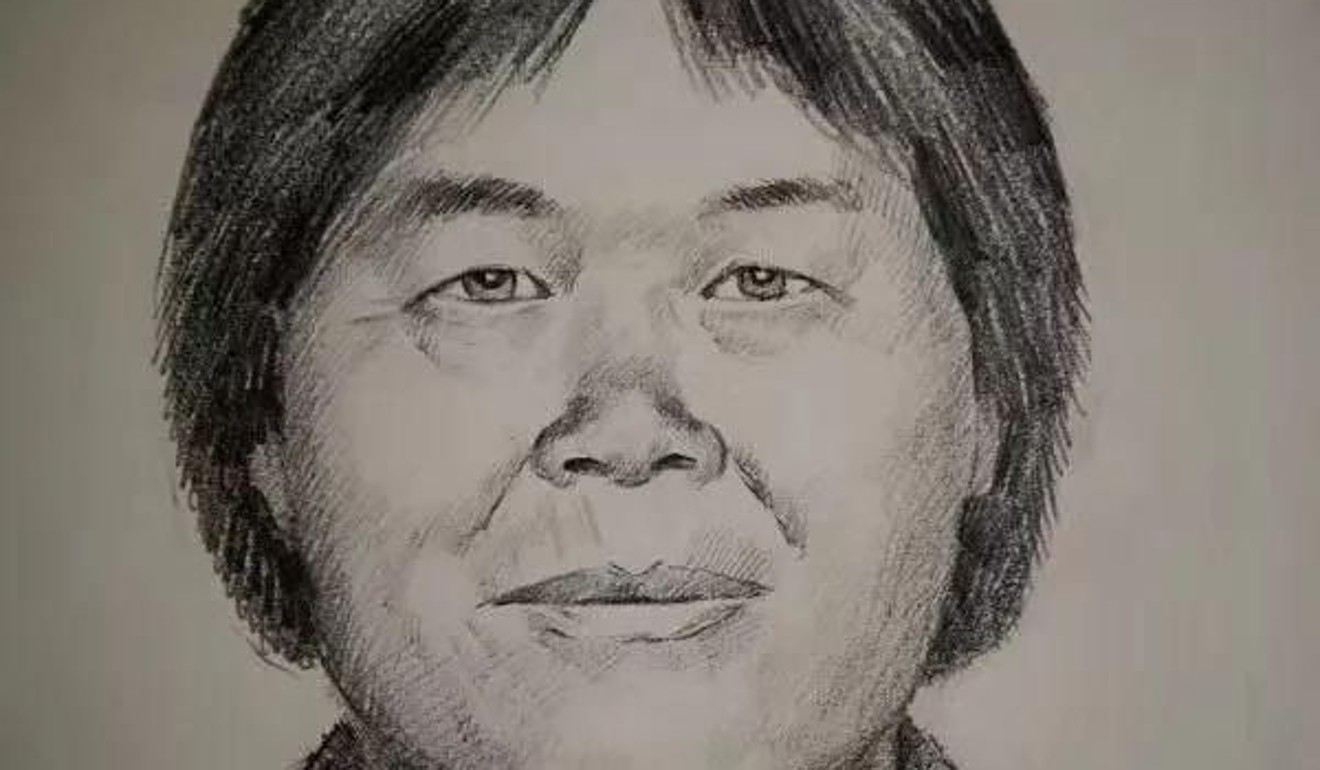
But Guangzhou police said they had not found any information leading them to the mysterious woman – apparently in her 60s and a Cantonese and Hakka speaker – Zhang alleged was the go-between.
“Police have checked all the details, all the people and places related to Zhang’s confession,” the statement said. “We’ve also received reports from people all over China since 2017 about Aunt Mei, but so far none of these tips have proved to be true.”
Source: SCMP
Posted in ‘Aunt Mei’, baby, Cantonese, case, Chinese, DNA testing, guangdong province, Guangzhou, Hakka speaker, kidnapped, parents, Police, reunited, son, teenage, Twitter, Uncategorized, Weibo, Zengcheng district |
Leave a Comment »
29/09/2019
- Millions of Chinese children are raised by their grandparents but some seniors are demanding compensation
For generations in China grandparents have provided childcare, but some are no longer willing to do so for free. Photo: Shutterstock
The traditional role of grandparents in caring for China’s children has been called into question with two recent lawsuits sparking debate about whether seniors should be paid for their efforts.
Two grandmothers took their demands for compensation to court in separate cases which have highlighted the reliance of Chinese workers on their parents to provide childcare while they pursue professional advancement.
A woman in Mianyang, in the southwestern province of Sichuan, was awarded more than 68,000 yuan (US$9,500) by a local court after she sued her son and daughter-in-law for the costs of raising her nine-year-old grandchild, according to Red Star News.
The woman, identified only by her surname Wang, had been the child’s full-time carer for eight years after his parents left home to seek better-paid jobs elsewhere. Wang said she had taken care of most of her grandson’s living expenses and had decided to seek compensation when his parents said they were considering a divorce.
They should respect our contribution. Grandmother Wang, Sichuan province
“I only want to let them know through this lawsuit that it’s their obligation to raise their children,” she was reported as saying. “The young ones should not take it for granted that old people ought to look after their grandchildren. They should respect our contribution.”
Despite winning the case, she has not received a penny and the boy still lives with her.
In another case, three months ago, a Beijing court supported a woman’s demand for compensation for helping to raise her granddaughter since her birth in 2002.
The stories of the two women generated a public reflection on the Chinese way of childcare which, for generations, has involved leaving most – if not all – of the burden on grandparents.
One of 60 million: life as a ‘left-behind’ child in China
From a cultural perspective, it has been a matter of course in a country with a long history of several generations living under one roof, for grandparents to participate in child rearing, according to Xu Anqi, a researcher specialising in family studies at the Shanghai Academy of Social Sciences.
“Today, as people face fierce competition and great pressure from work, it’s still common to rely on their old parents to look after their children,” she said.
While rapid urbanisation in recent decades has broken up multi-generational households, Chinese elderly still take an active role in child rearing, with many relocating to their children’s cities to take on the job.
Millions more families do it the other way round – with parents leaving children in their hometown with the grandparents while they seek better paying jobs in the cities. In August last year, according to the Ministry of Civil Affairs, China had nearly 7 million “left behind kids”, as they are known.
My little granddaughter is adorable, and generally I enjoy doing all this.Li Xiujuan, grandmother
“Many grandmothers like me would joke that we are ‘unpaid nannies’, but at the same time we feel it’s our responsibility to help them out – they would be in financial stress if one of them quit or they hired a nanny,” said Li Xiujuan, who relocated from her hometown in the central province of Henan to Shanghai two years ago to help look after her granddaughter.
“I’m a 24-hour nanny for my grandkid. I prepare food for her, wash her clothes, attend early childhood classes with her, take her for a walk in the park twice a day, sleep beside her at noon and night …” she said.
“I never cared for my daughter when she was little like I do her daughter now. You know, it was also her grandmother who mainly took care of her daily life when she was young,” Li said, laughing.
“My little granddaughter is adorable, and generally I enjoy doing all this. The hard part is that I miss my friends and relatives back home. We don’t have friends here. I have plenty of things to do at home, but here, nothing but babysitting. People are polite, but it’s difficult to make new friends,” she said.
‘Left behind’ sisters cry when parents leave home to go to work
In a 2017 study of about 3,600 households in six major cities including Beijing and Guangzhou, the Chinese Society of Education found almost 80 per cent of surveyed households had at least one grandparent as carer before children began primary school.
The study also showed that 60 per cent of parents still relied on help from grandparents after children were old enough for primary school at the age of six.
Whether grandparents should be compensated for their efforts split a poll of 49,000 users conducted by social media platform Weibo in late June, with half believing that the older generation should be paid for raising their grandchildren. Only 2.3 per cent said babysitting grandchildren was “an unalterable principle” for the elderly.
“This arrangement could be well managed and improve blood ties if children reward the elderly in their own ways, such as sending gifts on holidays and taking them on trips,” Shanghai researcher Xu said.
I think what they need more is words of appreciation, which many of us have neglected. David Dai, Beijing parent
Grandmother Li agreed: “I think regular payment is a little awkward, but I do expect some kind of reward, like cash gifts on festivals and daily necessities as presents.”
David Dai, a 30-year-old white collar worker in Beijing, said how to reward grandparents for their contribution depended on the financial situation of each household.
“My parents are farmers – they are in good shape and not so old – in their late 50s, and if they didn’t come all the way from my hometown in Anhui to Beijing to look after my son, they would still be taking some odd jobs,” he said.
“Therefore, besides covering their living costs at my place, I give them cash gifts on their birthdays, the Spring Festival and other important occasions, because babysitting their grandchild means they lose the opportunity to work,” he added.
“In some families, the grandparents might have retired and have a good pension. They don’t lack money and enjoy spending time with their grandkids. I don’t think they need to be paid. I think what they need more is words of appreciation, which many of us have neglected,” Dai said.
China boosts childcare and maternal health services in bid to lift birth rate
But for those who never show any gratitude, their parents have every reason not to offer child rearing help or to demand payment, Xu said.
Zhang Tao, a lawyer at the Hiways Law Firm in Shanghai, noted that as long as at least one parent of a child was living, the grandparents had no obligation to help with childcare.
“The grandparents should be compensated for the money they have paid for the child’s education, medical fees, and accommodation from the beneficiary,” he said.
But whether they should be paid has become the latest controversy as more grandparents find it a burden.
Source: SCMP
Posted in 'left-behind’ child, accommodation, adorable, an unalterable principle, Anhui province, appreciation, awarded, babysitting, Beijing, beneficiary, better-paid jobs, blood ties, burden, cash gifts, child rearing help, childcare, childcare services, China’s grandparents, Chinese Society of Education, compensation, controversy, court, daily necessities, daughter-in-law, demand payment, demanding, Divorce, education, elderly, farmers, festivals, financial situation, free childcare, friends, generations, good shape, granddaughter, grandparents, gratitude, Henan province, Hiways Law Firm, holidays, hometown, Household, Lawyer, living expenses, local court, maternal health services, medical fees, Mianyang, Ministry of Civil Affairs, neglected, pension, presents, primary school, raised, rapid urbanisation, reaching, regular payment, relatives, retired, reward, sending gifts, seniors, Shanghai, Shanghai Academy of Social Sciences, sichuan province, son, Spring Festival, sued, taking them on trips, their limits, Uncategorized, unpaid nannies, Weibo, white collar worker |
Leave a Comment »
12/08/2019
NEW DELHI/MUMBAI (Reuters) – India’s opposition Congress party selected past president Sonia Gandhi as its interim leader on Saturday, while it searches for a successor to her son Rahul Gandhi, who quit following a crushing election defeat by Prime Minister Narendra Modi.
The Congress Working Committee (CWC) unanimously decided to appoint Sonia Gandhi as “interim president pending the election of a regular president,” the party said in a statement late on Saturday night.
The committee wanted Rahul Gandhi to continue as its president but after he refused, they asked his mother to take over the reins instead, and she accepted, the statement said.
Sonia Gandhi is one of the most influential leaders of the Congress party and is credited with having brought the party back from the brink in 2004 with a surprise victory over the incumbent central government.
The widow of assassinated former Prime Minister Rajiv Gandhi, she was also the party’s longest serving president with 19 years at the helm, from 1998 to 2017, before handing over the baton to her son.
Congress, founded in 1885, is India’s oldest political party and dominated the country for decades after independence, led by generations of the Nehru-Gandhi family. The family produced three prime ministers: Jawaharlal Nehru, India’s first and longest-serving leader, his daughter Indira Gandhi and her son Rajiv.
However, Italian-born Sonia Gandhi faces a tall order to pull the party out of its worst crisis in decades and at the same time choose a worthy and dependable successor.
Party leaders and foot soldiers alike have been defecting to the ruling BJP. Remaining members have been dismayed at the party’s leadership vacuum following Modi’s re-election with a majority that surpassed his victory in 2014, and are questioning the party’s survival.
Rahul Gandhi, 49, announced his decision to quit as Congress leader in May, but the party leadership refused to accept it. They pressed him to reconsider, saying the party needed a unifying figure from the family to avoid splintering.
The party thanked Rahul Gandhi for his “exceptional leadership” during the state and general elections.
Last month in the southern state of Karnataka the defection of more than a dozen legislators from the ruling Congress-led coalition paved the way for Modi’s BJP to form a government.
Congress also appeared split in its response to Delhi’s decision to strip the state of Jammu and Kashmir of special constitutional status on Monday after putting the region on lockdown.
Some Congress members, including senior leader Jyotiraditya Scindia came out in support of the decision, and local media reported many in the party were supporting him.
Rahul Gandhi told reporters on Saturday night in New Delhi that considering there were reports of violence in Jammu and Kashmir, the government should provide transparent information about the actual situation on the ground.
Source: Reuters
Posted in after, beleaguered, BJP, Congress, Congress Working Committee (CWC), Delhi, first and longest-serving leader, Government, India’s, Italian-born, Jammu and Kashmir, Jawaharlal Nehru, Karnataka, lockdown, Nehru–Gandhi family, New Delhi, Prime Minister Narendra Modi, Prime Minister Rajiv Gandhi, quits, rahul gandhi, Rajiv Gandhi, returns, son, Sonia Gandhi, to lead, Uncategorized, widow |
Leave a Comment »









 CHINDIA ALERT: You'll be living in their world, very soon