Chindia Alert: You’ll be Living in their World Very Soon
aims to alert you to the threats and opportunities that China and India present. China and India require serious attention; case of ‘hidden dragon and crouching tiger’.
Without this attention, governments, businesses and, indeed, individuals may find themselves at a great disadvantage sooner rather than later.
The POSTs (front webpages) are mainly 'cuttings' from reliable sources, updated continuously.
The PAGEs (see Tabs, above) attempt to make the information more meaningful by putting some structure to the information we have researched and assembled since 2006.
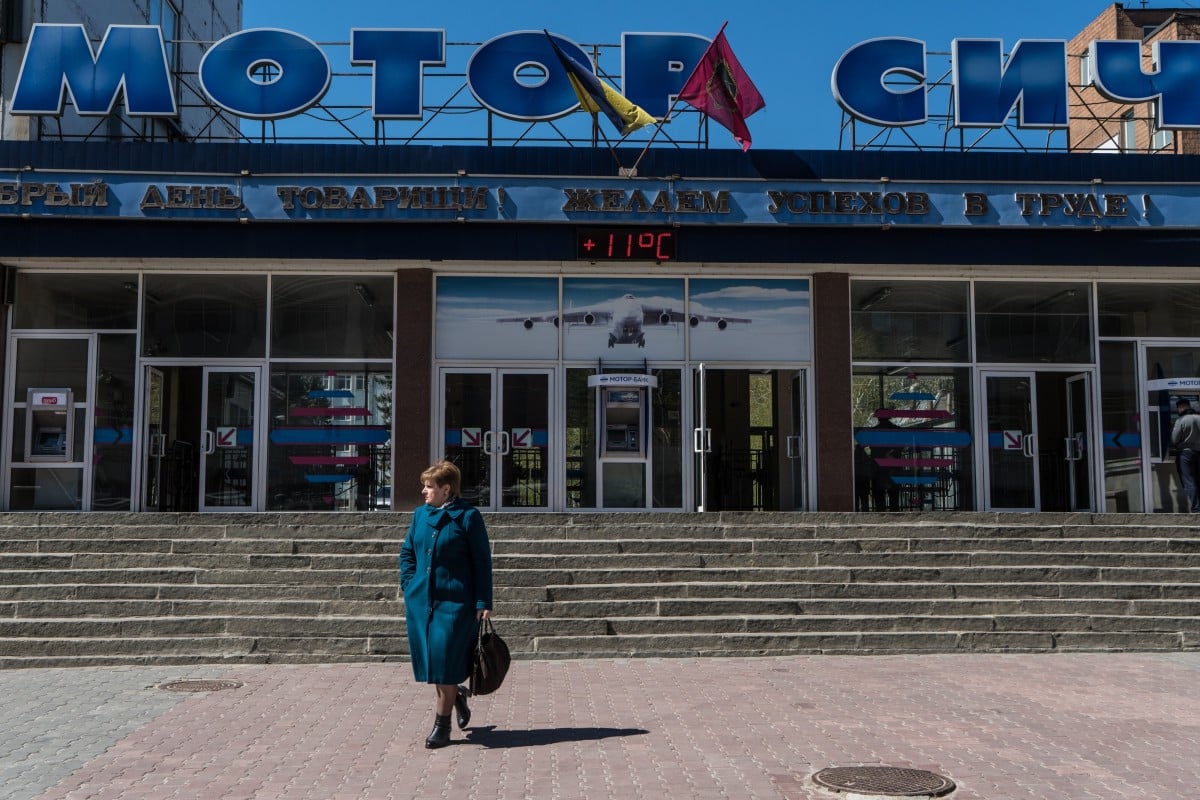
China’s Skyrizon Aircraft Holdings bought a majority stake in Motor Sich, but the shares were frozen in 2017 pending an investigation by Ukraine’s security service
Washington and Beijing have competed for influence in Ukraine since its relations with Moscow soured when Russia annexed the Crimea peninsula in 2014
Chnia’s Skyrizon says it will appeal a Kiev court’s decision to block its purchase of Ukrainian aircraft engine maker Motor Sich. Photo: Getty Images
A court in Kiev has rejected an appeal by Chinese investors to unfreeze the shares of a Ukrainian aircraft engine maker, a setback for the Chinese company that sought to buy the Ukrainian firm in a deal opposed by the United States.
China’s Skyrizon Aircraft Holdings bought a majority stake in Motor Sich, but the shares were frozen in 2017 pending an investigation by Ukraine’s security service (SBU). Washington wants the deal scrapped.
The US and China have competed for influence in Ukraine since its relations with Moscow soured when Russia annexed the Crimea peninsula in 2014.
In its ruling, the court kept the shares frozen, citing the SBU investigation into whether selling Motor Sich sabotages national security by allowing sensitive technology into foreign hands. The ruling was dated March 13, shared with the parties this week.
Skyrizon plans further appeals, said a lawyer involved in the case, speaking anonymously due to the political sensitivity of the case. Zelensky’s office, the US embassy and the Chinese embassy did not respond to requests for comment. Motor Sich and the SBU declined to comment.
Motor Sich severed ties with Russia after the annexation of Crimea. Photo: Wikipedia
Motor Sich severed ties with Russia, its biggest client, after the annexation of Crimea. The wrangle over its future has held up efforts to find new markets, and supporters of a quick resolution say it is now operating at less than half capacity.
“Motor Sich has become a hostage to the geopolitical situation,” former prime minister Anatoliy Kinakh, chairman of an industrial union which has called for the government to resolve the dispute quickly, said.
The state’s anti-monopoly committee has launched its own investigation and says it is waiting to receive more documents before deciding whether to sanction the sale.
President Volodymyr Zelensky’s administration has had to balance strengthening ties to Beijing with keeping the United States, its biggest military aid donor, onside. In recent weeks, Beijing and Washington have both offered aid to Ukraine to fight the coronavirus.
At the moment it is a very difficult task when we have the biggest powers in the world and their interests are in conflict in Ukraine,” Oleksandr Danylyuk, a former top security official under Zelensky, said.
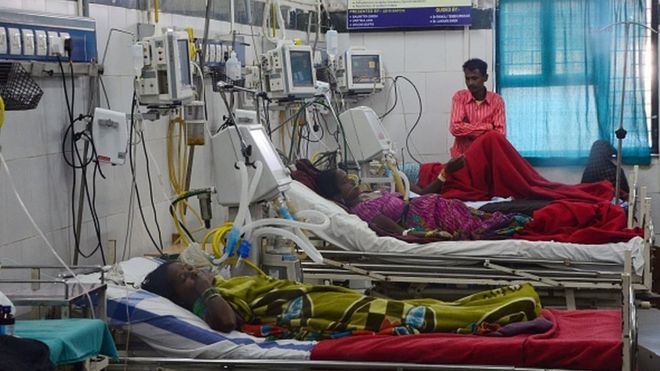
Image copyright GETTY IMAGESImage caption India has an estimated 48,000 ventilators and most of them are already in use
In an 8,000 sq ft (743 sq m) facility in the western Indian city of Pune, a bunch of young engineers are racing against time to develop a low-cost ventilator that could save thousands of lives if the coronavirus pandemic overwhelms the country’s hospitals.
These engineers – from some of India’s top engineering schools – belong to a barely two-year-old start-up which makes water-less robots that clean solar plants.
Last year, Nocca Robotics had a modest turnover of 2.7 million rupees ($36,000; £29,000). The average age of the mechanical, electronic and aerospace engineers who work for the firm is 26.
India, by most estimates, only has 48,000 ventilators. Nobody quite knows how many of these breathing assistance machines are working. But it is a fair assumption that all those available are being used in intensive care units on existing patients with other diseases.
About one in six people with Covid-19 gets seriously ill, which can include breathing difficulties. The country faces seeing its hospitals hobbled as others around the world have been, with doctors forced to choose who they try to save.
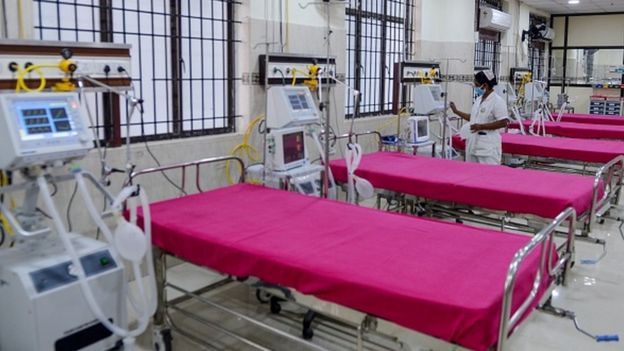
At least two Indian companies make ventilators at present, mostly from imported components. They cost around 150,000 ($1,987; £1,612) rupees each. One of them, AgVa Healthcare, plans to make 20,000 in a month’s time. India has also ordered 10,000 from China, but that will meet just a fraction of the potential demand.
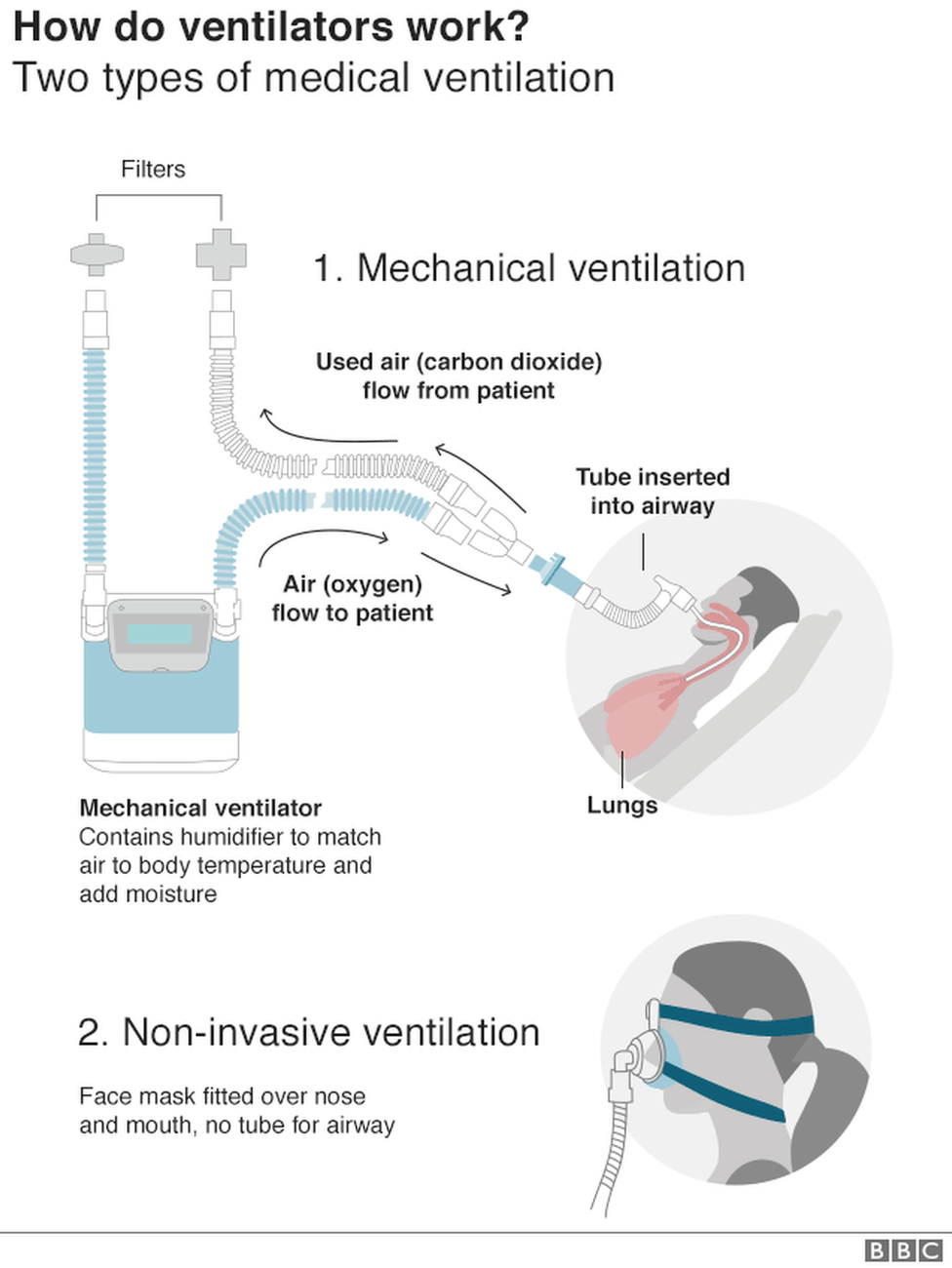
The invasive ventilator being developed by the engineers at Nocca Robotics will cost 50,000 rupees ($662). Within five days of beginning work, a group of seven engineers at the start-up have three prototypes of a portable machine ready.
They are being tested on artificial lungs, a prosthetic device that provides oxygen and removes carbon dioxide from the blood. By 7 April, they plan to be ready with machines that can be tested on patients after approvals.
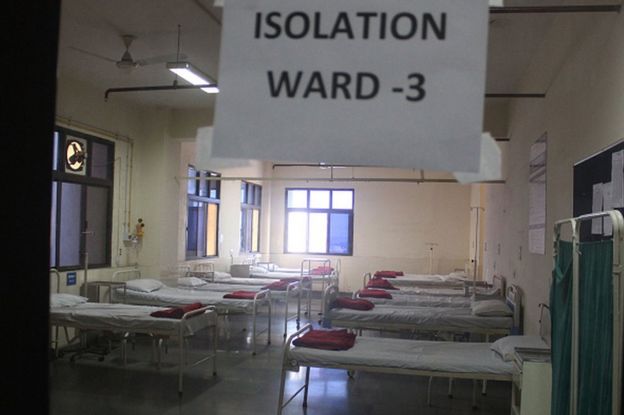
Image copyright GETTY IMAGESImage caption India is beefing up isolation beds in hospitals
“It is most certainly doable,” said Dr Deepak Padmanabhan, a cardiologist at Bangalore’s Jayadeva Institute of Cardiovascular Sciences and Research, and a key advisor on this project. “The simulations on artificial lungs have been done and seem to work well.”
Inspiring story
The race to develop this inexpensive, home-grown invasive breathing machine is an inspiring story of swift coordination and speedy action involving public and private institutions, something not common in India.
“The pandemic has brought us all together in ways I could never imagine,” says Amitabha Bandyopadhyay, a professor of biological sciences and bioengineering at Indian Institute of Technology (IIT), Kanpur, and a key mover of the project.
The young engineers mined open source medical supplies groups on the internet to find information on how to make the ventilators. After securing permissions, it took them exactly eight hours to produce the first prototype. Of particular use, say doctors, were some designs by engineers at MIT. With imports stalled, the engineers picked up pressure sensors – a key component of the machine that helps supply oxygen to lungs at a pressure that doesn’t cause injury – from those used in drones and available in the market.
Image copyright AFPImage caption India needs thousands of ventilators to cope with a possible rush of patients
Local authorities helped open firms that stock components – each machine needs 150 to 200 parts – and made sure that a bunch of engineers who had returned home to Nanded after the lockdown were still able to travel 400km (248 miles) back to Pune to work on the machine.
Some leading Indian industrialists, including a major medical device-making company, have offered their factories to manufacture the machines. The plan is to make 30,000 ventilators, at around 150-200 a day, by the middle of May.
Social media influencers joined the effort. Rahul Raj, a lithium battery-maker and an IIT alumnus, crowd-sourced a group called Caring Indians to “pool resources and experience” to cope with the pandemic. Within 24 hours, 1,000 people had signed up. “We tweeted to the local lawmaker and local police in Pune to help the developers, and made contacts with people who would be interested in the project,” Mr Raj said.
‘No-frills machine’
Expat Indian doctors and entrepreneurs who went to the same school – IIT is India’s leading engineering school and alumni include Google chief Sundar Pichai – held Zoom meetings with the young developers, advising them and asking questions about the machine’s development. The head of a US-based company gave them a 90-minute lecture on how to manage production. A former chief of an info-tech company told them how to source the components.
Lastly, a bunch of doctors vetted every development and asked hard questions. In the end, more than a dozen top professionals – pulmonologists, cardiologists, scientists, innovators, venture capitalists – have guided the young team.
Doctors say the goal is to develop a “no-frills” breathing machine tailored to Indian conditions.
Ventilators depend on pressurised oxygen supply from hospital plants. But in a country where piped oxygen is not available in many small towns and villages, developers are seeing whether they can also make the machine run on oxygen cylinders. “In a way we are trying to de-modernise the machine to what it was barely 20 years ago,” says Dr Padmanabhan.
“We are not experienced. But we are very good at making products easily. The robots that we make are much more complex to make. But this is a life-saving machine and carries risk, so we have to be very, very careful that we develop a perfect product which clears all approvals,” said Nikhil Kurele, the 26-year-old co-founder and chief executive officer of Nocca Robotics.
In just a week’s time, India will learn whether they pulled off the feat.
TAIYUAN, Dec. 20 (Xinhua) — China and Brazil will continue to develop more satellites together and deepen aerospace cooperation, said Chinese and Brazilian officials after a new satellite jointly produced by the two countries was sent into space on Friday.
The launch of the China-Brazil Earth Resource Satellite-4A (CBERS-4A) also marks the 45th anniversary of the establishment of diplomatic relations between China and Brazil.
The two countries will expand the application of the CBERS satellite data in their own countries and those participating in the Belt and Road Initiative, said Wu Yanhua, deputy director of the China National Space Administration (CNSA).
China and Brazil have devised a 10-year plan to collaborate in developing remote-sensing, meteorological and communication satellites. The cooperation could also be expanded to deep space exploration, lunar exploration, manned space and aerospace education, said Wu.
In 1988, the two countries signed an agreement to start the China-Brazil earth resource satellite program. They shared the costs and separately developed its systems. Both sides brought different advantages to the table and were highly complementary.
In 1999, the first China-Brazil earth resource satellite was successfully launched, giving each country their first transmission-type remote-sensing satellite. It was rated one of the top 10 scientific and technological advances of the year in China.
It was also the first satellite jointly developed by China and another country, and was a model for space technology cooperation among developing countries.
The partnership has lasted more than 30 years. The two countries have sent six satellites into space, and the resolution of the images has gradually improved.
The China-Brazil earth resource satellites have provided more than 6 million images to users in the two countries, and the data have been widely used in agriculture, forestry, water conservation, land and resources, environmental protection, and disaster prevention and mitigation, helping the Brazilian government monitor the Amazon rainforest and the country’s environmental changes, according to the CNSA.
The remote-sensing data are also provided to developing countries for free, and have helped monitor disasters such as forest fires in Australia, floods in Pakistan, and an earthquake and tsunami in Japan.
China has also helped train Brazilian personnel, and scientists and technologists of the two countries have conducted many exchanges over the past 30 years.
“The space cooperation between China and Brazil has been very successful, and sets a good example for space cooperation among developing countries,” Wu said.
Brazilian Minister of Science, Technology, Innovation and Communication Marcos Cesar Pontes said the cooperation has contributed to international economic and social development.
Chinese academics and young scientists join global scientific elite to explore frontiers of research
International joint laboratory announced at Shanghai forum
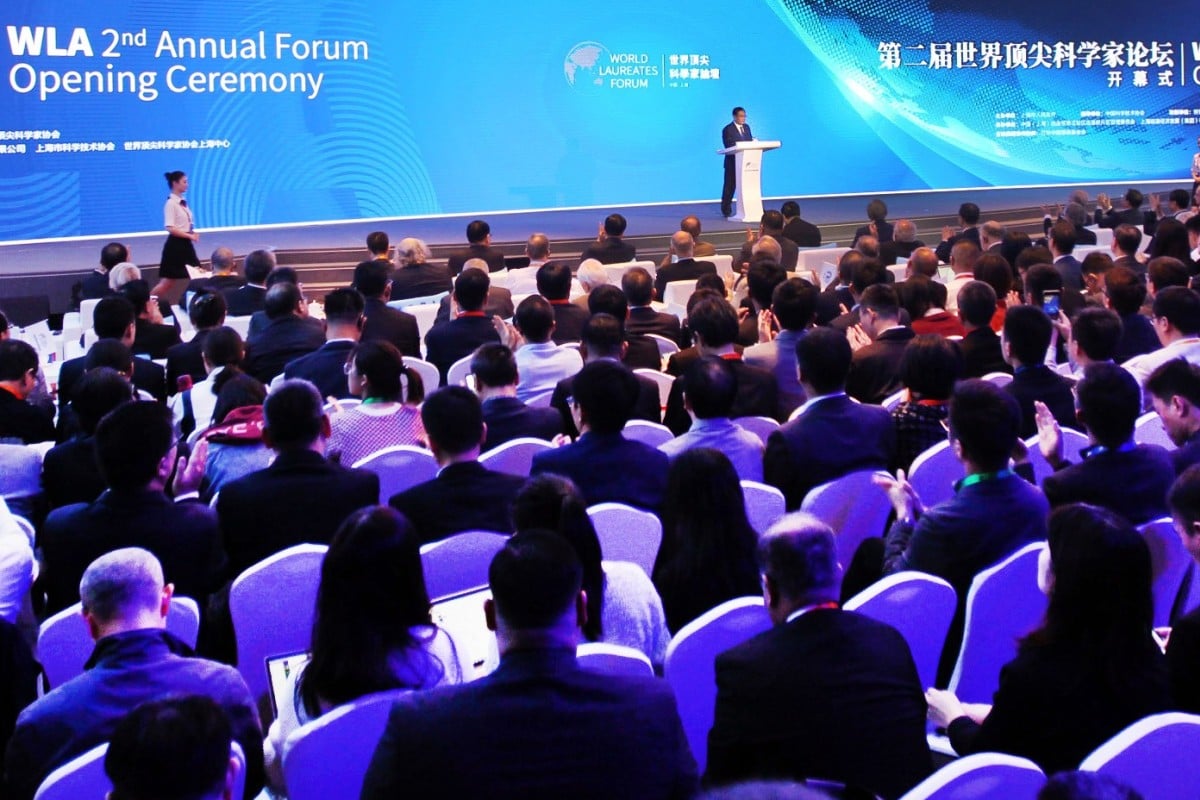
More than three dozen Nobel Prize winners for science were among the gathering in Shanghai for the second annual forum of the World Laureates Association. Photo: Xinhua
Shanghai hosted one of the largest gatherings of Nobel laureates in the world last week, with 44 Nobel Prize-winning scientists in the city for a government-sponsored forum with the lofty goal of discussing science and technology for the “common destiny of mankind”.
The four-day forum, which brought together young Chinese scientists and the cream of the international scientific crop, was a signal of China’s ambitions for its own researchers to take their place at the forefront of development and bring home their own prizes.
Experts agreed the event – the second in an annual “World Laureates Forum” – was hardly a public relations stunt, but a testament to China’s deep-seated, steadfast desire to learn from the world’s top scientists and join them, and their home countries, as leaders on the frontier of science and produce regular home-grown contenders for top prizes.
“The Nobel Prize is the holy grail for China, and it is still quite elusive for Chinese indigenous scientists to be awarded this prestigious recognition,” said Chengxin Pan, an associate professor of international relations at Australia’s Deakin University. “You could say China has a Nobel Prize complex.”
China says US tech ban is a barrier but will not halt scientific advance
Becoming a leader in the sciences was more than just an issue of driving economic expansion through technology and innovation, it was a matter of national preservation with deep roots in Chinese history, Pan said.
“China sees the lack of power, lack of scientific achievements and modern technology as largely responsible for the backwardness and humiliation it suffered during much of the 19th century and early 20th century,” he said.
“They need to make up for lagging behind by engaging with the top leading scientists in the world, wherever they are from.”
To that end, celebrated theoretical physicists, organic chemists, neuroscientists and biologists joined Chinese academics and youth scientists for the conference organised by the Shanghai city government and an association of top global scientists known as the World Laureates Association.
Among them were 2019 Nobel Prize for physics laureates Michel Mayor and Didier Queloz, as well as winners of other top prizes including the Wolf Prize, Lasker Award, and Fields Medal for mathematics. Discussions included the latest breakthroughs in disease prevention and drug development, sustainability and new energy, aerospace and black holes, as well as what drives their scientific curiosity.
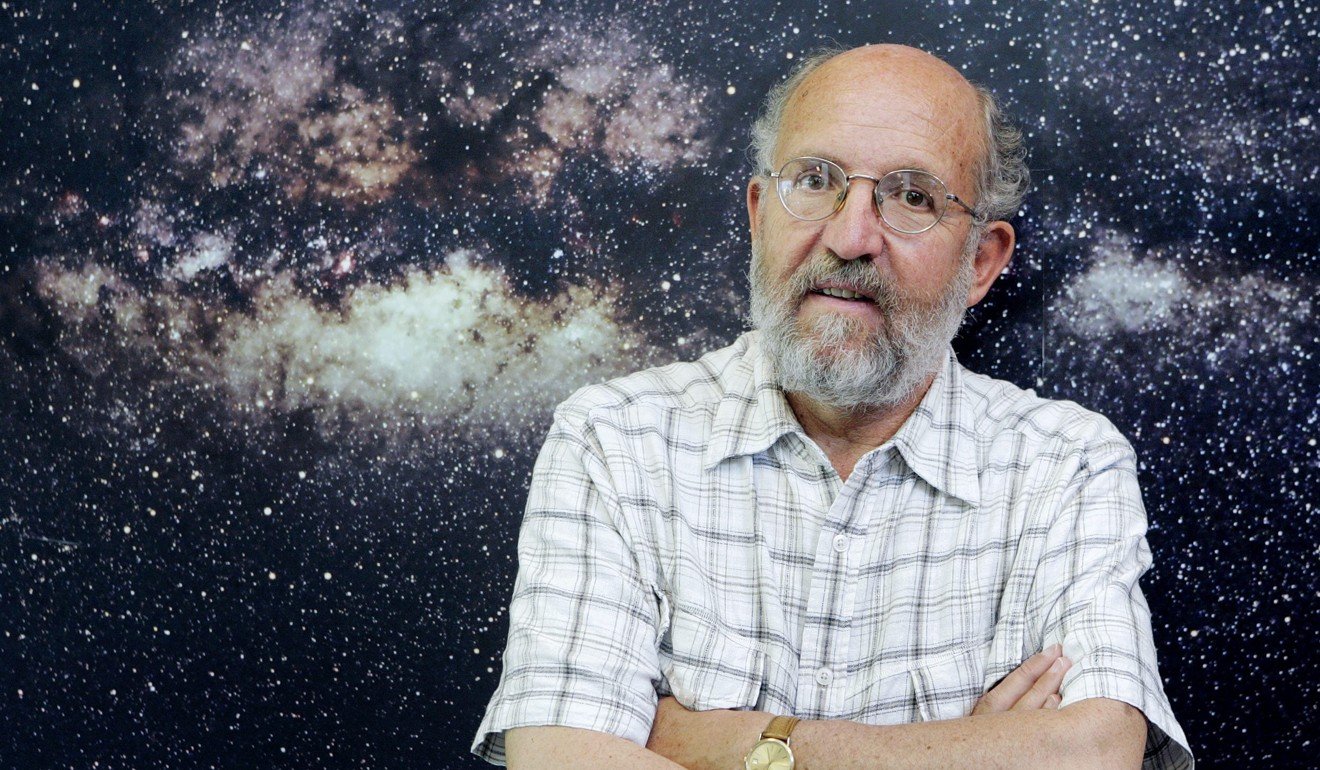
Swiss professor Michel Mayor, astrophysicist and director of the Geneva Observatory, was one of the co-winners of the 2019 Nobel Prize in physics and among the attendees at the forum in Shanghai. Photo: EPA-EFE
The event, which culminated with the announcement of an international joint research laboratory for the world’s top scientists, to be established in Shanghai, was lauded by President Xi Jinping in an open letter to the attendees.
“China attaches great importance to the development of the frontier fields of science and technology,” Xi said, stressing China’s willingness to “work with all countries of the world” to “address the challenges of our age”.
The high calibre meeting was a rare opportunity for China to broadcast its message of commitment to scientific advancement, at a time when the reputation of its universities, academics and hi-tech companies have been taking a broad hit as part of a blowback from the US-China trade and tech wars, as well as suspicion among Western countries of China’s geopolitical aims.
In the past year, a number of major global Chinese tech companies, including Huawei and Hikvision, have been blacklisted in the US, while US tech giants like Google and Apple noticeably skipped out on China’s annual state-run World Internet Conference last month. Academic ties between Chinese and Western universities have also been called into question over suspicions of espionage, fraud, and intellectual property theft.
“China is saying we are still open for business and, at this juncture, we more warmly welcome foreign scientists and collaboration between countries in science and technology,” said Zhu Tian, an economics professor at the Chinese Europe International Business School in Shanghai.
60 science groups demand US end crackdown on foreign-born researchers
The past decade has seen China advance rapidly in the sciences. A surge in government funding, along with successive top level strategies to build up science and tech – including the Made in China 2025 innovation blueprint – and a significant uptick in international collaborations, have propelled the nation on to the global scientific stage.
Recent developments, like the first successful landing of a probe on the far side of the moon earlier this year, the dominance of the 5G network technology created by China’s Huawei, and the opening of the world’s largest radio telescope in Guizhou in 2017, have also raised the country’s profile in emerging tech and science.
But, so far, China’s rising visibility as a scientific powerhouse has been largely driven by scale. A June report by the journal Nature found researchers affiliated with the Chinese Academy of Sciences contributed the greatest number of “high-quality natural sciences research” to international journals compared with their peers at other institutions, while last month the journal found the top four “fastest rising” new universities for research output were all from mainland China.
“To some in the outside world, China is already a powerhouse in innovation … but in terms of the quality of innovations or scientific research, China still lags behind developed countries like the US, UK or Switzerland,” Zhu said.
Despite “making the fastest progress among all countries”, and significant leaps as a developing nation, “China is not at the frontier of technology or science yet,” he said, which is why international engagement, like the recent summit, is key to China’s growth.
“In order to catch up you have to know what is the frontier, you have to learn from those who are at the frontier.”
It is a point further underlined by the numerous blog posts and widely circulated articles in Chinese media about China’s meagre Nobel track record. Apart from one celebrated exception – 2015 Nobel laureate for medicine Tu Youyou – Chinese-born scientists who have won the prize did so for their work in overseas laboratories, or after changing citizenship.
Nobel Prize winner may have found solution to malaria drug resistance
Tu was the People’s Republic of China’s first Nobel Prize winner in the sciences and the country’s first woman to win the prize in any category.
Among China’s other Nobel laureates in the sciences are 1957 physics prizewinners Li Zhengdao and Yang Chen-ning, who won their award while in the US, having left China before the Communist Party takeover in 1949. Both later became US citizens. In 2017,
relinquishing his US citizenship to become a Chinese citizen.
China has worked hard to reverse the damage of brain drain, for example with its flagship “Thousand Talents” programme, a high-profile, state-backed recruitment drive set up in 2008 to attract overseas Chinese students and academics back to China with generous funding.
But reaching the frontiers of science, and making Nobel-worthy advancements, will also require China to do some reshuffling of its domestic priorities, which have been heavy on producing innovations in applied sciences and tech, but lighter on the basics – like physics, chemistry, and biology – whose mysteries are probed by the leading labs around the developed world.
Chinese scientists turn black coal by-product into gleaming white paper
“China in the past has been known as a place for incremental innovation, and not the place where really radical innovation and big breakthroughs have come from, but they don’t want to be tinkering at the margins, they want to be a major innovation powerhouse,” said Andrew Kennedy, an associate professor in the policy and governance programme at the Australian National University.
To change this, China has begun to raise investment in basic sciences, Kennedy said, pointing to National Bureau of Statistics figures which indicate an average spending increase of more than 20 per cent each year between 1995 to 2016. Even so, spending at the end of that period – some US$11.9 billion at market rates – still lagged well below the figure cited for the US in 2015, which rang up US$83.5 billion, he said.
Chinese scientists develop laser that could track submarines
The gathering of science laureates itself was further indication of that shift to place more emphasis on basic sciences, the kinds of disciplines the laureates lead, and could be a major boost to that agenda, according to Naubahar Sharif, associate professor of social science and public policy at Hong Kong University of Science and Technology.
“This [event] is a rocket-propelled, massive injection of scientific power into one place, and China has ambitions to gear up their own scientists to this level,” Sharif said, “and I’m sure the local Chinese scientists have been prepped to take advantage of it.”
While China has work to do in pushing back on criticism of questionable practices in intellectual property transfer, or the extent to which they share their own advances with others, collaboration with leading scientists is a crucial part of China’s “long-haul” vision in the sciences, Sharif said.
“If you rub shoulders with the most prestigious scientists of your era, your local scientists will learn something, and there’s going to be knowledge exchange and making linkages and a start to partnerships,” he said.
“This is the way that getting to that frontier can be achieved.”
If successful, India would be the fourth nation to achieve the feat after the US, Russia and China.
SNS Web | New Delhi | December 28, 2018 4:19 pm
The mission would be launched using ISRO’s own capabilities. (Photo: isro.gov.in)
The Union Cabinet on Friday approved a budget of Rs 10,000 crore for an indigenous human spaceflight programme, Law Minister Ravi Shankar Prasad announced.
The ambitious mission, dubbed “Gaganyaan”, will carry three Indian astronauts to space for seven days by 2022 at the estimated cost.
The project announced by Prime Minister Narendra Modi earlier in August, on successful completion, will make India the fourth nation in the world to do so.
If successful, India would be the fourth nation to achieve the feat after the US, Russia and China.
The mission would be launched using ISRO’s own capabilities.
“Our country has been making a lot of progress in the area of space (science). When India celebrates its 75th Independence Day, or even before that, an Indian son or daughter will undertake a manned space mission on board ‘Gaganyaan’, carrying the national flag,” Modi had said from the Red Fort.
NATTY yellow carts whizz tourists around Wenchang space port, a sprawling launch site on the tropical island of Hainan. The brisk tour passes beneath an enormous poster of Xi Jinping, China’s president, then disgorges passengers for photographs not far from a skeletal launch tower. Back at the visitor centre there is a small exhibition featuring space suits, a model moon-rover and the charred husk of a re-entry capsule that brought Chinese astronauts back from orbit. A gift shop at the exit sells plastic rockets, branded bottle openers and cuddly alien mascots.
The base in a township of Wenchang city is the newest of China’s four space-launch facilities. It is also by far the easiest to visit—thanks in part to the enthusiasm of officials in Hainan, a haven for tourists and rich retirees. Wenchang’s local government has adopted a logo for the city reminiscent of Starfleet badges in “Star Trek”. It is building a space-themed tourist village near the launch site, with attractions that include a field of vegetables grown from seeds that have been carried in spaceships.
If the dream is to turn this palm-fringed corner of Hainan into a tourist trap comparable to Florida’s balmy space coast, there is still a lot to do. Several idle building sites suggest that some investors have gambled rashly. Signs have been taken down from a patch of scrub that was once earmarked for an amusement centre. On a recent weekday, pensioners wintering nearby were among the few visitors to the launch site. A local says that people often come out feeling like they have had a lesson in patriotism, but not much fun.
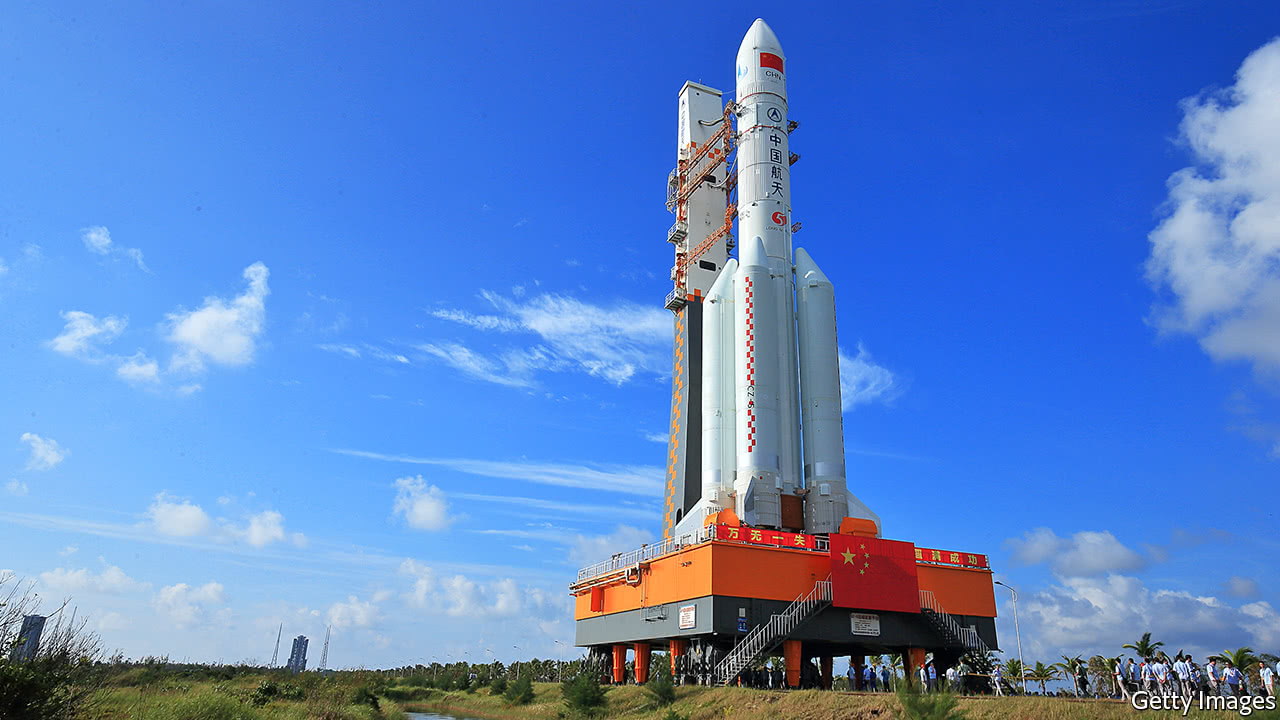
Perhaps this will change when Wenchang gets up to speed. The base is crucial to China’s extraterrestrial ambitions because it is the only site from which it can launch its latest and largest rocket, the Long March 5 (pictured). Narrow railway tunnels limit the size of the components that can be delivered to the three other bases. Rockets are anyway more efficient the closer they are launched to the equator, where the faster rotation of Earth provides extra lift. Of China’s launch centres, Wenchang is by far the nearest to that sweet spot.
The Long March 5 can carry about 25 tonnes into low orbit, roughly double the maximum load of China’s next most powerful rocket. This is only a bit less than the biggest rocket currently used by America’s space agency, NASA, can carry—but far less than the Falcon Heavy, a behemoth being developed by SpaceX, a private American firm (see article). The Long March 5’s maiden launch, in 2016, was a success. But the second one last summer failed a few minutes after lift-off. Wenchang’s two launch pads have stood empty ever since.
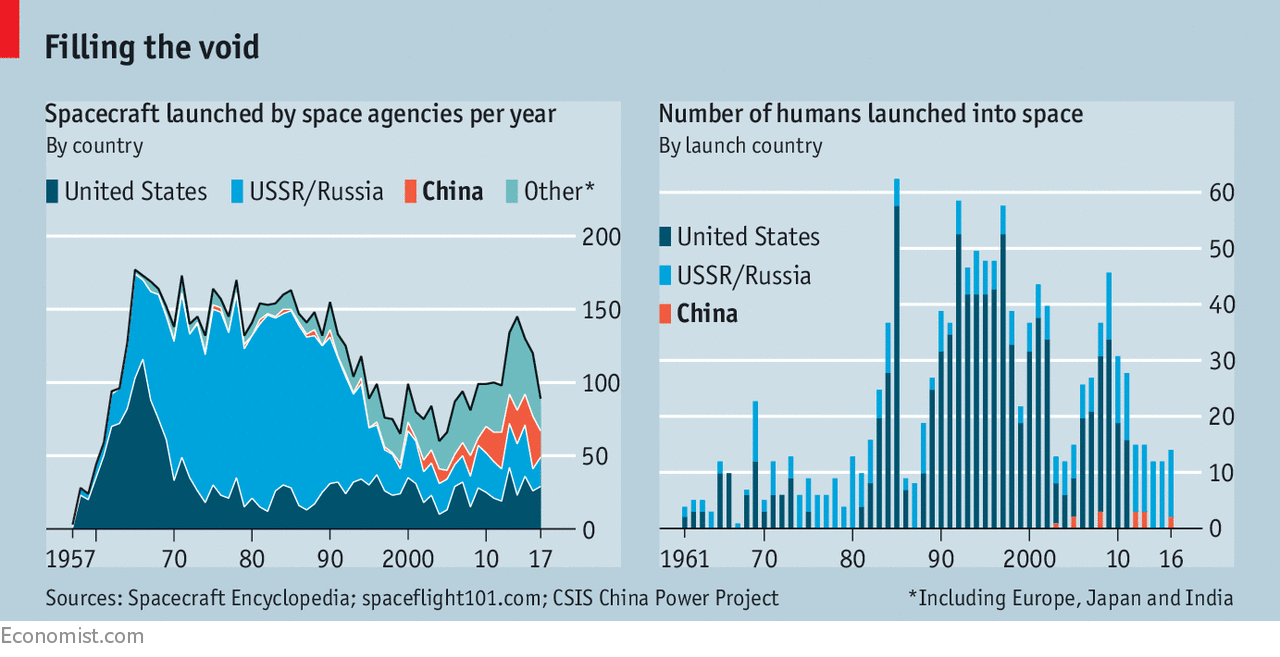
That failure, and another one last year involving another type of Long March rocket, slowed China’s space efforts. Officials had hoped to launch around 30 rockets of one type or another in 2017 but only managed 18 (there were 29 launches in America and another 20 of Russian ones—see chart). But they promise to bounce back in 2018, with 40-or-so lift-offs planned this year. These will probably include a third outing for the Long March 5—assuming its flaws can be fixed in time—and missions that will greatly expand the number of satellites serving BeiDou, China’s home-grown satellite navigation system.
The next two years could see big progress in China’s two highest-profile civil programmes in space: lunar exploration and building a space station. In 2013 China sent a rover to the moon’s surface, the first soft landing there since Russia and America discontinued such efforts in the 1970s. Towards the end of this year China hopes to put a robot on the far side of the moon, a region never yet explored from the lunar surface. That landing will help preparations for an attempt—tentatively planned for 2019—to collect rocks from the surface and return them to Earth.
China talks of launching the main module of a permanent space station as soon as 2019, and expanding it with two bolt-ons early in the following decade. It is going it alone with this programme. America passed a law in 2011 that forbids NASA from sharing knowledge or resources with its Chinese equivalent. This ensured that China remained locked out of the International Space Station; America was never keen on letting it in because of the military uses of China’s space programme. China has instead experimented with two temporary orbiters of its own, the newest of which it crewed for a month in 2016 (the older one has reached the end of its mission and looks likely to tumble to the Earth sometime in the next few months).
Eventually, China would like to send its taikonauts to the moon. There is no target date for achieving this, but in 2016 an official speculated that a Chinese citizen might step on the lunar surface within 15 to 20 years. The country has Mars in its sights, too. It plans to land a rover there in 2020 or shortly thereafter. It wants to retrieve rocks from Mars sometime in the 2030s.
China still lags far behind America in its space accomplishments, but it does not appear bent on a cold-war-style race. It spends far less on its civil space programme than the $19.7bn that NASA was allocated last year. China is doggedly pursuing its goals, however. Joan Johnson-Freese of the US Naval War College compares China to Aesop’s tortoise.
One of the Communist Party’s aims is to boost national pride at home. In 2016 Mr Xi declared that April 24th would be celebrated annually as “space day”: it is the anniversary of China’s first satellite launch in 1970. Even if outshining America remains a distant goal, China is mindful of the progress being made by India, another big developing country that dreams of the stars. India is planning its first soft-landing on the moon in March, more than four years after China’s.
Europe is keen to collaborate. Chinese and European scientists launched their first joint satellite in 2003. They are now co-operating in a study of solar wind. Astronauts from the European Space Agency (ESA) recently trained with Chinese counterparts in survival skills. Karl Bergquist, an ESA official, says a few European astronauts are learning Chinese to prepare for possible joint missions.
But America’s worries are growing about the military aspects of China’s space programme. Marco Aliberti of the European Space Policy Institute in Vienna says this has been particularly evident since 2013, when China showed it could launch projectiles into the lofty orbits traced by America’s most sensitive satellites, suggesting it was developing an ability to knock them out. Many American scientists favour a more relaxed approach. But in an era of “America First”, the chances are slim of NASA being allowed to befriend China.
All this rankles among Chinese officials. They note that tense relations between America and Russia have not prevented those two countries’ space agencies from working together (since retiring the space shuttle, America has been dependent on Russian rockets to get astronauts into space). As many people in China see it, America’s behaviour is further confirmation of a long-held belief that America wants to create impediments to China’s rise. Jiao Weixin, a space expert at Peking University, says America is locked in “cold-war thinking”. If American authorities do not wish to work with China, he says, there are others who will.
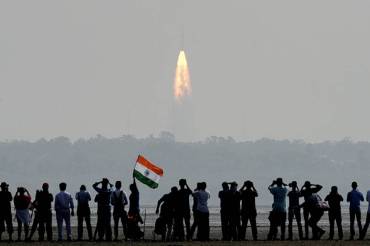
India’s space agency on Wednesday launched a record 104 satellites from a single rocket as it crossed another milestone in its low-cost space-exploration program.
The satellites from seven countries were carried by the Indian Space Research Organization’s Polar Satellite Launch Vehicle on its 38th consecutive successful flight.
The mission reinforces India’s emerging reputation as a reliable and cost-effective option for launching satellites. In 2014, ISRO put a satellite into the orbit of Mars, becoming the first Asian country to reach the red planet at fraction of the cost of a similar launch in U.S. and Europe.
ISRO has now put 226 satellites into orbit, including 180 from foreign nations. The global space industry was estimated to be worth $323 billion in 2015, the latest year for which data are available, according to the Space Foundation, a U.S.-based research group. Commercial space business comprised as much as 76% of the industry.
Rajeswari Pillai Rajagopalan, senior fellow in space-security studies at the Observer Research Foundation, a New Delhi think tank, said the launch was a “showcase of India’s growing capabilities.”
Spectators watched the launch of ISRO’s Polar Satellite Launch Vehicle (PSLV-C37) at Sriharikota on Feb. 15, 2017.
“India’s space program has come a long way,” she said.
Ms. Rajagopalan said the trend for sending more small satellites–instead of fewer large ones–will benefit ISRO due to the cost advantages it offers over its American and European competitors. The Space Foundation said nano satellites comprised 48% of launches in 2015
Wednesday’s feat eclipses the record set by Russia in 2014 when it launched 37 satellites in a single mission. A National Aeronautics and Space Administration rocket carried 29 satellites in 2013.
The PSLV rocket blasted off from the Satish Dhawan Space Center at Sriharikota in the southeastern state of Andhra Pradesh at 9.28 a.m. Wednesday local time (10.58 p.m. Tuesday ET).
The ISRO rocket hurtles through the sky after launch from Sriharikota, India, Feb. 15, 2017.
It first released its main cargo, ISRO’s 714 kilogram Cartosat-2 series satellite, which will be used for earth observation. It then released two smaller ISRO satellites, followed by the remaining 101 nano satellites, one each from Israel, Kazakhstan, Netherlands, Switzerland, United Arab Emirates, and 96 from the U.S. As many as 88 of the nano satellites belonged to U.S.-based company Planet Inc.
ISRO’s two smaller satellites are carrying equipment for conducting various experiments.
Indian Prime Minister Narendra Modi tweeted his congratulations. “This remarkable feat by @isro is yet another proud moment for our space scientific community and the nation. India salutes our scientists,” the message said.
Mission Director B. Jayakumar said it was a challenge to “find real estate (on the PSLV rocket) to accommodate all the satellites.” He said a “unique separation sequence” was designed due to the large number of satellites.
ISRO chairman Kiran Kumar Rao, right, held up models of the CARTOSAT-2 and Polar Satellite Launch Vehicle (PSLV-C37) after the launch in Sriharikota, India, Feb. 15, 2017.
ISRO said the satellites went into orbit 506 kilometers from earth, inclined at an angle of 97.46 degrees to the equator–very close to the intended orbit–after a flight of nearly 17 minutes. In the subsequent 12 minutes, all 104 satellites were successfully separated from the rocket in sequence, it said.
After separation, the two solar panels of ISRO’s Cartosat-2 series satellite were deployed and the space agency’s command center in Bangalore took control. In the coming days, the satellite will begin to provide start sending back black and white, and color pictures, ISRO said.
An Indian aerospace startup has said that it will launch its mission to the moon in a year’s time, as it takes part in a Google-funded competition to become the world’s first-ever privately held company to make a soft landing there.
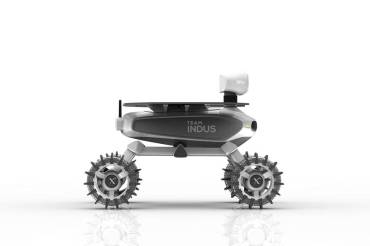
Team Indus‘s rover, nicknamed ‘Ek Choti Si Asha,’ or ‘one small hope’ in Hindi, won the Axiom Research team a million-dollar prize from Google last year.
A group of more than 100 scientists and engineers, including around a dozen former ISRO scientists, make up Axiom Research Labs’ Team Indus. The team is India’s only entry in the Google-funded Lunar XPrize challenge, which has a bounty of $30 million.
To win the prize, a team has to successfully place a spacecraft on the moon’s surface, travel at least 500 meters and transmit high-definition video and images back to Earth.
“A full launch vehicle from ISRO [Indian Space Research Organization] will launch our spacecraft into the orbit of the moon end of 2017,” Rahul Narayan, the fleet commander of the team, said at a news conference in New Delhi on Thursday.
The supermoon rising above Cape Town on November 14, 2016, when it was closest to the earth in 68 years.
The Team Indus spacecraft is expected to make it to the moon’s Mare Imbrium region by January 2018.
The race is on. Sixteen other teams from across the world want to make the 238,900-mile trip, and Team Indus is the fourth team to announce its launch plans, said Mr. Narayan.
“We are considering the team from Israel great competition at this point,” he said.
The Indian team’s plan is the country’s first shot at becoming the fourth nation to land gently on the lunar surface and unfurl its national flag, after the U.S., Russia and China.
The South Asian nation’s inexpensive Mars mission put its satellite Mangalyan, which now appears on India’s new 2,000-rupee bank notes, into the red planet’s orbit for $74 million in September 2014. The U.S. spent $671 million getting its Maven satellite to Mars orbit.
The team said its mission would cost $60 million.
Team Indus’s core leadership team, including fleet commander Rahul Narayan, fourth from left.
“We’ve already raised about $15 million through private equity,” said Julius Amrit, co-founder and director. The company aims to raise $20 million by charging companies or universities to put their instruments on board to collect data. It also expects to raise another $20 million from sponsorship, donations and grants.
Its top investors include Ratan Tata, chairman of the Tata group, one of India’s biggest conglomerates; Nandan Nilekani, co-founder of Indian outsourcing firm Infosys; and the owners of e-commerce website Flipkart Internet Pvt. Ltd.
“We are quite confident at this moment that we will have enough money to send our spacecraft to the moon,” Mr. Amrit said.
The Bangalore-based startup won a million dollar prize from Google last year for its WALL-E lookalike moon rover, which will shoot high-quality images, video and data and beam them from the moon’s surface to the company’s mission center in India.
But the mission isn’t without its challenges.“If you have to softly land, you need to be able to [precisely] manage your velocity and time [to switch your engines on and off],” said Dhruv Batra, Program Lead at Team Indus. “Unfortunately, there is no throttle-like mechanism in a spacecraft, like you have in a car.”
Another challenge is to be able to land at the right time of the day—to make sure the solar panels are able to power the gadgetry, while making sure the temperature isn’t too extreme for the batteries and other electronics to work properly.
“We are currently refining each and every output of our simulations to arrive at that level of precision we need,” said Mr. Batra.Seven years ago, Team Indus was one of the last teams to sign up for the Google challenge, and its founders had no prior experience in aerospace engineering or space sciences, said Mr. Narayan, the fleet commander. “It was just a dream.”
Next month, India’s mission to Mars is expected to complete a year in orbit around the red planet and its photo album so far is out of this world.
The spacecraft, named Mangalyaan, Hindi for Mars craft, has already completed more than 100 orbits since it arrived at the planet on Sept. 24, 2014.
At a cost of $74 million, the Indian Space Research Organization’s mission to Mars was the cheapest of recent missions to Mars mounted by other space agencies.
The satellite is healthy and continues to “glean data,” Debiprasad Karnik, a spokesman for ISRO, said Friday.
Apart from a few days in June when it lost touch with Earth after moving behind the Sun in a phenomenon called “solar conjuncture,” Mangalyaan has remained in contact and been sending photographs taken by the Mars Color Camera back to scientists in India.
NASA calls the geographical feature the Grand Canyon of Mars. At a length of more than 1,800 miles, it is almost 3.5 times the length of the Grand Canyon in Arizona. The walls of the chasma, that is described by the International Astronomical Union as “an elongate steepsided depression,” are multi-layered, the floor too contains large deposits of layered materials.
He was greeted with a vote of support, from the aerospace company’s CEO, for his Make in India initiative to build up manufacturing in the South Asian country.
Airbus is “ready to manufacture in India, for India and the world,” said Airbus chief Tom Enders. “India already takes a center-stage role in our international activities and we want to even increase its contribution to our products.”
Airbus Group aims to increase its sourcing of aerospace parts from Indian companies to $2 billion in the next five years, the company informed Mr. Modi, as it seeks to diversify its supplier base and tap low-cost suppliers worldwide.
The company’s strategy to ramp up outsourcing from India comes as it competes to secure billions of dollars in deals for military hardware from the country.
India has yet to decide on a joint bid by Airbus and India’s Tata Group to make Airbus’s C295 aircraft, in a contract estimated at about $3 billion. The company is also pursuing separate deals for hundreds of helicopters from the Indian military.
India has already selected Airbus to supply six A330 multirole tanker-transport planes for an estimated $2 billion.
In a presentation to the Indian prime minister on Saturday, the company said it would work with partners in India in areas such as engineering, customer services and pilot training, and to establish centers for the maintenance, repair and overhaul of planes, according to Indian Foreign Ministry spokesman Syed Akbaruddin.
In a statement, Airbus said it aims to produce helicopters, military planes, sensors as well as satellites in India, in partnerships with local firms. The company predicted India would India would require 1,291 new planes over the next two decades. It forecast the Indian air travel market to grow 11% each year through 2025.









 CHINDIA ALERT: You'll be living in their world, very soon