Archive for ‘threatens’

19/03/2020

Coronavirus: China and the virus that threatens everything By John Sudworth

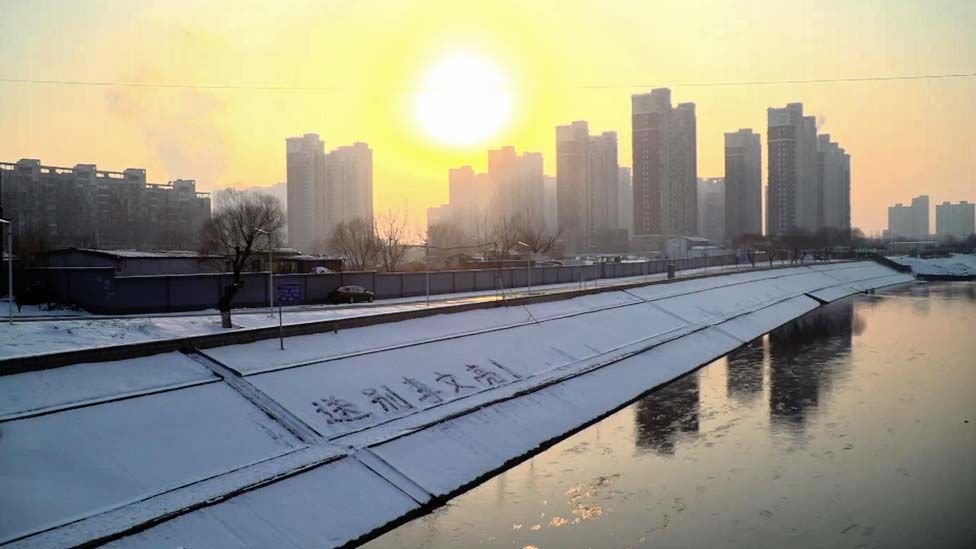
Chinese characters in the snow on the banks of the Tonghui river in Beijing read "Goodbye Li Wenliang!"
Image caption A message written in the snow alongside the Tonghui river reads “Goodbye Li Wenliang!”

On a cold Beijing morning, on an uninspiring, urban stretch of the Tonghui river, a lone figure could be seen writing giant Chinese characters in the snow.

The message taking shape on the sloping concrete embankment was to a dead doctor.

“Goodbye Li Wenliang!” it read, with the author using their own body to make the imprint of that final exclamation mark.

Five weeks earlier, Dr Li had been punished by the police for trying to warn colleagues about the dangers of a strange new virus infecting patients in his hospital in the Chinese city of Wuhan.

Now he’d succumbed to the illness himself and pictures of that frozen tribute spread fast on the Chinese internet, capturing in physical form a deep moment of national shock and anger.
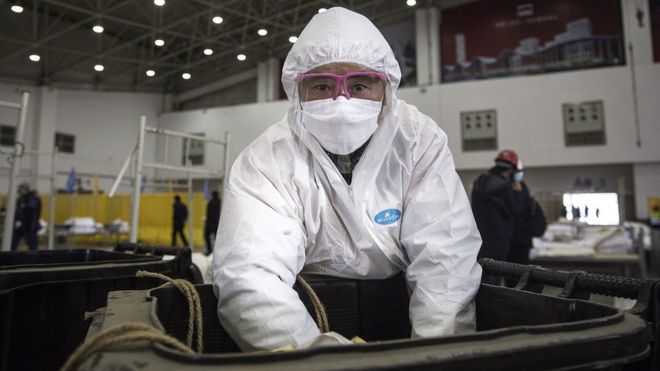
A worker wears a protective mask while cleaning construction waste at WuhanKeting on February 4th.2020 in Wuhan.Hubei Province,China.Image copyright GETTY IMAGES
Image caption A worker in a Chinese factory wears a protective mask

There’s still a great deal we don’t know about Covid-19, to give the disease caused by the virus its official name. Before it took its final fatal leap across the species barrier to infect its first human, it is likely to have been lurking inside the biochemistry of an – as yet unidentified – animal. That animal, probably infected after the virus made an earlier zoological jump from a bat, is thought to have been kept in a Wuhan market, where wildlife was traded illegally.

Beyond that, the scientists trying to map its deadly trajectory from origin to epidemic can say little more with any certainty.

But while they continue their urgent, vital work to determine the speed at which it spreads and the risks it poses, one thing is beyond doubt. A month or so on from its discovery, Covid-19 has shaken Chinese society and politics to the core.

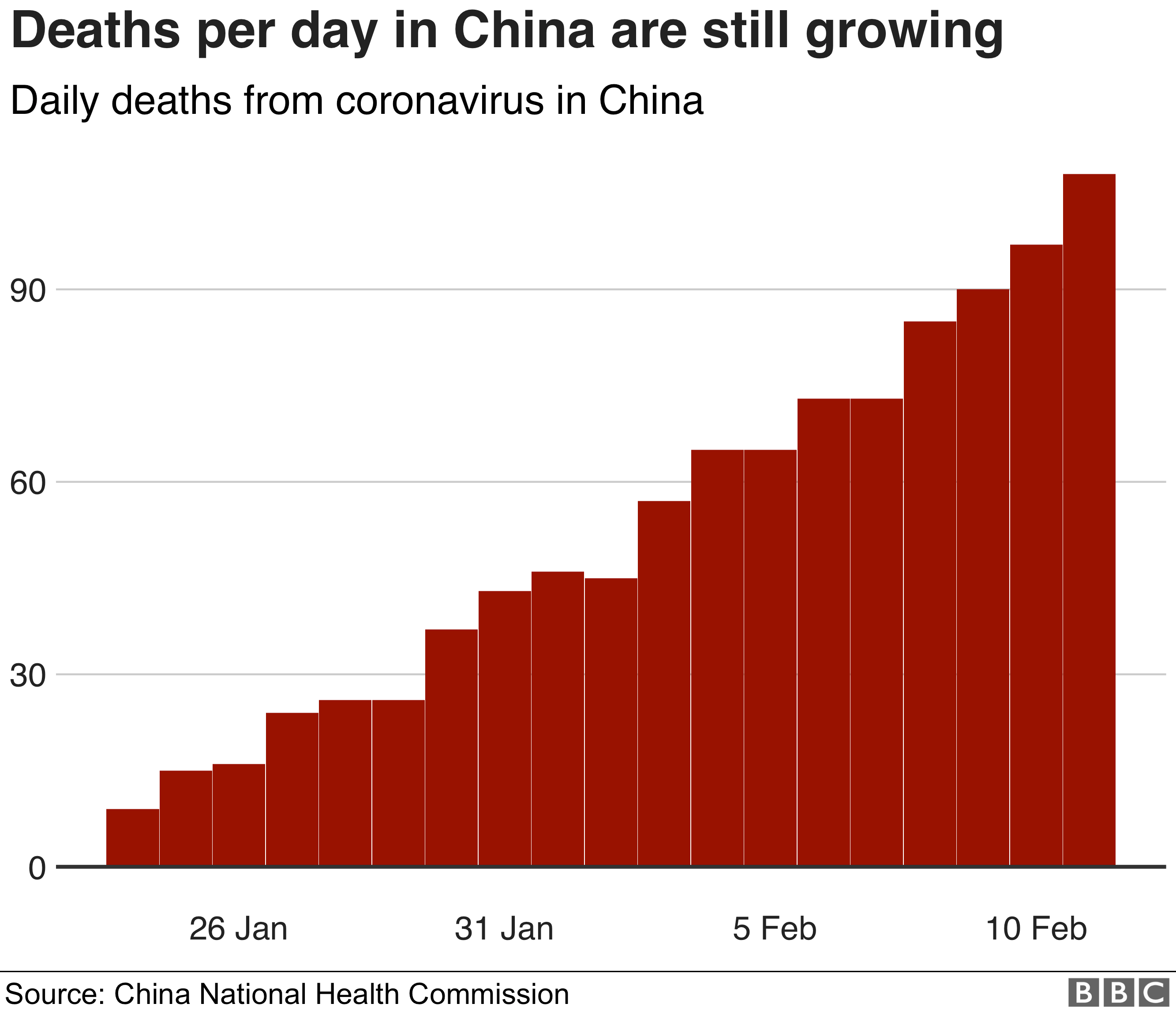
That tiny piece of genetic material, measured in ten-thousandths of a millimetre, has set in train a humanitarian and economic catastrophe counted in more than 1,000 Chinese lives and tens of billions of Chinese yuan. It has closed off whole cities, placing an estimated 70 million residents in effective quarantine, shutting down transport links and restricting their ability to leave their homes. And it has exposed the limits of a political system for which social control is the highest value, breaching the rigid layers of censorship with a tsunami of grief and rage.

The risk for the ruling elite is obvious.

It can be seen in their response, ordering into action the military, the media and every level of government from the very top to the lowliest village committee.
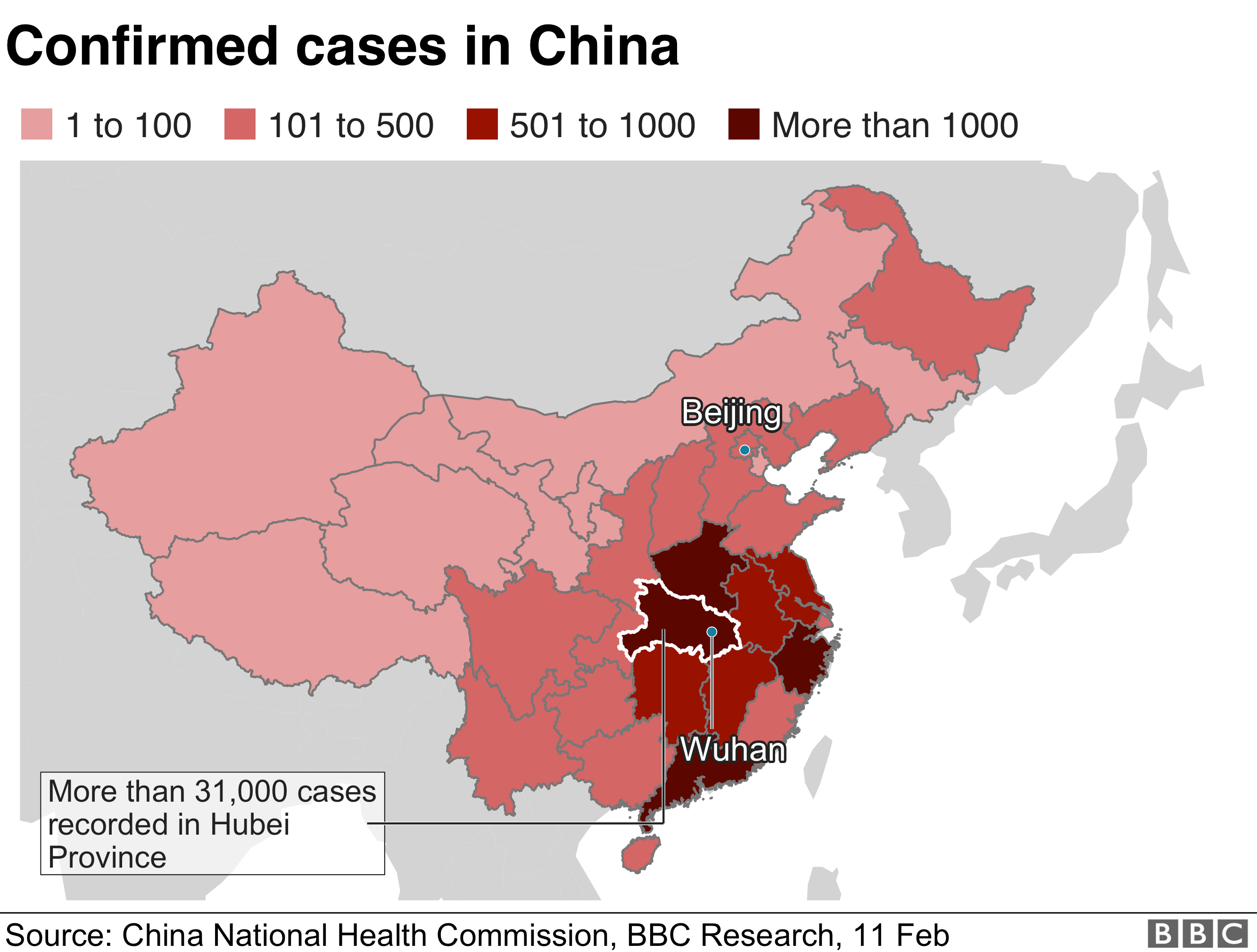
Map showing confirmed cases in China

The consequences are now entirely dependent on questions no one knows the answers to; can they pull off the complex task of bringing a runaway epidemic under control, and if so, how long might it take?

Across the world, people seem unsure how to respond to the small number of cases being detected in their own countries. The public mood can swing between panic – driven by the pictures of medical workers in hazmat suits – to complacency, brought on by headlines that suggest the risk is no worse than flu. The evidence from China suggests that both responses are misguided. Seasonal flu may well have a low fatality rate, measured in fractions of 1%, but it’s a problem because it affects so many people around the world.

Graphic showing rising number of coronavirus deaths in China

The tiny proportion killed out of the many, many millions who catch it each year still numbers in the hundreds of thousands – individually tragic, collectively a major healthcare burden.

Very early estimates suggested the new virus may be at least as deadly as flu – precisely why so much effort is now going into stopping it becoming another global pandemic. But one new estimate suggests it could prove even deadlier yet, killing as many as 1% of those who contract it. For any individual, that risk is still relatively small, although it’s worth noting such estimates are averages – just like flu, the risks fall more heavily on the elderly and already infirm.
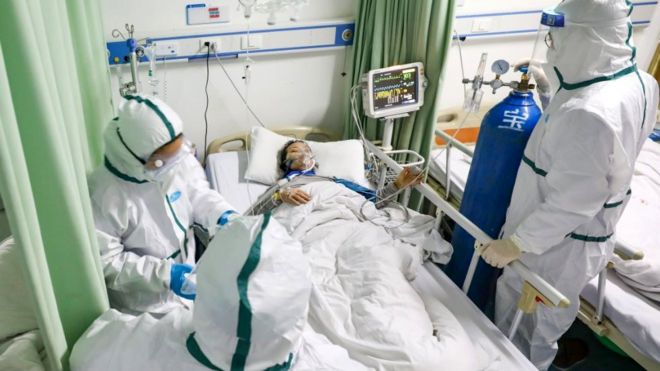
Patient in hospital bed in WuhanImage copyright REUTERS
Image caption Despite the death toll, an increasing number of patients are recovering

But China’s experience of this epidemic demonstrates two things. Firstly, it offers a terrifying glimpse of the potential effect on a healthcare system when you scale up infections of this kind of virus across massive populations. Two new hospitals have had to be built in Wuhan in a matter of days, with beds for 2,600 patients, and giant stadiums and hotels are being used as quarantine centres, for almost 10,000 more.

Despite these efforts, many have still struggled to find treatment, with reports of people dying at home, unregistered in the official figures. Secondly, it highlights the importance of taking the task of containing outbreaks of new viruses extremely seriously. The best approach, most experts agree, is one based on transparency and trust, with good public information and proportionate, timely government action.

But in an authoritarian system, with strict censorship and an emphasis on political stability above all else, transparency and trust are in short supply.
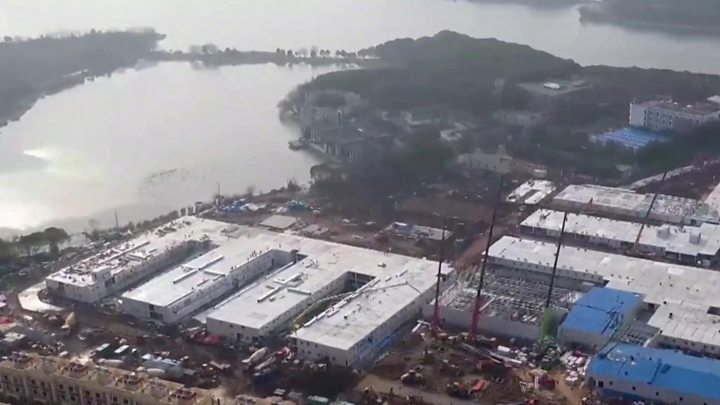
Media caption Aerial time-lapse shows Wuhan hospital construction

China’s response may have sometimes looked like panic – with what’s been called the “biggest quarantine in history” and harsh enforcement against those who disobey.

But those measures have become necessary only because its initial response looked like the very definition of complacency.

There’s ample evidence that the warning signs were missed by the authorities, and worse, ignored. By late December, medical staff in Wuhan were beginning to notice unusual symptoms of viral pneumonia, with a cluster linked to the market trading in illegal wildlife. On 30 December, Dr Li Wenliang, an ophthalmologist working in Wuhan’s Central Hospital, posted his concerns in a private medical chat group, advising colleagues to take measures to protect themselves. He’d seen seven patients who appeared to be suffering with an illness similar to Sars – another coronavirus that began in an illegal Chinese wildlife market in 2002 and went on to kill 774 people worldwide.

A few days later, he was summoned by the police.

Dr Li was made to sign a confession, denouncing the messages he’d posted as “illegal behaviour”.

The case received national media attention, with a high-profile state-run TV report announcing that in total, eight people in Wuhan were being investigated for “spreading rumours”. The authorities, though, were well aware of the outbreak of illness. The day after Dr Li posted his message, China notified the World Health Organization, and the day after that, the suspected source – the market – was closed down.

But despite the multiplying cases and the concerns among medics that human-to-human transmission was taking place, the authorities did little to protect the public. Doctors were already setting up quarantine rooms and anticipating extra admissions when Wuhan held its important annual political gathering, the city’s People’s Congress.

In their speeches, the Communist Party leaders made no mention of the virus. China’s National Health Commission continued to report that the number of infections was limited and that there was no clear evidence that the disease could spread between humans.

And on 18 January the Wuhan authorities allowed a massive community banquet to take place, involving more than 40,000 families. The aim was to set a record for the most dishes served at an event. Two days later, China finally confirmed that human-to-human transmission was indeed taking place.

Delicacies from Wuhan banquet
Image caption Images from Chinese state TV show the large banquet in Wuhan

Most remarkable of all perhaps, the following day, Wuhan held a Lunar New Year dance performance, attended by senior officials from across the surrounding province of Hubei. A state media report of the event, since hurriedly deleted but captured here, says the performers, some with runny noses and feeling unwell, “overcame the fear of pneumonia… winning praise from the leaders”.

By the time the national authorities had woken up to the impending disaster, and closed the city down on 23 January, it was too late – the epidemic was out of control. Before Wuhan’s transport links were cut, an estimated five million people had left the city for the Lunar New Year break, travelling across China and the world.

Some have begun calling the disaster “China’s Chernobyl”.

The parallels in failures to pass bad news up the chain of command and the incentives to put the short-term interests of political stability ahead of public safety, seem all too apparent. Li Wenliang, who’d gone back to work after being warned to keep quiet, soon discovered he’d also been infected.

He died earlier this month, leaving a five-year-old son and a pregnant wife.

Anger was already simmering over the authorities’ failure to issue timely warnings, with the crisis now being aired in full view. Wuhan’s politicians were blaming senior officials for failing to authorise the release of the information; senior officials appeared to be preparing to hang Wuhan’s politicians out to dry.

But the death of a man, silenced for simply trying to protect his colleagues, burst open the dam with a wave of online fury directed not just at individuals, but at the system itself. So great was the public outrage, China’s censors appeared unsure what to censor and what to let through. The hashtag #Iwantfreedomofspeech was viewed almost two million times before it was blocked. Aware of the tide of emotion, the Party began paying its own tributes to Dr Li.

It quickly hailed him a national hero.
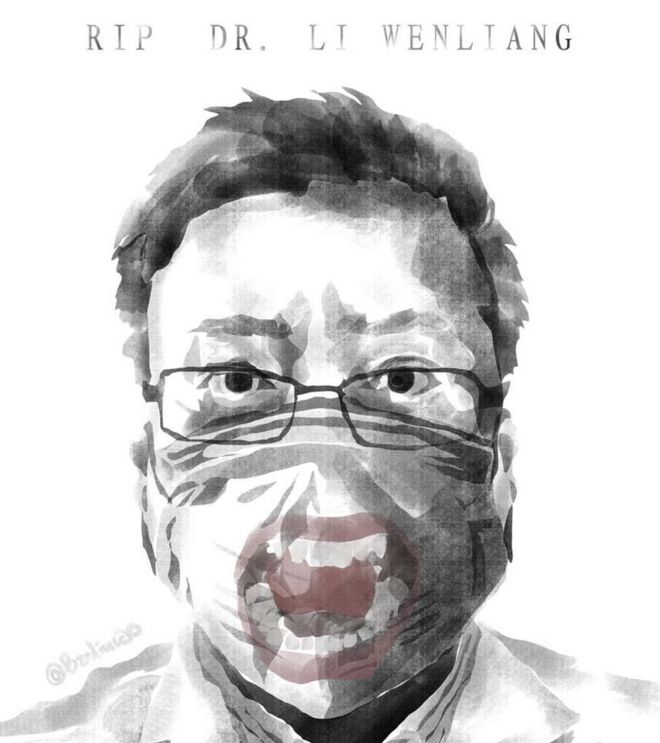
Doctor Li Wenliang tried to warn authorities about the new virus and died after contracting itImage copyright COURTESY BADIUCAO
Image caption Doctor Li Wenliang tried to warn authorities about the new virus and died after contracting it

China’s rulers, untroubled by the inconveniences of the ballot box, have far deeper and older fears of what might sweep them from office. The wars, famines and diseases that shook the dynasties of old have given them their inheritance; an acute historical sense of the danger of the unforeseen crisis. They will also know well what Chernobyl did for the legitimacy of the ruling Communist Party in the former USSR.

“It’s impossible to know if Li Wenliang’s death will serve as the catalyst for something bigger,” Jude Blanchette, an expert on Chinese politics at the Center for Strategic and International Studies in Washington, tells me. “But the raw emotion that surged when news of his condition broke indicates deep levels of frustration and anger exist within the country.”

Precisely because it feels the weight of history, however, the Communist Party has made holding onto power a living obsession, and it has an ever more formidable domestic security apparatus to help it to do so. Over the past few decades it has proven nothing if not resilient, enduring through political chaos, devastating earthquakes and man-made disasters.

But one sign that might hint at an awareness of just how great the current risks are comes in the role being played by China’s President Xi Jinping. This week – for the first time since the crisis began – he ventured out to meet health workers involved in the fight, visiting a hospital and a virus control centre in Beijing.

In contrast, his premier, Li Keqiang, has been sent to the front lines in Wuhan and appointed head of a special working group to tackle the epidemic.

While it is common for the premier to be the face of reassurance during national disasters, some observers see another reason why Mr Xi might be wise to be seen to delegate.
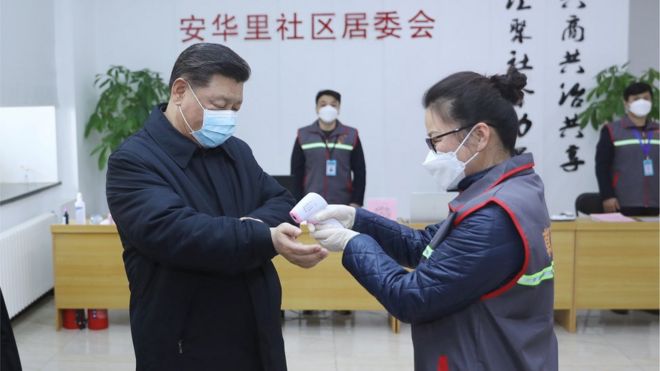
Chinese president Xi Jinping has his temperature recorded during a trip to a hospital in Beijing (10 February)Image copyright EPA
Image caption China’s president has kept a low profile since the outbreak began

“Xi’s absence from this crisis is yet another demonstration that he doesn’t so much lead as he does command,” Mr Blanchette says. “He’s clearly worried that this crisis will blow up in his face, and so he’s pushed out underlings to be the public face of the CCP’s response.”

Already there are signs that the censorship is being ratcheted up once again, with Mr Xi ordering senior officials to “strengthen the control over online media”.

A few days ago, I spoke by phone to the lawyer and blogger, Chen Qiushi, who’d travelled to Wuhan in an attempt to provide independent reporting about the situation. Videos from Mr Chen, and a fellow activist, Fang Bin, have been widely watched, showing not the ranks of patriotic soldier-medics and the building of hospitals that fill state media coverage, but overcrowded waiting rooms and body bags.

He told me he was unsure how long he’d be able to carry on. “The censorship is very strict and people’s accounts are being closed down if they share my content,” he said.

Mr Chen has since gone missing.

Friends and family believe he’s been forced into Wuhan’s quarantine system, in an attempt to silence him.

China’s leaders now find their fate linked to the daily charts of infection rates, published city by city, province by province. There are some signs that the extraordinary quarantine measures may be having an effect – outside of Hubei Province, the worst affected area, the number of new daily infections is falling.

But with the need to try to restart the economy – all but frozen now for over a week – the country has begun a slow return to work.

Media caption “Wuhan, add oil!”: Watch residents shouting to boost morale in quarantined city

Strict quarantine measures will remain in force in the worst affected areas, but workers from other parts of the country are trickling back to the cities, with the task of monitoring and managing their movements being handed to local neighbourhood committees.

It will be a difficult balancing act.

Too tough an approach risks further choking off business activity, commerce and travel in a consumer environment already suffocating under the deep psychological fear of contagion. Too lax, and any one of the many potential reservoirs of infection, now scattered across the country, could explode into another, separate epidemic.

That would require further harsh action, knocking domestic confidence and prolonging the international border closures and flight restrictions put in place at such enormous economic cost.

China is insisting that it is a fight well on the way to being won with “unconquerable will” and that lessons have been learned and “shortcomings in preparedness” identified.

Questions about the systemic failings behind the disaster are dismissed as foreign “prejudice”, as the propaganda machine cranks into overdrive, channelling the narrative and muting the criticisms.

But the devastating scale and scope of China’s world-threatening catastrophe have already revealed something important. The thousands who have lost family members, the millions living under the quarantine measures and the workers and businesses bearing the financial costs have been asking those difficult questions too.
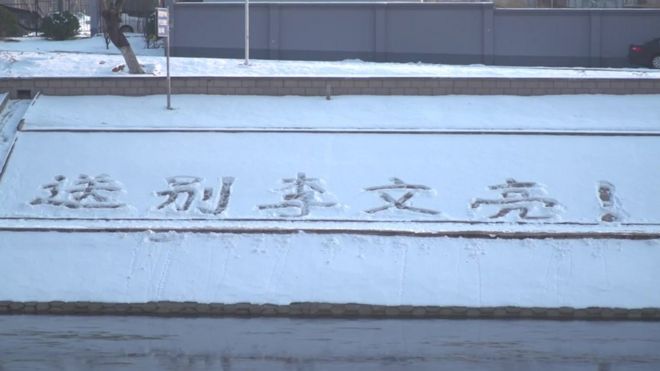
Chinese characters in the snow on the banks of the Tonghui river in Beijing read "Goodbye Li Wenliang!"
Image caption A tribute in snow to doctor Li Wenliang

On the snowy banks of the Tonghui river, the giant tribute to Li Wenliang remains intact. When we visited, a few locals were taking photos and talking quietly to each other.

A police car crawled slowly by.

Soon, with the warming weather, the characters will be gone.

Source: The BBC
08/03/2020

‘Kingdoms of women’: how modernity threatens Asia’s female-centric societies

  • Matriarchal and matrilineal communities centred around women have existed for centuries in China, India and Indonesia
  • But a recent influx of tourism, technology and mainstream patriarchal ideas is rapidly changing their way of life
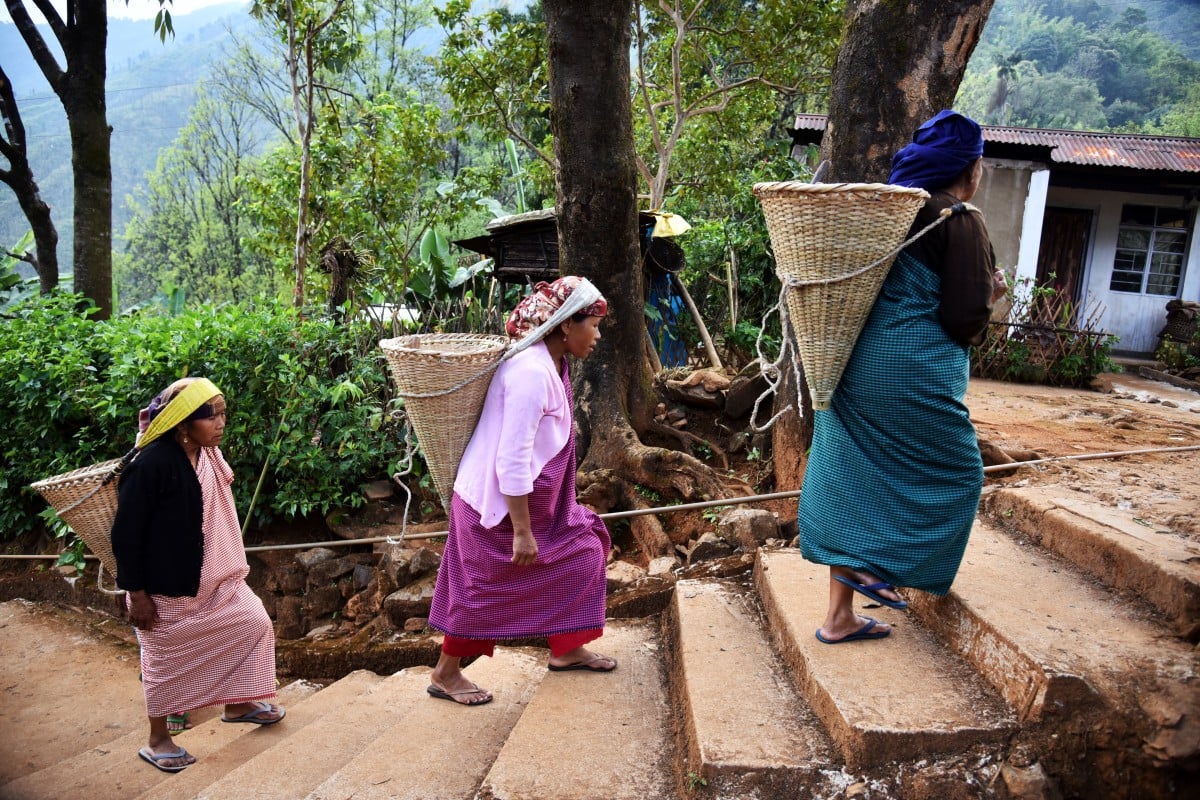
Khasi women leave their village of Nongtraw in India’s northeastern Meghalaya state to collect herbs from the fields. Photo: AFP
While women’s rights may have become a major topic of discussion around the world in recent years, there are female-centric communities that for centuries have distinguished themselves by carving out their own feminist traditions in places such as China, India
and Indonesia.
But many of these matriarchal and matrilineal societies are now struggling to survive, amid threats posed by the modern world such as mass tourism, technology and the infiltration of ideas from mainstream patriarchal society.
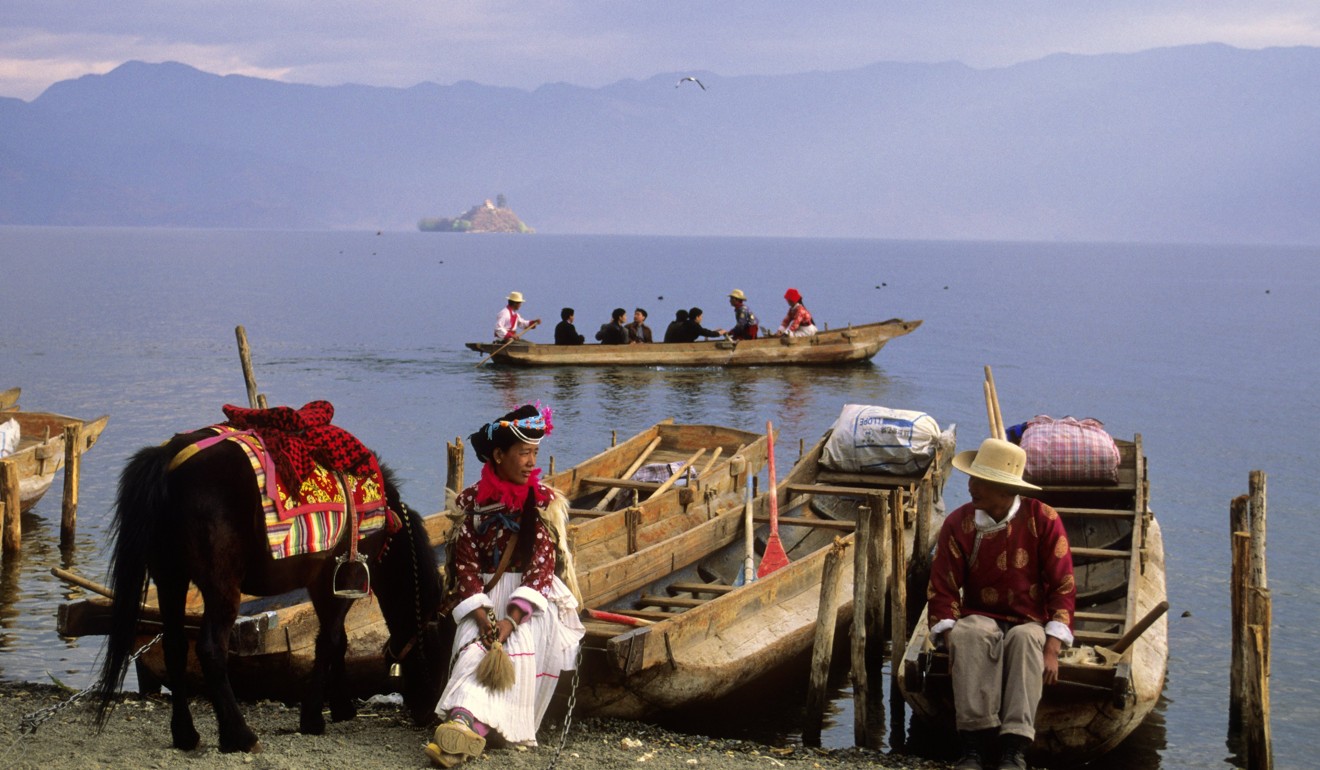
In China, for instance, there is a small Mosuo tribe known as the “kingdom of women”.

“Key to the Mosuo culture is their matrilineal family structure, with a basic building block of only members sharing the same female bloodline making up the family … Any male bloodline is not taken into account,” says Choo Waihong, a former Singaporean corporate lawyer who has researched the community for the past decade.

Lugu Lake in China’s Yunnan province is home to the Mosuo tribe. Photo: hemis.fr
At the top of the hierarchy is the grandmother, who is the head of the household. “Her daughters run the home and look after all the children of the female siblings … The sons and grandsons are expected in their supporting role to shoulder the manual tasks required to maintain the farmstead,” Choo says.

Researchers say that there are about 30,000 to 40,000 Mosuo people – most of whom live in the far eastern foothills of the Himalayas in Yunnan, southwest China. This unique community has come together in a series of villages dotted around a mountain and Lugu Lake, while growing numbers have moved out to work in larger towns and cities elsewhere in the country.

According to Choo, author of the book The Kingdom of Women: Life, Love and Death in China’s Hidden Mountains, the most distinctive facet of this community that sets it apart from mainstream society is the absence of formal marriage arrangements between men and women. Instead, they have “walking marriages”, where the man goes to the woman’s home, spends the night with her and then leaves the following morning.

The Kingdom of Women: China’s ‘lost tribe’ of matriarchs, the Mosuo
15 Mar 2017

The couple can choose to have a temporary or even a permanent arrangement as partners, but they are not bound by marriage ties. If they have children, the baby belongs to the woman’s household. “In fact, the man is not considered part of the matrilineal family and his ties to the baby do not determine the social place of the baby,” the researcher says.

Such a society, where women are not subjected to men and sexual freedom is an intrinsic part of their culture, is so radically different from mainstream patriarchal family structures that the Mosuo tribe has been examined and studied over time. More recently, its unique features have also become an eye-catching selling point for the local tourism industry.

TOURISM INDUSTRY

The Mosuo tribe used to live off the land by farming, herding and hunting. But many families now rely on tourism after the tribe’s culture and Lugu Lake became more popular and widely known.

“Tour buses on fancy freeways and planes arriving at a new airport bring more and more tourists daily to turn the whole area into a busy  travel playground,” Choo says. “Every household around the lake is involved one way or another with the hotel, restaurant and tour guide industries.”

While the tourism industry has brought money and better food for most families as well more access to educational opportunities for their children, it is also posing a serious threat to their culture and traditional ways of life.

“The greatest challenge for the tribe is their rapid transition from living a rudimentary subsistence farming way of life right into a burgeoning modern middle-class existence within a short span of 20 or so years,” Choo says.

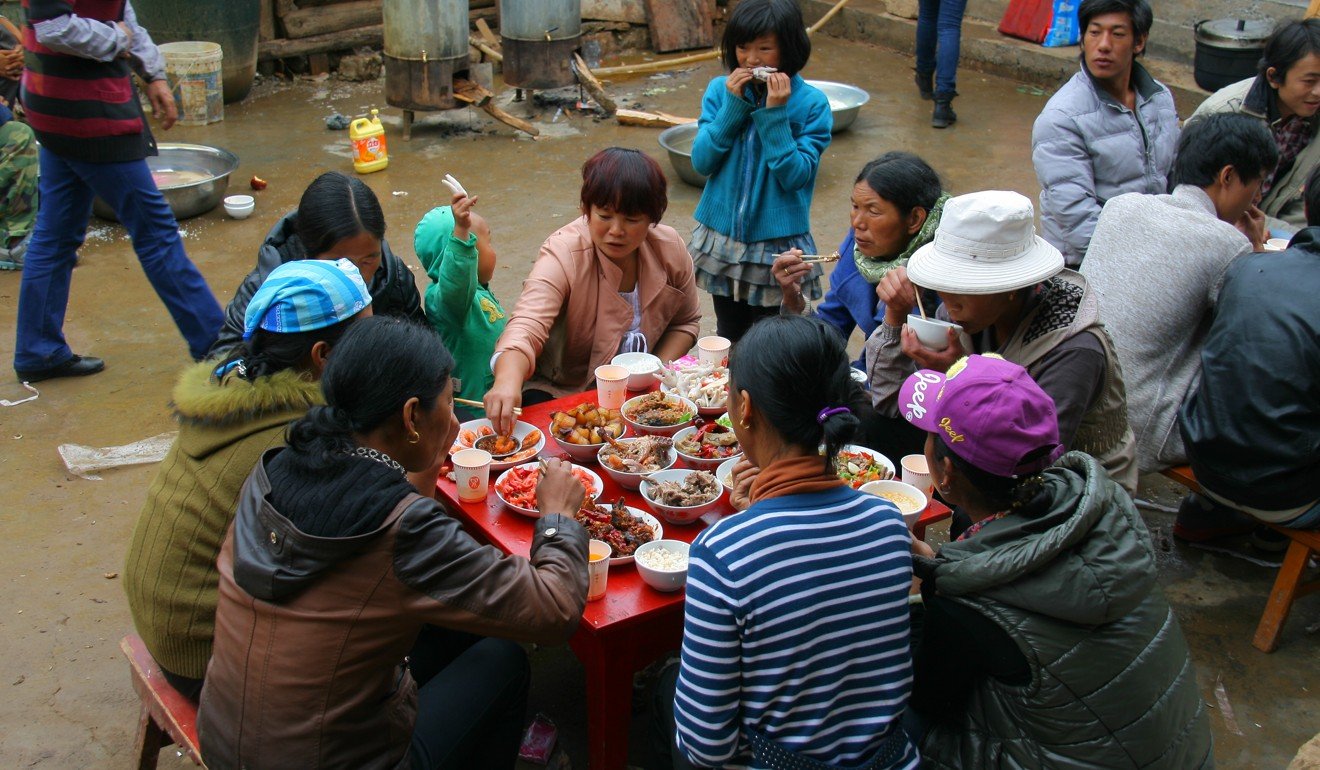
Mosuo people pictured at a wedding ceremony with an all-meat feast in 2013. Photo: Shutterstock
The Mosuo are now being bombarded not only by mainstream traditional Chinese values, but also by new economic values connected to money and the digital economy. “That is a lot to take in for people who had no writing to support their oral language … and only had primary schools for their children not so long ago,” she says.

Older Mosuo are now being pushed to learn Mandarin in order to keep up with the younger generations.

At the same time, the researcher says, “their long-held cultural beliefs and principles are evolving as the young generation gets exposed to the outside world and start to question the old ways of doing things.”

How life is changing for Thailand’s Karen tribe

17 Mar 2017

Walking marriages are not as common, with more youngsters getting married and forming nuclear families. “Large matrilineal families which were the norm are now breaking up into smaller nuclear families. All this dilutes the traditional matrilineal Mosuo family structure,” Choo says.

“The central place of the female in old Mosuo society is slowly being affected, as the male Mosuo are beginning to entertain some patriarchal outlook in the face of outside cultural influences.”

China may have radically reinvented itself in recent decades, but the changes to the Mosuo tribe have been nearly as dramatic. “The world of the Mosuo when I first ventured into their midst 12 years ago is a distant past as I look [today in 2020] at how they have changed,” Choo says.

PATRIARCHY IN DISGUISE

There are dozens of female-centric communities scattered around the world. The Garo and Khasi tribes, which are also traditionally matrilineal societies, can be found mostly in India.

In a Khasi family, the youngest daughter inherits the ancestral property, while in the Garo community, women also inherit property, but don’t necessarily have to be the youngest daughter of the family.

Caroline Marak, former head of the Garo Department at the North Eastern Hill University in India, says that the Garo are female-oriented, but not female-dominated. Women “have no part in the field of administration decision-making”, she wrote in an academic paper.

In recent years, the husbands of Garo women who are property owners have had a greater say over land deals, such as with government. “We are now trying to reclaim our rights from the males,” says Sume Sangma, secretary of the Garo Mothers Union NGO. “Women in the community are self-reliant and we are fighting for their real power.”

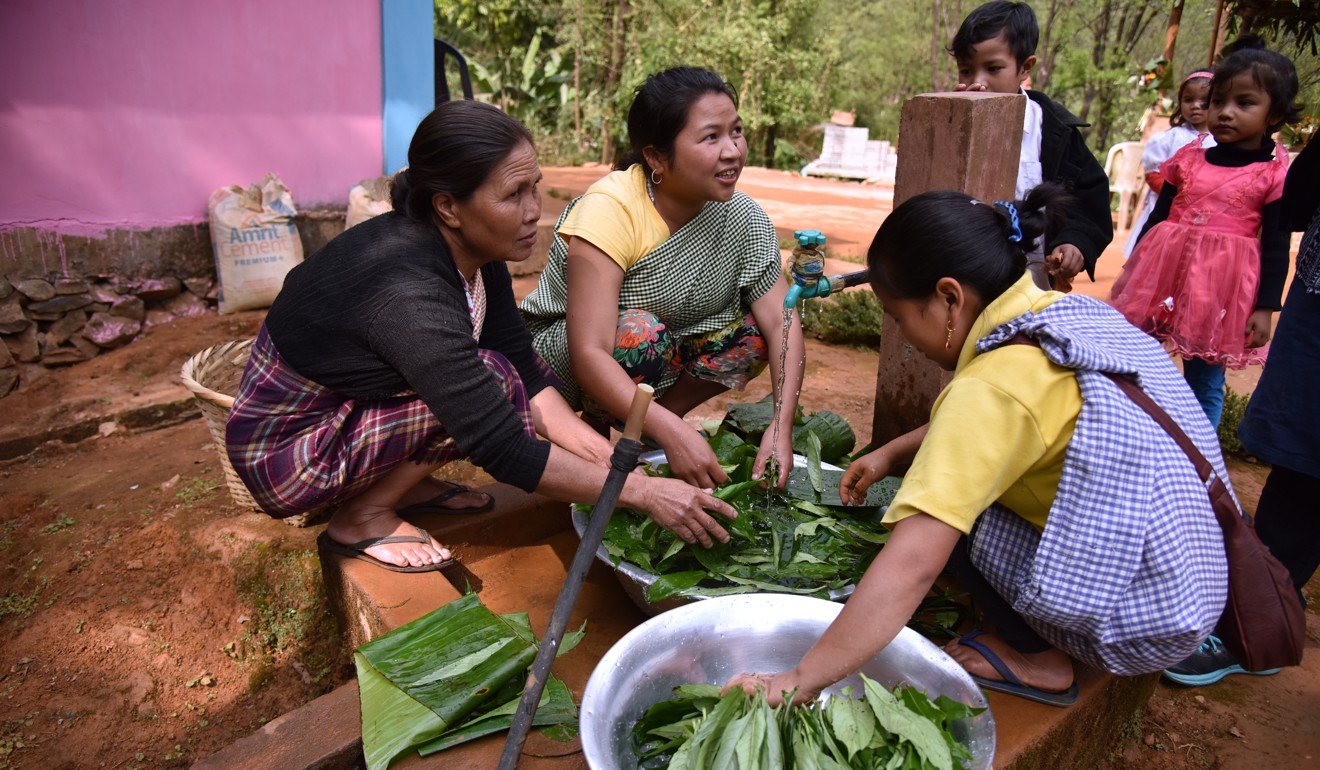
Khasi women wash leaves for cooking in the village of Nongtraw in India’s north-eastern Meghalaya state. Photo: AFP
Tiplut Nongbri, from the Centre for North East Studies and Policy Research at the Jamia Millia Islamia in New Delhi, also says women don’t have much authority in Garo and Khasi societies. “Patriarchy is in disguise in both the communities. The societies are matrilineal only as far as descent, residence and inheritance of property are concerned,” she says. “Women are not allowed to take part in politics.”
RG Lyngdoh, former home minister of Meghalaya – the hilly state in north-eastern India where both communities are based – says inward migration and the presence of Christian missionaries in the state have affected traditional lifestyles. “The old practices of equity between males and females have eroded,” Lyngdoh says.
“This has led to a perception of inadequacy among the males, [creating] discord within the family, which found expression in many negative ways, such as domestic violence and abandonment of wives, which never existed within the Khasi community.”
Gertrude Lamare, a member of the Khasi-Jaintia community now pursuing her PhD in anthropology at the London School of Economics and Political Science, argues that “with families becoming more nuclear, women do have a huge role in the decision-making process”.
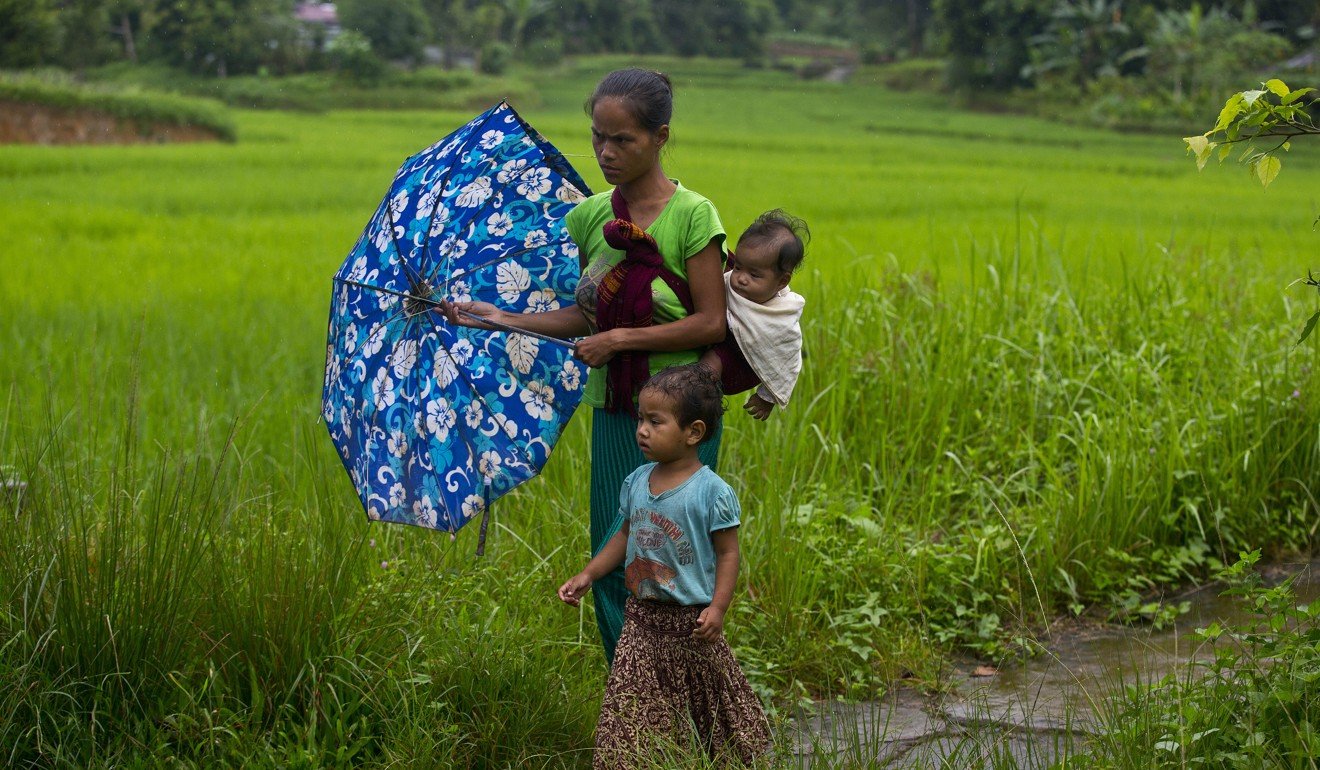
A Khasi woman walks in the rain with children past a paddy field along the Assam-Meghalaya state border in India. Photo: AP
Researchers have estimated that there are 1 million Garo in India and 
Bangladesh

, and 1.7 million Khasi in the Khasi and Jaintia Hills.

Some of them have become increasingly wary of outsiders preying on their natural resources, which are dwindling, thanks to deforestation and climate change.
Another challenge these communities are facing has to do with the growing trend of mixed marriages. “In recent years, children of a Khasi or Garo mother and non-tribal father [have] not [been] welcomed. The males in the family want their women to marry within the tribal community,” researcher Nongbri says, noting that younger generations are going through an identity crisis.
STILL PROUD
The world’s largest known matrilineal society today is believed to be in Indonesia: the Minangkabau, also known as Minang. Their community of about 8 million is scattered around the world, but most are in Indonesia’s West Sumatra province. While traditionally animist, they were later influenced by Hinduism and Buddhism, and most have since embraced Islam.
But much like the others, their community is also changing.
Nursyirwan Effendi, dean of the Faculty of Social and Political Science at Andalas University, says that many of those who remain in villages and rural areas still hold tight to the tribe’s values.
“Women are central in the distribution of assets, such as rice fields, gardens and [houses], from their ancestors,” he says.
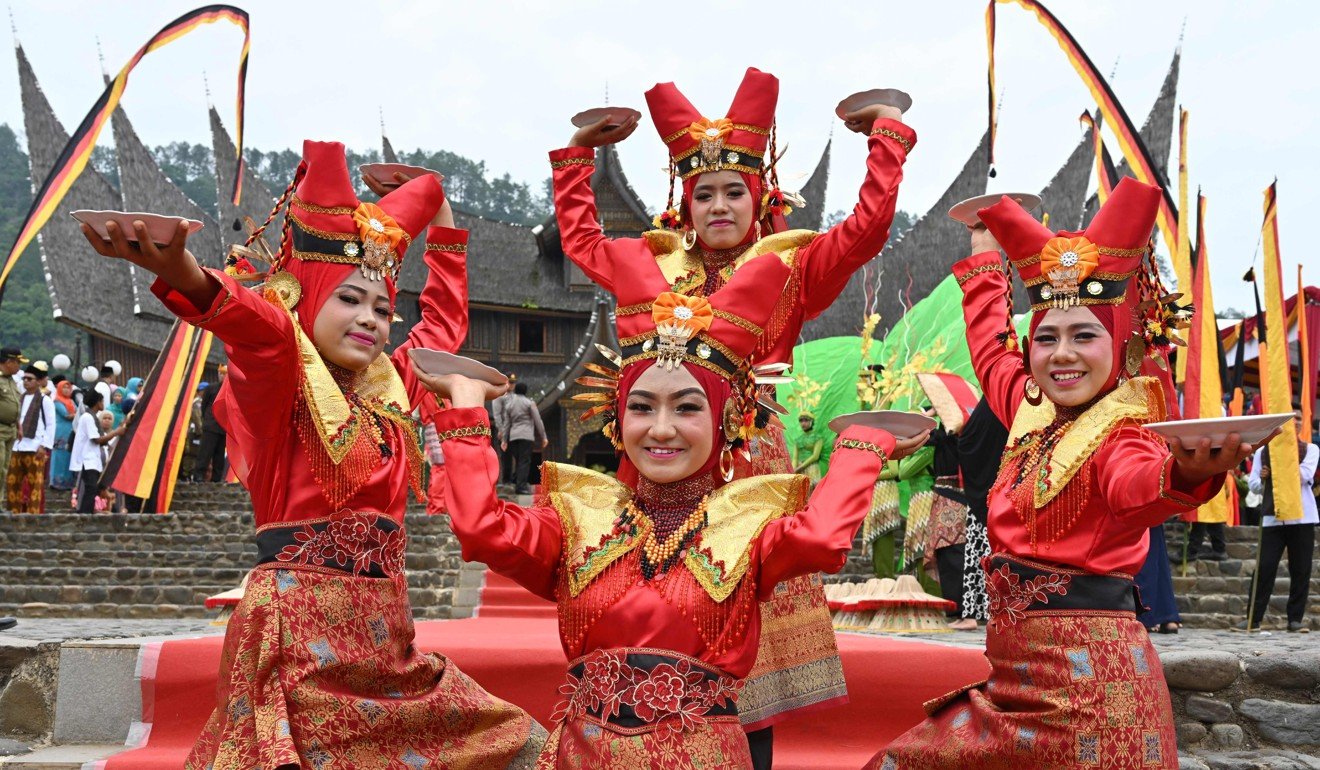
Dancers pose during the 2018 Minangkabau art and culture festival in Batusangkar, West Sumatra. Photo: AFP
Traditionally, Minangkabau women play an essential role in their children’s education and hold inheritance rights, while men are expected to take jobs elsewhere and occupy political and religious positions. When they do get married, the man moves to the woman’s house.
But Nursyirwan, who is of Minangkabau descent, notes that many have left for bigger cities, where they do not closely follow the community’s traditions.
An example of this is Afrianto Sikumbang, a 53-year-old businessman who was born to Minangkabau parents in West Sumatra province but now lives in the capital, Jakarta. Although he married a Minangkabau woman, he says they “don’t really apply” the tribe’s values in their daily life.
Sonya Anggraini, 35, who also works in the capital, has got used to city life, but remains proud of her ancestral roots and hopes that Minangkabau culture will persist for years to come.
“I am a member of my mother’s family, not of my father’s,” she says. 
Source: SCMP
14/02/2020

India orders telcos to pay dues now, after top court threatens contempt

NEW DELHI/MUMBAI (Reuters) – The Indian government ordered mobile carriers on Friday to immediately pay billions of dollars in dues after the Supreme Court threatened the companies and officials with contempt proceedings for failing to implement an earlier ruling.

The court, which had ordered companies including Vodafone Idea (VODA.NS) and Bharti Airtel (BRTI.NS) to pay 920 billion Indian rupees ($13 billion) in overdue levies and interest by Jan. 23, last month rejected petitions seeking a review of the order it issued back in October.

“This is pure contempt, 100% contempt,” Justice Arun Mishra told lawyers for the companies and the government on Friday.

Later in the day, the Department of Telecommunications called for “immediate payments” from the telcos. A second order instructed relevant offices to stay open on Saturday to “facilitate the Telecom Licensees to make payments or contact them with respect to any matter related to that.”

The companies had contested the government’s definition of revenues subject to tax and Vodafone Idea and Bharti Airtel both flagged risks to their ability to continue as ongoing concerns following the October order. They did not immediately respond to calls seeking comment on the new ruling.

The companies, along with Reliance Jio, which is backed by Asia’s richest man, Mukesh Ambani, control more than 90% of India’s mobile market.

Jio, a relatively new entrant which has disrupted the market with its cut-price offerings, has paid its dues.

Shares in Vodafone Idea, in which Britain’s Vodafone Group (VOD.L) owns a sizable stake, closed down 24.4% after the order. The company’s future is in doubt, with Vodafone Group having said it has no plans to commit any more equity into India.

Shares in Bharti Airtel rose 4.64%, as many investors expect it will be able to survive the payment, leaving it and Jio with a potential opportunity to win market share and enjoy an effective duopoly in the sector. In a letter to the government, Bharti Airtel said it would deposit 100 billion rupees by Thursday and pay the balance “well before” the next hearing on March 17.

Justice Mishra rebuked the government for having failed to implement the court order on collecting the dues. “A desk officer in the government stays a Supreme Court order … Is there any law left in the country?,” he said.

“We will draw up contempt against everyone,” he added, implying that both company and government officials could be fined or jailed if the dues are not paid by March 17.

Analysts said the court’s move could harm the government more broadly, as well as the companies.

“It can’t be in anybody’s interest if a company as high profile as Vodafone Idea shuts shop. Also, the government’s own dues from the sector are at risk,” said Mahesh Uppal, director at ComFirst, a telecom consultancy firm.

BANKS BURDENED

Indian banks are burdened with nearly $140 billion of bad loans and face another huge hit if Vodafone Idea is forced into bankruptcy.

Banks in India are owed roughly 300 billion rupees by Vodafone Idea, according to a Macquarie report from last year.

“Banks were yet to make additional provisioning for these loans as they were expecting some sort of a relief from the court,” said Siddharth Purohit, an analyst at SMC Institutional Equities.

Banks that have the highest exposure to Vodafone Idea include State Bank of India (SBI.NS), Punjab National Bank (PNBK.NS), Canara Bank (CNBK.NS) and Bank of India (BOI.NS), among others, the Macquarie report said.

Vodafone Idea, which owes the government about $4 billion in dues related to the ruling, has seen its shares slide more than 40% since the court ruling in October.

The broader Indian stock market also reversed early gains to trade lower after the ruling as investors worried about the fallout.

Still, some analysts remained hopeful the government could appeal to the court to review its decision.

“Let’s see how the government reacts and what they do. If the government appeals to the court they could still settle it out, and we may see some positives emerge for everyone,” said a senior industry analyst, who asked not to be named.

Source: Reuters

Law of Unintended Consequences

continuously updated blog about China & India

ChiaHou's Book Reviews

continuously updated blog about China & India

What's wrong with the world; and its economy

continuously updated blog about China & India