Archive for ‘tourism sector’

20/02/2020

‘We’re like cash cows’: stranded Chinese students upset after Australia’s coronavirus travel ban

  • A government task force has estimated a US$5 billion loss if Chinese students – angered and frustrated by the ban – cannot enrol for university
  • The tourism sector is also likely to be hit by restrictions on travel from the mainland as Chinese visitors spend about U$8 billion in Australia each year
Some 150,000 Chinese nationals are enrolled at Australian universities, making up around 11 per cent of the student population. Photo: Shutterstock
Abbey Shi knows first hand the anger and frustration felt by Chinese students left stranded by the Australian government’s decision to ban travel from the mainland in response to the coronavirus outbreak.
Shi, general secretary of the Students’ Representative Council at the University of Sydney, is in contact with more than 2,000 Chinese students who went home for the Lunar New Year holiday and now cannot return to Australia with just weeks to go until the start of the new academic year.
“There is a lot of confusion about the ban and anger towards the government,” said Shi, an international student from Shanghai. Currently in Australia, she is sharing information with the stranded students via WeChat.
How to beat the coronavirus? Re-creating it in Singapore, Australia is vital first step
3 Feb 2020
“The education sector in Australia is being commercialised and students are being treated like cash cows,” she said. “Universities don’t care about our affected career path, life, tenancy issues, our pets at home.”
Prime Minister Scott Morrison on Saturday announced that non-citizens – excluding permanent residents and their immediate family members – who arrived from or passed through mainland China within the previous 14 days would be denied entry to Australia as part of efforts to halt the spread of the coronavirus, which was first detected in December in the Chinese city of Wuhan.
Other countries including the United States, Singapore and the Philippines have introduced similar travel restrictions in response to the outbreak, which has sickened more than 19,000 people in at least 26 countries and territories outside mainland China and claimed 425 lives.

The travel ban, which is due to be reviewed on February 15, has upended the plans of numerous Chinese students who were due to begin or return to their studies from late February following the summer break.

Tony Yan, a mathematics undergraduate at Australian National University (ANU), said he had been left out of pocket for several weeks’ rent after being stranded in his home province of Jiangsu, but hoped he could return before classes started on February 24.

“I think the Australian government should have given a few days earlier notice,” Yan said. “I haven’t paid the tuition yet, many others haven’t as well.”

About 150,000 Chinese nationals are enrolled at Australian universities, making up around 11 per cent of the student population – a far greater proportion than in Britain and the United States, which came in at 6 per cent and 2 per cent respectively, in a 2017 report from an Australian think tank.

Coronavirus: Australia evacuates 243 people from China as deaths mount

3 Feb 2020

ANU Vice-Chancellor Brian Schmidt on Saturday described the travel ban as “disappointing”, pledging that the university would be “generous and flexible in supporting our students” through the coming weeks.

Monash University in Melbourne has delayed the start of its academic year, while other universities are exploring options such as online tuition and intensive summer courses.

Australian universities, some of which rely on Chinese students for nearly one-quarter of their revenue, are bracing to take a major financial hit due to the ban.

Phil Honeywood, the head of a government task force initially set up to manage the reputation of Australia’s international education sector in the wake of the country’s bush fires crisis, on Sunday warned the ban could cost universities A$8 billion (US$5.34 billion) if Chinese students could not enrol for the first semester of the year.

Coronavirus: what we know so far about the outbreak spreading in China and abroad

Education minister Dan Tehan on Monday met with peak body Universities Australia to discuss ways to minimise fallout for the sector.

“Australia will remain an attractive study destination for Chinese students, but it may take several years for Chinese student numbers to recover,” said Salvatore Babones, associate professor at the University of Sydney and adjunct scholar at the Centre for Independent Studies. “Students who are already in the middle of a degree are likely to return at the first possible opportunity, even at the cost of missing one semester, but students who have not yet started may make other plans.”

But ANU tertiary education expert Andrew Norton said there remained too many unknowns, including the number of Chinese students stranded abroad, to gauge the impact of the ban.

How the coronavirus spread anti-Chinese racism like a disease through Asia

17 Feb 2020

“This travel ban is a short-term policy to minimise the risk of disease spreading, which would be a more serious problem than a disruption to university timetables,” he said. “One of Australia’s major [education] competitors – the US – has a similar policy, and due to travel restrictions within China and the cancelling of commercial flights to and from China Australia’s competitors are unlikely to be able to take advantage.”

Norton noted that the sector had weathered previous outbreaks such as the 2003 outbreak of severe acute respiratory syndrome (Sars), and “although there were sometimes short-term dips in numbers, none of them have changed the long-term trend towards growth”.

The ban has also sent jitters throughout the tourism industry, which relies on Chinese visitors for a quarter of international spending. Nearly 1.5 million 

Chinese nationals

visited Australia in 2018-19, Australian Bureau of Statistics records show, accounting for about one in eight arrivals.
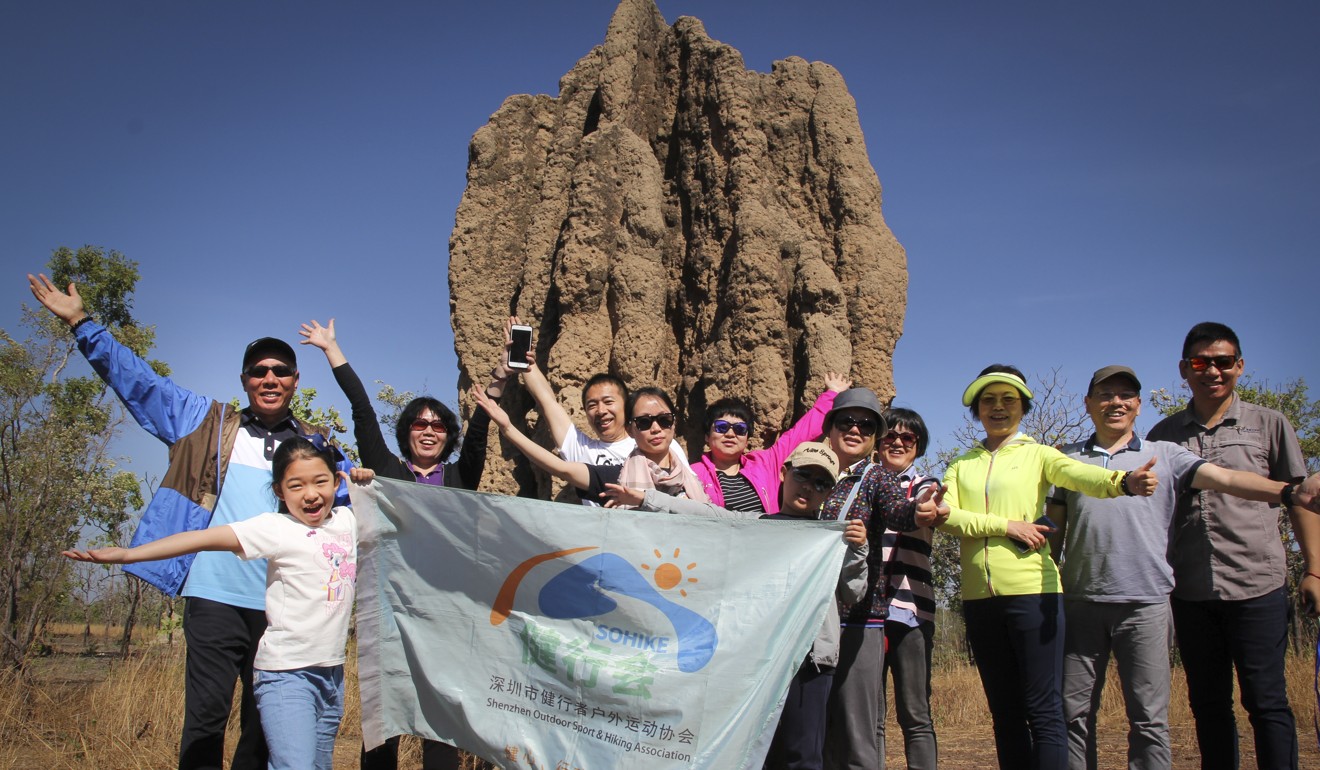
Nearly 1.5 million Chinese nationals visited Australia in 2018-19, according to Australian Bureau of Statistics records. Photo: SCMP / Alkira Reinfrank
With Chinese tourists spending about A$12 billion (US$8 billion) in Australia each year, according to Tourism Research Australia, every month the travel ban remains in place could amount to billion-dollar losses for the sector.
Tourism Tropical North Queensland on Monday said the outbreak had already cost operators for Cairns and the Great Barrier Reef 25,000 direct bookings worth A$10 million. Chief executive Mark Olsen said the situation constituted a crisis for the industry that called for “unprecedented action” by the government.
David Beirman, senior lecturer in tourism at the University of Technology Sydney, said the ban was especially damaging for the industry as it came on the heels of devastating bush fires that had kept visitors away.
Coronavirus: how Facebook clickbait fuels a perfect storm of fake news
15 Feb 2020

“There is no doubt that the coronavirus outbreak following on so closely to the bush fires will combine to hit international tourism to Australia very hard,” Beirman said. “Later this month the Australian Bureau of Statistics will reveal the December 2019 tourism figures, which are expected to show at best a 25 per cent downturn in international visitor arrivals compared to December 2018. January 2020 is likely to be far worse as the impact of coronavirus will certainly be a factor.”

Others have raised concerns about the impact of the travel restrictions on public attitudes toward Chinese and Chinese-Australians, warning they could stoke latent prejudices.

“This is an overreaction from the Australian government, and in many ways it feels like it is a form of racial targeting,” said Erin Chew, national convenor of the Asian Australian Alliance. “When previous viruses happened such as mad cow disease or the swine flu, Australia didn’t ban non-citizens from Britain and the US. Nor was the blame placed on the people in [those countries].

“Since the coronavirus outbreak it has been coined that this virus is the fault of Chinese people, not just in mainland China, but really all over the world.”

Source:, SCMP
09/04/2019

China’s bridge to North Korea opens 3 years after it was built – but why now?

  • Buses from the North make return trip to China on Monday, according to South Korean media
  • Opening of Jian-Manpo border crossing had been delayed during heightened tension over sanctions on the North
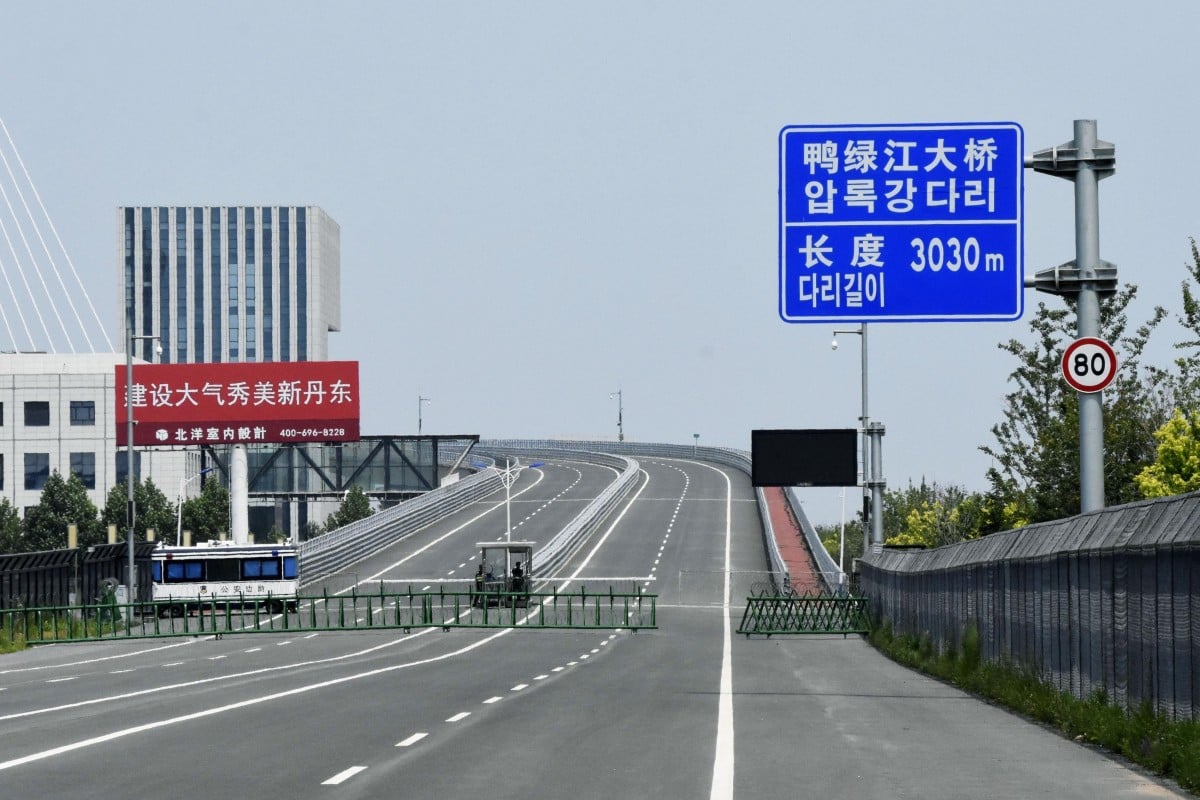
The bridge crosses the Yalu River on the border between China and North Korea. Photo: Kyodo
China and North Korea have finally opened a border bridge built between the two countries in 2016, in a potential boost to the North’s economy as Beijing tries to balance its concerns about its neighbour against ongoing international pressure for it to denuclearise.
A border checkpoint and bridge connecting the Chinese city of Jian with North Korea’s Manpo were open on Monday, following three years of delays since they were built.

Four buses crossed the border from North Korea in the morning and returned to the hermit kingdom about an hour later carrying about 120 people, who included tourists, according to South Korean media. It was not known whether the people travelled from North Korea or boarded the buses in China.

The bridge had remained closed on its completion in 2016, with Beijing taking a cautious approach at a time when it faced international scrutiny of whether it was fully implementing UN Security Council sanctions on the North.

to enforce the sanctions after a UN committee accused it and South Korea of being reluctant to enforce a ban on coal exports from the North.

But there has been a change in the status of the Jian-Manpo border crossing – built near to where Kim’s father, the former leader Kim Jong-il, was reported to have crossed the border in 2010 in a rare trip outside his country.

Kim’s second summit with Trump in February collapsed against a backdrop of continued economic struggles for North Korea. Beijing is wary of instability around the North Korean regime posing a threat to the security of China’s northeast, fearing an influx of refugees into one of its poorest regions.

North Korea’s trade has suffered to the extent that the Korea Development Institute said in February it had almost collapsed.

The North’s exports to China – which accounts for the bulk of its trade – plunged 87 per cent year-on-year in 2018, according to data compiled by South Korea’s Korea

International Trade Association, while there have been myriad other economic problems at a time when Kim has vowed to deliver on the economy.

In April last year, Kim announced that Pyongyang was moving away from its twin-track “byungjin” policy of developing nuclear weapons and the economy simultaneously to focus exclusively on rebuilding the economy.

Boo Seung-chan, adjunct professor at the Yonsei Institute for North Korean Studies in Seoul, said the bridge’s primary use would be to boost tourism in North Korea, which is not restricted by the UN sanctions.

“Tourism is the only sector left for the North Koreans to earn foreign revenue,” Boo said. “Besides, China can only offer its financial help through the tourism sector as it does not wish to violate UN sanctions.

“China’s Korean peninsula policy is to maintain the stability of the region. It may also be drawing a road map for when sanctions may be lifted, finding its means to accelerate its economic engagement to increase its sphere of influence.”

Source: SCMP

Law of Unintended Consequences

continuously updated blog about China & India

ChiaHou's Book Reviews

continuously updated blog about China & India

What's wrong with the world; and its economy

continuously updated blog about China & India