China and the United States agreed to a 90-day ceasefire on new tariffs in their trade war at the G20 summit in Buenos Aires, allowing a reprieve after months of threats and stalled talks.
SCMP TODAY: HK EDITION
Get updates direct to your inbox
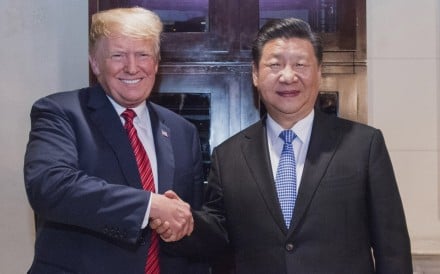
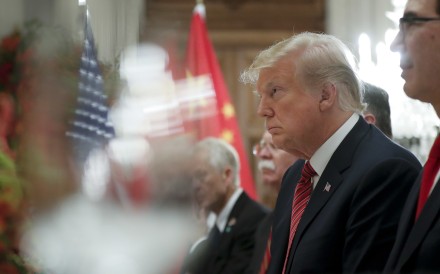
The decision for the US to hold off on planned tariff increases on US$200 billion in Chinese goods from 10 to 25 per cent on January 1 came over a grilled steak dinner in Argentina, the first face-to-face meeting between US President Donald Trump and his Chinese counterpart Xi Jinping since the start of the conflict.
Here is a look back at how it all began.
The first shots
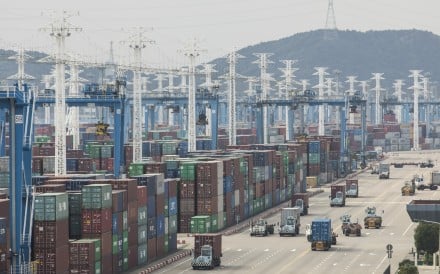
The truce comes almost a year after the two countries began sparring over trade. Trump first slapped 30 per cent tariffs on solar panels and washing machines in February, prompting a complaint to the World Trade Organisation from Beijing. Then in March, the Trump administration imposed steel and aluminium tariffs across the board, including on China, which the Chinese government responded to with tariffs on 128 US products such as wine, fruit, and pork.
But the trade war began in earnest in July with the US levying its first round of punitive tariffs, triggered by an investigation under Section 301 of the Trade Act into Chinese trade and intellectual property practices.
Xi Jinping and Donald Trump agree to trade truce, no additional tariffs, China state media says
Washington’s duties on US$34 billion in Chinese products was quickly matched by Beijing. The US imposed tariffs on another US$16 billion in August – again matched by China – and then US$200 billion in September. Beijing responded to the third round by targeting US$60 billion in US goods.
Beijing’s US$110 billion total targeted industries that analysts said were aimed at Trump’s political base, including a particularly stinging 25 per cent duty on American soybeans.
While business leaders in both countries called for a resolution, a series of trade talks – including low-level discussions in Washington in late August – failed to yield a breakthrough.
After the Chinese side reportedly cancelled scheduled talks in September, US officials signalled that they would not return to the negotiating table without a concrete proposal from Beijing.
Then just before the G20 summit, Chinese Vice-Premier Liu He, Xi’s top economic aide, called off a planned meeting in Washington at the last minute and pinned everything on talks in Buenos Aires.
Just how bad has it been?
The trade war cast a long shadow over the Asia-Pacific Economic Cooperation forum in Papua New Guinea in November, resulting in the leaders failing for the first time to issue a joint communique. And as the China-US conflict has rolled on, it has spilled over into a broader strategic concern, one some analysts have described as the start of a new cold war.
In October, US Vice-President Mike Pence slammed Beijing not only for unfair trade practices, but for militarisation of the energy-rich South China Sea, domestic repression including massive state imprisonment of ethnic Uygurs in Xinjiang, and expanded global influence through “debt diplomacy”. Without offering evidence, Trump also accused China of meddling in US elections ahead of the November midterms.
China’s ‘truce deal’ includes offer to buy more US natural gas, improve IPR protection, source says
As tensions escalated, Washington tightened export restrictions on strategic industries, sanctioned a key department of the Chinese military for purchases from Russia, and increased visa scrutiny for Chinese academics in the US.
Meanwhile, American companies in China have reported increased scrutiny from regulators and delayed approvals for licences.
What’s next?
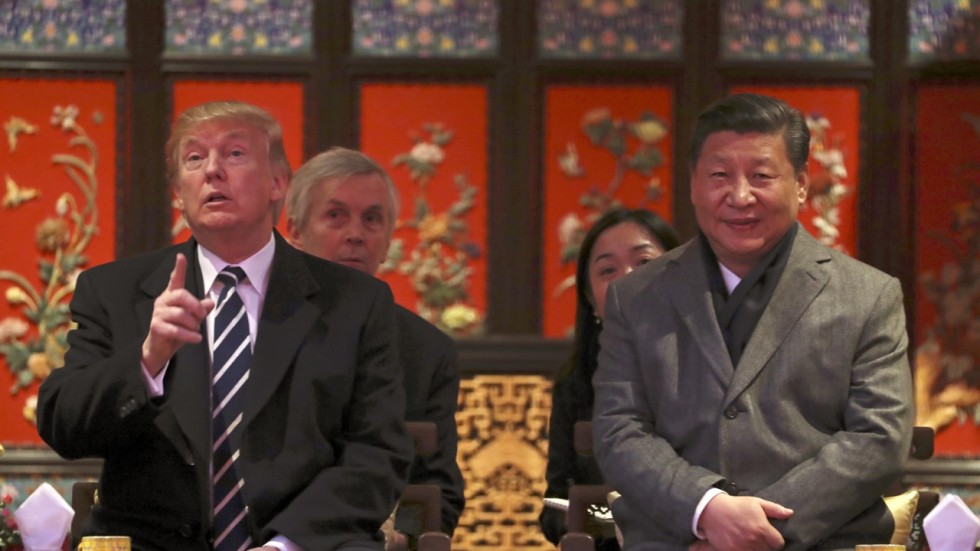
Xi and Trump initially appeared to hit things off with reciprocal lavish state visits in Mar-a-Lago in Florida and Beijing, but their apparent honeymoon was short-lived. A 100-day plan that outlined ways for China to open its economy failed to address the Trump administration’s fundamental concerns.
Those concerns include US complaints about Chinese intellectual property theft and industrial subsidies, centred on Beijing’s state-backed “Made in China 2025” initiative, a programme to turn China into a leader in a range of advanced technologies.
Despite the ceasefire, analysts are sceptical that a deal can be reached on the wide range of prickly trade issues. Only days before the G20 summit, Trump told The Wall Street Journal that it was “highly unlikely” he would delay the January 1 tariff increases, insisting that the brunt of the existing tariffs were being borne by China.

He also said the US was ready to levy tariffs on the remaining US$267 billion in Chinese imports, including consumer goods such as Apple products.
The White House is insisting on structural reforms to China’s economy, beyond window-dressing measures to close the trade imbalance, but Xi is unlikely to make major concessions given the inevitable domestic political backlash, analysts say.
“Both sides got the time out they wanted, to recalibrate their strategies and figur
e out what to do next,” Patrick Chovanec, managing director and chief strategist at Silvercrest Asset Management, said on Twitter.
“But the underlying issues – some due to China’s protectionist ideology, some due to Trump’s – remain unresolved.”





 CHINDIA ALERT: You'll be living in their world, very soon

COMMENTS: 1