Archive for ‘Vietnam’

24/02/2019

North Korea’s Kim on his way by train to summit with Trump in Vietnam

SEOUL/HANOI (Reuters) – North Korean leader Kim Jong Un made his way across China by train on Sunday, media reported, bound for a high-stakes second nuclear summit with U.S. President Donald Trump in Vietnam’s capital of Hanoi.

Few details of Kim’s trip have been announced but he left Pyongyang by train on Saturday afternoon for the Feb. 27-28 summit accompanied by senior North Korean officials as well as his influential sister, North Korea’s state media reported.

Trump and Kim will meet in Hanoi eight months after their historic summit in Singapore, the first between a sitting U.S. president and a North Korean leader, where they pledged to work towards the complete denuclearisation of the Korean peninsula.

With little progress since then, the two leaders are expected to focus on what elements of North Korea’s nuclear programme it might begin to give up, in exchange for U.S. concessions.

In rare, revealing coverage of Kim’s travel, while it is still going on, the North’s Rodong Sinmun newspaper featured photographs of him getting a red-carpet send-off in Pyongyang and waving from a train carriage door while holding a cigarette.


He was accompanied by top officials also involved in the Singapore summit, including Kim Yong Chol, a former spy chief and Kim’s top envoy in negotiations with the United States, as well as senior party aide Ri Su Yong, Foreign Minister Ri Yong Ho and defence chief No Kwang Chol.

The North Korean leader’s sister, Kim Yo Jong, who acted as a close aide in Singapore, is again part of the delegation, the North’s KCNA news agency reported. It made no mention of his wife, Ri Sol Ju.

The extensive coverage in the secretive North’s official media was a contrast to the limited reporting that has traditionally prevailed during his foreign trips.

Other senior officials, such as his de facto chief of staff Kim Chang Son and Kim Hyok Chol, negotiations counterpart to U.S. envoy Stephen Biegun, were already in Hanoi to prepare for the summit.

With scant progress since the June summit, the two leaders are likely to try to build on their personal connection to push things forward in Hanoi, even if only incrementally, analysts said.

Both sides are under pressure to forge more specific agreements than were reached in Singapore, which critics, especially in the United States, said lacked detail.


“They will not make an agreement which breaks up the current flow of diplomacy. (President Trump) has mentioned that they’ll meet again; even if there is a low-level agreement, they will seek to keep things moving,” said Shin Beom-chul, a senior fellow at the Asan Institute for Policy Studies.

LEARNING FROM VIETNAM

The Trump administration has pressed the North to give up its nuclear weapons programme, which, combined with its missile capabilities, poses a threat to the United States, before it can expect any concessions.

North Korea wants an easing of punishing U.S.-led sanctions, security guarantees and a formal end of the 1950-1953 Korean War, which ended in a truce, not a treaty.

Few details of summit arrangements have been released.

Some lamp posts on Hanoi’s tree-lined streets are decked with North Korean, U.S. and Vietnamese flags fluttering above a handshake design, and security has been stepped up at locations that could be the summit venue, or where the leaders might stay.

It could take Kim at least 2-1/2 days to travel to Vietnam by train.

Some carriages of a green train were spotted at Beijing’s station on Sunday, but it was not confirmed it was Kim’s.

South Korea’s Yonhap news agency said Kim’s train had passed through a station in China’s port city of Tianjin, southeast of Beijing, at around 1 p.m. (0500 GMT).

China has given no details of his trip. Its foreign ministry did not immediately respond to a request for comment.

Two top North Korean officials who were not in Singapore but will be in Hanoi are Kim Phyong Hae and O Su Yong, vice chairmen of the party’s Central Committee, respectively in charge of personnel management and industrial affairs, KCNA reported.

O is a former minister of electronics and vice minister of metals and machine building. He might try to learn about Vietnam’s development of manufacturing, analysts said.

Kim Jong Un may tour some economic facilities while in Vietnam.

Vietnam, like North Korea, fought a war against the United States and keeps tight control over its people and economy. It has been touted as a model for North Korea’s development.

Vietnamese media reported that a North Korean cargo plane arrived on Sunday carrying personnel who appeared to be Kim’s security guards and state media workers. They were driven under police escort to a downtown hotel.

Source: Reuters
20/02/2019

Wei Fenghe meets Vietnam’s deputy minister of national defense

BEIJING, Feb. 19 (Xinhua) — Chinese State Councilor and Minister of National Defense Wei Fenghe on Tuesday met with Vietnam’s Deputy Minister of National Defense Nguyen Chi Vinh in Beijing.

“With shared ideals and convictions, the friendship between China and Vietnam is deeply rooted and of special importance,” Wei said. “The two countries are a community of shared future with strategic significance.”

He said the Chinese military is willing to work with the Vietnamese military to implement the important consensus reached at the high level between the two parties and the two countries, strengthen strategic communication and coordination, and deepen exchanges and cooperation in various fields.

The Chinese military also stands ready to properly handle differences, push military-to-military relations to a new level and contribute to safeguarding the fundamental interests of the two countries and regional security and stability, he said.

Vinh said that the Central Committee of the Communist Party of Vietnam and the Central Military Commission cherish the traditional friendship between the two countries and are willing and have confidence to push relations between the two countries and two militaries to a higher level and bring more benefits to the two peoples.

Source: Xinhua

16/02/2019

Hong Kong seizes $1m worth of rhino horn at airport

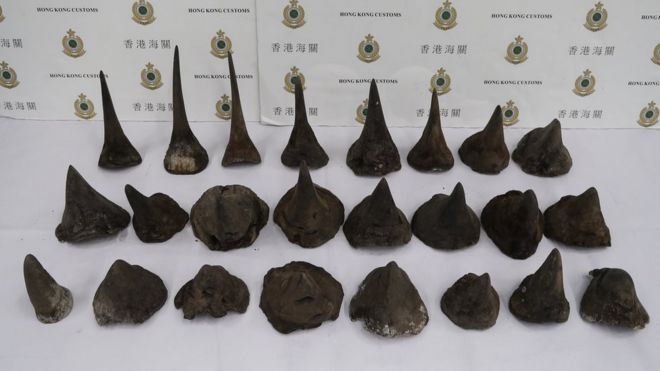
Photo released by Hong Kong Customs and Excise Department of seized rhino hornsImage copyrightAFP/GETTY
Image captionThe haul accounts for 20% of Hong Kong’s rhino horn seizures in five years

Airport authorities in Hong Kong have arrested two men smuggling a record number of suspected rhino horns worth $1m (£780,000) on Thursday.

Some 24 severed rhino horns weighing 40kg (88lb) were found in the bust – Hong Kong’s largest ever seizure.

The alleged smugglers were in transit to Ho Chi Minh City in Vietnam from Johannesburg in South Africa.

Customs officials said the illegal haul was brazenly transported through the terminal in two cardboard boxes.

The airport incident comes just two weeks after Hong Kong seized a record eight tonnes of pangolin scales and more than 1,000 elephant tusks.

A local environmental group said Thursday’s rhino horns accounted for 20% of the total amount of Hong Kong’s rhino horn seizures since 2013.

Hong Kong is a known transit point for the illegal wildlife trade, and conservation groups have urged the authorities to crack down on smuggling.

Rhino horn is used in China and Vietnam in some traditional medicine, despite containing little more than keratin, the same protein that makes human hair and fingernails.

The demand for rhino horn has fuelled wildlife poaching, particularly in South Africa, which is home to about 80% of the world rhino population.

Conservation groups say the number of rhinos killed has been gradually decreasing since 2014, but more than 1,000 rhinos continue to be killed in South Africa every year.

Source: The BBC

29/01/2019

Chinese, Vietnamese presidents exchange greetings ahead of lunar new year

BEIJING, Jan. 28 (Xinhua) — General Secretary of the Communist Party of China (CPC) Central Committee and Chinese President Xi Jinping on Monday exchanged greetings with General Secretary of the Communist Party of Vietnam Central Committee and State President Nguyen Phu Trong on the coming lunar new year.

Xi said the year 2018 marked the 10th anniversary of the establishment of the comprehensive strategic cooperative partnership between the two countries.

During these 10 years, China and Vietnam adhered to carrying forward the Sino-Vietnamese traditional friendship, strengthening exchanges and boosting mutual trust, Xi said.

The two countries supported each other, extended a helping hand to each other, enhanced political guidance to the bilateral relationship, and jointly promoted the development of their socialist causes, Xi said.

China and Vietnam have deepened pragmatic cooperation in various areas, and realized mutual benefit and win-win, he said.

Xi pointed out that the two sides should make a blueprint for the development of bilateral relations with a broader vision, strengthen high-level exchanges, promote development strategies docking, and deepen exchanges and cooperation in various fields.

Xi also noted that the two countries should work to increase the sense of well-being and happiness of the two peoples through cooperation, so as to cement and pass down the friendship between China and Vietnam.

He said the Spring Festival is a fresh beginning, and he firmly believes that the bilateral relations will achieve new, greater development with joint efforts of both sides.

In his message, Trong said that in 2018, the Vietnam-China comprehensive strategic cooperative partnership achieved fruitful results under the guidance of leaders of both parties and countries, and with the efforts of departments at all levels in the two countries.

He expressed willingness to work together with Xi to strengthen guidance to the departments at all levels, build on what has already been achieved in bilateral cooperation, increase high-level visits and exchanges, and consolidate political mutual trust.

Trong also pledged to promote cooperation in various fields to gain substantial progress, so as to bring the relations between the two parties and the two countries to a higher level.

Source: Xinhua

12/12/2018

In Vietnam, anguished mothers search in vain for the children they have lost to China’s booming ‘buy-a-bride’ trade

  • In the borderlands, most people have a story of bride trafficking – from kidnapped cousins and disappeared wives to vanished daughters

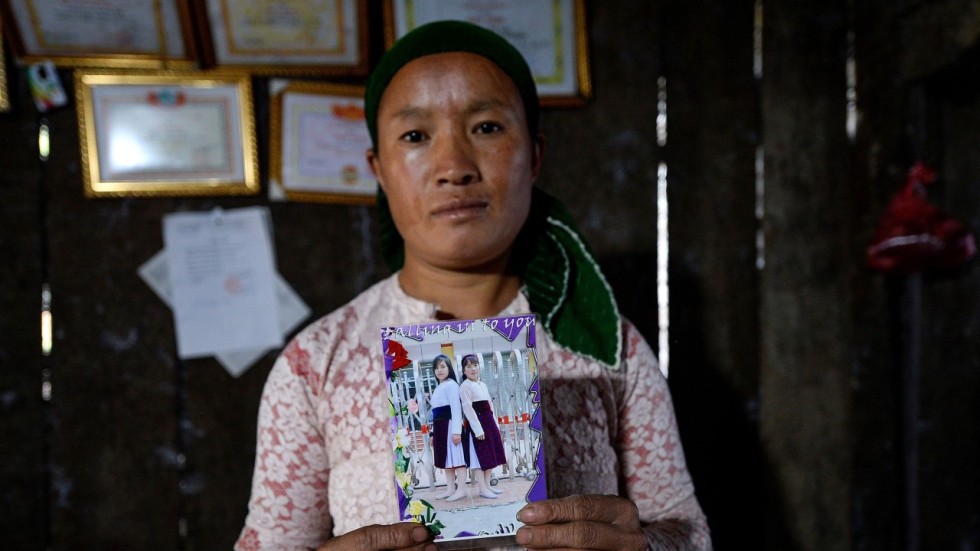
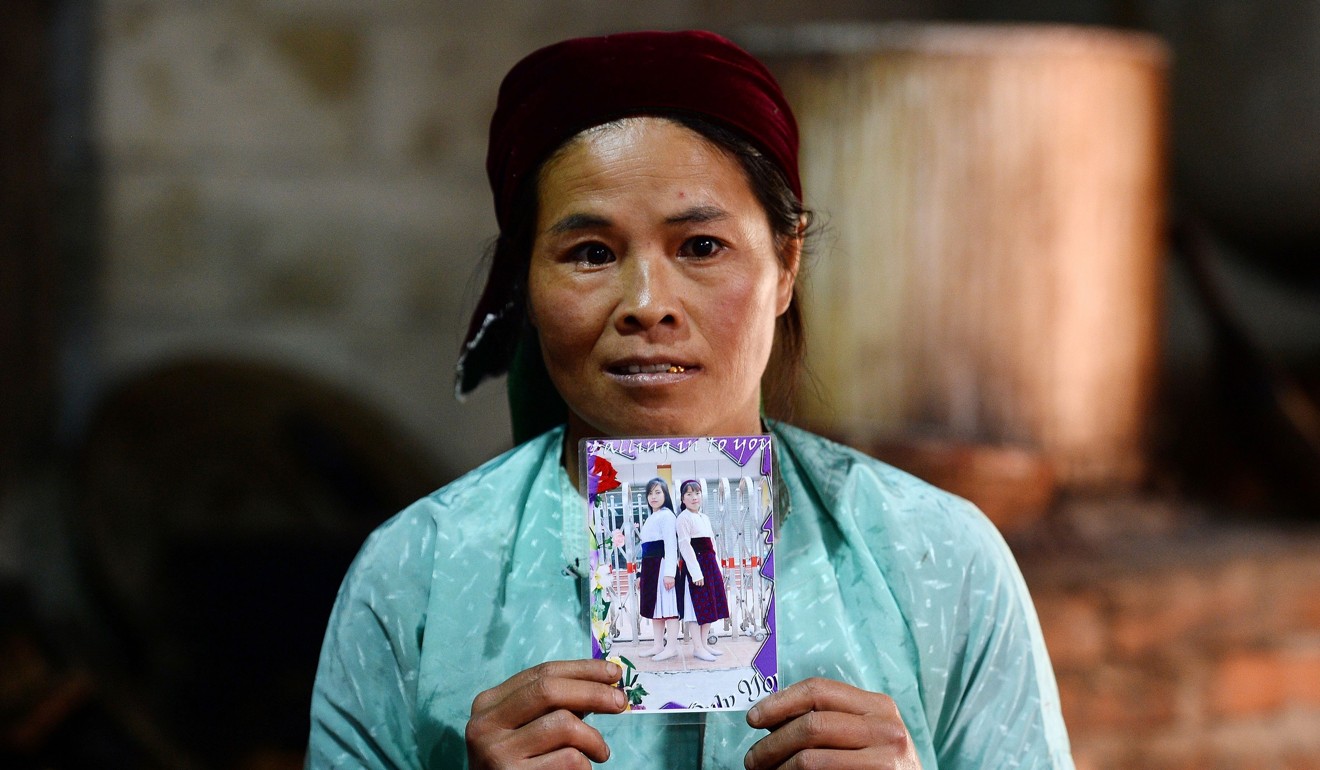
Vu Thi Dinh spent weeks scouring the rugged Vietnamese borderland near China after her teenage daughter vanished with her best friend, clutching a photo of the round-faced girls that she now fears have been sold as child brides.

The anguished mother showed everyone she met the snap of the 16-year-old friends Dua and Di in white and red velvet dresses, the words “Falling Into You” printed above their picture.

They went missing in February during an outing in Meo Vac, a poor mountainous border zone that is a stone’s throw from China. Their mothers fear they were sold in China on one of the world’s most well-trodden bride trafficking circuits.

“I wish she would just call home to say she is safe, to say ‘please don’t worry about me, I’m gone but I’m safe,’” said Dinh, bursting into tears.

I wish she would just call home to say she is safe
VU THI DINH

She is among countless mothers whose daughters have disappeared into China where a massive gender imbalance has fuelled an unregulated buy-a-bride trade. Most people in this part of Vietnam have a story about bride traffi

High-school students talk of kidnapped cousins. Husbands recall wives who disappeared in the night. And mothers, like Dinh, fear they may never see their daughters again.

“I warned her not to get on the backs of motorbikes or meet strange men at the market,” she says from her mud-floored home where she expectantly keeps a wardrobe full of her daughter’s clothes.

She has not heard from Dua since she went missing, unable to reach her on the mobile phone she bought just a few weeks before she disappeared.

The victims come from poor communities and are often tricked by boyfriends and sold, kidnapped against their will or moved across the border by choice for marriage or the promise of work.

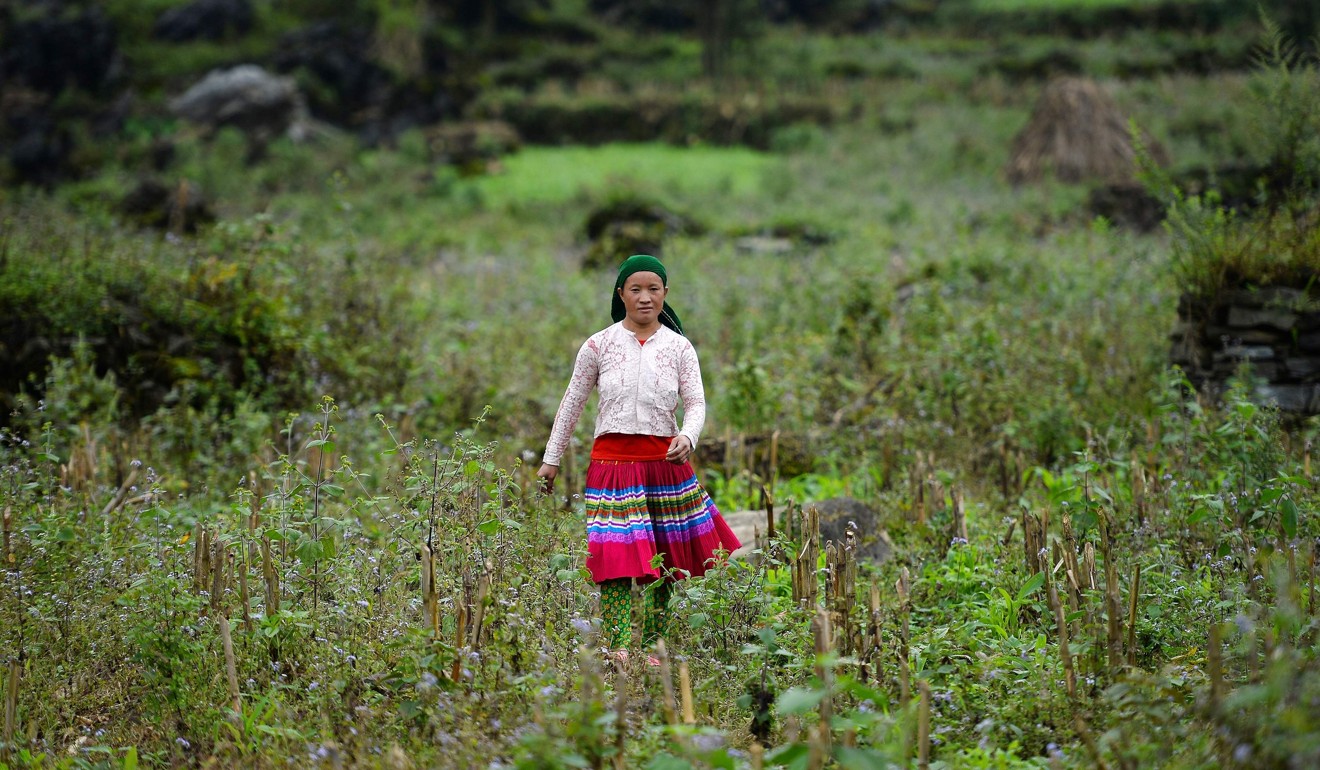
Like many of the missing, Dua and Di are from the Hmong ethnic minority, one of the country’s poorest and most marginalised groups.

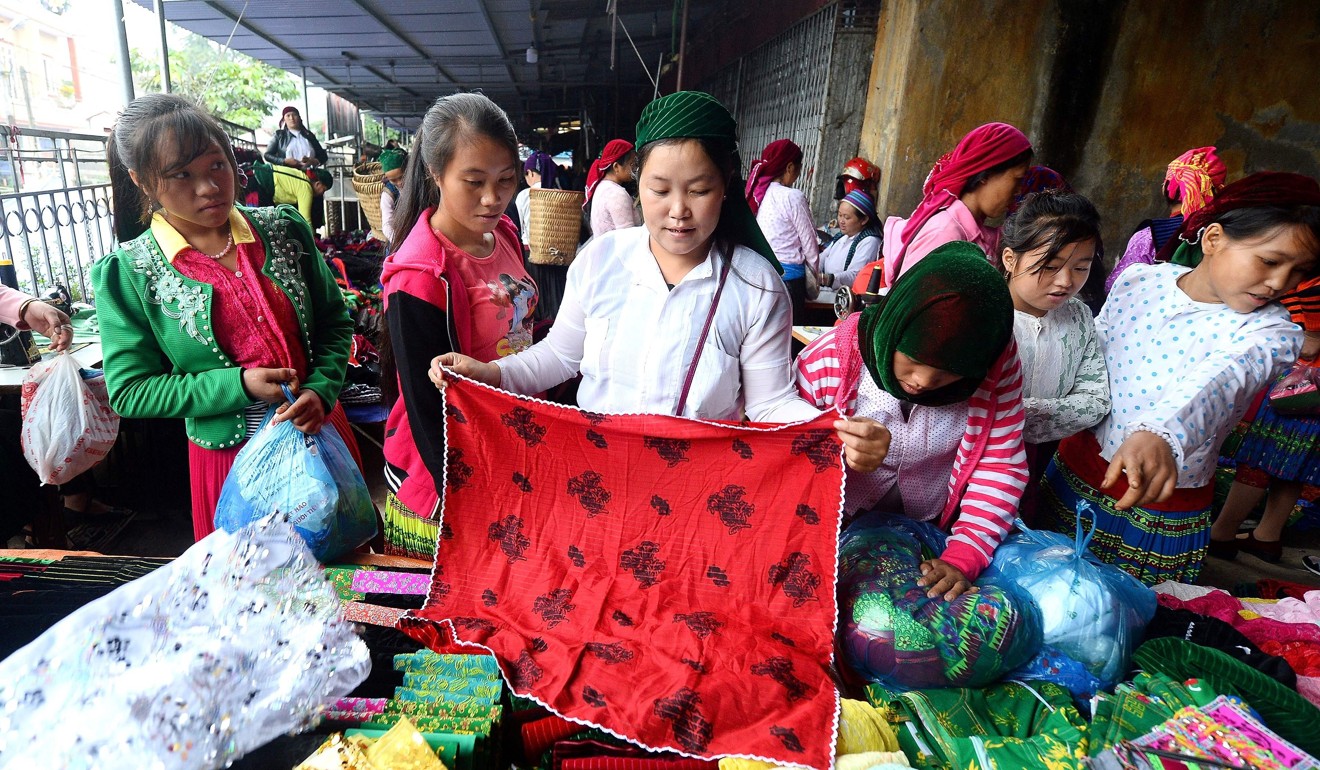
Traffickers target girls at the busy weekend market, where they roam around in packs dressed in their Sunday best, chatting to young men, eyeing the latest Made-in-China smartphones or shopping for lipstick and sparkly hair clips. Or they find them on Facebook, spending months courting their victims before luring them into China.

It is a sinister departure from the traditional Hmong custom of zij poj niam, or marriage by capture, where a boyfriend kidnaps his young bride-to-be from her family home – sometimes with her consent, sometimes not.

Others are enticed by the promise of a future brighter than that which awaits most girls who stay in Ha Giang: drop out of school, marry early and work the fields.

“They go across the border to earn a living but may fall into the trap of the trafficking,” said Le Quynh Lan from the NGO Plan International in Vietnam.

Vietnam registered some 3,000 human trafficking cases between 2012 and 2017. But the actual number is “for sure higher”, said Lan, as the border is largely unregulated.

Ly Thi My never dreamed her daughter would be kidnapped, since the shy Di rarely went to the market or showed much interest in boys.

Just two weeks after that photo shoot with Dua, the giggling girls went for a walk in the rocky fields near their homes. They never came back.

“We think she was tricked and trafficked as a bride, we don’t know where she is now,” said My.

Her worst fear is the teenagers are now child brides or have been forced to work in brothels in China where there are 33 million more men than women because of a long-entrenched preference for male heirs.

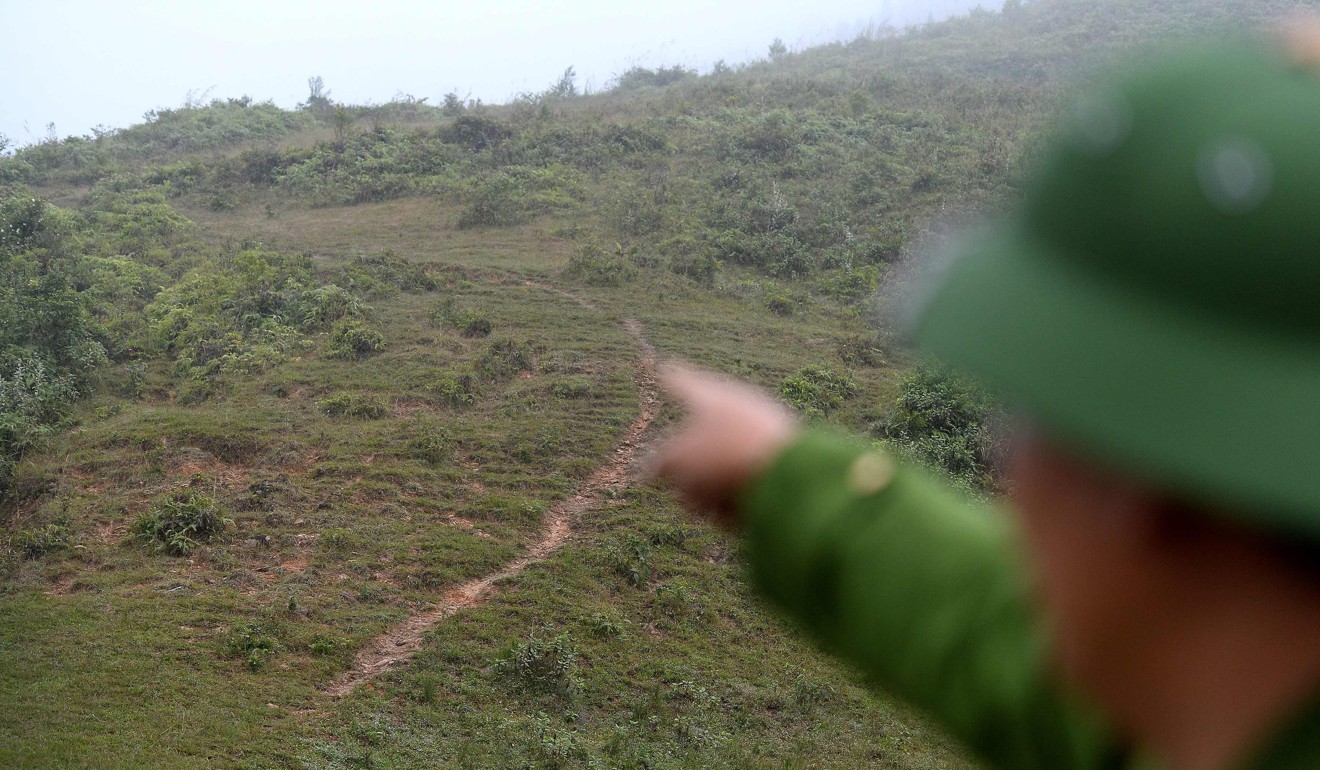
The trip across the 1,300-kilometre border is an easy one, said Trieu Phi Cuong, an officer with Meo Vac’s criminal investigations unit.

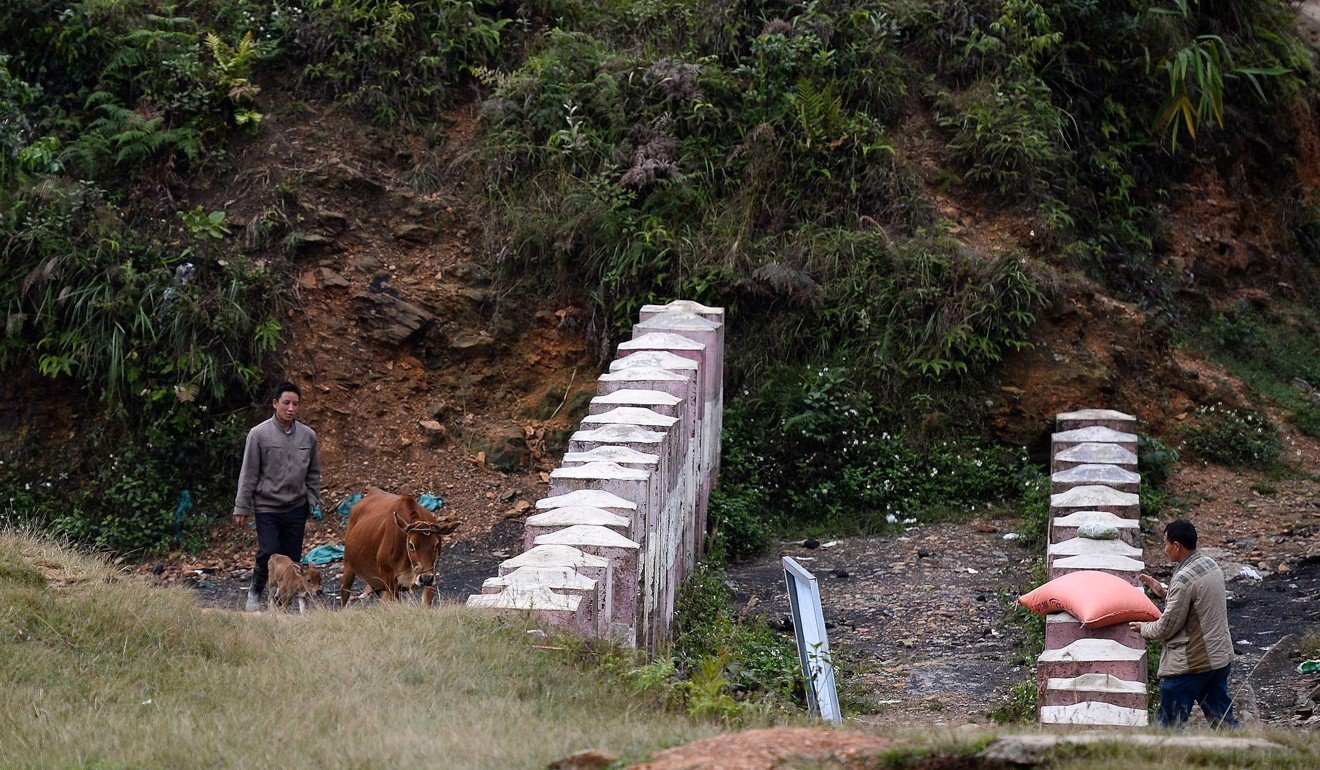
“This terrain is so rugged, it’s very hard to monitor,” he said at a border crossing marked by waist-high posts near where a Vietnamese man was selling a cage of pigeons to a customer on the China side.

Many victims don’t even know they’ve crossed into China – or that they’ve been trafficked.

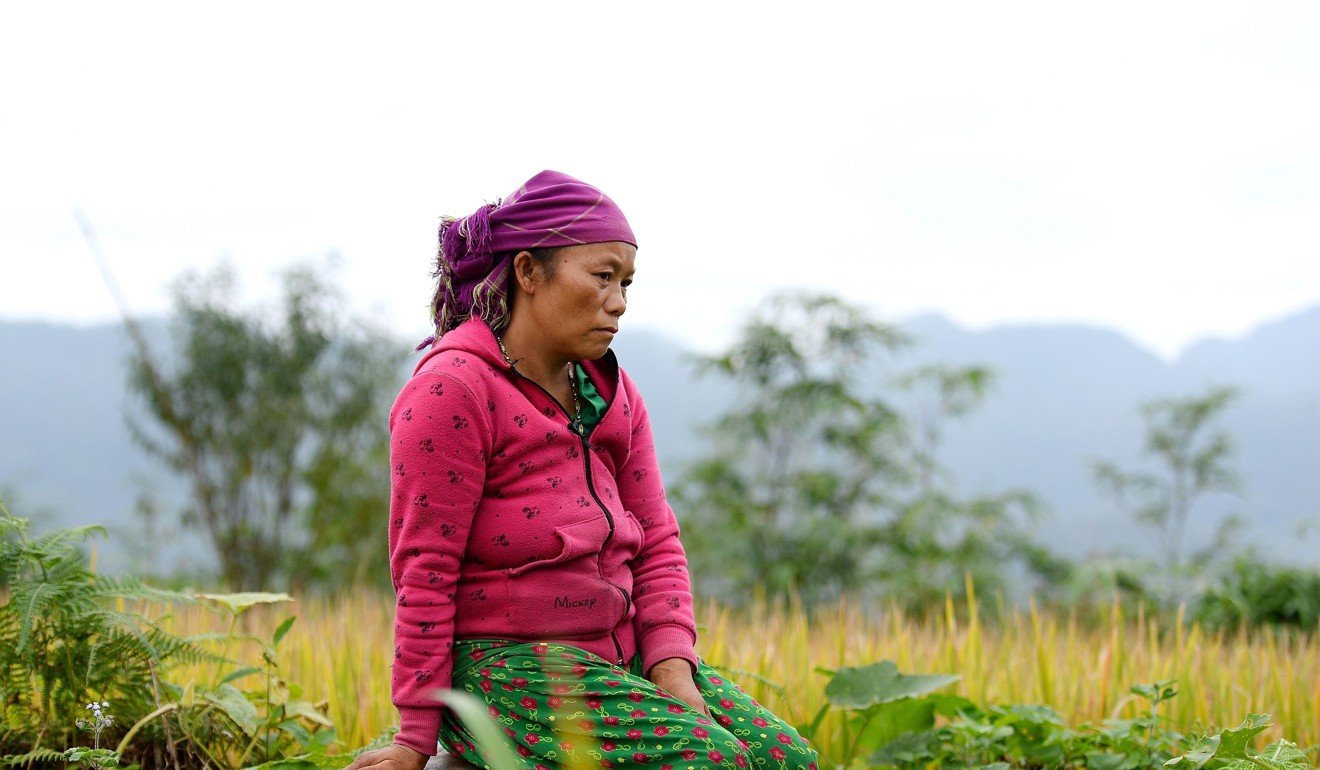
Lau Thi My was 35 and fed up with her husband, an abusive drunk, when she grabbed her son and headed to the border.

She went with a neighbour who promised her good work in China, but she fell prey to traffickers.

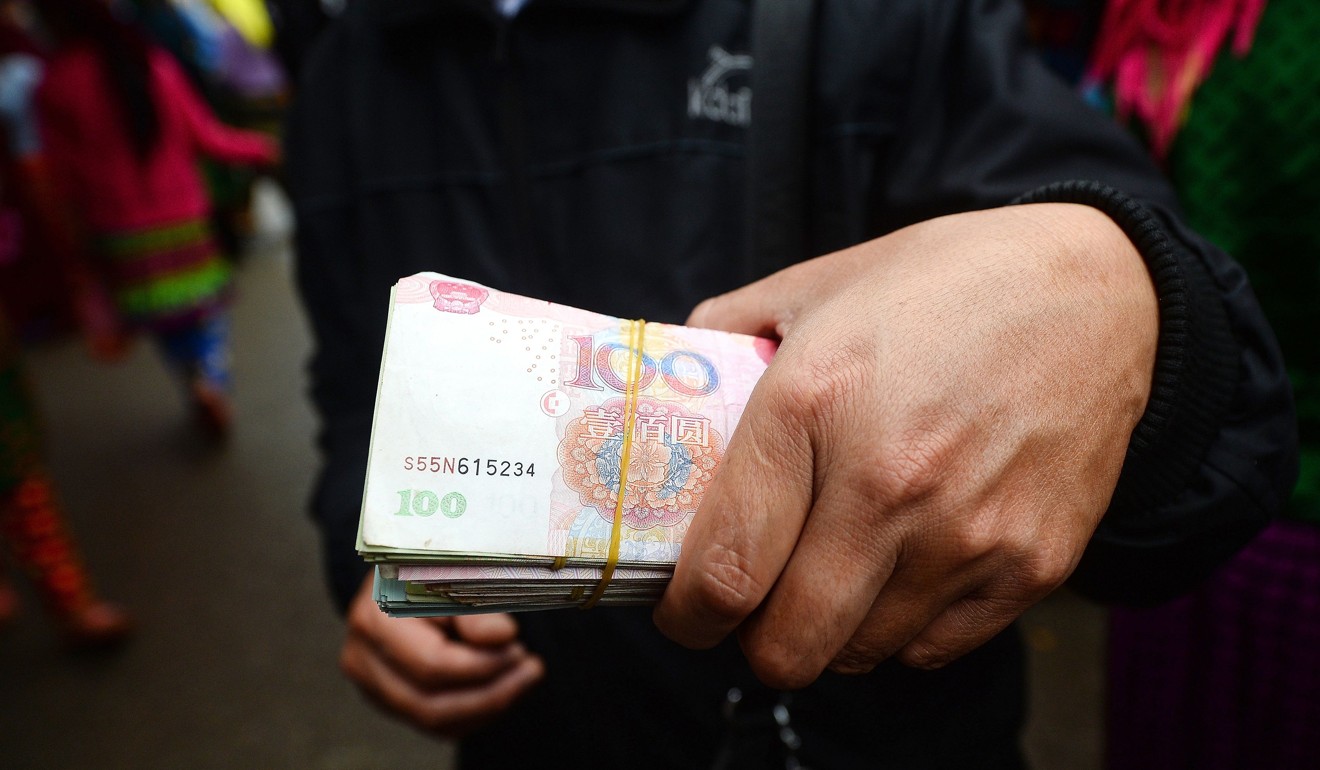
My was separated from her son and sold three times to different brokers before a Chinese man bought her as a wife for about US$2,800.

“He locked me up several times, I hated him,” said My, who fled after 10 years by scrabbling together enough money for the journey home.

She is now back with her Vietnamese husband – still a drinker – in the same home she escaped a decade ago, a smoke-filled lean-to where her dirt-streaked grandchildren run about. But she is desperate for word from her son.

“I came back totally broken … and my son is still in China, I miss him a lot,” she said.

Law of Unintended Consequences

continuously updated blog about China & India

ChiaHou's Book Reviews

continuously updated blog about China & India

What's wrong with the world; and its economy

continuously updated blog about China & India