

- Philippines’ foreign ministry weighs in on controversy over presence of Chinese fleet near contested Thitu Island
- Manila has ‘consistently manifested its … objections or concerns over illegal, tension-raising or coercive activities’, statement says
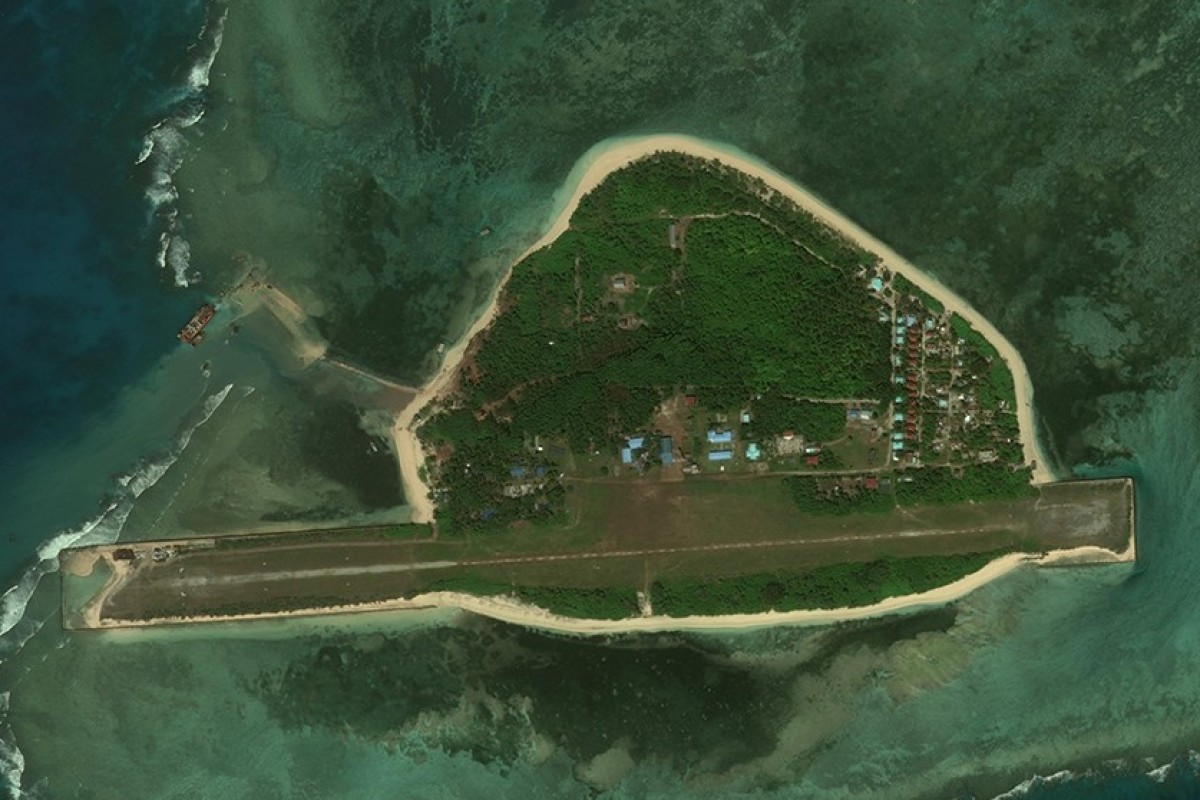
, which Manila calls Pag-asa, in the disputed Spratly Islands.
“The presence of Chinese vessels near and around Pag-asa and other maritime features in the KIG is illegal,” it said.
“Such actions when not repudiated by the Chinese government are deemed to have been adopted by it,” it said. “The presence of Chinese vessels within the KIG, whether military, fishing or other such will thus continue to be the subject of appropriate action by the Philippines”.
The foreign ministry said earlier it had filed a diplomatic protest about the presence of more than 200 Chinese vessels near Thitu between January and March.
Satellite images captured in February by the Asia Maritime Transparency Initiative under the Washington-based Centre for Strategic and International Studies show almost 100 Chinese ships apparently hampering Philippine construction work on Thitu.
The fleet, dispatched from the nearby Subi Reef, includes naval and coastguard vessels, as well as dozens of fishing boats.
Manila was planning to upgrade its military facilities on Thitu, including the construction of an airstrip, but the project was suspended because of the Chinese interference.
The defence chiefs of the US and the Philippines reaffirmed their security alliance on Monday in Washington. As well as agreeing to boost cooperation, the US promised to increase its support for Manila’s military modernisation – a move seen as a response to Beijing’s increasingly assertive posturing in the South China Sea.
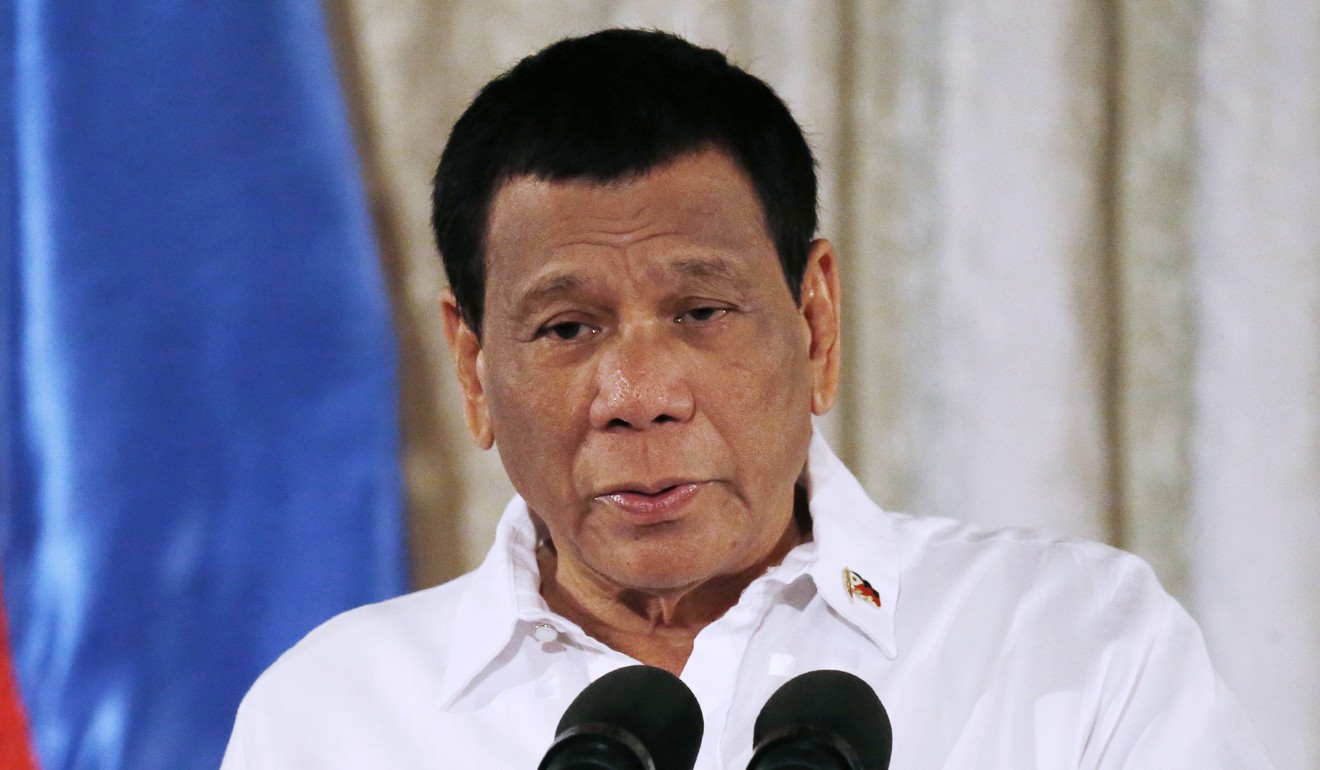
said on Wednesday that Beijing wanted to be friends with Manila and that he would not confront China over their competing claims in the South China Sea because it would end in war.
“Beijing believes Thitu Island is Chinese territory, so any work there should be done by China, not the Philippines,” he said.
It also wanted to stop Manila “opening the door to dangerous people” he said, referring to the Southeast Asian nation’s announcement about allowing the US access to five more of its military bases.
Source: SCMP

 CHINDIA ALERT: You'll be living in their world, very soon