

- Poverty busting project in northern China was meant to increase cultivation of green vegetables
- Instead, more than 100 inadequate wells have been abandoned
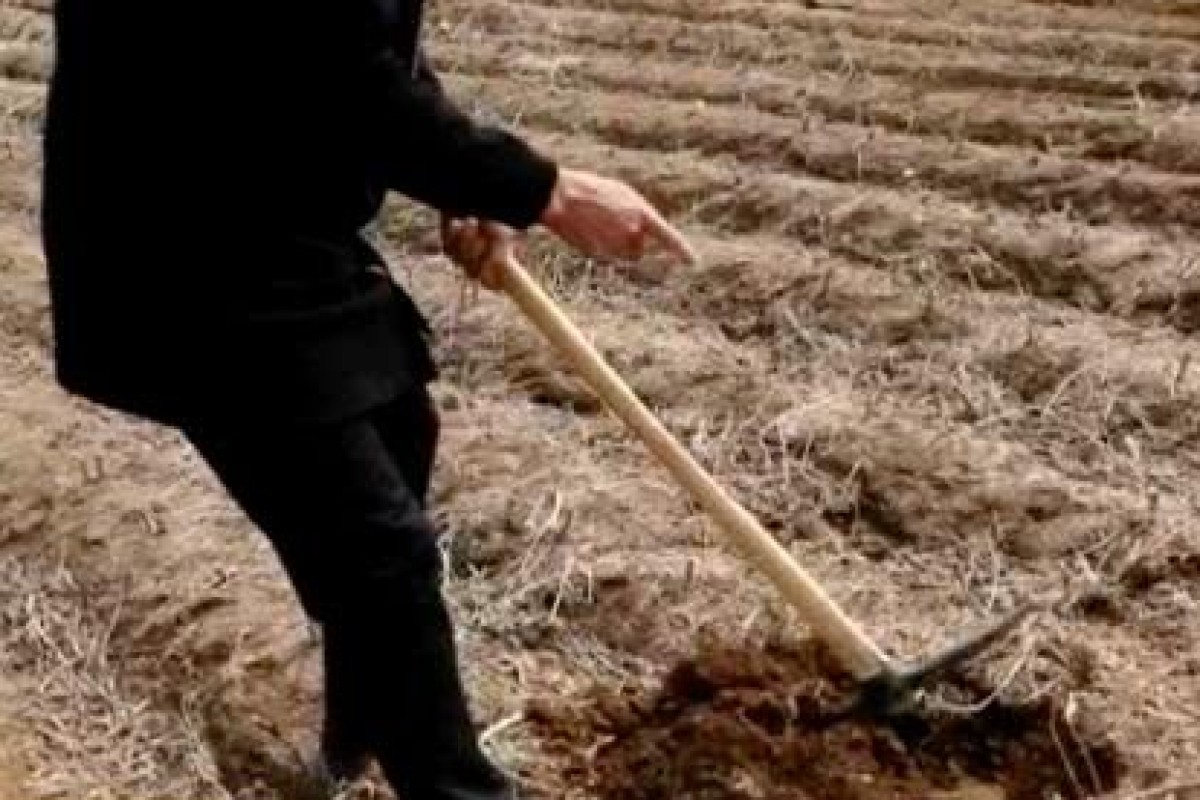

Li’s farmland is next to one of the abandoned wells. He said he cannot grow as many square metres of vegetables as he would like as they require more water.
Instead, he cultivates hardy crops that fetch lower prices, like potatoes and corn. He has had to buy a pump and transport water from a source 200 metres away for irrigation, according to the report.
“I still hope we can have working wells,” Li, 71, said. “If I can live for another 10 years and make 18,000 yuan (US$2,680) a year, I can reduce my children’s burden a lot.”
A villager who helped dig the wells said the project had failed to follow protocols that would have produced wells fit for irrigation.
Dong Ensheng, who also wrote a 2015 report into the failed project, said the wells were only required to be dug to a depth where water was visible. In addition, some of the wells had openings as small as 40cm in diameter – not even big enough to fit a water pump.
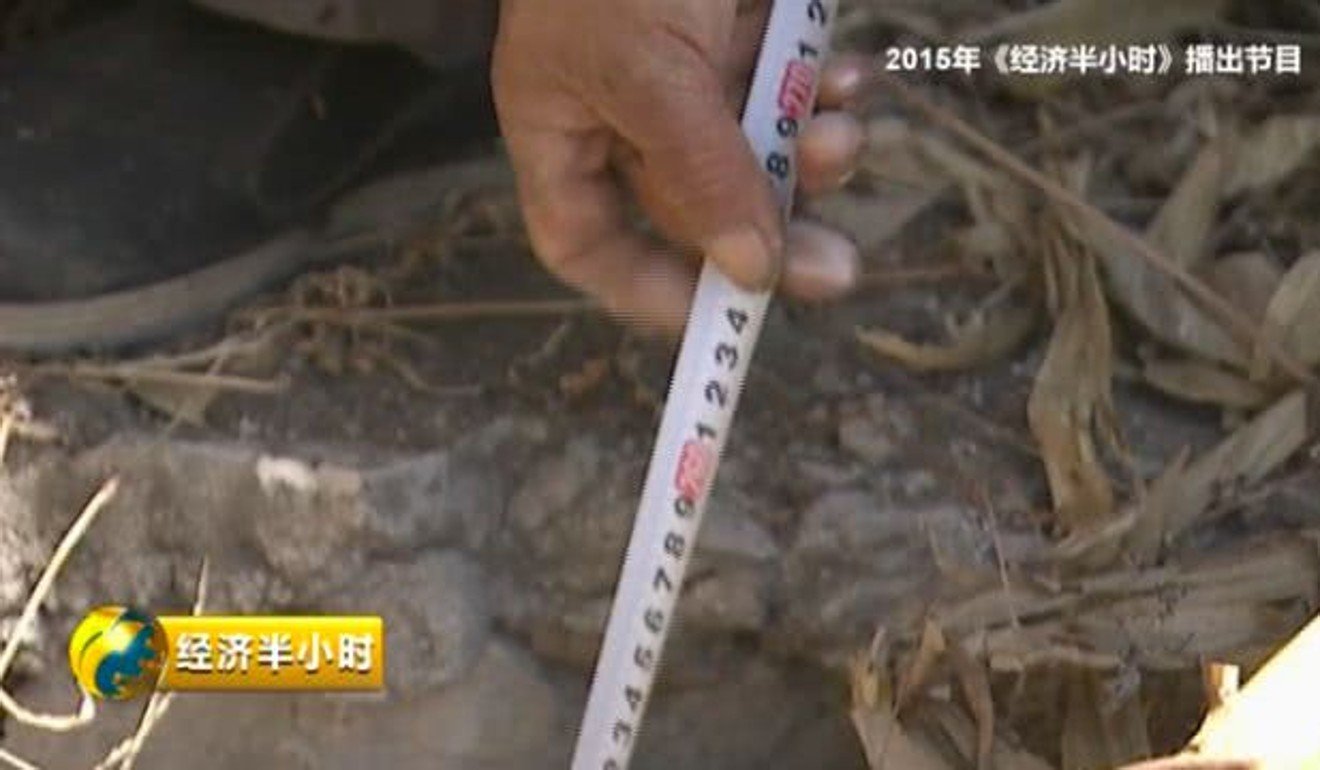
In his report Dong said the wells fell way below established standards. “At the very least, they should be able to sustain several hours of water pumping. The well we dug was pumped dry in minutes,” he wrote.
When confronted with the issue of the failed wells this year, county officials refused to take responsibility and declined to provide records of the 2015 investigation, launched in response to the previous exposé, according to CCTV.
“This happened more than 10 years ago. You want to follow up on this now, you won’t be able to find it,” Wei Tianhui, the deputy director of Xiuyan county’s economy bureau, was quoted as saying.
“The staff has changed a lot. The structure of the county government has changed a lot. Where do we start looking?”
The programme drew angry reactions from internet users on China’s Twitter-like Weibo, who criticised the local government.
“They just keep passing the ball, thinking it’s not my fault so why should I bear the responsibility?” a user from Shandong province, eastern China, wrote. “Are these the civil servants of the new era? These are the so-called civil servants in service of the people?”
Source: SCMP

 CHINDIA ALERT: You'll be living in their world, very soon