Archive for ‘World Health Organisation (WHO)’

20/03/2020

Coronavirus: Why is India testing so little?

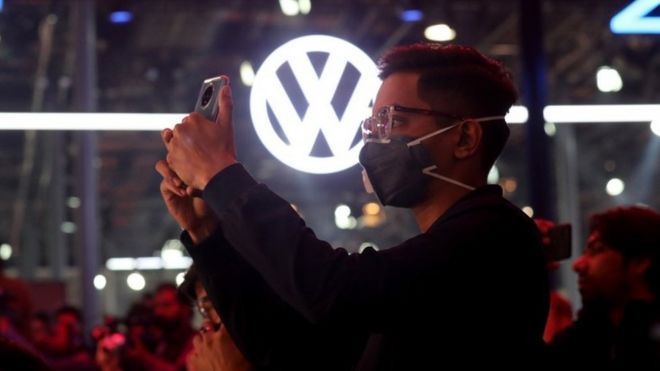
A visitor wears a mask as a precautionary measure against Corona virus at the Volkswagen showcasing hall during the India Auto Expo 2020 in Greater Noida, India, 05 February 2020.Image copyright EPA
Image caption The world’s second-most populous country has reported about 182 infections

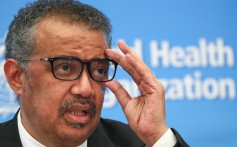
“We have a simple message to all countries – test, test, test,” World Health Organisation (WHO) head Tedros Adhanom Ghebreyesus told reporters in Geneva earlier this week.

He was alluding to the coronavirus outbreak, which has killed more than 10,000 people and infected nearly 250,000 in at least 159 countries.

“All countries should be able to test all suspected cases, they cannot fight this pandemic blindfolded,” he said.

With 182 reported infections and four deaths so far, is India taking this advice seriously? Is the world’s second-most populous country testing enough?

The jury is out on this one. India had tested some 14,175 people in 72 state-run labs as of Thursday evening – one of the lowest testing rates in the world. The reason: the country has limited testing. So, only people who have been in touch with an infected person or those who have travelled to high-risk countries, or health workers managing patients with severe respiratory disease and developing Covid-19 symptoms are eligible for testing.

Why is a densely populated country with more than a billion people testing so little? The official assumption is the disease has still not spread in the community. As early “evidence” health authorities say 826 samples collected from patients suffering from acute respiratory disease from 50 government hospitals across India between 1 and 15 March tested negative for coronavirus. Also, hospitals have not yet reported a spike in admissions of respiratory distress cases.

“It is reassuring that at the moment there is no evidence of community outbreak,” says Balram Bhargava, director of the Indian Council of Medical Research (ICMR). He believes Mr Ghebreyesus’s advice is “premature” for India, and it would only “create more fear, more paranoia and more hype”.
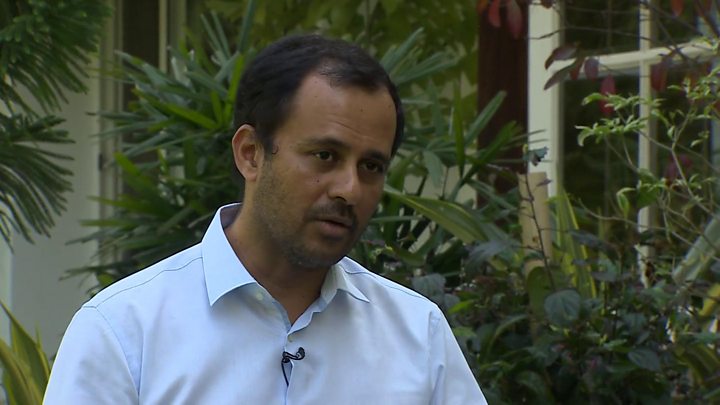
Media caption Dr Ramanan Laxminarayan: “India’s going to be the next hot spot for this epidemic”

But experts are not so sure.

Many of them believe India is also testing below scale because it fears that its under-resourced and uneven public health system could be swamped by patients. India could be buying time to stock up on testing kits and add isolation and hospital beds. “I know mass testing is not a solution, but our testing appears to be too limited. We need to quickly expand to restrict community transmission,” K Sujatha Rao, former federal health secretary and author of But Do We Care: India’s Health System, told me.

On the other hand, say virologists, random, on-demand testing will create panic and completely strain the feeble public health infrastructure. Increased and targeted “sentinel screening” of patients suffering from influenza and diagnoses in hospitals across the country can provide a better idea of whether there is community transmission, they say. “We need focused testing. We cannot do a China or Korea because we simply don’t have the capacity,” a senior virologist told me.

In many ways, it is all about India trying to battle a pandemic with limited resources. Experts talk about the country’s success in defeating polio, combating small pox, successfully controlling the spread of HIV/Aids, and more recently H1N1 with rigorous surveillance, sharp identification of vulnerable people, targeted intervention, and an early engagement with the private sector to prevent disease spread.

Yet, coronavirus is one of the deadliest transmissible viruses in recent history. Every day lost in effective response means the looming danger of a surge in infections. India spends a paltry 1.28% of its GDP on health care, and that may begin to bite if there’s a full-blown outbreak. Partial lockdowns in many cities – shutting schools, colleges, businesses and suspending some rail transport – proves that the government fears that community transmission of the virus might have begun.
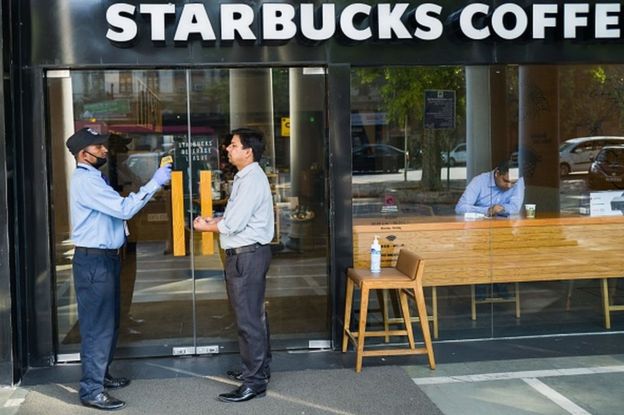
A security guard (L) takes the temperature of a patron as a preventive measure against the COVID-19 novel coronavirus before he enters a Starbucks coffee shop in New Delhi on March 17, 2020Image copyright GETTY IMAGES
Image caption The official assumption is the disease has still not spread in the community

Bracing for the inevitable, India is scaling up testing. Officials say existing labs are able to provide results in six hours and each lab has the capacity to test 90 samples a day which can be doubled. Fifty more state labs are expected to begin testing samples by the end of the week, bringing the total number of testing facilities to 122. Authorities claim that together, the labs will be able to test 8,000 samples a day – a significant scaling up. In addition, the government is planning to allow around 50 private labs to start testing, but they will take up to 10 days to procure kits. (Testing at state-run labs is free, and it is unclear whether the private labs will charge.)

Two rapid testing labs, capable of doing 400 tests a day, are expected to be operational by the end of the week. India has also placed orders for a million test kits, and will be possibly asking the WHO for a million more.

“On testing, the government response has been proportionate, taking into account scope, need and capacity,” Henk Bekedam, WHO Representative to India told me. “We recognise that laboratory networks are expanding the scope and testing and they now include patients with severe acute respiratory infection and influenza-like illness detected through the surveillance system. It would also be important to look at ‘atypical pneumonia’ cases. If they are without any distinctive cause, then they need to be considered for testing.”
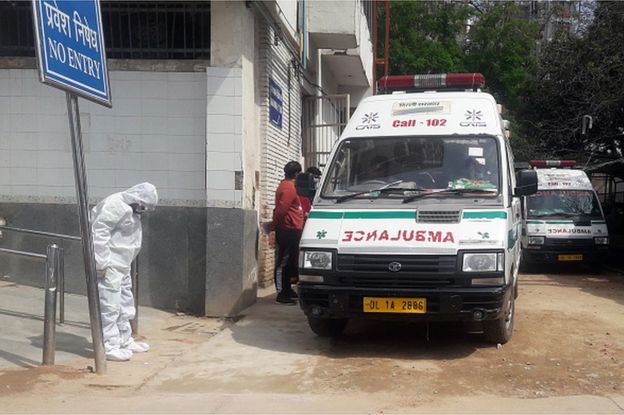
A doctor seen wearing protective suit to protect himself form coronavirus epidemic in the country, at RML Hospital on March 16, 2020 in New Delhi, IndiaImage copyright GETTY IMAGES
Image caption India could be buying time to stock up on testing kits and add isolation and hospital beds

The weeks and months ahead will show whether these steps have been enough. “We cannot say India has escaped community transmission,” Mr Bhargava says candidly. And if and when there is an explosion of infections and more sick people require hospitalisation, India will face formidable challenges.

India has eight doctors per 10,000 people compared to 41 in Italy and 71 in Korea. It has one state-run hospital for more than 55,000 people. (Private hospitals are out of reach for most people). The country has a poor culture of testing, and most people with flu symptoms do not go to doctors and instead try home remedies or go to pharmacies. There’s a scarcity of isolation beds, trained nursing staff and medics, and ventilators and intensive care beds.

India’s influenza cases peak during the monsoon season, and there is no reason why the coronavirus will not make a second coming, virologists say. “Given the way it is progressing in India, it seems it is about two weeks behind Spain and three weeks behind Italy. But that’s the number of known cases. And without sufficient testing and shutting down large gatherings, the numbers could be a lot worse,” Shruti Rajagopalan, economist and a Senior Research Fellow at the Mercatus Center at George Mason University, told me.

India’s traditional neglect of public healthcare will begin to bite if the disease spreads to its teeming small towns and villages. “This is a very unique and real public health challenge,” says Ms Rao. And it’s early days yet.

Source: The BBC
17/02/2020

Americans on WHO team to assess coronavirus crisis, China says

  • Experts to visit Beijing, Guangdong and Sichuan but no word on whether Hubei is on the itinerary
  • Specialists say visit must include a trip to the outbreak’s epicentre to get a full picture
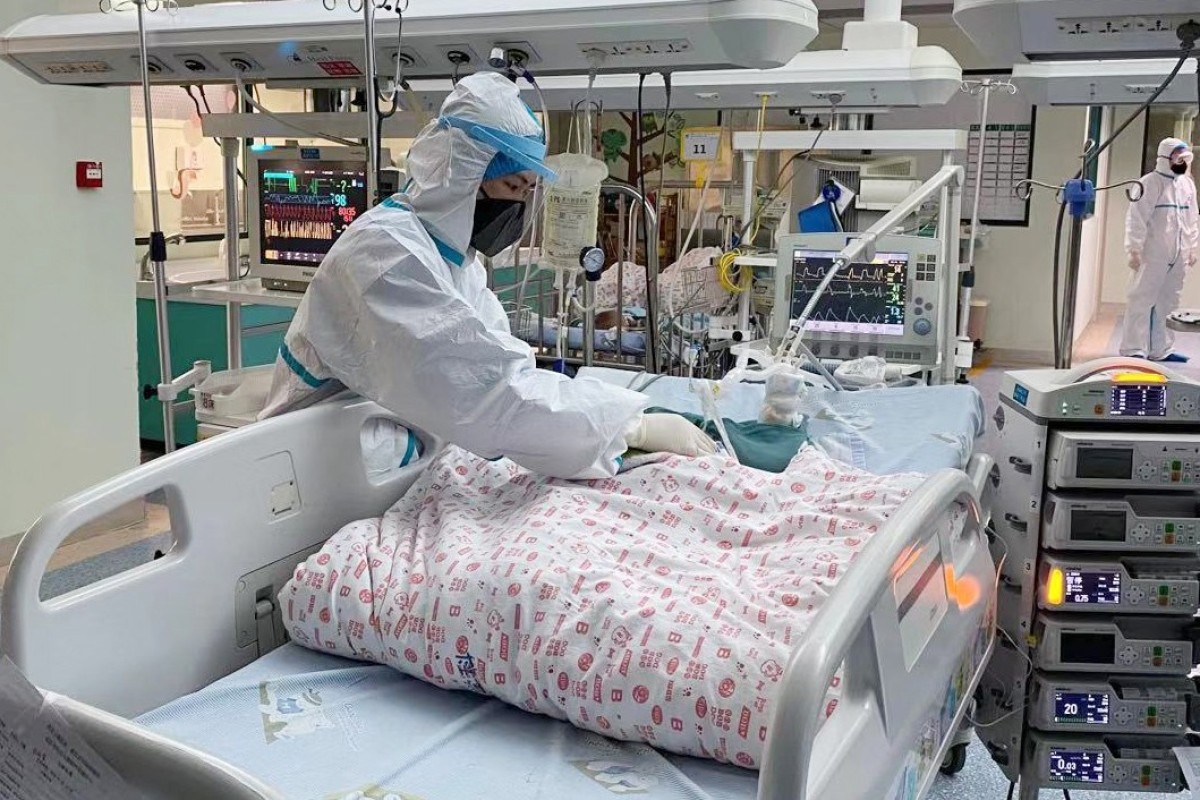
A nurse cares for a 14-month-old baby infected with the novel coronavirus in an ICU isolation ward of Wuhan Children’s Hospital in Wuhan, at the epicentre of the outbreak. Photo: Xinhua
A team of medical experts from the World Health Organisation (WHO), including specialists from the US, will visit Beijing and the Chinese provinces of Guangdong and Sichuan from Monday to assess the country’s efforts to contain the spread of a deadly coronavirus, according to the Chinese foreign ministry.
But the ministry did not say whether the team would go to Wuhan or any other parts of Hubei, the central Chinese province at the epicentre of the outbreak, raising concerns among medical experts about the transparency of the mission.
The death toll from the coronavirus had risen to 1,770 on mainland China as of Sunday, infecting 70,548 people, including more than 1,700 medical workers. Most of those confirmed with the disease, now known as Covid-19, are in Wuhan.
China has repeatedly said it welcomes international cooperation to contain the outbreak, but the US Centres for Disease Control and Prevention said last week that it had not yet received an invitation to send experts to the country.
On Monday, the Ministry of Foreign Affairs said the WHO delegation would include Americans, but gave no further details.
The announcement came as a commentary in Communist Party mouthpiece People’s Daily accused Washington of dragging its feet on a funding pledge to help with the epidemic, saying it had a “dark mentality and taken dangerous action” during the outbreak.

WHO director general Tedros Adhanom Ghebreyesus said on Friday that the mission to China included 12 international medical specialists, and they would, with 12 Chinese experts, learn more about the transmission of the virus and the effectiveness of the measures in a bid to work out the next containment steps for China and the world.

An advance team of WHO medical experts arrived in Beijing last Monday, led by Canadian emergency expert Bruce Aylward, Tedros said.

China’s National Health Commission (NHC) said all of the delegation’s members arrived in Beijing over the weekend, and held talks with Chinese medical experts, public health officials and other government departments.

They exchanged views on virus containment, wildlife management and vaccine development, the NHC said.

Experts said the international team would be left with an “incomplete picture” of the outbreak if it did not go to Wuhan or Hubei.

“Unfortunately, this feeds into a narrative that China is trying to hide the true nature of the outbreak, so it would seem to be shortsighted and counterproductive to China’s efforts to say to the world that it is doing everything it can to contain this outbreak,” said Adam Kamradt-Scott, a specialist in global health security and international relations at the University of Sydney.

“We have seen in the past when we have external teams, they are often able to identify areas for improvement or to make recommendations for measures that national authorities may not have thought of – we’ve seen that through other examples where external expertise can be valuable in times of crisis.”

He said any impression of a cover-up would likely further strengthen the resolve of countries that had taken strict measures, including travel bans, to keep them in place or tighten them further.

“China has got a public relations campaign that it also needs to be mindful of in engaging with the international community, so there are the actual measures that the government needs to take in order to control the outbreak, but the government also needs to be seen to be doing everything that it can,” he said.

Source: SCMP

13/02/2020

Chinese officials’ phone apology to patients as coronavirus deaths hit 1,115

  • WHO scientists co-write letter saying December 26 data indicating Sars-like coronavirus was not passed to global health community for 17 days
  • Hundreds of Chinese sign petition asking legislature to protect freedom of speech, amid discontent over outbreak’s handling and anger over Dr Li Wenliang’ death
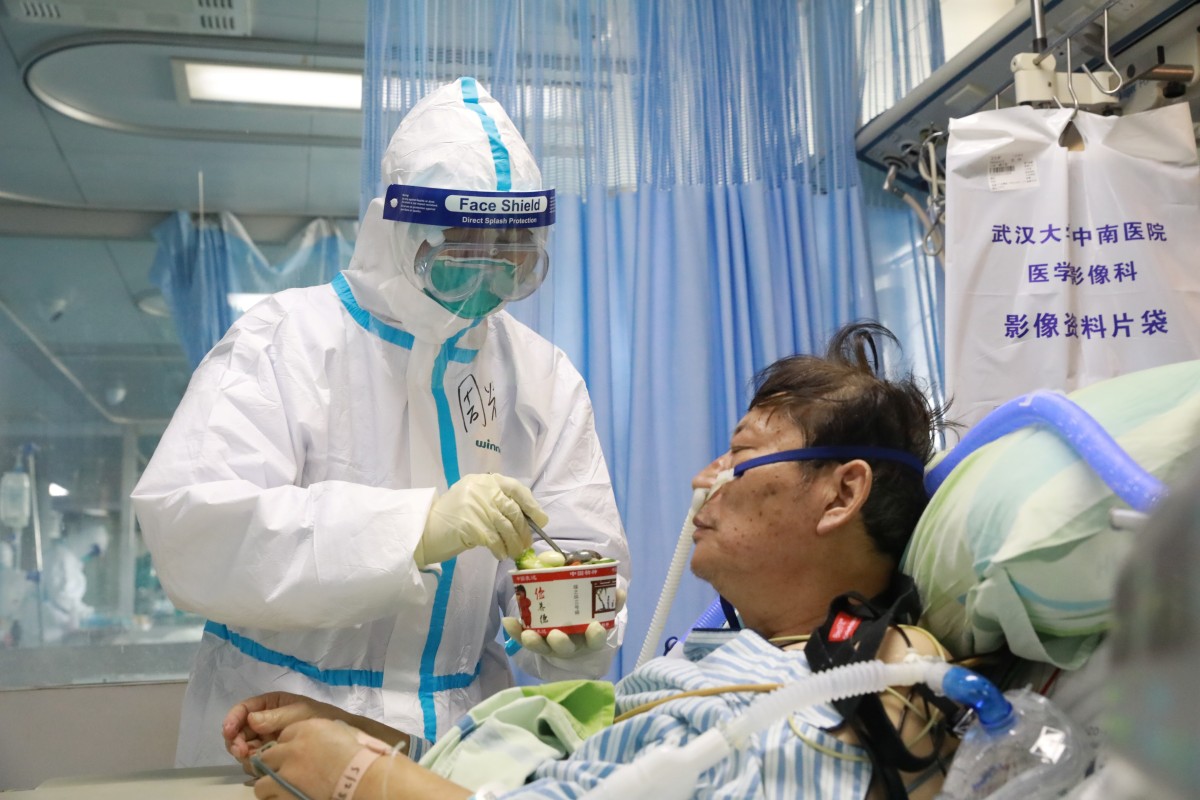
A nurse in a protective suit feeds a coronavirus patient in an isolated ward in Wuhan. Photo: Reuters

China’s health authority reported 97 new deaths caused by the coronavirus and 2,015 newly confirmed cases of infection, taking its totals to 1,113 and 44,653 respectively.

As of Tuesday, 744 recovered patients had been discharged and the total number of recovery cases stood at 4,740.

Outside Hubei province, the epicentre of the coronavirus, the rise in new infections reported by China slowed for an eighth consecutive day.

Apology for slow treatment

A district leader in Hubei’s capital of Wuhan apologised on Tuesday to critically ill patients who had not been treated in a timely manner, state media reported.

Staff in the Wuchang district who were in charge of a chaotic bus transfer of people to hospital on Sunday were ordered to apologise to patients and their families one by one by telephone.

Wuchang officials told state media that mistakes had been made and the district’s most urgent priority was to admit all patients to hospitals or other medical facilities as soon as possible.

As coronavirus cases get priority in Wuhan, other patients are losing hope

13 Feb 2020

The district leader, who visited hospitals to apologise in person, was mocked online for wasting protective suits when the city faces a shortage of medical supplies.

“Health care workers don’t have enough protective gear, why are you wearing it to apologise?” one person wrote on China’s Twitter-like Weibo. “These people are suspected cases, not confirmed ones. It’s a pity to waste the protective gear – it protects the lives of health care workers!”

“I really don’t think it’s necessary to apologise one by one, just apologise in the newspaper! Don’t waste time and protective clothing on formalities,” another person wrote.

Reporting system ‘needs update’

A group of scientists have called for changes in the way new viruses are reported, after a delay of more than two weeks between the first indication of a coronavirus strain in Hubei and the release of critical information to the global health community.

The group said in a letter to The Lancet that data indicating a Sars-related coronavirus was obtained by researchers on December 26.

Life inside China’s rapidly built hospitals in Wuhan, the epicentre of the coronavirus outbreak
“The Chinese authorities ruled out Sars and Mers, as well as a few other non-coronaviruses, on January 5, and confirmed a novel coronavirus as a potential cause on January 9. However, the genome sequence – crucial for rapid development of diagnostics needed in an outbreak response – was not released until January 12, 17 days after the preliminary sequence data were obtained,” they wrote.
The letter mentioned the “crucial role” of doctors in detecting the outbreak in China, including “eight doctors who were wrongly accused of spreading ‘fake news’” – a reference to a group that included Li Wenliang, the doctor hailed as a whistle-blower who later succumbed to the disease.
WHO head warns ‘time is of the essence’ in limiting coronavirus spread
13 Feb 2020

“There are lessons the global health community can and should learn and act on so that we can better respond to the next EZV (emerging zoonotic virus) event, which is almost certain to happen again. These lessons are definitely not unique to China,” they wrote.

Two of the letter’s authors sit on the committee that provides the World Health Organisation (WHO) advice about when to declare a public health emergency of international concern – a status given to the coronavirus on January 30.

Hubei reports 94 new deaths

Health authorities in Hubei reported 94 new deaths attributable to the contagion on Tuesday and 1,638 newly confirmed cases, taking the province’s totals to 1,068 and 33,366 respectively. They had reported 103 fatalities and 2,097 newly confirmed cases a day earlier.

Coronavirus illness is named Covid-19 as hopes rise that cases may peak soon

13 Feb 2020

Some 1,104 of the new cases announced were confirmed in Wuhan, where the virus is believed to have originated at a seafood and meat market.

The figures from Hubei on Tuesday showed the province’s lowest number of new cases in a day since the beginning of February, and the first time it had reported fewer than 2,000 new cases in a day since February 2.

China disinfects entire cities to fight coronavirus outbreak, some twice a day

Disease can spread faster than Sars: WHO

Michael Ryan, the WHO’s head of emergency programmes, said on Tuesday in Geneva that the disease caused by the coronavirus – now officially named Covid-19 by the WHO – had the potential to spread faster than either the Ebola or Sars viruses. Earlier this week, Covid-19 exceeded the Sars outbreak of 2002-03 in terms of deaths attributed to it.

Transmission methods have been shown to include human-to-human contact, and the incubation period is believed to be up to 14 days.

In recent days, epidemiologists have said that the contagion may also spread through “aerosol transmission” – when tiny particles or droplets of the virus suspended in the air are inhaled.

At least 500 Wuhan medical staff infected with coronavirus

13 Feb 2020

Others indicated that transmissions were possible from patients who showed mild or no symptoms.

WHO officials said on Tuesday that the agency had also activated a UN crisis management team to better assess and mitigate the outbreak’s economic implications.

Petition calls for freedom of speech

Hundreds of Chinese, led by academics, have signed an online petition calling on the national legislature to protect citizens’ right to freedom of speech, amid growing public discontent over the handling of the coronavirus outbreak.

It also follows a massive outpouring of grief and anger over the death of Wuhan-based Dr Li Wenliang.

Coronavirus: hundreds in China sign petition calling for free speech

13 Feb 2020

The petition is gaining momentum online, but some of the signatories and other rights activists have already come under pressure. Addressed to the National People’s Congress (NPC), it lists five demands for Beijing.

The demands are: to protect people’s right to freedom of expression; to discuss the issue at NPC meetings; to make February 6, the day Li died, a national day for free speech; to ensure no one is punished, threatened, interrogated, censored or locked up for their speech, civil assembly, letters or communication; and to give equitable treatment, such as medical care, to people from Wuhan and Hubei province. Many have reported experiencing discrimination elsewhere in the country.

“I am so proud of him,” China’s top medical expert Zhong Nanshan mourns whistle-blower doctor’s dea

US repeats concern over China’s purchases

The outbreak could have an impact on China’s commitment to buy more US agricultural products this year under the US-China phase one trade deal, White House national security adviser Robert O’Brien said on Tuesday.

“We expect the phase one deal will allow China to import more food and open those markets to American farmers, but certainly, as we watch this coronavirus outbreak unfold in China, it could have an impact on how big – at least in this current year – the purchases are,” O’Brien told an event at the Atlantic Council, a Washington think tank.

‘No US doctors in China’

O’Brien said there were no American doctors on the ground in China so far, despite US offers to help fight the outbreak.

“We’ve offered the Chinese the opportunity to have American doctors … and other experts come to China to help them. That offer has not been accepted at this point but that is an outstanding offer,” he said.

Coronavirus outbreak exposes fallacy of the phase-one trade deal

11 Feb 2020

But US officials said on Monday that China had agreed to allow American health experts into the country.

“China has accepted the United States’ offer to incorporate a group of experts into a WHO mission to China to learn more about and combat the virus,” White House spokesman Judd Deere said.

In a tweet on Monday, WHO director general Tedros Adhanom Ghebreyesus said an advance team of WHO experts had arrived in China to “lay the groundwork for the larger international team”.

Tibet’s only patient cured

The only Covid-19 patient in Tibet was cured and discharged from hospital on Wednesday afternoon, People’s Daily reported, citing the patient’s doctor at the Third People’s Hospital of Tibet.

The patient, a 34-year-old man from Suizhou, Hubei province, spent three days on a train before reaching Lhasa on January 24. He sought medical treatment a day later and was isolated for treatment, before being confirmed as being infected on January 29.

US to test antiviral drugs in hopes of combating coronavirus

13 Feb 2020

The man tested negative for the virus on Sunday and Tuesday, and CAT scans and clinical symptoms showed he had been cured. He left Tibet by train on Wednesday afternoon, according to thePeople’s Daily report.

Iran denies report of Covid-19 death

Iran’s health ministry has denied a report that an Iranian woman has died of a suspected coronavirus infection.

The state daily newspaper Iran reported on Wednesday that a 63-year-old woman had died in a Tehran hospital on Monday and that an investigation had been ordered into the cause of her death. No sources were cited in the report.

A spokesman for Iran’s health ministry denied the report. “There have been no cases of coronavirus in Iran,” he said.

Iranian health authorities have repeatedly said there were no confirmed cases of coronavirus in the country.

Exams under threat

Chinese authorities are considering whether to postpone the country’s college entrance exams, due to take place in June.

“Those responsible for arranging college entrance exams need to put the lives and health of candidates and testing staff first,” Wang Hui, a Ministry of Education official, said at a press briefing on Wednesday. “We will closely monitor the development of the outbreak, evaluate the possible impact on the exams and carefully formulate a plan.”

Source: SCMP

24/01/2020

China shuts part of Great Wall as virus toll hits 26

BEIJING, China (Reuters) – China ramped up measures to contain a virus that has killed 26 people and infected more than 800, suspending public transport in 10 cities, shutting temples over the Lunar New Year and even closing the Forbidden City and part of the Great Wall.

The week-long holiday to welcome the Year of the Rat began on Friday, raising fears the infection rate could accelerate as hundreds of millions of people travel to their homes and abroad in what is usually a festive time of year.

The World Health Organisation (WHO) has declared the new coronavirus an emergency for China but stopped short of declaring the epidemic of international concern.

While most of the cases and all of the deaths have been in China, the virus has been detected in Thailand, Vietnam, Singapore, Japan, South Korea, Taiwan and the United States. It was likely Britain also had cases, a health official said.

The newly identified coronavirus has created alarm because it is too early to know just how dangerous it is and how easily it spreads between people.

Symptoms include fever, difficulty breathing and coughing.

Most of the fatalities have been elderly, many with pre-existing conditions, the WHO said.

Cases are likely to continue to rise in China but it is too soon to evaluate the severity of the virus, a WHO spokesman said on Friday.

As of Thursday, there were 830 confirmed cases and 26 people had died there, China’s National Health Commission said.

In Wuhan, where the outbreak began last month, pharmacies were running out of supplies and hospitals were flooded with nervous resident seeking medical checks.

“There’s so much news, so much data, every 10 minutes there’s an update, it’s frightening, especially for people like us in a severely hit area,” Lily Jin, 30, a resident of the city, told Reuters by phone.

GRAPHIC: The spread of a new coronavirus – here

Reuters Graphic

MORE RESTRICTIONS

While restrictions have already been put in place in cities across the country to curb the outbreak, China will take stricter and more targeted measures, state television reported citing a state council, or cabinet, meeting on Friday, but gave no further details.

“The spread of the virus has not been cut off … Local authorities should take more responsibility and have a stronger sense of urgency,” state broadcaster CCTV said.

Most cases have been in Wuhan, where the virus is believed to have originated in a market that traded illegally in wildlife. Preliminary research suggested it crossed to humans from snakes.

The city of 11 million people, and neighboring Huanggang, a city of about 7 million, were in virtual lockdown.

Nearly all flights at Wuhan’s airport had been canceled, and airports worldwide have stepped up the screening of passengers from China.

Checkpoints blocked the main roads leading out of town, and police checked incoming vehicles for wild animals.

Wuhan was rushing to build a 1,000-bed hospital for the infected by Monday, the official Changjiang Daily reported.

About 10 people got off a high-speed train that pulled into Wuhan on Friday afternoon but nobody got on before it resumed its journey. Although it stopped there, Wuhan had been removed from the train’s schedule.

“What choice do I have? It’s Chinese New Year. We have to see our family,” said a man getting off the train who gave his family name Hu.

CHINA EMERGENCY

The WHO said on Thursday it was a “bit too early” to designate the outbreak a public health emergency of international concern, which would require countries to step up their response.

Some experts believe the virus is not as dangerous as the one that caused the 2002-03 outbreak of Severe Acute Respiratory Syndrome, which also began in China and killed nearly 800 people, or the one that caused Middle East Respiratory Syndrome, which has killed more than 700 people since 2012.

There is no known vaccine or particular treatment.

“There is some work being done and there are some trials now for MERS (vaccines). And we may look at some point whether those treatments and vaccines would have some effect on this novel coronavirus,” WHO spokesman Tarik Jasarevic said on Friday.

Gilead Sciences Inc said it was assessing whether its experimental Ebola treatment could be used. Meanwhile, three research teams were starting work on vaccines, the Coalition for Epidemic Preparedness Innovations said.

In the meantime, Chinese authorities have imposed restrictions on movement and gatherings to try to stem the spread. It has advised people to avoid crowds and 10 cities in the central province of Hubei, where Wuhan is located, have suspended some transport, the Hubei Daily reported.

Some sections of the Great Wall near Beijing will be closed from Saturday, state media said.

Some temples have also closed, including Beijing’s Lama Temple where people make offerings for the new year, have also been closed as has the Forbidden City, the capital’s most famous tourist attraction.

Shanghai Disneyland will close from Saturday. The theme park has a 100,000 daily capacity and sold out during last year’s Lunar New Year holiday.

The virus is expected to dent China’s growth after months of economic worries over trade tensions with the United States, unnerving foreign companies doing business there.

Shares in luxury goods firms have suffered from the anticipated drop in demand from China, and on Friday French spirits group Remy Cointreau said it was “clearly concerned” about the potential impact.

Source: Reuters

Law of Unintended Consequences

continuously updated blog about China & India

ChiaHou's Book Reviews

continuously updated blog about China & India

What's wrong with the world; and its economy

continuously updated blog about China & India