Archive for ‘Xianyang’

16/10/2019

Premier Li urges efforts to promote stable economic growth, improve people’s livelihood

CHINA-SHAANXI-LI KEQIANG-INSPECTION (CN)

Chinese Premier Li Keqiang, also a member of the Standing Committee of the Political Bureau of the Communist Party of China (CPC) Central Committee, visits a startup community in Xi’an, capital of northwest China’s Shaanxi Province, Oct. 15, 2019. Li made an inspection tour in the cities of Xi’an and Xianyang in northwest China’s Shaanxi Province from Monday to Tuesday. (Xinhua/Pang Xinglei)

XI’AN, Oct. 15 (Xinhua) — Chinese Premier Li Keqiang has stressed deepening reform and opening-up to facilitate steady economic growth and continuously improve people’s livelihood.

Li, also a member of the Standing Committee of the Political Bureau of the Communist Party of China (CPC) Central Committee, made the remarks during his inspection tour in the cities of Xi’an and Xianyang in northwest China’s Shaanxi Province from Monday to Tuesday.

In his visit to a community in Xi’an, Li stressed that the renovation of old residential communities can improve the livelihood of people, especially those with financial difficulties, and is conducive to boosting effective investment and consumption.

In this regard, Li called for efforts to upgrade community facilities and enhance public services such as elderly care and childcare.

When visiting a restaurant, Li said measures should be taken to guarantee the supply of pork and stabilize vegetable prices to ensure the basic livelihood of those facing difficulties. He also urged the implementation of policies of cutting taxes and fees for private businesses.

The country will make unswerving efforts to open up wider, give equal treatment to both domestic and overseas businesses registered in China, continuously improve the business environment, and intensify the protection of intellectual property rights, said the premier during his visit to Samsung China Semiconductor Co., Ltd.

Commenting on the great development potential of China’s western regions, Li urged greater efforts to create a good business environment, pledging more targeted policy support.

At the construction site of the Yinchuan-Xi’an high-speed railway, the premier underscored the acceleration of key infrastructure projects in west China and encouraged effective investment in spurring development and improving people’s livelihood.

Li, while visiting a startup community, urged efforts to improve the business environment for entrepreneurship and innovation.

Source: Xinhua
28/08/2019

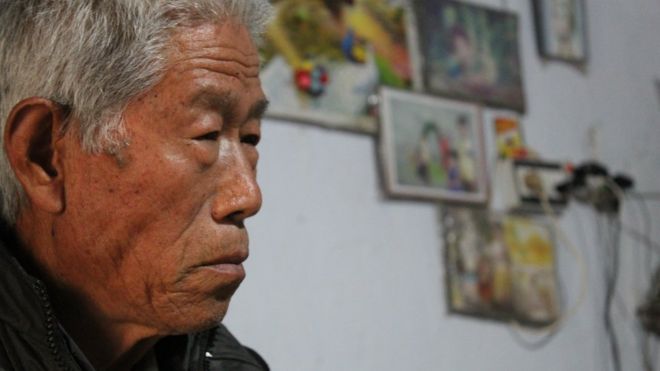
Chinese man prevented from visiting Indian family

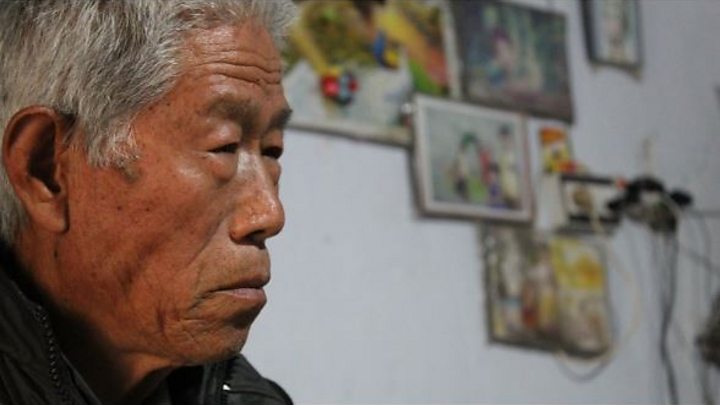
Wang Qi
Image caption Wang Qi has been waiting for months to see his family in India

In 1963, a former Chinese army surveyor crossed into India and was captured weeks after a war between the two countries. Wang Qi was then left in a central Indian town for more than five decades before he was allowed to travel back home to China in 2017.

The BBC reported his story at the time and videos of the emotional family reunion in China were watched by millions.

But now, more than 30 months later, his story has taken an unexpected turn – Mr Wang is stuck in China and unable to return to India.

He has been waiting for more than four months for officials to renew his Indian visa so that he can travel back to India where his children and grandchildren live.

“Why are they doing this? I’ve been fighting for such a long time. How much longer can I fight?” Mr Wang told me over the phone from his home city of Xianyang.

The BBC has emailed the Indian embassy in Beijing and is yet to receive a response.

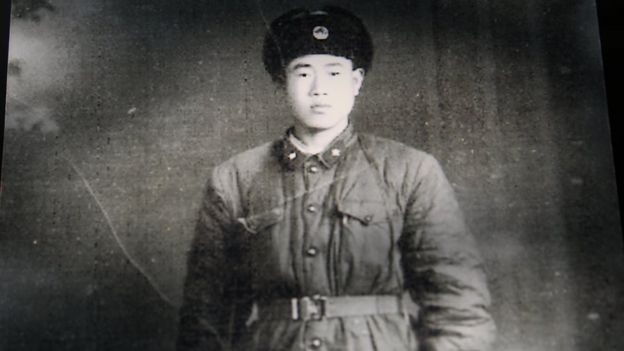
Born to a farmer family in Shaanxi with four brothers and two sisters, he studied surveying and joined China’s People’s Liberation Army in 1960.

Mr Wang says he was “tasked with building roads for the Chinese army” and was captured when he “strayed erroneously” into Indian territory in January 1963.

Wang Qi in Chinese army uniform
Image caption He joined China’s People’s Liberation Army in 1960

“I had gone out of my camp for a stroll but lost my way. I was tired and hungry. I saw a Red Cross vehicle and asked them to help me. They handed me over to the Indian army,” he said.

After he was captured, he spent the next seven years in multiple prisons before he was released by a court order in 1969.

Police took him to Tirodi, a far-flung village in the central state of Madhya Pradesh, where he ended up living for most of his life.

Instead he worked at a flour mill, eventually marrying a local woman and raising a family with her. Neighbours said they lived in “utter poverty”.

It was never clear whether Mr Wang was actually a prisoner of war. But he was denied official Indian documents or citizenship, and he was also denied permission to return to China. Officials told the BBC in 2017 that there were “deficiencies” and a “lack of interest” in the case over the years.

A Chinese passport holder, Mr Wang was reunited with his family in China in 2017. After the BBC reported his story, he received a one-year multiple entry Indian visa.

Media caption Wang Qi did not see his family in China for decades

He kept coming back to India to meet his wife, children and grandchildren who continued to live here.

When Mr Wang first arrived in China, he received a rapturous welcome. Crowds met him with banners reading, “Welcome home, soldier, it’s been a rough journey”.

But according to Mr Wang’s son, Vishnu, his father’s request to local officials to clear his salary for the period of his stay in India, remains unanswered.

Vishnu also adds that it’s unclear if his father still has any claim to ancestral property in China after being away for so many years.

“He was ecstatic to have met his family after decades. He didn’t want anything else.”

In 2017, Mr Wang rushed back to India to take care of his wife, who was hospitalised due to “liver complications”.

“Getting funds for the expensive treatment was very difficult. We tried everywhere, begged for money but didn’t receive any response,” Vishnu says.

She died within a fortnight.

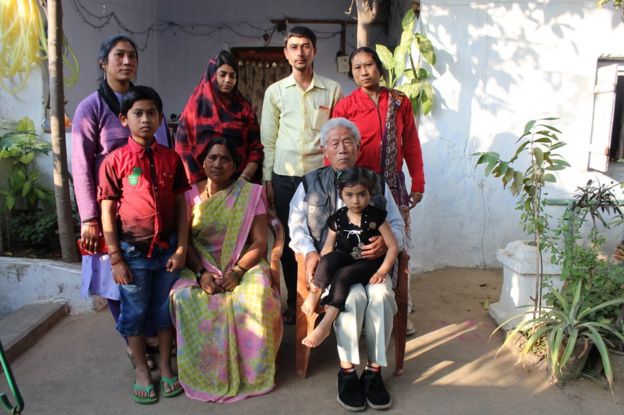
Mr Wang with his family
Image caption Mr Wang married an Indian woman and raised a family with her

“My father’s visa was renewed in 2018. He applied again in April 2019 but he is still waiting,” Vishnu adds.

Xianyang and Beijing, where the Indian embassy is located, are more than 1,000 kilometres (621 miles) apart – and travelling between the two cities isn’t easy for Mr Wang, who is nearly 80 years old, Vishnu says.

“My father is fed up. He doesn’t understand why this is taking so long.”

Source: The BBC

17/04/2019

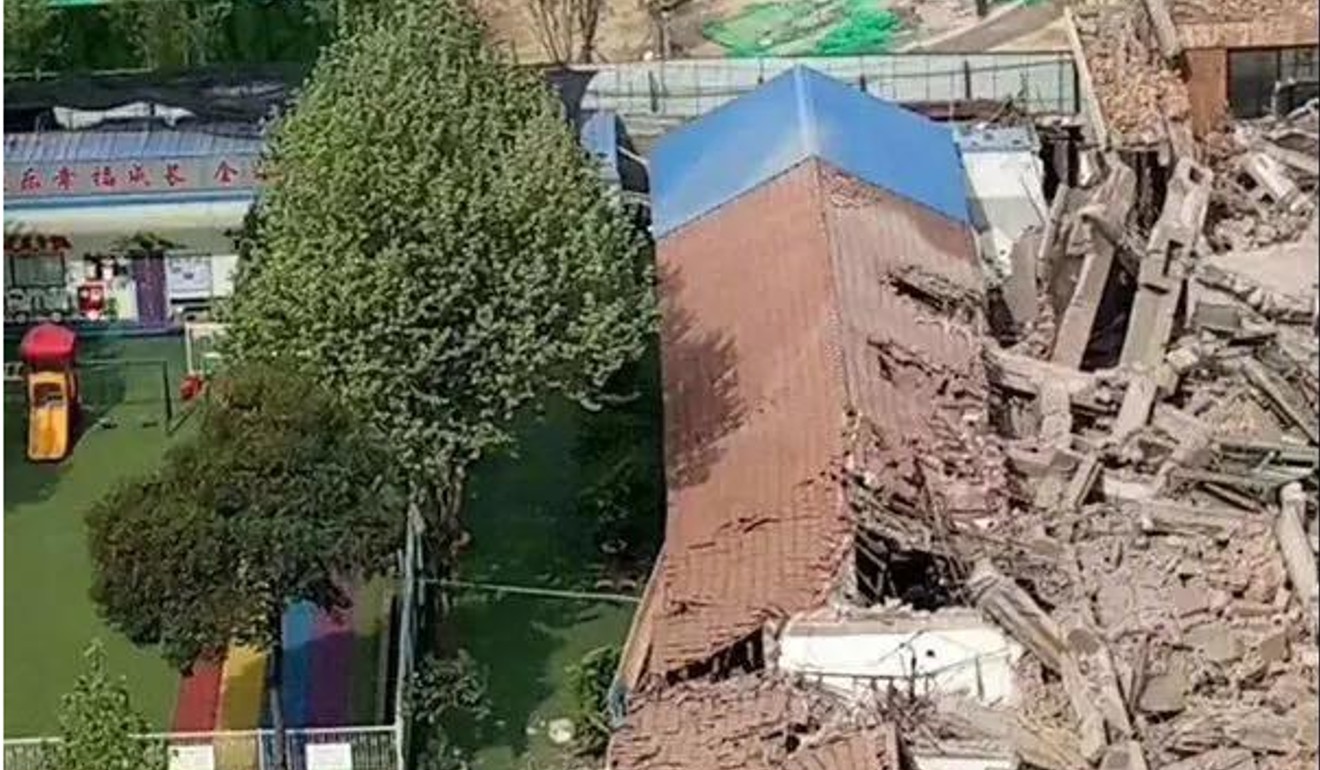
Chinese kindergarten flattened by falling debris from Country Garden building site

  • Seven classrooms, eight other buildings crushed as part of former factory topples over dividing wall
  • School has 400 pupils but incident happened on Sunday when they were all at home
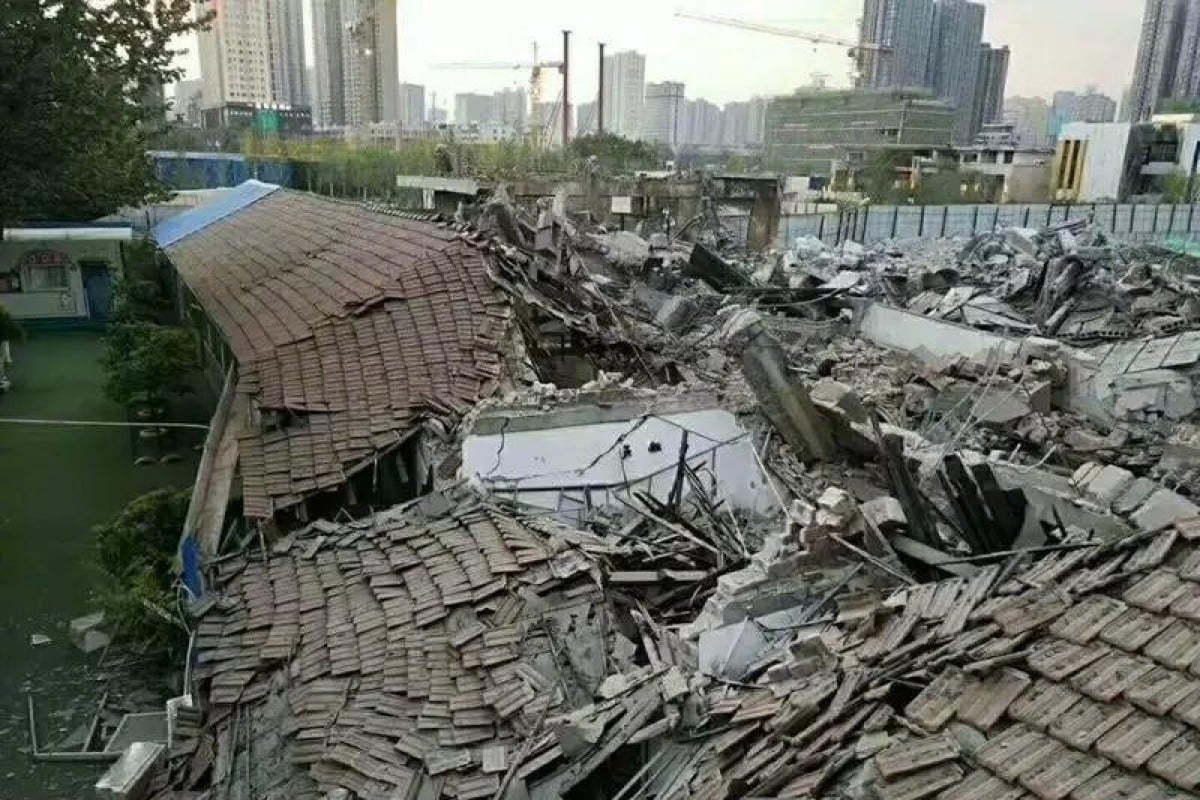
Seven classrooms, four toilet blocks, three kitchens and a first aid room were levelled. Photo: Weibo
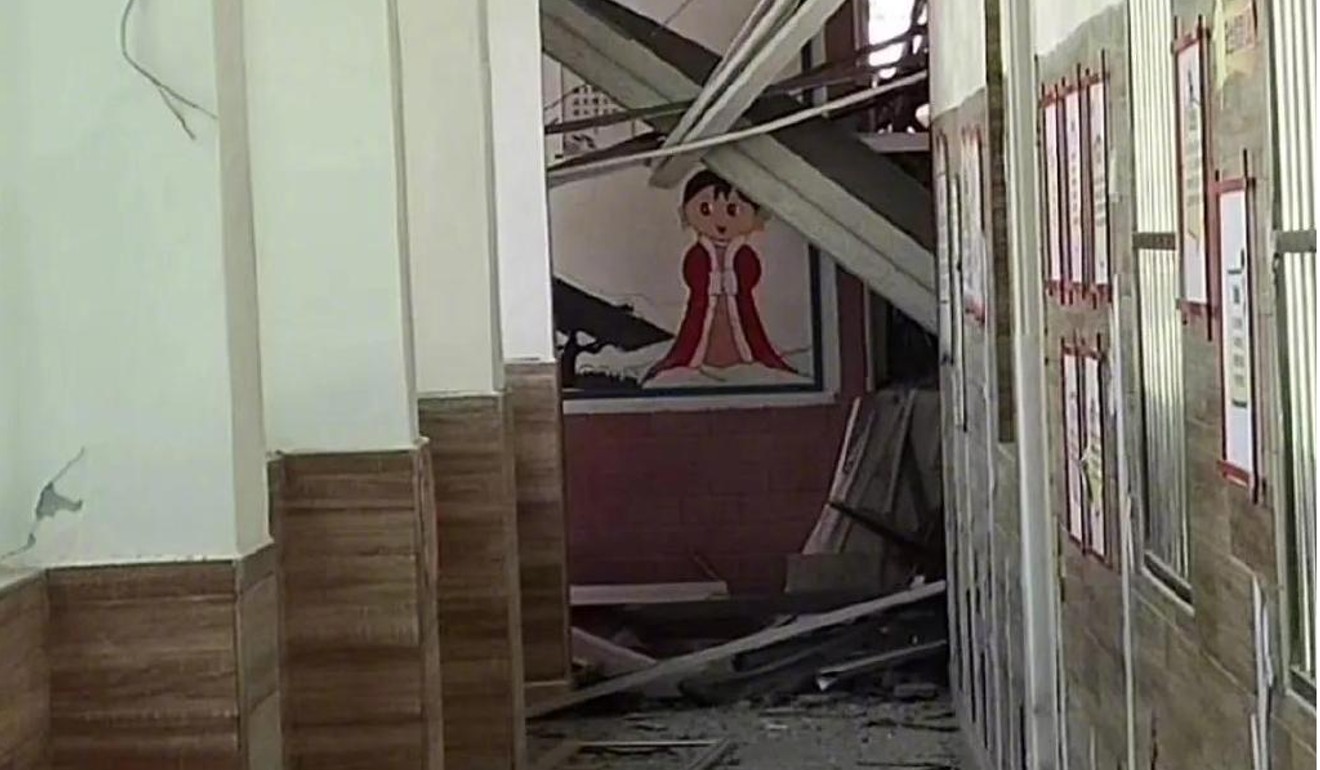
A kindergarten in northwest China has been forced to close temporarily after several of its classrooms and other buildings were flattened by falling debris from an adjacent building site, according to a local media report.
The incident, in Xianyang, Shaanxi province, happened on Sunday so there were no children in any of the rooms at the time, and there were no reports of any injuries.
Staff at the privately owned Xintou Kindergarten contacted the parents of its 400 pupils later the same day to tell them classes had been suspended, Shaanxi Transportation Radio reported.
The school is next to the site of a former textile factory which is being demolished to make room for a new housing project by Country Garden, China’s largest residential property developer.
The kindergarten is next to a former factory that is being redeveloped by Country Garden. Photo: Weibo

The report said that one of the buildings being demolished toppled over a wall separating the school from the factory, crushing seven classrooms, four toilet blocks, three kitchens and a first aid room.

After an investigation by the emergency services and local authorities, the developer agreed to compensate the school’s owners for the damage caused and plans are being drawn up to restore the property to its original state.

Two children stabbed to death outside primary school

Several parents gathered at the site to inquire about when it would reopen. The report did not give a precise date but said it was likely to be early next week.

According to figures from the local land resources authority, Country Garden bought the former factory site for a city record price of 1.99 billion yuan (US$297 million) last year.

The school was closed at the time of the accident and there were no reports of anyone being injured. Photo: Weibo
Source: SCMP
Law of Unintended Consequences

continuously updated blog about China & India

ChiaHou's Book Reviews

continuously updated blog about China & India

What's wrong with the world; and its economy

continuously updated blog about China & India