Archive for ‘Xinjiang Uygur Autonomous Region’

29/07/2019

Experts accuse U.S. of using Xinjiang to interfere in China’s domestic affairs

URUMQI, July 28 (Xinhua) — A group of Chinese experts have criticized the United States for adopting double standards on counterterrorism and deradicalization and using Xinjiang-related issues as a tool to interfere in China’s domestic affairs.

The experts, who specialize in studies in the fields of human rights, international relations and anti-terrorism, made the remarks at a seminar held recently in Urumqi, capital of Xinjiang Uygur Autonomous Region.

Wang Yu, an associate researcher with the Institute of Chinese Borderland Studies, said China’s anti-terror measures implemented in Xinjiang in recent years have provided a new solution to the global fight against terrorism.

For some time China’s Xinjiang has seen frequent incidents of terrorist attacks, but over the past nearly three years, there have been no such incidents in the region, Wang noted.

Gu Liyan, a researcher with the Xinjiang Academy of Social Sciences, accused the United States of using human rights issues to erode public trust in governments of some other countries and create social conflict and unrest there, so as to attain its global hegemony.

“Whatever measures or policies China implements on counterterrorism and deradicalization will never accord with the so-called human rights standards of the U.S.,” she said.

Li Wei, a researcher with the China Institute of Contemporary International Relations, said education and training centers were established in Xinjiang in order to prevent trainees from falling victim to terrorism and extremism.

China’s measures on deradicalization offer a successful case study to the international community and have won widespread recognition and acclaim, said Li.

Shu Hongshui, an anti-terror expert at Northwest University of Political Science and Law, said the U.S. adoption of double standards on counterterrorism and deradicalization is intended to curb China’s development.

The propaganda warfare waged by the United States and some other Western countries against China on Xinjiang-related issues is unable to conceal their strategic anxiety and predicament, Shu said

Source: Xinhua

27/07/2019

Ambassadors from 50 countries voice support for China’s position on issues related to Xinjiang


GENEVA, July 27 (Xinhua) — Ambassadors from 50 countries to the United Nations Office at Geneva (UNOG) have co-signed a letter to the President of the UN Human Rights Council (HRC) and the High Commissioner for Human Rights to voice their support for China’s position on issues related to its Xinjiang Uygur Autonomous Region.

Earlier on July 12, a number of ambassadors in Geneva sent the joint letter to show their support for China, and as of Friday evening, more ambassadors had joined, the Chinese Mission to the UNOG revealed.

In a statement issued on Friday night, the Chinese mission said that some other countries had also expressed their support in separate letters or press statements.

In the joint letter, the ambassadors commend China for its economic and social progress, effective counter-terrorism and de-radicalization measures, and strong guarantee of human rights.

They appreciate the opportunities provided by China for diplomatic envoys, officials of international organizations, and media professionals to visit Xinjiang, and point to the contrast between Xinjiang in the eyes of those who have visited it and the one portrayed by some western media.

The ambassadors also urge a certain group of countries to stop using uncorroborated information to make unfounded accusations against China.

“I was surprised that some people call these vocational training and education centers concentration or internment camps,” Vadim Pisarevich, deputy permanent representative of Belarus to the UNOG, told Xinhua.

“They’re nothing of the kind. They look like ordinary educational facilities and even I said that they are more than this because they provide life skills training to the students,” Pisarevich said.

They are “very useful institutions for addressing the problems of terrorism, extremism and separatism,” he said.

“Terrorism and extremism are an intractable challenge across the world. In the face of its grave threat, Xinjiang Uygur Autonomous Region responded with a number of lawful steps, including setting up vocational education and training centers, to prevent and combat terrorism and extremism,” the Chinese Mission to the UNOG said in its statement.

“Facts speak louder than words, and justice cannot be overshadowed. The great diversity of countries co-signing the letter — from Asia, Africa, Latin America, and Europe, especially the OIC (Organization of Islamic Cooperation) — makes it clear that the international community has drawn a fair conclusion about Xinjiang’s human rights achievement and counter-terrorism and de-radicalization outcome,” the statement said.

“Those that seek to use human rights as an excuse to slander and pressure China have only themselves to deceive,” it added.

“We oppose any attempt to use human rights issues as a cover for interference in a country’s internal affairs. We urge those who are doing so to change course, refrain from politicization and double standards, and stop interfering in the internal affairs of other countries under the pretext of human rights,” it said.

At a press conference on Friday, China’s Ambassador to the UNOG Chen Xu also rebuked some Western nations for slandering China over Xinjiang, noting that China doesn’t accept these “groundless accusations.”

Jamshed Khamidov, head of Tajikistan’s mission in Geneva, said his government opposes any attempts to use the Human Rights Council for particular political purposes, and efforts should be made to avoid any politicization of the Human Rights Council.

“We know the situation in the Xinjiang region. We know how much the government of China is doing … and what kind of measures were implemented in this region to support its peace, security and development,” he said.

In visits to the vocational training and education centers in Xinjiang’s Urumqi and Kashi, Zenon Mukongo Ngay, head of the Democratic Republic of Congo’s mission in Geneva, said he was impressed with the “level of development” in Xinjiang and how the people in the centers receive education for getting a job.

The Chinese mission also said that together with all parties, China is committed to promoting the healthy development of the international human rights cause by encouraging multilateral human rights institutions to stick to the purpose and principles of the UN Charter, handle human rights issues in an objective, impartial and non-selective manner, and engage in constructive dialogues and cooperation.

Source: Xinhua

05/07/2019

China Love film delves into country’s billion-dollar pre-wedding photo industry

  • Documentary looks at the fantasy photo shoots of couples, including some who married decades ago when only drab clothing was allowed
  • It looks beyond the colourful clothes to consider issues of freedom, status, money and the new ‘China dream’
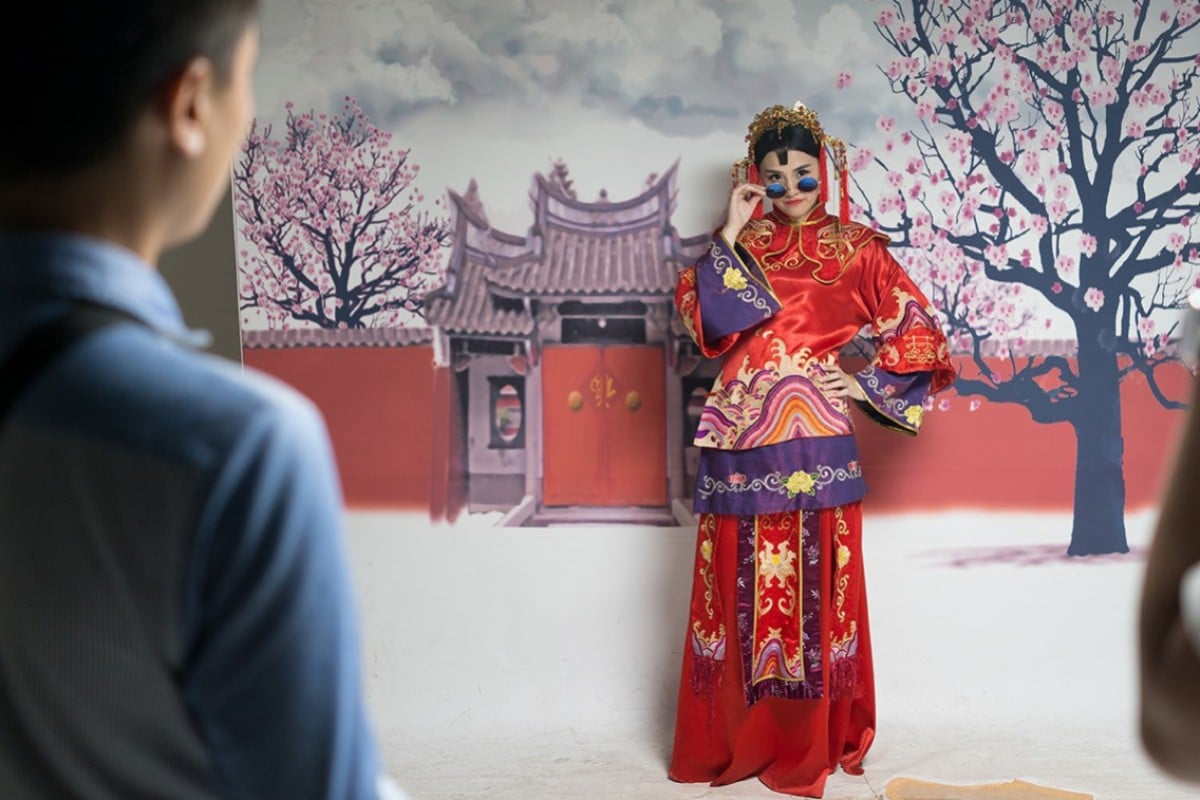
A still from China Love, a documentary by Olivia Martin-McGuire.
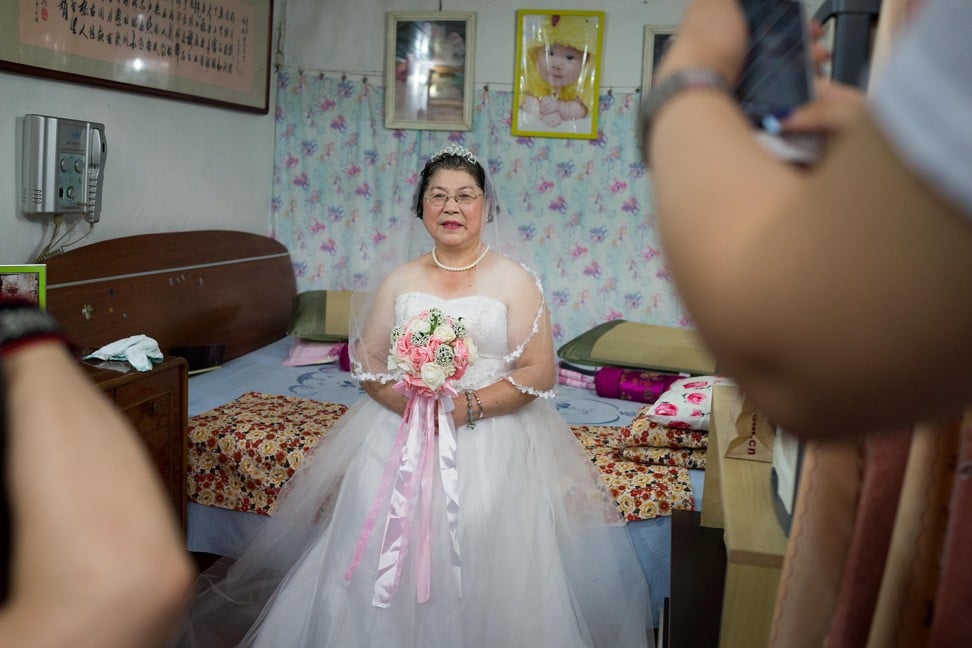
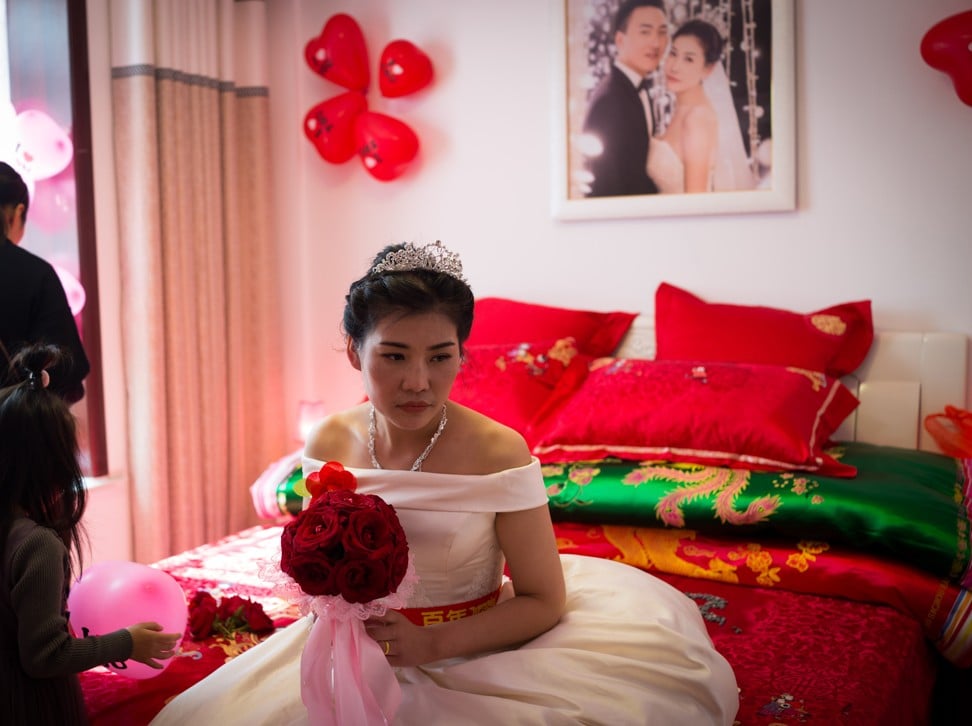
Pei-Pei and Xuezhong live in Shanghai’s French Concession. They married in 1968 and, as was typical for the time, have just one small black-and-white wedding photo.
“Pre-wedding photography could never have happened in 1968 because of the Cultural Revolution,” says Xuezhong, referring to the upheaval that took place under Mao Zedong, from 1966 to 1976. “Colourful clothing was not allowed. We had no choice.”
They did choose, however, to create new memories by having the wedding photos of their dreams taken decades later in a modern setting.
Their story is one of five featured in the docu­ment­ary 
China Love

, which explores relationships in contemporary China through the lens of the booming pre-wedding photo industry. It follows couples as they navigate love and family in the lead-up to the most important ritual in Chinese society: marriage.

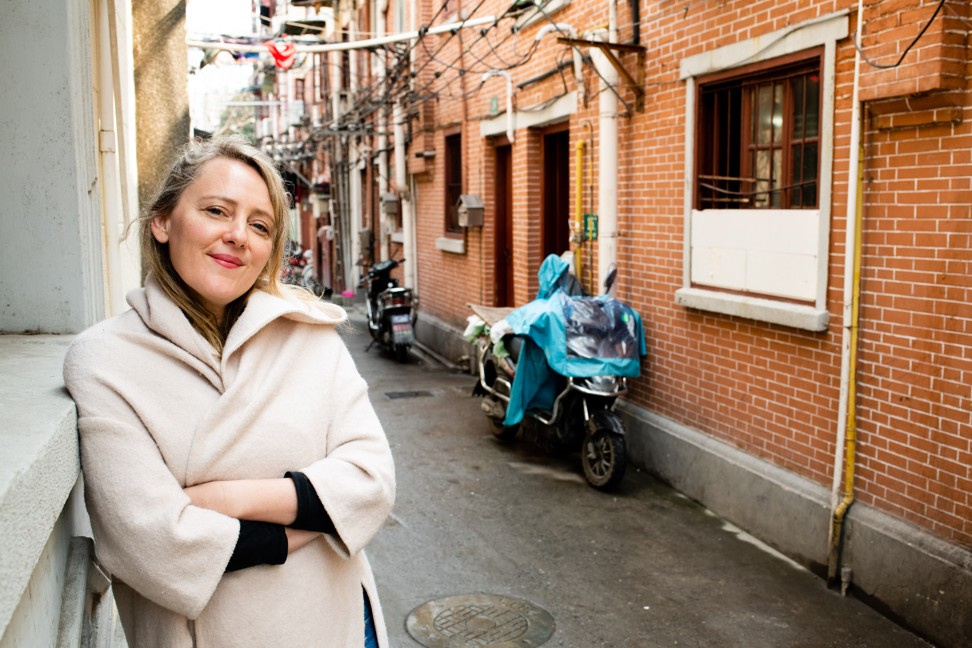
The documentary debuts in Hong Kong this week, with a special screening on Thursday at the Asia Society, in Admiralty. Attending the screening will be the film’s Australian director, Olivia Martin-McGuire, who spent four years in Shanghai, where a series of photographs taken on the city’s streets developed into a fascination with matters of the heart.

“It started when I saw all these couples in amazingly colourful costumes – some hitching up their dresses to reveal trainers – having [pre-wedding] photos taken near The Bund,” she says.

But Martin-McGuire says the film is more than a commentary on the pre-wedding photography busi­ness. It delves into issues of freedom, status, money and the new “China dream”.

“Just over 40 years ago, marriage in China was arranged by the state. Romantic love was seen as a capitalist concept,” she says.

China Love director Olivia Martin-McGuire. Photo: Gráinne Quinlan

Fast forward a generation and the picture couldn’t be more different, with China’s wedding industry today worth a staggering US$80 billion, according to Martin-McGuire.

A big part of that goes on the pre-wedding photos, with some couples spending up to US$500,000 for shoots in exotic locations.

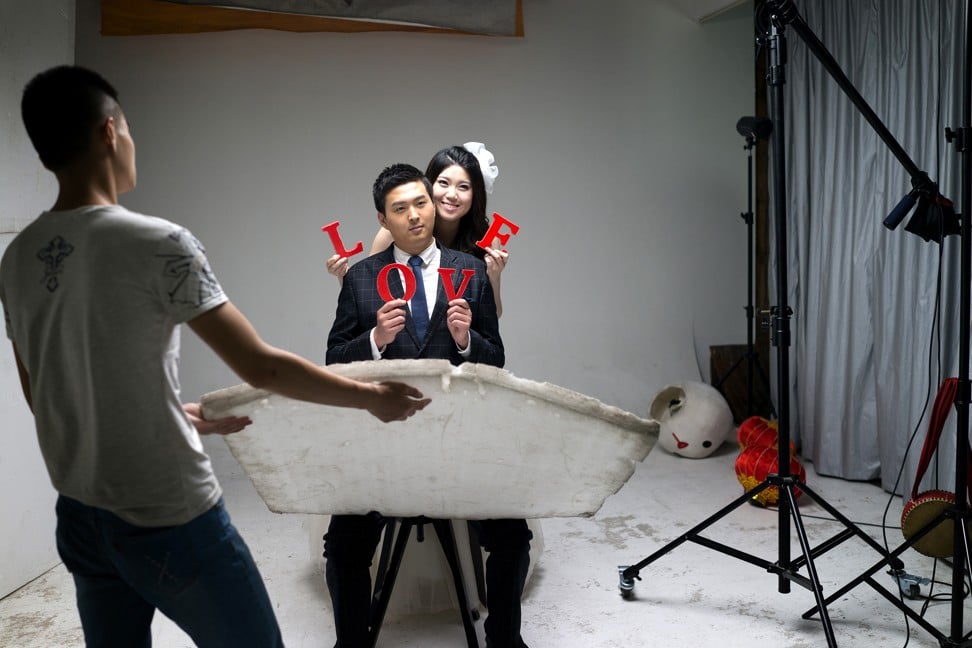
Shoots usually involve several costume and backdrop changes, and can see couples transform into characters from a fantasy. Take Jenny Cheng, born in Urumqi, capital of the Xinjiang Uygur autonomous region, and Australian-born David Shaw. The couple, who are featured in the film and will attend the screening in Hong Kong, had their wedding photos taken under water.

“I wanted the film to feel youthful, fun, and repre­sent the sense of possibility that is infectious in China,” says Martin-McGuire.

China Love will be screened on Thursday, at 6.30pm, at the Asia Society, 9 Justice Drive, Admiralty, followed by a panel discussion. Visit 

asiasociety.org

 for details. Photos from the documentary will be featured in the “

Summer of Love

” exhibition at the Shanghai Centre of Photography, 2551-1, 1 Longteng Avenue, Shanghai, until August 9.

Stills from China Love

Pei-Pei all set for her shoot.
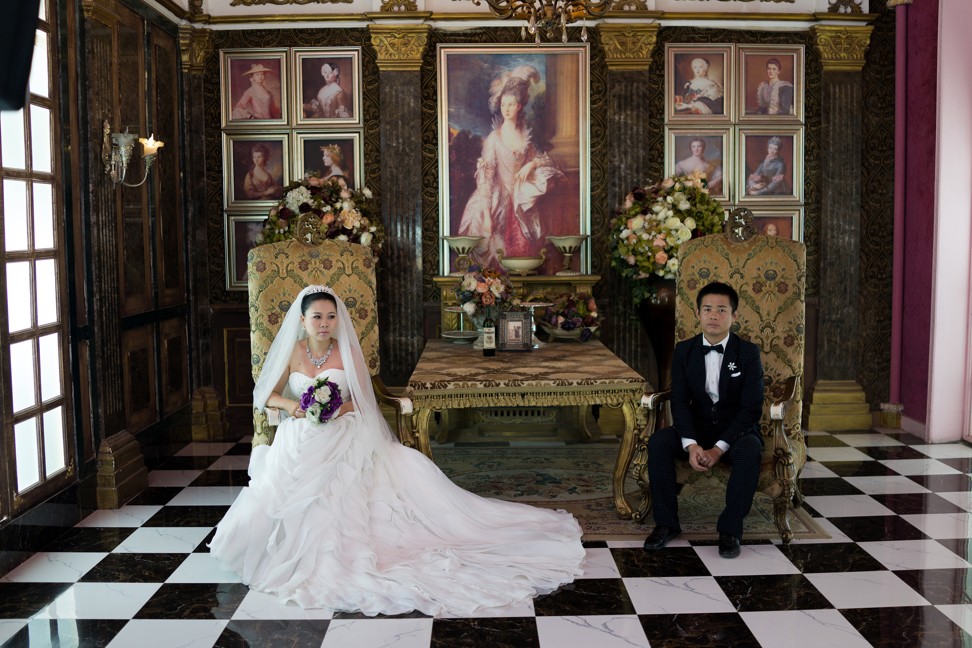
A couple at the Only Photo Studio, outside Shanghai.
A couple in Shanghai’s Thames Town, which is modelled on London.
Pre-wedding shoots can be exhausting.
A couple at the Only Photo Studio outside Shanghai.
Source: SCMP
13/06/2019

Could Chinese scientists have found evidence of world’s first stoners in 2,500-year-old Xinjiang graveyard?

  • Findings support earliest record of cannabis use, written in 440BC
  • Researchers speculate psychoactive THC had role in grim funeral rites
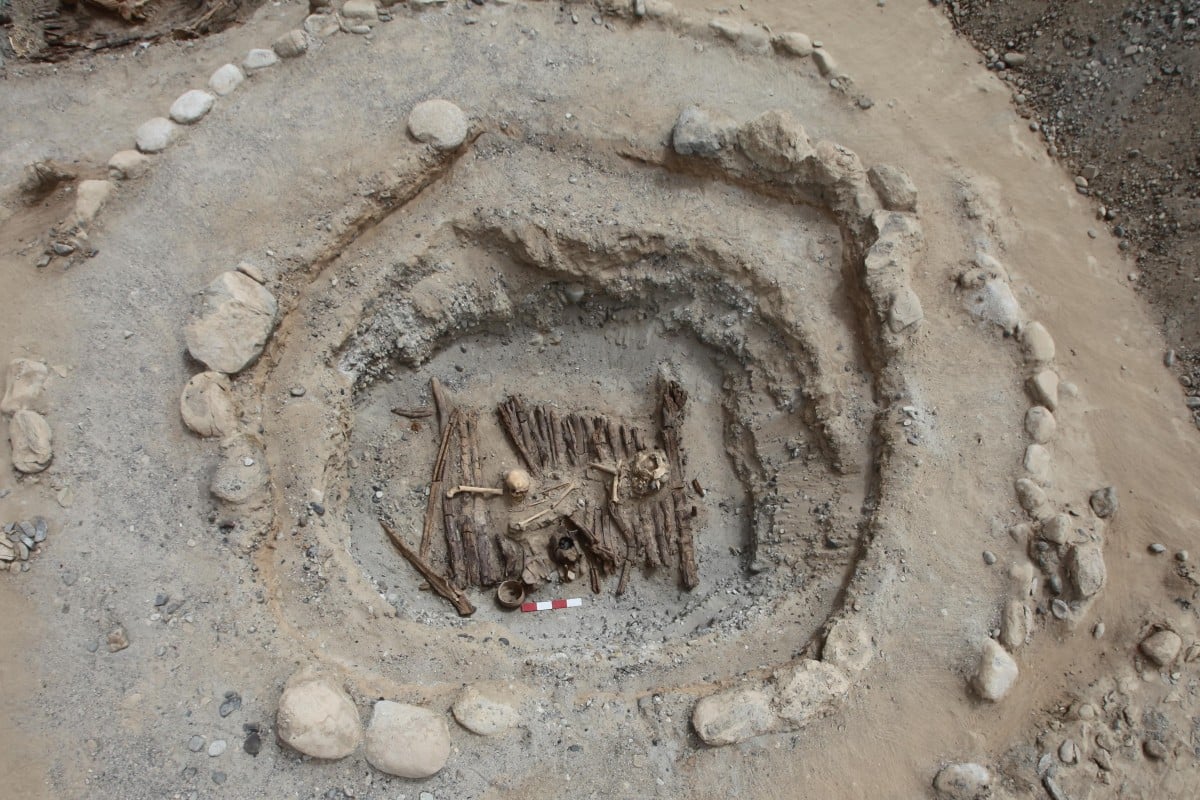
Researchers say their findings at a burial site in Xinjiang about cannabis use 2,500 years ago back up a Greek record written around 440BC. Photo: Handout
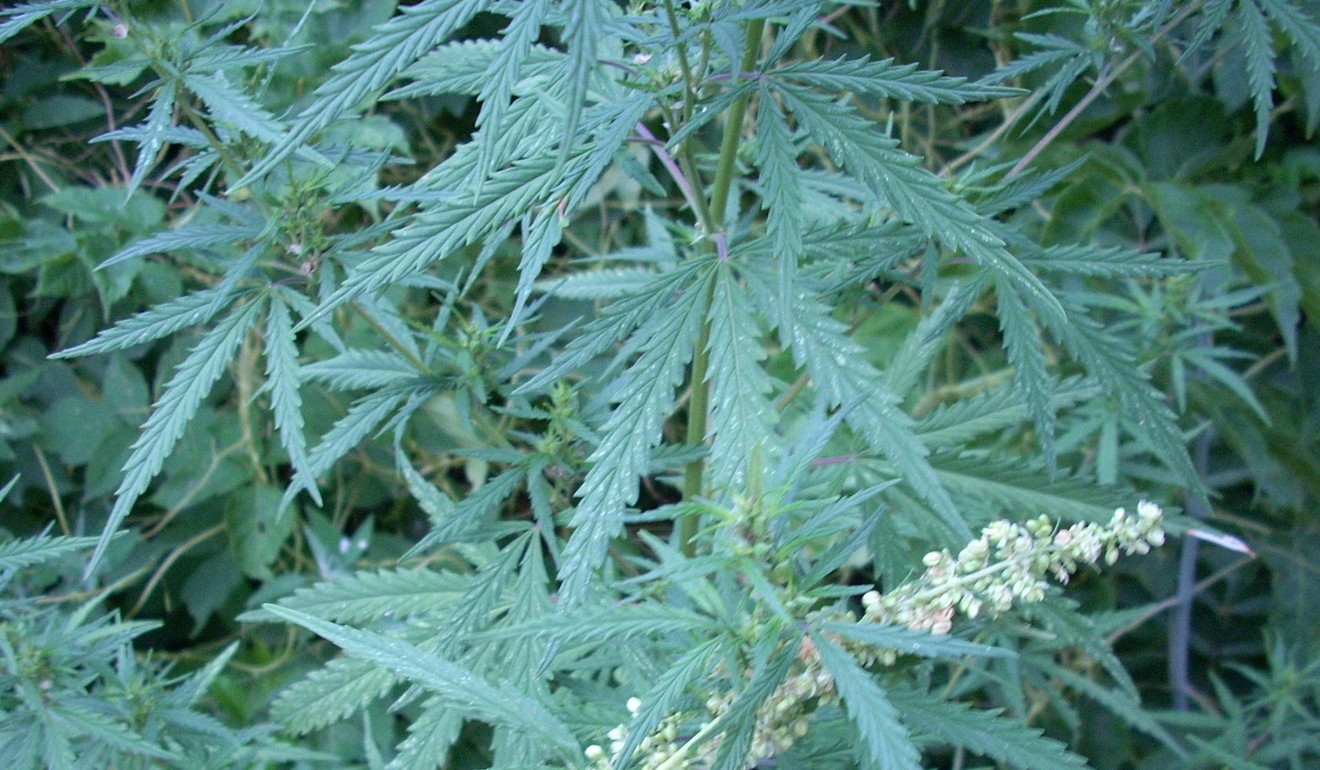
Scientists say a burial site in mountainous northwestern China contains evidence that cannabis smoke was used there as far back as 2,500 years ago, corroborating the earliest record of the practice, written by the ancient Greek historian Herodotus.
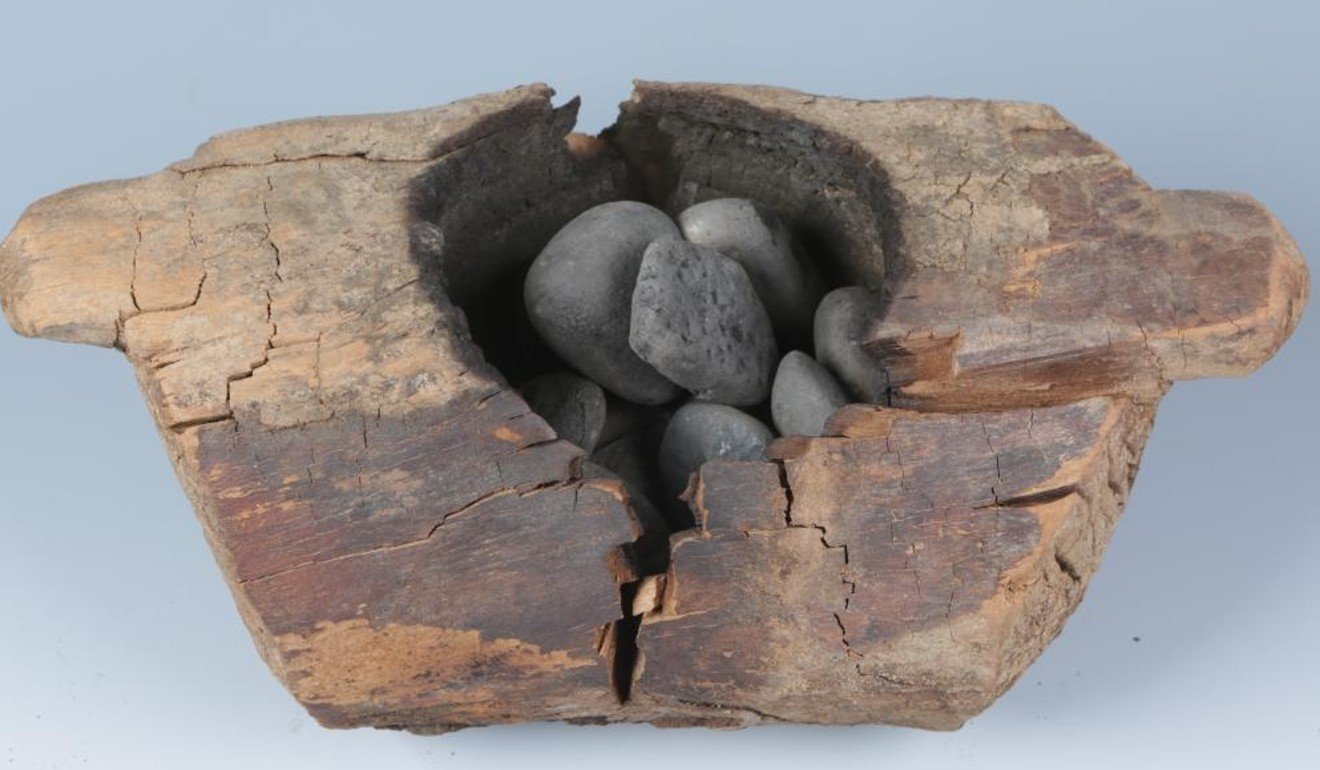
They said the evidence was found in a wooden bowl containing blackened stones unearthed at a Scythian cemetery in the Xinjiang Uygur autonomous region. Chemical analysis showed traces of THC – tetrahydrocannabinol – the potent psychoactive component in cannabis.
Yang Yimin, lead author of a paper published in the journal Science Advances on Thursday, said the discovery at Jirzankal Cemetery, close to the border of Tajikistan, Pakistan and India, was “jaw-dropping”.

Scythians were horseback warriors who roamed from the Black Sea across central Asia and into western China more than 2,000 years ago. Herodotus wrote in The Histories around 440BC that they used marijuana, the earliest written record of the practice.

Scientists in Xinjiang found hemp had been burned on stones inside these wooden bowls 2,500 years ago. Photo: Chinese Academy of Sciences and Max Planck Institute

“The Scythians take the seed of this hemp and … they throw it on the red-hot stones. It smoulders and sends forth so much steam that no Greek vapour-bath could surpass it.

The Scythians howl in their joy at the vapour-bath,” Herodotus wrote.

Yang, who led an international team of researchers from the Chinese Academy of Sciences, the Max Planck Institute for the Science of Human History in Germany and the University of Queensland, said that until now there was no evidence to back up the Greek historian’s account.

“There was never any archaeological proof to the claim. We thought – is this it?” Yang said.

The discovery posed a question for the research team: where would the plants have come from? While hemp was commonly found in many parts of the world and was used for fabric, cooking and medicine, most wild species contained only small amounts of THC.

Ruins of 2,000-year-old coin workshop found in central China’s Henan province

Yang and his colleagues speculated that the altitude, 3,000 metres (9,843 feet) above sea level, and strong ultraviolet radiation might have resulted in a potent plant strain with THC levels similar to those in marijuana today.

“From here it was selected, probably domesticated and then went to other parts of the world along ancient trade routes with the Scythian nomads, forming an enormous ring of culture that shared the ritual of smoking cannabis,” Yang said.

Archaeologists said the site, with its 40 circular mounds and marked by long strips of black and white stones, could have been a burial ground for tribal members, with human sacrifice and cannabis part of the last rites.

Researchers suspect a potent strain of cannabis grew close to the Xinjiang burial site. Photo: Chinese Academy of Sciences and Max Planck Institute

So the early pot party might not have been the kind of celebration Herodotus described, the study’s authors suggested.

While the Scythians might have been inhaling the smoke to try to communicate with the dead in the next world, evidence suggested that a sacrifice – perhaps a war captive or a slave – was struck repeatedly on the head with a sword and the body hacked to pieces nearby, the researchers said.

Source: SCMP

12/05/2019

Various activities feature 1000-day countdown to Beijing 2022

BEIJING, May 11 (Xinhua) — With the official 1000-day countdown timer of the Beijing 2022 Olympic Winter Games having been launched at Beijing’s iconic Olympic Park on Friday evening, various commemorative activities related to winter sports and Olympic culture were held across China on Saturday.

At Beijing’s Shijingshan District, where the 2022 Beijing Organizing Committee of Winter Olympic and Paralympic Games (BOCWOG) located, Gaojinglu community was named as the first Winter Olympic Community for its efforts in developing winter sports among the residents.

Supported by the community since 2018, people living in the area were provided with the chances to experience winter sports like skating and curling. Many have shown great interests and established their own teams.

In the Yanqing District, which serves as one of the three competition zones of Beijing 2022, lectures about the Games were taken into schools and students are learning more about Olympic culture through the course.

At Zhangjiakou competition zone in Hebei province, a video which tells the story of Zhangjiakou engaging in the bidding and preparing work of Beijing 2022 came to the public.

Except for Beijing and Hebei, other parts of China also engaged in the milestone moment of Beijing 2022. In Altay of northwestern Chinese Xinjiang Uygur Autonomous Region, a skiing competition was held to promote Olympic culture in the area.

Altay has a long history of skiing as discoveries have shown that ancient people there already skied 12,000 years ago. In recent years, the local government has spent a lot of efforts in promoting winter sports, especially in schools. Over 9,000 students have benefited from a plan which aims to bring PE lessons to the skiing resorts.

Source: Xinhua

Law of Unintended Consequences

continuously updated blog about China & India

ChiaHou's Book Reviews

continuously updated blog about China & India

What's wrong with the world; and its economy

continuously updated blog about China & India