

- Elderly resident says he can’t recall this happening in his city before, not even during the Cultural Revolution
- Outbreak is expected to deal a heavy blow to businesses, especially smaller eateries, with some already forced to close
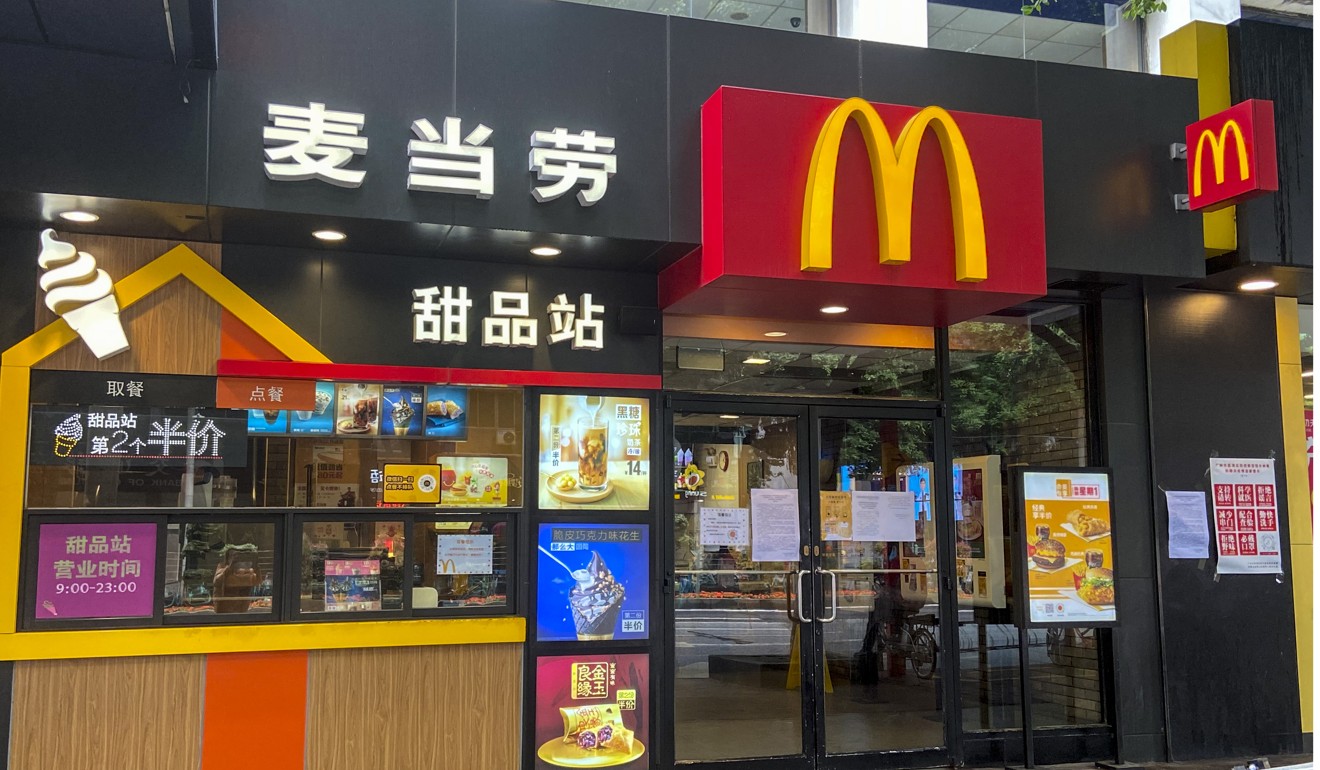
“Even in the ‘three years of natural disasters’ [from 1959 to 1961, when China was in the grip of a famine] I remember there were still restaurants open,” He said. “I was really shocked [by the ban]. I guess the epidemic situation must be severe, otherwise Guangzhou definitely wouldn’t introduce this measure.”
The ban on dining in applies to restaurants, but employees can continue to have meals at their company canteens. And while residents can still get takeaways from restaurants, they have been encouraged to do this online, and have their meals delivered, rather than collecting their orders.
Group gatherings have also been banned in the city, and according to Nanfang Daily, some 126 banquets that would have involved more than 90,000 people have been cancelled by authorities already. The authorities did not say how long the measures would be in place.
Guangzhou is not the only city in Guangdong province to bring in a ban on dining in restaurants – Futian district in Shenzhen, Xiangzhou in Zhuhai, Foshan and Zhongshan have all taken the same step.
“Now we will focus on promoting takeaways for local customers. They can order our meals through apps providing online takeaway ordering services,” said Fion Liang, director of sales and marketing at The Garden Hotel. “As for guests staying in the hotel we will deliver meals to their rooms.”
To work or not to work: the difficult coronavirus question facing China

She said the outbreak did not have a big impact on the hotel’s business in January, because the situation only became severe at the end of the month.
“The impact was definitely much bigger in February. If the epidemic continues to be severe throughout February, the occupancy rate of our rooms will be in the single digits this month,” Liang said. “[Most] hotels in Guangzhou are in the same situation.”
The outbreak is expected to deal a heavy blow to restaurants in the city, especially smaller eateries, and some have already been forced to close. June Zhao, the owner of dumpling restaurant Xi Xi, decided to shut down on Wednesday – the day the eat-in ban was announced.
Prospects had been good for the restaurant – it also sold books and alcohol in the evenings, and its trendy decor drew a young crowd.
“We had just started making money last winter and we were looking forward to earning more over the Lunar New Year holiday. But then the coronavirus came, our turnover fell to several hundred yuan a day, and we lost hope,” she said. “The new ban makes this situation worse – takeaway is not a good choice for dumplings, especially in winter. The losses will continue if we stay open.”
Coronavirus: major cities given power to seize private property
The ban has also interrupted daily routines. Freelance cameraman Cony Yu, 28, usually spends some of his working day at cafes, but that is no longer possible. “[Now] I don’t have a comfortable place to sit aside from my home – even the parks have all been closed,” Yu said.

 CHINDIA ALERT: You'll be living in their world, very soon