Posts tagged ‘Yum! Brands’

05/02/2016

This is How Domino’s Plans to Win the Pizza War in India – India Real Time – WSJ


Domino’s Pizza Inc. will add 150 new stores in India every year for the next two to three years, chief executive Patrick Doyle said, as the fast-food chain aims to expand its footprint in the South Asian nation that is already its largest market outside the U.S.
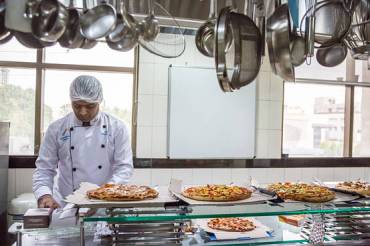
“We believe India is going to continue to be a terrific growth market for us,” Mr. Doyle said in an interview ahead of the opening of Domino’s 1,000th store in India on Friday. “I remain incredibly bullish on the Indian economy.”

India has been one of the bright spots in Domino’s portfolio, while most other big American fast-food chains derive their growth from China. Rival Yum! Brands Inc., which owns Pizza Hut and KFC, makes nearly half its revenue in China, for example.

Even so, Domino’s stores in India account for only 5% of the company’s sales; its outlets in the U.S. account for nearly half.

Mr. Doyle said Domino’s success in India was down to the power of localization and longevity.

The company entered India 20 years ago — among the first foreign fast-food chains do so — and has since topped its pizzas with local flavors from paneer or Indian cottage cheese, to tandoori chicken.

It also customizes its menu for different regions of the country. In 2014, for example, Domino’s rolled out a spicy banana pizza for consumers in southern India. Last year, it began delivering pizzas to passengers on India’s vast state-run railway network.

In China, Domino’s had blamed its struggles in part on the fact that cheese and bread aren’t staples of the traditional Chinese diet. It signed a new partner in China a few years ago in an attempt to fight competition from brands like Pizza Hut, which serves a selection of other Western fare, including ribs, spaghetti and steak in its casual dine-in restaurants.

Source: This is How Domino’s Plans to Win the Pizza War in India – India Real Time – WSJ

22/07/2014

China food scandal spreads, drags in Starbucks, Burger King and McNuggets in Japan | Reuters

The latest food scandal in China is spreading fast, dragging in U.S. coffee chain Starbucks, Burger King Worldwide Inc and others, as well as McDonald’s products as far away as Japan.

The logo of a Starbucks coffee shop is seen in New York June 25, 2013. REUTERS/Brendan McDermid

McDonald’s Corp and KFC’s parent Yum Brands Inc apologized to Chinese customers on Monday after it emerged that Shanghai Husi Food Co Ltd, a unit of U.S.-based OSI Group LLC, had supplied expired meat to the two chains.

On Tuesday, Starbucks said some of its cafes previously sold products containing chicken originally sourced from Shanghai Husi, a firm that was shut down on Sunday by local regulators after a TV report showed staff using expired meat and picking up meat from the floor to add to the mix.

A Tokyo-based spokesman at McDonald’s Holdings Co (Japan) Ltd said the company had sourced about a fifth of its Chicken McNuggets from Shanghai Husi and had halted sales of the product on Monday. Alternative supplies of chicken have been found in Thailand and China, he added. The company’s shares briefly fell as much as 1.4 percent to a 15-month low before closing down 0.4 percent.

China’s food watchdog said it ordered regional offices to carry out spot checks on all firms which had used Shanghai Husi products, and would inspect all of parent OSI’s sites around China to see if enough has been done to ensure food safety. It said the case could be handed over to the police.

The regulator’s Shanghai branch said in a statement on Tuesday it had demanded production, quality control and sales records from OSI. It added it already ordered McDonald’s to seal over 4,500 boxes of suspected meat products and Yum’s Pizza Hut to seal over 500 boxes of beef.

Fast-food chain Burger King and Dicos, China’s third-ranked fast food chain owned by Ting Hsin International, said they would remove Shanghai Husi food products from their outlets. Pizza chain Papa John’s International Inc said on its Weibo blog that it had taken down all meat products supplied by Shanghai Husi and cut ties with the supplier.

via China food scandal spreads, drags in Starbucks, Burger King and McNuggets in Japan | Reuters.

30/12/2012

* Beijing to enact strict new food safety laws

Yet more reforms by the new government, this time in food safety.

Xinhua/Reuters: “Beijing will introduce tough new laws to punish firms that flout food safety laws, the official Xinhua news agency reported, a significant move in China’s struggle to get its abysmal food safety record under control.

The announcement follows a similar declaration by the city of Shanghai on Wednesday saying it would blacklist firms that flout food safety laws.

Under the new Beijing regulations, to take effect in April, firms caught producing or selling unsafe foods will be banned from operating in Beijing for life, according to a municipal food safety regulation passed on Thursday, the report said.

Employees found responsible for food safety problems and the executives of companies that commit food safety problems will not be allowed to work in the industry for five years after their firms’ licenses are revoked, the report said.

China’s food safety problems have proven difficult to eradicate even after repeated government campaigns to enforce standing laws and change attitudes at Chinese companies.

Frequent media reports refer to cooking oil being recycled from drains, carcinogens in milk, and fake eggs. In 2008, milk laced with the industrial chemical melamine killed at least six children and sickened nearly 300,000.

On Monday, Shanghai’s food safety authority said the level of antibiotics and steroids in Yum Brands Inc‘s KFC chicken was within official limits, but found a suspicious level of an antiviral drug in one of the eight samples tested.

Yum! Brands logo

Yum! Brands logo (Photo credit: Wikipedia)

Yum faced criticism last week from China’s state-owned broadcaster, which said Yum’s KFC chickens in China contained an excessive level of antibiotics.”

via Beijing to enact strict new food safety laws: Xinhua | Reuters.

See also:

Law of Unintended Consequences

continuously updated blog about China & India

ChiaHou's Book Reviews

continuously updated blog about China & India

What's wrong with the world; and its economy

continuously updated blog about China & India