Archive for June, 2019

04/06/2019

Could caped dinosaur found in China glide like Batman?

  • 163-million-year-old fossil represents something new in evolutionary history
  • Researchers say discovery is extraordinary
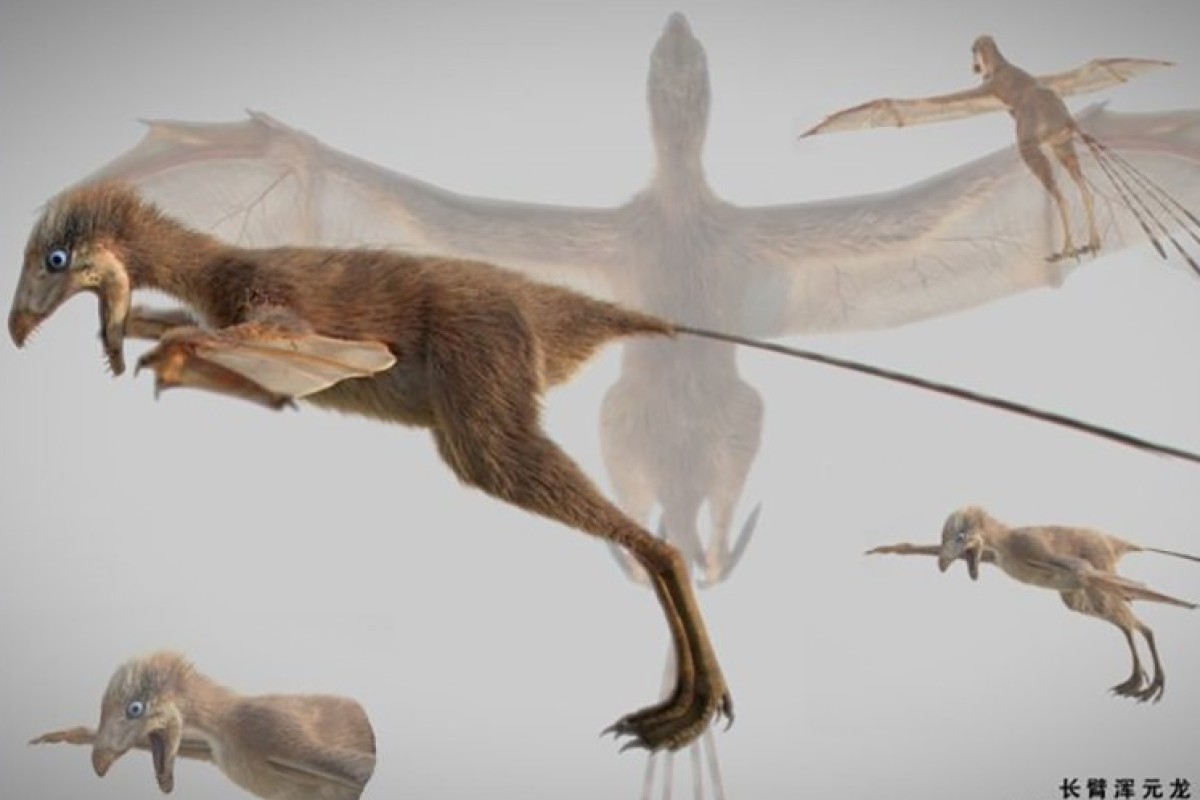
A small, tree-climbing dinosaur discovered in China has overturned evolutionary history with its cape-like membrane. Photo: Handout
Chinese scientists have discovered a new dinosaur species which appears to have been equipped – like Batman – with a cape that may have given it the ability to glide.

Researchers say the finding is extraordinary, representing something new in evolutionary history.

The little tree-climbing dinosaur – about the size of a magpie – was equipped with a soft, smooth membrane draped over its long, strong forearms that may have looked like the wings of a bat when spread.

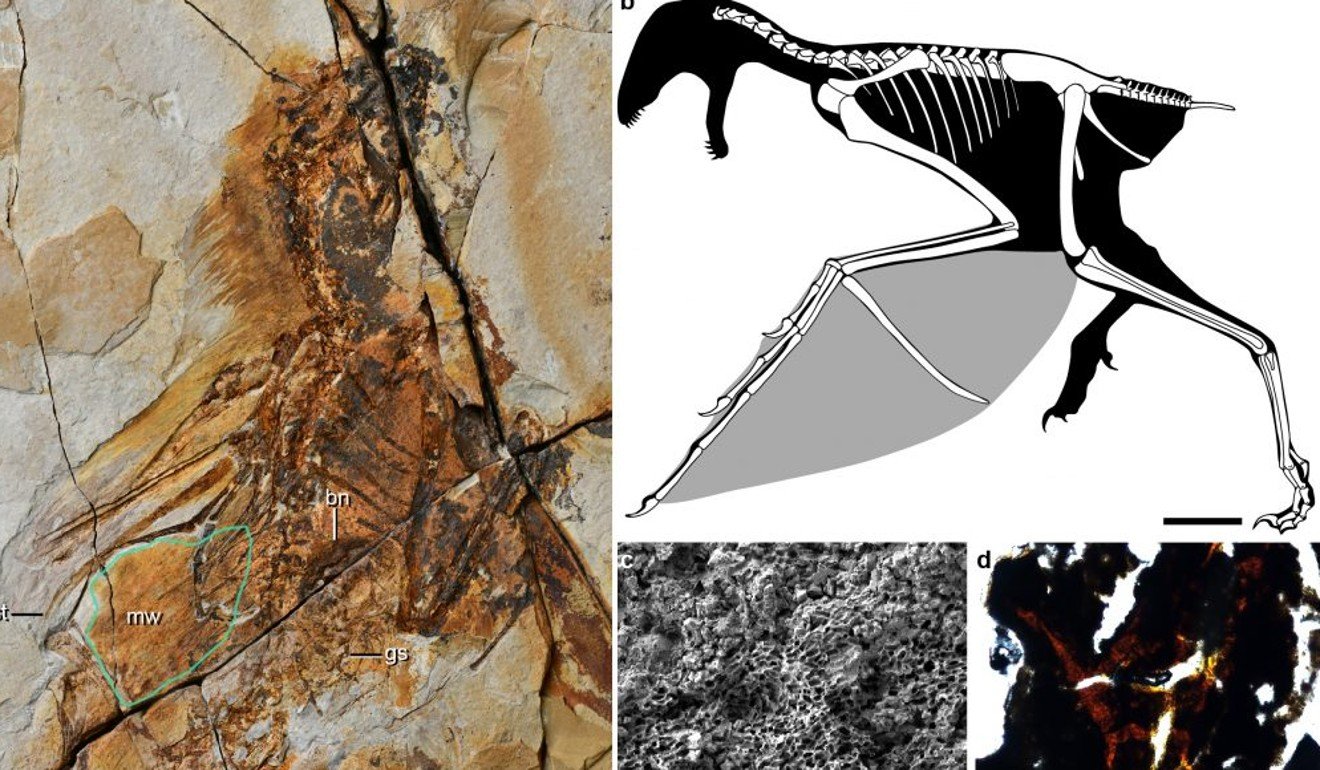
The 163-million-year-old fossil has been named Ambopteryx longibrachium and was found at Wubaiding village, Liaoning province, northeast China, in 2017, according to a paper published in the journal Nature on Thursday.
The 163-million-year-old fossil found in eastern China showed long, strong forearms draped in a smooth cape-like membrane. Photo: Handout

Lead author Dr Wang Min, a researcher with the Chinese Academy of Sciences’ Institute of Vertebrate Palaeontology and Palaeoanthropology in Beijing, said quite a number of dinosaurs had birdlike feathers and some eventually evolved into birds.

“But bat-like wings? The idea has not been widely accepted,” he said.

The possibility was first raised a few years ago when a close relative of the newly discovered dinosaur was found, also in China, with a finger bone which had never before been seen in dinosaurs.

Scientists discover ‘nightmare’ crab with cartoon eyes
A small number of researchers suspected the bone could have been used to hold membrane, but the mainstream scientific community remained sceptical.

Why on earth, some critics argued, would a dinosaur need membrane when it already had feathers?

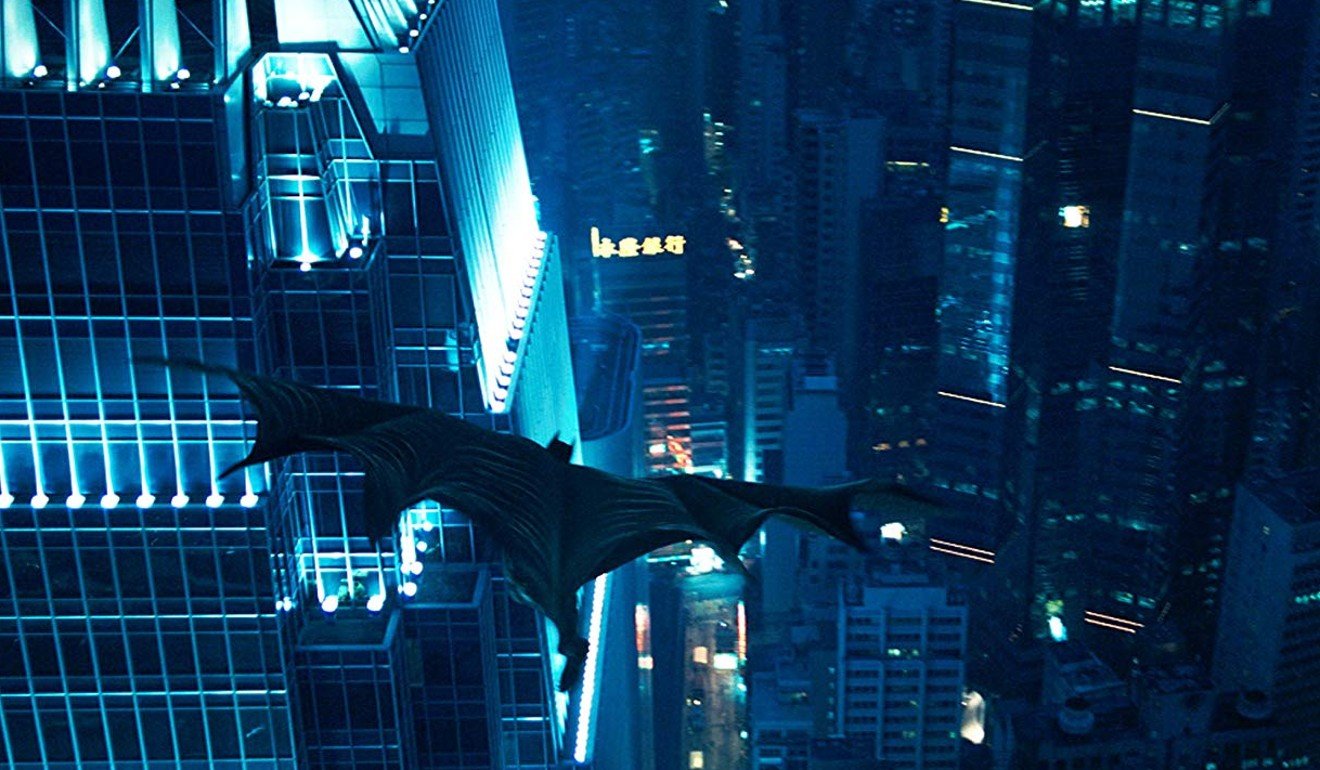
In the 2008 film “The Dark Knight”, Batman uses his cape to glide among the skyscrapers of Hong Kong. Researchers believe the new dinosaur may have used its cape-like membrane in a similar way. Photo: Handout

Ambopteryx longibrachium, nonetheless, had the same peculiar finger bone, only this time scientists were also able to observe a large membrane and a thick layer of hair over its head, neck and shoulders.

The hair and membrane was not an efficient combination for flight aerodynamics. But “in evolution, nothing is impossible”, Wang said.

The tiny T. rex cousin that humans could look down on

The dinosaur lived in thick forest and could have been easy prey to large predators. But its wings might have given it the ability to hop from tree to tree, and they could also have been useful when hunting.

The dinosaur had a slim body about the size of a magpie, with a soft, smooth membrane draped over its forearms like a cape. Photo: Handout

Wang and his colleagues found traces of small bones in the remnant of its stomach. While a tree-climbing dinosaur’s main diet should have been fruit, it could sometimes hunt as well, according to the researchers.

An absence of a large chest bone suggested the dinosaur could not fly at will, like a bird or bat. It remains unclear how long the species survived, but it eventually vanished, probably because of competition from better-equipped winged animals with all-feather or all-membrane wings.

Source: SCMP

04/06/2019

World’s largest technical professional society bans Huawei staff from peer review of research

  • IEEE’s ban has ignited a backlash from its Chinese members, resulting in calls to boycott the organisation
Staff at Huawei Technologies have been banned by the Institute of Electrical and Electronics Engineers from taking part in the peer review of research papers, including serving as editors for journals, after the Chinese telecommunications equipment maker was added to a US trade blacklist. Photo: AP
The US government’s efforts to reduce the influence of Huawei Technologies, the world’s largest telecommunications equipment supplier, has extended beyond business to cover scientific research.
That development emerged as the New York-based Institute of Electrical and Electronics Engineers (IEEE) moved to ban Huawei employees from the peer review of research papers, including serving as editors for its journals, after the Chinese hi-tech champion was added to a US trade blacklist.
The decision by IEEE, the world’s biggest technical professional organisation, was leaked online across Chinese social media on Wednesday, igniting a backlash from some of the country’s leading scientists who described the move as “anti-science” and “violating academic freedom”.

Zhang Haixia, a professor with the Institute of Microelectronics at Peking University, announced on her WeChat account on Wednesday that she was quitting IEEE because the decision to comply with the trade blacklist went “far beyond the basic line of science and technology” and challenged her professional integrity.

US is waging a tech war against this district in Shenzhen
“As a professor, I do not accept this,” Zhang wrote online in a public letter addressed to IEEE president-elect Toshio Fukuda.
Her resignation letter was viewed more than 40,000 times since it was posted online. The most popular comments on its thread included calls for Chinese scientists to boycott IEEE.

In a statement on May 30, the IEEE said it must comply with its legal obligations under the laws of the US and other jurisdictions and that compliance with regulations “protects the IEEE, our volunteers, and our members”.

It said Huawei employees are only barred from the peer reviewing process and that they can continue to participate in individual membership, corporate membership, enjoy voting rights and take part in a variety of other activities, including the submission of technical papers for publication.

Huawei said it had no comment about the peer review ban.

The issue between Huawei and IEEE has come amid a raging tech war between the world’s two biggest economies, which recently escalated when the US government placed Huawei and its affiliates under the US Entity List on May 16. That bars the Chinese group from buying hardware, software and services from American hi-tech suppliers without US approval.

A succession of major American technology companies, from Google and Microsoft to Intel and Qualcomm, have suspended their dealings with Huawei to comply with the US trade ban.

Growing disquiet in China as US steps up war on tech champions

US President Donald Trump has also signed an executive order barring US companies from using telecoms equipment made by companies that pose a threat to national security.

The trade blacklist, which is maintained by the Bureau of Industry and Security under the US Department of Commerce, identifies organisations and individuals believed to be involved, or pose a significant risk of becoming involved, in activities contrary to America’s national security or foreign policy interests.

A non-profit organisation founded in January 1963, IEEE had more than 422,000 members in more than 160 countries as of December 31 last year. More than 50 per cent of its members, who are rooted in electrical and computer sciences, engineering and related disciplines, are from outside the US.

Technology is true target of US attack on China, says diplomat

It also publishes around 200 transactions, journals and magazines, and sponsors more than 1,900 conferences in 103 countries.

There is no official data on how many IEEE members are based in mainland China. Public information online, however, showed that at least 80 Huawei employees are members of the organisation.

China’s biggest chip maker to delist from NYSE as US targets tech

In a statement released on May 16, IEEE said that as a corporation organised in New York, it must comply with its legal obligation under US laws. It said the US government’s export restriction covers not only physical goods and software but also technical information.

In the leaked IEEE email, the organisation warned its members of “severe legal implications” if they continue to use Huawei staff as reviewers or editors for the peer review process of its journals.

“IEEE is registered in the US, but we should suggest experts at all levels of IEEE to move its headquarters to places such as Switzerland,” said Zhou Zhihua, a leading computer science professor at Nanjing University and an IEEE fellow, in a post on microblogging site Sina Weibo. “More importantly, let’s show more support to China-produced English-language journals.”

Source: SCMP

04/06/2019

Chinese scientists find link between acne and common cold

  • Study of children prone to recurring colds identifies abnormally high presence of skin affecting bacteria
  • More research needed but study holds out prospect of future treatments
Scientists in China believe they have identified the reason why some children repeatedly catch the common cold. Photo: Shutterstock
A team of Chinese researchers has found that an acne-causing parasitical microorganism could be the reason some children catch colds more frequently than others.
Professor Zhang Chiyu and his colleagues at the Institute Pasteur of Shanghai, part of the Chinese Academy of Sciences, have found that a bacterium known as Propionibacterium is closely related to recurring infections, raising the possibility of future drugs or treatments, according to their paper in the May issue of Nature Communications.
The scientists analysed clinical samples from 4,407 children diagnosed with the common cold during a period of six years, from 2009 to 2015, at Nanxiang Hospital in Shanghai, and found an abnormally high presence of the bacterium.
Propionibacterium is a parasite microorganism usually found on human skin. It can cause acne and other skin problems. Some forms of the bacteria are also used to create the holes in some popular varieties of cheese.
A computer illustration of Propionibacterium, a microorganism known to cause acne and other skin problems, and now implicated in frequent colds in some children. Photo: Alamy

Zhang said the research team had found an abnormally high presence of Propionibacterium phages – a signature virus which uses the bacterium as a host – in the clinical samples, and it was likely the large colonies of the microorganism had thrived in the sick children’s respiratory ducts.

The imbalance between different microorganism groups could lead to more frequent, prolonged inflammation and cause further damage on respiratory tissues, he said.

“Living environment can be something worth checking,” Zhang said, suggesting that parents could reduce unnecessary exposure of their children to Propionibacterium infections by keeping them from kissing faces with pimples.

The common cold kills four million children under the age of five worldwide every year.

Frequent recurrence of the common cold is not uncommon. Causes for the phenomenon remain very much unknown, in part due to the difficulty of obtaining a large number of blood samples from under-aged patients.

China is making better, cheaper drugs – and its reasons may surprise you

Zhang said some uncertainties remained following the study and cautioned that the results were imperfect. For example, the quality of some samples was not ideal, due to a long period of refrigeration, and the interactive mechanism between the bacterium and infection was not entirely clear.

The findings “should not be immediately applied in clinical practice,” Zhang said.

A confirmation study is underway to monitor the conditions of selected child patients over the next two years and, if the results are positive, a testing kit may soon be available to identify children more vulnerable to recurrent colds, he said.

Medical intervention such as therapy or drugs may also be developed to address the issue of bacterium imbalance.

Antibiotic overdose is a severe problem in China and rest of the world, Zhang said. “Hopefully our study will help find a precise target,” he added.

Source: SCMP

04/06/2019

Tiananmen Square: What happened in the protests of 1989?

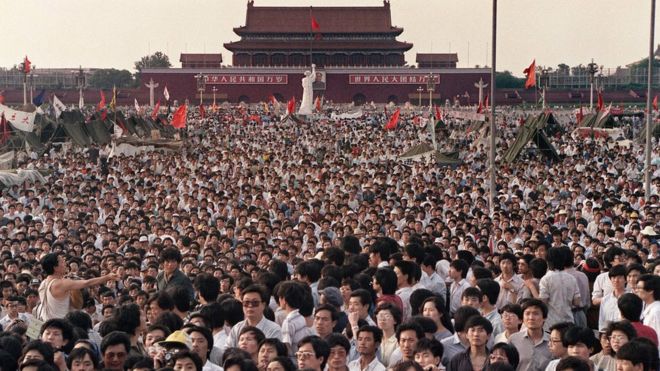
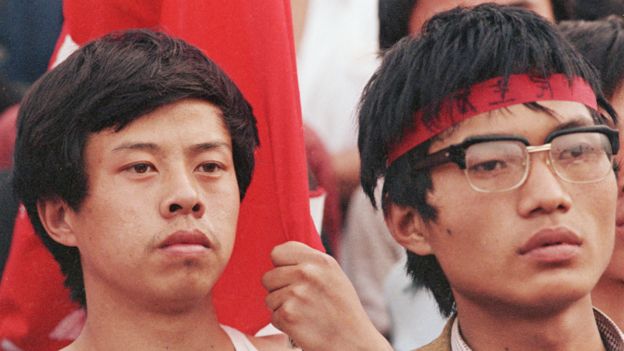
File photo of protestersImage copyright AFP
Image caption By early June 1989, huge numbers had gathered in Tiananmen Square

Thirty years ago, Beijing’s Tiananmen Square became the focus for large-scale protests, which were crushed by China’s Communist rulers.

The events produced one of the most iconic photos of the 20th Century – a lone protester standing in front of a line of army tanks.

What led up to the events?

In the 1980s, China was going through huge changes.

The ruling Communist Party began to allow some private companies and foreign investment.

Leader Deng Xiaoping hoped to boost the economy and raise living standards.

However, the move brought with it corruption, while at the same time raising hopes for greater political openness.

Protesters in Tiananmen SquareImage copyright GETTY IMAGES
Image caption Protesters in Tiananmen Square, 1989

The Communist Party was divided between those urging more rapid change and hardliners wanting to maintain strict state control.

In the mid-1980s, student-led protests started.

Those taking part included people who had lived abroad and been exposed to new ideas and higher standards of living.

How did the protests grow?

In spring 1989, the protests grew, with demands for greater political freedom.

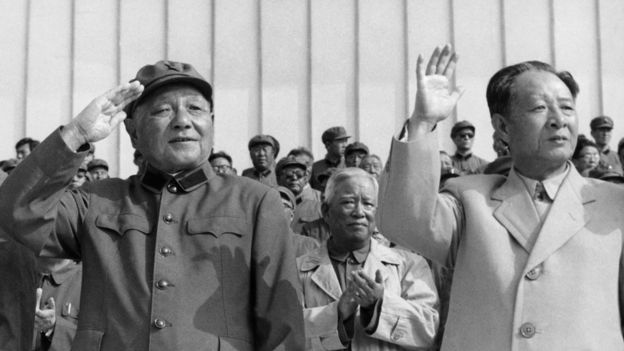
Protesters were spurred on by the death of a leading politician, Hu Yaobang, who had overseen some of the economic and political changes.

Archive picture of Deng and HuImage copyrigh AFP
Image caption Deng Xiaoping (left) with Hu Yaobang

He had been pushed out of a top position in the party by political opponents two years earlier.

Tens of thousands gathered on the day of Hu’s funeral, in April, calling for greater freedom of speech and less censorship.

In the following weeks, protesters gathered in Tiananmen Square, with numbers estimated to be up to one million at their largest.

The square is one of Beijing’s most famous landmarks.

It is near the tomb of Mao Zedong, the founder of modern China, and the Great Hall of the People, used for Communist Party meetings.

What was the government’s response?

At first, the government took no direct action against the protesters.

Party officials disagreed on how to respond, some backing concessions, others wanting to take a harder line.

The hardliners won the debate, and in the last two weeks of May, martial law was declared in Beijing.

On 3 to 4 June, troops began to move towards Tiananmen Square, opening fire, crushing and arresting protesters to regain control of the area.

Who was Tank Man?

On 5 June, a man faced down a line of tanks heading away from the square.

He was carrying two shopping bags and was filmed walking to block the tanks from moving past.

"Tank Man" in BeijingImage copyright GETTY IMAGES

He was pulled away by two men.

It’s not known what happened to him but he’s become the defining image of the protests.

How many people died in the protests?

No-one knows for sure how many people were killed.

At the end of June 1989, the Chinese government said 200 civilians and several dozen security personnel had died.

Other estimates have ranged from hundreds to many thousands.

In 2017, newly released UK documents revealed that a diplomatic cable from then British Ambassador to China, Sir Alan Donald, had said that 10,000 had died.

Do people in China know what happened?

Discussion of the events that took place in Tiananmen Square is highly sensitive in China.

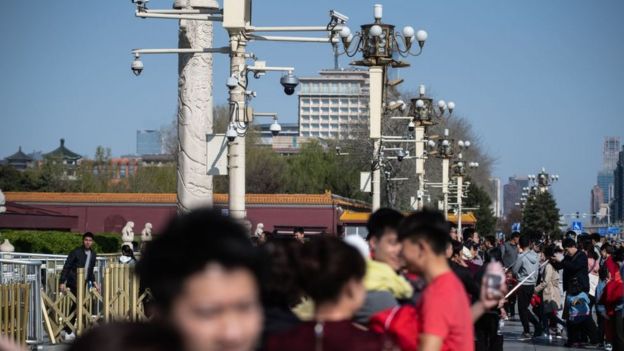
View of Tiananmen SquareImage copyright GETTY IMAGES
Image caption Tiananmen Square now – full of tourists and surveillance cameras

Posts relating to the massacres are regularly removed from the internet, tightly controlled by the government.

So, for a younger generation who didn’t live through the protests, there is little awareness about what happened.

Source: The BBC

04/06/2019

Delhi metro: Will free public transport make women safer?

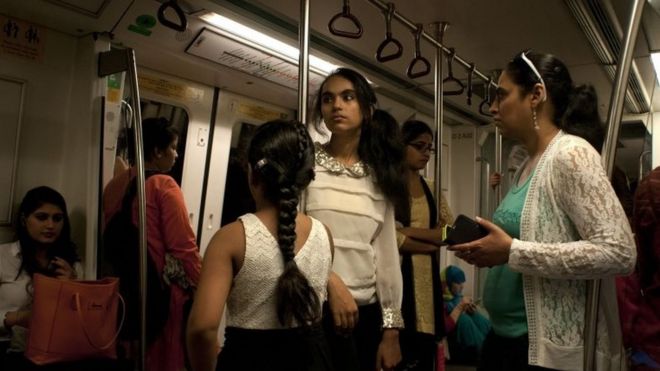
Indian commuters travel in the compartment reserved for women on the metro in New Delhi, India, on June 10, 2015Image copyright GETTY IMAGES
Image caption Mr Kejriwal has proposed free travel on buses and the city’s famed Delhi metro rail service

The chief minister of India’s capital Delhi created a minor sensation when he announced that women would no longer have to pay for public transport.

Arvind Kejriwal said that free rides on city buses and the metro would help improve women’s safety in the city.

Delhi reports some of the highest numbers of rape in India. The 2012 gang rape and murder of a student on a bus in the city sparked massive protests.

However not everyone is convinced that Mr Kejriwal’s proposal will help.

Dinesh Mohan, a transport expert with the Indian Institute of Technology in Delhi, told the BBC that making public transport free wouldn’t solve the problem.

“You need to think about the entire journey and not just the metro – you have to take into account how safe or unsafe sidewalks are and what the journey to the metro station is like in the first place. So if the idea is to make it safer for women, that experience has to be continuous. Safety can’t begin and end at the metro station. I don’t see any thought behind this initiative yet.”

The Delhi metro already reserves a coach exclusively for women on every train it runs.

On social media, the proposal caused a great deal of debate as well.

Many people, including economists and columnists, dismissed the idea and some women even said that they would continue to pay to ride the metro.

Presentational white space

However the proposal also had its share of defenders.

Despite Mr Kejriwal’s announcement, women will have to wait a while to see if it is actually implemented.

The proposal still has to be approved by the federal government because it is an equity partner along with the Delhi government in the Delhi Metro Rail Corporation.

But Mr Kejriwal has said that the federal government’s permission is not necessary as the Delhi government will bear the cost.

Delhi transport minister Kailash Gahlot said since this qualifies as a subsidy, they did not require any such permission.

Some have dismissed the entire thing as a pre-election gimmick by Mr Kejriwal – Delhi will hold state assembly elections next year.

The Delhi Metro Rail Corporation has not officially reacted to the news. But the Times of India newspaper quoted a “source” in the department as saying that implementing the proposal, if it came to pass, would be “difficult”.

Architect and urban planner Sonal Shah said on Twitter that a number of factors had to be taken into consideration for women’s safety to be addressed effectively. She said that transport access was “not equal for men and women”, adding that a number of existing issues with public transport had to be addressed first.

Source: The BBC

04/06/2019

Five bodies spotted in search for climbers missing in Indian Himalayas

NEW DELHI (Reuters) – Five bodies were spotted high on a mountain in the Indian Himalayas on Monday during an aerial search for eight climbers feared swept away in an avalanche last week, a government official said.

The climbers – four from Britain, two from the United States, and one each from Australia and India – were reported missing by colleagues on Friday after they failed to return to their base camp near Nanda Devi, India’s second highest mountain.
An air force helicopter spotted the five bodies on a flight over the area where they went missing, Vijay Kumar Jogdande, the top government official in the nearby Pithoragarh district.
“Four bodies can be seen together and a fifth slightly away from the others,” he said.

The search mission was now working on the assumption that all eight climbers had been killed, he said.

“We are trying to retrieve the bodies. We believe the other three will be nearby,” he said.

The climbers was attempting to climb an unnamed, previously unclimbed 6,477 metre (21,250 feet) peak near Nanda Devi when their route was hit by a “sizeable avalanche”, said the company that organised the expedition, Moran Mountain.

Jogdande, said the bodies were above 5,000 metres and the possibility of a second avalanche would make accessing the site difficult. It had not been decided whether a team would go in by air or on foot, he said.

“We’re considering both alternatives. Since the bodies are at high altitude it is inaccessible, it is still unstable terrain that could lead to a secondary avalanche. We’re working out a plan.”

“It has always been a dangerous place to go. Mount Everest is easier to climb,” he said.

A team would take at least a week to reach the area, Sanjay Gunjiyal, a senior police official involved in the mission, told Reuters.

Four climbers in the group had turned back and later raised the alarm about their missing colleagues. They were evacuated from their base camp by helicopter and were “fine and healthy”, said Tripti Bhatt, an official of the Uttarakhand State Disaster Response Force.

DEADLY SEASON

It has been one of the deadliest climbing seasons in the Himalayas for several years. More than 20 people have been killed in the mountains, including 11 on Mount Everest, the world’s highest peak that has been plagued by poor weather, inexperienced climbers and overcrowding.

Nanda Devi, at 7,816 metres (25,643 feet), and its sister mountain, Nanda Devi East, are among the world’s most challenging peaks and only a handful of people have climbed them.

The leader of the missing group, Martin Moran, was the first person to summit Changuch, another peak in the area, and was known as a “godfather” of guiding in the Himalayas, according to a video diary of Rob Jarvis, who accompanied him on that expedition in 2009.

“He was very well versed with the area, but the route they were taking is not usually travelled,” Gunjiyal said.

Many of the other missing climbers are veterans but with little experience of Nanda Devi and its surrounding peaks, he said.

Indian authorities have identified the eight missing as Moran, John McLaren, Rupert Whewell and Richard Payne, all from Britain, Anthony Sudekum and Ronald Beimel from the United States, Ruth McCance from Australia, and liaison officer Chetan Pandey from the Indian Mountaineering Foundation.

Source: Reuters

03/06/2019

China broadens participation in Mexico’s int’l culture fair

MEXICO-MEXICO CITY-CHINA-INT'L CULTURE FAIR

Chinese Ambassador to Mexico Zhu Qingqiao (C) poses for group photos with Facebook followers of China’s Cultural Center in Mexico during the annual International Friendly Cultures Fair at Mexico City’s Chapultepec Park, Mexico, June 1, 2019. China has been broadening its participation in the annual International Friendly Cultures Fair in Mexico, reflecting the growing bilateral ties between the two countries, Chinese Ambassador to Mexico Zhu Qingqiao said here Saturday. (Xinhua/Xin Yuewei)

MEXICO CITY, June 1 (Xinhua) — China has been broadening its participation in the annual International Friendly Cultures Fair in Mexico, reflecting the growing bilateral ties between the two countries, Chinese Ambassador to Mexico Zhu Qingqiao said here Saturday.

From May 31 to June 16, the fair at Mexico City’s Chapultepec Park is packed with exhibitors from more than 70 countries, with stands showcasing national cuisines, costumes and handicrafts, as well as books and other items.

China’s stand showed the country’s more than 5,000 years of history with photographs of key monuments and sites of interest, where visitors can take part in a traditional tea ceremony and savor dishes.

The cultural event offered Mexican people opportunities to learn about the Chinese culture, Zhu said. “China is a very active participant in this event and China has maintained very close ties with the Mexican government in recent years.”

The two countries have established a comprehensive strategic partnership and their cooperation is expected to further create win-win results in the progress of globalization, he added.

China’s Cultural Center in Mexico has issued special invitations to its Facebook followers for the fair.

Eduardo Aguera, 29, one of those who received a special invitation, said he has been a big fan of China since he first watched Chinese movies as a child.

“The Chinese have a lot of culture, many traditions and a long history, and in terms of their personality as negotiators or entrepreneurs, I think they are very persistent. They don’t give up, and they move forward,” he said. “I also think they are very friendly toward the Mexican people.”

Since it was first held in Mexico City in 2009, the event has attracted a total of more than 22 million visits, according to the organizers.

Source: Xinhua

03/06/2019

Where there are threats, there are defenses: Chinese defense minister on South China Sea

SINGAPORE, June 2 (Xinhua) — Chinese State Councilor and Defense Minister Wei Fenghe said here on Sunday that China’s construction on its South China Sea islands and reefs is its legitimate right and is purely defensive in nature.

“The current situation in the South China Sea is improving towards greater stability. It is attributed to the common efforts of the countries in the region,” Wei said. “However, there are always people trying to rake in profits by stirring up troubles in the region.”

He said over 100,000 ships sail through the South China Sea each year, and “none has been threatened.”

However, in recent years, some countries outside the region come to the South China Sea to flex muscles, in the name of freedom of navigation. “The large-scale force projection and offensive operations in the region are the most serious destabilizing and uncertain factors in the South China Sea,” he said.

If there is chaos in the South China Sea, the regional countries are the ones who will bear the brunt, and China and the Association of Southeast Asian Nations (ASEAN) countries have made progress in negotiating the Code of Conduct in the South China Sea, he added.

Wei noted that China’s construction on its South China Sea islands and reefs is legitimate and defensive in nature. “It is the legitimate right of a sovereign state to carry out construction on its own territory. China built limited defense facilities on the islands and reefs for self-defense,” he said.

“Where there are threats, there are defenses. In the face of heavily armed warships and military aircraft, how can we stay impervious and not build some defense facilities?” he asked.

He also refuted the saying of “militarization” of China’s defensive construction on its South China Sea islands and reefs at the Q&A session. “Anyone who has some military sense would know it’s not militarization,” he said.

Wei is here to attend the 18th Shangri-La Dialogue from Friday to Sunday, and he gave a keynote speech on Sunday morning at a plenary session entitled “China and International Security Cooperation.”

Source: Xinhua

03/06/2019

Chinese vice president visits Germany, vows closer cooperation

GERMANY-CHINA-WANG QISHAN-VISIT

Chinese Vice President Wang Qishan meets with German President Frank-Walter Steinmeier in Berlin, Germany, May, 31, 2019. Wang Qishan paid a visit to Germany from Thursday to Sunday at the invitation of the German Federal Government. (Xinhua/Rao Aimin)

BERLIN, June 2 (Xinhua) — Chinese Vice President Wang Qishan paid a visit to Germany from Thursday to Sunday at the invitation of the German Federal Government.

During his visit in Berlin, Wang met with German President Frank-Walter Steinmeier, Chancellor Angela Merkel and Foreign Minister Heiko Maas separately.

When meeting with Steinmeier, Wang said that China and Germany were both major world economies and major countries with great influence. The relations between the two countries have gone beyond bilateral scope and bear global significance.

Wang said in recent years the high-level contacts were frequent, and the cooperation in all fields has been constantly deepened, adding he is willing to push for new development of the all-around strategic partnership through his visit.

Noting the ties between China and Germany is currently facing a new situation, Wang called on the two countries to set a model of win-win cooperation for the world through deepening collaboration, to bring stability to the world through guiding the China-EU cooperation, and to strength the power to safeguard multilateralism through boosting global governance.

For his part, German President Steinmeier said that the current international landscape is complicated and turbulent, and multilateralism is under threat.

He noted that Germany highly values the ties with China, adding Germany is willing to strengthen communication and coordination with China at all levels, and to continue the pragmatic cooperations in Industry 4.0 and in other fields.

Germany and China, and Europe and China, should join hands to maintain the world peace and stability, free trade, and existing international orders, Steinmeier added.

When meeting with Merkel, Wang said China sticks to peaceful development, and will through steadily deepening reform and opening up, solve the existing problem of imbalance and insufficient development to meet people’s desire for a better life and to fulfill the promises of the party and the government to the people.

Wang said China cannot develop itself in isolation from the world, nor can the world develop without the 1.4 billion Chinese people, and China advocates countries to together build a community of shared future for humankind.

Facing the profound and complex changes in the international situation, China always insists on doing its own share firstly, staying calm and clear-headed, showing composure, shouldering responsibility and reacting rationally, he noted.

Wang called on China and Germany, as all-around strategic partners, to strengthen cooperation in building a more fair and reasonable global governance system, and to jointly face the uncertainties.

The Chinese vice president also said that China has always viewed Europe from a strategic height and with a long-term vision, and firmly supported the European integration. Wang added that China is a trustworthy partner for Europe to have dialogue on an equal footing.

Chancellor Merkel said Germany appreciates China’s great achievements in economic development and believes that China can definitely achieve the ambitious goals of eradicating poverty and finishing building a moderately prosperous society on schedule.

Facing the current complex and volatile international environment in which various new problems emerge, Merkel said, Germany is always committed to safeguarding the principle of multilateralism and the existing international order.

She noted that Germany advocates to strengthen international coordination and collaboration through dialogue, disagrees with the action of exerting threat and pressure to solve problems.

She believed that Germany and China, as well as Europe and China, share broad consensus on a wide range of issues, expressing Germany’s willingness to strengthen communication, exchanges and cooperation with China, and to improve global governance system jointly with China.

When meeting with Heiko Maas, Wang said China and Germany share common interests in many fields such as deepening pragmatic cooperation, safeguarding multilateralism and free trade, improving global governance and promoting world peace.

Looking to the next stage of the bilateral relations, Wang advocates that both sides should set the right direction for the Sino-German, Sino-European win-win cooperation, encourage the enhanced exchanges in ideology, talents as well as science and technology, cement the friendship between the two peoples, and to inject more positive energy into the world.

Echoing Wang’s comments, Maas said Germany is willing to strengthen strategic communication and cooperation on multilateral issues with China, as well as to jointly tackle global challenges, safeguard multilateralism and international order, promote the liberalization of international trade.

During his visit to Germany, Wang also met with mayor of Hamburg Peter Tschentscher and Bavarian governor Markus Soeder and visited the port of Hamburg.

Before his tour to Germany, the Chinese Vice president also visited Pakistan and the Netherlands.

Source: Xinhua

03/06/2019

Inside China’s state-owned industrial park in Vietnam, Beijing’s image trumps trade war profits

  • China-Vietnam (Shenzhen-Haiphong) Economic and Trade Cooperation Zone is only Chinese state-owned industrial park in Vietnam
  • Venture has attracted increasing interest since start of US-China trade war, but operators say first duty is to support Xi Jinping’s trade initiative
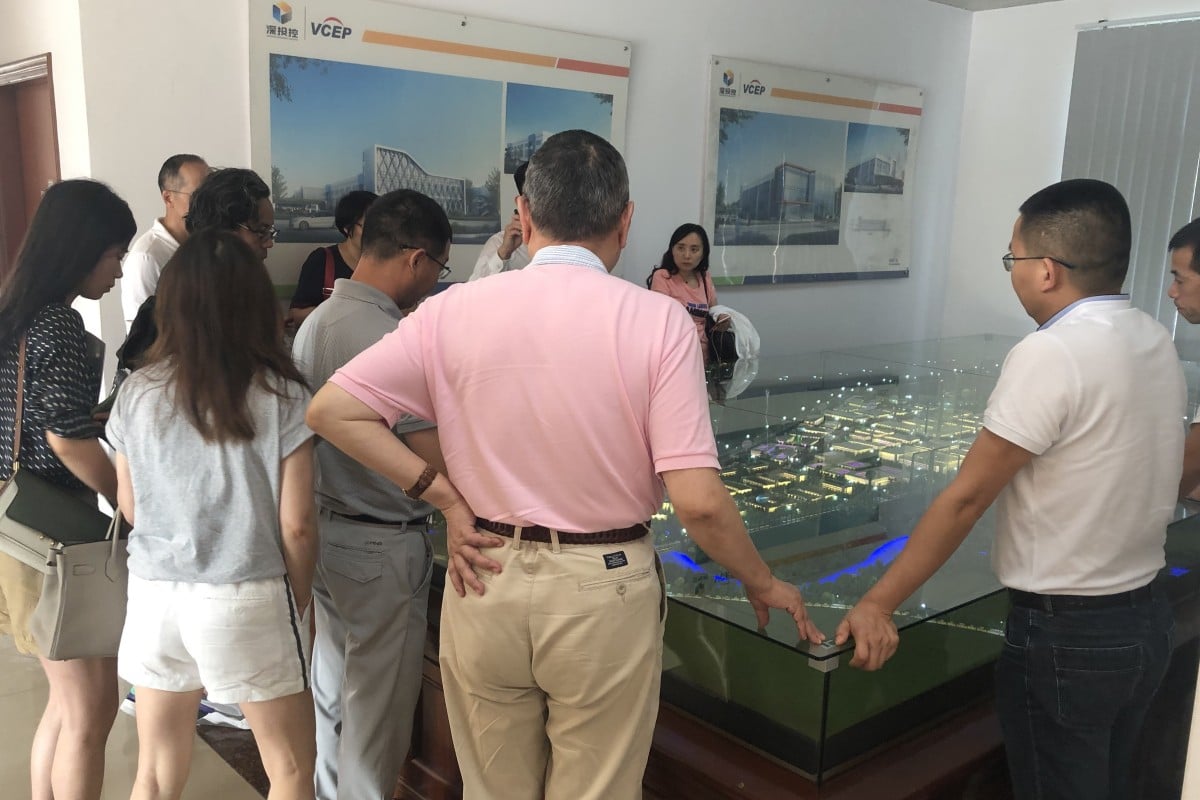
A total of 16 of the 21 Chinese companies that have relocated to the China-Vietnam (Shenzhen-Haiphong) Economic and Trade Cooperation Zone did so after the start of the US-China trade war. Photo: Cissy Zhou
Until the middle of 2018, business was slow for the only Chinese state-owned industrial park in Vietnam, located in the northeastern manufacturing hub of Haiphong and wholly-owned by the Shenzhen city government.
US President Donald Trump’s tariffs on Chinese goods enacted last year changed that, with 16 of the 21 Chinese companies that have relocated to the China-Vietnam
(Shenzhen-Haiphong) Economic and Trade Cooperation Zone – many of them electronic device manufacturers – having done so since the start of the trade war.
However, profit-making was never the top priority for the park’s operators, which took over the reins from private investors after a series anti-Chinese riots raged through southern and central Vietnam in May 2014 forced the owners to abandon the project.
Protesters set fire to other industrial parks and factories and attacked Chinese workers, killing more than 20 people and injuring more than 100.

While any commercial organisation would be thrilled at the rush of manufacturing firms into Vietnam, for the park’s operators, the first duty is to showcase the Chinese government’s top international economic cooperation project, the Belt and Road Initiative.

[They] requested that we make this industrial park a showcase for the Belt and Road Initiative, so that when our top leaders pay state visits to Vietnam, they can come to our park Chen Xu

The Shenzhen arm of the State-owned Assets Control and Supervision Commission (SASAC), which oversees all city owned companies “has requested that we make this industrial park a showcase for the Belt and Road Initiative, so that when our top leaders pay state visits to Vietnam, they can come to our park”, Chen Xu, vice general manager at the Vietnam-China Economic and Trade Cooperation Park (VCEP), told the South China Morning Post.
The Chinese industrial enclave in Vietnam is part of a largely untold story of the trade war. The common narrative is that Chinese and international firms are fleeing China to avoid paying tariffs, setting up in low-cost hubs in Vietnam and elsewhere in Southeast Asia, but the picture is more nuanced than that.

In Haiphong, a part of the Chinese government is actively encouraging firms to come to Vietnam, armed with US$200 million in investment capital and with a vision of creating 30,000 jobs by the time the entire three-phase project is completed in 2022.

The then-private VCEP project was suspended after the 2014 riots, and after the local government in Vietnam said it would reclaim the land unless it resumed, the Shenzhen government “decided to fully take over the project”, according to VCEP general manager Zhang Xiaotao.

Newcomers must now buy land from the park and build their facilities themselves as the original buildings have already been rented out. Photo: Cissy Zhou

“Our evaluation then was that we could not make a profit out of this project. Then why did we still take it over? We have to serve the Belt and Road Initiative, as it is a national strategy,” Zhang added. “In fact, we surrender part of our profit [because] we sell the land [in the park] at a lower price and with better facilities than in neighbouring industrial parks. We are still in the red based upon the current land price. Our bosses understand the situation and ask us at least not to lose money.

“To make a profit is of course the priority of any company. But we are different, we are not a pure commercial project.”

Furthermore, it is a commonly held assumption that China is only open to losing low-end, labour intensive and high-polluting industry, as it looks to upgrade its manufacturing profile domestically. And while there is certainly truth to that as examples of low-value Chinese manufacturing plants litter Vietnam, VCEP is keen to avoid that persona.

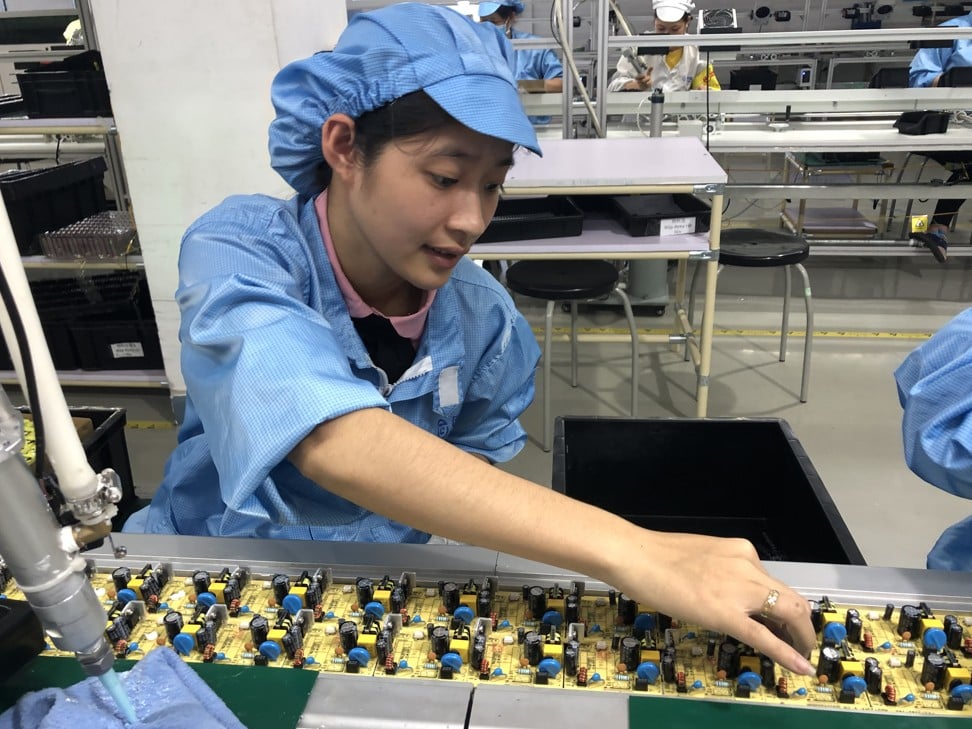
Because of the need to maintain a relatively high-profile, the park does not welcome labour-intensive manufacturers such as shoes factories, because “it is bad for our image”, Chen said. Instead, it is focused on hi-tech engineering – exactly the kind of industry China is desperate to nurture on its own soil. In this sense, the Shenzhen-Haiphong facility represents something of a paradox.

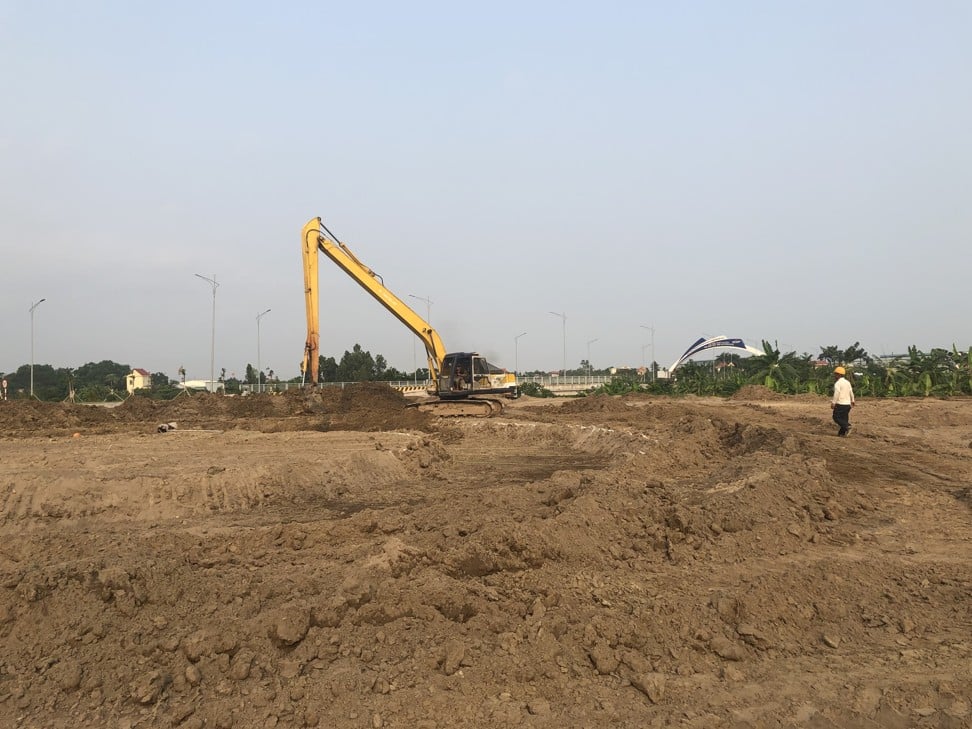
With 1,500 people currently employed, it is some way from reaching its 30,000 goal, but the number of Chinese manufacturers wanting to set up factories in the park is now about eight times what it was before the trade war started last July, according to both Chen and Zhang. Newcomers must now buy land from the park and build their facilities themselves as the original buildings have already been rented out.

The relatively poor state of the surrounding infrastructure has also led VCEP to spend 30 million yuan (US$4.3 million) on a new road and bridge linking the park to the national highway in Haiphong.

“We could not wait for the Vietnamese government to build the infrastructure. They don’t have the money and their efficiency is low, so we built it ourselves,” said Li Meng, a member of VCEP’s Strategic Investment Department, who said it took less than nine months to finish the project.

The cost of the bridge was more than triple what it would have cost in China as “the efficiency is much lower here and we needed to import a lot of material from China due to lack of material in Vietnam”, Li added

“Every inch of the road and the bridge linking the national highway in Haiphong to VCEP is paved with renminbi.”

The Vietnam-China Economic and Trade Cooperation Park has a vision of creating 30,000 jobs by the time the entire three-phase project is completed in 2022. Photo: Cissy Zhou

TP-Link, the Shenzhen-based Chinese manufacturer of computer networking products, has rented a plant in the park and will start testing its equipment in July. The company, the world’s largest provider of consumer Wi-fi networking devices, has bought an additional 140,000 square metres of land in the park to expand production.

When TP-Link bought the land in late-2018, the price was between US$75 to US$80 per square metre, Chen said. Now, six months later, the price has risen to US$90 per square metre. This is indicative of the huge spike in interest in manufacturing in Vietnam caused by the trade war. Data from Vietnam’s Foreign Investment Agency shows that Vietnam attracted US$16.74 billion in foreign capital over the first five months of 2019, a year-on-year increase of 69.1 per cent. Of this, 72 per cent was invested in the processing and manufacturing sectors.

“Chinese local governments are, of course, unhappy with the increasing number of manufacturers who are relocating to Vietnam, but President Xi has clearly put forward the Belt and Road Initiative, which local governments cannot disturb. So local governments are not encouraging manufacturers to relocate, but they dare not try to stop them,” said vice-general manager Chen.

The Chinese inflow has also met with opposition in Vietnam, although far from the scale of the deadly riots of 2014.

“Some local [Vietnamese] media have been demonising China, with local prime time TV news talking about fake Chinese meat and poisoned food and hyping these cases. High-ranking Chinese officials have asked the Vietnamese government to guide public opinion in the right direction,” Chen added.

General manager Zhang added that the Vietnamese authorities have also become more sensitive to investment from China, a view reflected by Lam Thanh Ha, a senior lecturer at the Diplomatic Academy of Vietnam university which operates under the management of Vietnam’s Ministry of Foreign Affairs. “Overreliance on foreign cash in general and Chinese capital in particular may pose risks for Vietnam in terms of exchange rate fluctuations and external influences,” Ha warned.

“As production is generally dependent on transnational supply chains, foreign enterprises in Vietnam are often deeply engaged in both import and export processes, leaving the Vietnamese economy vulnerable to global economic conditions,” Ha added.

In a 

commentary published

by the Post earlier in May, Ha warned that Vietnam should avoid “becoming China’s dirty industrial backyard”, although Zhang had the opposite view.

“We are not shifting all our low-end industries to Vietnam, which would be irresponsible. China is trying to help Vietnam with sincerity, even if we don’t make a profit, we still want to proceed with the project,” he said.
Source: SCMP
Law of Unintended Consequences

continuously updated blog about China & India

ChiaHou's Book Reviews

continuously updated blog about China & India

What's wrong with the world; and its economy

continuously updated blog about China & India