Archive for January, 2020

20/01/2020

Outrage after Chinese theme park forces pig to bungee jump

Screenshot of a pig forced to bungee jumpImage copyright THE PAPER/SCREENSHOT
Image caption The stunt was held to mark the opening of the new bungee attraction

A Chinese theme park has triggered a wave of outrage on social media after it forced a pig to bungee jump off a 68-metre high tower.

Video footage shows the pig tied to a pole, carried by two men to the top of a tower before being pushed off.

The theme park located in Chongqing said the stunt was held to mark the opening of the new bungee attraction.

Local media outlets said the pig was sent to a slaughterhouse afterwards.

The stunt caused anger online – reflecting the growing importance of animal rights among China’s population.

The theme park has since put out a statement, saying that it accepted the “criticism” it had received.

“We sincerely accept netizens’ criticism and advice and apologise to the public,” it said. “We will improve [our] marketing of the tourist site, to provide tourists with better services.”

‘Vulgar marketing tactic’

The incident took place on 18 January at the Meixin Red Wine Town theme park in the sprawling Chinese municipality of Chongqing in south-western China.

The publicity event – which organisers called the golden pig bungee jump – was held to celebrate the opening of the theme park’s bungee attraction.

The pig, which according to local reports weighed 75kg (165 lbs), is seen being pushed off the tower with a purple cape tied around its shoulders. In one video of the incident, what sound like pig squeals can be heard.

What happens to the pig afterwards is not shown, though many local media reports say it was eventually sent to a slaughterhouse.

Animal cruelty is not punishable by law in China. However, there has been growing awareness of animal welfare issues in recent years.

Though a handful of people defended the incident on social media, saying it wasn’t any different to “killing a pig for food”, the majority of users condemned the company’s actions.

“This is a super vulgar marketing tactic,” said one commenter.

“Killing animals for consumption and treating them cruelly for entertainment are two different things,” another said. “There is no need to torture them like this.”

Animal protection organisation Peta condemned the incident, calling it “animal cruelty at its worst”.

“Pigs experience pain and fear in the same ways that we do, and this disgusting PR stunt should be illegal,” Jason Baker, Peta senior vice-president of international campaigns, told BBC News.

“The Chinese public’s angry response should be a wake-up call to China’s policy-makers to implement animal protection laws immediately.”

Presentational grey line

You may also be interested in

Media caption The extreme circus where performers risk their lives

Source: The BBC

20/01/2020

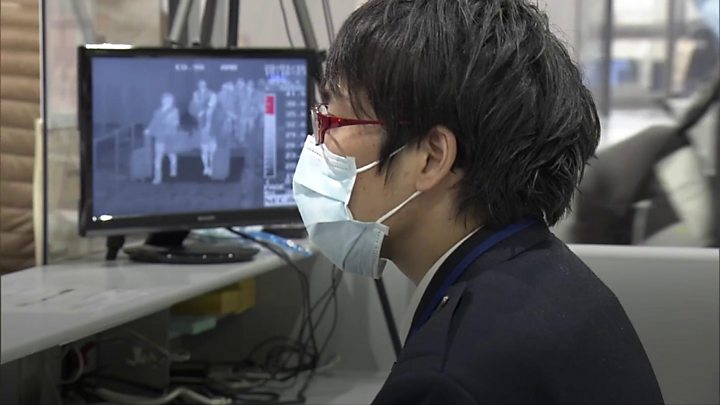
China confirms spread of new virus as cases surge

BEIJING (Reuters) – An outbreak of a new coronavirus in China has spread to more cities, Chinese authorities said on Monday, as the number of patients tripled and a third person died, stoking concerns about containment of the illness.

The Daxing health commission in the capital Beijing said it had confirmed two cases of coronavirus, while the southern Guangdong province’s health commission confirmed one case in Shenzhen. They mark the first cases in China beyond the central city of Wuhan where the virus first emerged.

The Wuhan Municipal Health Commission said 136 new cases of pneumonia caused by the coronavirus strain had been found in the city over the weekend, adding to 62 already known cases. A third death occurred on Saturday, the authority said in a statement.

This brings the total number of known cases worldwide to more than 200, underscoring the challenge for health authorities seeking to contain the outbreak. South Korea on Monday reported its first confirmed case of the coronavirus, a 35-year-old female Chinese national who had travelled from Wuhan, the fourth patient to be reported outside China.

Hundreds of millions of Chinese tourists will be traveling domestically and abroad during the Lunar New Year holiday period that starts later this week.

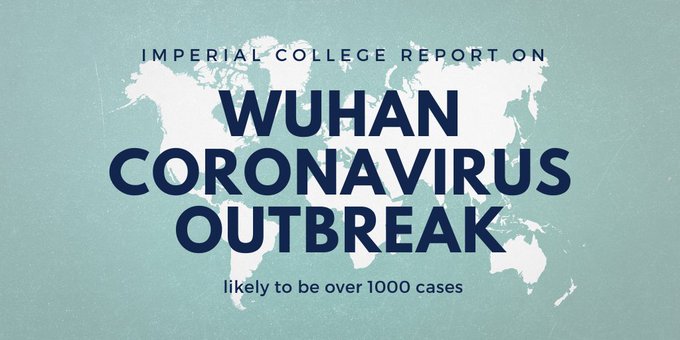
A report by London Imperial College’s MRC Centre for Global Infectious Disease Analysis estimated that by Jan. 12 there were 1,723 cases in Wuhan City with onset of related symptoms. Chinese health authorities have not commented directly on the report.

CONTAINMENT EFFORTS

Authorities around the globe, including in the United States and many Asian countries, have stepped up screening of travellers from Wuhan. Last week, two cases were reported in Thailand and one in Japan. All three involved people from Wuhan or who recently visited the city.

The virus belongs to the same family of coronaviruses as Severe Acute Respiratory Syndrome (SARS), which killed nearly 800 people globally during a 2002/03 outbreak that also started in China.

Its symptoms include fever and difficulty in breathing, which are similar to many other respiratory diseases and pose complications for screening efforts.

China’s National Health Commission said on Sunday it will step up prevention efforts, but acknowledged it still doesn’t know the source of the virus.

Shares in pharmaceutical firms and mask makers in China surged Monday because of the outbreak.

The outbreak was one of the top trending topics on Chinese social media platform Weibo, where many users expressed concerns about their safety.

“Who knows how many people who have been to Wuhan may be unaware that they have already been infected?,” one user said.

China’s Global Times, published by the ruling Communist Party’s official People’s Daily newspaper, said in an editorial the government needs to disclose all information and not repeat the mistakes made with SARS. Chinese officials covered up the SARS outbreak for weeks before a growing death toll and rumours forced it to reveal the epidemic.

“Concealment would be a serious blow to the government’s credibility and might trigger greater social panic,” the editorial said.

Source: Reuters

18/01/2020

Why the ‘honeymoon is over’ between the Czech Republic and China

  • President Milos Zeman says Beijing has not fulfilled its promises and he will not attend this year’s 17+1 summit
  • He had hoped the country would be an ‘unsinkable aircraft carrier’ for Chinese investment in Europe, but now Zeman has changed his tone
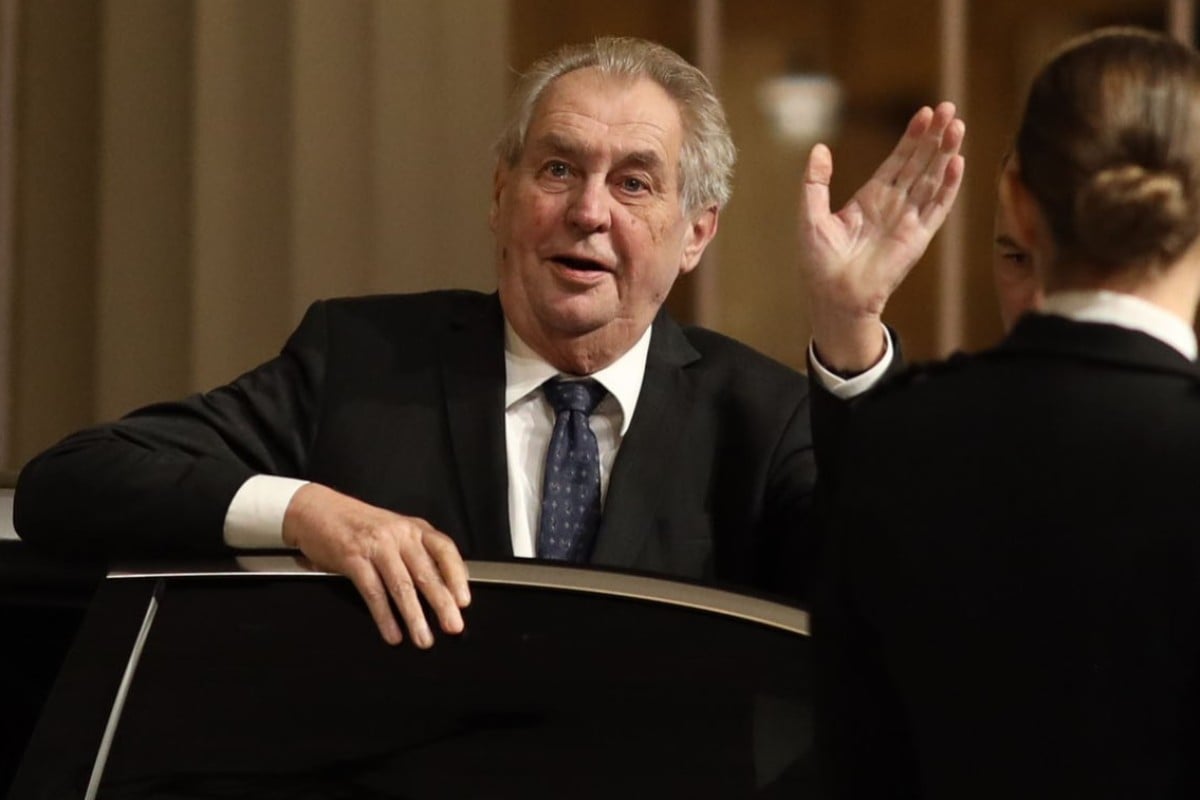
Czech Republic President Milos Zeman has voiced disappointment over China’s lack of investment in the country. Photo: AFP
Czech President Milos Zeman’s decision to skip China’s summit with European leaders in April shows the “honeymoon is over” between Prague and Beijing, analysts say, as it tries to shake up the relationship to push for more investment.
And China could face similar trouble with other nations looking for more at this year’s “17+1” summit with Central and Eastern European nations in Beijing.
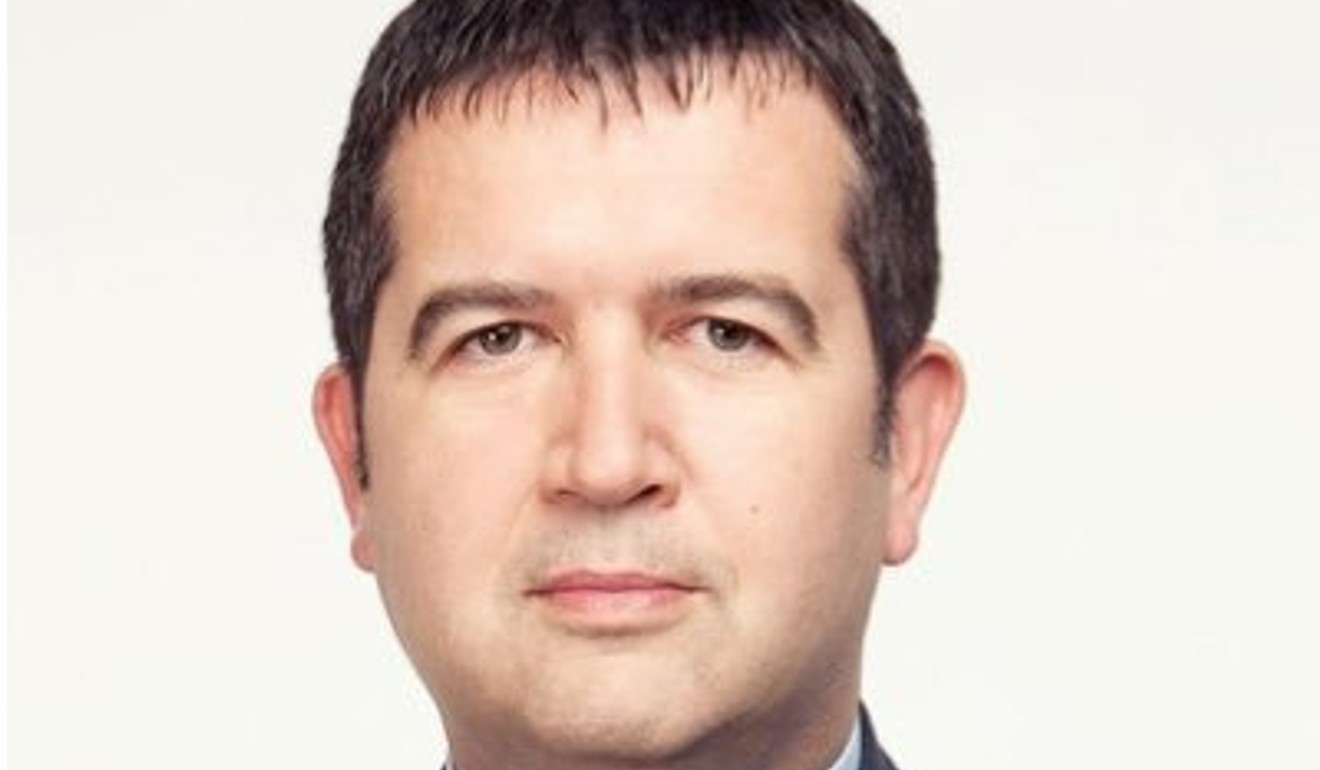
Top leaders usually attend the gathering, but Zeman on Sunday said he would not be going, and that China had not “done what it promised” by failing to invest more in his country. He would instead send Deputy Prime Minister Jan Hamacek, which he said was “adequate to the level of cooperation”.
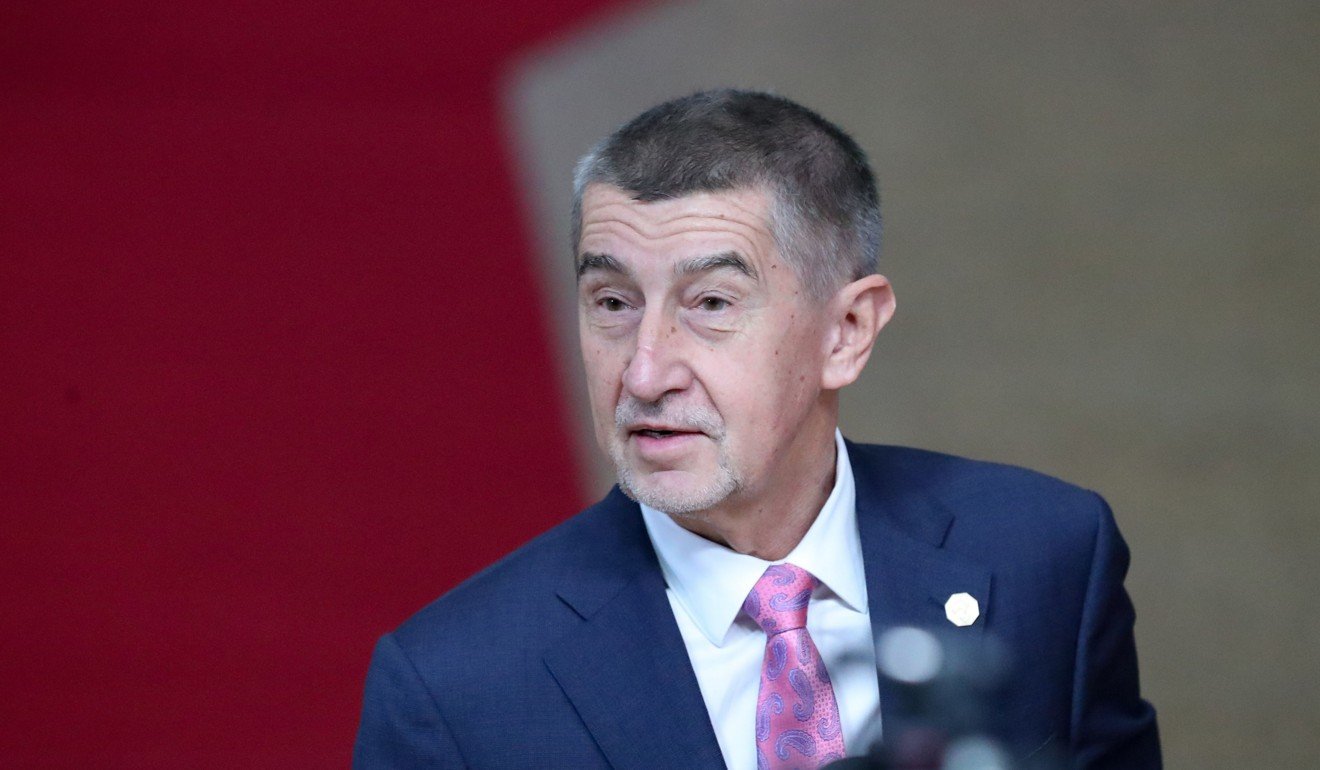
At last year’s summit in Croatia, Prague was represented by Prime Minister Andrej Babis, who was diplomatically on par with the Chinese representative, 
Premier Li Keqiang.

But it is China’s turn this year, and President Xi Jinping will be the host – meaning heads of state are expected to attend. The 17+1 grouping was launched by Beijing in 2012.

Deputy Prime Minister Jan Hamacek will represent Prague at the 17+1 summit. Photo: Twitter
Zeman was a strong advocate for deepening economic ties with China and investments were on the rise, for a time. But Zeman and other Czech leaders have increasingly questioned the nature of the relationship, especially as the economic benefits have dwindled.
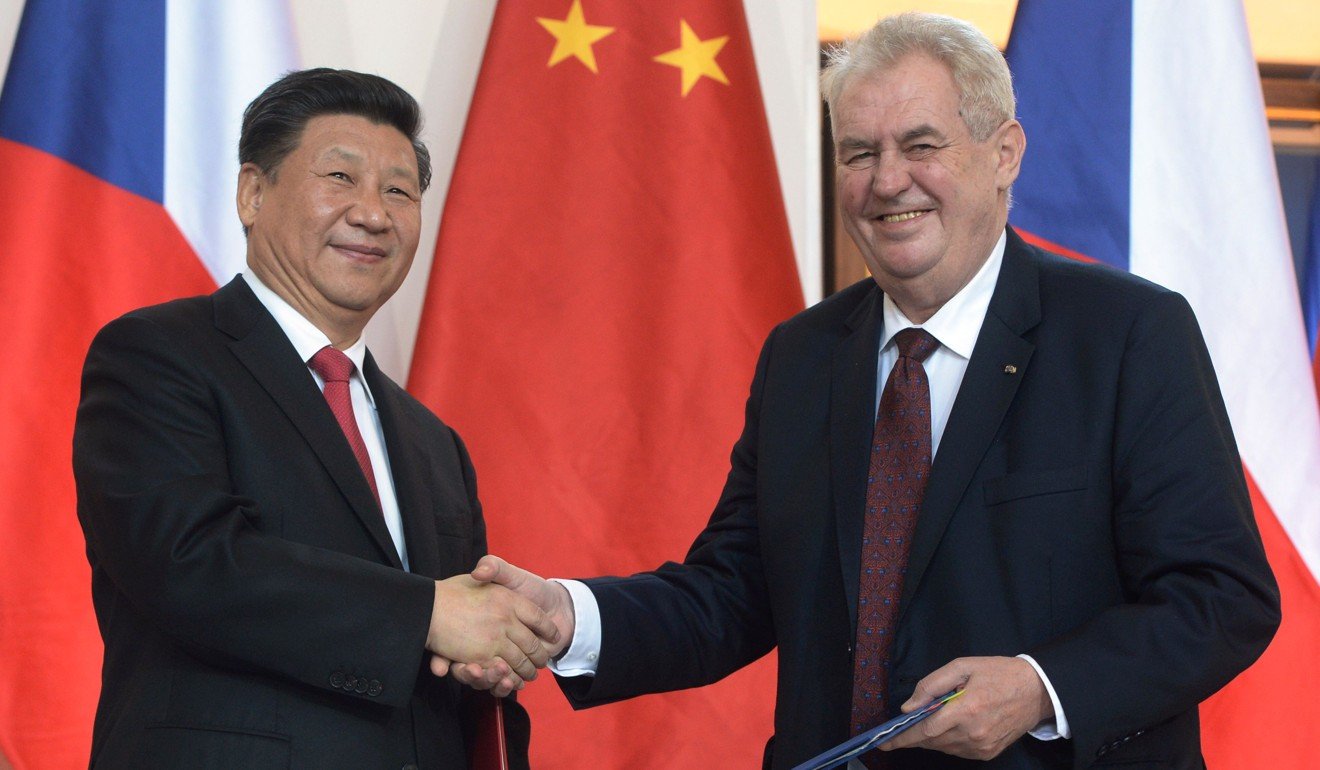
Relations with China grew after Zeman, who is in his second term as president, took office in 2013. The peak came in 2016, when Xi visited the country and promised more Chinese investment. That year, Zeman said he hoped his country would be an “unsinkable aircraft carrier” for Chinese investment in Europe.

But since then, the investments have faltered, not just in the Czech Republic, but across Central and Eastern Europe, and Zeman has changed his tone. In April, he called the lack of investment in his nation a “stain on the Czech-China relationship”, in an interview with Chinese state broadcaster CCTV.

Chinese President Xi Jinping meets his Czech counterpart Milos Zeman during a visit to Prague in 2016, when he promised more investment. Photo: AFP
“I suppose he feels that promises made to him personally were not fulfilled, since he has had personal contact with Xi Jinping on a number of occasions … he surely feels that his commitment to China has not been reciprocated,” said Jeremy Garlick, assistant professor of international relations at the University of Economics, Prague.

Zeman has visited China five times and was the only EU leader to attend a Chinese military parade in 2015 to mark the 70th anniversary of the end of World War II.

I suppose he feels that promises made to him personally were not fulfilled, since he has had personal contact with Xi Jinping on a number of occasions Jeremy Garlick, University of Economics, Prague
Rudolf Furst, a senior researcher at Charles University in Prague, said Zeman had given up his unequivocal support for a pragmatic pro-Chinese agenda.

“Chinese investments flow in Czechia have remained low, and not matching the Czech structural needs for stimulating the GDP growth,” he said.

Most of the 17+1 member states, except for Hungary and Greece, were now “perceiving the Chinese investment promises as merely virtual”, Furst said. “The 2012 new wave of China’s honeymoon is over.”

Rhodium Group has tracked Chinese foreign direct investment data in Europe since 2000. Its data shows that while total Chinese investment in the Czech Republic had grown to about 1 billion (US$1.1 billion) by 2018, growth has been slow, while neighbouring countries like Italy and Germany had some 15 to 20 times more investment in their economies.

Cumulative Chinese foreign direct investment in the Czech Republic between 2000 and 2017 sat at about 600 million, and grew to 1 billion in 2018, while that in neighbour Germany grew from 20.6 billion to 22.2 billion over the same period.

The picture is much the same for Eastern Europe as a whole – Austria, Bulgaria, the Czech Republic, Hungary, Poland, Romania and Slovakia received just 2 per cent of China’s overall investment in Europe in 2018, according to the data.

Countries like France, Germany and Britain meanwhile received 9, 12 and 24 per cent, respectively.

Czech Republic becomes unlikely front line in China’s soft power war

14 Dec 2019

Other Czech politicians have also taken a tougher line on China. Babis warned of a “considerable” trade deficit with China in 2018. The country exported US$1.8 billion of goods to China in the first nine months of last year, down 4.3 per cent from a year earlier. But it imported US$11.7 billion of products from China – by far its largest source of imports.

And after Zeman’s announcement this week, the Green Party, which holds a handful of seats in the Czech Senate, called for Prague to pull out of the 17+1 platform altogether.

Prime Minister Andrej Babis warned of a “considerable” trade deficit with China in 2018. Photo: AFP
Richard Turcsanyi, director of the Central European Institute of Asian Studies at Palacky University in the Czech Republic, said both Prague and Beijing were expecting too much.

“I see the current sharp downturn of Czech-China relations being related to very high and unrealistic expectations which existed perhaps on both sides, driven to a large extent by the ignorance of each other,” he said.

“Due to the impressive economic growth of China and also its international economic expansion, many expected that China could quickly become a significant economic actor in the Czech Republic,” he said.

“In reality, the Czech Republic and China are not natural trading or investment partners. They are more of competitors when it comes to moving up the value chain, rather than complementary economic partners – contrary to what has been claimed for years as part of the diplomatic exchanges.”

Political tensions with China have also increased, including over security allegations about Huawei Technologies, and sensitive issues like Taiwan and Tibet.

This week, Shanghai suspended official contact with the Czech capital Prague after it signed a sister city agreement with Taipei – following Prague cancelling its deal with Beijing in October over a “one China” pledge. Shanghai was also a sister city with Prague.

And although Zeman has been critical of the US-led campaign against Huawei, Babis ordered Czech government institutions to stop using products from the Chinese tech giant last year.

“There has been a breakdown of trust in China, at the level of the public, the media, and now even the president,” Garlick said.

Source: SCMP

18/01/2020

New Chinese virus ‘will have infected hundreds’

VirusesImage copyright GETTY IMAGES
Image caption There were six coronaviruses known to infect people before the latest discovery

The number of people already infected by the mystery virus emerging in China is far greater than official figures suggest, scientists have told the BBC.

There have been more than 60 confirmed cases of the new coronavirus, but UK experts estimate a figure nearer 1,700.

Two people are known to have died from the respiratory illness, which appeared in Wuhan city in December.

“I am substantially more concerned than I was a week ago,” disease outbreak scientist Prof Neil Ferguson, said.

The work was conducted by the MRC Centre for Global Infectious Disease Analysis at Imperial College London, which advises bodies including the UK government and the World Health Organization (WHO).

Singapore and Hong Kong have been screening air passengers from Wuhan, and US authorities announced similar measures starting on Friday at three major airports in San Francisco, Los Angeles and New York.

How were the numbers calculated?

The crucial clue to the scale of the problem lies in the cases being detected in other countries.

While the outbreak is centred on the central Chinese city of Wuhan, there have been two cases in Thailand and one in Japan.

“That caused me to worry,” said Prof Ferguson.

He added: “For Wuhan to have exported three cases to other countries would imply there would have to be many more cases than have been reported.”

It is impossible to get the precise number, but outbreak modelling, which is based on the virus, the local population and flight data, can give an idea.

Wuhan International Airport serves a population of 19 million people, but only 3,400 a day travel internationally.

The detailed calculations, which have been posted online ahead of publication in a scientific journal, came up with a figure of 1,700 cases.

What does it all mean?

Prof Ferguson said it was “too early to be alarmist” but he was “substantially more concerned” than a week ago.

Chinese officials say there have been no cases of the virus spreading from one person to another.

Instead they say the virus has crossed the species barrier and come from infected animals at a seafood and wildlife market in Wuhan.

Prof Ferguson argues: “People should be considering the possibility of substantial human-to-human transmission more seriously than they have so far.

“It would be unlikely in my mind, given what we know about coronaviruses, to have animal exposure, be the principal cause of such a number of human infections.”

Understanding how a novel virus is spreading is a crucial part of assessing its threat.

The WHO’s China office said the analysis was helpful and would help officials plan the response to the outbreak.

“Much remains to be understood about the new coronavirus,” it said. “Not enough is known to draw definitive conclusions about how it is transmitted, the clinical features of the disease, the extent to which it has spread, or its source, which remains unknown.”

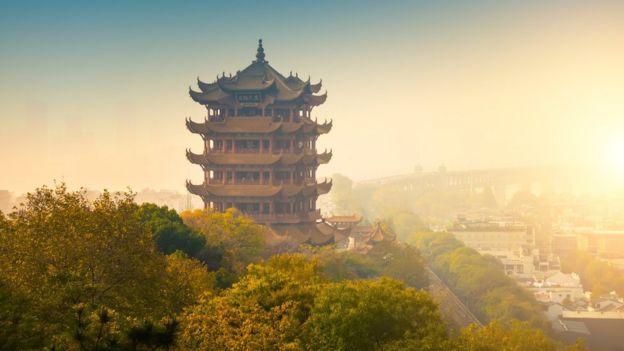
WuhanImage copyright GETTY IMAGES
Image caption The outbreak occurred in the city of Wuhan, south of Beijing

What is this virus?

Viral samples have been taken from patients and analysed in the laboratory.

And officials in China and the World Health Organization have concluded the infection is a coronavirus.

Coronaviruses are a broad family of viruses, but only six (the new one would make it seven) are known to infect people.

At the mild end they cause the common cold, but severe acute respiratory syndrome (Sars) is a coronavirus that killed 774 of the 8,098 people infected in an outbreak that started in China in 2002.

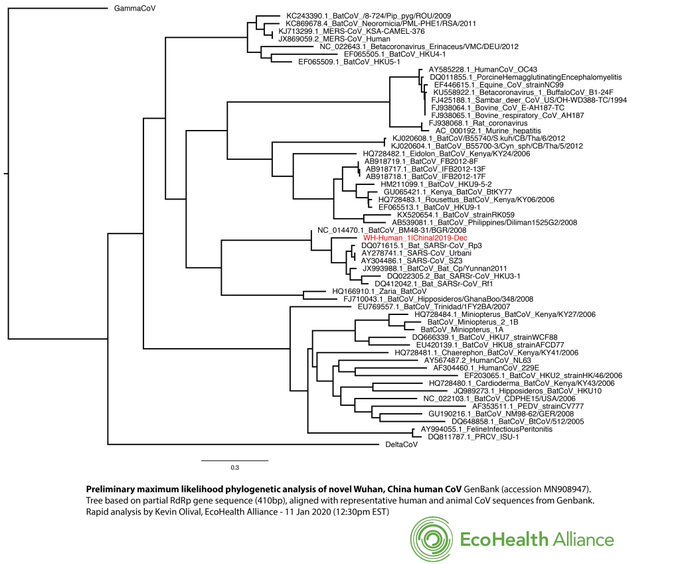
Analysis of the genetic code of the new virus shows it is more closely related to Sars than any other human coronavirus.

The virus has caused pneumonia in some patients and been fatal in two of them.

What do other experts say?

Dr Jeremy Farrar, director of the Wellcome medical research charity, said: “There is more to come from this epidemic.

“Uncertainty and gaps remain, but it’s clear that there is some level of person-to-person transmission.

Media caption Coronavirus feared to have infected more than initially thought, according to scientists

“We are starting to hear of more cases in China and other countries and it is likely, as this modelling shows, that there will be many more cases in a number of countries.”

Prof Jonathan Ball, from the University of Nottingham, said: “What’s really important is until there has been widespread laboratory testing it is very difficult to put a real number on the cases out there.

“But this is a figure we should take seriously until we know otherwise, 41 animal-to-human ‘spillovers’ is stretching it a bit and there probably is more underlying infection than has been detected so far.”

Source: The BBC

18/01/2020

To defuse palm row, Davos diplomacy likely between India, Malaysia

KUALA LUMPUR/NEW DELHI (Reuters) – Trade ministers from India and Malaysia are likely to meet on the sidelines of the World Economic Forum’s annual meeting in Davos next week amid a palm oil spat between the two countries, a Malaysian government spokesman told Reuters on Friday.

Hindu-majority India has repeatedly objected to Malaysian Prime Minister Mahathir Mohamad speaking out against its recent policies which critics say discriminate against Muslims.

Malaysia, a Muslim-majority nation, is the second biggest producer and exporter of palm oil and India’s restrictions on the refined variety of the commodity imposed last week have been seen as a retaliation for Mahathir’s criticism of New Delhi’s actions.

India’s trade minister Piyush Goyal denied on Thursday that the government was trying to hit out at Malaysia in particular.

The row between the countries, nevertheless, pushed benchmark Malaysian palm futures to its biggest weekly decline in more than 11 years on Friday.

No agenda has been set for the proposed meeting between Goyal and his Malaysian counterpart Darell Leiking on Friday, the spokesman for Malaysia’s Ministry of International Trade and Industry said, adding that the request for a meeting had come from India.

An Indian government source said a meeting was indeed likely with Leiking. A spokeswoman for India’s trade ministry did not respond to a request for comment.

Reuters reported on Thursday that Malaysia did not want to escalate the palm spat with India by talking of any retaliation for now, after Mahathir’s media adviser called for tighter regulations on Indian expatriates and products. Malaysia instead wants to rely on diplomacy.

A separate Indian government source said it was important for New Delhi also to talk things out with Malaysia.

“We too have a lot to lose in Malaysia, there are 2 million Indian-origin people there,” the source said.

There were a total of 117,733 Indian nationals registered as foreign labour in Malaysia as at June 2019, accounting for nearly 6% of the total foreign workforce in the country. Ethnic Malaysian-Indians are the third-largest community in the Southeast Asian country.

Another reason for frosty ties between the countries is the continued presence of controversial Indian Islamic preacher Zakir Naik in Malaysia, said one of the sources.

Naik, who faces charges of money laundering and hate speech in India, has lived in Malaysia for more than three years and has permanent residency in the country. He denies the Indian accusations.

The sources declined to be identified as they were not authorised to talk to the media.

Source: Reuters

18/01/2020

Myanmar, China ink deals to accelerate Belt and Road as Xi courts an isolated Suu Kyi

NAYPYITAW (Reuters) – China and Myanmar inked dozens of deals on Saturday to speed up infrastructure projects in the Southeast Asian nation, as Beijing seeks to cement its hold over a neighbour increasingly isolated by the West.

But no major new projects were agreed during the two-day visit by President Xi Jinping, the first of any Chinese leader in 19 years. Analysts said Myanmar was generally cautious of investments by Beijing and was also being careful ahead of elections later this year.

Still, Xi and Myanmar leader Aung San Suu Kyi signed 33 agreements shoring up key projects that are part of the flagship Belt and Road Initiative, China’s vision of new trade routes described as a “21st century silk road”.

They agreed to hasten implementation of the China Myanmar Economic Corridor, a giant infrastructure scheme worth billions of dollars, with agreements on railways linking southwestern China to the Indian Ocean, a deep sea-port in conflict-riven Rakhine state, a special economic zone on the border, and a new city project in the commercial capital of Yangon.

They did not address a controversial $3.6 billion Beijing-backed mega dam, where work has been stalled since 2011, reflecting the contentiousness of Chinese investment in Myanmar, where many are uncomfortable with the sway Beijing has over its smaller neighbour.

“While a large number of different agreements have been signed, there is no Big Bang here,” said Richard Horsey, a Yangon-based analyst with the International Crisis Group.

“The overall impression is that Myanmar is being cautious about Chinese investment, especially ahead of elections planned later in the year, he said.

“China will be hoping that this is an incremental step towards realizing its mega-infrastructure goals, and that further progress can be locked in over the coming months,” he said.

‘DERAILED’ BY WEST

At a welcoming ceremony on Friday, Xi hailed a “new era” of relations between the countries.

“We are drawing a future roadmap that will bring to life bilateral relations based on brotherly and sisterly closeness in order to overcome hardships together and provide assistance to each other,” Xi said. He was scheduled to leave later on Saturday.

Suu Kyi called China “a great country playing an important role in the international affairs and the world economy” but urged for economic projects that avoid environmental degradation and benefit locals.

Xi also met leaders from political parties in ethnic areas riven with civil conflict where Chinese infrastructure projects are underway.

Sai Kyaw Nyunt, joint-secretary of the Shan Nationalities League for Democracy, one of the ethnic politicians invited to meet Xi, said it was only a handshake.

“Our country is very small and powerless,” he said, “So they treat us that way.”

The two countries have historically had a fraught relationship, but have moved closer since 2017, when Myanmar was internationally condemned for its treatment of minority Rohingya Muslims in Rakhine state.

More than 730,000 Rohingya were forced to flee western Myanmar after a military crackdown that the United Nations has said was executed with “genocidal intent”. China has defended the country on the global stage and is viewed as the biggest obstacle to a prosecution of its leaders at an international war crimes tribunal.

An article in Chinese state media ahead of the state visit said Myanmar had been “derailed” by its engagement with the West and only China was willing to “pull Myanmar from the sludge”.

“But after some turbulence, Myanmar realized there were double standards in the approach Western countries had taken on human rights issues and began to turn to China for diplomatic and economic help,” the article in the Global Times said.

Source: Reuters

Law of Unintended Consequences

continuously updated blog about China & India

ChiaHou's Book Reviews

continuously updated blog about China & India

What's wrong with the world; and its economy

continuously updated blog about China & India