
Military medical staff sitting in large transport plane of the air force of the People’s Liberation Army (PLA) are on their way to Wuhan, central China’s Hubei Province, Feb. 2, 2020. (Photo by Yuan Zhilong/Xinhua)
Source: Xinhua
continuously updated blog about China & India

You will be living in their world, very soon

Beware the Waking Dragon
Military medical staff sitting in large transport plane of the air force of the People’s Liberation Army (PLA) are on their way to Wuhan, central China’s Hubei Province, Feb. 2, 2020. (Photo by Yuan Zhilong/Xinhua)
Source: Xinhua
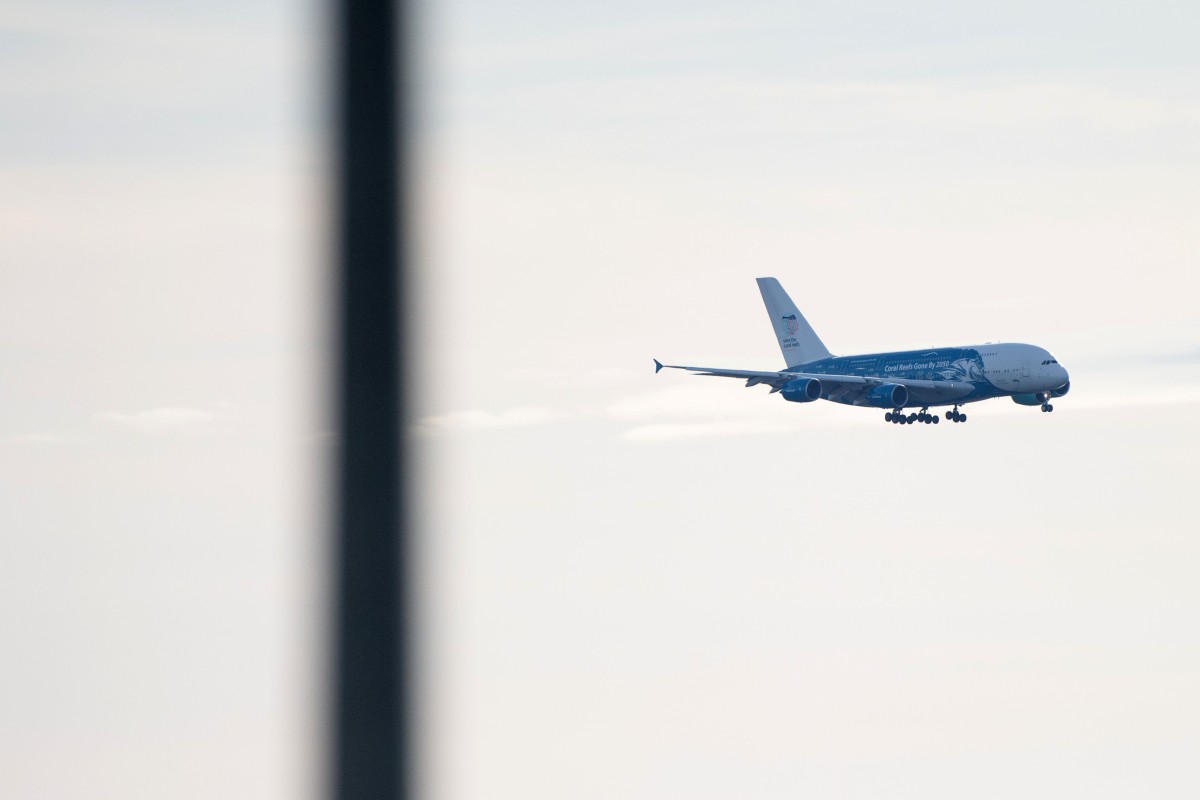
A second French-chartered plane carrying 300 evacuees from China flew to France on Sunday as more foreigners fled China’s rapidly developing virus.
The Airbus A380 landed at the military base of Istres in the southern French region of Bouches-du-Rhone. A first French plane landed Friday.
Officials said that when this latest flight left the central Chinese city of Wuhan, none of the passengers had symptoms of coronavirus. They include French, Belgians, Dutch, Danes, Czechs, Slovaks and some citizens of African countries.
Authorities said the plane would drop off most of its passengers at Istres before leaving for Belgium with several dozen people from northern Europe. Authorities haven’t said if the travellers arriving at Istres will be put into quarantine.
Of the 180 French people who were flown back from Wuhan on Friday, one showed symptoms of being infected with the virus and was sent to a Marseille hospital for testing, French Health Minister Agnes Buzyn said.
The other passengers were being quarantined for 14 days at a large, isolated Mediterranean resort not far from Marseille near Carry-le-Rouet.
German Health Minister Jens Spahn said that two people who were flown back to Germany on Saturday were found to be infected with the virus. That brought the total of cases in Germany to 10. Spahn said the two had been symptom-free when they left Wuhan and when they arrived in Frankfurt, and that they were “doing well at the moment” in quarantine at a Frankfurt hospital.
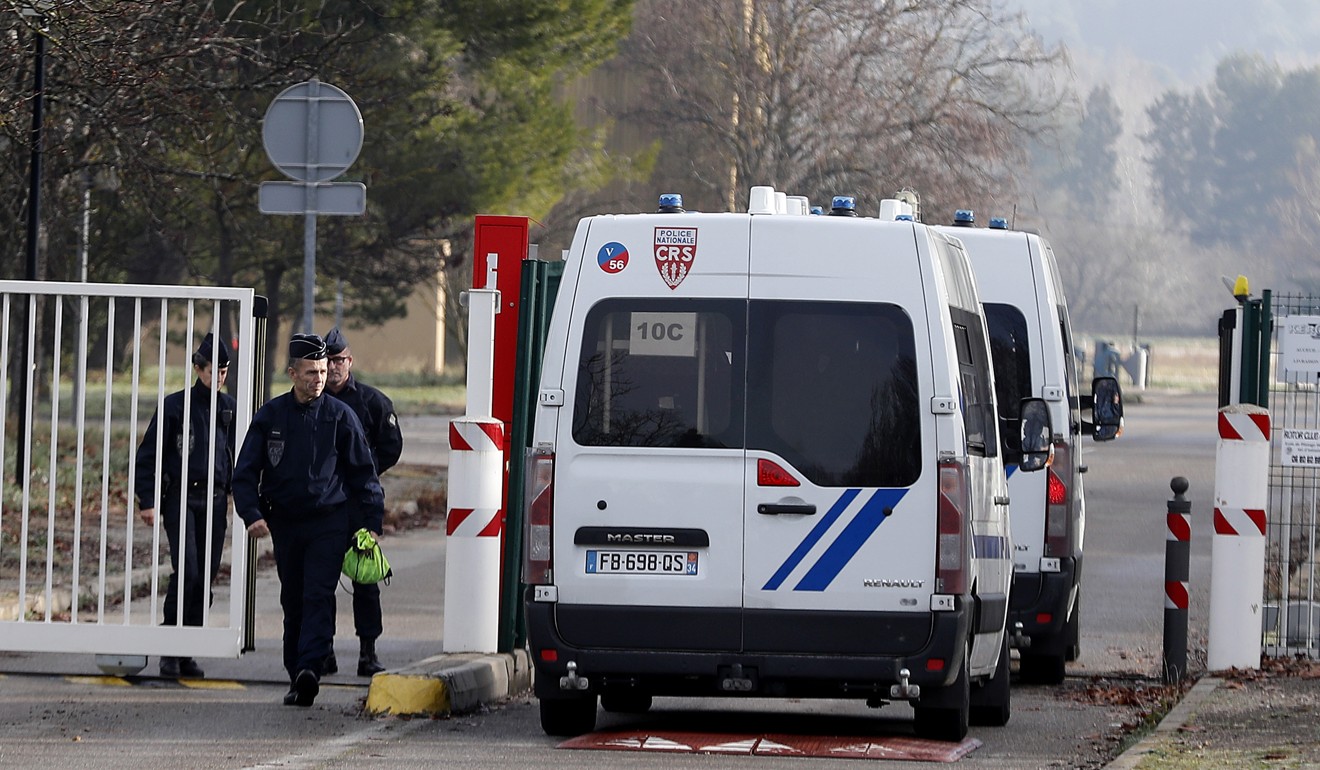
The Italian foreign ministry said permission had been given for cargo flights to fly between Italy and China.
Separately, the special commissioner in charge of coordinating Italy’s efforts during the viral outbreak said consideration was being given to letting a handful of Chinese commercial airliners fly to Italy to pick up Chinese tourists and other Chinese citizens stranded in Italy by the suspension of commercial flights.
The commissioner, Angelo Borrelli, was quoted by Italian media as saying that Italy would like those flights, if approved, not to fly to Italy empty, but instead to bring back Italians from China. There are an estimated 500 other Italians in China who have apparently expressed an interest in returning home during the outbreak, but nothing firm had been decided on those flight possibilities.
Meanwhile, an estimated 3,000 tourists and others from China are stranded in Italy and want to return to home, according to Italian media.
Coronavirus: Indonesia evacuates citizens, stops flights from China
The death toll in China climbed Sunday to 304 and the number of infections rose to 14,380. In addition, the Philippines on Sunday reported the first death from the virus outside China.
On Saturday night, a Turkish military transport plane carrying 42 people arrived in Ankara from Wutan. The 32 Turkish, six Azerbaijani, three Georgian and one Albanian nationals will remain under observation in a hospital for 14 days, Health Minister Fahrettin Koca said.
Twenty Turkish personnel who took part in the evacuation will also be kept in quarantine.
The Egyptian government said 306 of its nationals would return home from Wuhan on a chartered plane later Sunday and will be subject to a 14-day quarantine. The online news outlet Masrawy reported that authorities prepared a hotel in the northwestern city of Marsa Matruh where the returnees would be quarantined.
Source: SCMP
The Chinese city of Wuhan is building a hospital in just a few days, to treat patients suspected of contracting the coronavirus.
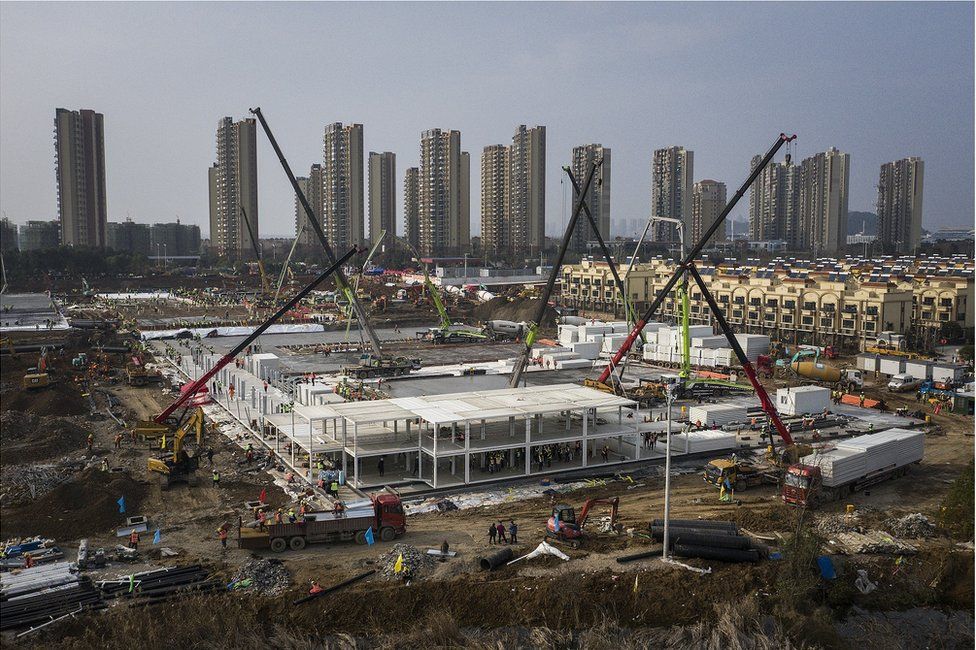 Image copyright GETTY IMAGES
The 25,000-square-metre (30,000 sq yd) Huoshenshan Hospital, one of two new hospitals being built, is scheduled to open on Monday.
On 24 January, diggers were speedily clearing the ground where the hospital will sit.
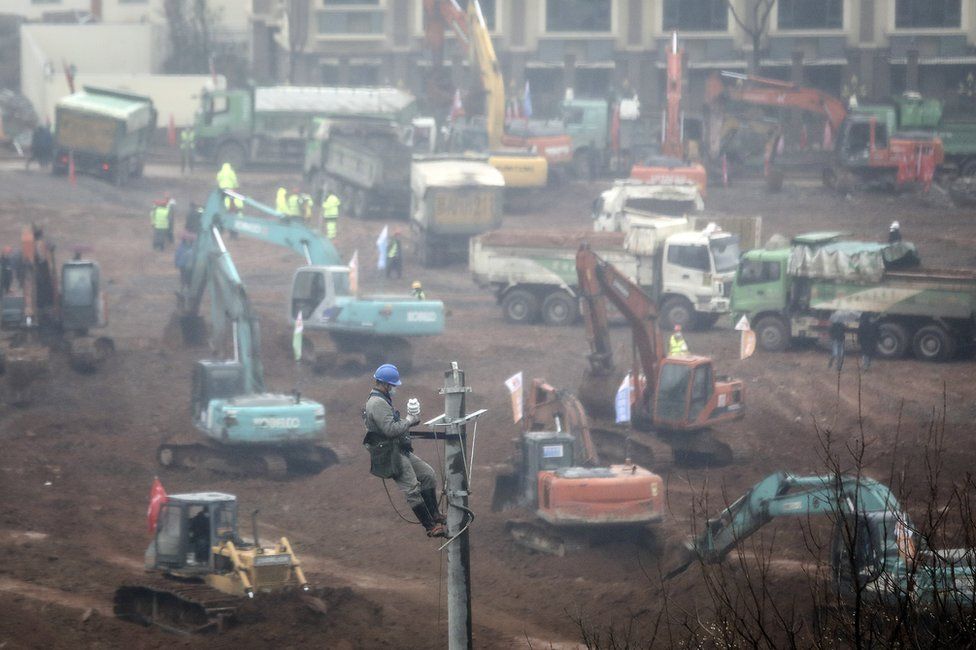 Image copyright GETTY IMAGES
China’s health authorities say 304 people have died from the coronavirus, with more than 14,000 cases in the country and beyond.
There have been about 100 cases in another 22 countries, including two people in the UK.
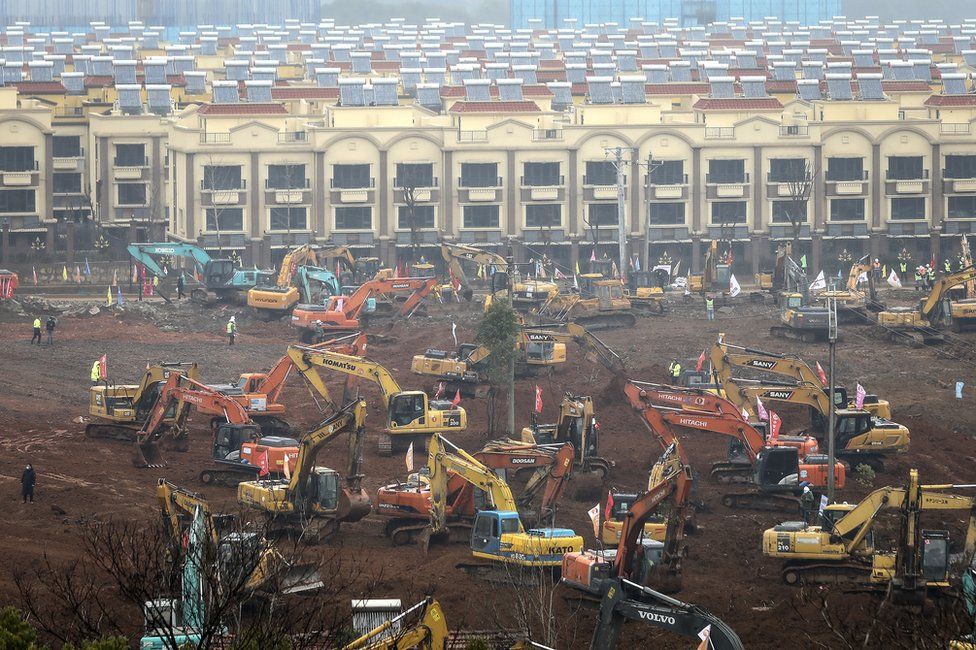 Image copyright GETTY IMAGES
The number of cases worldwide has surpassed that of the Sars epidemic, which spread to more than two dozen countries in 2003.
There were around 8,100 cases of Sars – severe acute respiratory syndrome – reported during that outbreak.
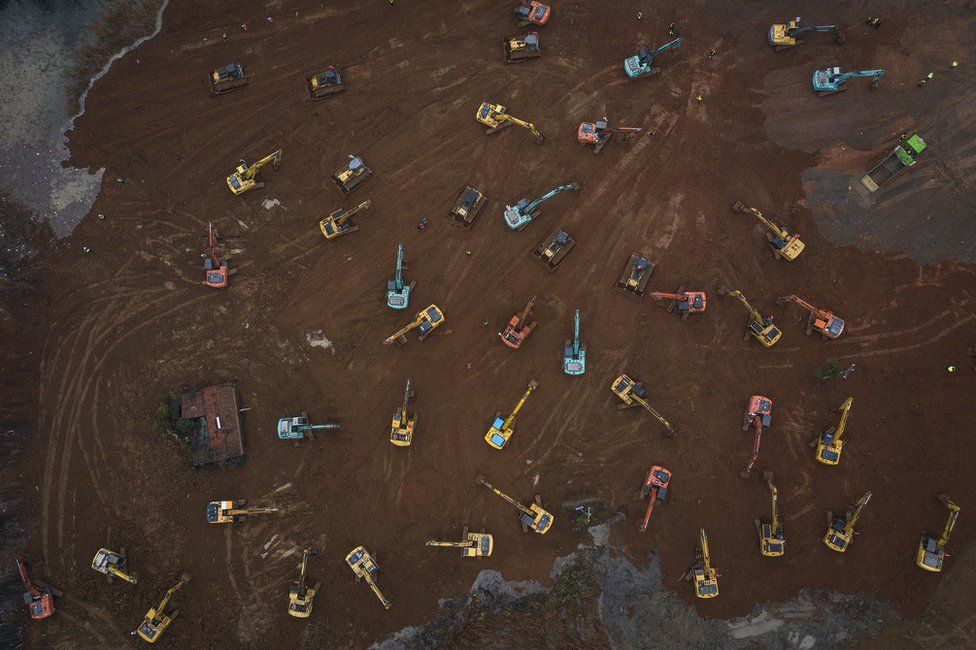 Image copyright GETTY IMAGES
The coronavirus outbreak began in Wuhan, home to around 11 million people.
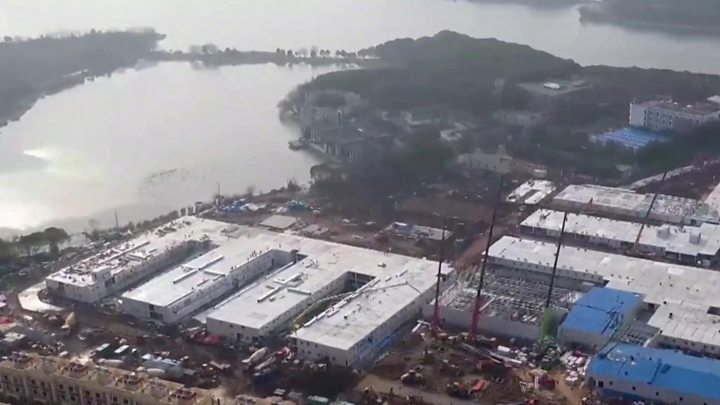
According to state media, the new Huoshenshan Hospital will contain about 1,000 beds.
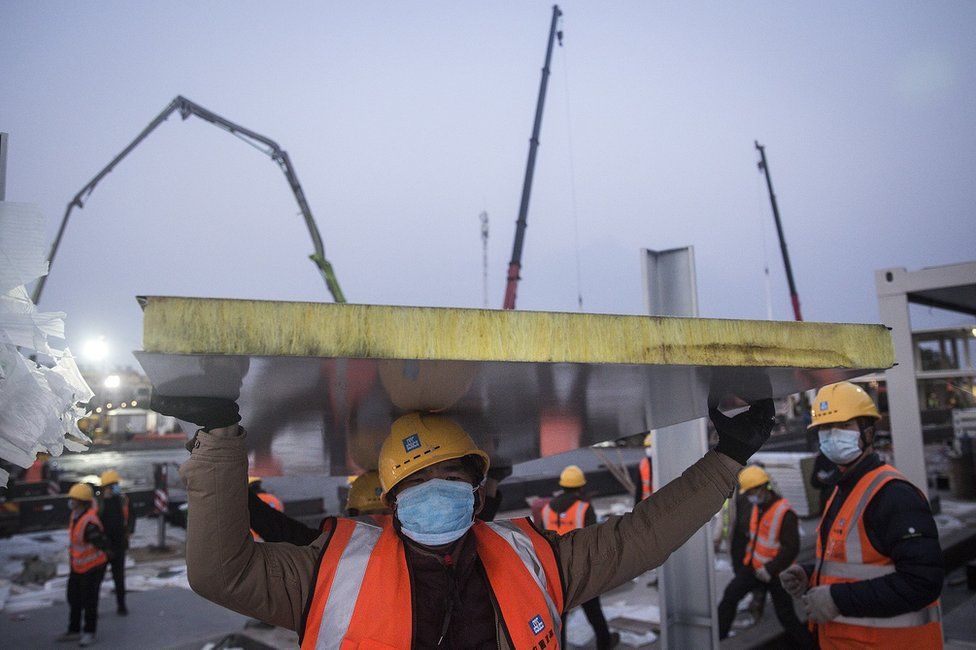 Image copyright GETTY IMAGES
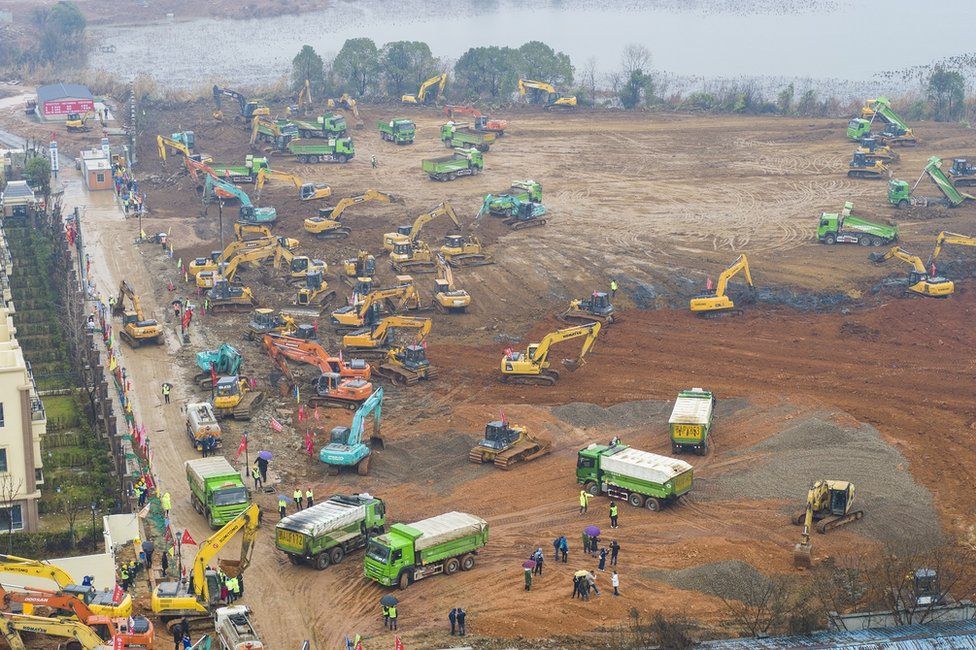 Image copyright GETTY IMAGES
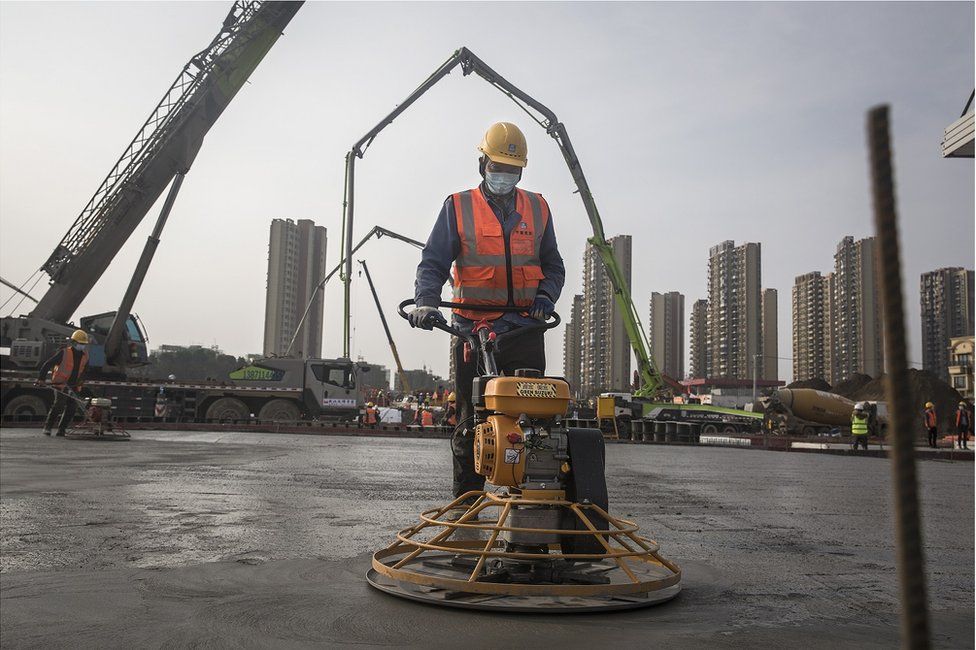 Image copyright GETTY IMAGES
China’s official CCTV broadcaster has been hosting livestreams so people can watch the hospitals being built in real-time – and they have proved an unlikely hit.
The Global Times newspaper says more than 40 million people have been watching the livestreams in China.
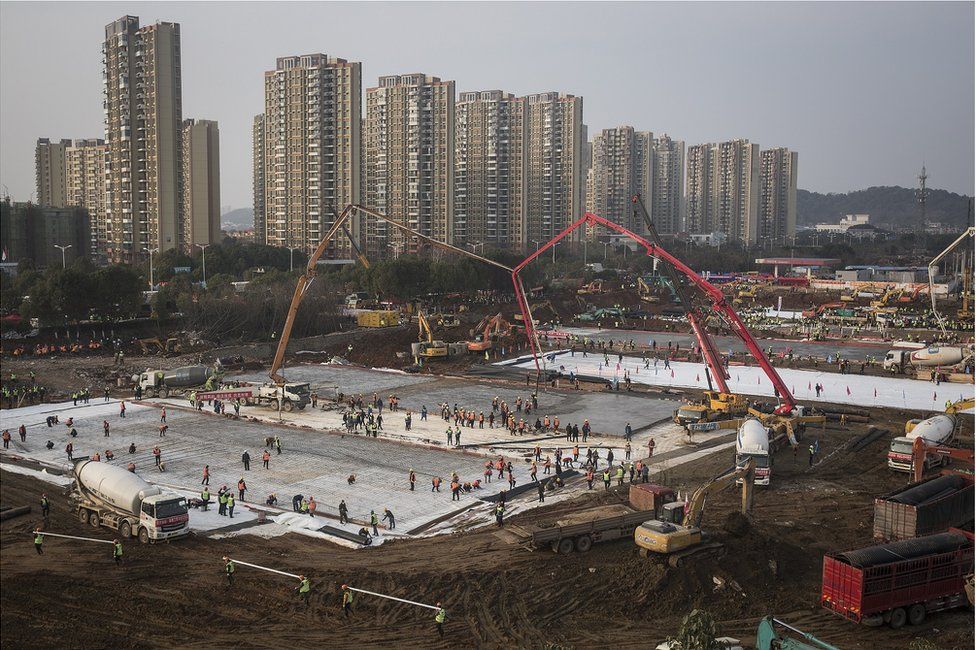 Image copyright GETTY IMAGES
 Image copyright GETTY IMAGES
The popularity of the footage has led to the construction vehicles earning unusual fame.
Cement mixers have found themselves with nicknames like “The Cement King”, “Big White Rabbit” and “The White Roller”.
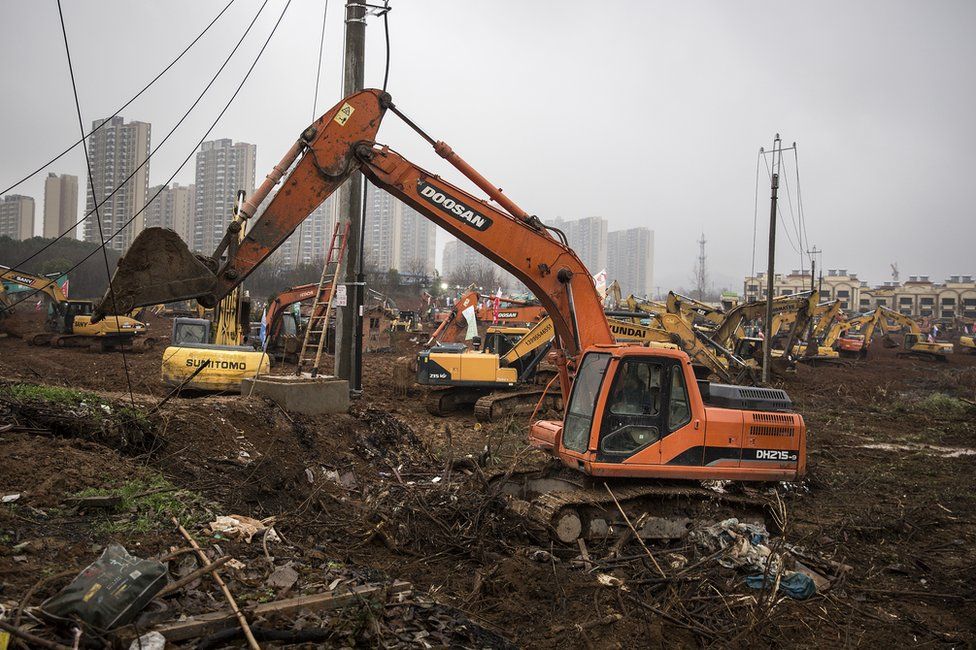 Image copyright GETTY IMAGES
Huoshenshan Hospital is based on Xiaotangshan Hospital, set up in Beijing to help tackle the Sars virus in 2003.
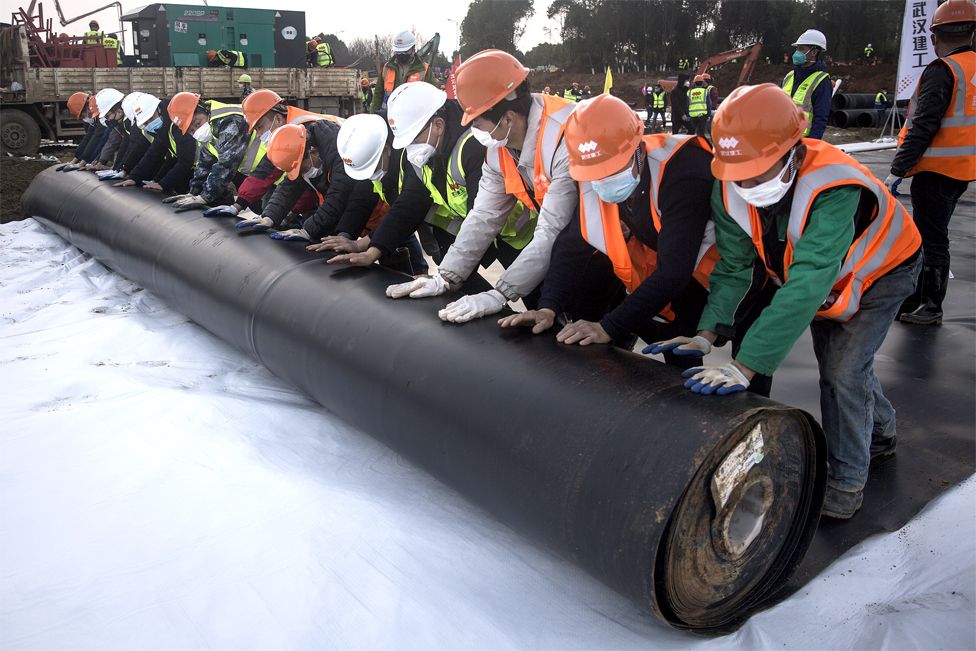 Image copyright GETTY IMAGES
Xiaotangshan Hospital was built in seven days, allegedly breaking the world record for the fastest construction of a hospital.
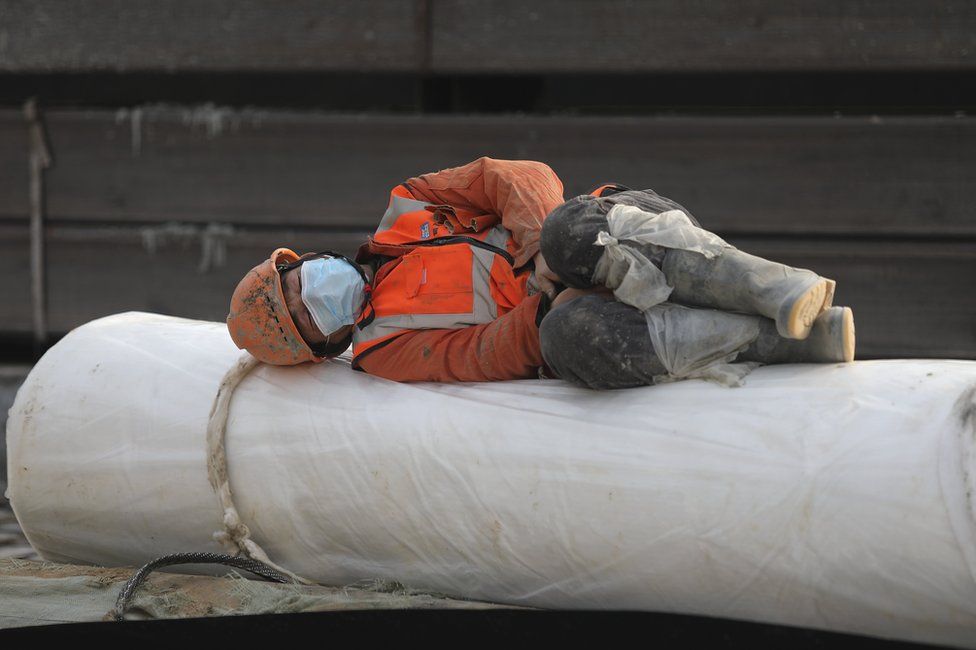 Image copyright GETTY IMAGES
“China has a record of getting things done fast even for monumental projects like this,” says Yanzhong Huang, a senior fellow for global health at the Council on Foreign Relations.
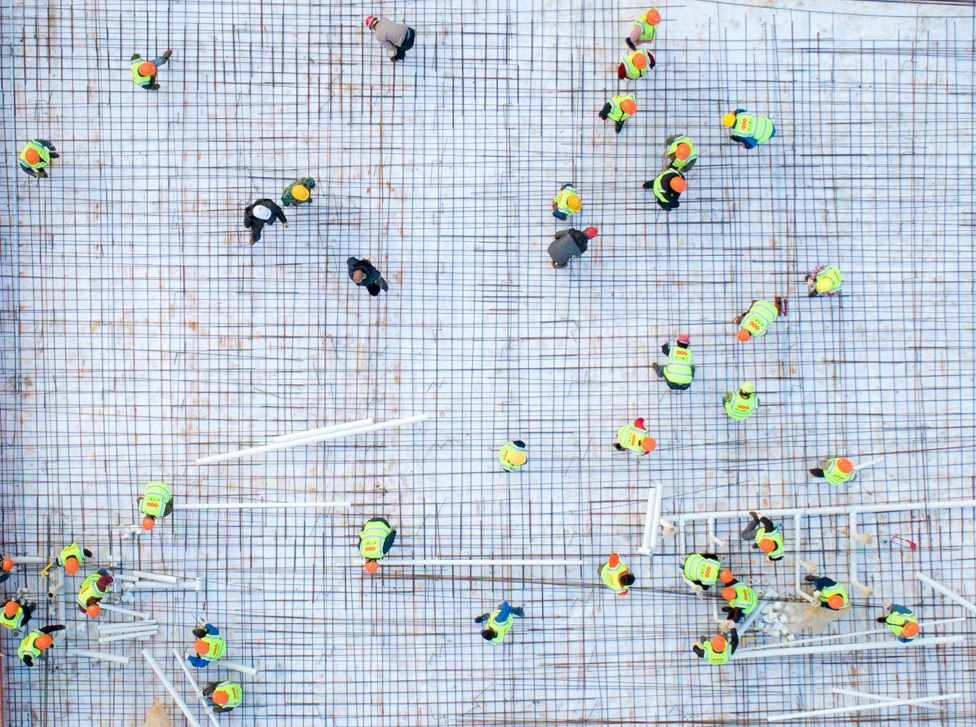 Image copyright ALAMY
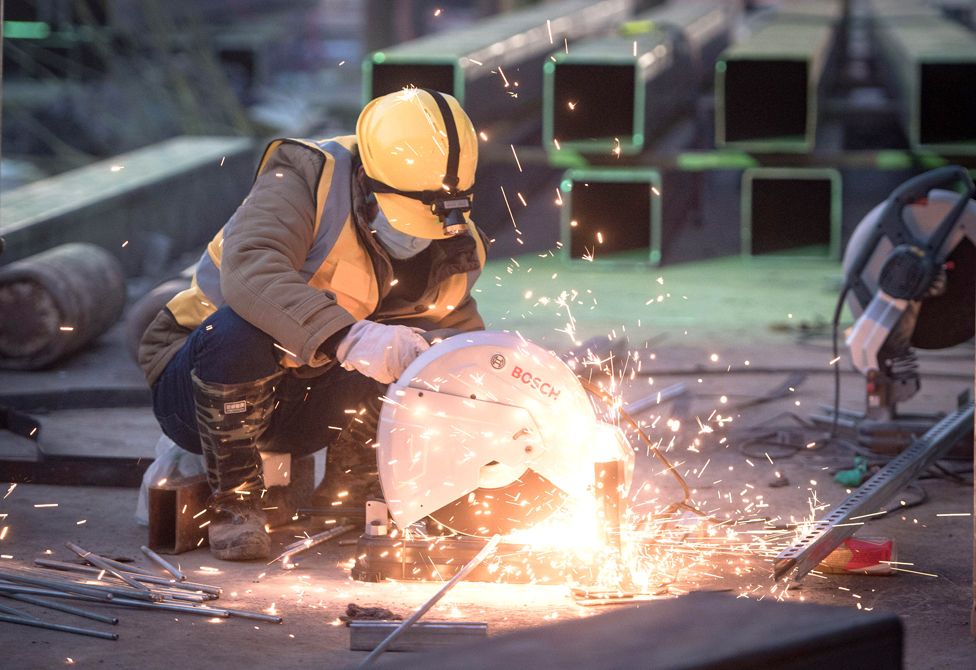 Image copyright ALAMY
Just like the hospital in Beijing, Huoshenshan Hospital will consist of prefabricated buildings.
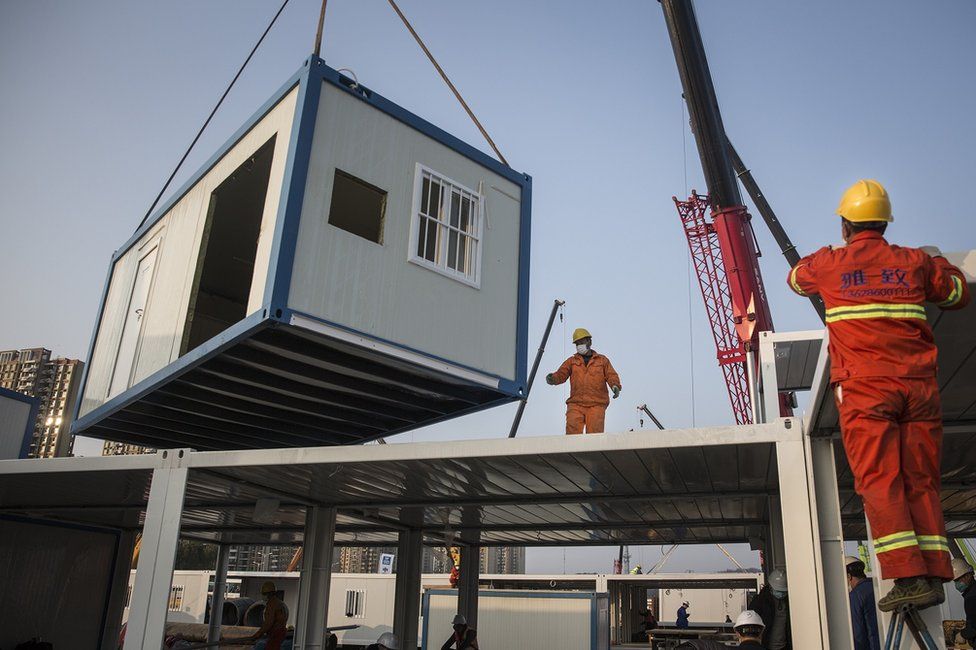 Image copyright GETTY IMAGES
Mr Huang said that engineers would be brought in from across the country in order to complete construction in time.
“Engineering work is what China is good at. They have records of building skyscrapers at speed. This is very hard for Westerners to imagine. It can be done,” he added.
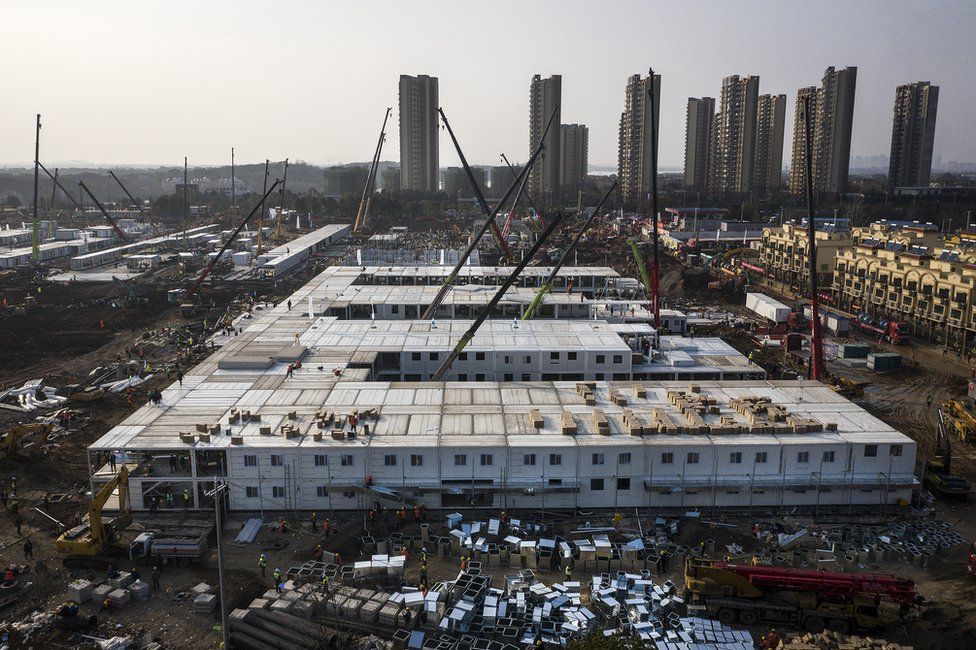 Image copyright GETTY IMAGES
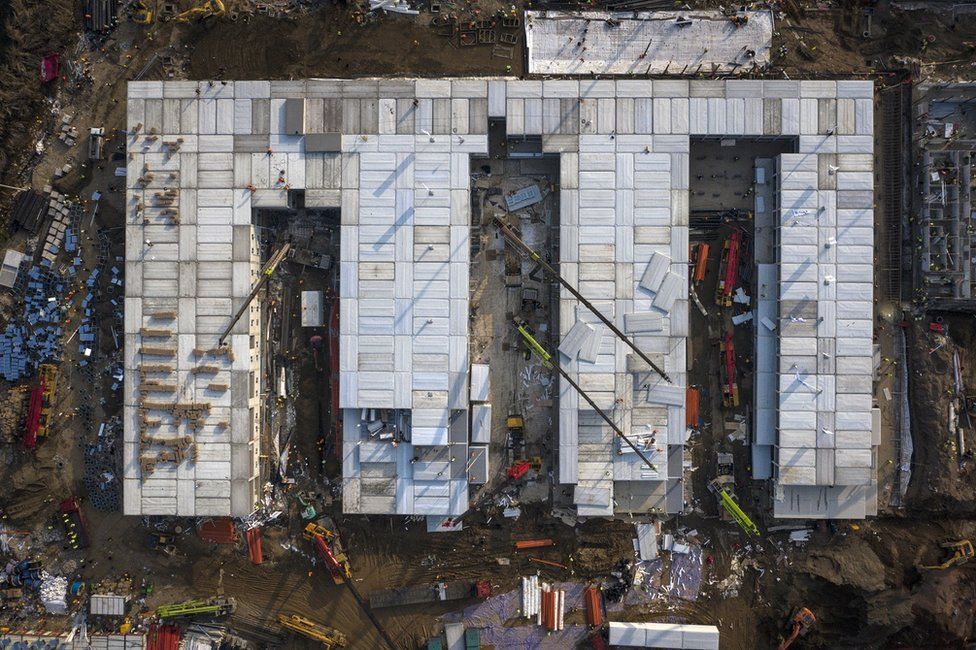 Image copyright GETTY IMAGES
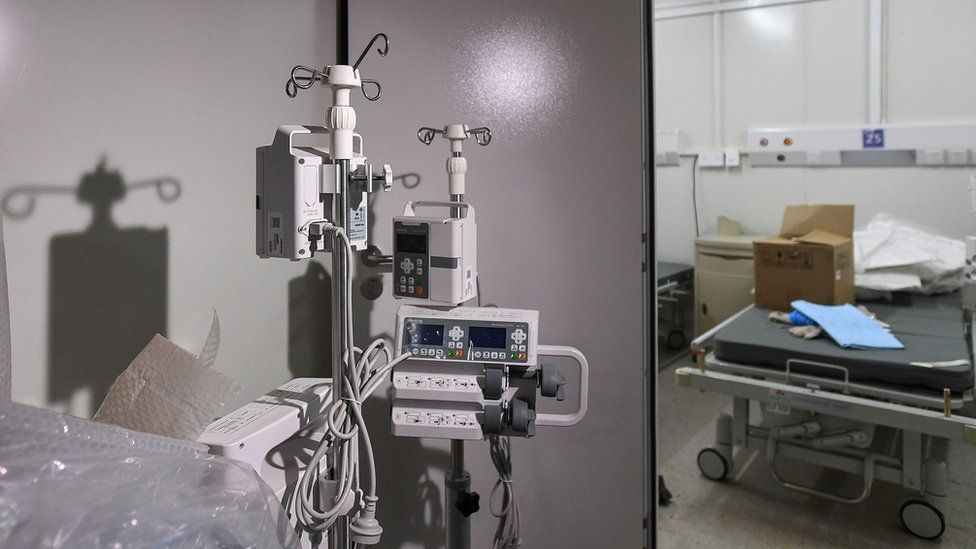 Image copyright GETTY IMAGES
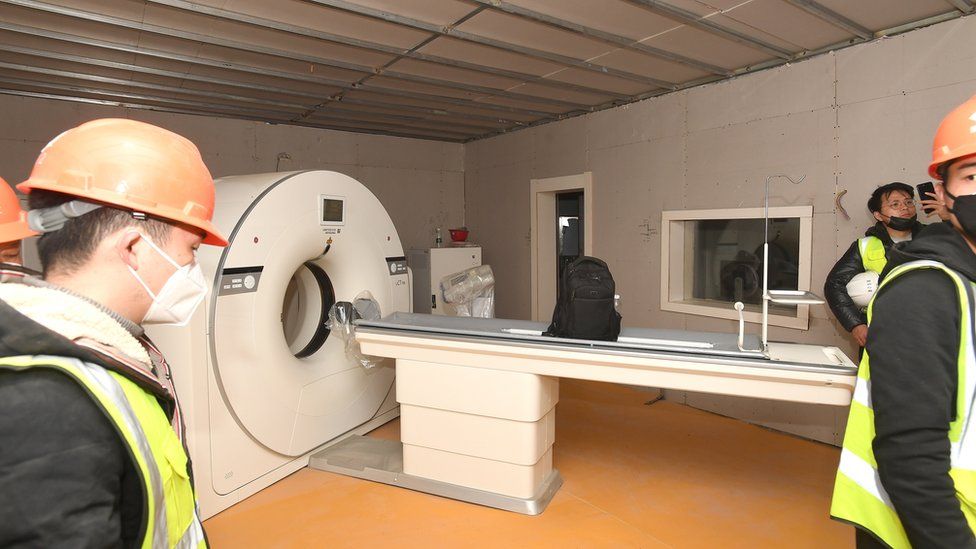 Image copyright EPA
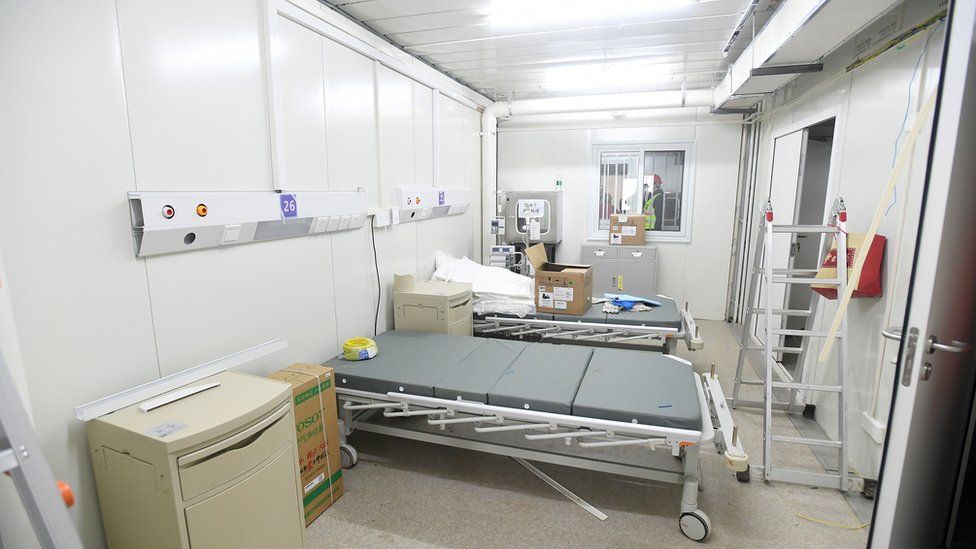 Image copyright EPA
Source: The BBC

epidemic.
“We are committed to ensuring the safety and well-being of our staff and their families,” a spokesman for the British Foreign Office said.
“We are therefore temporarily withdrawing some UK staff, and their dependents from our embassy and consulates in China.”
The US, which on Friday temporarily banned the entry of foreign nationals, who had travelled to China over the past two weeks, has also made similar changes.
Two people in UK test positive for coronavirus
On Wednesday, it authorised the departure of non-emergency government employees and their family members from its offices in Beijing, Chengdu, Guangzhou, Shanghai, and Shenyang.
And on Friday, it ordered all relatives of staff members under the age of 21 to leave China immediately.
A spokesman for the US Embassy in Beijing said it made the decision “out of an abundance of caution related to logistical disruptions stemming from restricted transportation and overwhelmed hospitals related to the novel coronavirus”.
One of the two individuals is a student at the University of York, a university spokesman said on Saturday.
Also on Friday, 83 British citizens returned on a UK government-chartered flight from Wuhan, the Chinese city at the centre of the epidemic.
They were immediately taken to a hospital in northwest England for a two-week quarantine.
Source: SCMP
The new coronavirus has been declared a global emergency by the World Health Organization, as the outbreak continues to spread outside China.
“The main reason for this declaration is not what is happening in China but what is happening in other countries,” said WHO chief Tedros Adhanom Ghebreyesus.
The concern is that it could spread to countries with weaker health systems.
Meanwhile, the US has told its citizens not to travel to China.
The state department issued a level four warning – having previously urged Americans to “reconsider” travel to China – and said any citizens in China “should consider departing using commercial means”.
China has said it will send charter plans to bring back Hubei province residents who are overseas “as soon as possible”.
A foreign ministry spokesman said this was because of the “practical difficulties” Chinese citizens have faced abroad. Hubei is where the virus emerged.
At least 213 people in the China have died from the virus, mostly in Hubei, with almost 10,000 cases nationally.
The WHO said there had been 98 cases in 18 other countries, but no deaths.
Most international cases are in people who had been to Wuhan in Hubei.
However in eight cases – in Germany, Japan, Vietnam and the United States – patients were infected by people who had travelled to China.
Source: WHO and local authorities
He praised the “extraordinary measures” Chinese authorities had taken, and said there was no reason to limit trade or travel to China.
“Let me be clear, this declaration is not a vote of no confidence in China,” he said.
But various countries have taken steps to close borders or cancel flights, and companies like Google, Ikea, Starbucks and Tesla have closed their shops or stopped operations.
The US Commerce Secretary, Wilbur Ross, has said the outbreak could “accelerate the return of jobs to North America”.


What happens if this virus finds its way into a country that cannot cope?
Many low- and middle-income countries simply lack the tools to spot or contain it. The fear is it could spread uncontrollably and that it may go unnoticed for some time.
Remember this is a disease which emerged only last month – and yet there are already almost 10,000 confirmed cases in China.
The 2014 Ebola outbreak in West Africa – the largest in human history – showed how easily poorer countries can be overwhelmed by such outbreaks.
And if novel coronavirus gets a significant foothold in such places, then it would be incredibly difficult to contain.
We are not at that stage yet – 99% of cases are in China and the WHO is convinced the country can control the outbreak there.
But declaring a global emergency allows the WHO to support lower- and middle-income countries to strengthen their disease surveillance – and prepare them for cases.
The WHO declares a Public Health Emergency of International Concern when there is “an extraordinary event which is determined… to constitute a public health risk to other states through the international spread of disease”.
It has previously declared five global public health emergencies:

A confirmed case in Tibet means the virus has reached every region in mainland China. According to the country’s National Health Commission, 9,692 cases have tested positive.
The central province of Hubei, where nearly all deaths have occurred, is in a state of lockdown. The province of 60 million people is home to Wuhan, the heart of the outbreak.
The city has effectively been sealed off and China has put numerous transport restrictions in place to curb the spread of the virus.
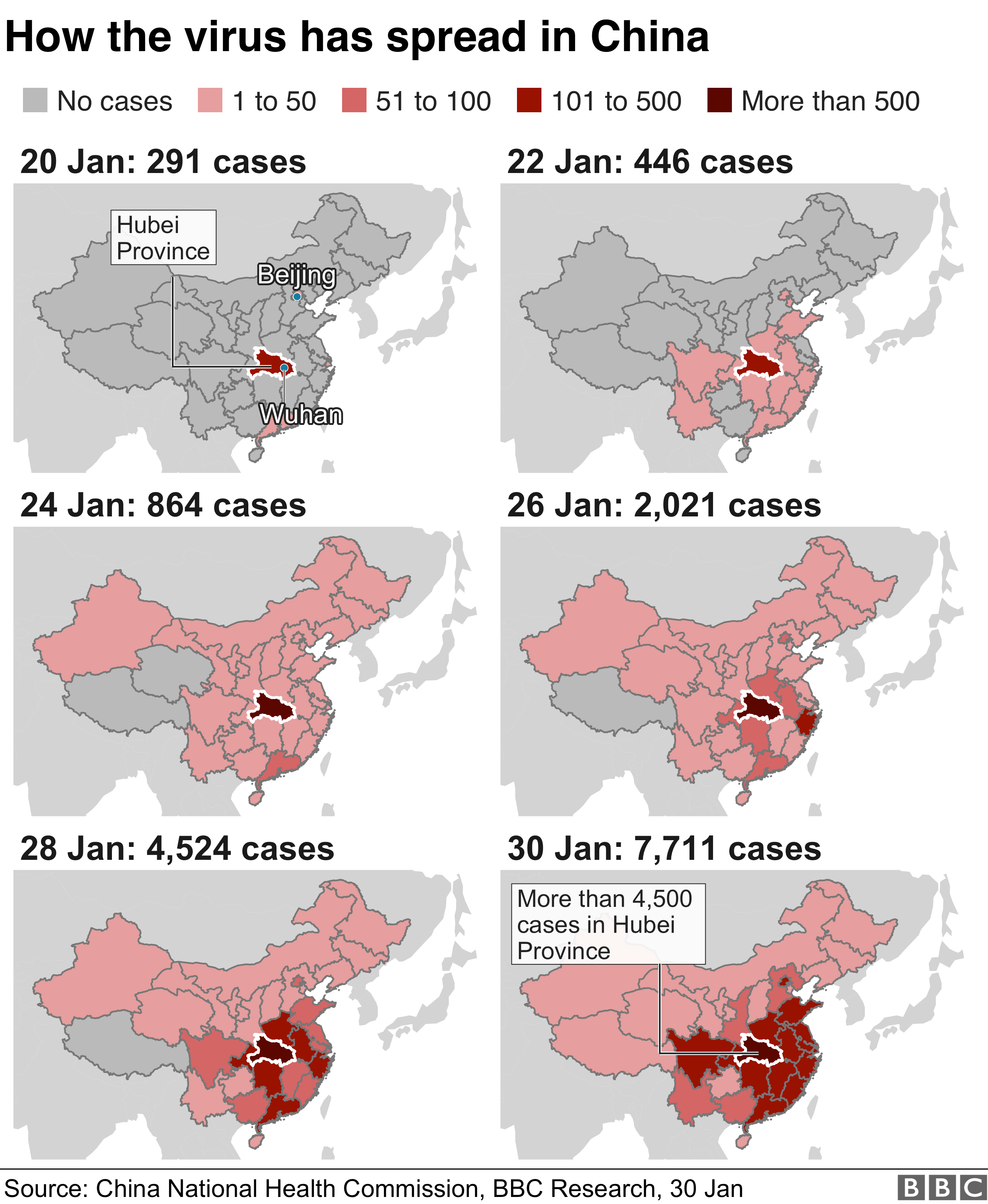
The virus is affecting China’s economy, the world’s second-largest, with a growing number of countries advising their citizens to avoid all non-essential travel to the country.
Voluntary evacuations of hundreds of foreign nationals from Wuhan are under way.
The UK, Australia, South Korea, Singapore and New Zealand are expected to quarantine all evacuees for two weeks to monitor them for symptoms and avoid contagion.
Australia plans to quarantine its evacuees on Christmas Island, 2,000km (1,200 miles) from the mainland in a detention centre that has been used to house asylum seekers.
In other recent developments:
Source: The BBC
Tokyo (Reuters) – Japan on Saturday moved to contain the economic impact of a coronavirus outbreak originating in China as strict new measures aimed at limiting the spread of the virus, including targeting foreign visitors, came into effect.
Japan had 17 confirmed cases as of Friday, including some without symptoms. One of the most recent was a bus guide who worked on a bus tour for tourists from China – the same tour as a bus driver who also came down with the virus.
Prime Minister Shinzo Abe told a Saturday meeting of a government task force coordinating Japan’s response to the virus to come up with steps aimed at easing the impact of the outbreak on Japan’s economy.
Abe has made tourism a key part of his economic policy, with a large proportion of foreign visitors from China, and major Japanese companies have a number of factories in China.
“I ask ministers to compile measures to use reserves (in the state budget) and implement them as soon as possible,” Abe was quoted by Kyodo news agency as saying.
“The new coronavirus is having a major impact on tourism, the economy and our society as a whole. The government will do its utmost to address the impact.”
No further details were given, though Abe stressed ensuring that Japanese residents have access to medical checkups and masks, which have been selling out around the nation.
New measures to fight the disease took effect on Saturday, including banning the entry of Chinese holding passports issued by Hubei, where the disease is thought to have originated, as well as all foreigners who had visited the province within two weeks, whether they show symptoms or not.
The government also brought forward implementing measures including compulsory hospitalisation and the use of public funds for treatment by six days to Saturday.
Of the 2.6 million tourists who came to Japan in December 2019, nearly 600,000 were Chinese, outnumbered only by South Koreans, government data shows. Japan aims to have 40 million tourists visit the country in 2020, up from 31.8 million in 2019.
On Friday, the president of Japanese airline ANA Holdings (9202.T) said it was considering suspending flights to China after February reservations plunged, Jiji news agency reported.
JTB Corporation, Japan’s largest travel agency, said it was suspending tours to China throughout February, Kyodo news agency reported.
Source: Reuters
NEW DELHI (Reuters) – India sought to boost growth in a federal budget on Saturday that raised spending on farms and expressways and offered cuts in personal taxes, but the measures fell short of market expectations and battered stocks.
Prime Minister Narendra Modi’s government is grappling with the country’s worst slowdown in a decade, with falling employment, consumption and investment ratcheting up the pressure to revive growth.
The government estimates growth this year to March 31 will slip to 5%, the weakest pace since the global financial crisis of 2008-09. It also warned an expected rebound the following year might entail a blow-out in fiscal deficit targets.
Finance Minister Nirmala Sitharaman, presenting the budget for the financial year beginning April 1, said 2.83 trillion rupees ($39.8 billion) will be allocated toward agriculture and allied activities, up 5.6 percent on the previous year.
The funds will be deployed to help farmers set up solar power generation units as well as establish a national cold storage system to transport perishables.
Sitharaman also vowed to spend $50.7 billion in coming years on a federal water scheme to address challenges facing one of the world’s most water-stressed nations.
Agriculture accounts for near 15% of India’s $2.8 trillion economy and is a source of livelihood for more than half of the country’s 1.3 billion population.
Sitharaman announced a new personal tax system including cuts for those ready to give up a myriad of tax breaks. She also abolished payment of dividend distribution tax by companies to spur investment.
“People have reposed faith in our economic policy,” Sitharaman said to the thumping of desks in parliament. “This is a budget to boost their income and enhance their purchasing power.”
Opposition parties slammed the budget, saying it had failed to address the slowdown in consumer demand and investment. “The government is in complete denial that the economy faces a grave macro economic challenge,” said former finance minister P. Chidambaram.
But higher government spending has put pressure on public finances, prompting caution from rating agencies. Sitharaman said the fiscal deficit for the current year would widen to 3.8% of GDP, up from 3.3% targeted for the current year.
Gene Fang, associate managing director, sovereign risk at Moody’s, said: “India’s 2020/21 budget highlights the challenges to fiscal consolidation from slower real and nominal growth, which may continue for longer than the government forecasts.”
For fiscal 2020/21 Sitharaman set the fiscal deficit at 3.5 percent. Moody’s said India’s government debt is already significantly higher than the average for Baa-rated sovereigns, a product of persistent fiscal deficits.
To help finance government spending, Sitharaman set a target for selling stakes in state firms at 2.1 trillion rupees for 2020/21, more than three times the amount expected this year.
She said the government will sell a part of its holding in state-run Life Insurance Corp, the country’s biggest insurance company.
But many experts said the measures did not go far enough to address the slowdown and structural flaws.
“In a normal scenario this budget would have been considered as good providing tax benefit to the common man, corporate and focus on farmers’ incomes, but the situation required more,” said Vinod Nair, head of research at Geojit Financial Services in Kochi.
Indian shares slid to a more than three-month low after a special trading session on Saturday, dented by what analysts said was a lack of sufficient stimulus measures. The NSE Nifty 50 index .NSEI closed 2.5% lower while the benchmark S&P BSE Sensex .BSESN fell 2.4%
“Markets had very high expectations from the budget … these expectations have not been met,” said Deepak Jasani of HDFC Securities.
The government also announced higher duties on a host of imports from walnuts to phone parts. Taxes on imports of pre-assembled printed circuit boards were raised to 20% from 10% and there were new taxes on mobile phones ringers and display panels in a bid to boost local manufacturing.
In its annual economic report released on Friday the government predicted growth would rebound to 6.0% to 6.5% in the fiscal year beginning April 1.
Some economists say global trade tensions and the outbreak of coronavirus in China pose a new risk to economic recovery by hitting cross-border commerce and supply chains.
Source: Reuters

continuously updated blog about China & India
continuously updated blog about China & India
continuously updated blog about China & India
 CHINDIA ALERT: You'll be living in their world, very soon